
Scenography
and the Subject
Luis Molina-Pantin’s inquisitive gaze lands on empty constructions and isolated objects and makes them reveal the culture that created them. He is like an anthropologist from the future whose perception is not conditioned as he investigates the meaning of environments and objects. In Molina-Pantin’s recent work, there appear airplanes and hangars, a ski lodge, an international-brand store, cruises, and the hybrid forms of Colombian architecture—what results from this is a consideration of the contemporary aesthetic of luxury. These sites are expressions of power; they are what one does or possesses to display power and enjoy its benefits.
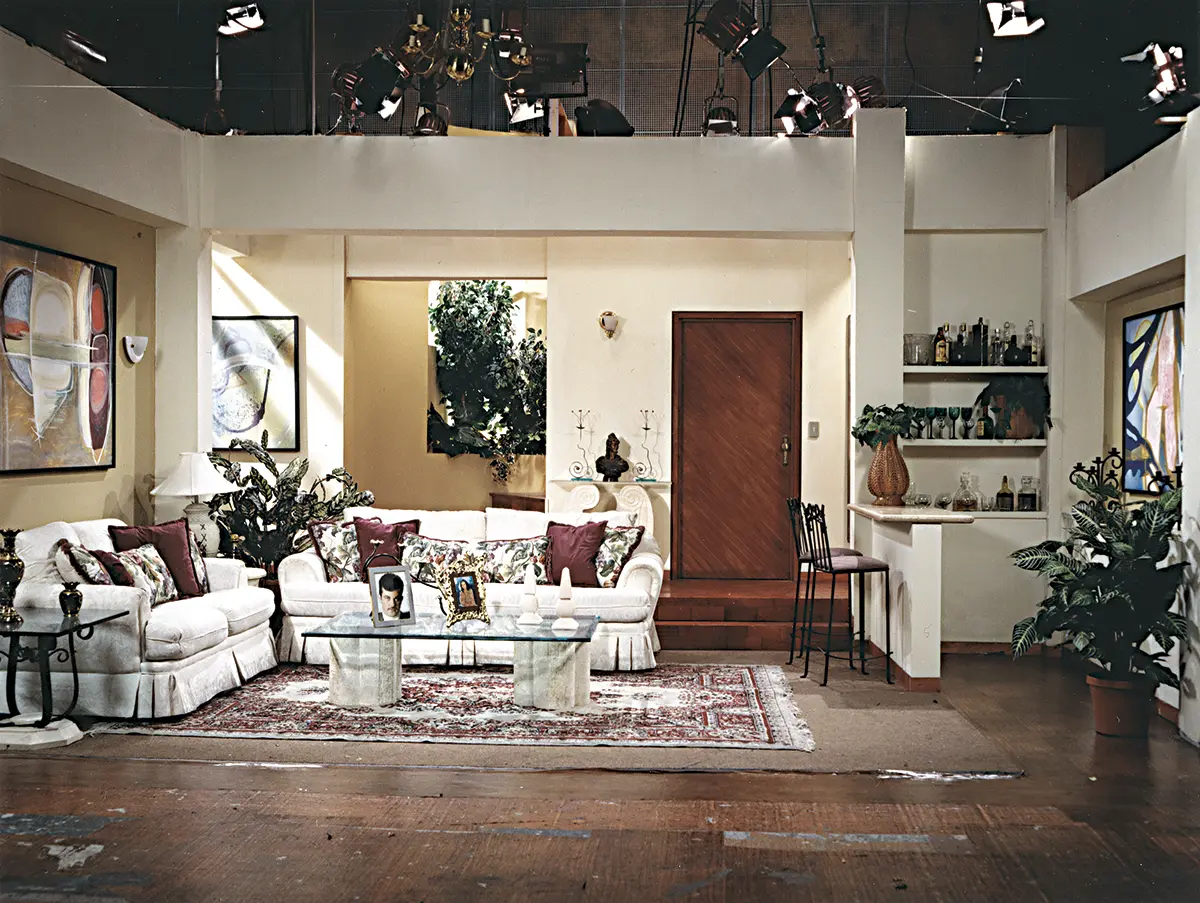
Since his earliest works, Molina-Pantin has worked on man’s concept of himself as expressed through constructions. The Venezuelan artist uses photography to create conceptual series centered around a single idea, an observation, a reflection on aspects of reality that are loaded with meaning. After studying at the San Francisco Art Institute and making his mark at the Pirelli Salon in 1995, Luis Molina-Pantin (born 1969, Geneva) became widely recognized for Inmobilia, his 1997 series of works about television soap opera studios. In these works, the studios were created to represent with great verisimilitude the ways of life of different Latin American social classes in soap operas, and the artist presented them emptied of actors and with clear boundaries, beyond which one sees lamps and scaffolding. An upper-class room is wide and dominated by warm colors; in a lower-class room, a refrigerator, a bed, and a TV set share the same space, surrounded by shades of blue and gray. There is also a jail, a hospital, a hallway, and other common settings of soap operas. Inmobilia has been shown around the world in museums and biennials, making evident Latin American spatial stereotypes that are reinforced by the popularity of soap operas.
The aesthetics of the German company Lufthansa was the topic for a large solo show at the Museo Alejandro Otero in Caracas. Confort (1996–2000), exhibited in that show, is a global installation that includes, alongside photographs and architectural models, hidden objects, and screensavers for the computers in the offices. It responds to the artist’s personal obsession with the airline’s public image and his flight on one of its planes, crossing the North Pole en route to Germany. With admiration and jetlag, the artist documented the experience of ideal German comfort. In Molina-Pantin’s work, globalized logos and corporate spaces represent what Venezuelans think of them. Included in the exhibition catalog were two important texts by Coco Fusco and Luis Pérez Oramas that highlighted the meaning of travel and of modernity for Latin Americans in general and Venezuelans in particular. Coco Fusco writes: “Molina-Pantin’s decision to operate in the post-modern discourse of appropriation allows him to comment incisively on the icons of popular culture, seen as icons of the mirror-images on which we see ourselves represented.”
Luxury appears in the series El apartamento de Osmel Sousa, Presidente de la Organización Miss Venezuela (2000). What is represented is a private space, belonging to a man whose taste has great influence in Latin America due to his role in the creation of the beauty queen aesthetic: he is the kind of Dr. Moreau who manufactures clones of ideal height, weight, and features. In the private domain of the “manager of Venezuelan beauty,” as he is often called, the highlights are mirrors and elaborately patterned fabrics in densely filled spaces. The work is an intrusion into the privacy of a popular figure, and the revelation constitutes a comment on his importance and the effects of his position.
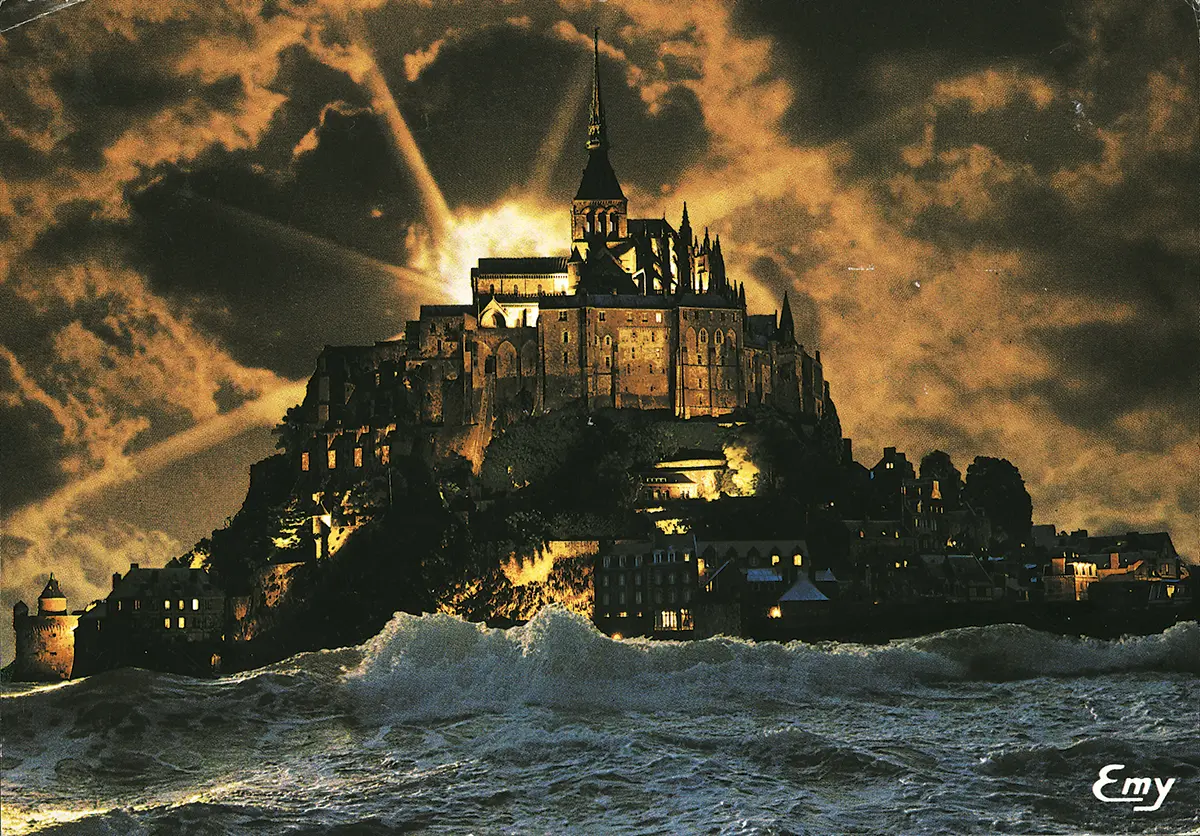
In addition to his artistic activity, Molina-Pantin is a collector and researcher of rare books and documents. Thus, he knows the power of images from different periods and presents symbolic shifts in his series of conceptual works based on documents, such as Postales apocalípticas from 1996. These are reproductions of mass-produced, souvenir-type postcards of landscapes and iconic monuments, with dramatic lighting that makes them seem like visions of the end of time and in which we recognize a strange idea of the sublime. Dusk over San Francisco, Piazza San Marco, Mont Saint-Michel as the seas rise: the scenes seem touched by the divine. An oil tower in flames takes the place of a burning bush in these contemporary theophanies.
Molina-Pantin underscores the romantic character of objects—what they possess of contemplation and pleasure. He works with ready-mades and conventional genres such as the landscape in Nuevos Paisajes and St. Moritz (2006), still life in Inmobilia and Galerías de Chelsea (2001–2006, a contemporary version of the antiquarian’s cabinet), and banknote and schoolbook cover portraiture in Best Sellers (2001–2004).
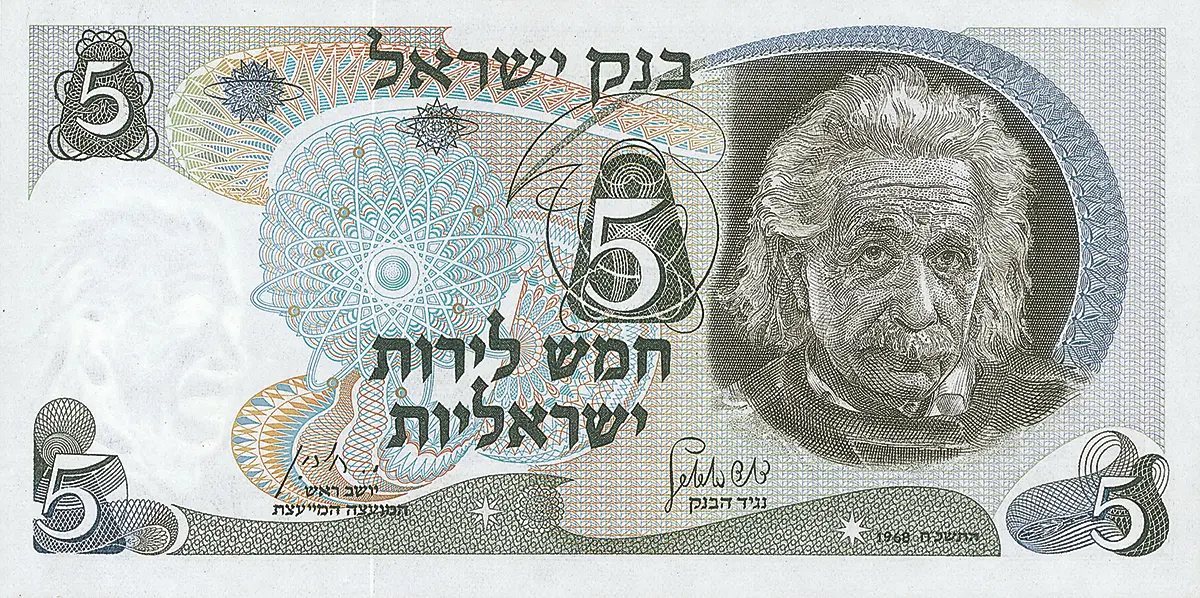
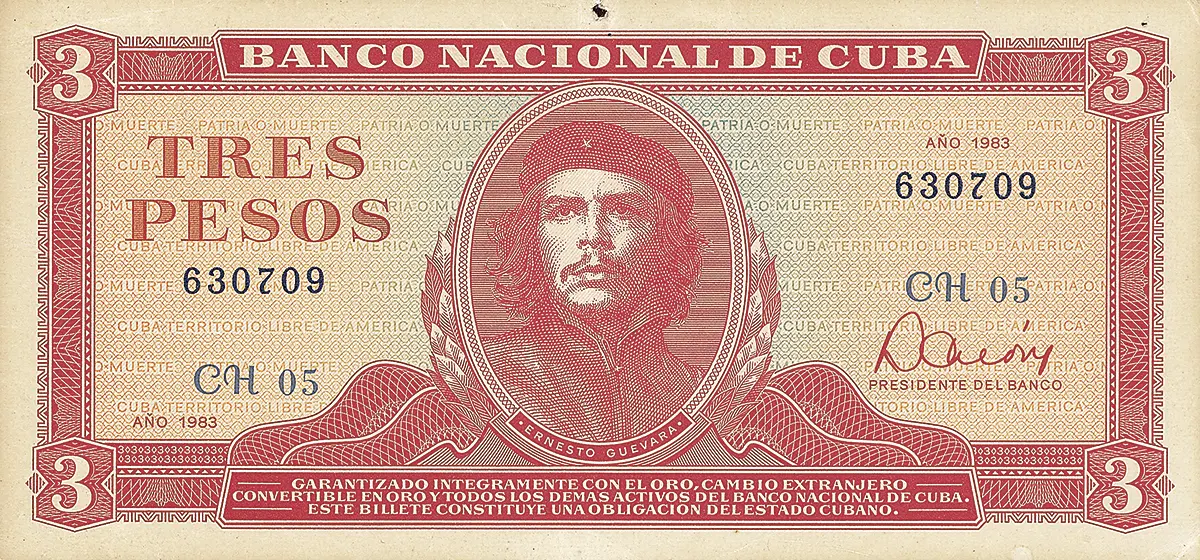
In the series Nuevos paisajes (1999–2000), the idyllic landscape is a found image, one printed on a spray can or a matchbox. The large format of Molina-Pantin’s images emphasizes the symbolic charge of the small objects. In the same way, we value the portraits on the bills that constitute the series Líderes del siglo XX (Billetes fuera de circulación) (2001–2004). These bills are traces of an impermanent power: there were better times for both the portraits’ subjects and for the paper.
Objects, printed materials, and deserted constructions reveal the thinking of their creators and users. The viewer joins the artist on a virtual anthropological journey and attempts to understand the individual or group being expressed. In two recent series exhibited in 2007, Molina-Pantin presented strange ceremonial spaces of the same culture.
The Ceremonies
The city of St. Moritz is the refuge of European vanity. It has all the elements of escape and comfort: political neutrality, idyllic landscapes for contemplation and sport, as well as financial discretion. It is a meeting spot for the international high society and a corporate image of luxury, to the point that its name is a registered trademark. It is a model.
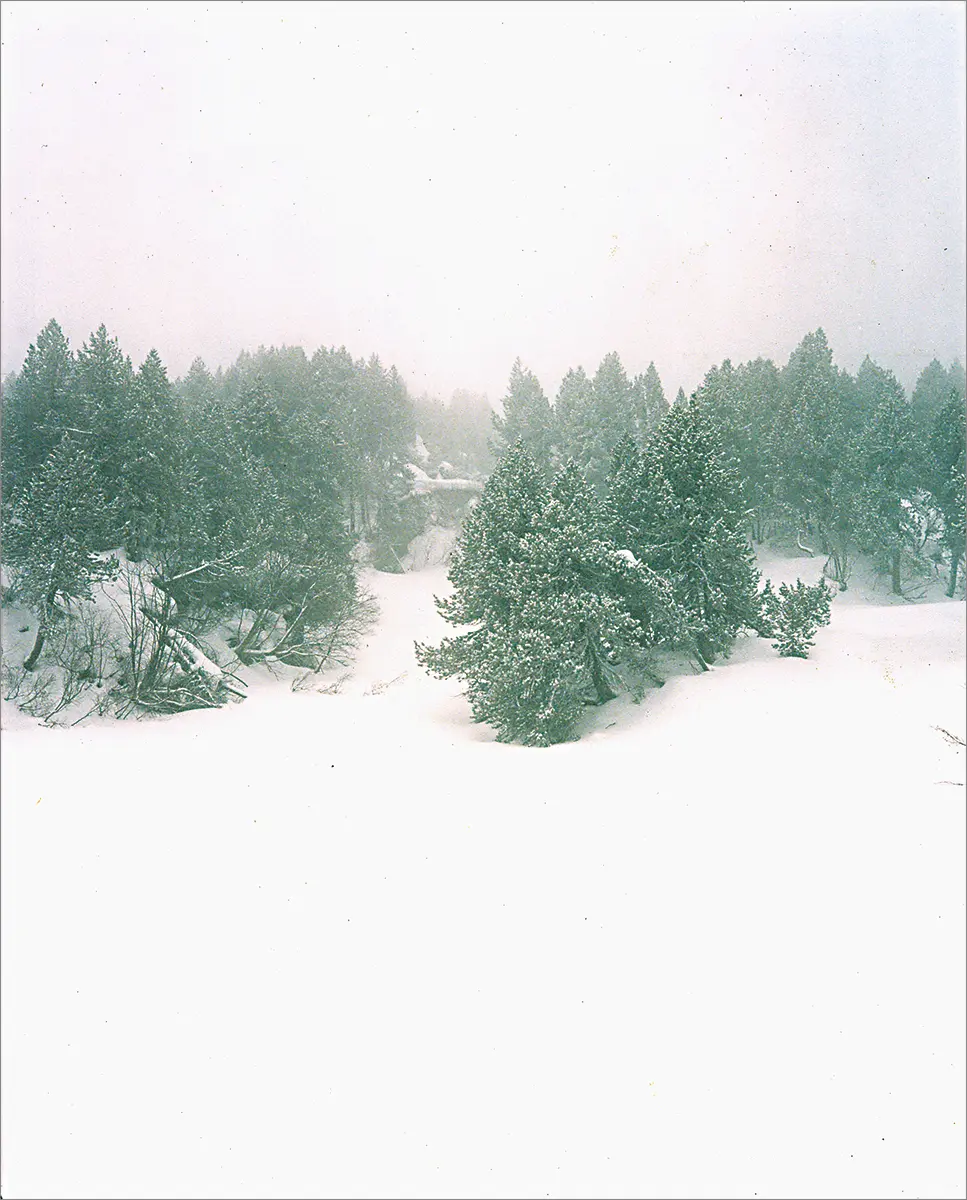
The exhibition St. Moritz at the Fernando Zubilaga Gallery was a refuge for vanity in the conflicted Caracas of 2007. Since the middle of the past century, Venezuela’s politicians and the country’s rich have sought rest and relaxation in the Alpine enclave. For a portion of the public, those images were of remembrance and nostalgia. The others know St. Moritz as a postcard: wintry landscapes are a decorative motif in the country’s hottest areas.
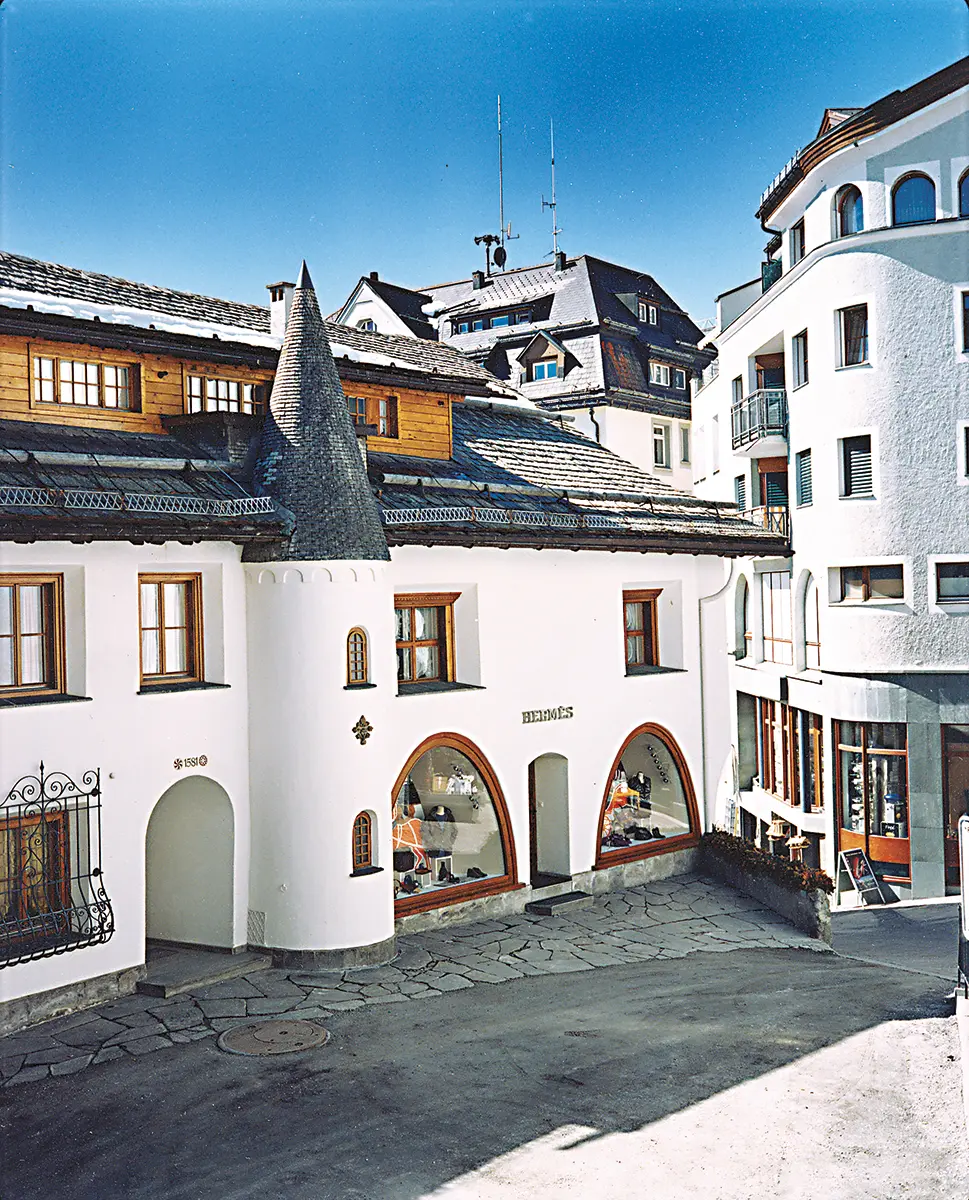
The mountain is ideal for Molina-Pantin, who avoids horizontal formats and works on vertical landscapes. The artist alternates between a critical view of scenography and the representation of the beauty of the natural landscape, in the style of Ansel Adams (who founded the photography department at the school where Molina-Pantin studied). The direct shots, without technological interventions or forced angles, show the elements of a picturesque aesthetic: snow, pine trees, chalet-like constructions, brand-name stores. Yet, the city appears as an artificial space, a temporary, in-between place, like an airport. Nature challenges staging: an innocent calendar-like landscape of perfect pine trees under the snow makes us forget mundane pretensions.
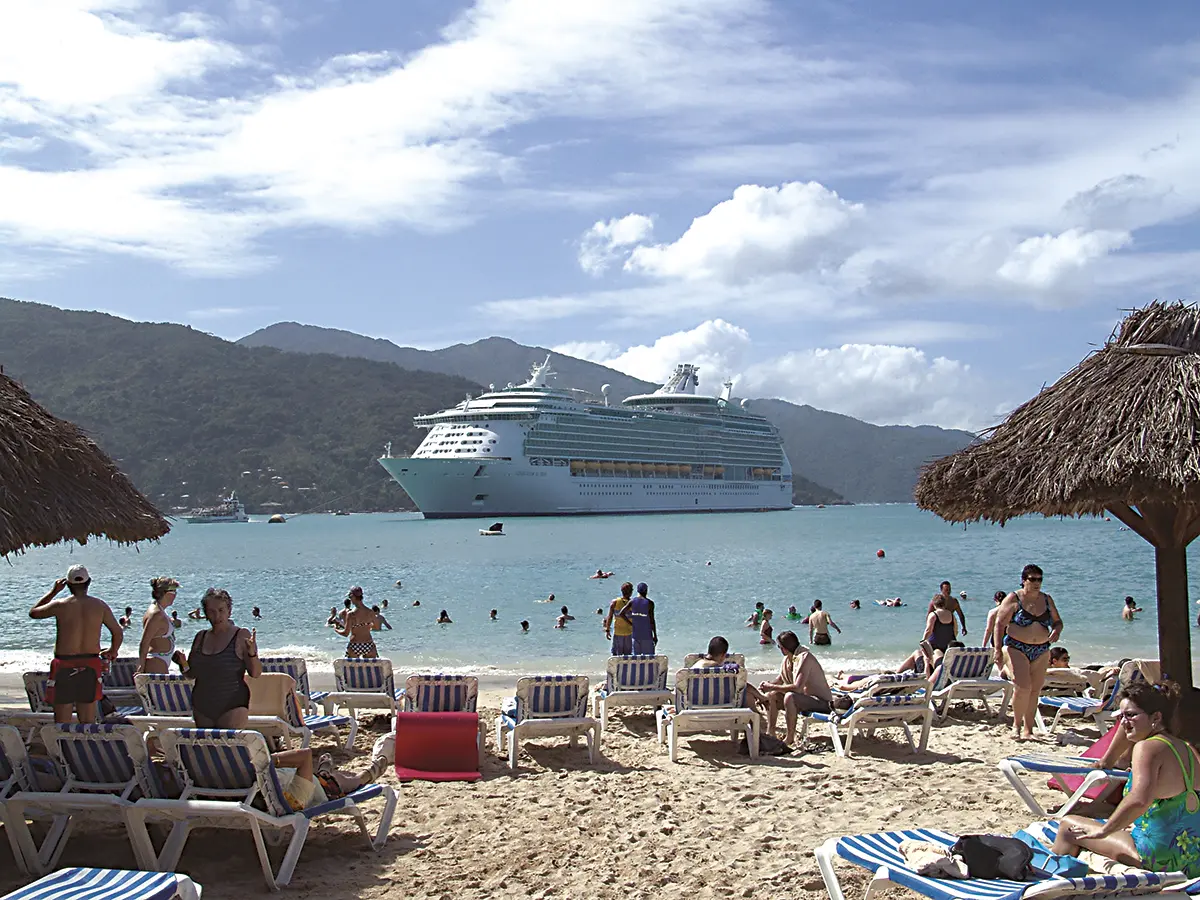
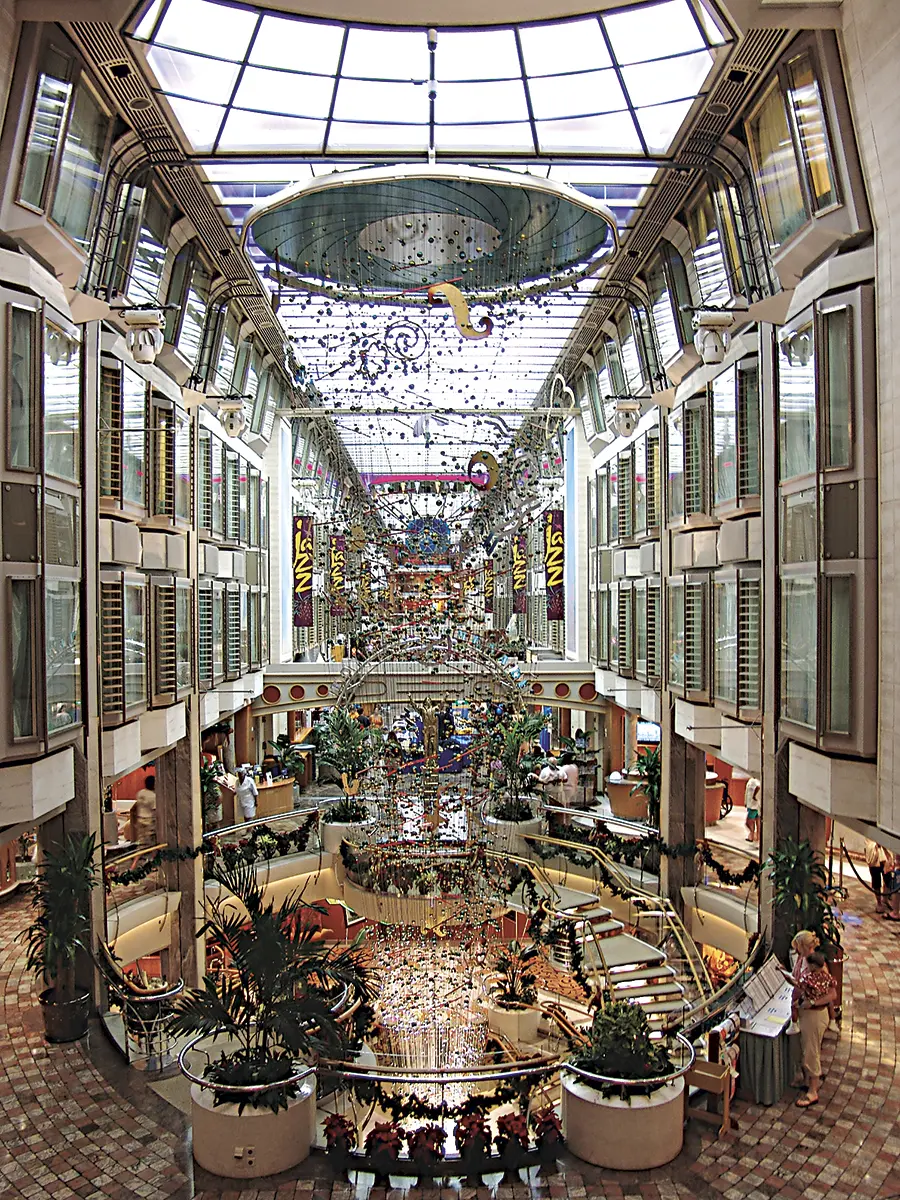
Luxury resides in an aesthetic of the picturesque as much as in one of the sumptuous and the mobile. Cruise ships are the theme of the series Royal Caribbean Cruise Line (2006–2007), which was exhibited at the CIFO Grants Program Exhibition in Miami, the cruise capital of the world.
Modern cruise ships push the standards of flotation and transport in order to create large, profusely lighted, and luxuriously decorated interior spaces. This constrained world with variable coordinates is a space for the coexistence of people from different cultures who follow the protocols of sunbathing around a small swimming pool, playing in the casino, or bathing in a large communal jacuzzi. Unlike St. Moritz, this aesthetic is not defined: all styles have a place in it. Molina-Pantin presents interior views and models of the ships and the views that can be seen from the deck, such as a sunset, or from the beach, such as the enormous ship entering a small bay.
Both ski resorts and cruise ships are places for temporary stays; under different aesthetics, they serve as sets for the ceremonies of holiday-making, a necessity of contemporary life among whose rites is the rebirth of the Romantic spirit of contemplating Nature from the greatest possible comfort.
Hybrid decoration, the narco-aesthetic, and toys
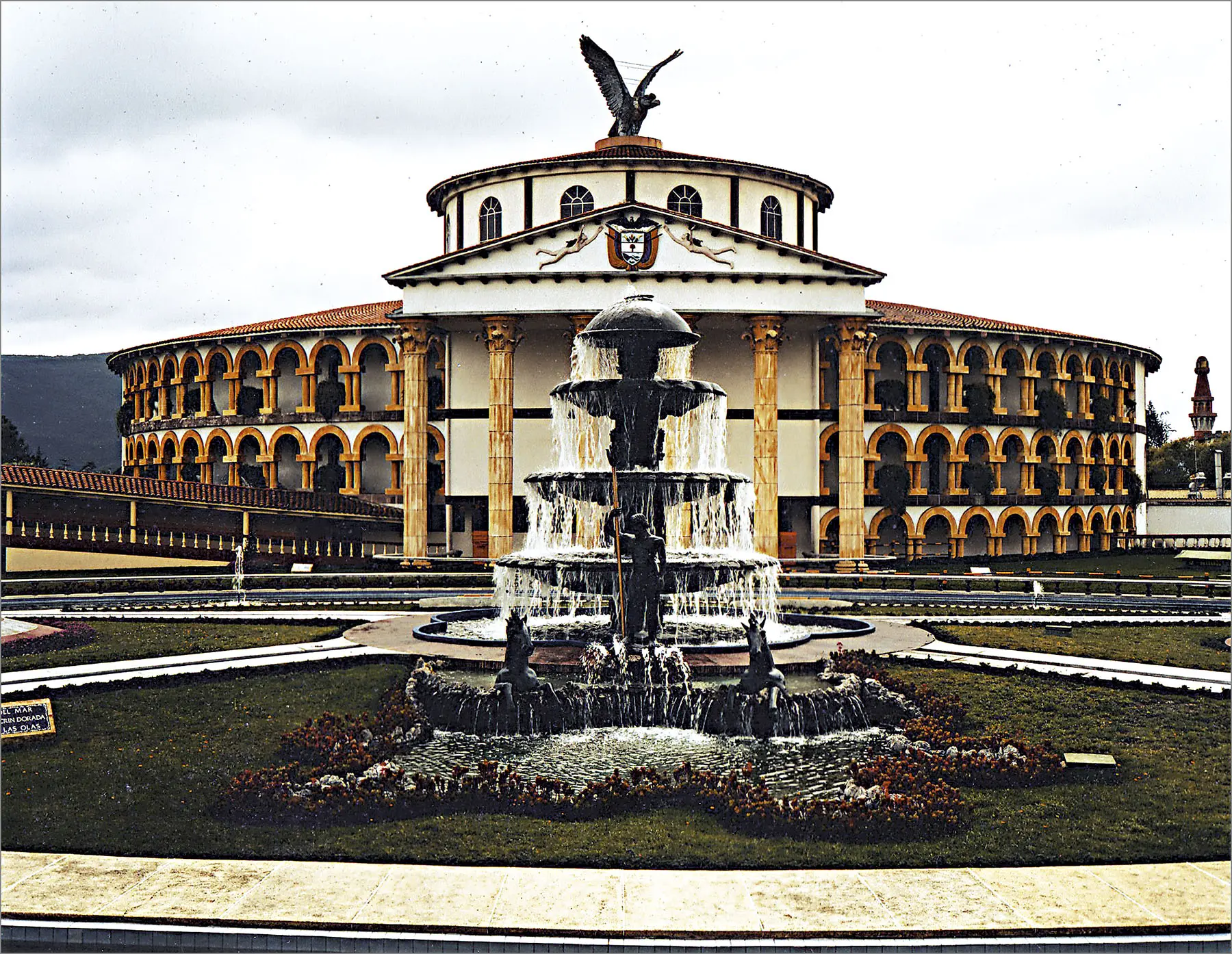
The work Estudio informal de la arquitectura híbrida, Vol. 1: La narcoarquitectura y sus contribuciones a la comunidad Cali-Bogotá, Colombia (2004–2005) was presented at the Sala Mendoza in Caracas between 2007 and 2008. The show opened with large images of Jaime Duque Park outside Bogota, which brings together styles of decoration from all around the world to present different cultures to the community. The creator of the park, a civilian aviator, gave free rein to his fantasy, and among the attractions are a version of the Taj Mahal and interpretations of the Seven Wonders of the classical world. Coexisting around the park’s fountains are the Rhodes Colossus, Mesopotamian winged lions, and Pegasus. In the context of the exhibition, this curious park seemed like the generating force for the combination of styles that takes place in Colombia’s hybrid architecture.
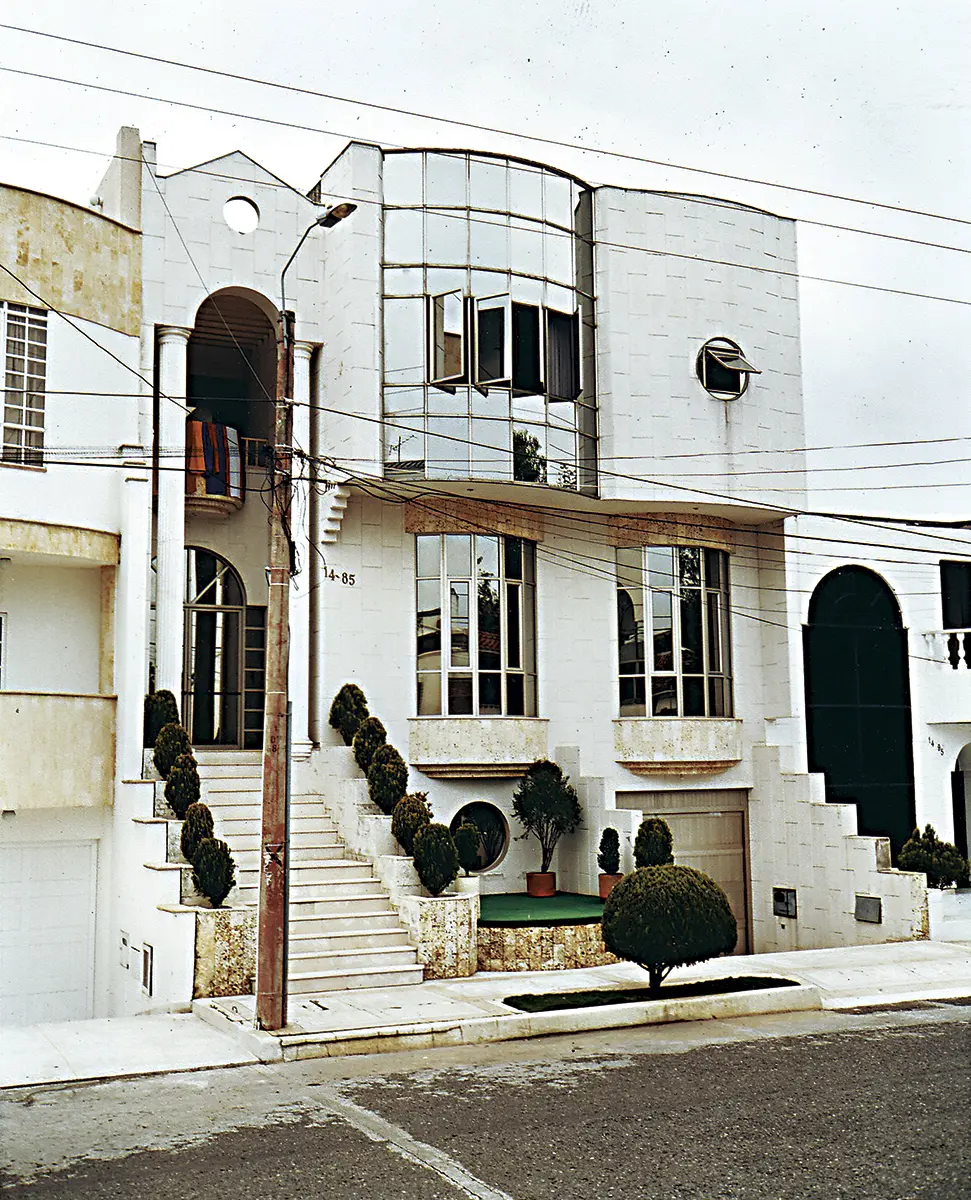
Hybridism can be seen in the decoration of the façades of private dwellings, a car dealership with a Greek temple on its roof in Cali, and a British castle in Bogota. One could call it postmodernity if there were a discernable program. Molina-Pantin captures this aesthetic as it is being born, as the expression of an emerging social class. In the words of the curator Ruth Auerbach, “Distant from the formal purity of the original styles, these constructions and ‘monuments’ erected in the 1980s and 1990s represent an adulterated municipal variation—born during the Golden Decade of drug trafficking in Colombia—that discredits the tradition of its architecture and seduced adepts attracted by the symbol of a new social power.”
The unadorned brick office center built by the Rodríguez Orejuela brothers, chieftains of the now-disbanded Cali cartel, stand out in a semi-rural landscape because of its height and because it has nothing to do with the surrounding area. It has no tradition and it does not point to the future. Another sign of the cartel’s power and its presence in the community is the façade of a Drogas La Rebaja store, a franchise that, Molina-Pantin explains, “became the symbol of money laundering in the country.” This symbol is also recognizable in ghost constructions: houses and buildings of hybrid ornamentation and uninhabited for the lack of security or the damage from the December 2004 earthquake and the poor quality of their materials. With marble and reflective-glass façades that contrast with their raw walls, ostentatious middle-class dwellings differ from their upper-class counterparts in that the latter take over entire city blocks, and all their sides are covered. The clandestine photographs of the home of José Santacruz, the co-founder of the Cali cartel, imitate an exclusive club that didn’t accept him as a member and are displayed next to images of the original “Club Colombia.”
The narco-aesthetic is a concept in the process of being defined. It is the joining of luxury and security, of boasting display and hiding, under contrasting decorative styles. Molina-Pantin takes on the risk of recording the architecture of a disbanded cartel and presents it as a study in such a convincing way that it forces us to wonder about the decorative pastiche of buildings in other places. The speed with which these constructions rise and decay is as vertiginous as that of the fortunes that financed them.
Luis Molina-Pantin assumes the role of the paparazzo when photographing “big-kid” toys such as airplanes and boats without authorization from the owners or the authorities. A section of the Sala Mendoza show was devoted to the informal images of the jets and small planes of the now-defunct Caracas Aeroclub (in operation until 2004). There are few things more luxurious than a minimalist, functioning airplane hangar in the middle of a big capital city. No decoration is necessary other than the toy itself.
Molina-Pantin’s images speak of the illusion of creating or journeying to a better place, a place of pleasure and happiness. They are conceptual artworks that appear as visual documents and reflect on human beings through their objects and constructions. An image from Inmobilia appears in the book Spheres III by the German philosopher Peter Sloterdijk. It makes sense to use this work to illustrate a philosophy that shifts the fundamental question from “who are we?” to “where are we?” and substitutes the problem of space for the problem of time.
SONIA CASANOVA
Art curator and research scholar.