
One day, I went first to the Museum of Modern Art (MoMA) to see Design
and the Elastic Mind and then to see the Whitney Biennial.1Big mistake! From an exciting, mind-bending exhibition, I landed in a desert. Many pieces of MoMA’s exhibit would have
stood out in the Whitney, and many of them certainly gave much more food for
thought. Two exceptions in the Whitney were Cheese,
a video installation by Mika Rottenberg, and Letter on the Blind; For the Use of Those Who See, a video by
Javier Téllez.
Rottenberg, an Argentinean artist educated in Israel and living in New York picked up the story of the seven Sutherland sisters and elaborated it as a García Márquez-like story. The sisters, born between 1845 and 1858 in a town next to Niagara Falls, each grew their hair to an average of five feet (the combined length was thirty-seven feet) and eventually they marketed themselves as singers in the Barnum & Bailey Circus. They also sold a “hair grower’s tonic” on the side, a concoction that consisted mostly of rubbing alcohol. For her work, Rottenberg found longhaired actresses on the Internet and had them perform farm duties analogous to the making of cheese. In the video, one of them feeds water from Niagara Falls into a funnel that deposits the water into the hair of another woman, which is then “milked” for the cheese. Another one sleeps with her hair flowing straight down into a deep hole in the grass. The installation on the farm shares some of the absurdities of Rottenberg’s earlier and now classic work, Dough. It was partially replicated in the exhibition and held a number of screens showing segments of the video, which lacked a real argument but evoked a wonderful magical story.
The work by Javier Téllez, a Venezuelan artist working in New York, showed six blind people taking turns touching an elephant and commenting about the experience. Unlike the stories in Indian mythology and Antoine de St. Exupéry’s The Little Prince, they know what they are going to encounter. The experiences were much more about non-visual, loving communication than about discovery and were geared to exact empathy more than sympathy from the viewing public. One of the subjects is disconcerted when the elephant steps away a couple of feet, only to find her again and exclaim with delight and relief, “Oh, there you are.” Another one explains that being blind since birth, her night dreams are the same as her daytime experiences. A third one listens to the elephant’s belly and comments, “You carry the whole ocean there.” Rottenberg manipulated poetry while Téllez bet that it would somehow happen, and both succeeded in their approaches.
Meanwhile, the exhibition Design and the Elastic Mind did not overtly pursue poetry, and neither did its participants. Most of the pieces were examples of elegant thinking and many also achieved a level of magic and/or poetry, even if unintended. Sometimes they were tongue-in-cheek utopian speculations.
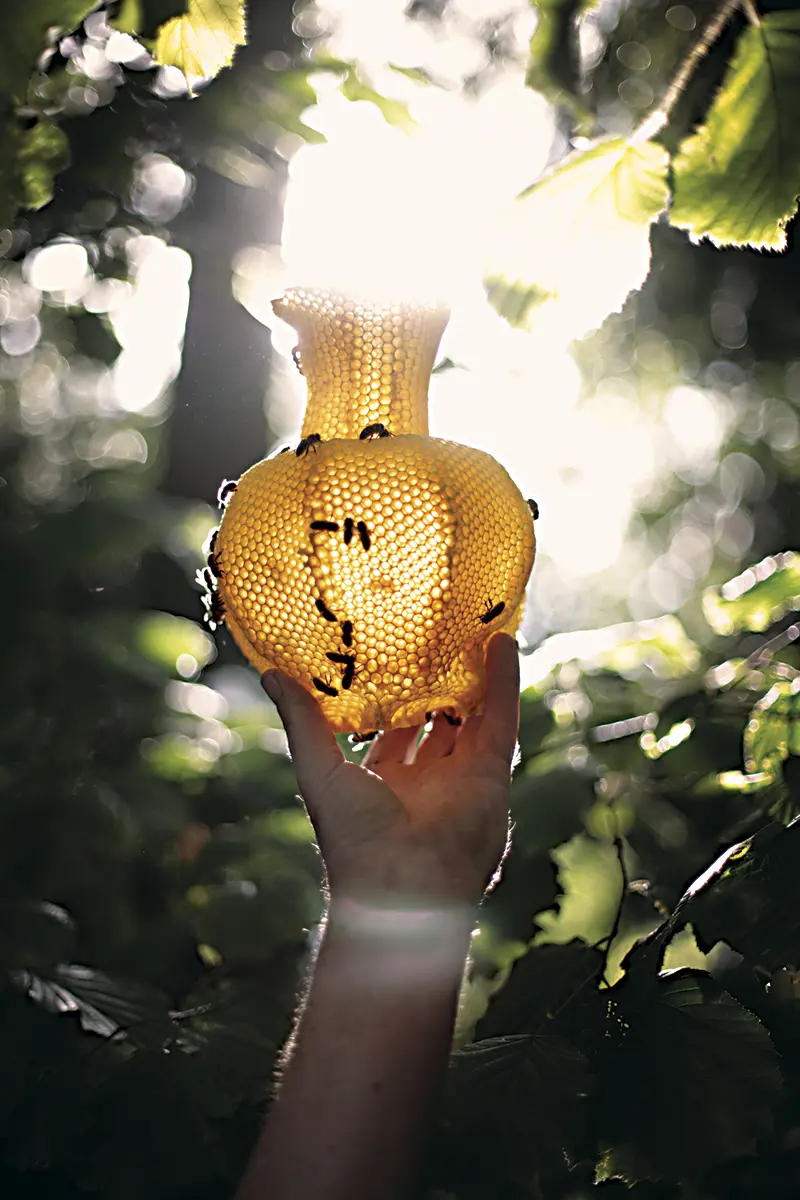
The exhibit, curated by Paola Antonelli was arranged by scale (nano, human, macro), which is as good a system as any when it comes to organizing fireworks of creativity. Seen from the point of view of art, the most interesting pieces answered the questions “what if?” or “why not?” What if one would control beehive construction? Tomáš Gabzdil Libertiní (born in Slovenia, working in Holland) asked himself precisely that and constructed scaffolding in the shape of a flower vase that bees used as a support to build their hive. The result, because of its narrative self-referentiality (from flower to flower, from pollen to death, etc.) was probably the one piece that most deserved to be in the Whitney Biennial.
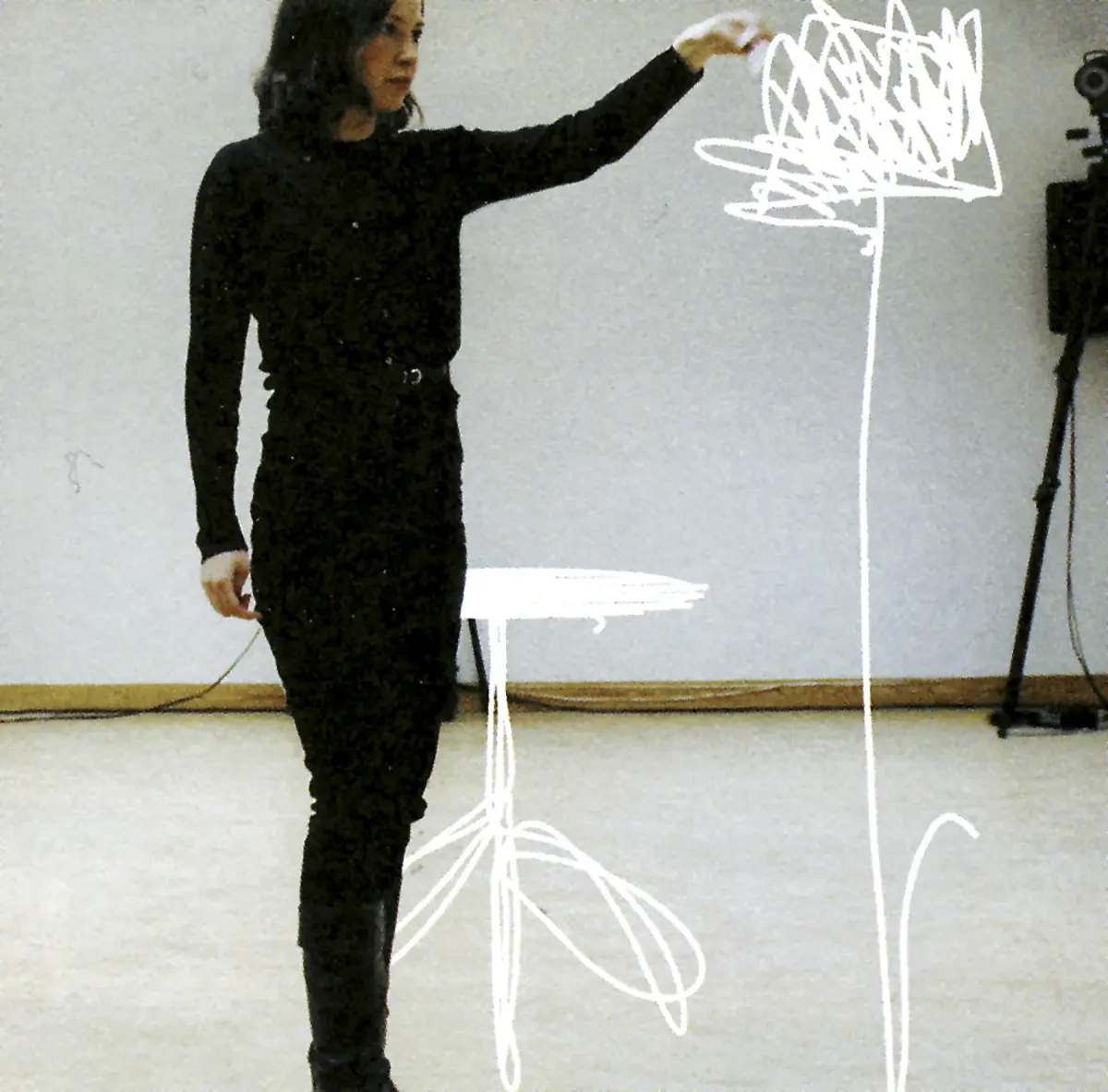
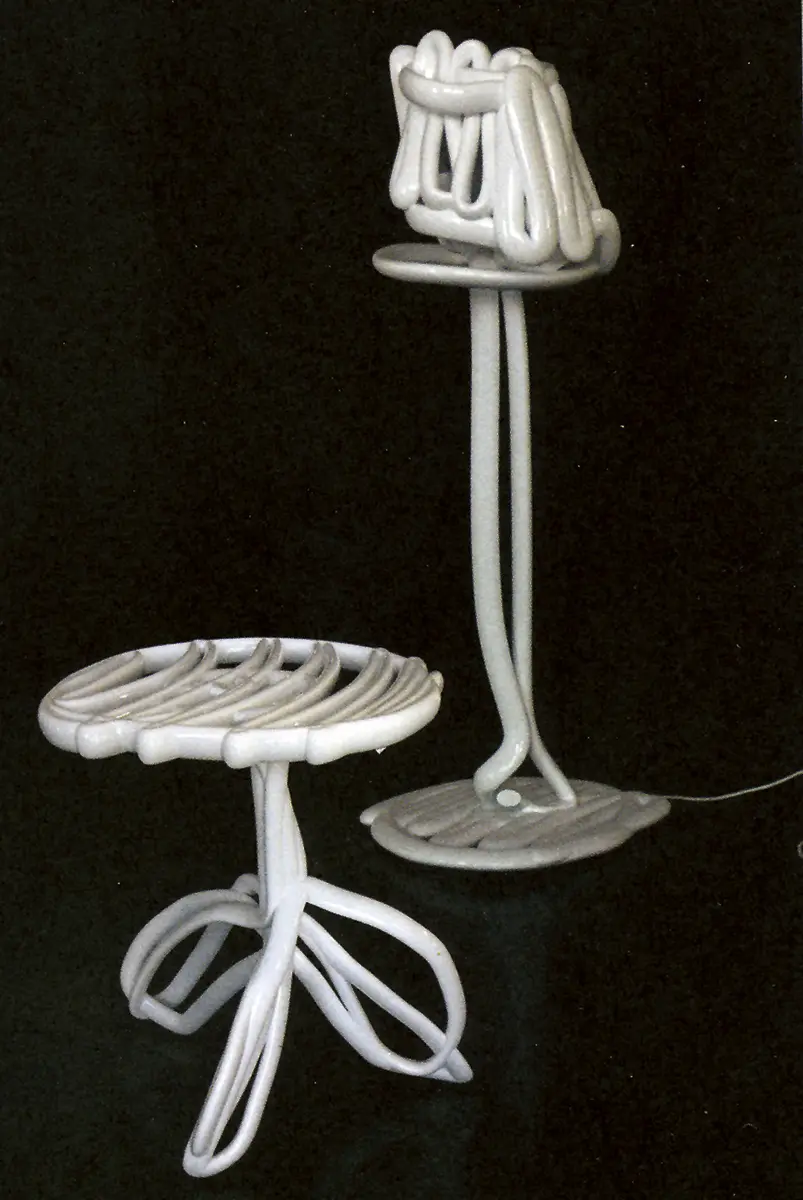
What if I sketched furniture by moving my hands in the air? The Swedish trio Sofia Lagerkvist, Charlotte von der Lancken and Anna Lindgren did, and a video camera recorded the movements as white strokes (Sketch Furniture, viewable at http://www.youtube.com/watch?v=d3Z1m-G-Tbo). The digitalized images were then fed into a “rapid prototyping machine” or 3-D printer, where lasers hardened layers of polyamide resin. In the video shown in the exhibition, the furniture emerged from a pool filled with liquid plastic. But a sense of magic was already present when the women moved their hands in the air and an object took shape on the screen. If it were cheese (which ultimately is a plastic form), the image could have fit into Rottenberg’s installation.
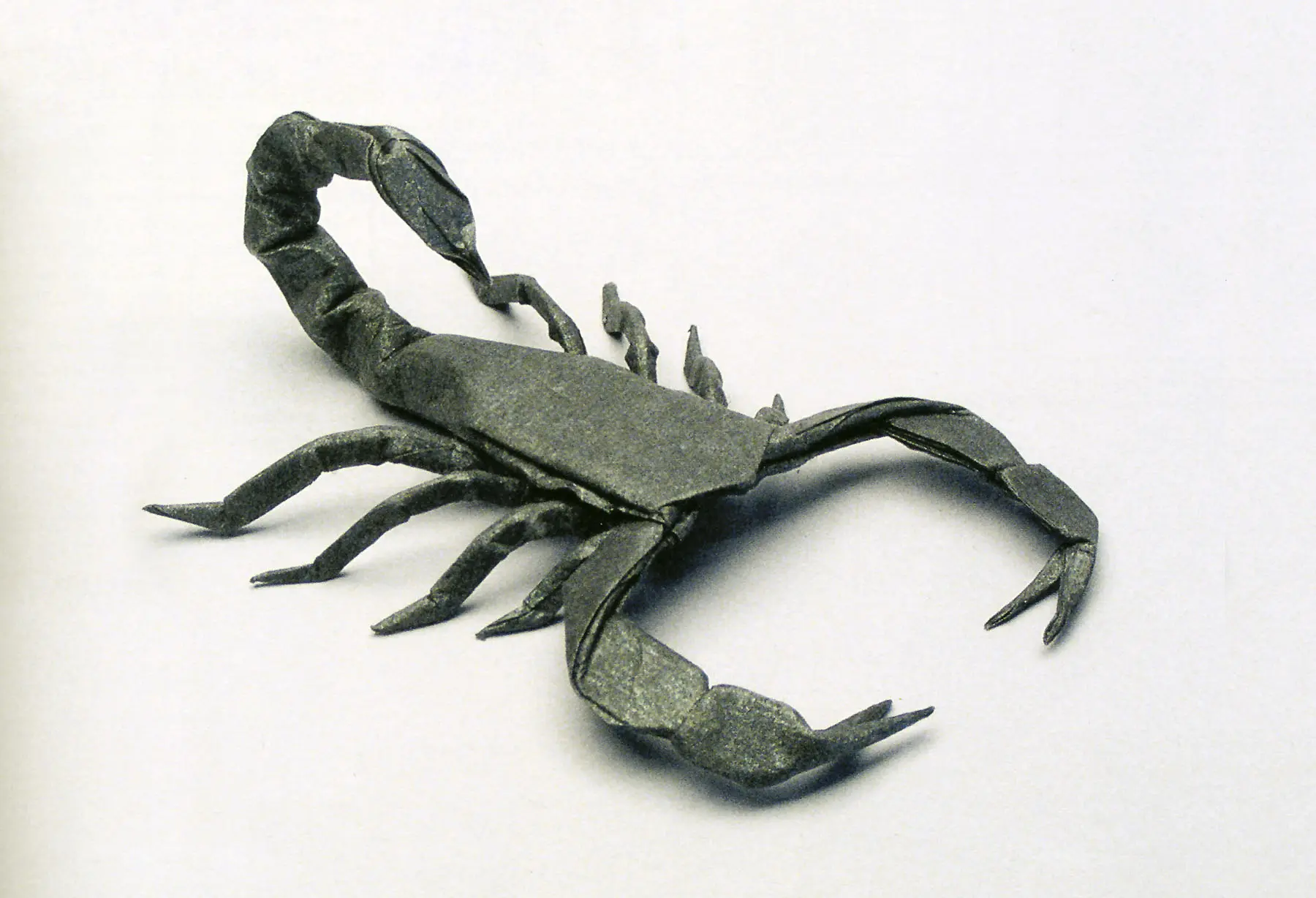
Why not make alarm clocks out of paper? Why not send a folded telescope lens into space and unfold it at its destination, saving room on the rocket that carries it? The alarm clock (by Miguel Mora, from Spain) was printed on paper with electronic ink (an ink of white and black pigment grains that are differently charged and therefore respond to electronic information) and folded into a cube. The viewer was informed that one just scrunched the cube to turn off the alarm; the question remained if the clock was reusable. The folding Fresnel telescope lens was conveyed with origami models; it would unfold from five meters to 100 meters once launched. Created by three U.S. designers, Roderick Hyde, Sham Dixit, and Robert Lang, this would allow for a telescope fifty times more powerful than the Hubble telescope. But then, the idea of an origami computer program is rather obvious. There are only so many folds the human mind can predict to make sculptures from a pliable sheet. It is surprising that such a program wasn’t devised earlier, and it was refreshing to see the obviousness that made the project so remarkable. The same Robert Lang behind the Fresnel lens created TreeMaker (more information at http://www.langorigami.com/science/treemaker/treemaker5.php4), a program that helps design the needed creases for complex shapes (the MoMA exhibition featured amazingly realistic and precise renditions of a scorpion and a Eupatorus bug).
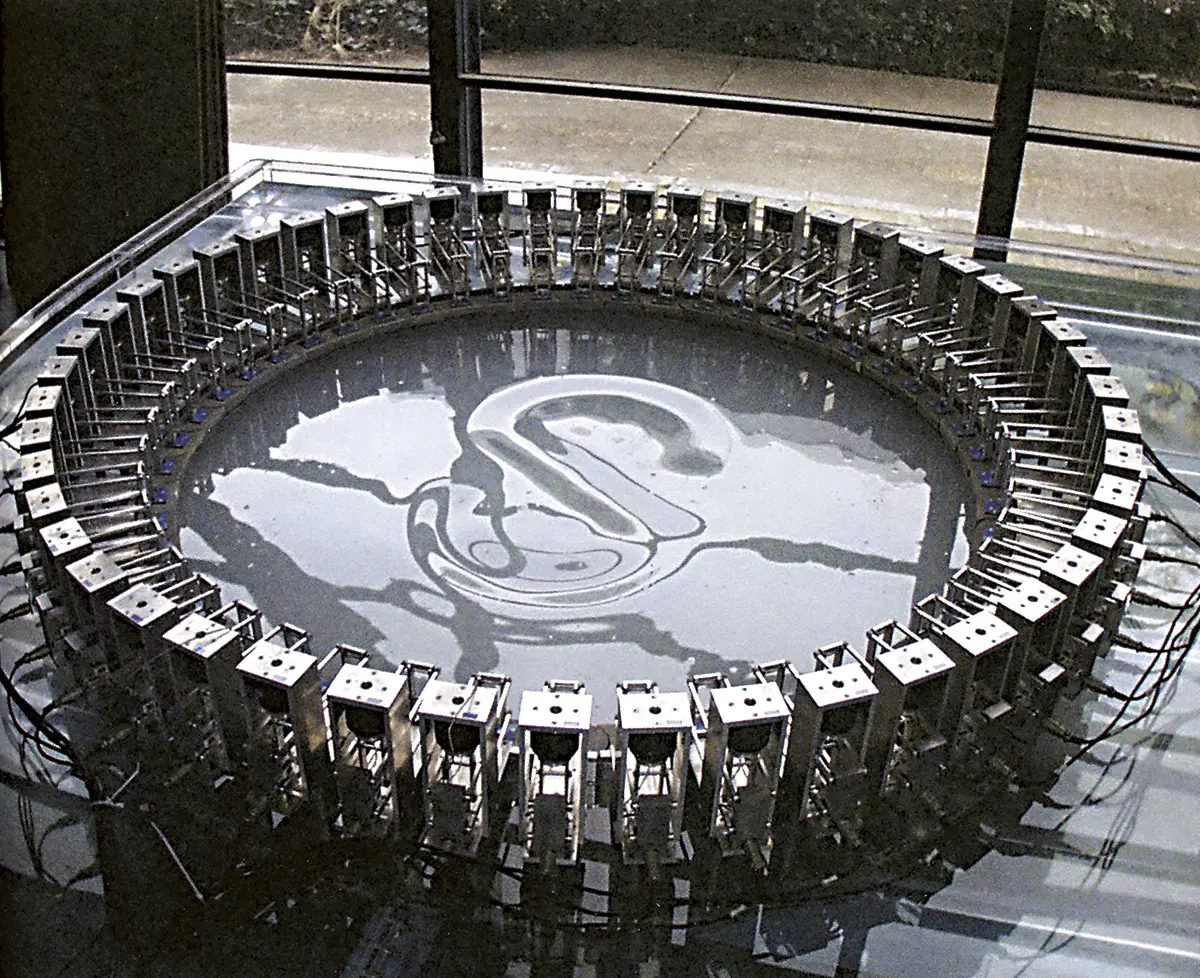
One of the problems of the exhibition was that the video presentations of many of these projects were so credible that one didn’t know if they were visionary ideas or already existing examples. The Sketch Furniture, the beehive vase, and the origami bugs were there to see, but the alarm clock and many others were not. Sometimes there were prototypes without a corresponding account of production. Another piece that created a sense of wonder was the German designer Julius Popp’s bit.fall: a pump and magnetic valves controlled the fall of water droplets, creating patterns on a curtain of water. With proper lighting, the drops became the equivalent of pixels and spelled out readable messages. In a related vein, Shigeru Naito and Etsuro Okuyama (of Japan) presented Amoeba, a basin of water surrounded by motorized plungers that produced waves in a rhythm, creating letters in the center of the pool.
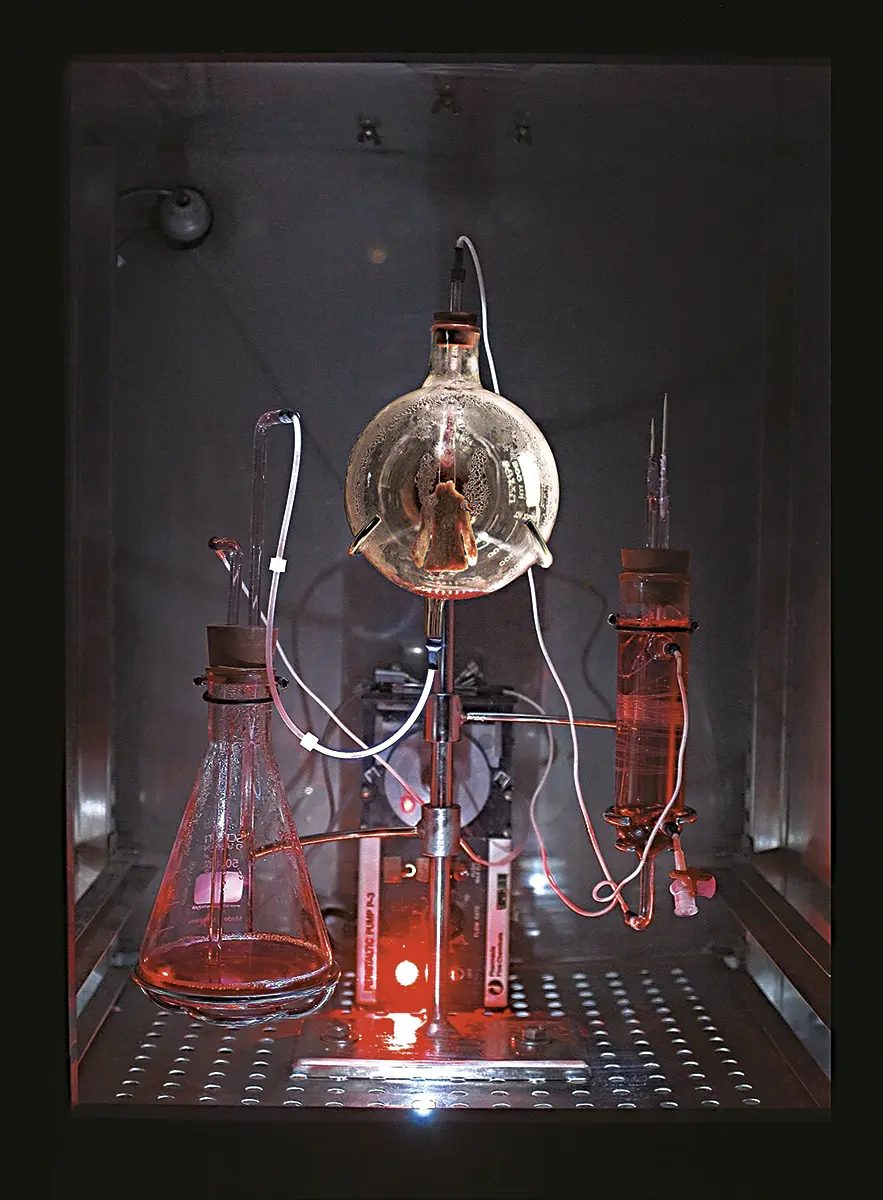
More disturbing were the projects that involved biology. In their project Victimless Leather, Oron Catts and Ionat Zurr (from Australia and sponsored by the research laboratory SymbioticA) grew a miniature coat from mouse cells. The New York Times reported that the project had to be “killed” because it was growing out of control. The cells were multiplying so quickly that the incubator began to clog.2 And Antonelli commented: “I felt cruel when I turned it off.” Other designers, however, used biology as a form of “common sense” design. Nerl Oxman (from Israel) designed a structural “skin,” in which the weight of a building is distributed through wrinkles and areas of different thicknesses so that there is no need for internal structures. Joris Laarman (of the Netherlands), in turn, created furniture of aluminum and polyurethane rubber that follow the rules of bone growth. Far from possessing a decorator’s beauty (they looked morbidly skeletal), they make good structural sense. Meanwhile, Agata Jaworska (also of the Netherlands) tried to grow vegetables in transit with specially adapted packages that delivered mushrooms at their peak, rather than harvesting and then sending them. Her approach seemed to solve the contradiction that exists between distribution and local production and that leads to the insipidness of produce consumed in urban centers and removed from farm regions.
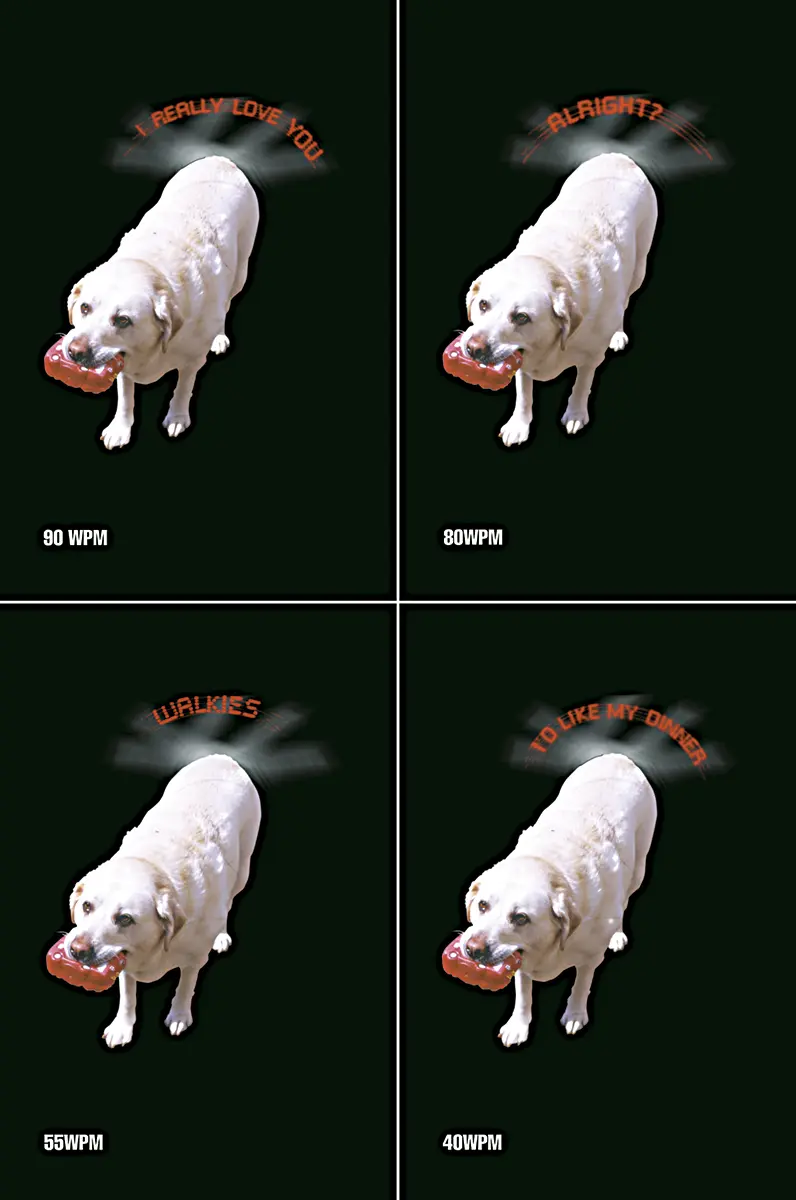
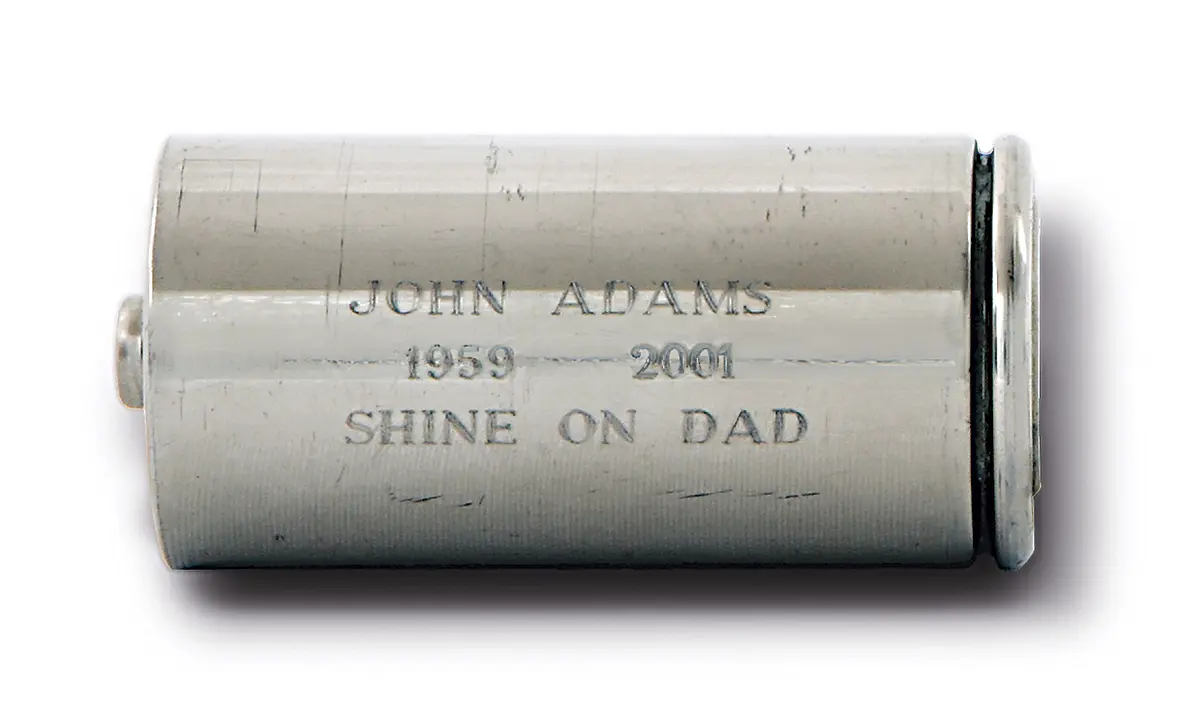
Other designers used biology in their designs to comment on social issues. Michiko Nitta suggested growing the hair patches, moles, and nipples of loved ones on parts of one’s own body. Tobie Kerridge, Nikki Stott, and Ian Thompson (from the U.K.) used bone cells to make bio-jewelry; couples could wear rings grown from cells donated by their partners. Meanwhile, James Auger and Jimmy Loizeau (also from the U.K.) tried to translate immortality into a functional battery that would store the energy of loved ones who have passed away. The gastric acids from a decomposing body would energize the contraption, and the package could bear an epitaph that honored the deceased, in addition to the name and dates. Auger and Loizeau also analyzed the different speeds at which dogs wag their tails; messages were then spelled out in text form (ranging from “I really love you” to “I would like my dinner”) through light-emitting diodes (LEDs).
Some projects even had a sadistic bent. Volker Morawe and Tilman Reiff designed a Pain Station for video games: the right hand played while the left hand rested on the table. Any mistakes made in the game were punished with pain for the left hand. Cell phones designed by Crispin Jones, Graham Pullin, Anton Schubert and Mat Hunter also punished those that misbehaved, or they added buttons with a repertoire of expressive grunts that cut down on annoying speech.
From the examples above, one might have the impression that the focus of the exhibition was restricted to objects and ingenuity. However, the show demonstrated an effort to go far beyond the object. The show also explored new issues for mapping, where the exchange of information over time acquires as much solidity as traditional geography. One project of particular interest was by Laura Kurgan (of the U.S.) who analyzed crime not by where it takes place but by where the perpetrators live. The resulting map revealed that a large number of these addresses are located in a few blocks in major cities. This insight challenges present policies of punishment (roughly one percent of the U.S. population is in jail) and brings to the fore the need for the improvement of neighborhoods by creating proper infrastructures.3
The interaction of new visualization systems and design recently became apparent with the barracks at the Navy base Coronado near San Diego. Designed by the architect John Mock and built-in 1967, the barracks form a swastika, a fact discovered by somebody using Google Earth. Espousing the theory that what one doesn’t see doesn’t hurt, Angelic Dolan, the spokesperson for the base, commented that “You have to realize, back in the 60s, we did not have [the] Internet.”4
Senseable City, a large international team working at MIT, created a real-time map of Rome that brought together space and time. The map used geographical references but added the movement of people, transportation systems, and cell phone usage. This was a qualitative change in mapping, where spatial borderlines became increasingly meaningless and flow of circulation and information took over.
Given the exhibition’s utopian view, it was logical that the OLPC project (One Laptop per Child) was included. The OLPC was the product of Nicholas Negroponte’s dream to make computers accessible to children in developing nations.5 Negroponte based the unit on Linux and eliminated the costs of distribution and public relations (fifty to sixty percent of the price); he is aiming for a 100-dollar price tag (it is 160 dollars at this point). The laptop actually has a nice design. Aimed at schools and school children and sold to governments, the project is tactful inasmuch as it purposefully does not couple the hardware with teaching programs. The larger issue of the possible consequences of this technological influx into developing nations was not discussed in the exhibition. It is undeniable that OLPC can be a great educational tool beyond the direct technical enhancement for the student. It provides a challenge to teachers by forcing them to refresh curricula and address newly interested students, and it generates volunteer work, reminiscent of literacy campaigns (at least it has in Uruguay, which was the first serious customer for the project).6 On the other hand, it is not known what role OLPC might play in the development of a consumer society through the creation of artificial needs. Nevertheless, OLPC stood as one of the paradigms of the MoMA exhibition for another reason. It was included not because of the beauty of the actual object but because of the concept it represents. In that sense, unlike previous design exhibitions at MoMA, this one was clearly informed by a conceptual approach. The Elastic mind of the title was clearly fundamental to the conception of the show, and it may have been what set it refreshingly apart from the Whitney Biennial.
The MoMA exhibition made a point of erasing limits, not only by posing design activity as transnational (within developed countries), where the mind functions as the unifying nation, but also by aiming at truly interdisciplinary thinking, where science and philosophy merge with art. Furthermore, it seemed to challenge the limits of what is considered commerce legality. Antonelli cast some doubts on traditional copyright law and did not shy away from subversion—a surprising act within a stiff institution like MoMA. In Antonelli’s concluding essay, there was a refreshing apologia for hackers, which she defined as creating a starting point for “design from the bottom up.” Accordingly, hacking DVD players to make them universally compatible is the first step. Antonelli said: “As the numbers of such individuals grow, we will have a critical mass that will topple the few unreasonable techno-walls still in place. For the first time in history, a crowd of billions of individuals will be able to unite the power of common sense and the imaginative vision of personal initiative with the most advanced principles of design wisdom.”7
NOTES
1. Design and the Elastic Mind, at the Museum of Modern Art, New York, February 24–May 12, 2008; Whitney Biennial, at the Whitney Museum of American Art, New York, March 6–June 1, 2008.
2. John Schwartz, “Museum Kills Live Exhibit,” The New York Times, May 13, 2008, p. F3.
3. Peter Hall, “Critical Visualization,” in Paola Antonelli, Design and the Elastic Mind (New York: Museum of Modern Art, 2008) p. 129.
4. Carlyn Marshall, “Navy to Mask Swastika Look Of Barracks in California,” The New York Times, September 27, 2007, p. A29.
5. Negroponte was the founder of MIT’s Media Lab, as well as of Wired magazine.
6. The government of Uruguay bought the first batch of 100,000 OLPCs to be distributed among inland schoolchildren, with 300,000 more to be purchased in 2009.
7. Paola Antonelli, “All Together Now,” in Design and the Elastic Mind, p. 159.
LUIS CAMNITZER
Emeritus Professor at the SUNY college, Old Westbury.