
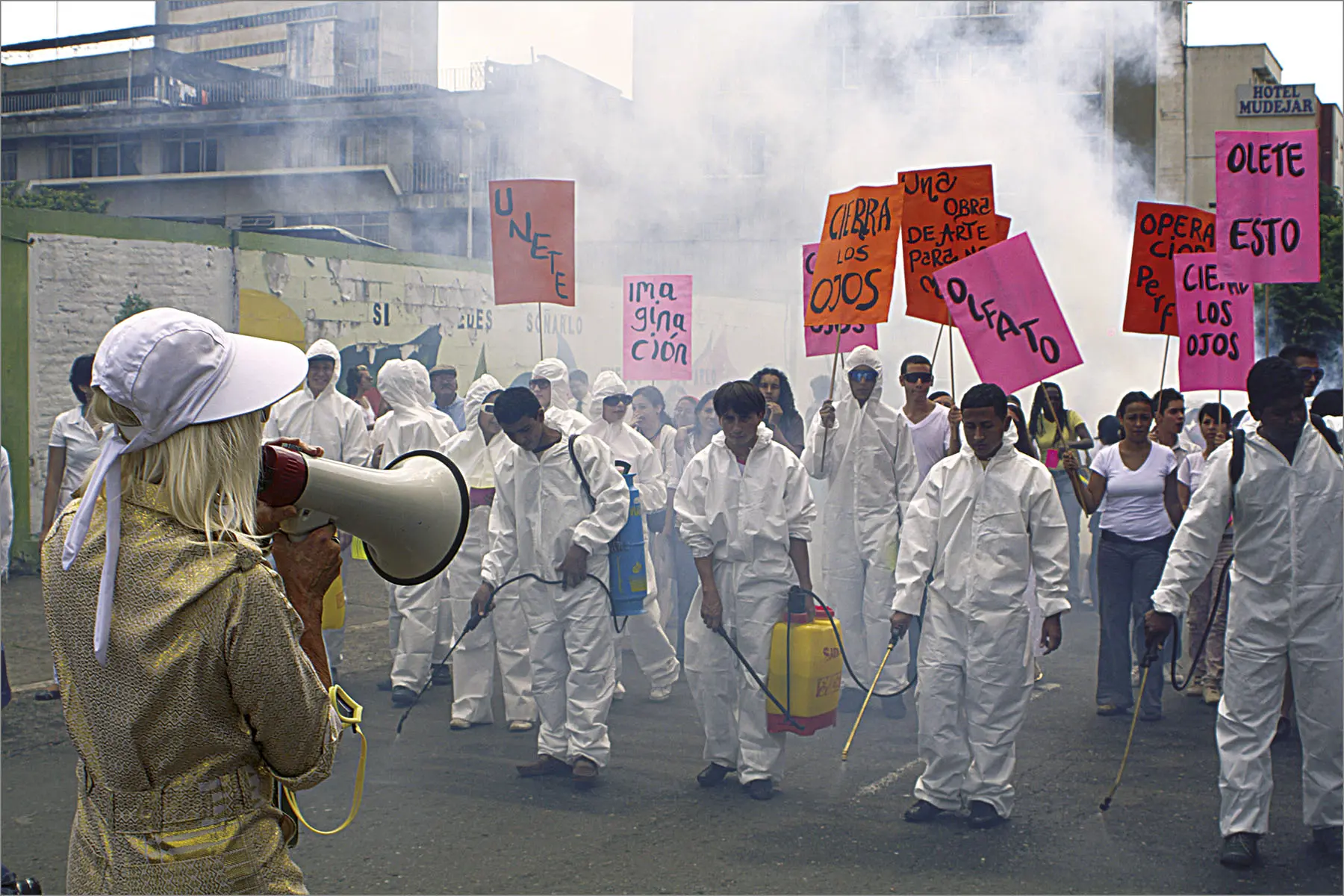
The forty-first edition of the National Artists Salon opened in the city of Cali with twenty exhibitions in thirteen fixed locations and a number of ambulatory ones. This metropolis hasn’t seen a specially designed event with international artists since the graphic-art biennials of the 1970s and 1980s. Enhancing its appeal, the Salon was complemented by three exhibitions of works by invited artists from the international and local scenes: Presentation and Representation, Image in Question, and Participation and Poetics. The regional curations expanded on three dominant themes and in some cases were incorporated into the narratives raised.
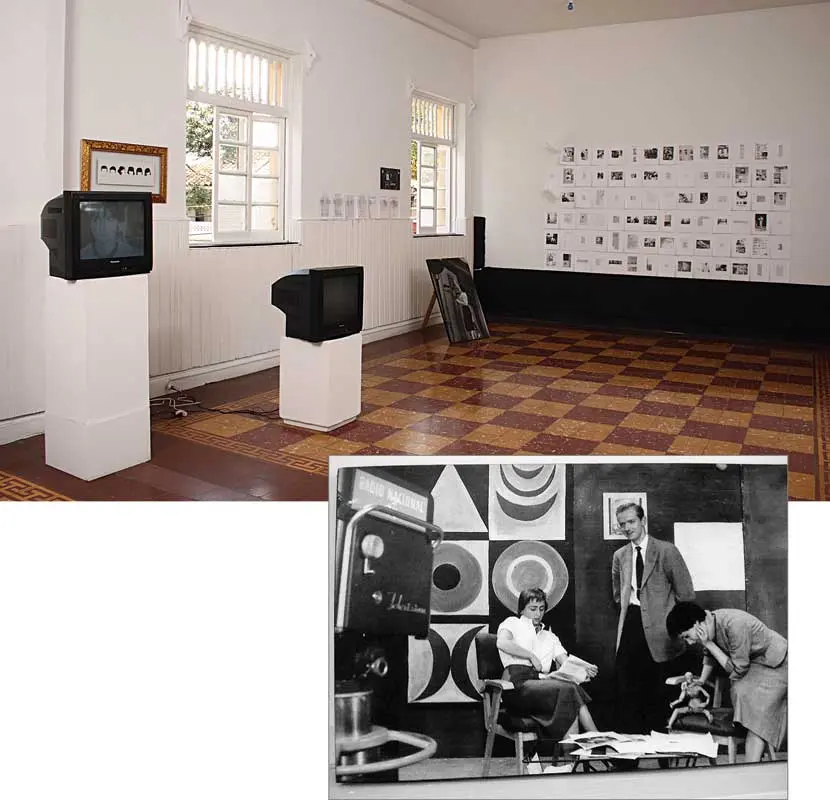
The three exhibitions mentioned above presented a historicist perspective at the local, national, and international levels. This involved showing works from the 1960s, 1970s, and 1980s, like those by León Ferrari, José Leonilson, Pedro Alcántara, Bernardo Salcedo, Antonio Caro, Beatriz González, Ever Astudillo, Fernell Franco, Luis Camnitzer, Adolfo Bernal, Santiago Cárdenas, Álvaro Barrios, Marta Menujin, Karen Lamassonne, Alicia Barney, Carlos Mayolo, and Luis Ospina. These were supported by Nicolás Gómez Echeverri’s investigation of Marta Traba in Colombian television; a posthumous tribute to María Teresa Hincapié; documents from the Ciudad Solar collective; the discovery, reappraisal, and revelation of photographer Toro (Valle) José María Castro, known as Chepe; and a parody of history represented by Pedro Manrique Figueroa, an invention of Lucas Ospina.
The Salon was essentially a state sponsored event, and this was reflected in its design and execution. It was also manifested in the event’s inclusive and diverse nature, representing each of the country’s geographic regions. Yet in contemporary art, as in scientific practice or in the university realm, political cartography does not coincide with art-world geography. Thus, a strategy that distributed works by zones was devised to include regions that are traditionally underrepresented. This seemed like an autocratic imposition, given the knowledge that the teaching, practice, and development of contemporary art are alien to the interests of many regions that were nevertheless represented. Some of the regional curations became expeditions loaded with sociological, anthropological, and folkloric concepts in an attempt to gather testimonies, objects, and representations to satisfy the summative mandate and the official aspiration of the Salon.
The regional curatorial themes were: Evil Eyes and Practices of Seeing (Caribbean region); Ignored Territories and Visible Territories (southern region); Confluences: Art and City and Imaginary Axis (central-western region); National Territories (Orinoco River region); Imagined Region and Voices, Actions and Silences (eastern region); Transmissions and The Mirror Confronting Narcissus (central region); There is the Chocó, Painted, This is How the Photographer Narrates, Art Museum in Popayán, Bamba 45, Certain Territories, Uncertain Territories, and Rolling (Pacific region). These multidirectional discourses formed a highly diverse representation in which scarcities, limitations, and substitutions suggested cultural policies tailored to each region rather than from the center. There was a need to negotiate to mean in geography where domination and subordination coerce all visual results, when they must be defined or refuted.
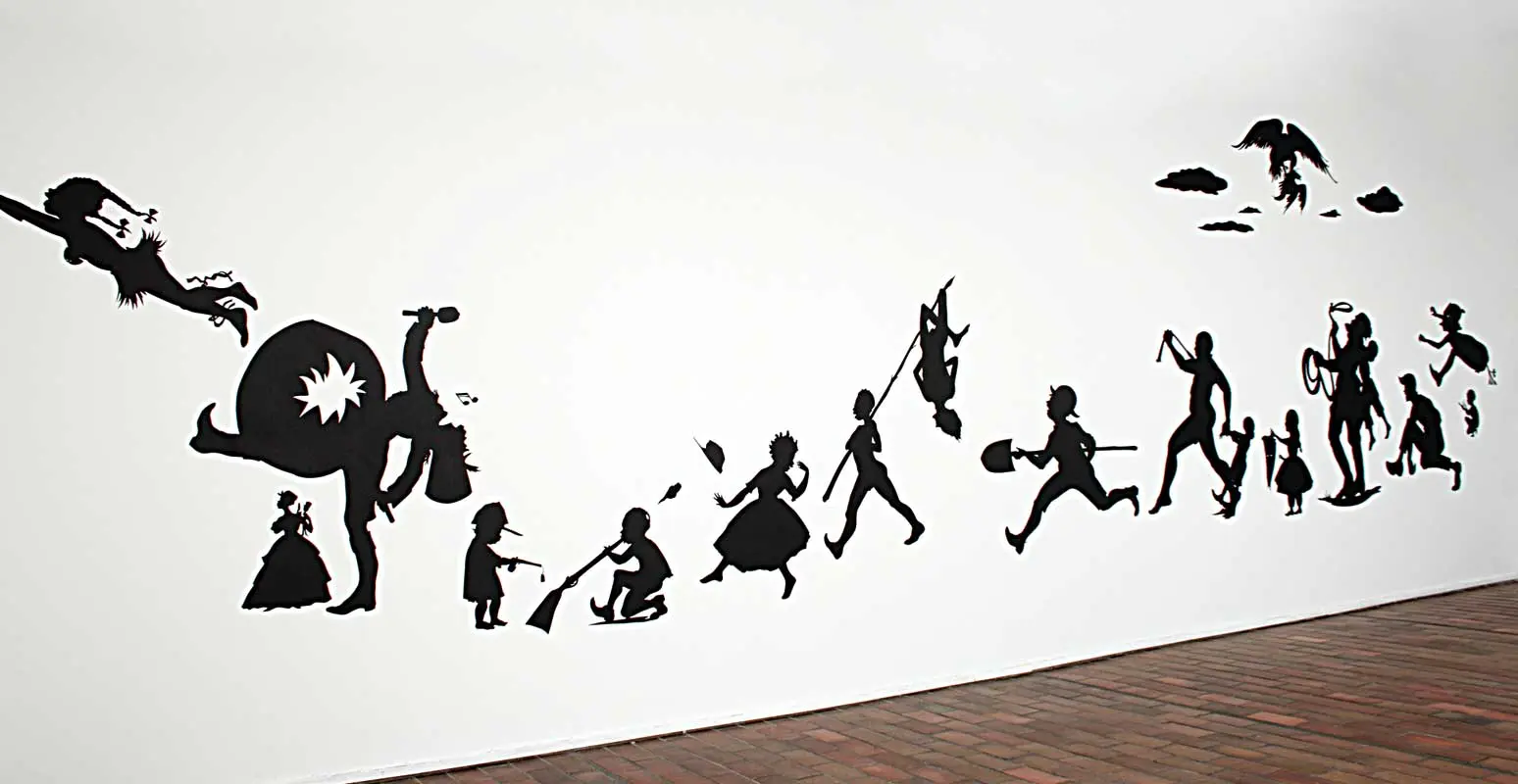
Compared to a wide and alien world, regional salons should not continue to function as cabinets of curiosities. The National Salon, which should be a place to encounter a conversation about the state of art in the country, must avoid becoming a decontextualized staging of obviously slight expeditions that are filled at the eleventh hour with works by artists who have made history or who are relevant at the moment, like many in the three thematic exhibitions. Some of the most salient were: Carlos Amorales, Fernanda Laguna, Nicolás Consuegra, Pablo Van Wong, Minerva Cuevas, Alfredo Jaar, Oswaldo Maciá, Gabriel Velansi, José Antonio Suárez, Angélica Castro, Danilo Dueñas, Juan Fernando Herrán, Elías Heim, Rosario López, Delcy Morelos, José Alejandro Restrepo, Francois Bucher, Rosemberg Sandoval, the Popular de Lujo collective, Leonardo Herrera, Camilo Yáñez, Miguel Ángel Rojas, Liliana Angulo, Luis Molina Pantín, Judi Werthein, Kara Walker, Marta Minujín, Joana Hadjithomas and Khalil Joreige, and Fabio Kacero.
Presentation and Representation, one of the thematic exhibitions, comprised a few more than thirty artists and works. It was planned for the second floor of the Sagrada Familia and the La Tertulia Modern Art Museum, and it achieved coherence from its guidelines and aspirations. In the Museum’s open galleries, the works offered a better dialogue than that seen in other spaces, and their meanings were amplified. This was the case with the works by Ferrari, Salcedo, Bernal, Camnitzer, and Caro. In another space, works by Molina Pantín, Rojas, Herrera, and Bucher also succeeded in the same way. This exhibition comprised selected and invited artists and works; it was supposed to argue and dialog with, as well as reinforce, the curations from Popayán, Pereira, Chocó, Orinoquía, or Medellín, but such hopes were too forced and optimistic and were not fulfilled. What was clearly on display, however, was an efficient national and international selection, which illustrated the overcoming of representation, its crisis, and a concern for the disintegration of different sectors of contemporary society.
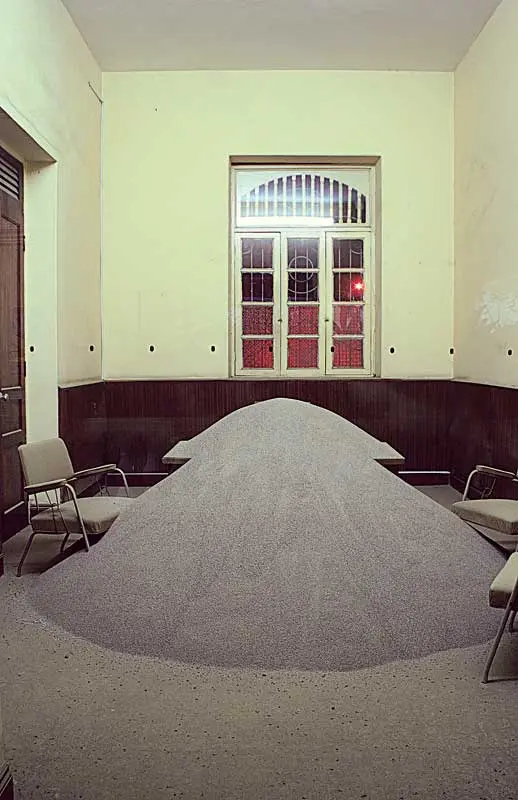
The cloister of the Sagrada Familia nuns cover a whole city block; on its first floor, it hosted the theme Image in question, with both historical and new works. The thirty-seven artists gathered in this exhibition alluded to authority and its uses and abuses by way of illustrative representations, videos, sound, and texts—a selection of works intended to incite doubts about what is seen and what is not, articulated as an argument. The show’s strategy of setting in motion a destabilizing agent in order to observe reality worked well, using the works as the triggers. There was also a well-curated, rigorously documented, and painstakingly designed satellite exhibition, prepared by Ana María Castro at the Departmental Library, about the aforementioned photographer known as Chepe. Participation and Poetics was, surely, the most atomized show. The chaotic area of the Departmental Fine Arts Institute contributed to the show’s dispersed nature while the selection of artists proved full of uneven contrasts. The show gathered artists who work with workshops as a means for social penetration and who continue to cruise the borders of regulated art spaces, seeking to expand activities that move in different circuits. This exhibition attempted to emphasize independent, de-sacralizing management, and perhaps this made it more difficult to visualize.
The questions and reflections provoked by such hybrid ideas brought to mind these issues: to be international or not, to be of the center or of the periphery, to be visible or invisible, to exist or be marginalized in life. But one should instead think in terms of cultural practices that can involve citizens and enunciate policy, the latter understood as an expression of recognition and the artist’s need to carve out a place in the world.
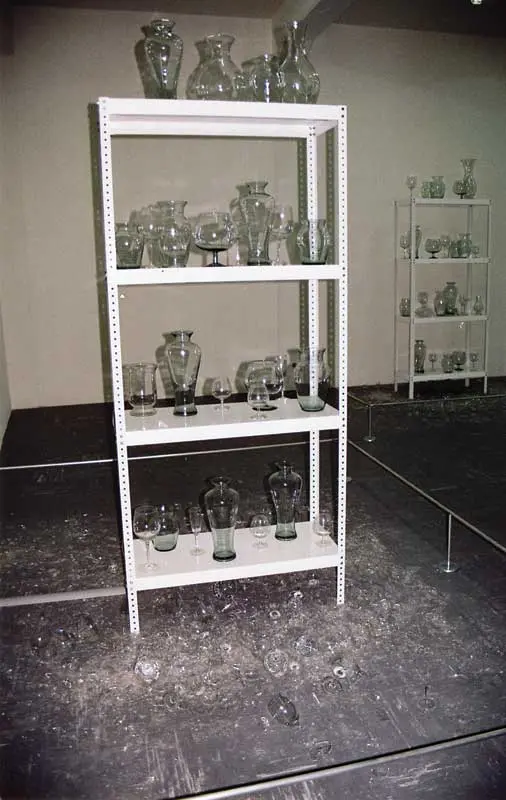
The global scene is marked by the mobility of thought, technology, and people, and it is subject to detailed examinations. This causes one to wonder about the fragility of power in a world that bases its work on industrialization. The materialization of works of art is being debated in all media, including traditional ones such as drawing, painting, and sculpture. These forms were all present at the Salon alongside installations, photography, and video forms that many consider most favored for the expression of the contemporary.
It must be the influence of cultural studies that has resulted in so many art exhibitions that look like artisanal shows or political, religious, and economic documents—investigations pointing out ecological issues and glorifying fieldwork as if it were worthy of being shown to the public. This occurred to me as I studied regional exhibitions comprising a vast number of works that corresponded not to professional artists but to citizens possessing some exotic feature—of ethnicity or of a trade—virtually held captive to make possible the regional representation. We should ask ourselves if this is what is necessary for a panoramic view of art in Colombia. I am sure that a negative answer to this question, or at least a hesitation, arose as this Salon was first organized and is why the curators attempted to correct the course by including professional artists from the Colombian art centers (Bogotá, Medellín, Cali, Barranquilla) and some from the Americas and Europe. For the reason, many viewers wondered what the latter was doing in an event about Colombian art and artists.
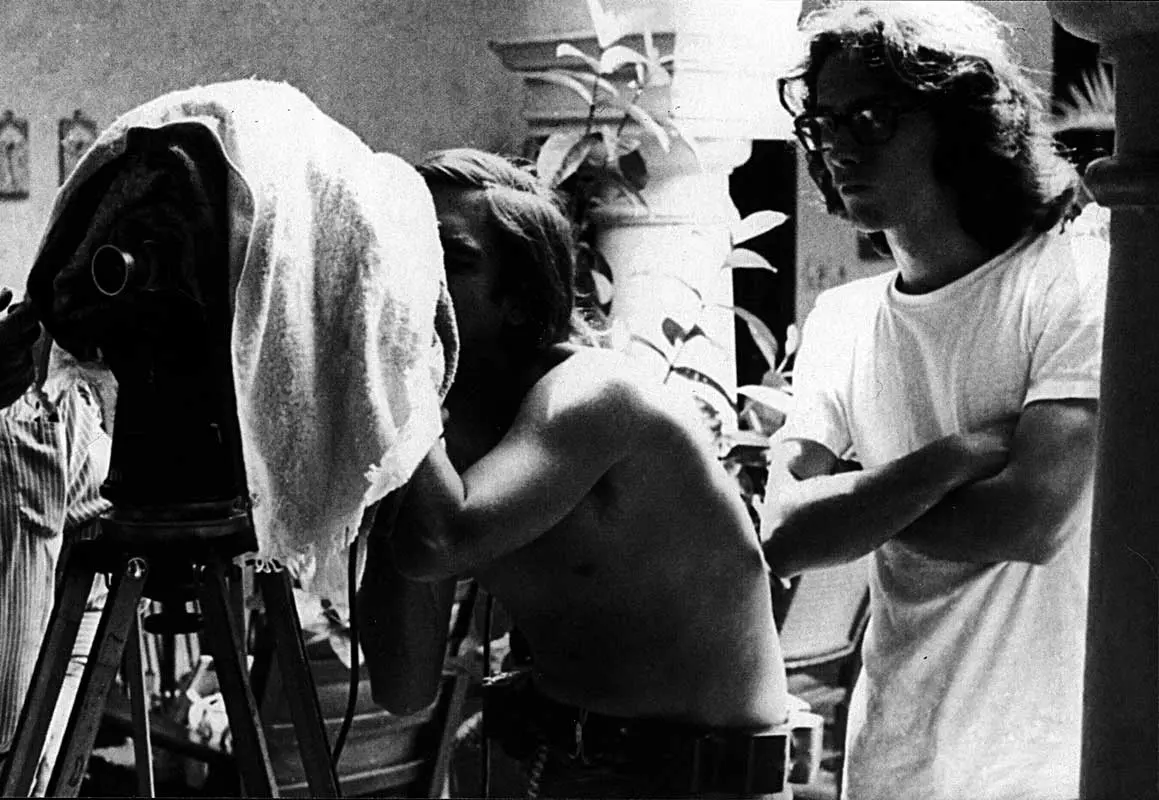
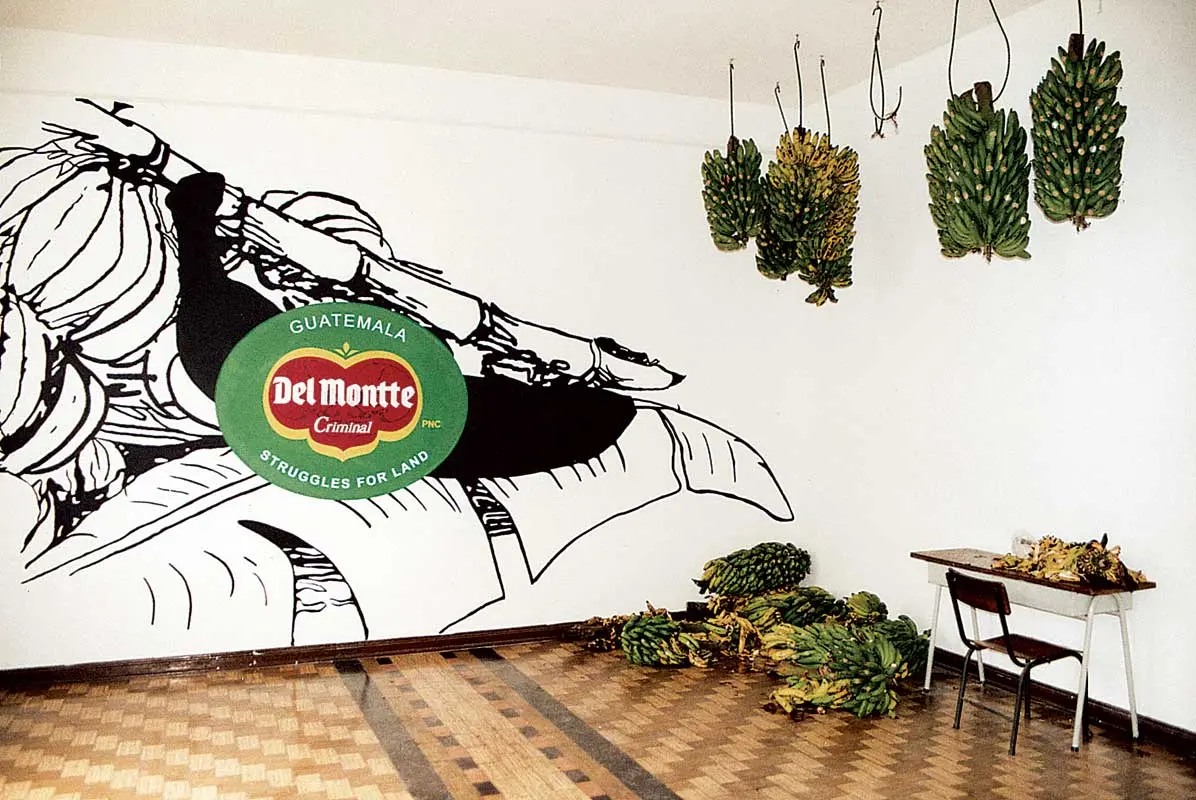
To curate the shows that covered regions from the Sibundoy Valley to the high Guajira—to include San Andrés Island and to extend the Santander border to the state of Táchira in Venezuela—was no easy task. One could imagine the loneliness and the suffering of the curators. The project with and about the Cauca Valley cane cutters provoked this declaration from its curator, Fabio Marcelo Palacios: “Bamba 45 is the result of wanting to remain in the struggle, in the effort, to live the present while confronted with an extremely hard social reality, one that is torturing, accelerated, indifferent, and, as firm, as it seems, fragile.” Gonzalo Díaz Cañales and Luis Fernando González Escobar, the curators of Imagined Region, confessed openly to what many organizers of regional salons surely feel: “We must note that artistic practice is characterized by its special complexity, because there are many situations in which artists feel abandoned, dismissed, devoured, thrown into hell. The situation is no different from the field of research, and this is why the work of the curator was constantly marked by the fear of faltering. Undoubtedly, this experience teaches us that art curating is not a zone of certitude.”
The event also was a challenge to the act of seeing and to the moment of seeing. I refer not only to the exhibition spaces but also to the Seventh Performance Festival that accompanied the Salon. The highlights of the festival were Rolf Abderhalden, Brazil’s Contempus group, and Bettina Semmer from Germany. A macro-exhibition like the Salon continues to be a powerful attraction for a diverse public, from specialists to the innocents enthused by the mass media. Although art events like biennials and itinerant fairs are successful, registering massive numbers of visitors, there is a worrisome diagnostic that points toward a generalized indifference. This attitude is surely the result of a mind-numbing effect provoked by the mass media and by direct contemplation. Despite the fact that many exhibitions remain privileged spaces for appropriating and trying updated visions, many studies and surveys reveal an unsettling reality: the public barely stops in front of the art, which passes by at high speed, much like TV images.
* Photos: León Birbragher.
MIGUEL GONZÁLEZ
Curator at La Tertulia Modern Art Museum, Cali, Colombia, a professor, and an art critic (member of AICA).