The country’s most important collections
of Mexican and Contemporary art have been brought together in the majestic
building of the National Museum of Art since late November through mid-March,
in an exhibition whose title, La invención de lo cotidiano, is taken from the title of a book by French historian and
philosopher Michel de Certeau. This book explores everyday life, and the show’s
concept is based on the idea of exploring the way in which the common man
invents strategies of resistance in order to escape the dominant social order.
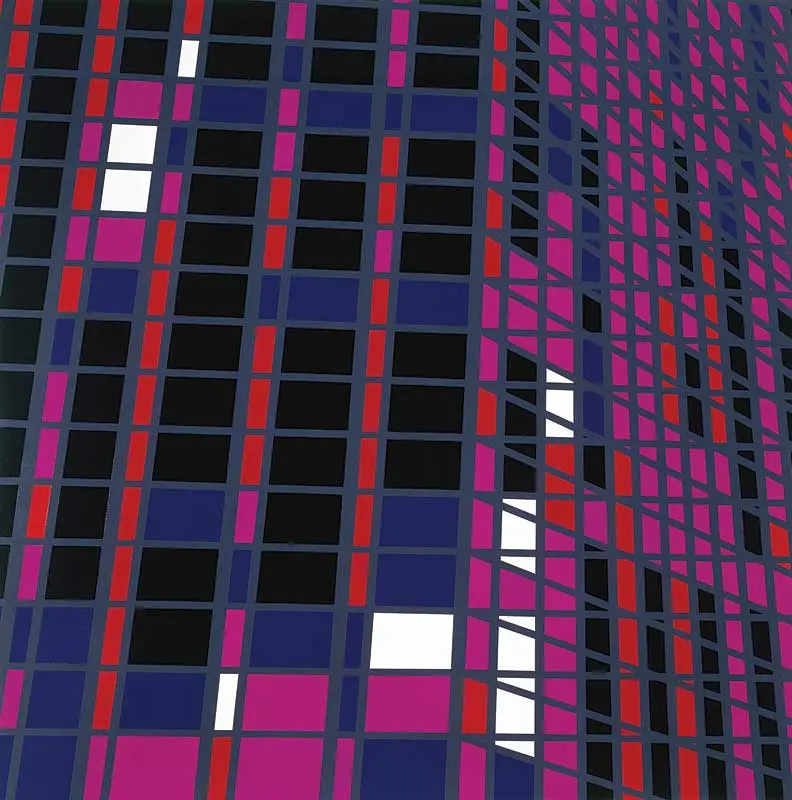
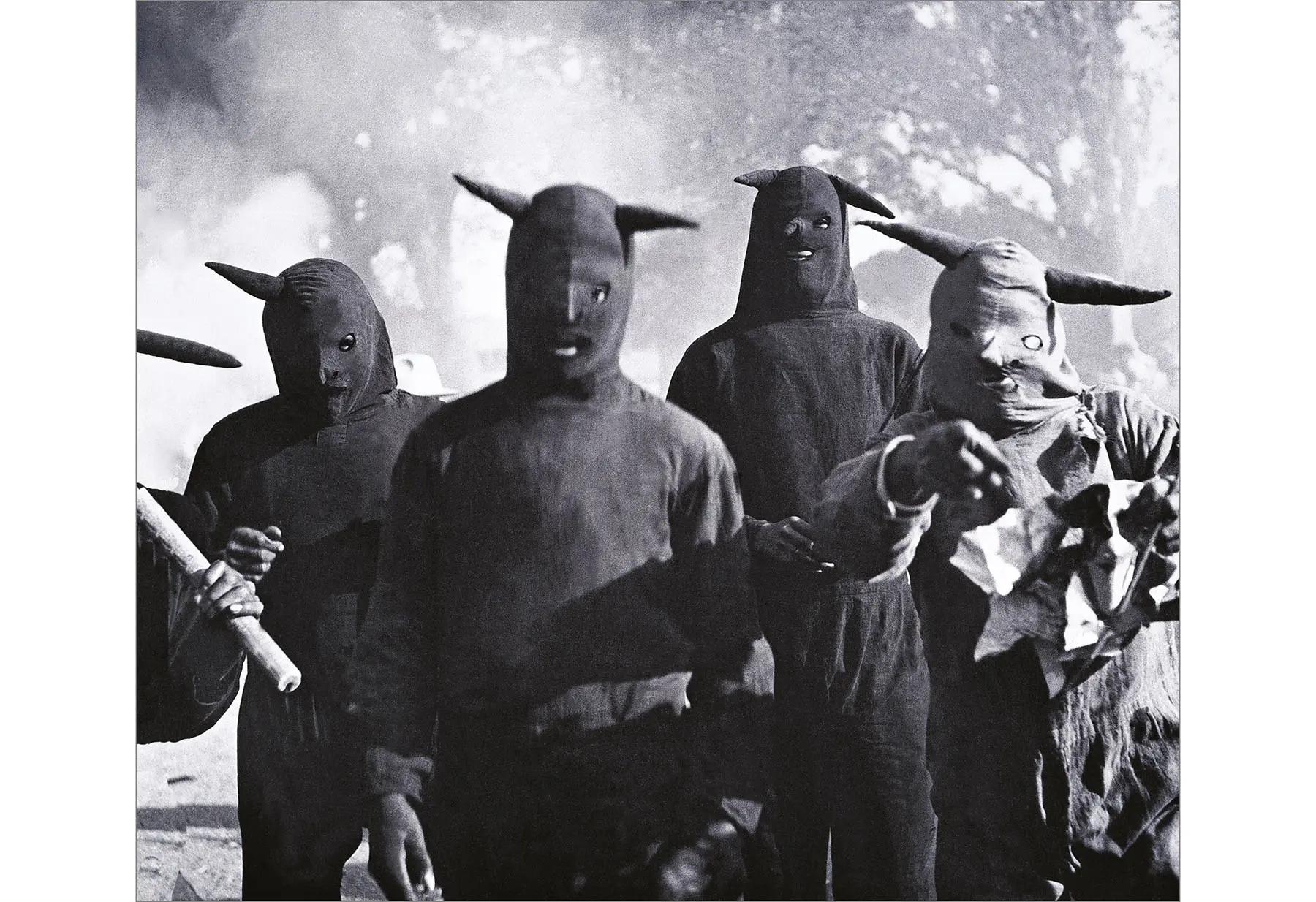
The Jumex Foundation/Collection evolved the initiative of working with the properties of Munal, and the idea took shape to gather more than 150 works from both collections, selected by French curator Frédéric Bonnet. The goal of the exhibition is to promote a dialog between collections that will create a space for reflection and for the confrontation of art that is considered traditional with art that is considered contemporary. The exhibition includes 81 works from the National Museum, the earliest from the Seventeenth Century, by artists like José María Velasco, Rufino Tamayo, Gerardo Murillo, among many others. These works are joined by 76 items from the Jumex Collection, by artists like Gabriel Orozco, Gabriel Kuri, Andrés Serrano, Doug Aitken, and Wolfgang Tillmans, to mention a few.
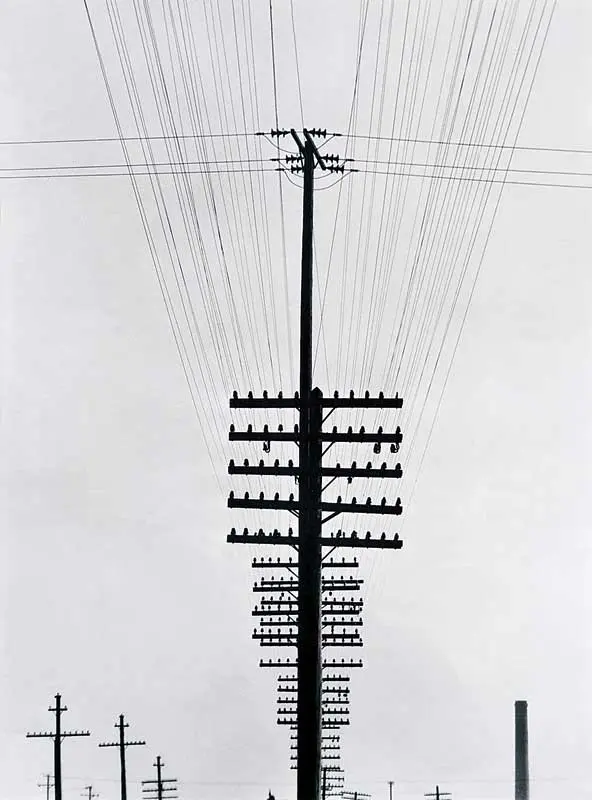
The curator says that the interest is to use the show to analyze questions relative to reality and everyday life, the ways of regarding and considering them, the ways of documenting them as they are translated into images. This is the connecting thread that runs through the Munal collection and it reappears as well in several works from the Jumex collection. The exhibition is arranged around four themes dealing with different ways of reading and reinventing every day: The Energy of the Everyday, The Nature of Landscape, Identity Strategies, and Resistance and Anti-Discipline.
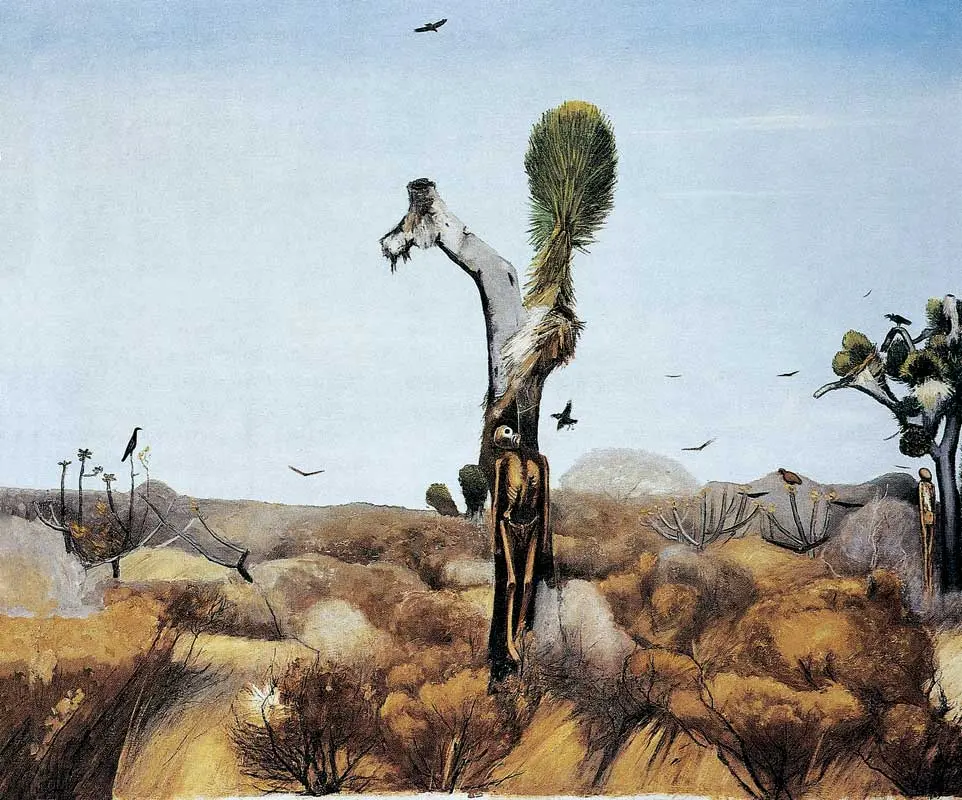
The first section touches on issues such as work, pastimes, consumerism, spirituality, professional lives, private lives. The confrontation of devotional, sacred works with others that are more gestural and conceptual in intent turn into a challenge the launching of a dialog between such diverse and dissimilar works of art. The second section is devoted to the connection between human subjects and their landscape and living environment. The interaction between emblematic works of the national landscape art tradition with others more contemporary, whose meaning is metaphorical and imaginative, is of great interest. More than a dialog, what takes place is those different ways of perceiving the natural world are brought to the fore: observation, spirituality, technical progress, the social, etc.
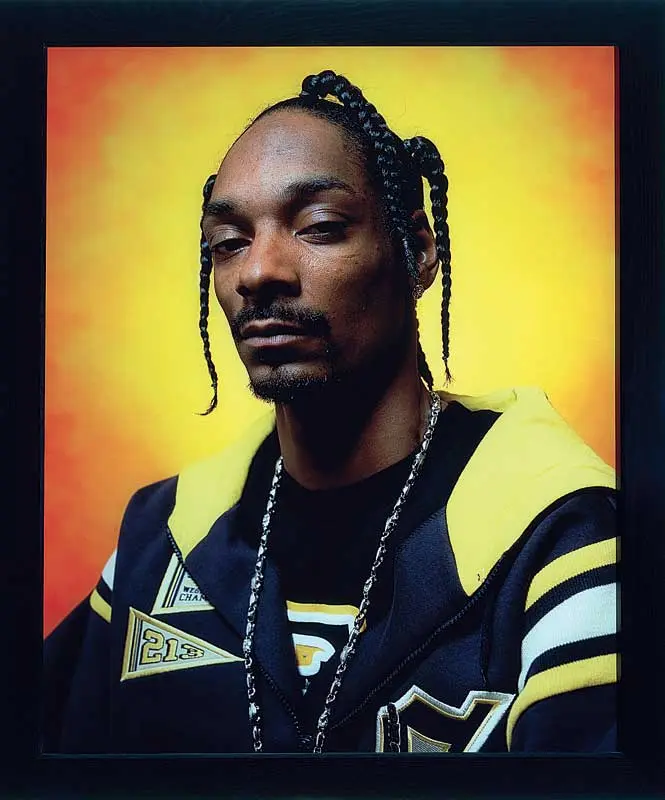
The third section, framed as Identity Strategies, encompasses certain political positions, strategies, and representations that have constituted a definition of both Mexicanness and the history of Mexican art. In this section, the genre of portraiture offers a clear vision of the representation of the everyday in connection with the affirmation of being and the invention of an individual identity and social identity. More than a dialog, what is generated here is a somewhat provocative confrontation of Nineteenth- and Twentieth-Century works with photographs showing ways of life that often question nationalistic criteria. In the last module, the attempt is to establish how human beings alter their environment, by means of political irreverence, an attitude of protest and contestation, which at times comes in the form of caricature, for example with Posada and others. The Anti-Discipline mentioned in the section’s title is expressed through the evasion of rules and codes for behavior, the invention of new forms of being, of producing meaning, of acting.
This is a bold show, innovative in its discourse, and it has also implemented technological solutions in order to attract a more youthful audience and modernize the way in which institutions generate new publics and interact with their visitors. This has been achieved through the implementation of Bluetooth tours with downloading of images and data as one walks through the museum, as well as a downloadable vodcast (video and audio file) that includes digital animation for children and adolescents.
ISAURA RUIZ