
The realm of photography has undergone substantial changes in recent decades. The medium’s dramatic mutation is lived—at least in the dominant mass-media discourses—as a mere technological shift. However, what lies underneath the euphoria of new support and processes is a profound transformation of photographic thinking that goes beyond the simple issue of technique. What is in play really is the configuration of a new mythology of sorts around photography, in the anthropological meaning of the term, which is to say, a new regime of narratives and beliefs to govern our relationship with these kinds of images. Mythology understood as an element of cultural coherence presupposes a symbolic and discursive order to give meaning to the phenomena faced by men. In this way, what has truly shifted in regard to photography is the discursive regime that organizes our psychological and emotional relationships with the medium, as well as the everyday social uses through which these images are inserted into the weaving of contemporary culture. This nascent order does not simply replace the visual photographic baggage and knowledge inaugurated during the last century but establishes with it complex and occasionally contradictory relationships.
The III Encuentro Internacional de Fotografía Fotográfica Bogotá 2009 made it possible for the city’s public to engage in deep and fruitful consideration of these issues. Structured around the idea of the portrait, this event explored the extremely heterogeneous yet revealing and symptomatic ways in which the human figure is approached in contemporary photography: a domain that can serve as a laboratory to understand that new photographic mythology.
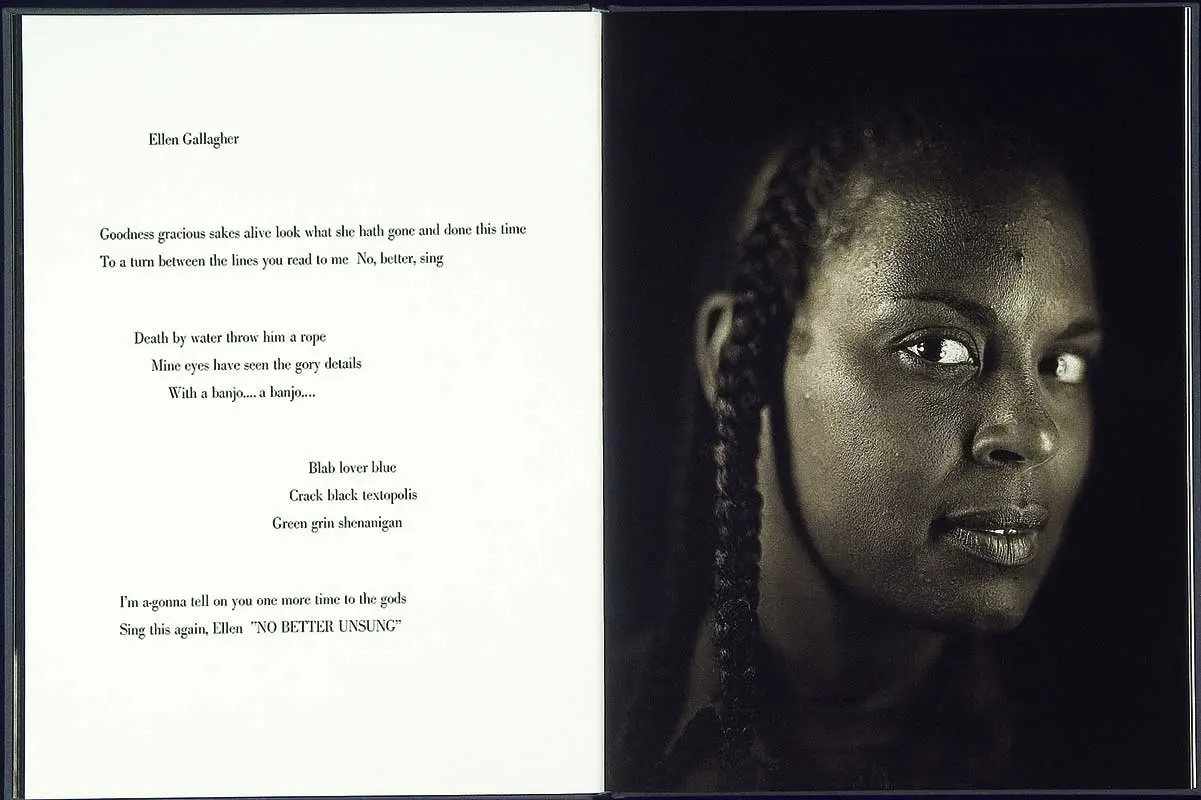
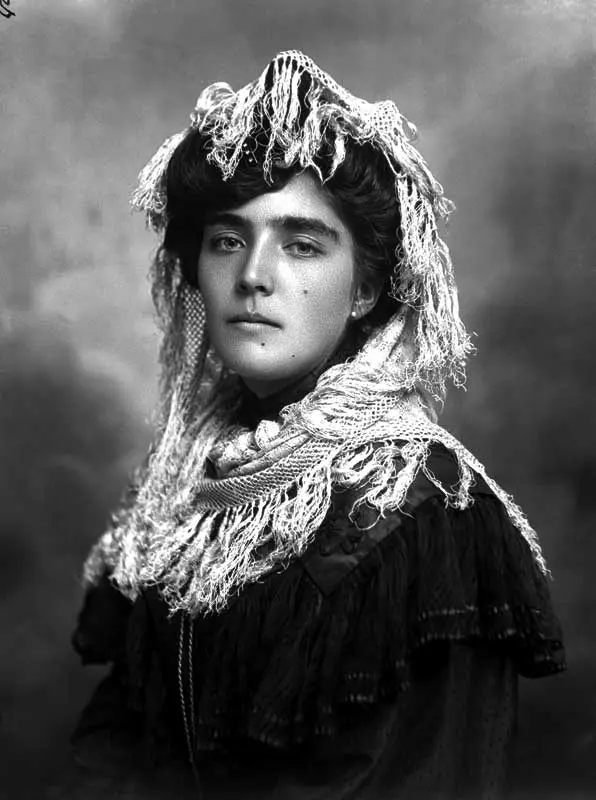
One especially significant feature of this new photographic thinking is the reactivation of the medium’s symbolic capacity, as opposed to an understanding of photography as a system for the literal and unidirectional representation of the world. Since the Nineteenth Century, all photographic practices explored to exhaustion this unidirectional and seemingly exact relationship with the referent, which originated a perceptual experience that fused represented object and image. In the case of the portrait, this relationship of fidelity and veracity imprinted photography with a psychological potential that in good measure replaced the symbolic potential that was traditional in the art of painting. During the first 80 years in the history of photography, this phenomenon established itself in the collective consciousness, and it became dominant in the Twentieth Century. Some of the works presented at Fotográfica Bogotá 2009 emerge from this attitude towards the representation of the human figure, like Benjamín de la Calle’s work, a cornerstone in the history of photography in Colombia. Others base their proposal of visual interplay on that feature of traditional photographic thinking, as for instance in Ser sin Tiempo, by Germán Arrubla. But the most forceful work connected to the central aspects of this photographic legacy is Chuck Close’s contemporary Daguerreotypes, also exhibited here.
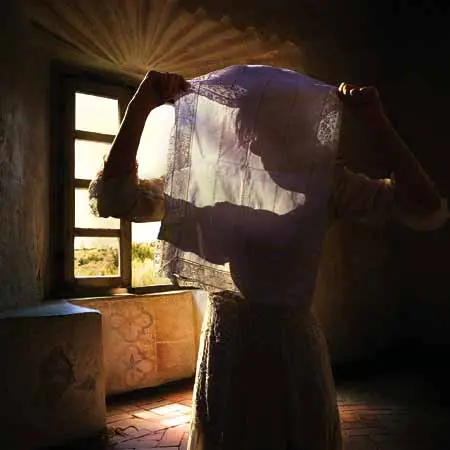
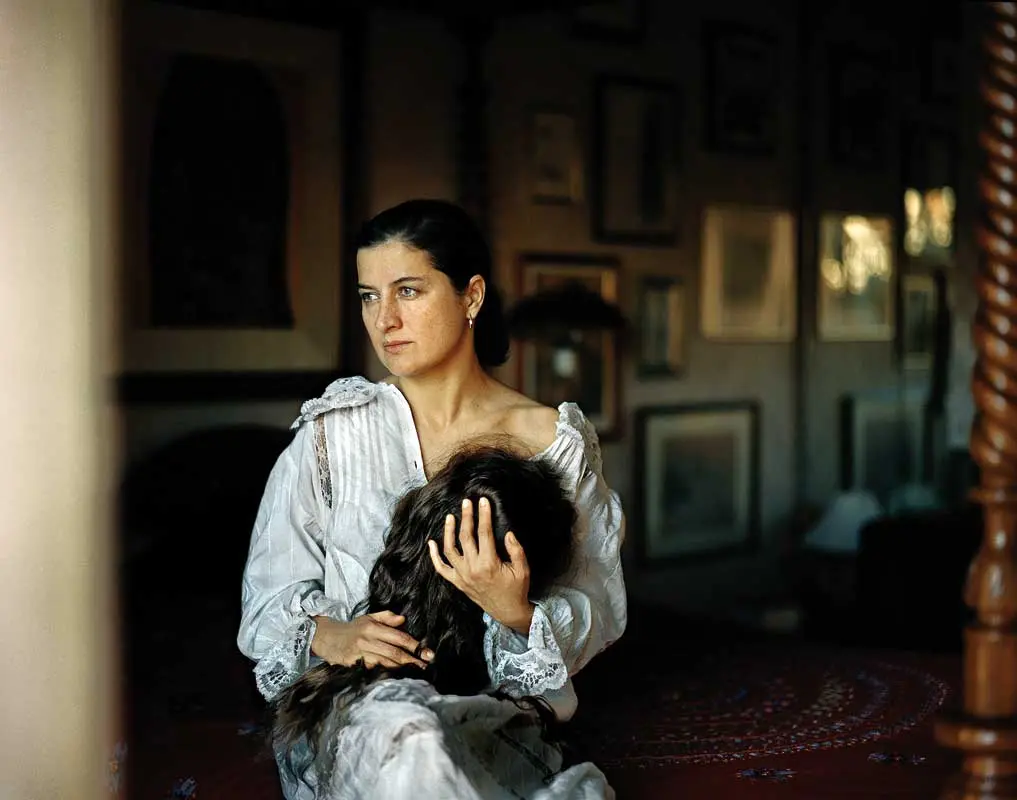
Today we are faced with a kind of photography where this unidirectional and literal relationship with the referent has been broken. There no longer is necessary psychological confidence on the record of physiognomy. What we are presented with is then open to a malleable, flexible, plastic vision of the subject. This experience is incessantly repeated in the mass media and in those who are represented there, and with it, our consciousness opens up to a facet of photography that reveals its own construction, its own function as a simulacrum. This kind of relationship with the image leaves in the hands of the artist the power of controlling the symbolic elements, the gestures, or the features that the dispositive is still able to capture, but that the artist is able to assemble, adjust, or even create solely by virtue of his own purposes. Artists can then give photographic form to creations that are no longer necessarily of the world of objects and light, in the traditional realm of the captured referent, but proceed from their own minds. Such is the case of works like Luis González Palma’s or Tom Chamber’s, who take advantage of this dimension to exacerbate the evocative power of photography. The old paradigm of photographic veracity and exactitude gives way and photography acquires a new symbolic and subjective strength, equivalent to that of painting. With this, photography’s traditional documentary nature as an explorer of the subject’s external features turns towards an exploration of our consciousness’ inner landscapes.
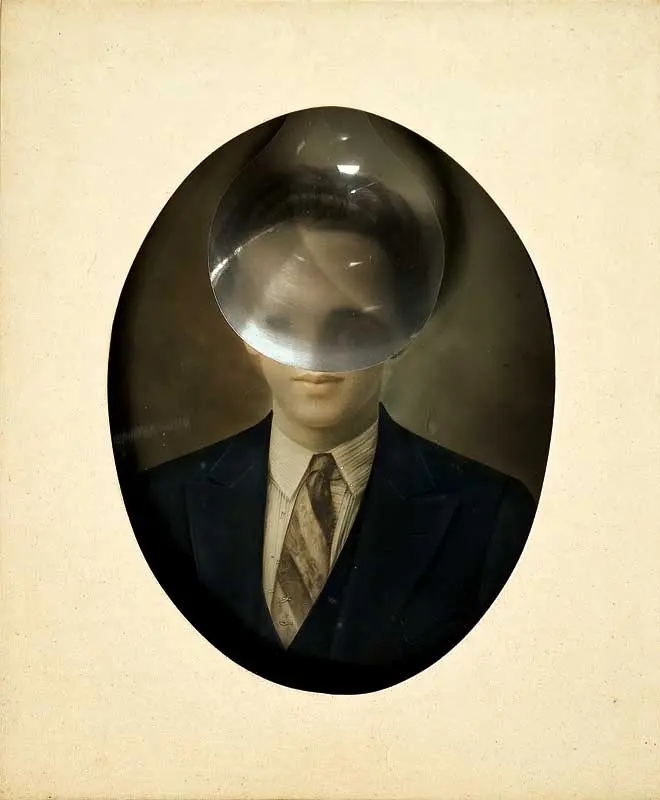
In the new mythology of photography we find, then, a kind of return to the pictorial. Yet this return is not only a return to the pictorial experience. As I have said in a different place, it is rather a particular and sui generis visual experience that takes painting’s richness of subjective experience and formal control and fuses them with the visual modes already established by photography.
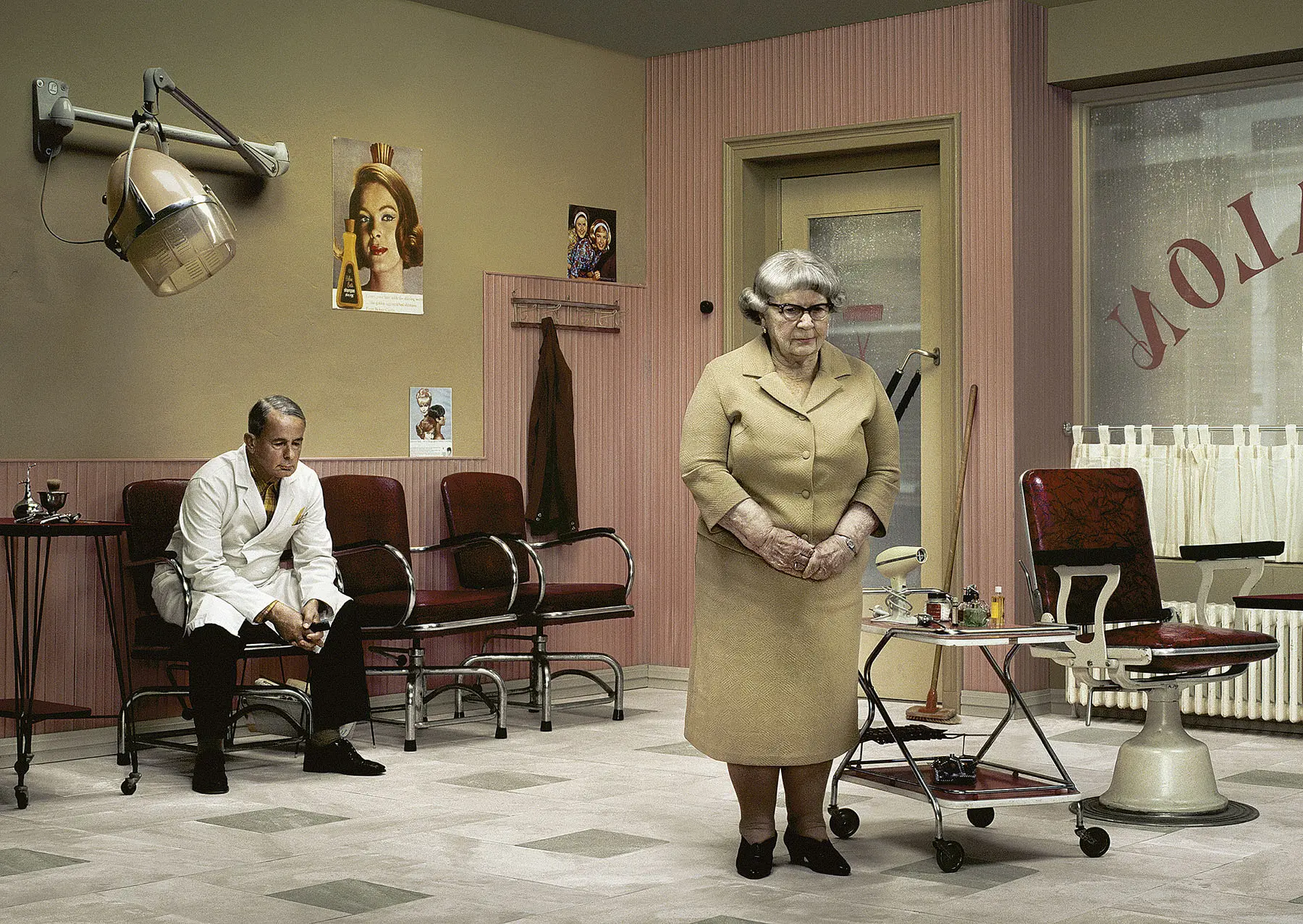
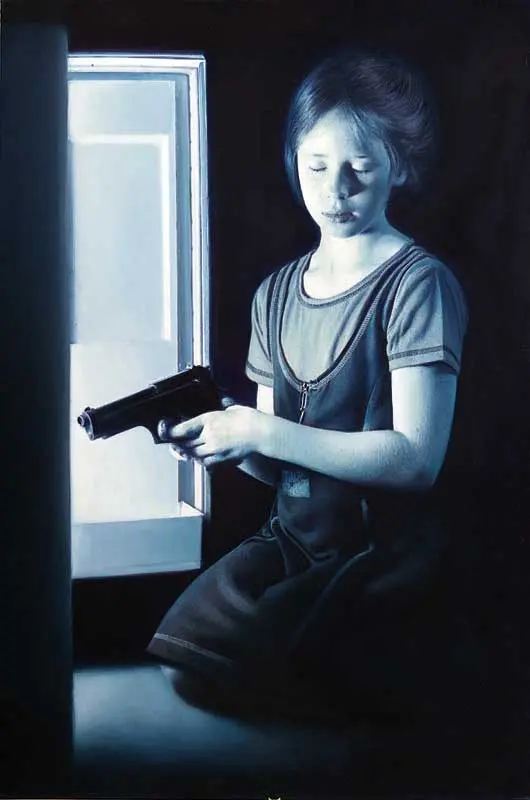
The representation of the human form in contemporary photography, as revealed by many works on exhibit at Fotográfica Bogotá 2009, takes advantage of the free potential for composition and construction traditionally used in painting, but it does so while subjected to photography’s visual rhetoric. Thus, what we have is a class of images that respects laws such as the representation of movement through the timing allowed by the camera shutter, or the vocabulary of perspective that emerges from photographic optics, or the particular appearance of light and color traditionally generated by the light-sensitive surface. Yet the reception of this type of image produces a kind of estrangement: it doesn’t necessarily refer to a direct experience of reality but continues to evoke in the viewer traditional photography’s testimonial capacity, while able to represent ideal self-contained universes, distant from our everyday visual experience and closer to the intangible landscapes that our minds constantly create, governed by their own laws. To encounter photographs of these landscapes and of the beings that inhabit them is to approach a type of estrangement that seems to be in the process of becoming the governing perceptual model for reading photographic images in the Twenty-First Century. Be it through a particular way of dealing with the mise en scène, as in Gottfried Helnwein’s work, or through a highly technified construction of the result, as in Erwin Olaf’s almost glacial photographs, what predominates there is a transformation of the photographic that, by means of a renewed symbolic capacity, explores the spaces of our consciousness, essentially on the basis of unreality and fantasy.
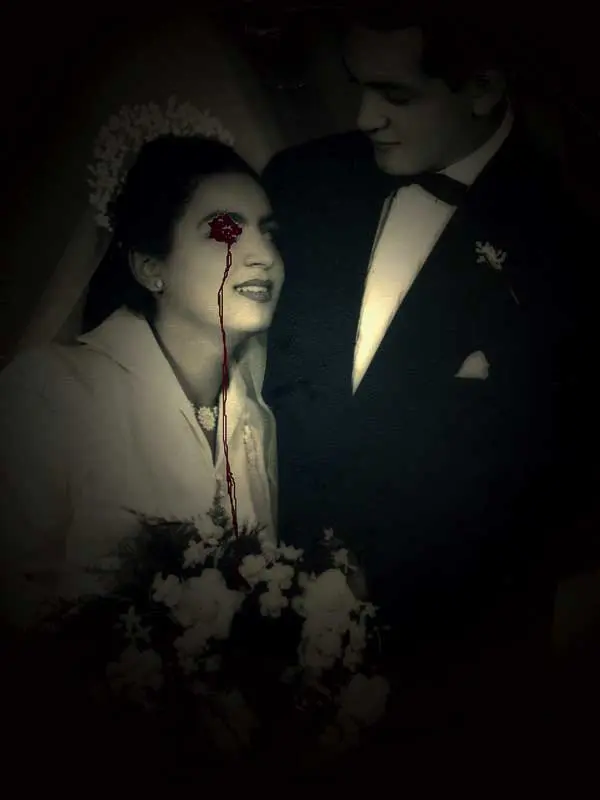
The discourse of the trace, which towards the end of the Twentieth Century had a salient place in the interests of theoreticians, critics, curators, and artists interested in photography, is today another key element in traditional photographic thinking undergoing a moment of crisis. The idea of physical contagiousness between the sensitive surface and the objects or subjects it records, which produced so many metaphors about the trace, continues to pale and wither away, to the point that it is difficult to follow in today’s photography. Between textures of wrinkles that smooth out, scars that heal, or symmetries that correct themselves, today’s photographs are no longer traces that reveal our identity. Little by little, the photographic image ceases to refer to direct contact with matter. The work of Javier Vanegas, Patricia Martin, or Mercedes Angola take as their starting point procedures that intentionally violate the character of the trace.

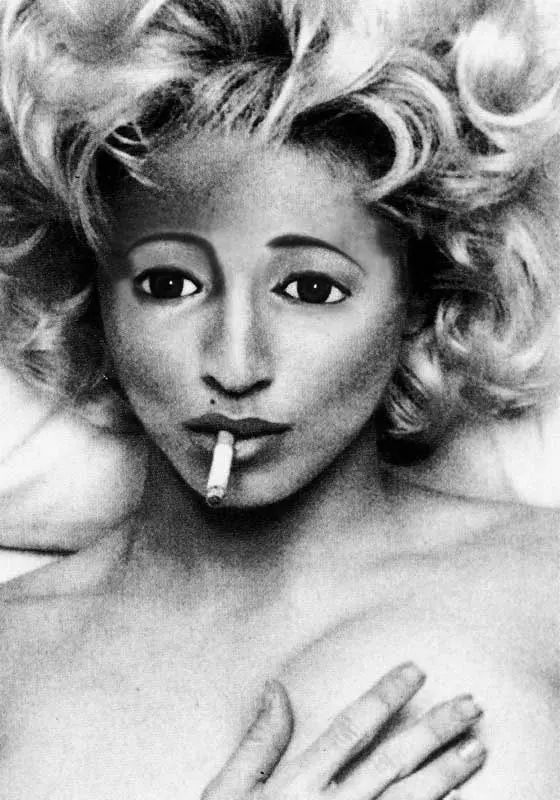
Another fundamental aspect on display at Fotográfica Bogotá 2009 was the transformation of our conception of the dispositive as an instrumental process mediated by machines. Since Baudelaire’s seminal reflections the photographic image has been accepted as an instrument of the true inasmuch as its manufacturing process dependent on the use of machines; it was this use that, by pushing away the human hand, helped establish an appropriate and objective relationship with the world, emptying out subjectivity from the image itself and letting nature act in its stead. Photography’s dependence on exterior forms was connected to the fact that the image was achieved, apparently, in an automatic way. In traditional photographic thinking, the idea that the process is independent of us flourished. A photograph, for instance, “doesn’t come out”: it is itself the subject of the sentence, it is attributed to its own volition. At this point in history, however, our relationship with process and machinery reveals an entirely opposite meaning: the specific weight of technology has become present and overwhelming. The computer, despite its complexity, begins to be seen at the same level as the painter’s brush and it makes the human hand evident in the photographic process. In the same way, subjectivity returns to the image, and the tool once again brings the author into his or her work. Paradoxically, this notion permeates our contemporary photographic mythology.
The III Encuentro Internacional de fotografía de Bogotá – Fotográfica Bogotá 2009, while presenting proposals of exceptional diversity and heterogeneity, also made possible a deep consideration of the medium. The emergence of photography’s symbolic potential, the estrangement produced by its return to painting, the crisis of the trace, and the role of technology, are but a few of the aspects that contribute to the generation of contemporary photographic mythology. What the event made clear was that we are living through the active process of configuration of this new mythology.
*All images illustrating this article are courtesy of FotoMuseo.
GUILLERMO SANTOS
Anthropologist, teacher, and researcher dedicated to art and the photographic image.