
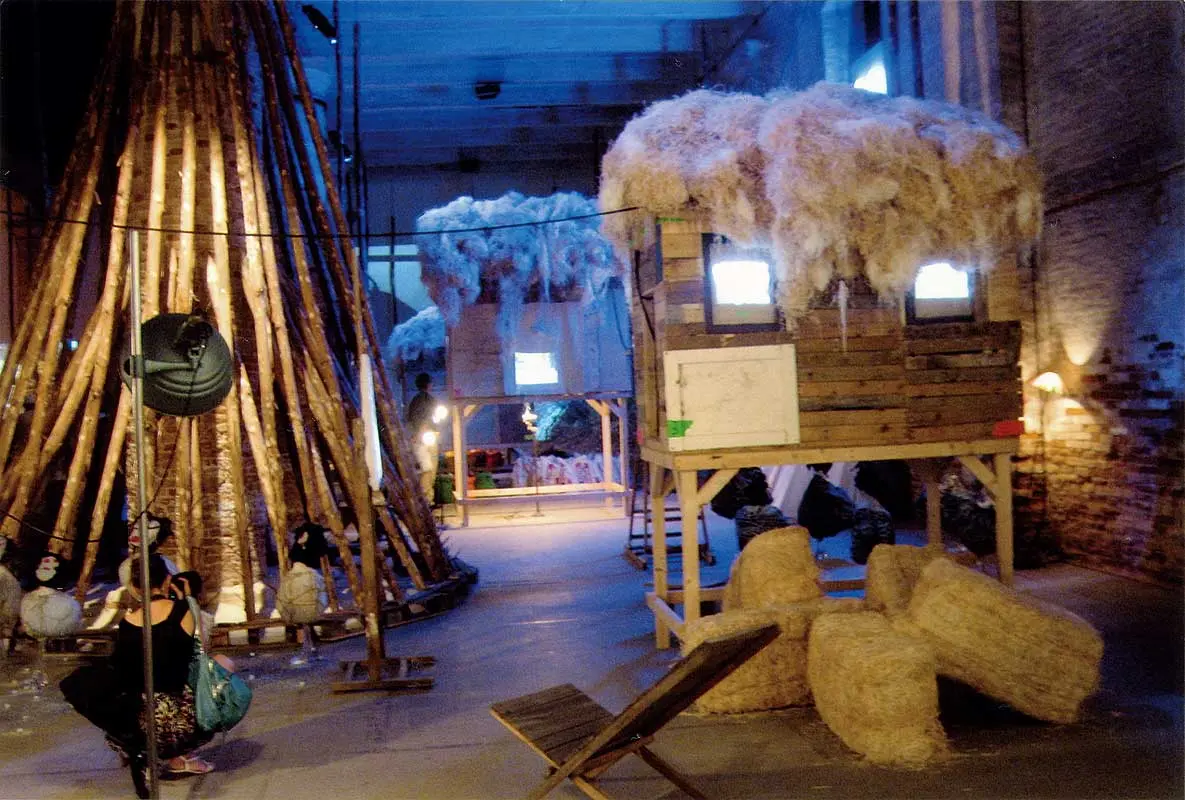
Fare Mondi/Making Worlds was the slogan and leitmotif adopted by Daniel Birnbaum—director of the 2009 Venice Biennale—to group the works included in the event and to guide us through their expansive and labyrinthine accumulation. “A work of art,” he writes in the presentation, “is more than an object, more than a commodity. It represents a worldview, and if we take it seriously we can see it as a way of making the world.”1 This diagnosis, which is also a prognosis, has significant precedents in the Western philosophical tradition, markedly in the writings of Hegel and Edmund Husserl, the latter having unpacked the topic of the Lebenswelt, the life-world, in his celebrated and revelatory titled 1936 essay “The Crisis of the European Sciences and Transcendental Phenomenology,” and also in the work of Martin Heidegger, author of the no less famous The Origin of the Work of Art, first appeared in the 1950s. But what really matters here is not to reconstruct the antecedents and genealogy of concepts like “work of art,” “world,” or “worldview,” but to review and evaluate what Birnbaum’s intent has brought center stage in this edition of the Biennale. And this review of the works on display reveals the rather unsettling fact that the world now seems to be as unhinged as in fact are specific installations like Human Being—dated 2007 by South African artist Pascale Marthine Tayou and on exhibit at the Arsenale—that in the end was more than a simple evocation of the characteristic spaces of a small village in the country of its origin. The superposition on the forms and materials of that precarious architecture of emitted or projected images of everyday events captured all over the world radically dislocated that very architecture and gave way to a forceful allegory of the chaotic nature of the series of “worlds” that comprise the world of today. If it is still possible to refer such diversity to something that retains the unity of the world presupposed in the Weltanschauung—the concept of the world—theorized by Hegel.
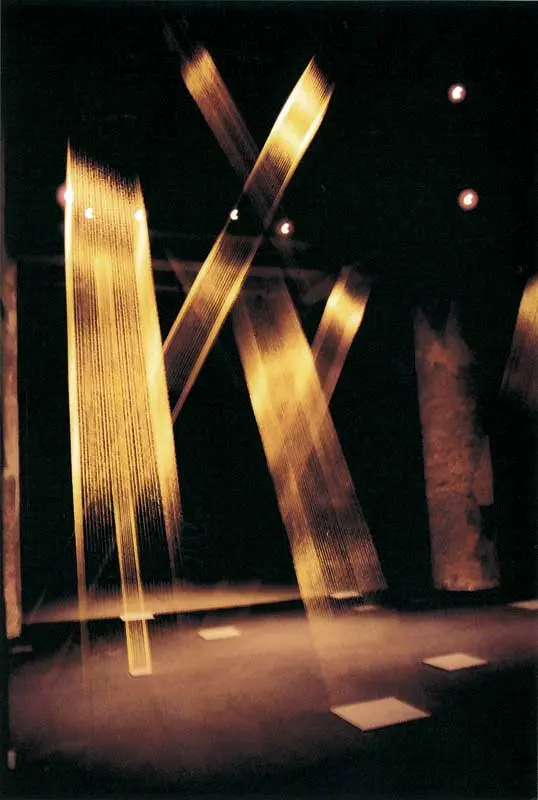
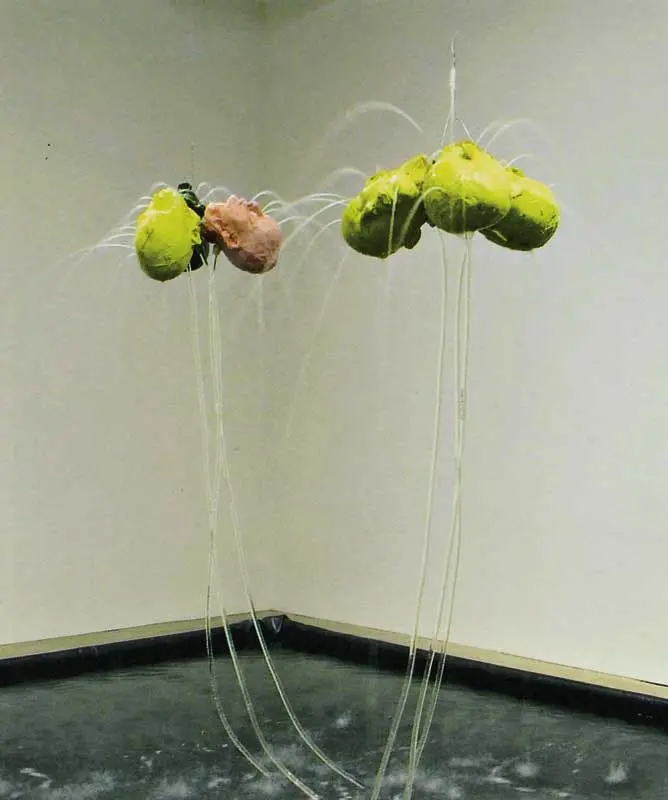
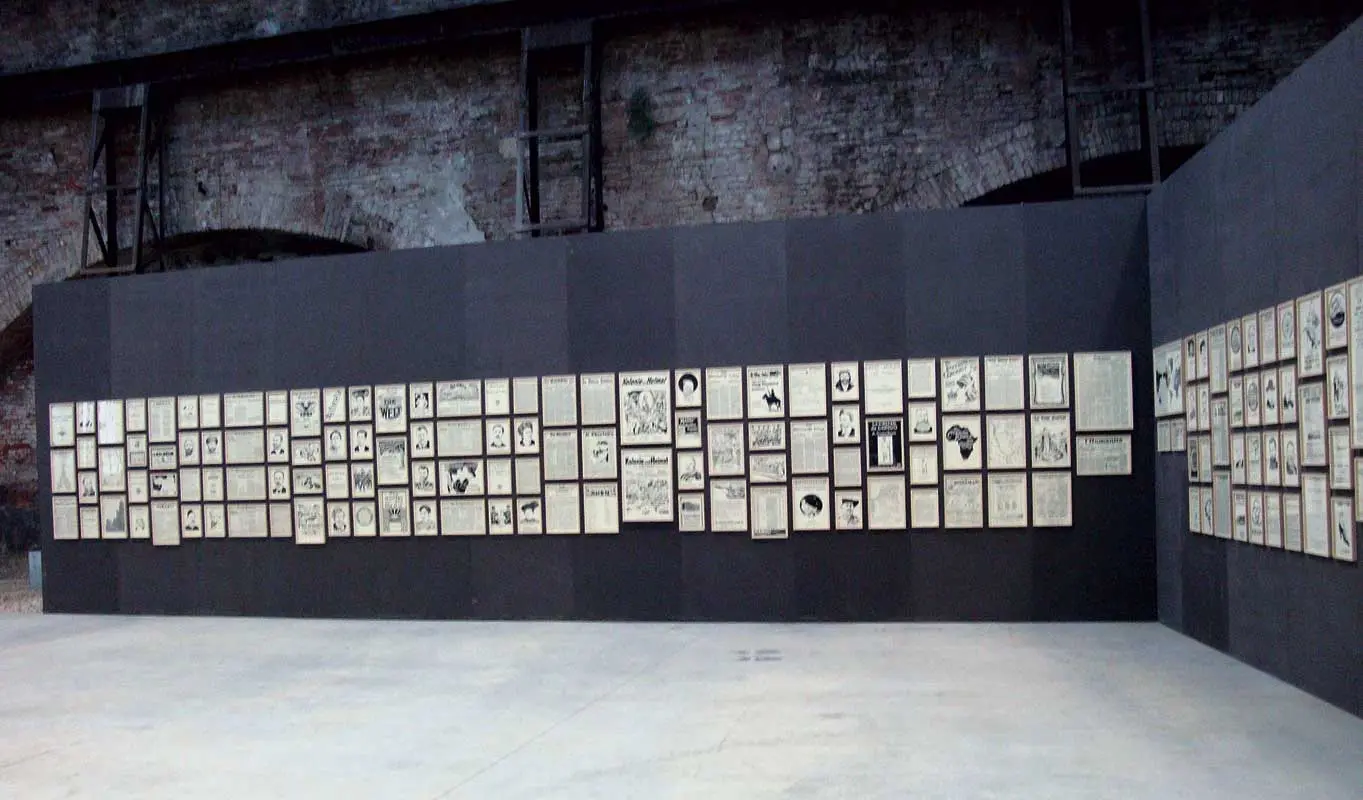
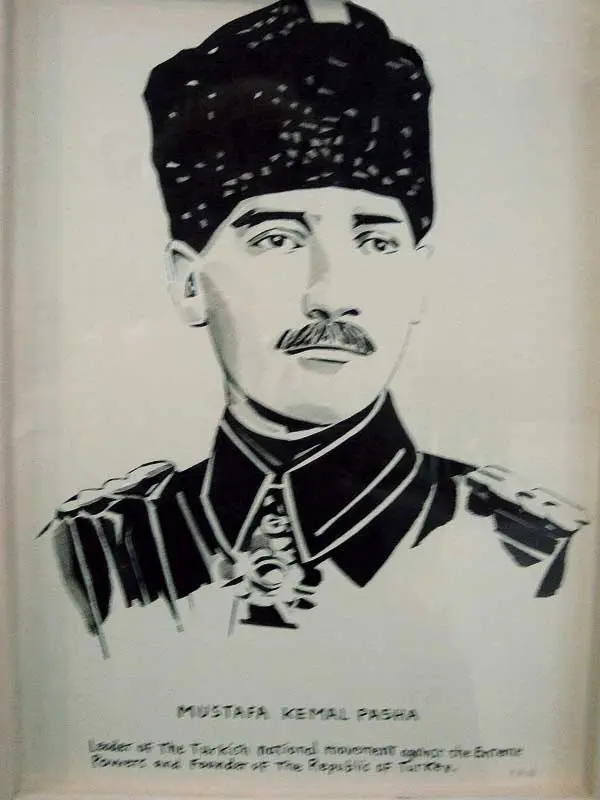
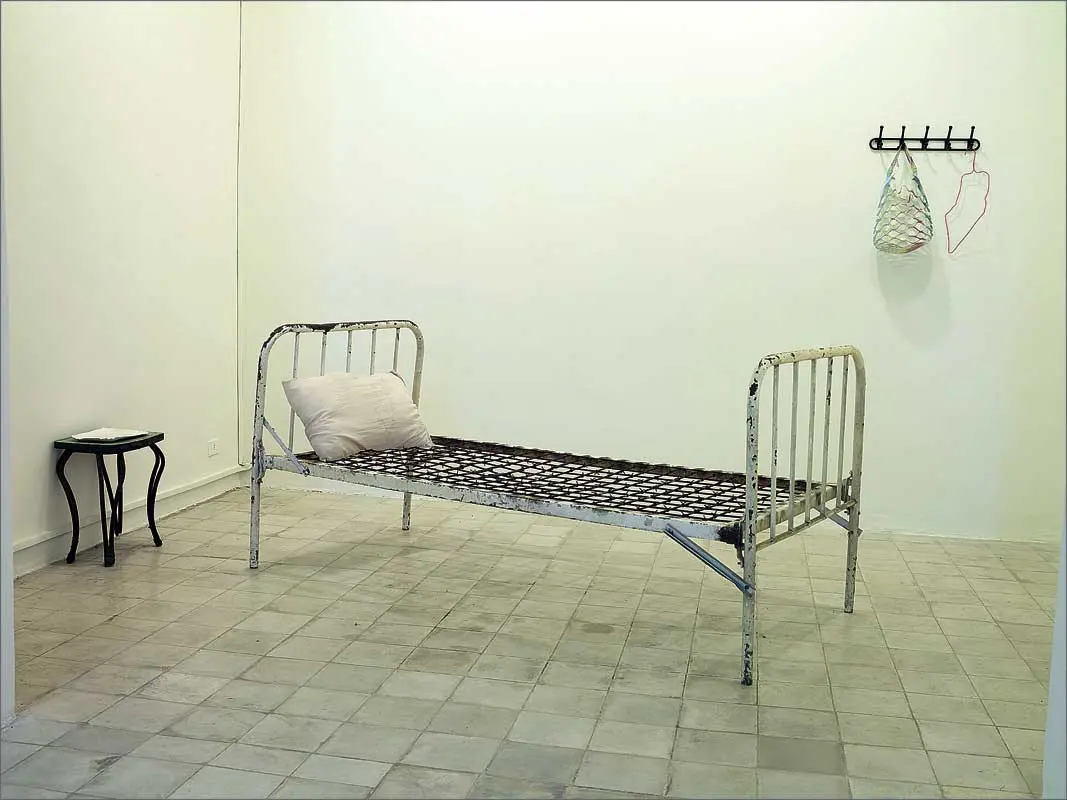
Or can we only imagine—as Mona Hatoum does in Hot Spot III—that supposed unity as that of a globe made with steel cables on which the outlines of the continents clash against each other in the same way they did millions of years ago before tectonic-plate drift gave them the shape and arrangement we see today. A disquieting unity but not for what it has or archaism, but because the globe built by the Palestinian artist gained additional meaning by sharing the Fondazione Querini Stampalia galleries with the other works in a solo show, among whose highlights were, thanks to its succinct expressivity, Interior Landscape, from 2008. This work was a room inhabited by an uncovered metal bed, a pillow, human hair, a small night table with a blackboard, and a coat rack with a desolately empty wire-mesh bag. No more, no less: a prison-like image that puts us in mind of Giorgio Agamben’s thesis that the lager, the concentration camp, is the true nomos of the Earth in the Modern era. Peruvian artist Fernando Bryce must share this view of the penitentiary enclosing of our world, judging by the work he exhibited in the pavilion for the Spanish region of Murcia, located at the Arsenale Novissimo. Bryce’s work, titled, precisely, Die Welt—The World—is comprised of 195 drawings that are copies of illustrations in the German magazine of the same name, published at a time when the German Empire still had African colonies and was proud to retain them.
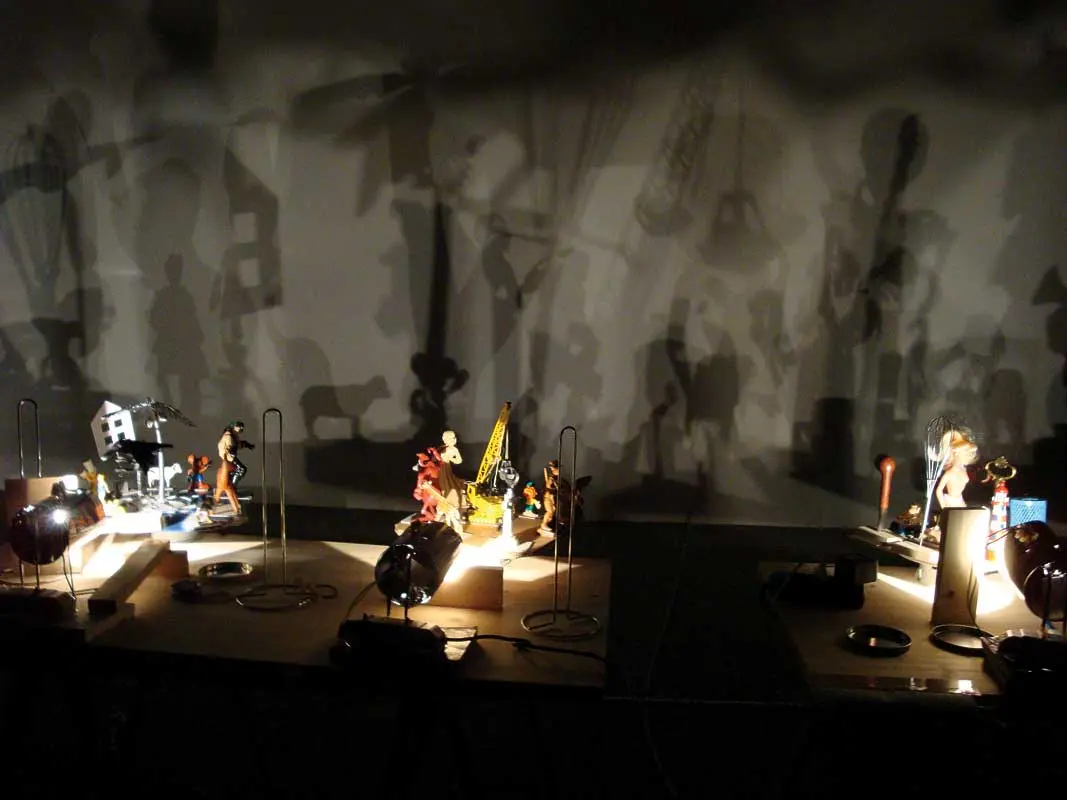
Whatever the case, the unhinging of the world exemplarily evoked by Tayou’s installation—which also harked back to the “global village” announced by Marshall McLuhan in The Guttemberg Galaxy—reappeared in installations by Moshenkwa Langa, Georges Adéagbo, and Haegue Yang, and in Shadow Play, the shadow theater presented by German artist Hans Peter Feldmann in the Birnbaum-curated show at the Italy Pavilion, which for once is not devoted to the exhibition of Italian art in the Biennial and for that reason is called Palazzo delle Esposizione. And also in Condensation, by South Korean artist Haegue Yang, on exhibit in his country’s pavilion located at the Giardini del Castello, which explores the chaos that stalks those urban spaces customarily kept apart from view.
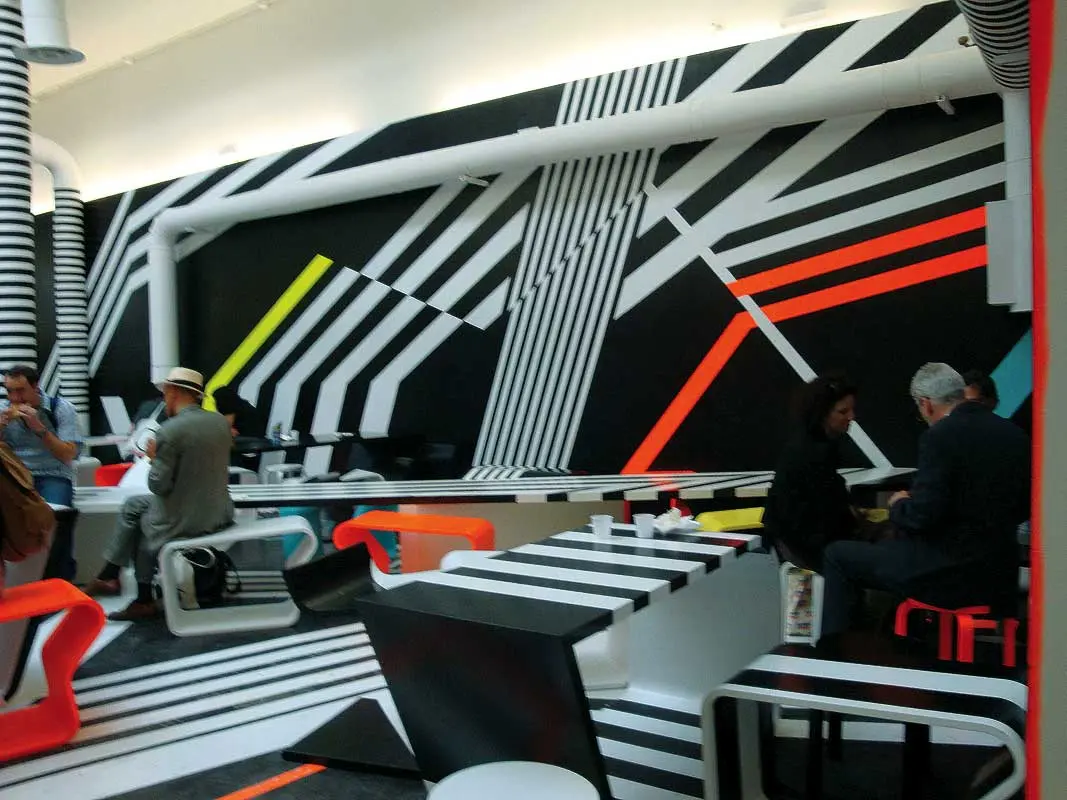
The counterpoint to this kind of intervention, where, from a purely formal standpoint, what dominates is the accumulation and even the chaotic piling up of stuff and the most heterogeneous materials, was the cafeteria designed by Tobias Rehberger at the Palazzo delle Esposizione. The historical precedent for this work are the cafés designed in the 1920s by members of DeStijl and of the Soviet Constructivist movement, only the German artist carried to extremes of paroxysm the disintegration of form in space, of furniture and utensils, deployed by his well-known predecessors in order to destabilize and, at the limit, explore the gaze that attempts to compose a world, and even recognize it. The result was greatly forceful, and as such opposed to the monotonous regularity of the ephemeral architecture projected by Liam Gillick at the Germany Pavilion in the Giardini. Gillick, like Rikrit Tiravanija—who designed another cafeteria at the Biennale—is a follower of relational aesthetics and what he attempted with this construction of uncovered and pressed wood pieces was to reassert human relationships in a context that was open and devoid of superfluous ornaments and enclosures, where it was possible to reformulate questions such as, What can we do here? Who speaks? What are they talking about?2
The installation, however, was anything but a stimulus to dialog and the opening of new kinds of relationships. It was like an IKEA pavilion.
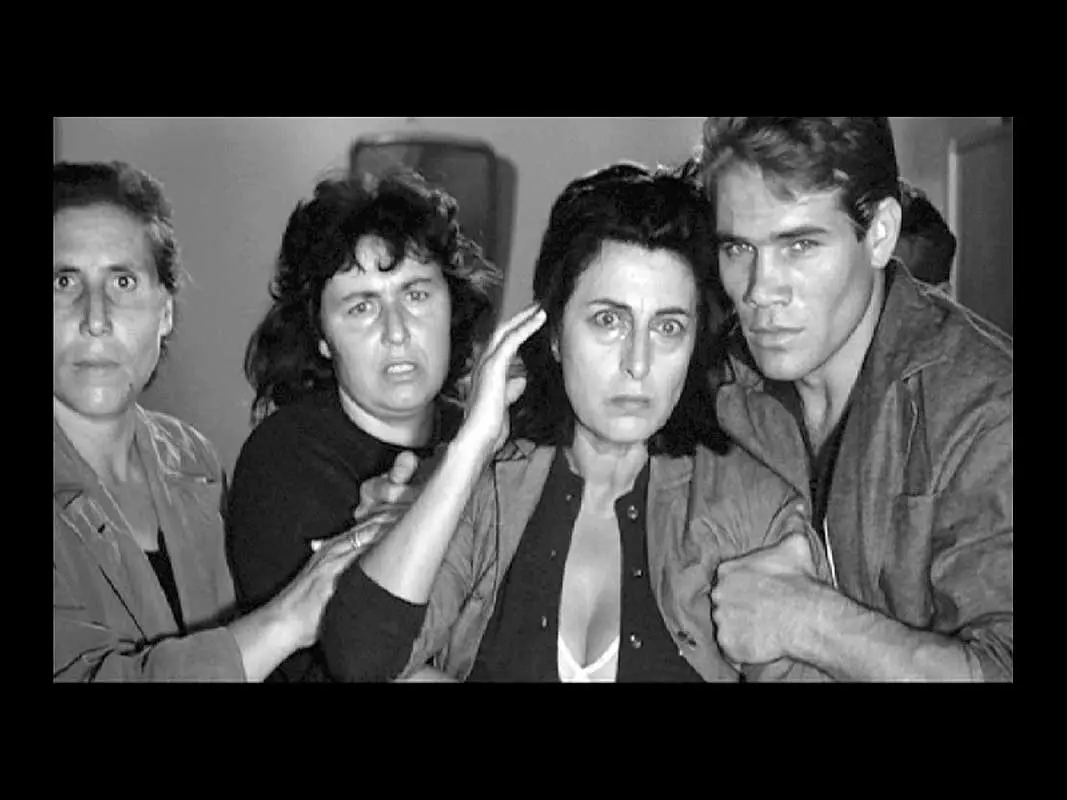
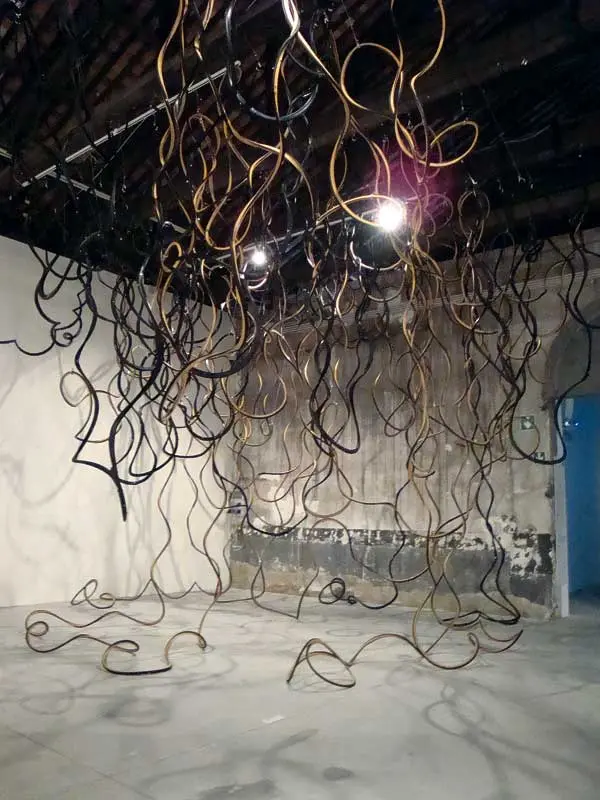
Birnbaum’s argument was ultimately clear and even pertinent with regard to many of the works on exhibit. Yet, it wasn’t enough. The work of art can “be world” or it can “make world,” as Heidegger suggested before Birnbaum, but neither its sole existence nor its concept suffices to thoroughly understand what took place in a Biennale that was, once again, not a simple international exhibition of works of art, but also an exercise in, and a demonstration of, power. Or the powers, to be more precise, because this Biennale offered, in truth, veritable cartography of the powers that act today in a world that seems ever more crowded and which, despite their intrinsic differences, have adopted contemporary art as the lingua franca to communicate under the paradoxical guise of communicating their differences. From this standpoint, we can talk of the exhibition in this Biennale of a set of old powers and a set of emerging or expanding powers that in the end are challengers to the former. An index of the magnitude of these challenges is the spectacular growth in the number of pavilions and sites for the Biennale’s parallel events. This growth began in 1980, when Achille Bonito Oliva convinced the Biennale’s authorities to open for the first time Aperto, the first space-separated—both physically and conceptually—from the national pavilions that at the time were all located in the Giardini and dedicates to present exclusively artists from the corresponding countries. On the contrary, the Aperto was from its inception a thesis-based exhibition open to artists from many nationalities. Today, this growth has reached extreme levels, and not only because the Aperto, which began at the relatively small Punta Dogana warehouses, has ended up invading all the Arsenale facilities—including those of the Arsenale Novíssimo—but also because the number of national pavilions has not stopped multiplying, extending across Venice’s entire geometry due to the desire on the part of many governments throughout the world to present a national pavilion at the Venice Biennale. It is an issue of power, of the symbolic interplay of powers, as confirmed by the presence of Chilean artist Alfredo Jaar, an impressive phenomenon, who also devoted at the Murcia Region pavilion a stirring documentary dedicated to Pier Paolo Pasolini, precisely the theorist of hegemony as an essential form in the exercise of power, titled Las cenizas de Pasolini. But not only national governments participate in these “patriot games;” on this occasion, stateless nations such as Catalonia, Wales, and Palestine also sought a presence, as did cities that are States, such as Singapore and Hong Kong, the former with its own Pavilion despite the fact that both China and Taiwan already had their own. And among the national pavilions, the most challenging ones were those of Saudi Arabia, the United Arab Emirates, and especially Dubai, whose authorities are decided to transform this small emirate into the most important economic and financial hub in the Middle East and an internationally relevant center for contemporary art, as attested by the Louvre and Guggenheim sites currently under construction there.
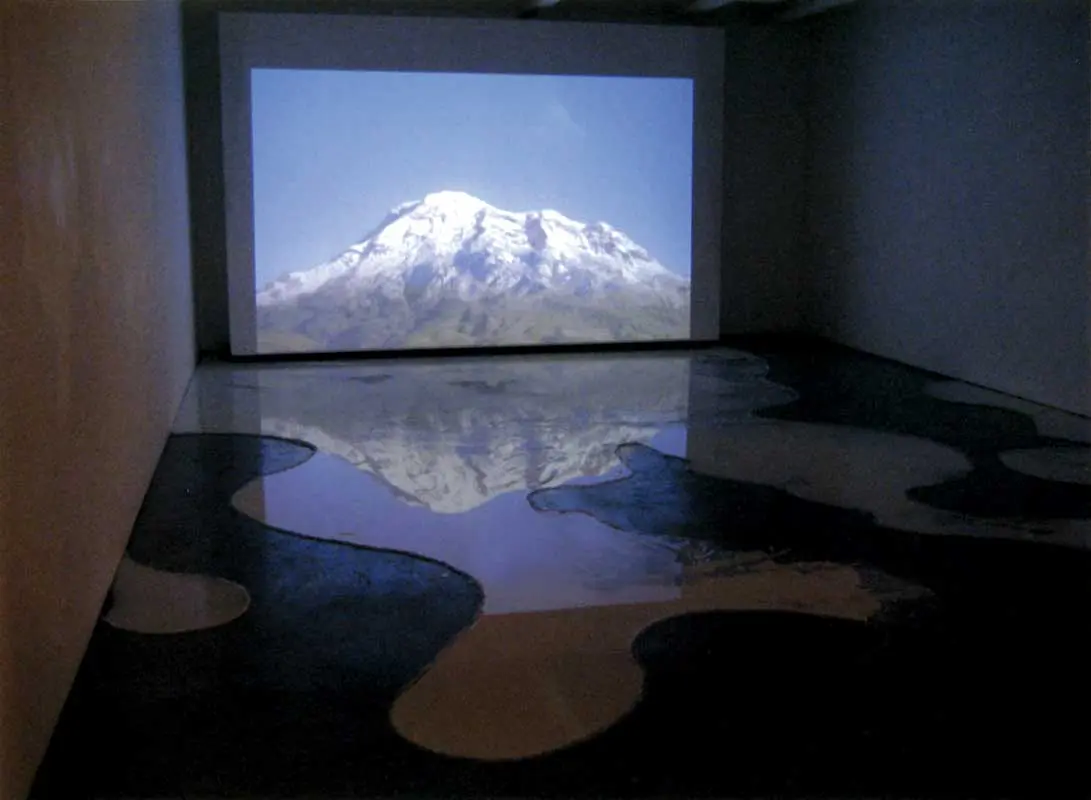
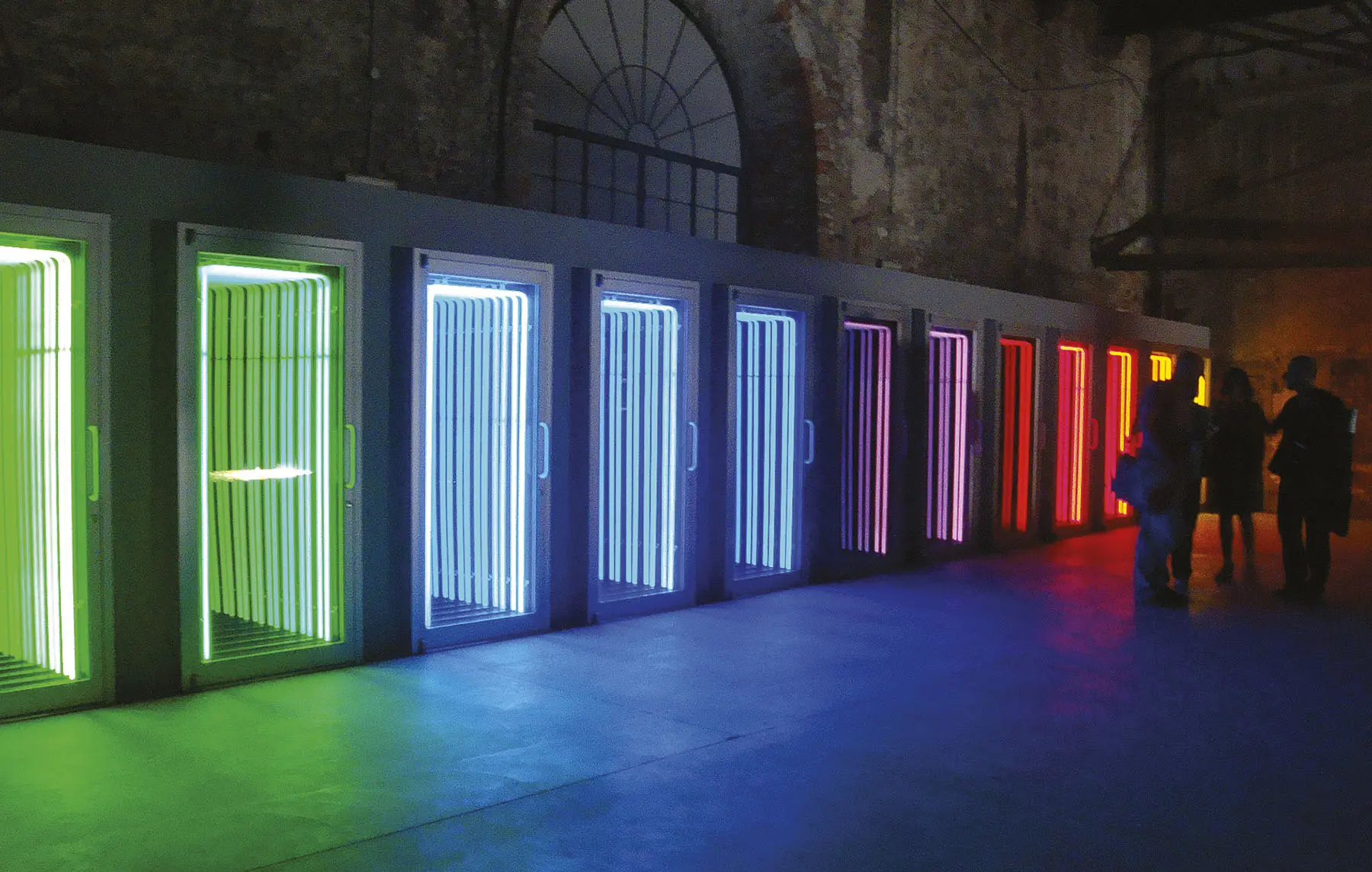
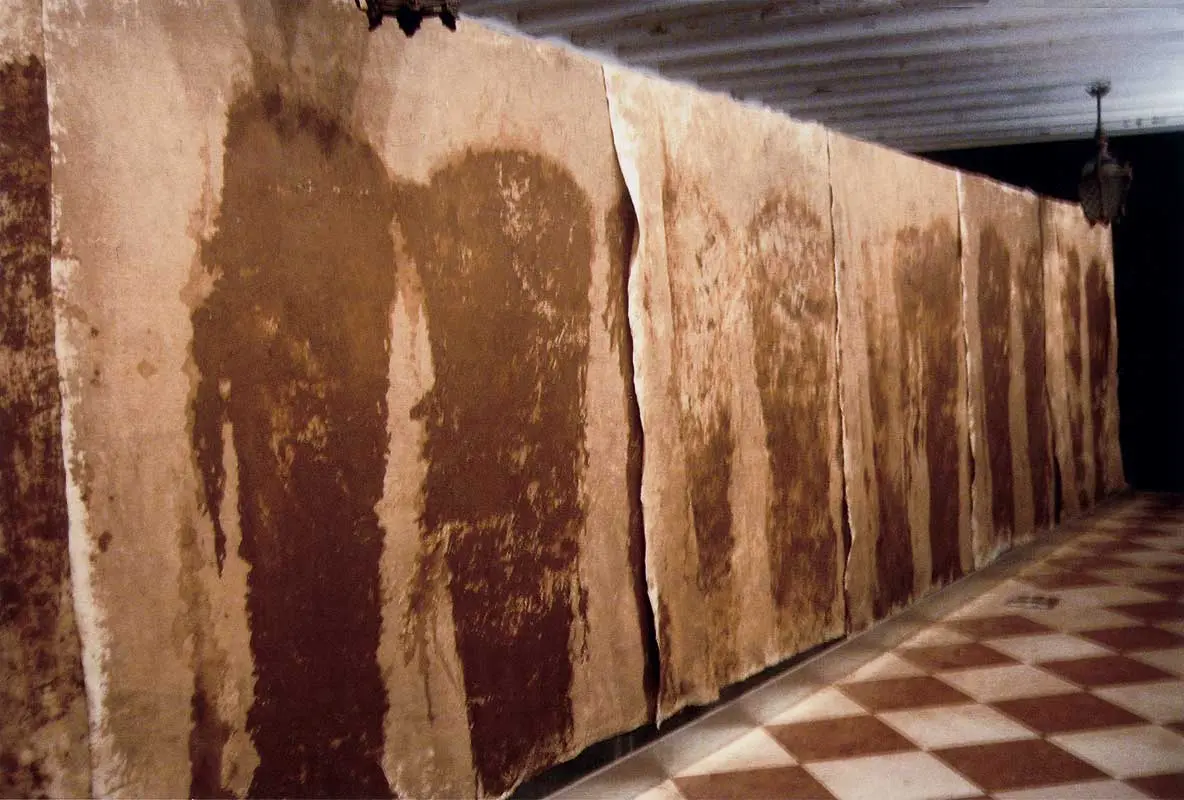
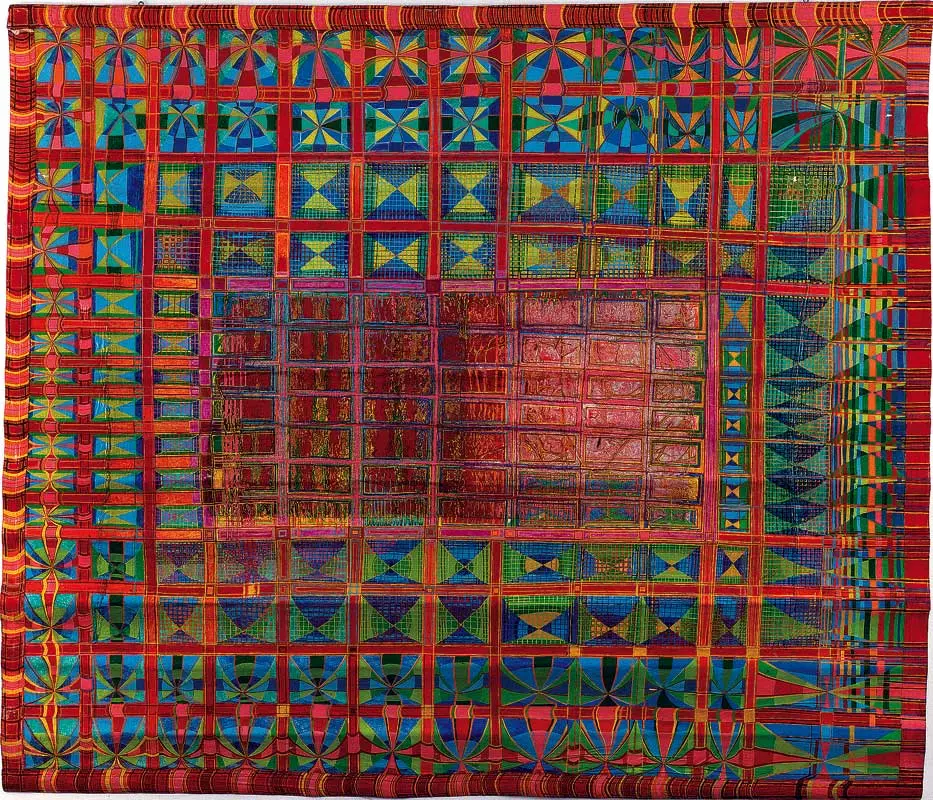
The same impulse is present in Latin America, and it drove Argentina, Chile, and Mexico to repeat the experience of each having its own pavilion. Even the IILA (Instituto Italolatinoamericano de Arte) Pavilion took a leap forward and thanks to the efforts of Irma Aristizábal (2009) was able to move to the Arsenale. The highlights there were works by Luis Roldán and Alberto Baraya (Colombia), Carlos Garaicoa (Cuba), Federico Herrero (Costa Rica), Fernando Falcón (Ecuador), Sandra Gamarra (Peru), and Darío Escobar (El Salvador). Argentina, unfortunately, took a step backward, as Luís Felipe Noé’s paintings were presented in a space above the Mondadori Bookstore, a modest site in open contrast with the certainly spectacular display of Guillermo Kuitca’s work in the previous Biennale. And also with the high quality of the Chile Pavilion, also located in the Arsenale, and dominated by the strength and assertiveness of Iván Navarro’s work. Brazil opted for a vindication of the Amazon region and of its depressed North East, exhibiting photographs by Luiz Braga and Delson Uchoa’s paintings, clearly inspired on traditional textiles. In turn, Venezuela chose to open its pavilion, titled Mundos en proceso, to a group of artists interested in recovering and re-reading the masters of its own modernity. And Mexico rented out a Baroque-era space, with windows and balconies that opened to a canaletto, for Teresa Margolles to intervene with a multi-faceted work titled ¿Y de qué otra cosa podríamos hablar?, devoted to the thousands of deaths caused by the war on drug trafficking underway in her country since last year. The different sections of Margolles’ work were made using blood and mud gathered from sites where victims of this horrid conflict have been killed.
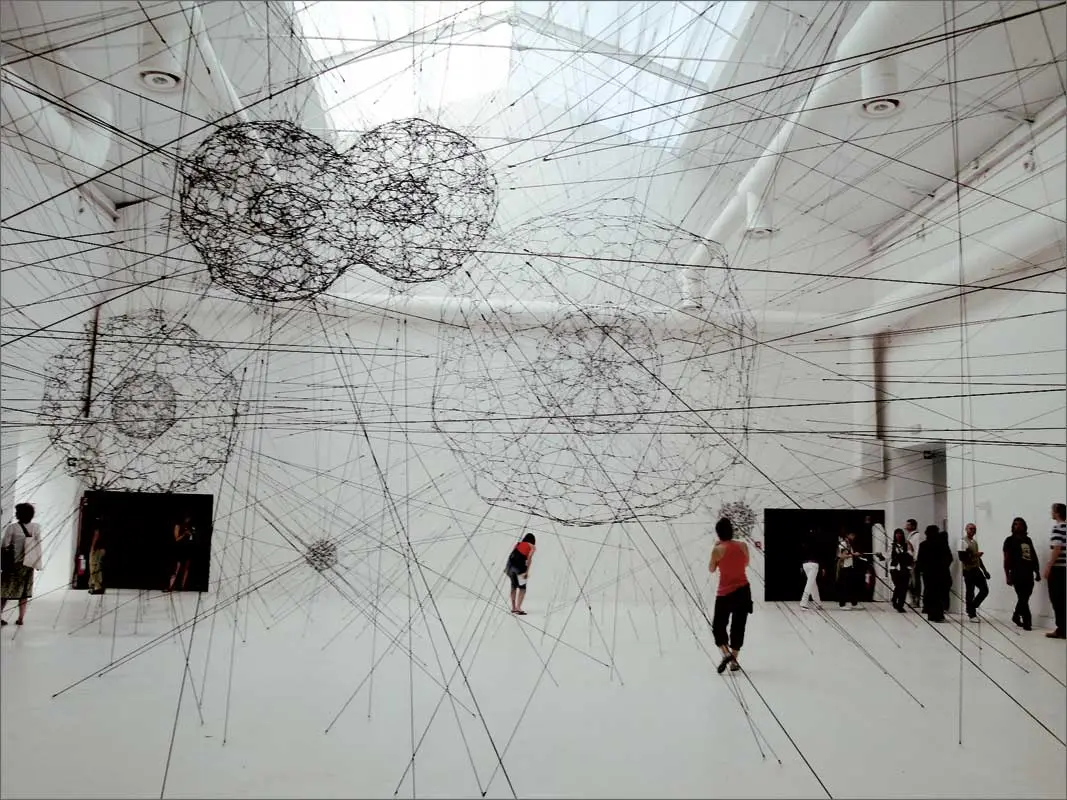
And outside the pavilions we must mention the work of Tomás Sarraceno at the Palazzo della Esposizione and of Ligia Pape and Cildo Meireles at the Arsenale. These works are at least as high-quality as those of Bruce Nauman—with curatorship by Carlos Basualdo and Michael R. Taylor—exhibited in the US Pavilion and which won for him this Biennale’s Golden Lion.
NOTES
1. Daniel Birnbaum. Forward. Making Worlds. Short Guide. The Venice Biennale. 53. Esposizione Internazionale d´Arte, Venezia, 2009.
2. “A restatement of relationship requires a new Project. The building is open and unadorned. The windows are unobstructed and the front door is open. The question, as always, is What can we do here? Who speaks? And who are they talking to?”. Making Worlds. Short Guide, p. 53
CARLOS JIMÉNEZ
Writer, art critic, and independent curator.