
Who is taking care of the indulging, cultural investments, and hobbies of the two generations that follow the baby boomers, who have recently reached their retirement age? In New York City there is a fresh approach to the constructive life pleasures of Generation X –between 33 and 40 years old – and also the next one, Generation Y; that is, a different way to relate to life through the arts. For them – who communicate, decide, hyper-consume digital information, create new start-up companies, change residency and profession, invite each other to events through sites like going.com, and exchange immense volumes of photographs with strangers and friends – the New York autumn brought about a host of new experiences.
Many of the two generations mentioned have high-charging positions and become CFOs and CEOs well before they turn 40. This is different from older generations that reached those positions at the end of their careers. Each group needs different options and wants to exercise them at their own pace and in their own style. In order to develop an interest in the artists of their era, collect contemporary art, attend exhibits by people who have the same interests, and provide them with 21st Century reflecting experiences, the millennium generation requires specific visual development, knowledge, and vocabulary. Some institutions are designing programs targeted at these young adults. Years ago the Guggenheim Museum created the Young Collectors Council with a series of varied activities. A percentage of the membership fees is committed to the purchase of works by emerging artists.
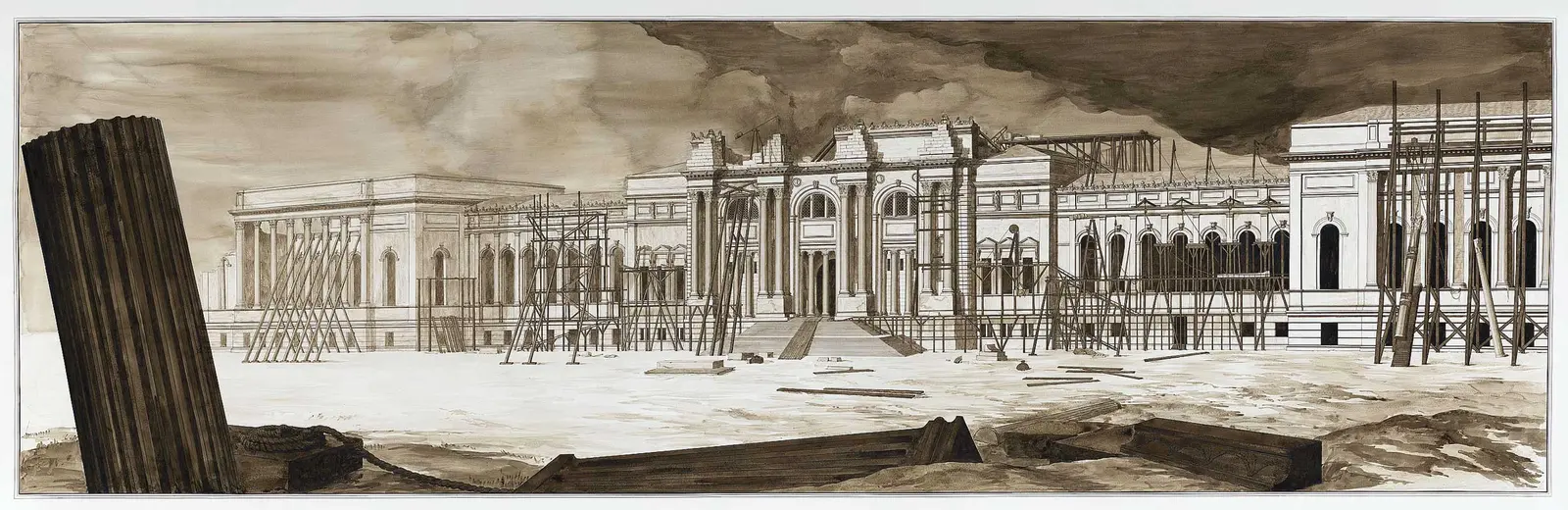
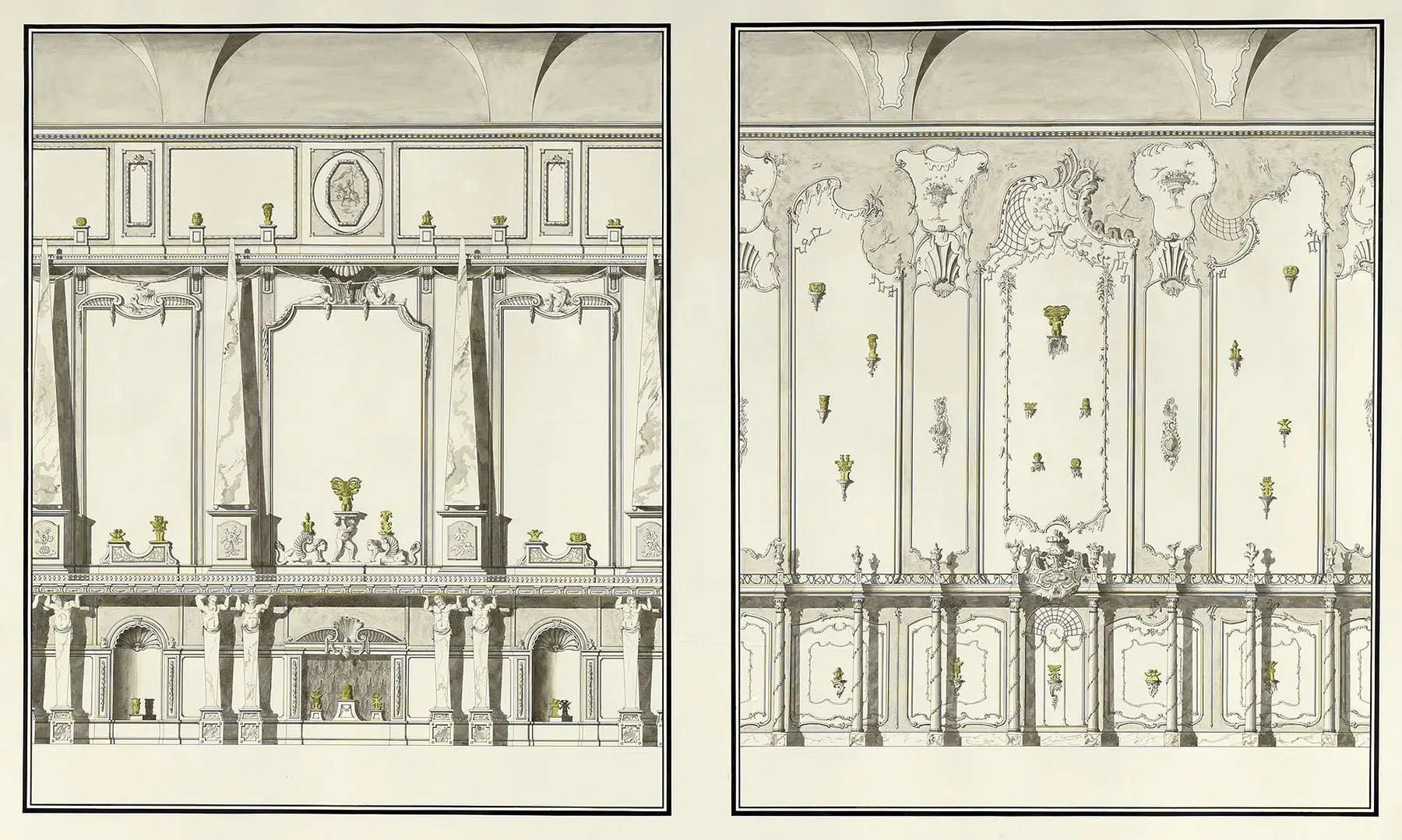
The Metropolitan Museum started the Spectrum program, with both similar and different characteristics, with the goal of establishing a long-lasting connection between its younger audience and the Museum’s collections and exhibits. To that effect, they provide programs that include video, music, new technology, and social events through technological interaction, and also collaborations with other institutions. On the other hand, they don’t handle it as an annual membership but on a pay-per-event basis – at half the price of a theater ticket – including access to the Metropolitan Museum. The first Spectrum activity consisted of an interview with an artist before the Met Opening: Pablo Bronstein, an Argentinean residing in London, also from Generation X. The interview was by Ian Alteveer, a researcher associated with the Department of 21st Century Modern and Contemporary Art. A dialogue with well-informed questions from the audience, a beer afterward, and informal conversations that ended with the pre-opening of the exhibit, which was to be inaugurated three days later. Pablo Bronstein’s fifteen Poodle Piranesi engravings disarrange the traditional, logical, and orthogonal order of each print on paper. These young artists who, like himself, create on digital games, rattle the ground of emblematic institutions at the same time that they visit them with fancy strokes of architecture and inflections – from exhibits almost imitating (while altering) historical situations, like hiding pre-Columbian deities among the colossus and the “period-rooms.” Entering this installation before it is completed evokes in the general public a feeling of belonging or closeness to the institution and the author, or the sense of accessing the Metropolitan behind the scenes.
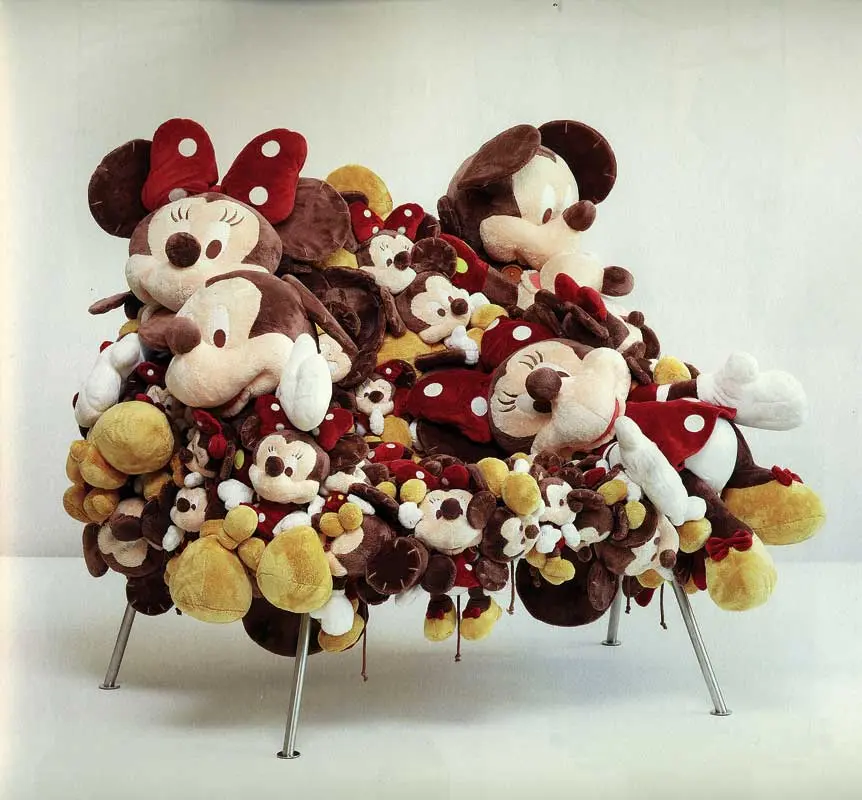
A different facet, with an even more cosmopolitan accent, is represented by the first Latin American auction held in New York City by the auction house Phillips de Pury & Company. It could be described as a digital pool game with several geographic cushions. Telecommunications had an unquestionably major impact since most of the sales were accomplished through the phone and some through the internet. The content, the catalog, those who work there, and the location offered a Generation X experience. Nothing was stiff about this daytime activity. From the big window in the auction room overlooking the Hudson River and Jersey (how they call New York’s neighboring state) coast, a communication of transparency was created. And if that wasn’t enough, between the building and the river we find the Highline – the new urban space – which one looks to and it’s looked from.
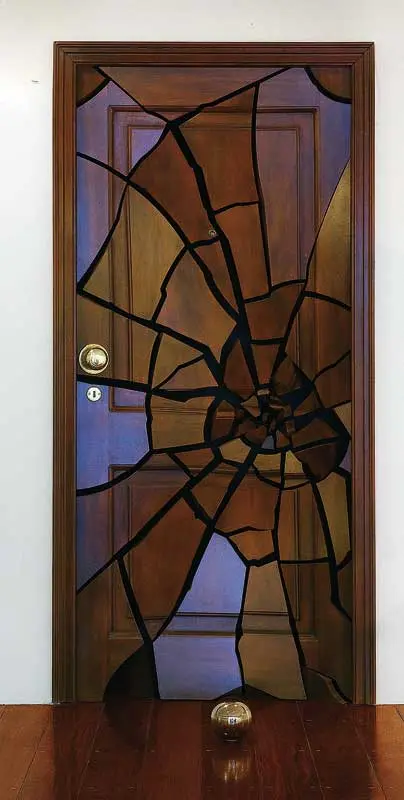
This communication of “looking and being looked at,” which continues to define New York, was extended to a spacious millennium-type museography and even a bar open through the duration of the auction, which made for an unflustered, elegant, and defined activity. With Generation X in mind, the spectrum of creative techniques and means was extended, offering works in four areas: Prints or original numbered editions in different techniques (engravings in metal, wood, serigraphy, lithography, linoleum, acrylic sheet, inkjet), posters, photography, and contemporary design and art. Mr. de Pury himself arrived to personally carry out the auction and he did it with a style that combined the New York stock exchange rhythm and the European elegance.
Several conversations with some Generation X members brought about the balance between passion, investment, and having a hobby. Some more rational and investment-oriented responses, others emphasized in the ascetic convenience, gave me a lot of information about capital return… and the pleasure of thinking in front of the work of this or that artist: “the money invested in a work of art is available with semi-liquidity.”
From New York, the city that always reinvents itself,
GRACIELA KARTOFEL