The 7th Mercosur Biennial, open to the public between October 16th and November 29th of 2009 in the Brazilian city of Porto Alegre, was titled Grito e Escuta. This seventh edition of Brazil’s international art show brought with it one significant novelty: it was essentially curated by artists, with the exception of Victoria Noorthoorn, from Argentina, who is an independent curator. She worked with Roberto Jacoby (Argentina), Artur Lescher (Brazil), Mario Navarro (Chile), and Laura Lima (Brazil). The 2009 biennial also had other curatorships for the programs titled: Editorial (Erick Beltrán from Mexico and Bernardo Ortiz from Colombia) and Radiovisual (Lenora Barros, from Brazil). Another significant element at the Porto Alegre event was the pedagogical program (Marina de Caro), which is a traditional high point for the Mercosur Biennial.
The Grito e Escuta curatorial project was selected by the Biennial’s directors through an international commission of art specialists from among the proposals presented in response to an open call by the Brazilian institution, which thus deployed a selective methodology for its 2009 edition.
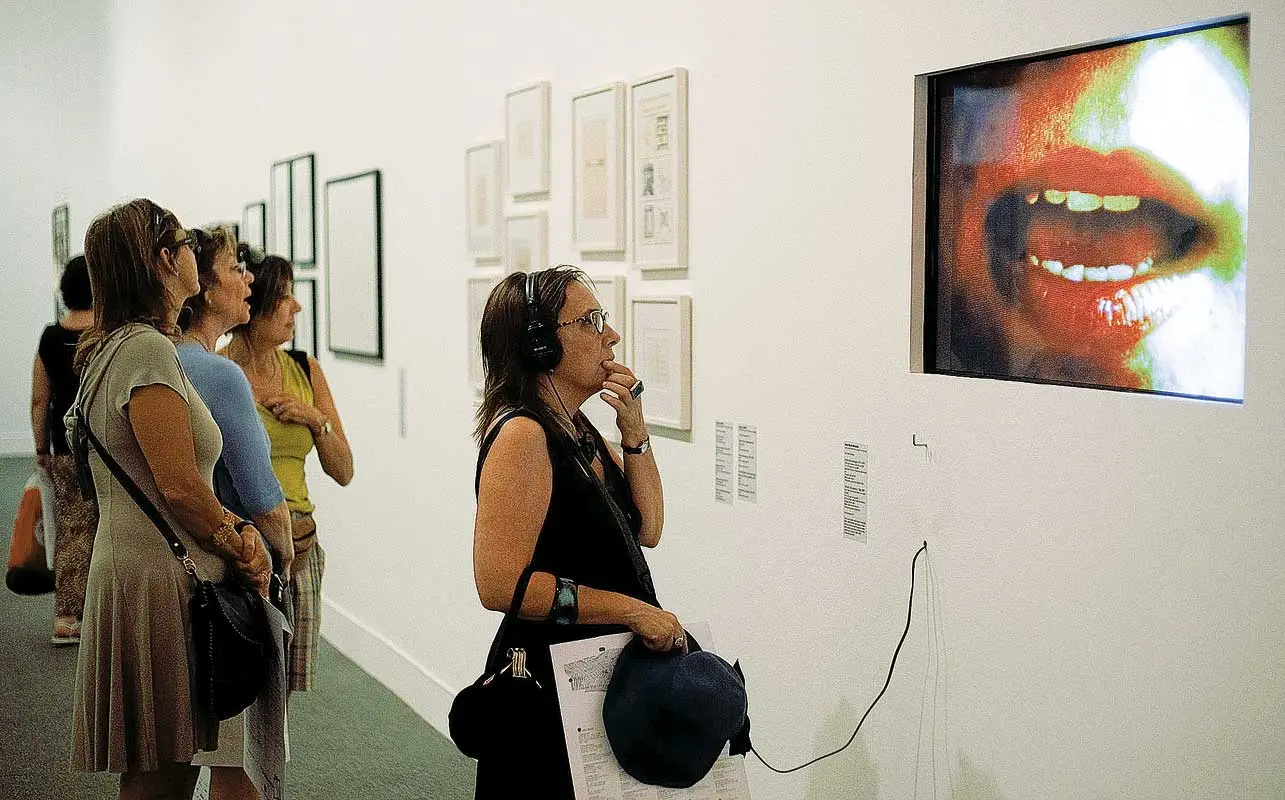
The 7th Biennial set out to “affirm the importance of artists as social actors.” In its working program, the curatorship emphasized that the show’s title, Grito e Escuta, was intended to explore multidirectional communication on the basis of multiple languages. This project brought forward the idea that artists work with a “critical sense”; the dynamics of the creative process in contemporary art was emphasized, as was its receptions by the public. According to the curators, action, and reflection operate as tools for the articulation of the totality of the exhibition. Their interest was to explore the ways in which artists work with the field of knowledge and create a dynamic system of possibilities where each viewer is to create his or her own system of reading.
Two hundred artists took part in the event. Besides those from Latin America—Brazil, Argentina, Mexico, Venezuela, Peru, Colombia, Chile, and Uruguay—there were artists from the US, France, Switzerland, Belgium, Spain, Italy, China, England, Canada, and Germany.
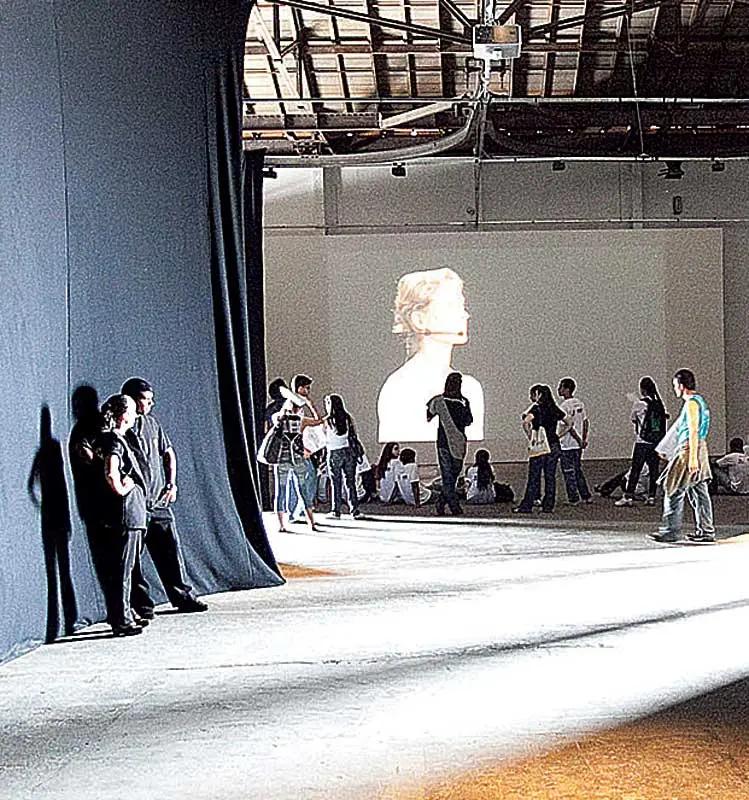
A highlight of the event in its totality—it was divided into seven exhibitions: Collective Biographies; Fictions of the Invisible; Absurd; Public Text; The Magnetic Tree; and Projectables—was the strong presence of audiovisual media. These shows occupied already-confirmed spaces as part of a privileged circuit in the Porto Alegre biennials: the warehouses at the port docks, the Santander Cultural space, and the Rio Grande do Sul Art Museum.
In Collective Biographies, curator Camilo Yáñez presented to artists and viewers alike a poetic idea as the motivator of production and reception. He chose a thought expressed by Chilean artist Juan Downey, whose work was also included. This is Downey’s reflection:
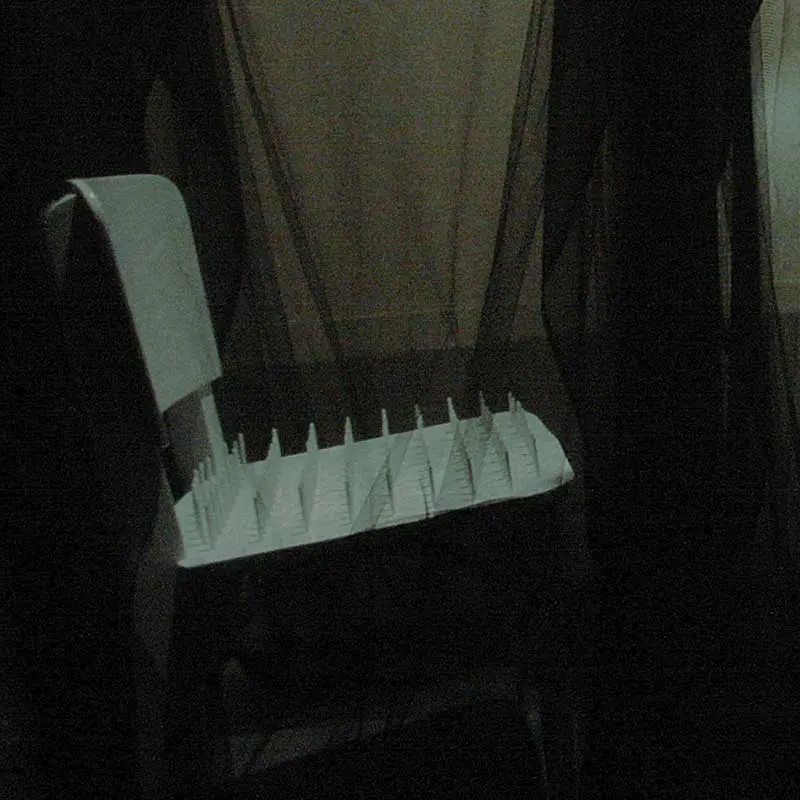
“We propose an aesthetic that manipulates society itself as if it were some kind of three-dimensional material. What we want to attain through art is not political power, but survival, reproduction, and pleasure for our species.”
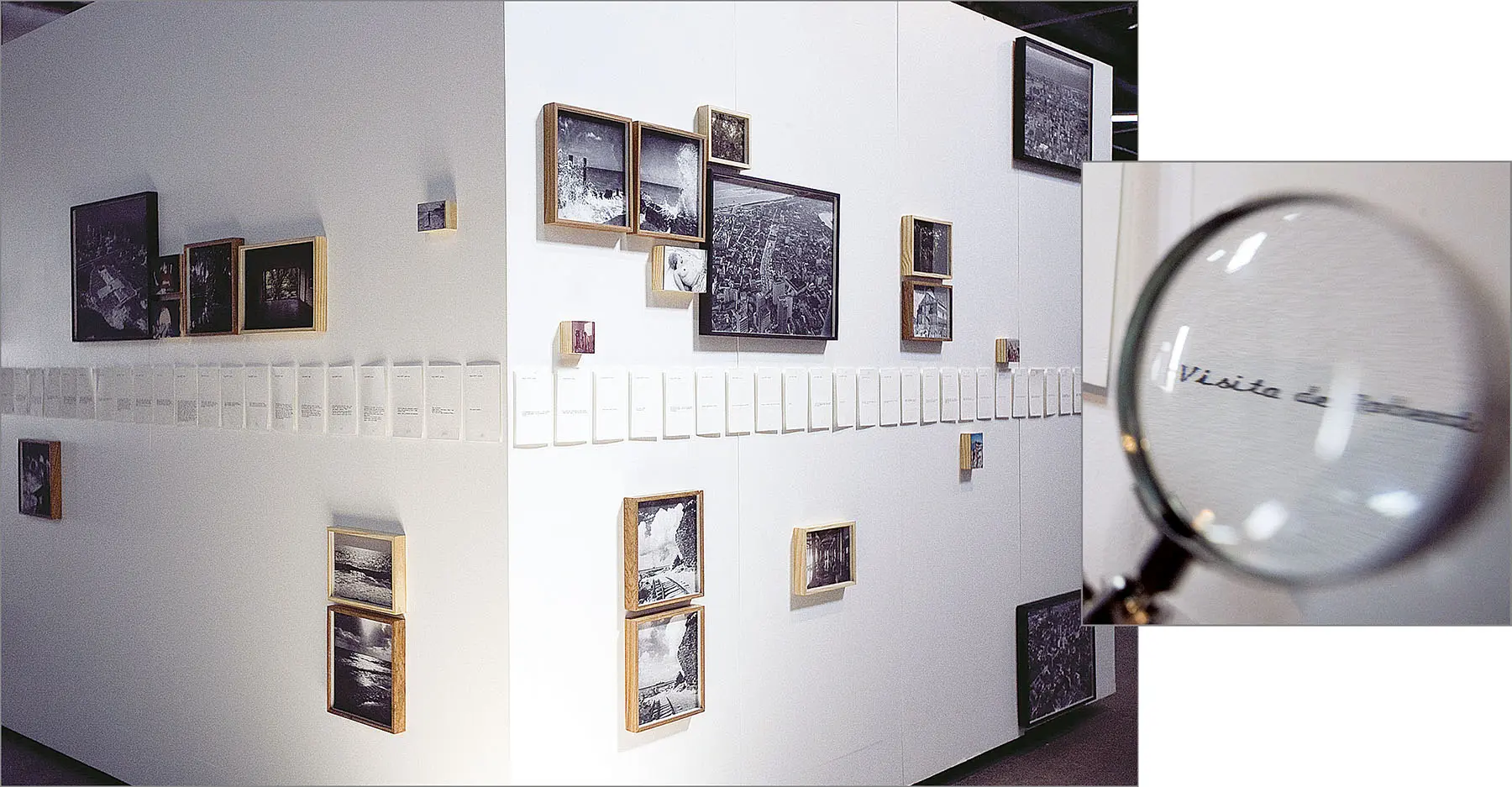
With this referent suggested by the curator, the artists engaged in the revision of a political, historical, cultural, or everyday context, freely chosen by each. Their works were created with support on their personal biographies, which in turn reflected a collective dimension and attempted to rethink different aspects of survival as foundations of society.
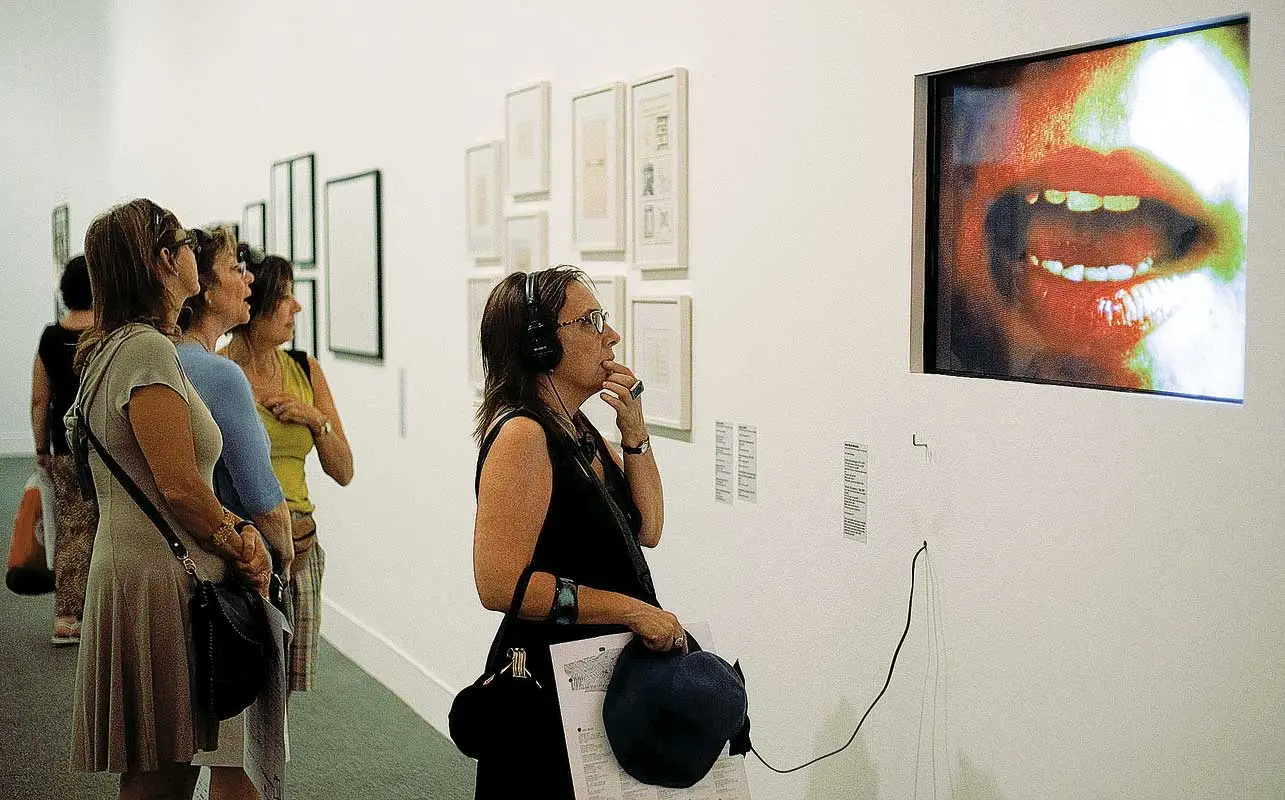
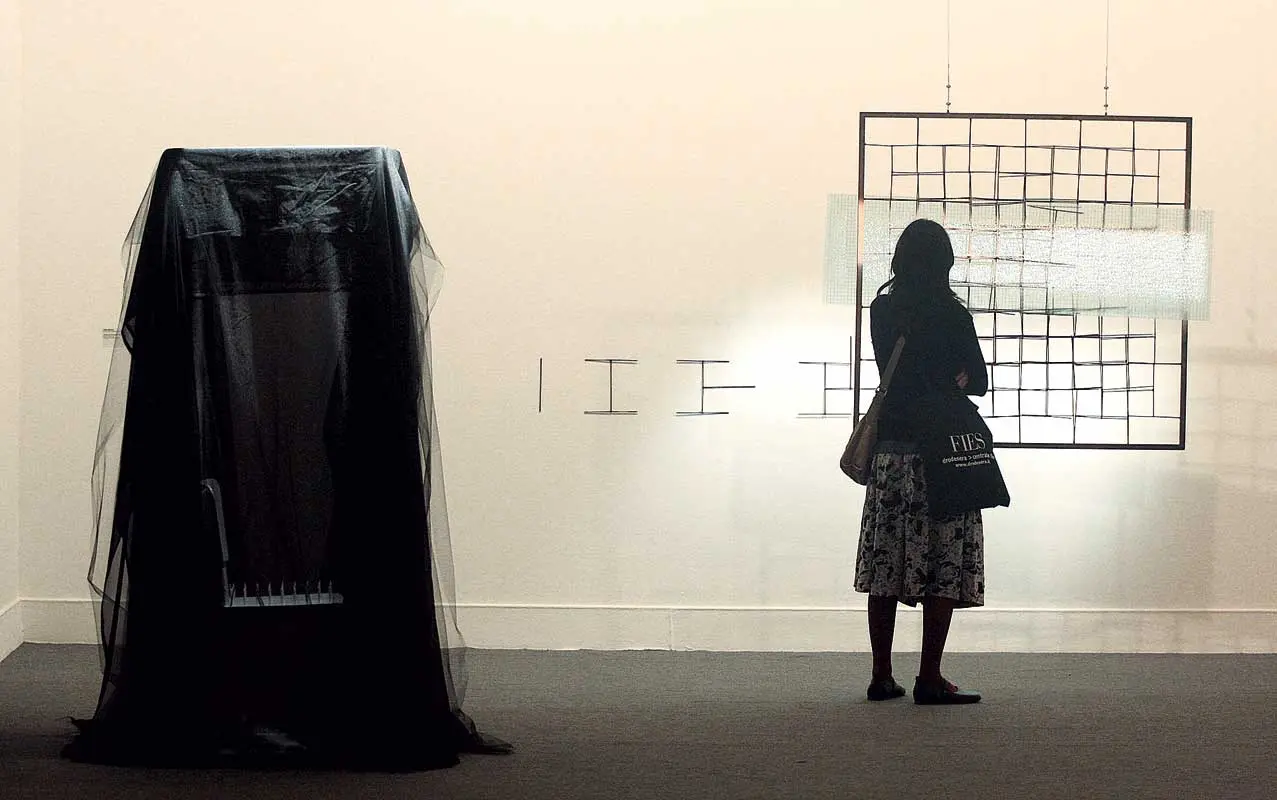
The Magnetic Tree (curated by Mario Navarro) centered on the topic of artistic practice and intended to project the curator, the artists, and the viewer into an unstable site, a space of permanent interrogation. The proposal was for artists to program transformations in their works during the Biennial period. The works were to be modified in three different ways: first, according to a constructive process, this is to say gradually, new elements were to be added all the way through the show’s closing day; a second group was to be modified “destructively,” by suppressing parts; finally, the third group of works was to be presented in apparent neutrality. Instability, doubt, the tension between the known and the unknown permeated this exhibition all the way through.
The artists in Fictions of the Invisible (curated by Victoria Noorthoorn) also privileged the process of creation, bringing to the fore the relationship between work of art and private life, the tensions that result from their own status as social subjects marked by issues of gender ethnicity, religion, tradition, and other cultural determinants.
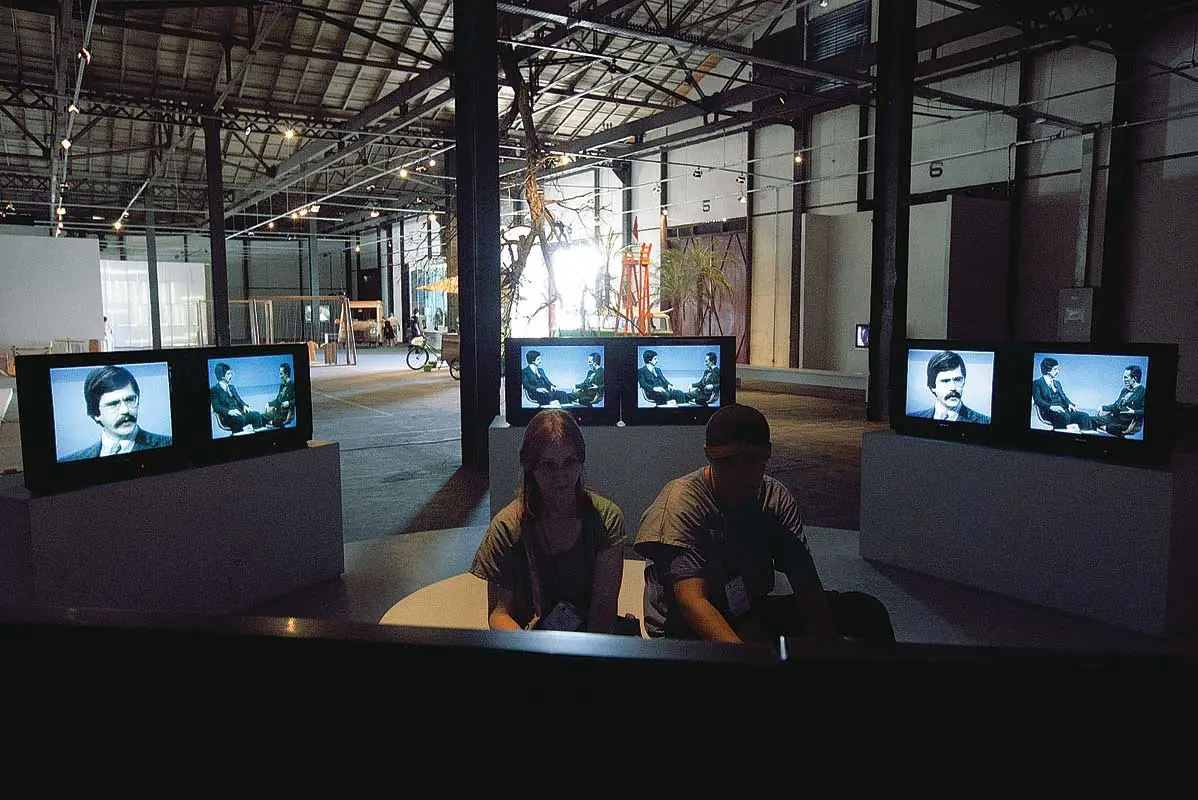
Absurd (curated by Laura Lima) also focused on the idea of instability, which for the curator “drives art’s own artistic transition, demystifying unique languages and generating a new space, a space that is other, for that which is yet to come or to be decoded.”
In this exhibition, the concept of instability was thought of as fact and metaphor, elements for the viewer to articulate his or her own aesthetic experience. Ultimately, the curator proposed a rethinking of the formal limits of any art exhibit. The exhibition itself emerged as the central issue.
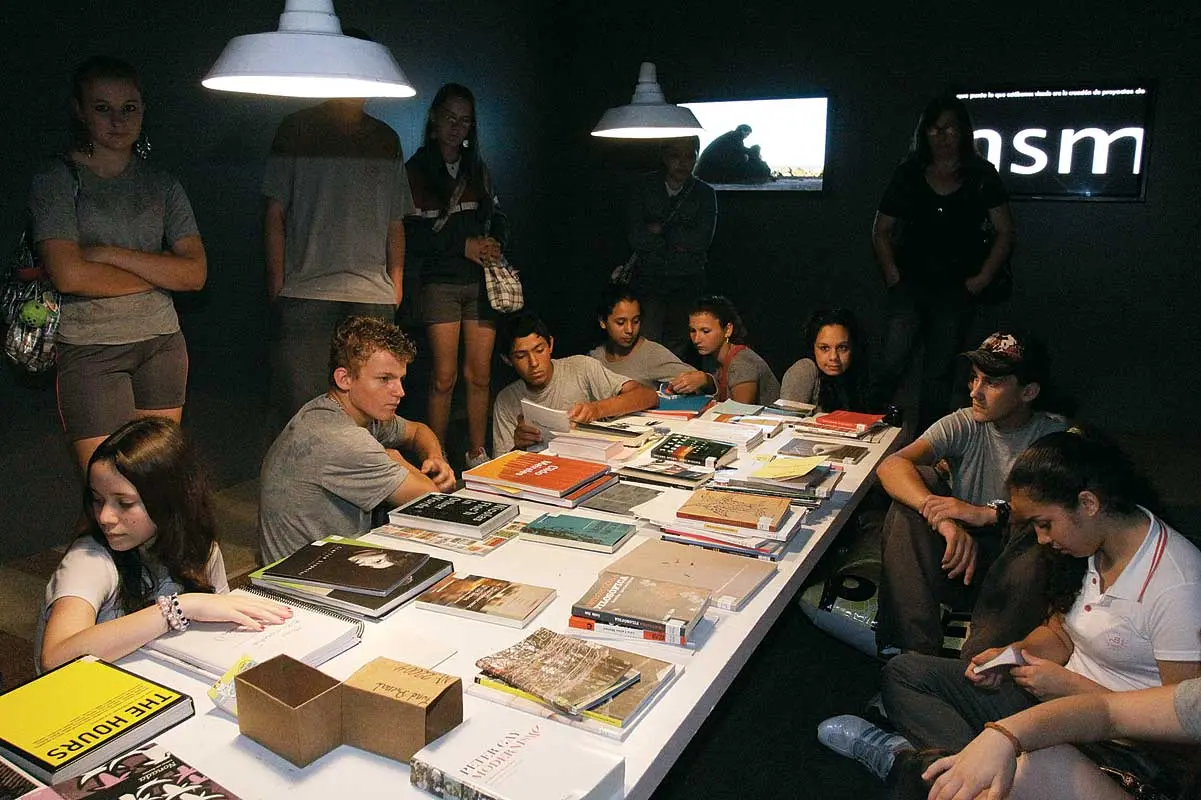
Public Text, another exhibition in the 7th Biennial, was curated by Artur Lescher and brought together a group of artists who deal with material and symbolic elements of the public space. The city was the focus of these projects. Installed at the Docks (A5 Warehouse) as well as in Porto Alegre’s urban space, the exhibition emphasized, among other issues, strategic points in the city, their flows, and dynamics. Radiovisual, a project created by the Biennial’s communications curatorship, presented audio works connected to this segment.
Two important points at the 2009 Mercosur Biennial were the shows at Santander Cultural, titled Projectables, and at the Rio Grande do Sul Museum (MARGS), titled Drawing of Ideas.
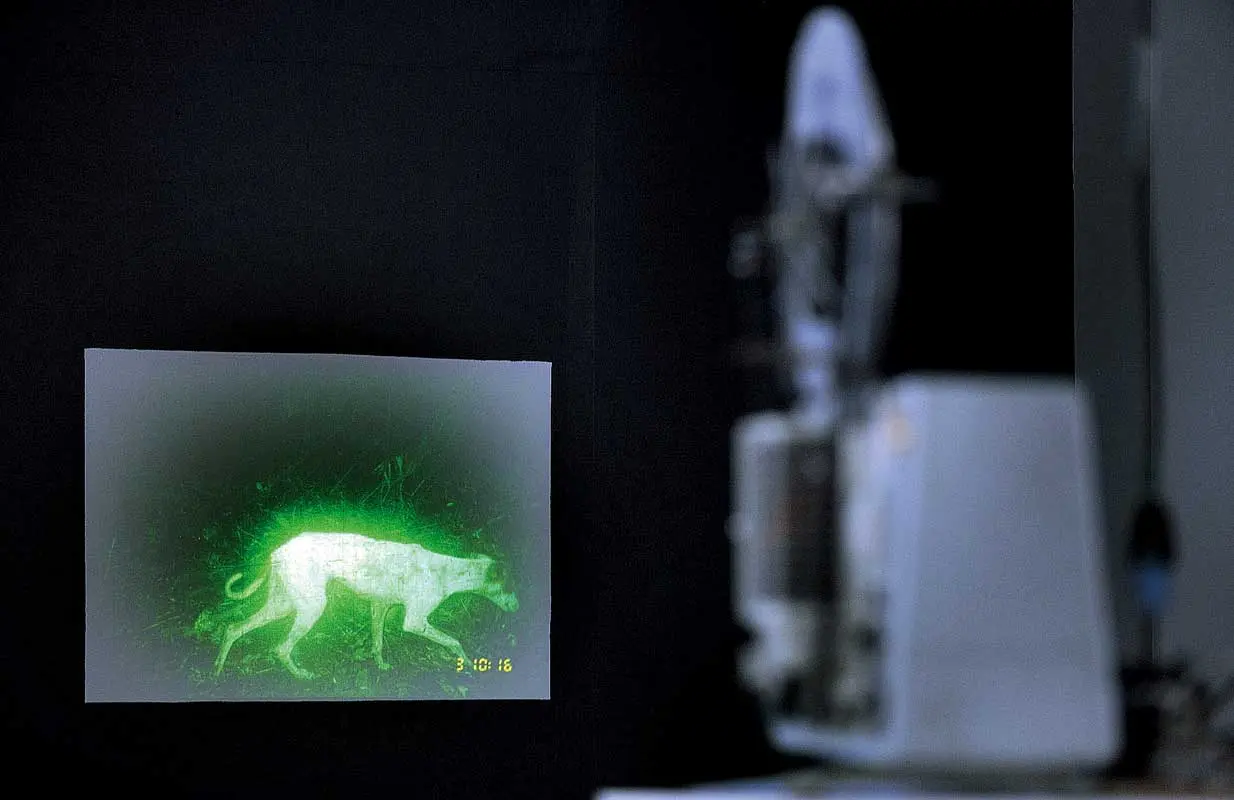
Projectables, curated by Argentine artist Roberto Jacoby, had the goal of locating, through a call distributed worldwide via the internet, projects using the World Wide Web as their support. Nineteen works by 25 artists were selected from among 800 responses. Another 13 were exhibited online, through the Biennial website www.Bienalmercosul.art.br/projetáveis
Artists from 50 different countries in the Americas, Europe, and Asia, took part in this segment.
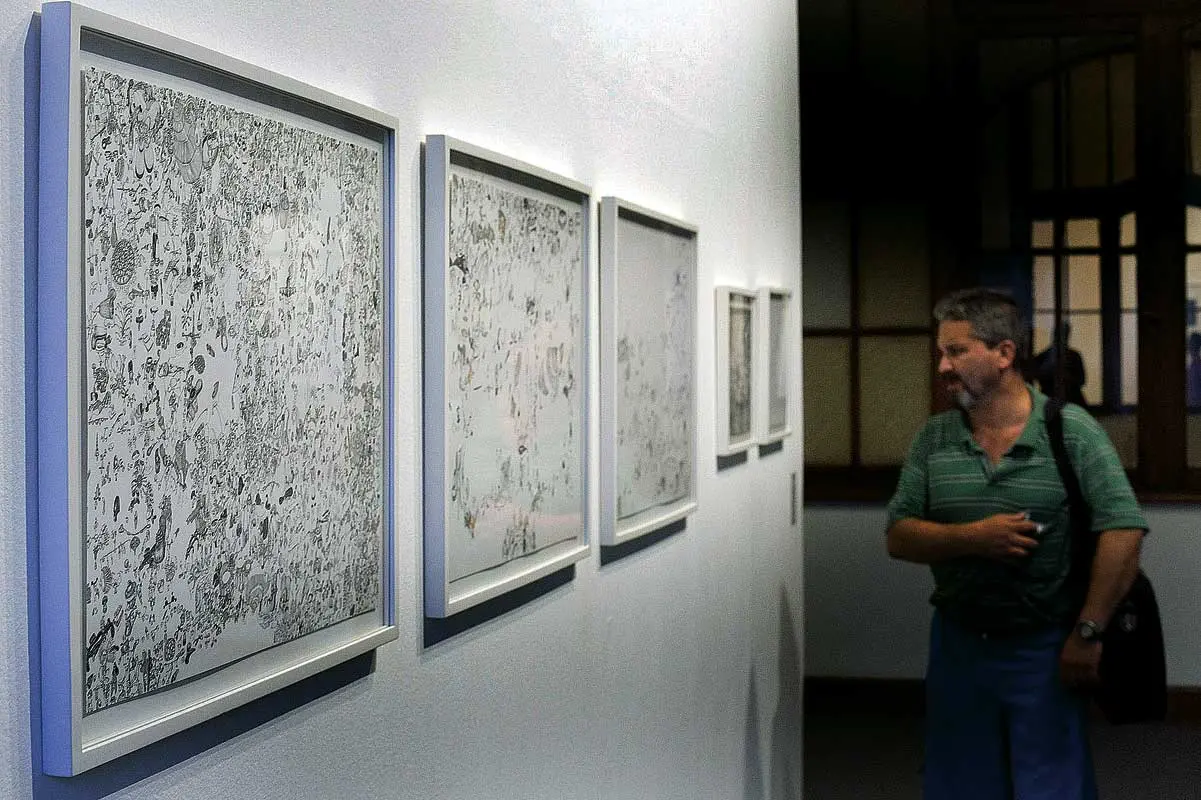
Jacoby proposed that artists worked in one of the following directions: taking the concept of the project as something that is imagined and evolves; using the notion of the project as an opening towards different dimensions, to make themselves known, to create new publics; thinking the project as cartography, or, in a psychoanalytical sense, as the transposition of representations. Of the 800 projects received, the curator selected visual, audio, and performance proposals, and others in many different media: collages with digital drawings, films, light-and-sound works, diaporamas, interactive games.
According to the curator, the selection criteria had to be wide enough to accommodate differing artistic strategies. The conceptual dimension, the method of realization, and the exhibition proposal were used as parameters for the selection.
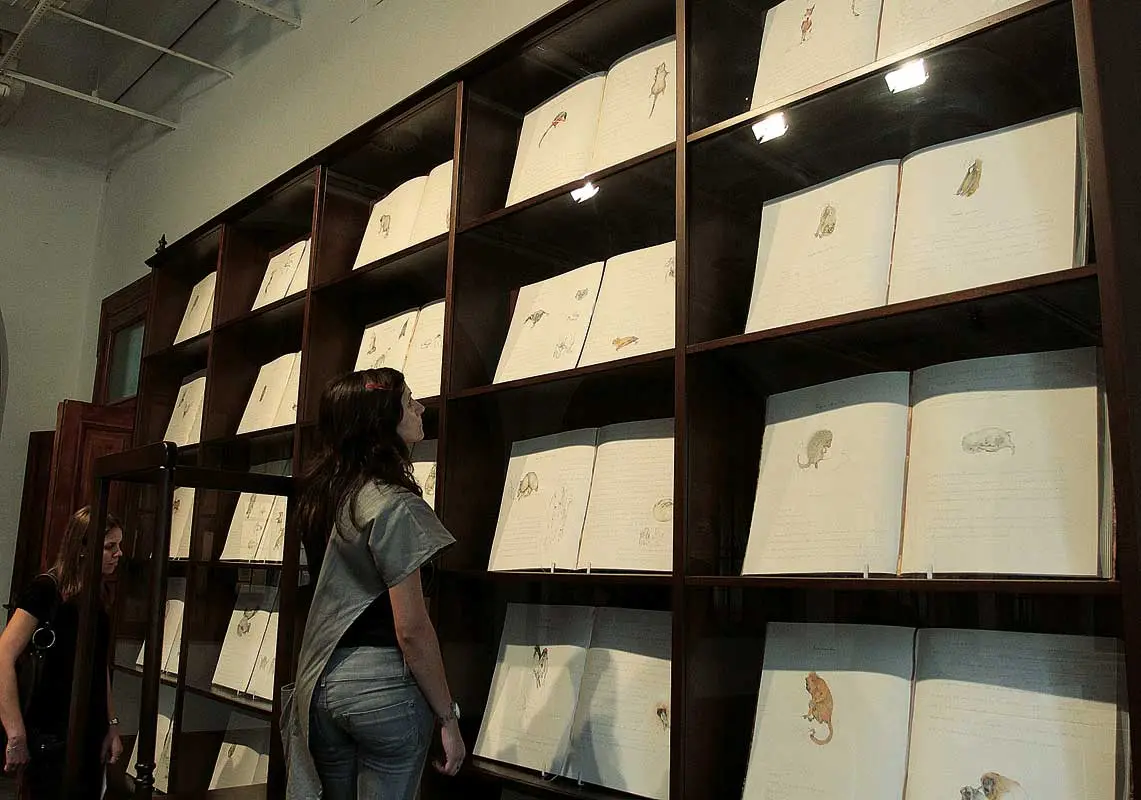
Drawing of Ideas underscored drawing as an essential discipline in the elaboration of thoughts in the artistic process, articulated with other dimensions of knowledge. This show, which took over the entire space of the Rio Grande do Sul Museum, moved in three main directions: establishing a dialog between Latin American and World artists; seeking a dialog between different historical moments; and using art to clarify matters that concern contemporary artists, such as the transformation of artistic languages by means of experimentation.
According to the curator, the show also served as a “resonance chamber” for the ideas exhibited in the Biennial as a whole.
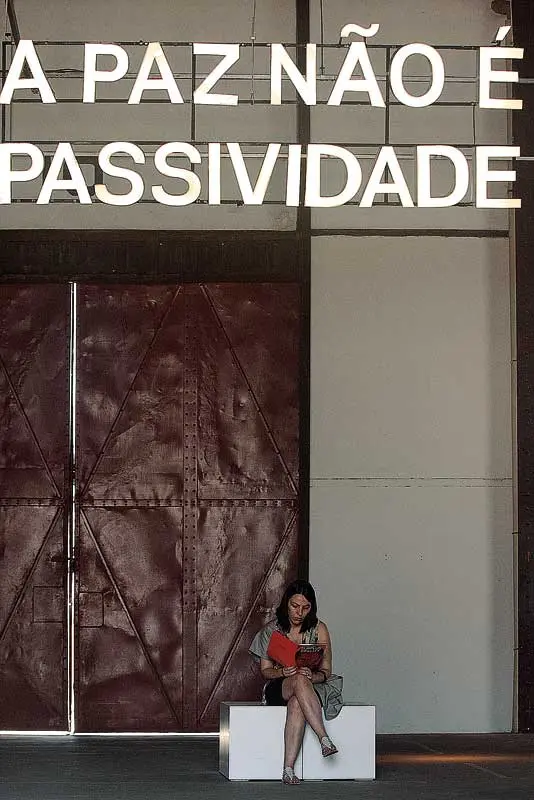
Also to be noted where the Radiovisual program and the Artistic Residences in the Biennial’s pedagogical project.
Radiovisual created an experimental program with an artistic profile, with audio performances, interviews, lectures, and information about the 7th Biennial, presented at specific times, as an intermittent intervention in the daily schedule of Radio FM Cultura, of the Piratini Cultural Foundation of the Rio Grande do Sul State Government, for 60 minutes every day. The program was also webcast through the Biennial’s site. One section of this program was titled 4’33”, alluding to John Cage’s famous 1952 concert, and presented works created especially for the event by several artists. A studio was installed at the Docks, at the same site where the exhibitions mentioned above were on display. Almost 140 artists, musicians, poets, and writers were invited to create sound works.
Regarding the residence program, created in the context of the Educational Project, the 7th Biennial invited 14 artists to develop educational projects in communities located in different regions of the state of Rio Grande do Sul, with the goal of fostering artistic experiments in the educational system and generating a strong social interaction on the basis of art. Some examples of the projects created by the residents were: Urban pathways and the mediation of knowledge (Julio Lira); Would you like to participate in an artistic experience? (Ricardo Basbaum); Drawing Club (Claudia del Rio); Dictionary of Certainties and Intuitions / History(s) of Art (Diana Aisenberg). Within this program, there were also debates and meetings with artists.
The 7th Mercosur Biennial, which closed on November 29th, intensely explored the foundations guiding contemporary art and its communication with the public. And it was the stage for an intense variety of artistic experiments.
LISBETH REBOLLO GONÇALVES
Principal Professor at the Universidad de São Paulo and President of the Brazilian Association of Art Critics (AICA Brazil).