Gabriel Orozco’s ascendancy in contemporary art is often situated within the backdrop of Mexican art’s development at the close of the twentieth century. One should see this parallel with trepidation, however, for there resides a problematic in historiography that pinpoints him as singularly responsible for the artistic paradigm shift in his native country in the 1990s. This perception is formed by his emergence outside of Mexico with his canonical show at New York’s Museum of Modern Art in 1993. Those in New York committed to advanced art as well as an interest in Mexican contemporary art were taken by surprise by Orozco’s ostensible simple artistic gestures rich with visual poetics and conceptual verve. This was especially poignant when his debut exhibition came the same year of the pivotal MoMA show Latin American Artists of the Twentieth-Century. In seeing these two shows in juxtaposition, it was apparent that Orozco was the superlative offspring of a complicated pedigree manifesting within and beyond the geo-cultural foci of that group exhibition.
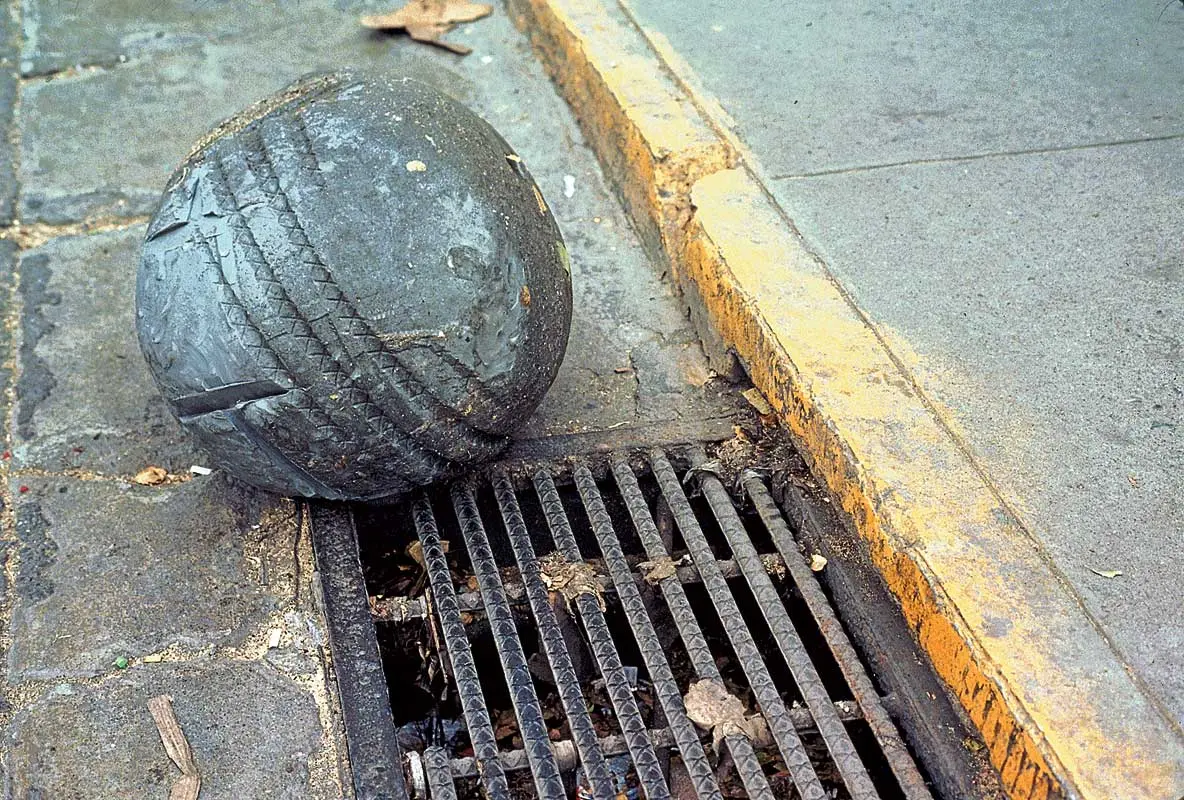
One of Orozco’s early works that heralded a potentially different Mexican contemporary artistic practice was Recuperated Nature (1990). The sculpture consisted of a massive ball of rubber made from a truck inner tube tire that incorporated myriad references that were simultaneously cosmopolitan and regional, Old World and New World, European and Mexican, modern and postmodern, conspicuously literal, and elusively conceptual. Its complex polyvalence derived in conflating signifier and signified and articulated with the simplest of means. On the one hand, Recuperated Nature alluded to the Mesoamerican ballgame and thus Mexico’s pre-Hispanic past vis-à-vis its round shape and materiality; yet at the same time, it conceptually referred to the larger socioeconomic circuits the truck was used for be it local, national or international. In short, it was a work that encompassed both narrative possibilities and much more by way of its complicated lineage to Minimalism, Conceptual Art, and artists who worked in a similar medium such as Robert Morris and Eva Hesse, for example. But while Orozco occasionally inscribed his work with a kind of Mexicaness it equally resisted reductive rubrics in cultivating a protean, global artistic vocabulary. Orozco’s international formal and conceptual sensibility was well known before the recent MoMA show, and this consensus was cemented in the exhibition in revealing a corpus amalgamated from many strands of thought; here, one could see an artistic practice deeply engaged in philosophy, history, anthropology, art history, architecture, and design, to name just a few.
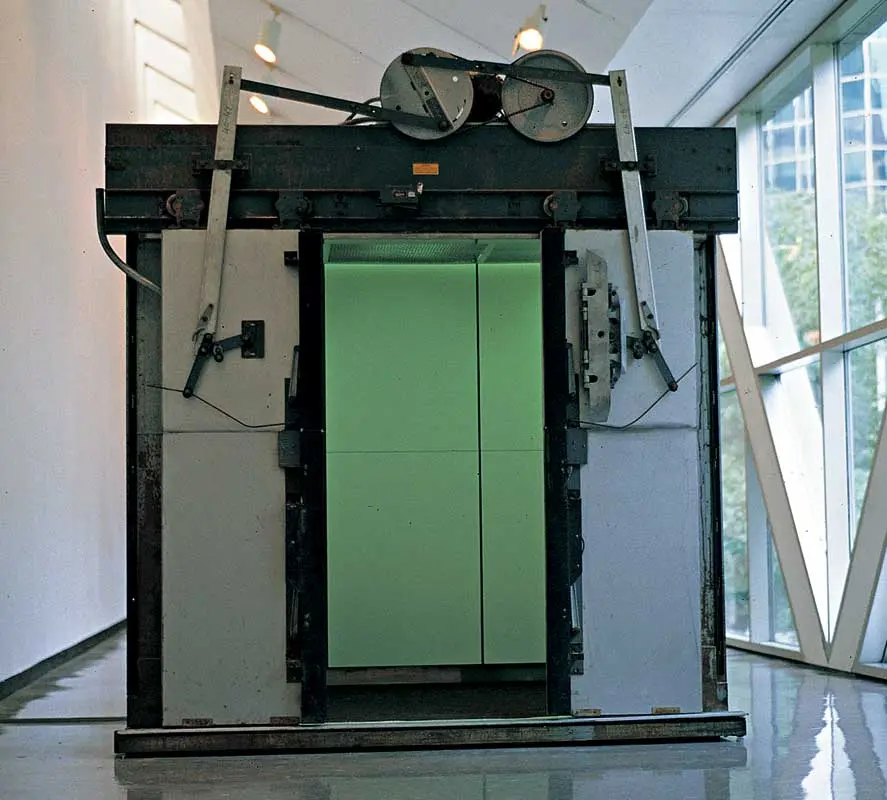
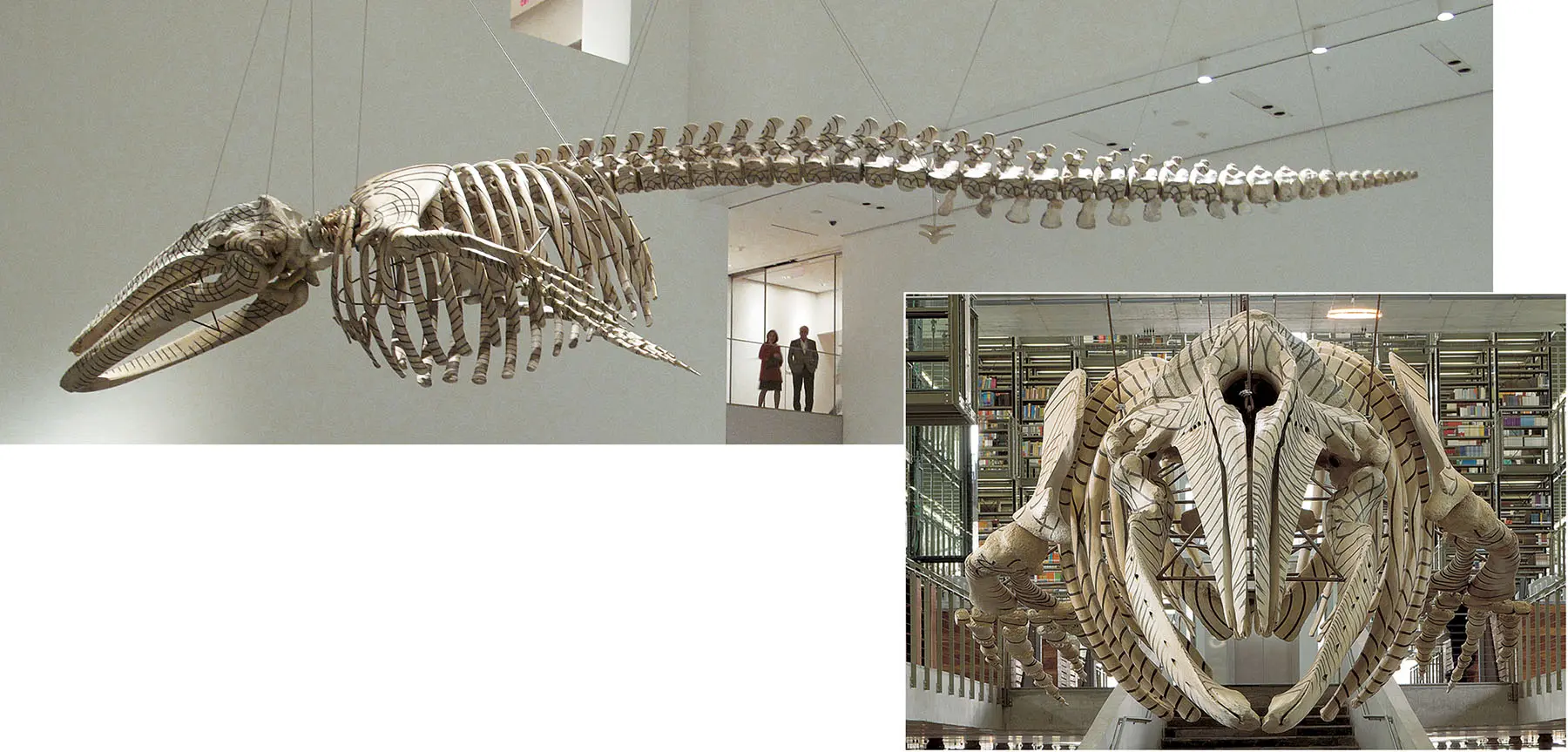
The exhibition, consisting of over 100 works, presented a panorama of artistic versatility by an individual who could never be pinned down to any one medium, to begin with. While the show was installed on the top floor, it was introduced on the second floor with two monumental works. Both seemed to be based on earlier ideas, which can be construed as equivalent to musical composition and variations, albeit that the latter is distinctly independent and autonomous. One was a room-sized installation stemming from the Atomists series as well as Orozco’s interest in games. Titled Samurai Tree Invariants (2008), the installation consisted of hundreds of digital drawings created via the interaction between the circle and four colors and based on a knight’s move in chess known as the samurai. This piece was buoyed by the ostensibly Jurassic Mobile Matrix (2009), a sculpture of a life-size Gray Whale skeleton whose surface was covered with graphite marks. This work hung from the ceiling like a specimen from a bizarre cabinet of curiosity, and merited comparisons to a preceding work of a human skull covered in graphite titled Black Kites (1995). An interesting paradox between these two works one can only conjecture: although the memento mori aspect of Black Kites remains by way of the cranium, Mobile Matrix had the opposite effect; for its suspended configuration created an overpowering presence of nature’s evolution and tenacity for survival regardless that it too, should have been a reminder of death. It is a testament to Orozco’s artistic ability that he can undermine any presumptuousness towards his work’s meaning and signification. These two large scale pieces were followed upstairs by the triangulation of the sublime Elevator (1994), the tender and emotive My Hands are My Heart (1991), and the cerebral and deadpan Empty Shoebox (1993).
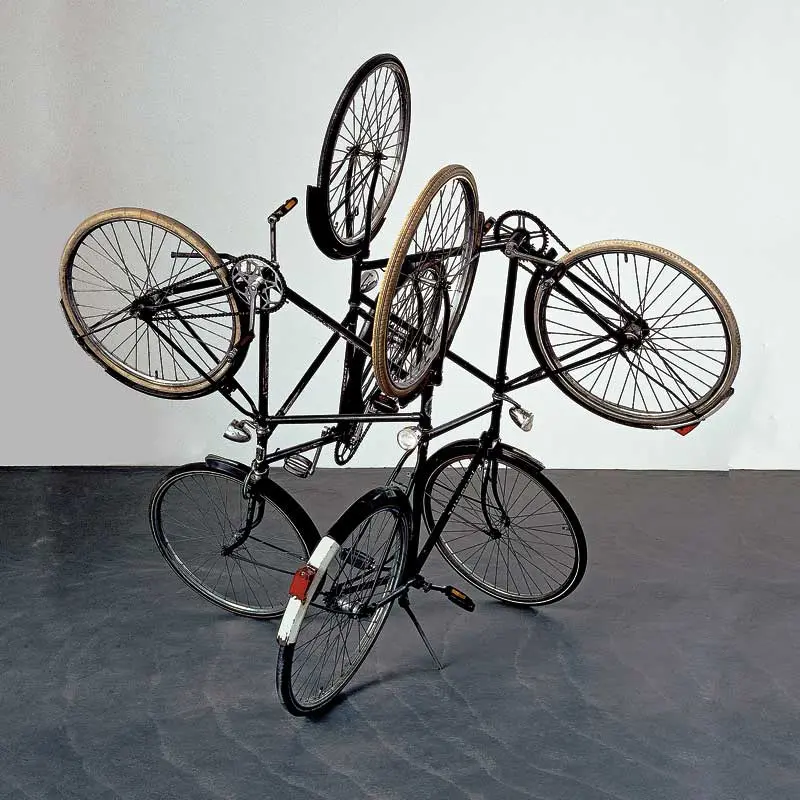
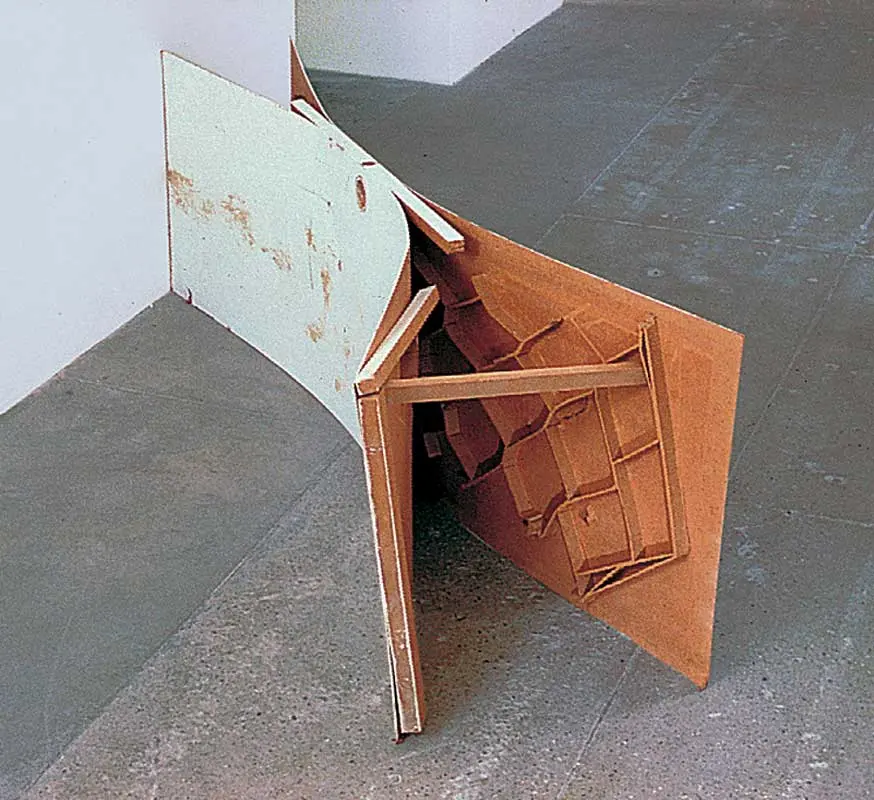
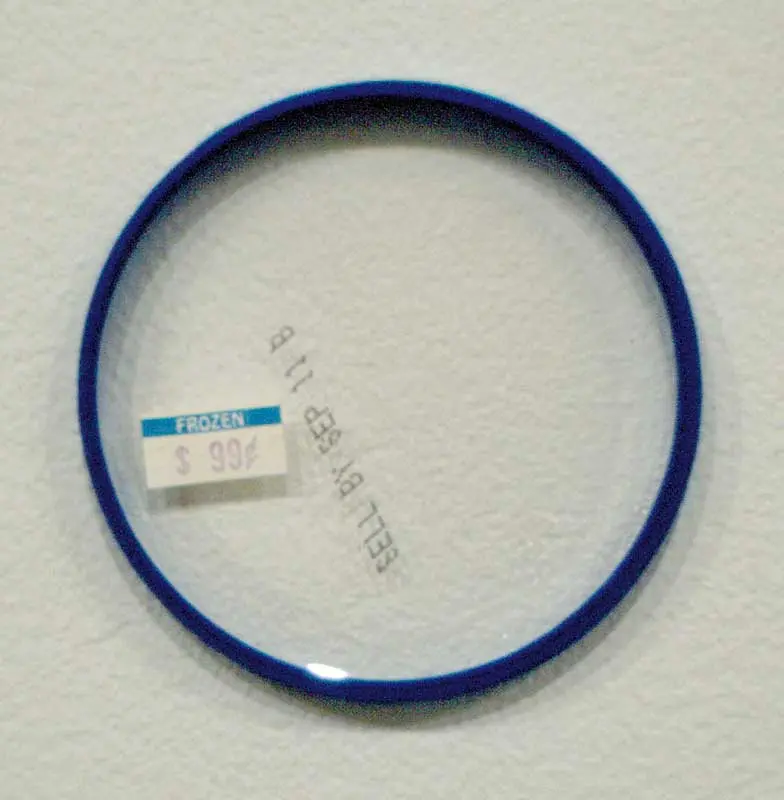
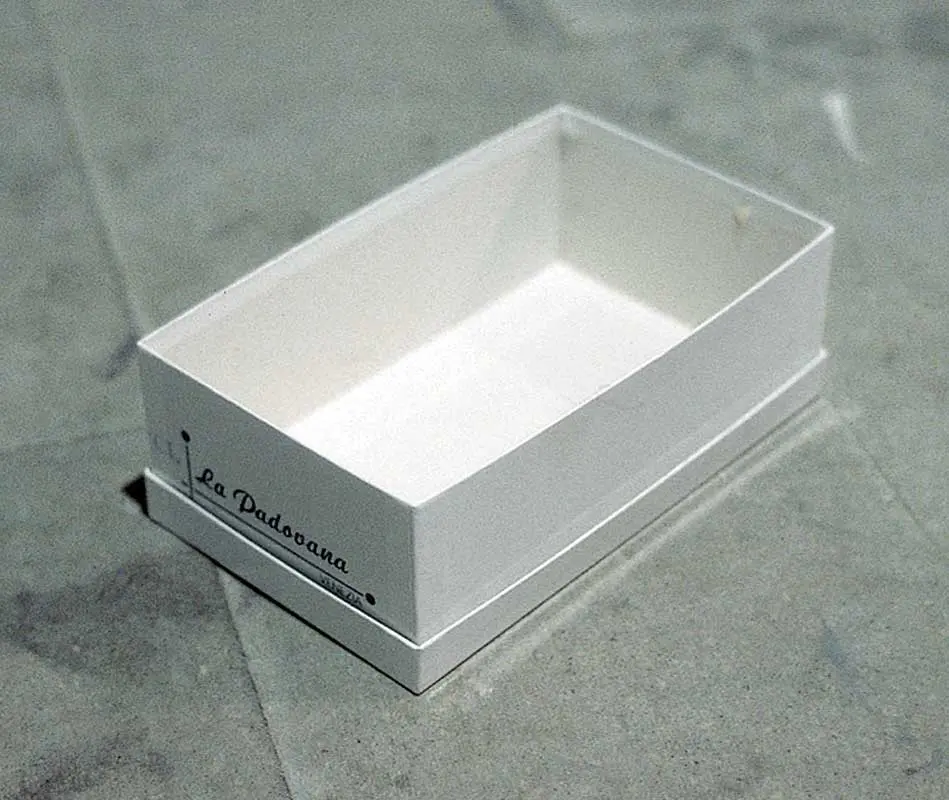
As the works respectively implied the artist’s body, hands, and feet, they were an apt way to initiate internal dialogue within the exhibition. Elevator is an abandoned elevator that Orozco had modified to fit his height, while the white Empty Shoebox with a lid placed underneath it exposing its empty interiority also dovetailed on space, phenomenology, and absent presence. Yet, in the latter work, one can see a kind of surrogate in minutiae of the so-called “white cube,” a metaphor for the exhibition space in cleaving art from life, which is what Orozco often meshes in his work and is possibly the unifying thread of his oeuvre. An inversion of Empty Shoebox that further poetically elucidates issues surrounding the social production of space is the Yogurt Caps (1994). This work—made up of yogurt lids directly placed on walls and exhibited at New York’s Marian Goodman Gallery in Orozco’s first one-person show—was a conceptual maneuver par excellence. Whereas the Empty Shoebox drew attention to the negative space surrounding it to underscore the viewer’s non-neutral presence, Yogurt Caps was the “lid” placed over the gallery where its expiration date underscored the gallery’s role as a broker of art as commodity object. The only caveat of this work in the MoMA show was the lack of giving it a room of its own. However, what was given ample space was the well-known reconfigured Citron DS car titled La DS (1993) and Four Bicycles (There Is Always One Direction) (1994). The simplicity of modifying the well-known French automobile to only fit one person and the quartet of pretzel-shaped bicycles with its Duchampian undertones is nothing short of brilliant. The transformation of everyday materials as well as the quotidian world through intervention or what appears to be re-contextualization is the formal and conceptual epicenter of Orozco’s artistic practice.
Photographs, for example, can be the documentation of an event triggered by the artist such as Breath on Piano (1993), and Until You Find Another Yellow Schwalbe (1995). Breath on Piano is self-evident by the work’s title, while the latter entailed a yellow Schwalbe motorcycle that Orozco bought in Berlin which he rode around the city. During his peregrinations, he would find other yellow Schwalbes and would then photograph his own next to them. Sculpture, too, can often serve to materialize time as is the case with Yielding Stone (1992) or Penske Work Project: Open Door (1998). Apart from the array of sculptures, photographs, works on paper, videos, paintings, and installations in the MoMA show, there were also Orozco’s Notebooks. The Notebooks, which span dates as early as 1992 to as recent as last year and are in separate volumes, are essential viewing for they are more than the musings, studies, and so forth of Orozco’s actualized pieces, but offer a glimpse of the multivalent machinations of the mind behind this complex body of work and expressions of a historically important artist.
RAÚL ZAMUDIO
Is a New York-based art historian, critic, and curator.