Who today believes in art biennials? No one. Any critical expectation has been degraded by market engineering, stoked, and promoted to its interests and norms. However, any form of skepticism seems to give out by the acceptance of its darkest truths. Biennials remain in all their grace and ostentation as one of the oldest models and highest points of reference for the artistic scene of various periods. Because of the perverse fascination that arises from their spectacular character, their relevance depends on the debates they stimulate, as well as the flow of resources, people, and possibilities for projection. Thus, any city, company, or institution proud of its place in the cultural world wants a biennial or believes itself deserving of one, which proves the continued relevance of the desire to have a spot on the art-world map. In sum, the experience of a biennial is one of the channels through which, despite the latent skepticism, the credibility of the artistic act still flows with all and the acceptation of its discrete graces and its well-publicized secrets. Its circus is its bread. And that is the basis on which we can return to them and reconsider their values.
But, what are the parameters for those marginal spaces where the existence of a biennial is, rather, a reason for relief, as economic and intellectual precariousness is part of the daily texture of intellectual life? I am referring to places like Central America, where biennials have been among the very few signs of good intentions and spaces that are unfolded every two years under the premise of finding some kind of advance, some kind of change towards the contemporary that would indicate that things are not altogether bad. Under the effects of something so intangible, ubiquitous, and impermeable to reasoning as faith is, undoubtedly, how they can respond to our context of expectations.
There are many reasons to detonate this paradox. For many years, events such as the Bienal de Arte Paiz in Guatemala propitiated this collective attention, as well as being consequent with the patronage it proposed thirty years ago, and that should have been sufficient for us. Yet, during this past month of April, its 17th edition opened and some recompense seems to have been made concrete after so much condescension. For the first time, through a subtle and —in my view— unstated interrogation of its own dogmas, under the direction of Colombian curator José Ignacio Roca and with a team formed by Marivi Vélez, Miguel Flores Castellanos, and Emiliano Valdés, this biennial, one of the oldest in the Central American region, seems to respond to a different moment. If in the previous edition the transition process offered some indications of change, this new event comes with new certainties, with a more studious exhibition and the development of a central topic that provides guidelines for the reading of all the works. However —because there is always a “however” when it comes to rethinking and introducing the critical aspect of our work— those of us who have witnessed so many editions of this biennial have placed our faith in other, less poetic elements if you will. To begin with, we believe that definitive success will come from its reorganization and greater professionalism. We know that behind the scenes there are enormous operational difficulties and no trace of an awareness of what it means to assume a large-scale project that requires time, attention, and dedication. Which makes it difficult to stop and reflect, design a strategy, and rethink the structural lines of the biennial in question and its future.
Against all predictions, under the title of Ver para creer (Seeing is Believing), the determination of a curator like José Roca has produced a project that is more coherent with the demands of our times. He skillfully attempted to give more space to a central topic, which provides a structure for understanding the reason behind every one of the artworks in a more rational way. This structure depends on four areas that bring together the work of 7 international artists and 30 artists from Guatemala. The first area, titled Blind Faith: Contemporary Images and Rituals, leans towards the intention of revisiting popular icons and their role in the construction of mythologies. Seeing Again: The Object, Reconsidered, as Emiliano Valdés explains, proposes an approach to contemporary sculpture in the local scene, towards the revision of processes of resignification of industrial and everyday objects. Traps for the Eye is a platform for the discussion of the state of the image in a time of simulacra, and Imagined Worlds gathers works that reflect about the place one inhabits and the shape of existence according to multiple perceptions generated by a given context.
The complexity, then, lies on how difficult it is for a public that is unfamiliar with these topics or unaccustomed to the tasks involved in an exhibition: reading it according to the chosen topic, seeking out it most important conceptual lines. In that sense, it needs to be noted that some of the works were not located within the best conceptual frameworks, which would have helped foster confusion-free readings. Nevertheless, in terms of the overall experience, what we find is a proposal that adjusts well to a tangible and greatly important reality: Guatemala belongs to a block of Latin American countries that, during the second half of the Twentieth Century, entered into a strange process of religious hybridization. Heirs to the Catholic Church since colonial times, the new era progressively opened its doors to neo-Pentecostal churches. In Guatemala, the phenomenon grew during the civil war, when Catholic leaders and activists were persecuted. A sense of survival among the population helped recruit a growing number of converts and future believers. Currently, with neo-liberal currents having been exacerbated, evangelical churches are the fastest-growing sector in the country. It is thus that "seeing is believing" —a dictum attributed to St. Augustine of Hippo but commonly associated to St. Thomas’ skepticism regarding Jesus’ wounds— also sets in motion a number of reflections about a society in a shift that not only is accelerating the erosion of state institutions, but is prisoner to the entrenchment of traditional parallel power structures and the growth of new circuits of criminality, drug trafficking, and violence. The sum of these scenarios, the mixture of a shocking reality and the promise of salvation offered by the new churches, shape the context and fill it with doubt. The wrecking of any intention of modernity is something definite, animated by that same faith that substitutes or complements any statement of hope with a high degree of resignation.
What is the role of art in all of this is perhaps the question here. As a first response, I would say that the works gathered by Roca and his team are those that engage the pendulum-like reflection of the Biennial as a whole, on the basis of the narratives produced by such states of collective exception, abandonment, and melancholy. Yet, as one of the event’s big innovations, the curator’s proposal is complemented by the titanic task of bringing together works by local artists with works by others from abroad. Bidding farewell to the rules of homogeneity and the endogamous character that has dominated the project since its inception, Roca’s vision contributes a significant dialog and counterbalances closeness and distance regarding concerns that are, in the end, common.
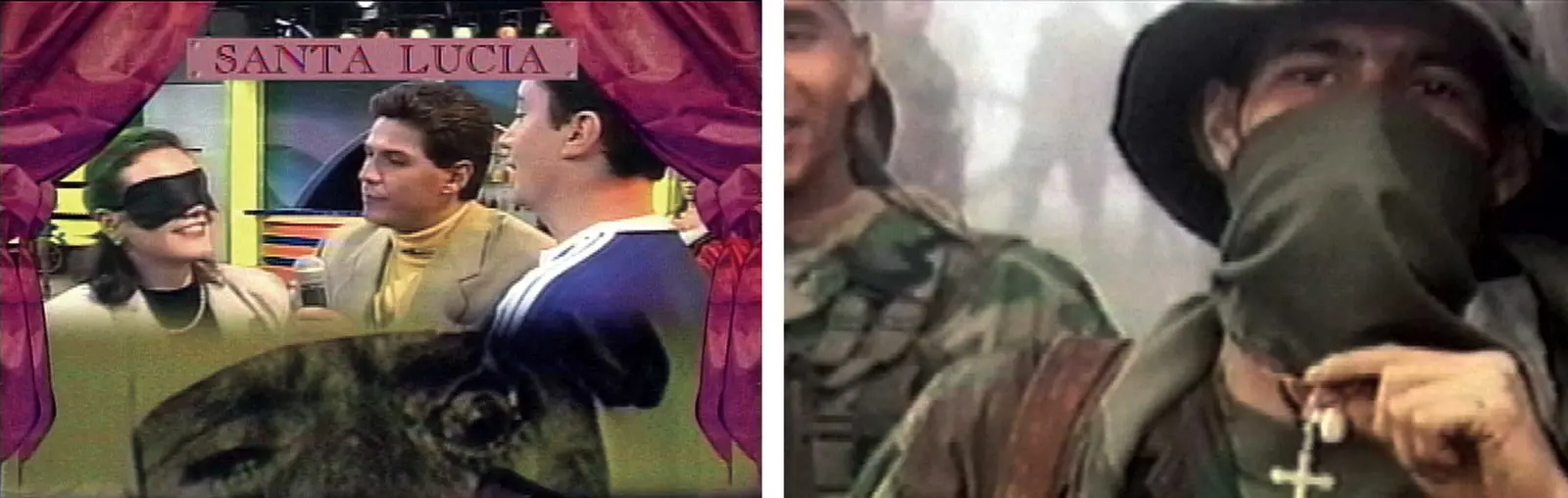
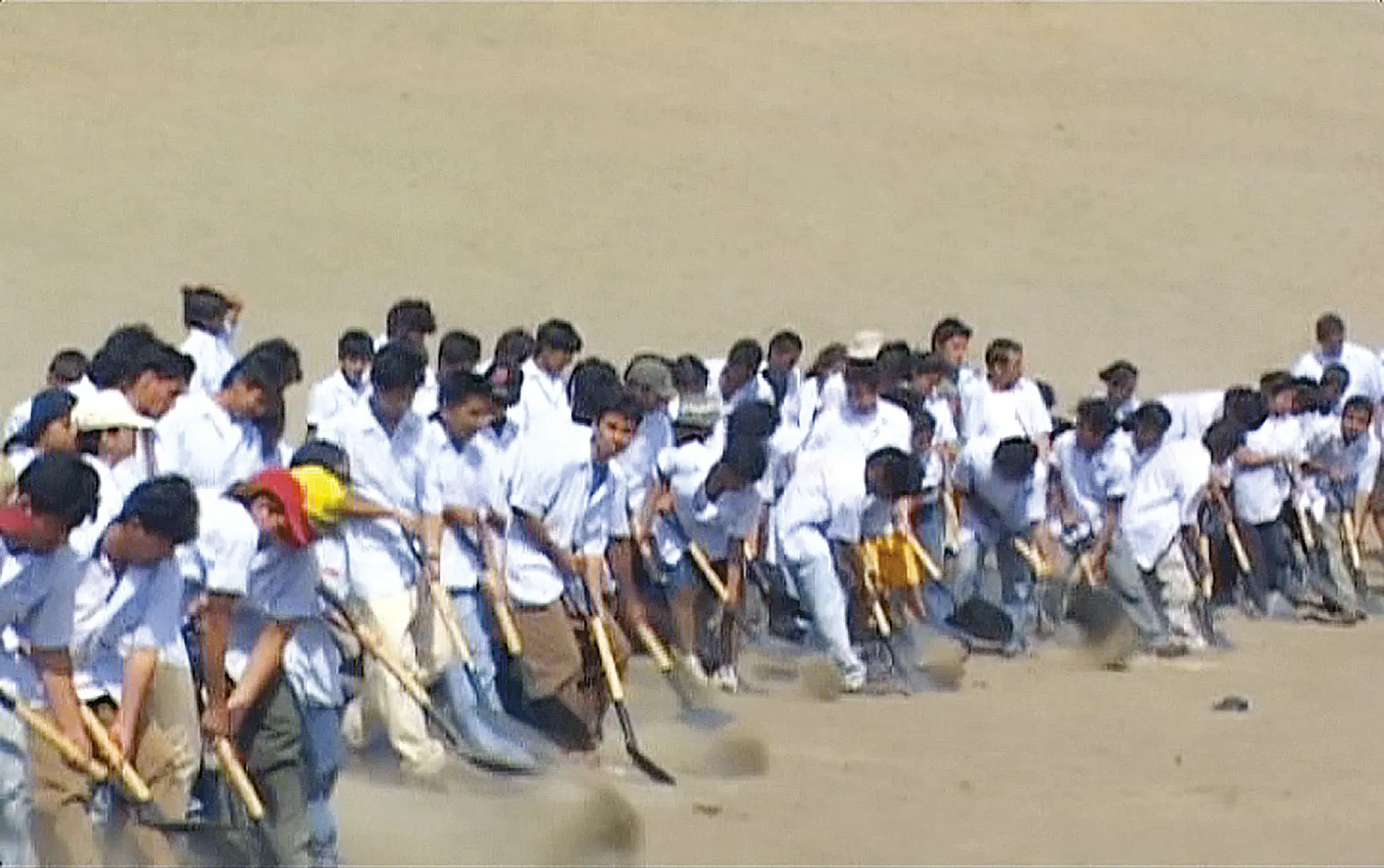
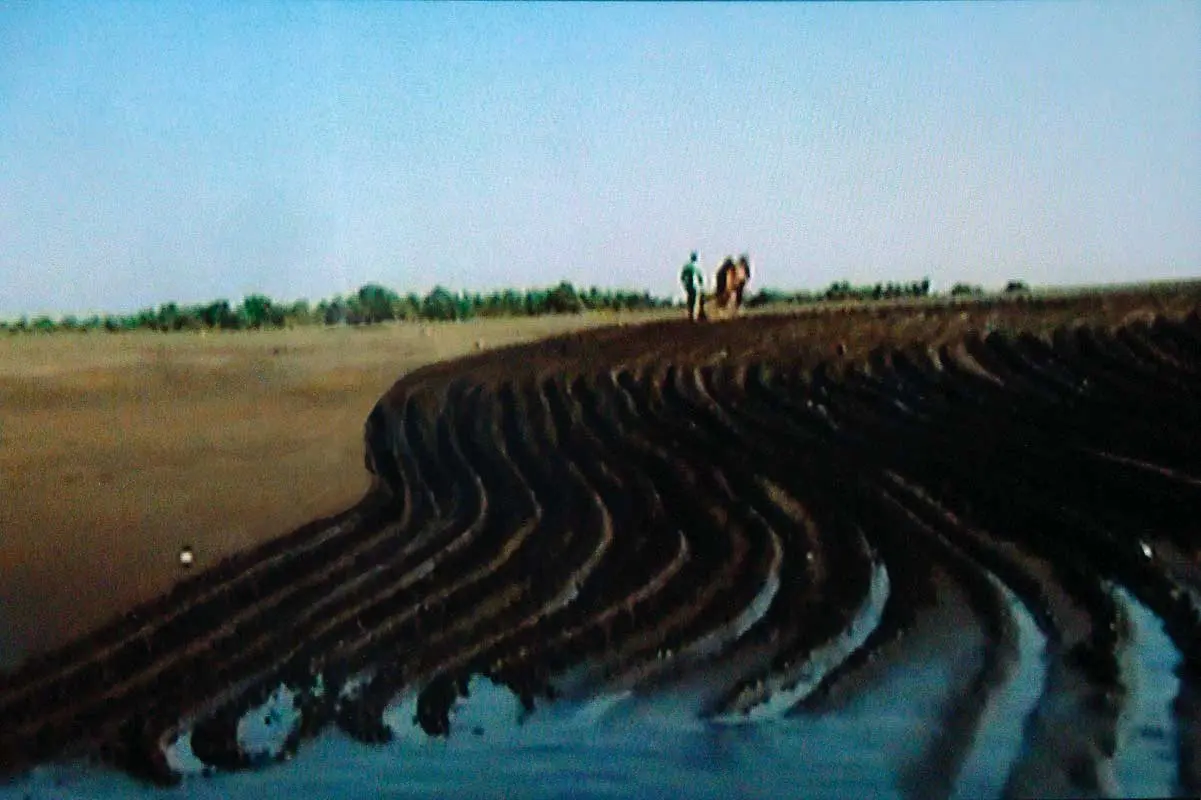
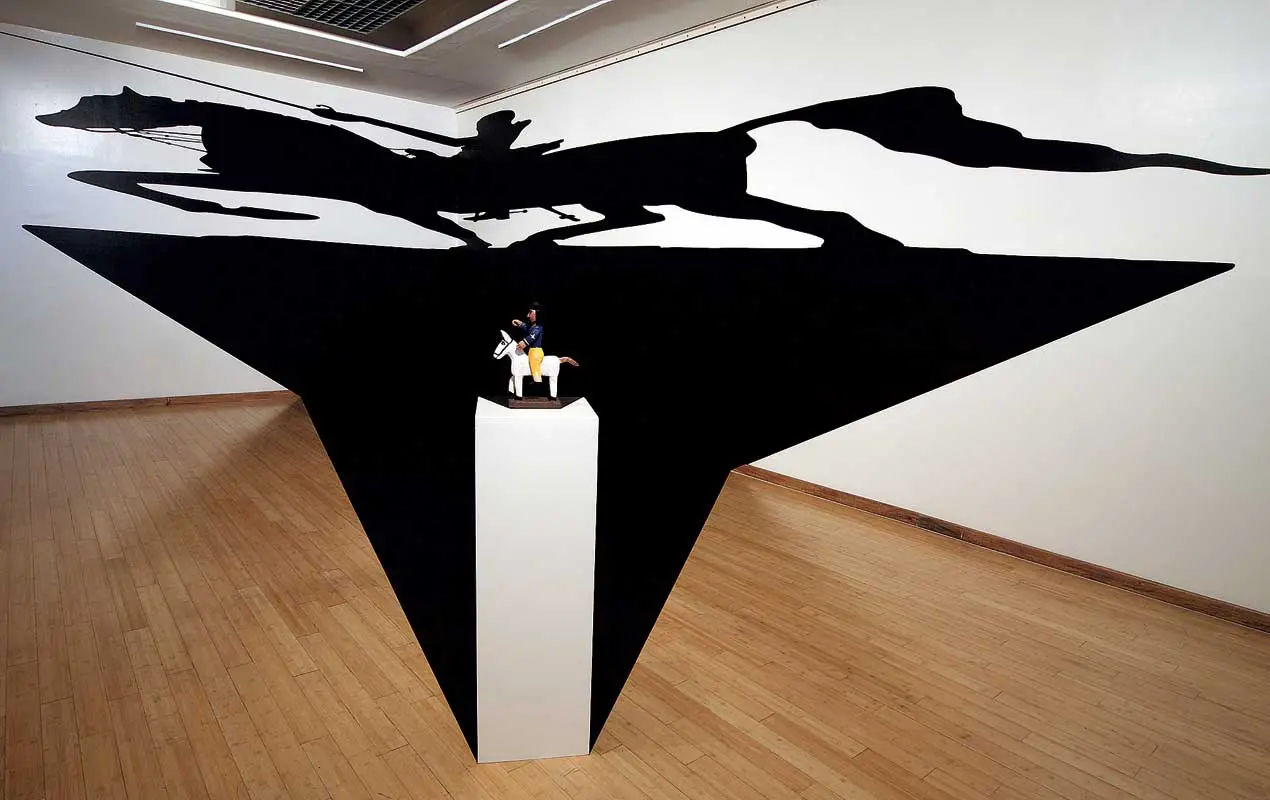
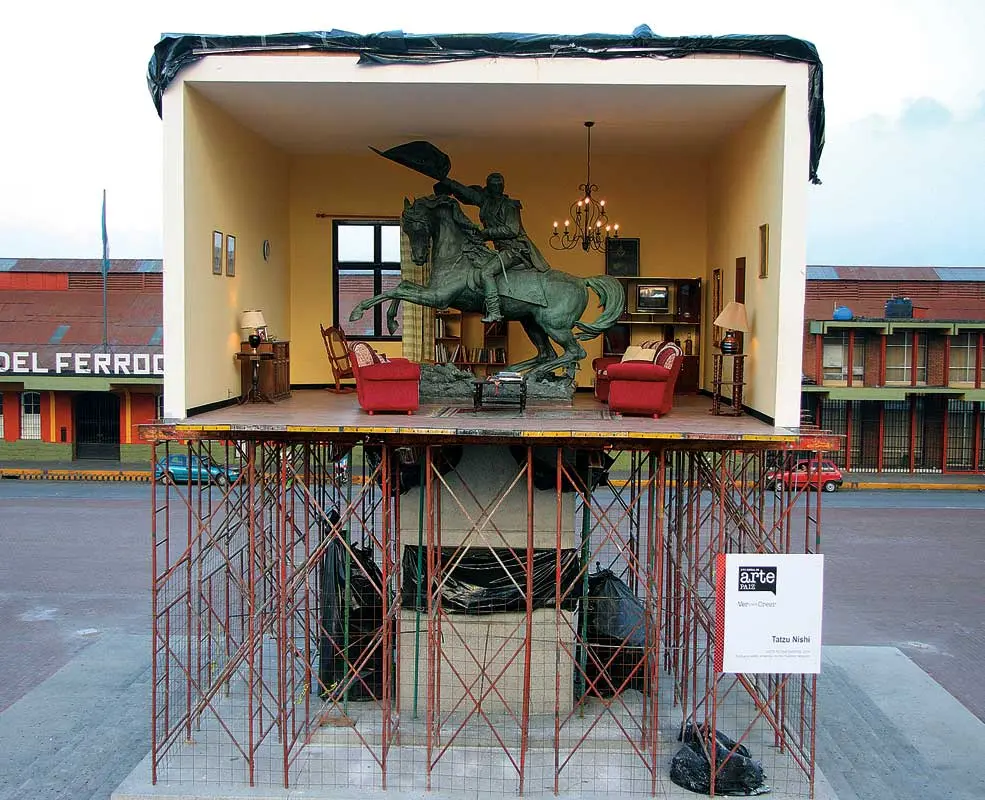
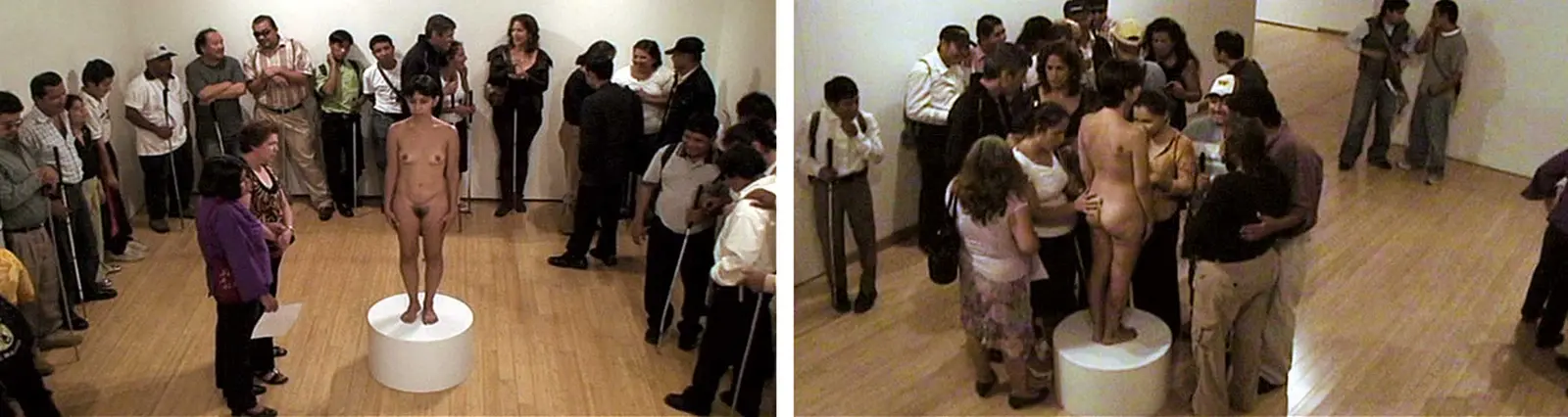
Thus, among the most relevant presences in this edition of the Biennial, we find works that are key for recounting the story of contemporary Latin American art, such as Francis Alÿs’ well-known Cuando la fe mueve montañas (2002), which coincides with Jorge de León’s Loop in its intent to draw on something as insubstantial as sand, the paradox pointed out by Alÿs’ work since its beginnings: at times, our maximum effort achieves minimal results. While the Belgian artist’s attempt unfolds through the effort of 500 volunteers to move a sand dune, raising the mound’s surface-most layer with shovels, Jorge de León’s work is based in the sad metaphor produced by sea waves as they erase the traces left by a plow on a beach in the Guatemalan Pacific coast. Japanese artist Tatzu Nishi establishes an open dialog with a non-specialized audience through works based on an attempt to point out the way in which sculptures located on squares and parks, erected as relevant signs of a country’s history, end up mimicking the urban landscape. For Guatemala, an extremely conservative society, Nishi produced a closed space around the equestrian sculpture of Justo Rufino Barrios, the country’s controversial late-Nineteenth Century president. Nishi’s work is posited as a giant diorama, similar to what we would see in an ethnographic museum, animated with household items, such as a television or pieces of furniture that trivialize the monument and weaken its rhetoric. Regina Galindo’s work, Punto ciego, and a selection of videos from José Alejandro Restrepo’s series Iconomía, dialog elegantly with each other while focusing on a discussion of faith produced by images that are mediated or legitimized throughout history and elevated assigns. Both artists coincide with the need to question the problematization implicit in contemporary visual culture, artistic practice, and representations. Galindo’s work is the record of a performance where, nude and in a hieratic pose, she offers herself atop a base for sculpture and is subjected to the hand scrutiny of a group of blind people. Both Galindo and Restrepo are able to analyze, disentangle, and unveil a series of strategies, hegemonic and dominant interests, and dependencies in several orders — technical, political, ideological, economic — under which such symbolic and image-generating practices are produced and instituted. In subtler registers, the work of Brazilian artist Regina Silveira and Guatemalan artist Manuel Chavajay deal with the traditional mimesis and effects still deployed by the work of art to determine a philosophical gaze on the world of appearances and the representation of reality. Something that has never been alien to art. As we move through the show, we encounter works by Marco Maggi, Luis Bisbé, Mario Santizo, and Rodolfo Walsh.

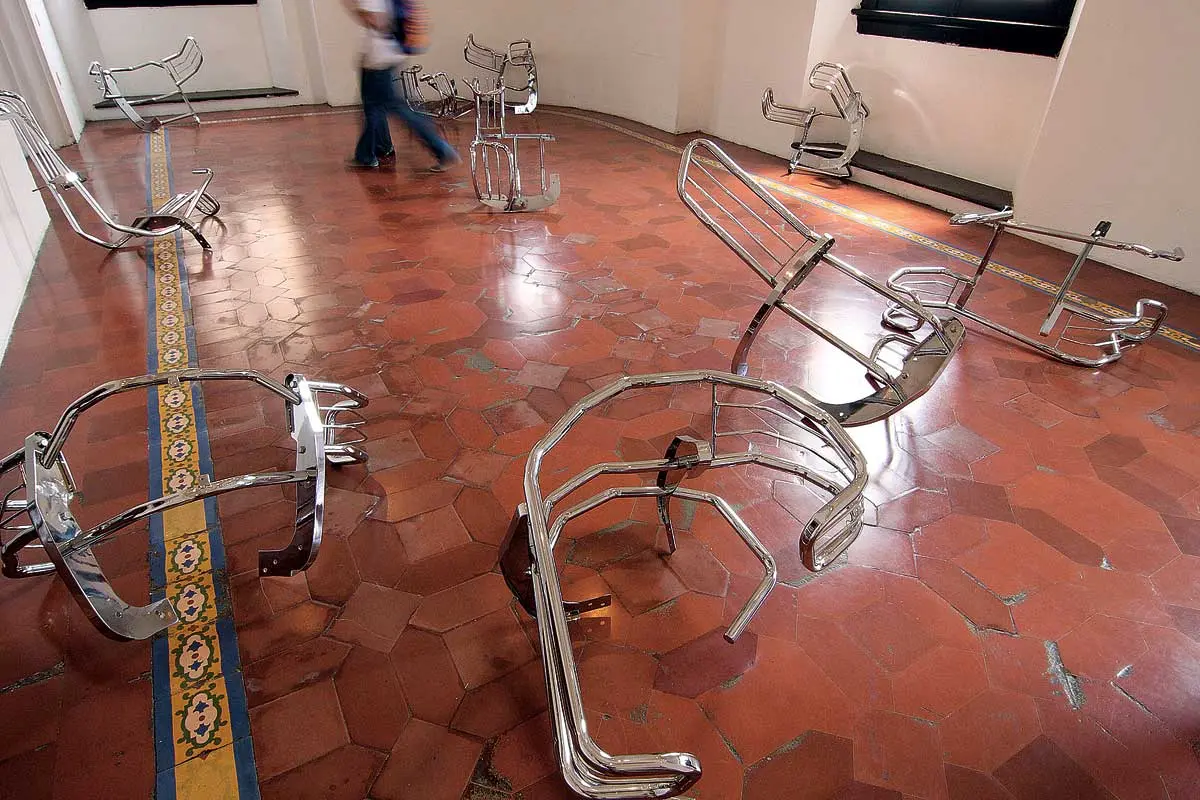
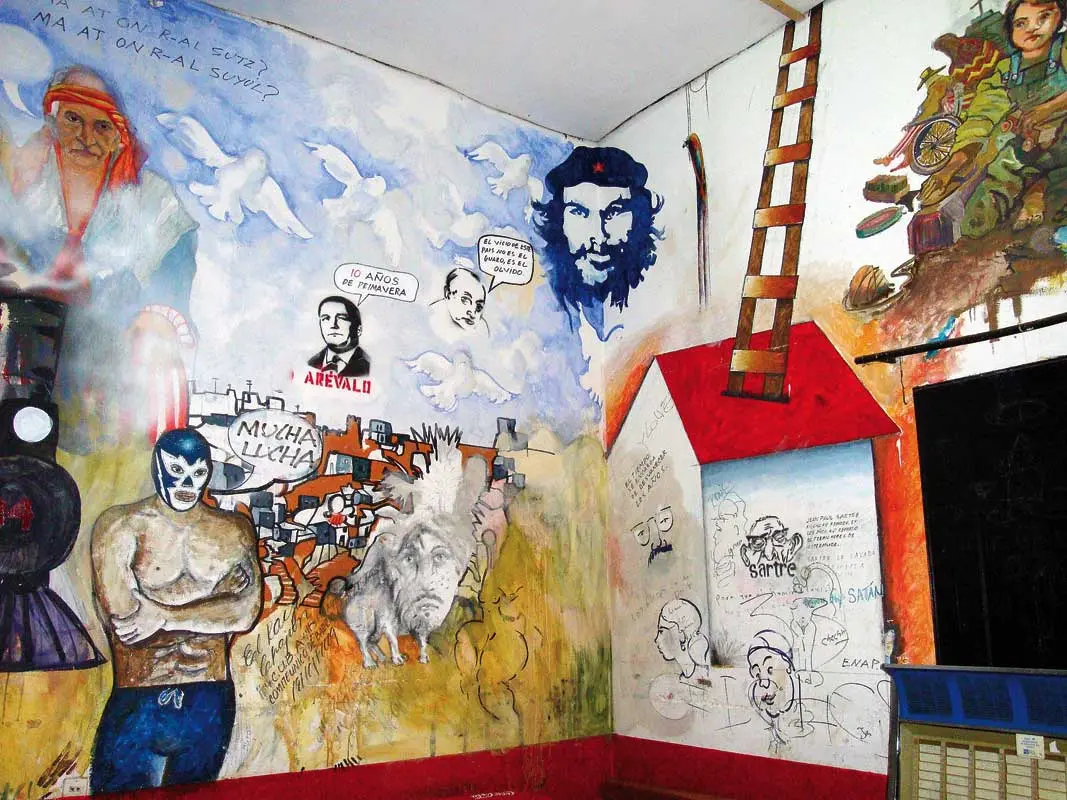
Installed at the Centro Cultural Metropolitano are the works best fitted for a discussion of the topics proposed by the Biennial. Angel Poyón, Maya Saravia, Benvenuto Chavajay, Darío Escobar, and Stefan Benchoam oscillate between different ways to approach the processes of transmutation currently affecting a variety of cultural registers, from industry, through iconography, the use of words, to religions themselves. At Casa Ibargüen, we encounter the work of Isabel Ruiz. In my view, one of the most interesting works in the Biennial, based not in its lack of spectacle and its gesture of giving its space to a group of art students. We are talking about children with a great capacity for abstraction, who have approached topics determined by their own contexts, of marginal communities and dysfunctional private spaces. In a context like Guatemala, the importance of Ruiz’s project resides in that process of de-fetishization of the work of art and of authorship. Also, the debate of the role assumed by art in these circumstances and the questioning energy with which it confronts social reality. The works of Alfredo Ceibal, the La Torana collective, Jaime Permuth, Andrea Aragón, Yasmin Hage, Alberto Rodríguez, and even Bend City (Red), by Cuban artist Carlos Garaicoa, could have been put together to emphasize the chapter titled Imagined Worlds. And, even though its location outside all official spaces doesn’t allow for it, Abel López’s work, a mural painted in a city bar, summarizes the playful element of urban iconography: graffiti, posters, billboards, signs, etc.
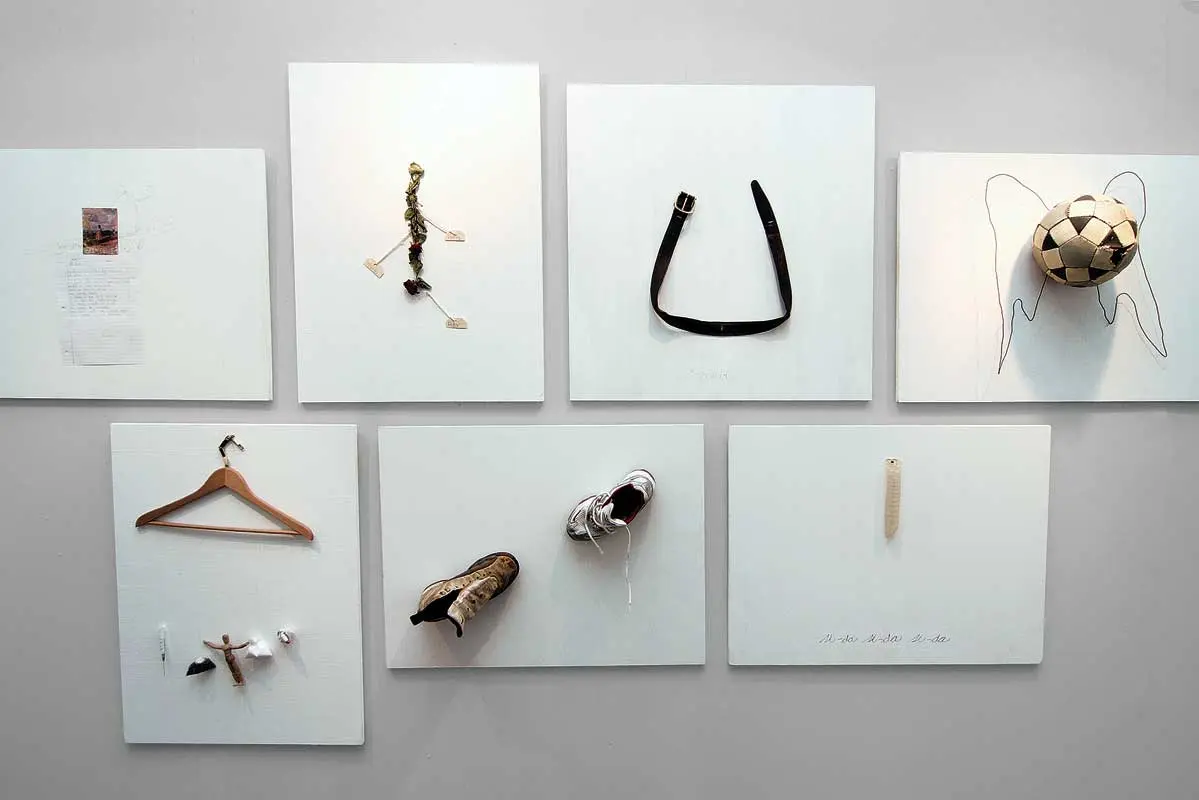
Holding on to the feeling that now, yes, we will have a Biennial for a long time, all that is left is to enter that necessary space of reflection to devise an agenda for the next edition. Perhaps to note that, after this experience, it becomes necessary not only to leave behind the terrain of good intentions but to understand that the professionalism we were able to discern in the work of the curator and his team must be extended to the internal structures. Does this imply a secularization? Not so much. In the cultivation of faith and poetry generated by abstraction, it is also possible to recognize that the Biennial has been strongly criticized on the one hand, but, on the other, overly protected by our desire to have something significant take place every two years. According to this, the critique would have to begin with the very basics, with its founders, for whom it is no secret that after this edition, handled with increased responsibility and within the parameters established by a professional curator, what has been attained is a not only greater repercussion for the local art scene, but also a more realistic vision of what is taking place in a specific context and its connection to cultural production. In that sense, there is no need to see too much in order to believe.
ROSINA CAZALI
Curator and independent art critic. She lives and works in Guatemala.