Given that the United States of America is a country made up of all of us, what does the phrase Contemporary U.S. Photography include and exclude? Moreover, is it the content of the work or the passport of the artists that makes them eligible? This year’s FotoFest delegated its selection of works and artists to a newer generation of curators: Edward Robinson, Sarah Bay Williams, Natasha Egan, Aaron Schuman, and Gilbert Vicario.* Back in 1994, Wendy Watriss and Fred Baldwin, directors of FotoFest, had delegated the curatorial task of the exhibits American Voices to a team of curators from the Cuban-American, the Puerto Rican-American, and the Mexican-American communities. The intention then was to provide a forum for different cultural perspectives in what pertains to their own communities. In 2010 the aim appears to be to reach across a generational divide for curators who academically inherited certain art-historical paradigms and who grew professionally and theoretically closer to a new breed of artists. In contrast to them, “vintage” curators matured along many of those very art historical paradigms, but were somewhat distant from current younger artists.
Natasha Egan is an associate director and curator at the Museum of Contemporary Photography in Chicago. The exhibit The Road to Nowhere? that she curated was shown at Winter Street Studios. The title alludes to Jack Kerouac’s famous 1951 novel On the Road—a piece of literature that has reverberated among a few legendary photographic projects including Robert Frank’s The Americans and the exhibit New Topographics. Like most of the other curators, Egan built her exhibit as a reflection of things (both photographic and non-) past and present. Egan writes, “The geopolitical and economic tumult in the first decade of the new millennium, regarded by some as the close of the American Century, has similarly left its signature on contemporary U.S. photography. Each of the eighteen photographers in the exhibition The Road to Nowhere? makes work that, while revisiting enduring American themes, calls into question the actual trajectory of our long-term national projects.”
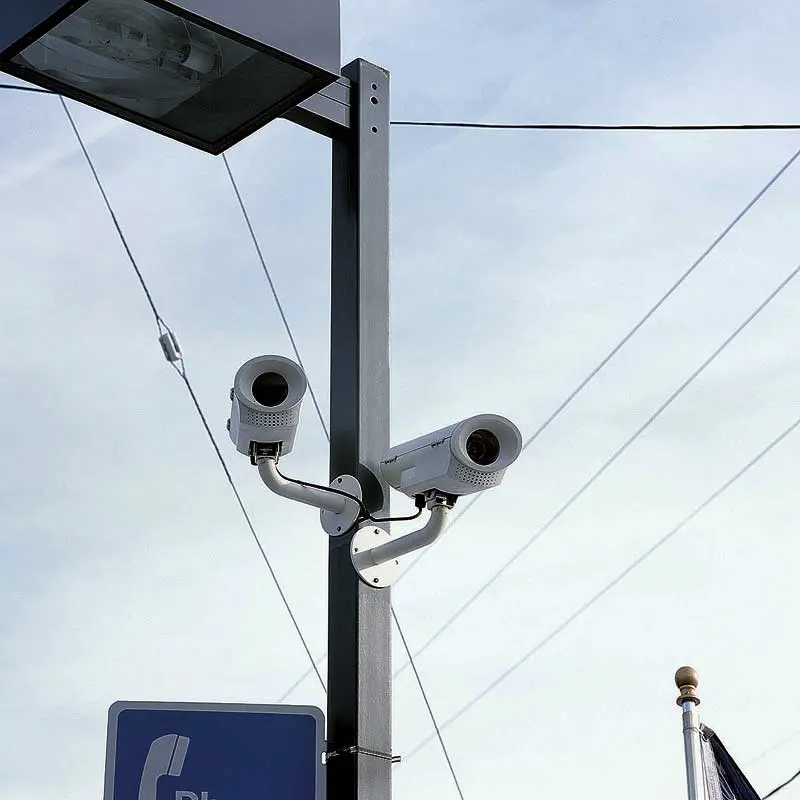
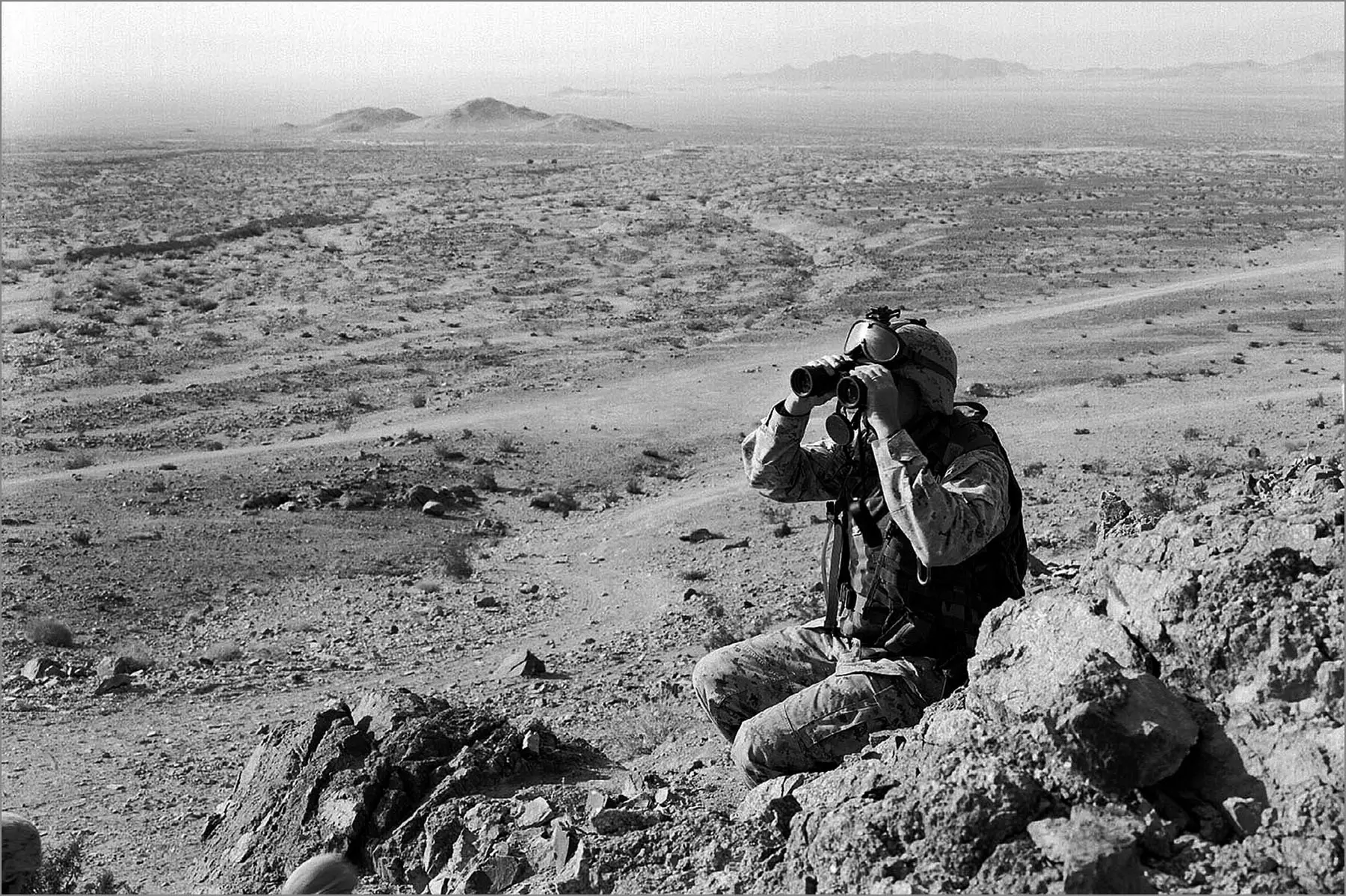
Indeed, Egan chose the work of artists like Brian Ulrich, whose series Dark Stores, Ghost Boxes and Dead Malls show the symptoms of an ailing economy via clinical architectural photographs of deserted malls. There are no people, but the effects of the abandonment of those businesses imply them. The fact that they are night photographs adds an ominous aura to the work; as if they warned the viewer a long uncertain night lies ahead. Greta Pratt makes pathetic portraits of people who were paid by a company called Liberty Tax Service to dress up in costumes of the Statue of Liberty. The costume bearers, who endured the indignity of having to wear a costume in order to make a buck, undergo the additional offense of incarnating a mercenary use of a cherished symbol of freedom. An-My Le’s series 29 Palms “takes its name from the Marine base in Southern California’s Mojave desert where Le photographed American Soldiers both rehearsing their own roles and playing the part of their adversaries.” Jeff Brouws’ numerous Surveillance Cameras samples give fresh political sense to repetitive and predictable grids à la Bernd and Hilla Becher. War, economic stagnation, consumerism, pollution, paranoia, and environmental devastation are the major themes in this exhibit.
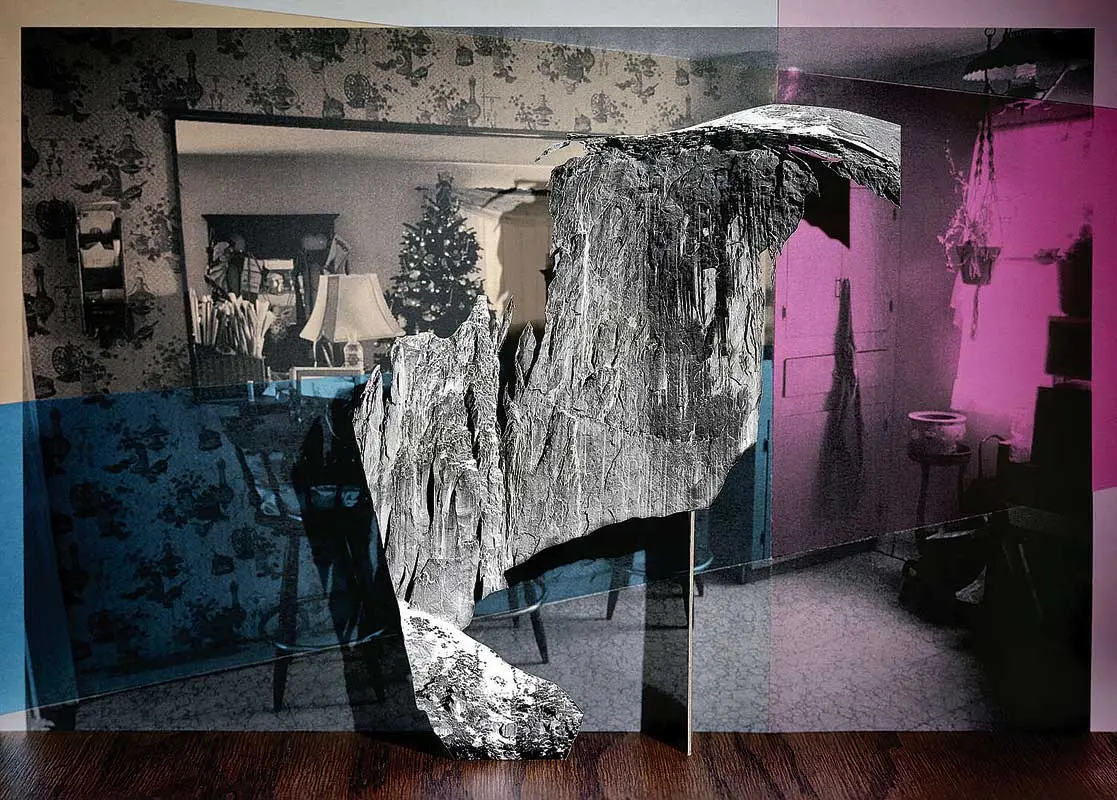
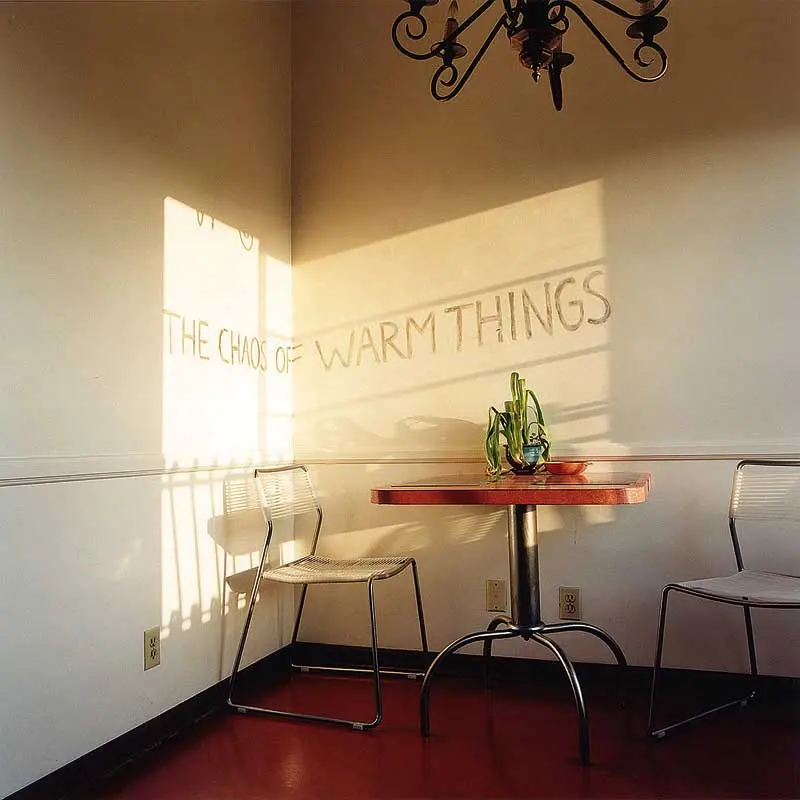
Edward Robinson is an associate curator of the Wallis Annenberg Photography Department, and Sarah Bay Williams is a Ralph M. Parsons fellow at the Los Angeles County Museum of Art. Together they curated the exhibit Assembly: Eight Emerging Photographers from Southern California which was shown at a corporate space called Williams Tower. They write, “Photographers working in Southern California have long responded to its exceptional physical terrain, as well as the presence of its entertainment industry…” That comment is exemplified by Matt Lipps's works from the series Home (2008). Lipps enlarges parts of famous photographs by Ansel Adams and turns them into sculptural cut-outs which then become re-photographed in the midst of a domestic “landscape.” In Augusta Wood’s works, written text interacts with ordinary objects and spaces. In The chaos of warm things (200X), a hybrid of conceptual art, and the dreamy realism of Edward Hopper, Wood quotes from Jonathan Franzen’s novel The Corrections. The work entices the viewer to wonder about the materiality of the text: is it written on the wall or projected from the glass of the window?

Aaron Schuman is currently a research fellow at the Arts University College at Bournemouth and lecturer at the University of Brighton. He curated the exhibit Whatever was Splendid: New American Photographs shown at the Fotofest Headquarters Galleries. The title of this exhibit comes from a text that Lincoln Kirstein, the passionate American patron-of-the-arts, wrote for Walker Evan’s book American Photographs (1938): “Here are the records of the age before an imminent collapse. [Evans’] pictures exist to testify to the symptoms of waste and selfishness that caused the ruin and to salvage whatever was splendid for the future reference of the survivors.” Schuman makes Evans’ legacy his curatorial script: “The exhibition Whatever was Splendid represents an attempt to explore the parallels that exist —in America and in photography—between our own time and that of Evans, as well as the enduring power of American Photographs as discerned through contemporary photographic practice within the United States.”
There are several problems with this curatorial idea; one of which is that Evans is not the kind of photographer whose visual tropes one can justifiably claim are unique to him. So it is hard to say whether, for example, Will Steacy’s Burned Car (2009) from the series Down These Mean Streets are part of that Evans visual legacy that Schuman names as, “the cars, cars, and more cars, roaming freely, sitting in neat rows, or lying abandoned by the side of the road.” You find what you look for, the saying goes, and in this case, both the looking for and the finding seem constrained within unnecessary limits.
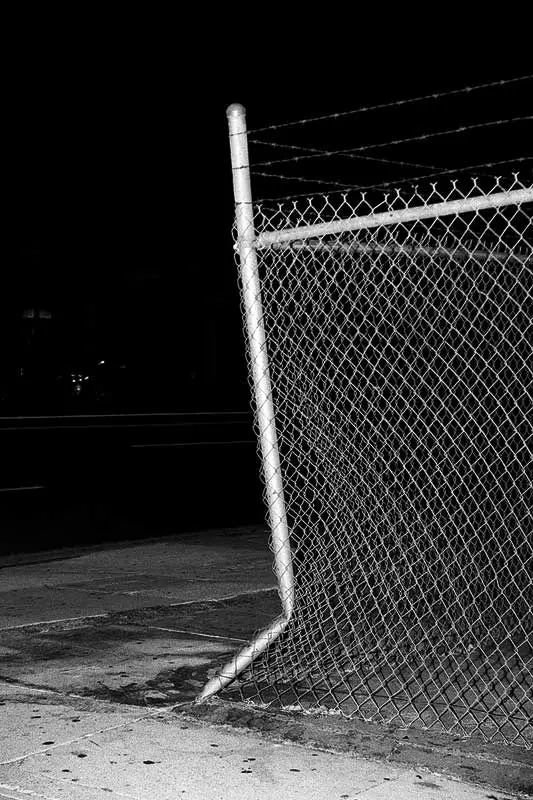
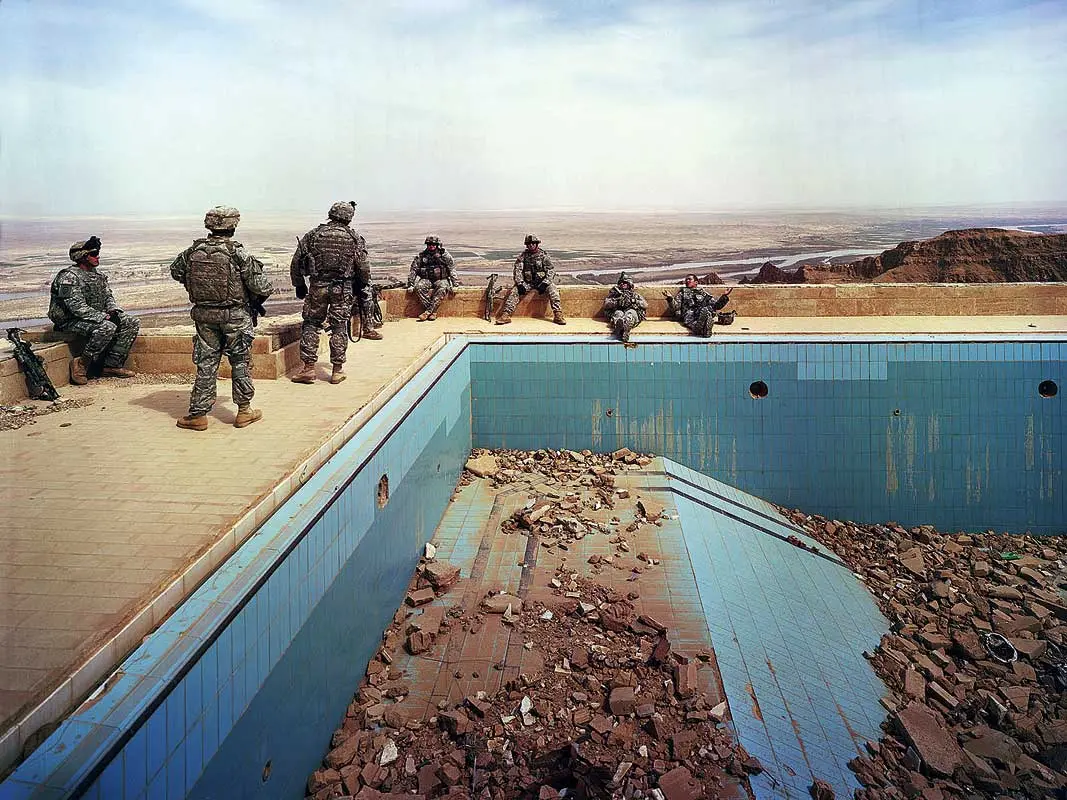
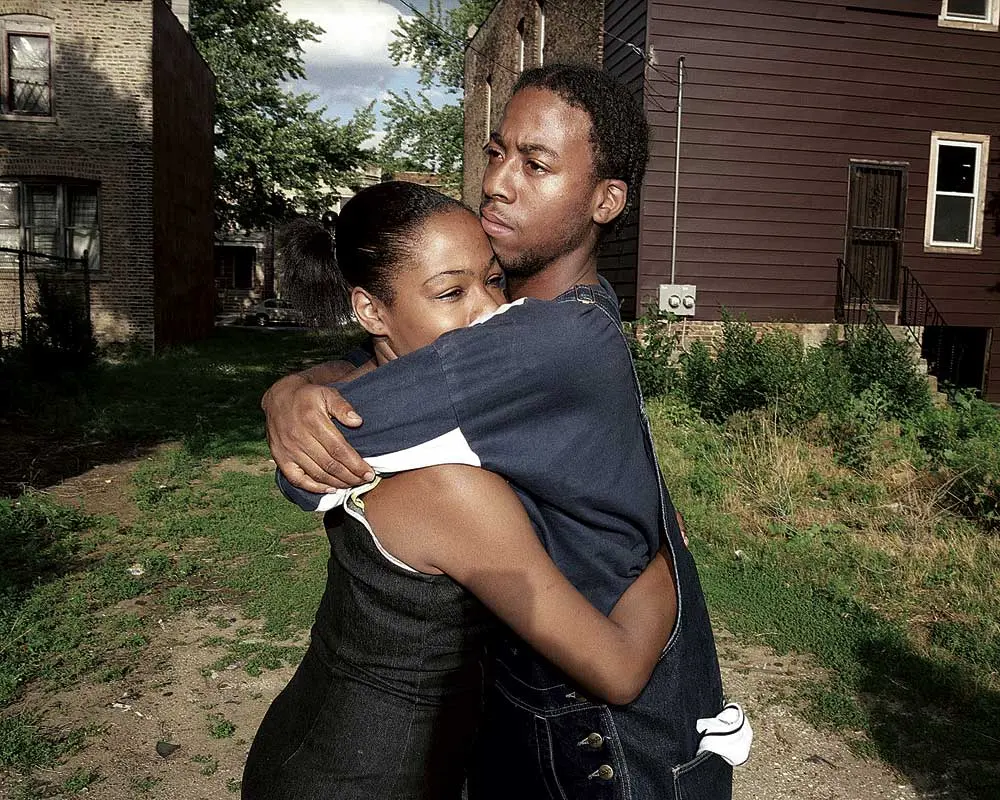
However, most of Schuman’s selections have virtues. R.J. Shaughnessy’s nocturnal images from the series Your Golden Opportunity is Coming Very Soon are minimalist compositions built from structures damaged in uneventful street accidents. In La Brea Avenue (2008) the banality of a bent chain-link fence incites the viewer to wonder how the damage was caused. There is something both sordid and pathetic about Craig Mammano’s portraits of New Orleans prostitutes like Paia or Ce Ce (2008). They are more likely to belong to Paolo Cavara’s Mondo Cane than to E.J. Bellocq’s more hygienic Storyville. Simon Norfolk’s photographs (not featured in this exhibit) and Richard Mosse’s image of U.S. troops sitting around an enormous but empty pool (Pool at Uday’s Palace, 2009) may have a common ancestor that is unlikely to be Evans. Were Evans’ couples ever so close as in Tema Stauffer’s Couple Embraces (2000)?
Gilbert Vicario is currently the curator of the Des Moines Art Center. He curated a three-part exhibit by the name of Medianation: Performing for the Screen, which was placed in three separate locations: the Art League of Houston, Isabella Court, and the New World Museum. Vicario is one curator in this FotoFest team more inclined to the notion that education pays lip-service to critical thinking. From the beginning, Vicario questioned the very premise of the project Contemporary U.S. Photography by comparing it to 1950s official exhibits organized by the U.S. state department. Indeed, with the neologism “medianation,” he undermined the very idea of nationality that was merrily engaged in the discourse of other curators. Moreover, he focused on the present state of the medium to such a degree that it almost escaped it (if anyone has not noticed it, most respectable photographic cameras are also video recorders).
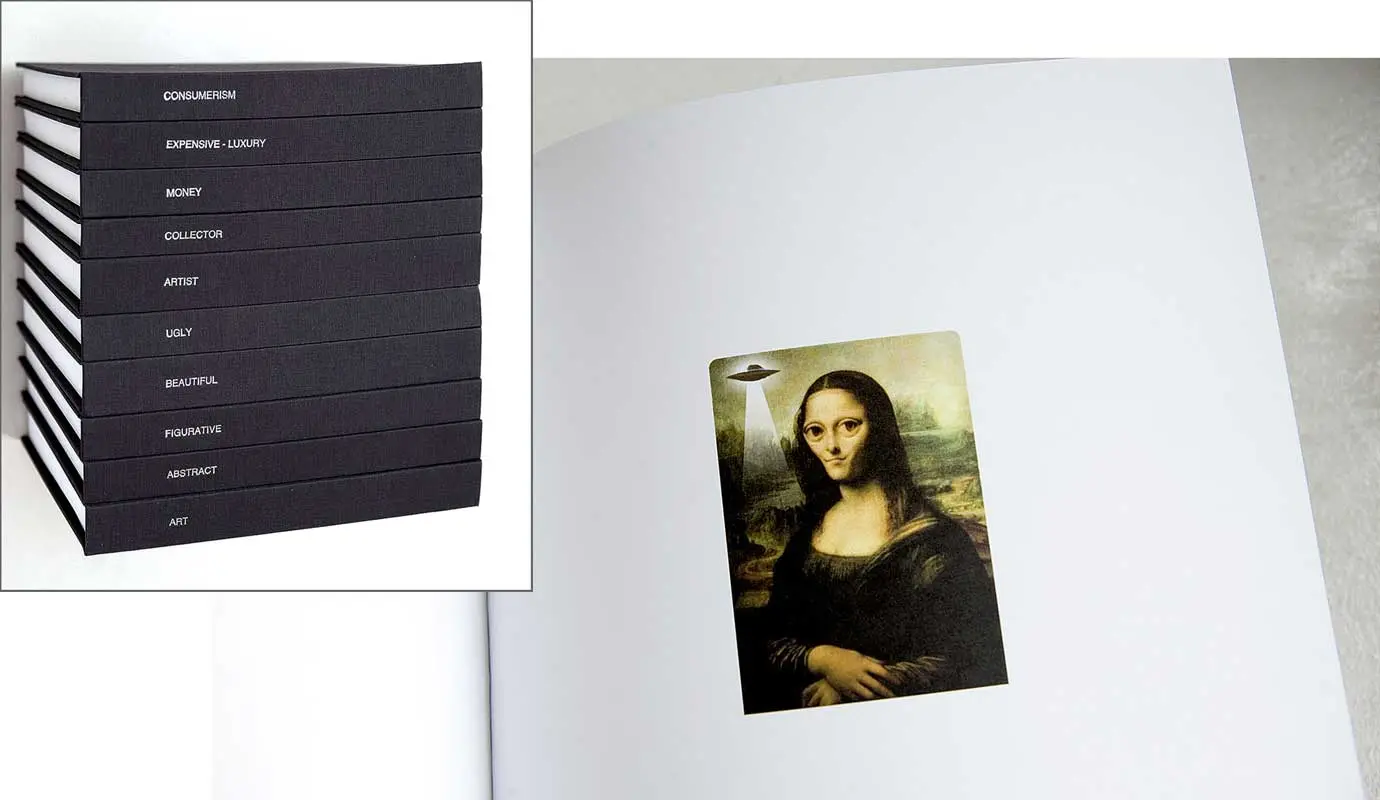
Among Vicario’s selections was Emilio Chapela’s According to Google (2008). This work points to the inescapable reality of how the media are changing the way we understand the world. Chapela writes, “For the first book I did for this piece, I searched [in Google] for the word “beautiful” and compiled all the images I found in a single book: I was amazed to discover how many images of guns appeared in the query. I think this speaks very clearly of what a portion of society feels about beauty.” Vicario remarks, “In the work of Emilio Chapela, criticality is deployed through the interrogation of information and how it lives on the Internet.”
As indicated by his subtitle, many of the works Vicario selected had to do with a performance for the camera: Laurel Nakadate’s Exorcism in January (2009); Kalup Linzy Sweetberry Sonnet (2008), etc. Susanne Jirkuff’s Feel It (2004) was a different kind of performance. It featured George W. Bush, Condoleezza Rice and Colin Powell in an animated political cartoon at the Oval Office. Daniel Joseph Martinez’s work Those who wish for peace should prepare for war; old Sasquatch Proverb, Communiqués and found photographs from traveling in Alaska for the month of August 2009 (2009) is multifaceted. First, it involves a journey along the 800-mile length of the Trans-Alaska pipeline. Secondly, “mail art performance” enacted during the said journey. The pithy somewhat hermetic texts in the postcards authored by Martínez and later mailed to Vicario contrast with the uncanny descriptions and images in them.
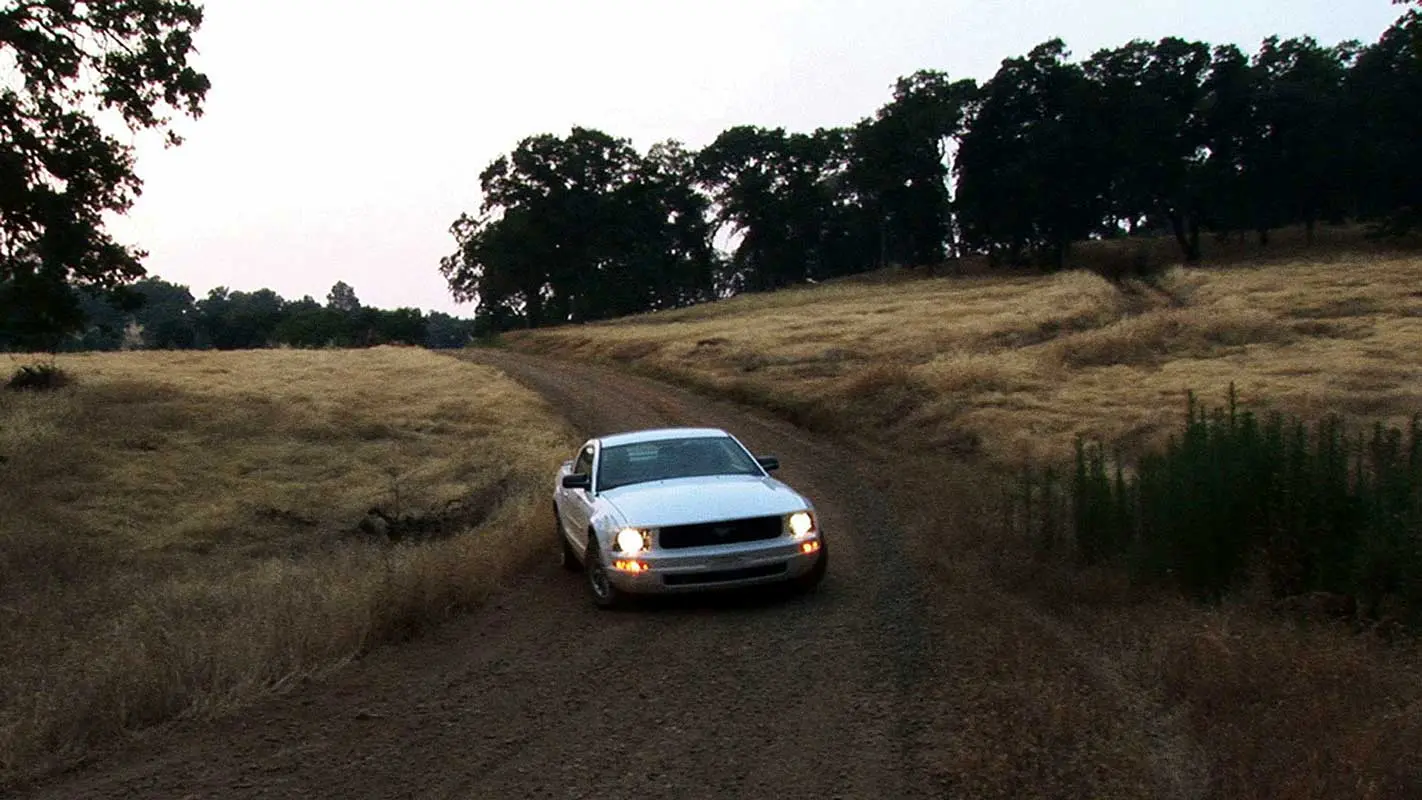
In the fifties, sixties, and seventies many went looking for America. At the end of the road last March—in a dark chamber at the exhibit The Road to Nowhere?—they may have found Greg Stimac’s Untitled (White Mustang), a three-channel video installation. Each screen showed a Ford Mustang automobile parked at dusk on a dirt road with the head beams on and the horn blaring. But alas, the battery slowly loses power so that the beams weaken, the horn dwindles, and finally, the former goes dark and the latter shush.
FERNANDO CASTRO R.
PhilosoPher and artist.