
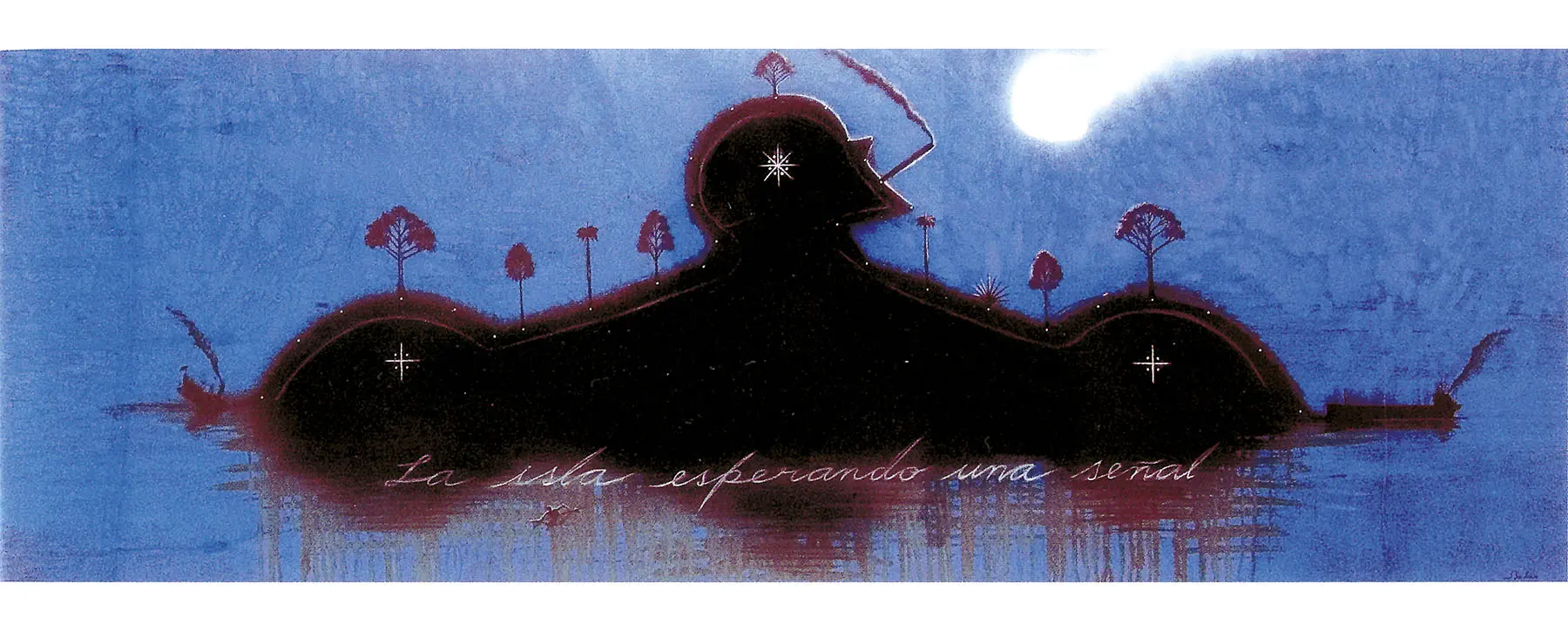
Celia Sredni de Birbragher: When did you start collecting?
Howard Farber: I’ve been a collector of art for almost 40 years. I started in 1970 with American modernist art (1909-1935) and I focused on one small niche: the Stieglitz Group, which includes artists like Georgia O’Keeffe, Marsden Hartley, John Marin, among others; a creative circle of artists who studied with the Masters in Europe and then returned to the USA in the first decade of the 20th century. These were the first real rebels of American art.
When I started to buy “modernist” art, it was very inexpensive, and there was not much awareness. Over the next ten years, I continued buying, and trading up, and getting better and better works. Similar works which I bought for $5,000 dollars now sold on the market for $50,000 and then prices continued to climb to almost $500,000 dollars; so, I was out of the game; and I couldn’t do it. I looked for other things to collect and I started with ancient idols (my wife hated them); vintage photography, and when prices start to go up on each of these, the fun stopped. If I can’t have fun collecting…and I can’t afford it, I quickly lose interest.
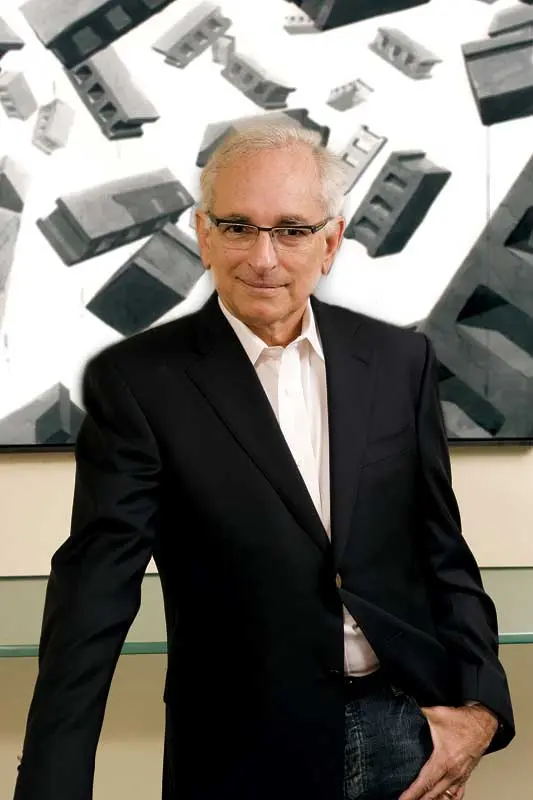
C.S. de B.: What happened to your American collection?
H. F.: I sold it at Christie’s. It was a great auction! Some of those works had auction records, which is really amazing to me. And everything that was sold was bought by either a major collector or a museum. So, that made me happy.
C.S. de B.: Why did you sell?
H. F.: I couldn’t afford to buy any more American modernist paintings. I loved what I had, but if you can’t buy, the collecting stops. For example, my apartment in New York became available to purchase. I used to rent it, and the owner wanted a lot of money to purchase it. I took one painting off the wall, and sold it in one day, and bought my apartment. But once I did that, I knew the collection was ruined. When you take away a great painting that is the foundation of your collection, it’s never the same….something is missing.
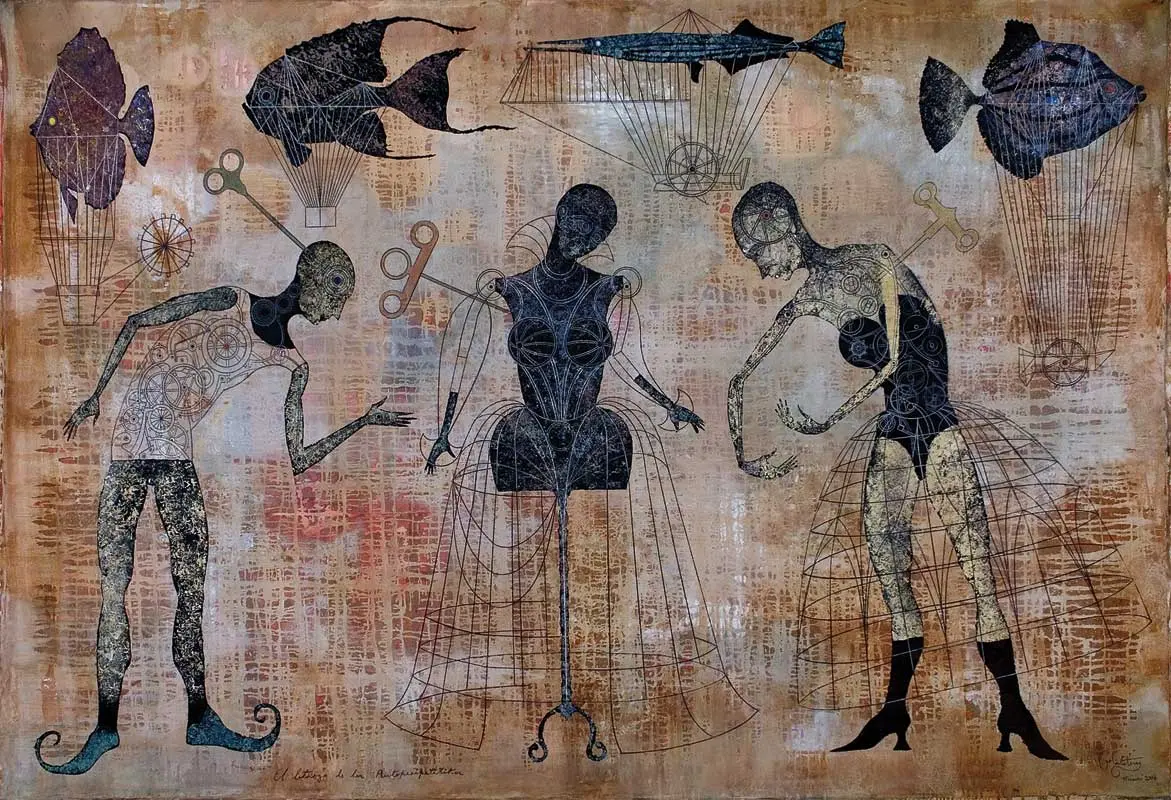
C.S. de B.: Tell me about your Chinese art collection.
H. F.: In 1995, my wife Patricia and I took a cruise to Asia, and one of the stops was Hong Kong. I walked into a gallery and when I saw some works of Chinese contemporary art I flipped out. I had never seen anything like this before. I didn’t buy anything then, because I really didn’t have any information on the genre, I just knew I loved it. I returned to New York to get some books on Chinese contemporary art, but there were none. I did my own research over the next year, and I started to buy.
There was absolutely no market for Chinese contemporary art in the mid-nineties. Nobody knew what it looked like; everybody told me I was crazy. They said: “You don’t speak Chinese, you don’t like to travel, and there is no market…Why are you doing this?” I had sold my real estate business in 1995, about a year before, and my accountant said: “What are you doing? You are spending all this money on Chinese contemporary art, it's terrible! You are crazy.” Basically, everyone said the same thing, but I didn’t listen to them. I started buying like a madman.
Around the year 2000, I found an article in one of the magazines. I think it was Vanity Fair and it was a story on Oliver Stone, the director; I saw a picture of Oliver Stone with this big Chinese canvas behind him, so I quickly tried to find the story. It turns out he bought some Chinese works and his quote was: “I like this new Chinese art, I think in 30 years this is going to be really great.” That would have made me a very old man, so I got really upset, but I still kept buying. What I didn’t know at the time was that I was buying iconic works.
I was always very interested in provenance. I bought early works; works that were banned in China; works that created a whole era after the 1989 Tiananmen Square massacre, when the artists were very creative. So I built up this collection, and in 2007, I sold the collection with Phillips De Pury in London, about a month before the world financially collapsed. I was very lucky and it was (and still is) the most successful still single-owner sale of Chinese contemporary artworks. The sale generated 25 million dollars, so I was thrilled. I sold only the works that were in storage. I did not sell anything that was on the walls of my house (my wife threatened me with many things if I did that), she was right, and I still have great important Chinese works hanging on my walls that we enjoy.
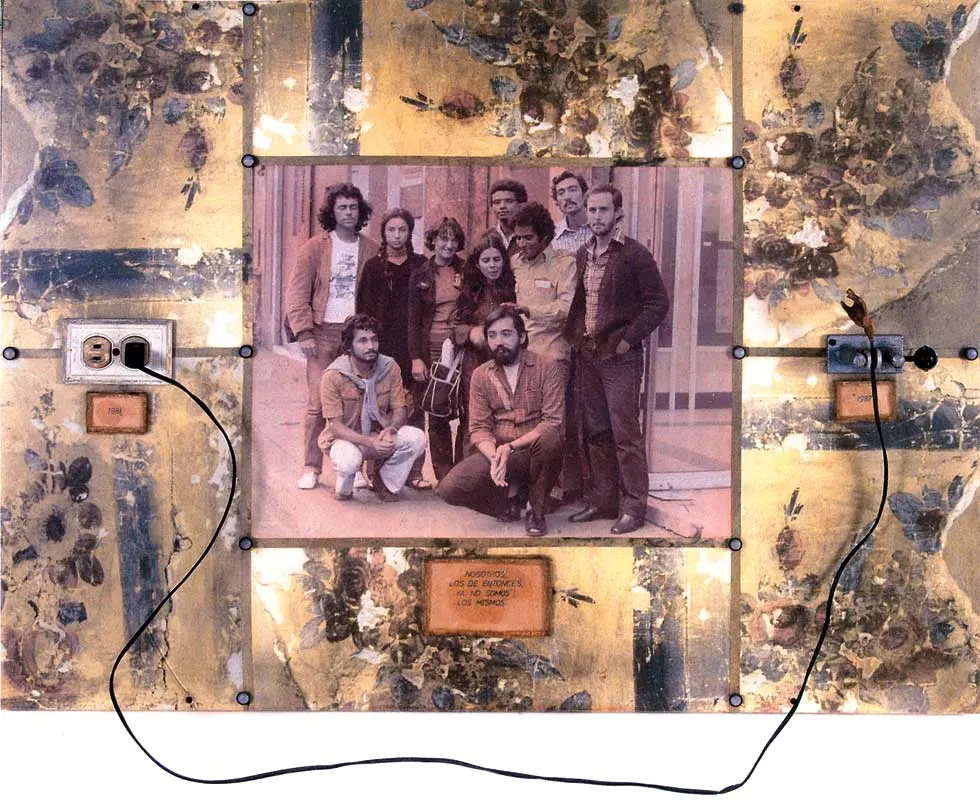
C.S. de B.: Why do you think that Chinese contemporary art went so high?
H. F.: Around that time, it's not that people discovered Chinese contemporary art, it’s because the country of China became newsworthy. Time magazine cover: “The New Chinese Revolution.” Newsweek, everybody wanted China. China was starting to do business; every company said: “Oh! If we can get the Chinese market, they have 1.3 billion people! We will sell 1.3 billion telescopes!” They never sold 1.3 billion of anything but all the press on China’s growth stimulated business and an international art market.
There were a lot of young entrepreneurs in China, internet people, and instead of buying older scroll paintings, the traditional paintings, they wanted to be hip, they wanted to be avant-garde, they wanted “new.” They didn’t want to buy something from the 1700s, so they started to dabble in contemporary, and once they got the bug, they became collectors. Today, there are many Chinese collectors in addition to private museums opening in China.
The thing that bothered me about China is what happened to the artists. They are now superstars with long waiting lists for their works. China is still a great bargain for art because if you look at the top prices for paintings of a great Chinese artist, it’s much less than the top painting of an American or British artist. So there’s a disparity between them, even though it went up so quickly. In 2004 I was in an auction where a $10,000 or $15,000 painting from 2001 went to $900,000! I freaked out! I said: “How did this happen!” To me, it meant that I couldn’t buy more. It also meant: “I’m rich! My collection is worth money!” So it was a great experience, but then the artists’ personalities changed, and I can’t blame them. All that money affects them. It changes people, so I’m happy for them but it was time for me to leave. I’ve been there, I did it, but it stopped being fun. I just want to enjoy the collecting experience.
C.S. de B.: Tell me about your Cuban art collection.
H. F.: In 2001—now we are going back a few years—my wife, Patricia, and I went on a trip with the Metropolitan Museum in New York to Havana. That was the first time I had been in Cuba. My wife is very interested in dance, so she wanted to go there and see the Cuban ballet, so I said to myself: “Fine. I’ll be very happy to go to Cuba but there is no way I’m going to buy any Cuban art; I’m totally focused on Chinese.” So I did the whole trip and then came home without buying anything. I visited a number of artist studios and I really liked the art but I didn’t want to get involved in a new genre.
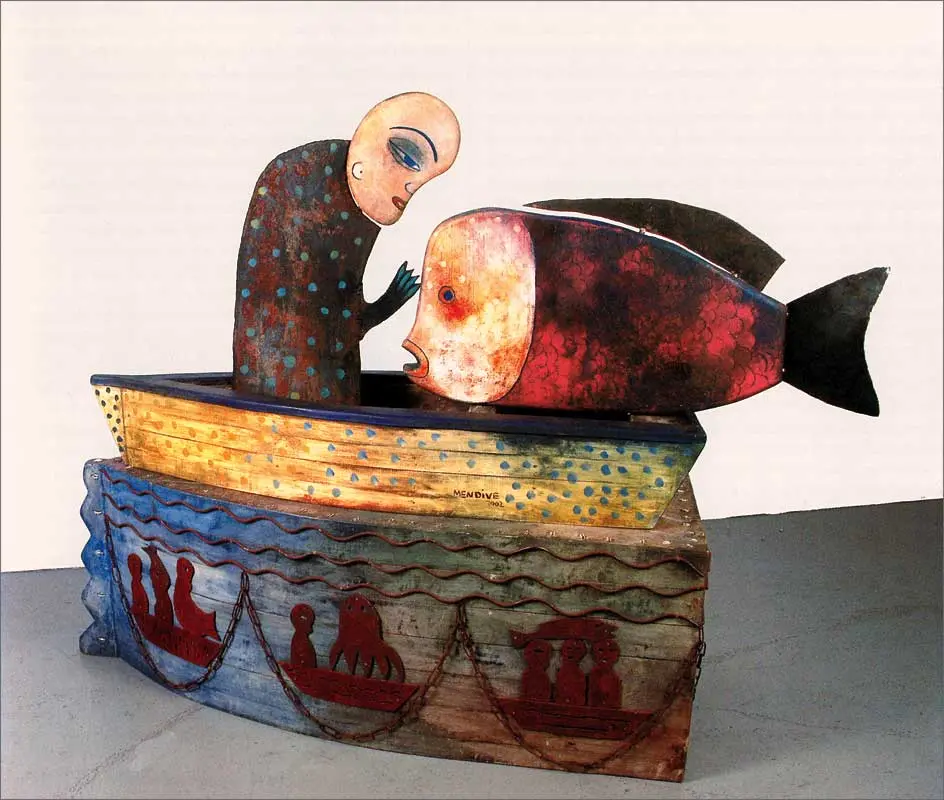
Back home I got a call from someone from the Museo Nacional de Bellas Artes in Havana. His name is Abelardo Mena Chicuri and he asked me for a catalog of my Chinese art. He thought I was a gallery. And so, we started to talk back and forth for a few months, until finally, I said: “Do you think you could put me in the right direction to buy a few drawings?” He said “Yes”; so I bought some drawings. That was it…I was hooked once again. I loved the art! Drawings became oil paintings. Within six months I was becoming addicted to Cuban contemporary art. Now, my idea was to try and collect the history of contemporary Cuban art. I wanted to collect the best Cuban contemporary artists and go back to their earliest works. I basically tried to do what I did with Chinese art.
So that’s how I started collecting Cuban contemporary art, and the art is collecting ME now! I’m totally involved. At the end of 2006, I put out a catalog of my Cuba Avant-Garde traveling museum show and since that date, I think I have a hundred more works from that period, and these works are getting bigger, and very important. I don’t care how big the installations are. For example, at the Biennial in Havana, outside of the Museo, there were these cockroaches created by Cuban artist Roberto Fabelo. They are amazing! They are climbing up the outside of the Museum; well, I bought three of them. I was going to buy two and my wife Patricia said: “You can’t buy two. You have to buy three because it makes more of a statement.” So, I bought three cockroaches. If you had told me ten years ago that I would be buying three cockroaches, from Cuba, I would have thought you’re crazy. But now I’m trying to buy the best of the history of Cuban contemporary art.
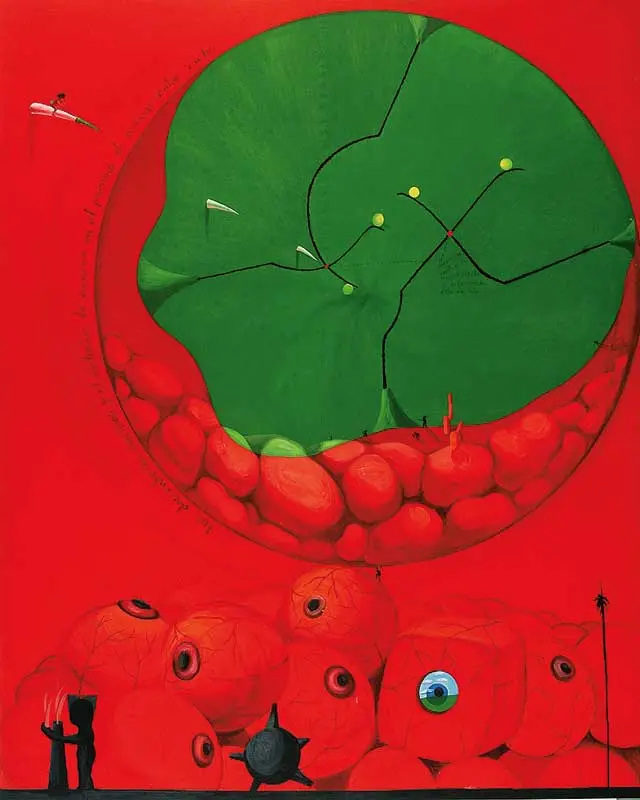
The biggest problem that I find is that there is no awareness of Cuban contemporary art internationally. That doesn’t really scare me because there was no awareness of modernist American art when I started, nor was there awareness of Chinese contemporary art. I can’t compare Cuba to China, in population or demographics, but their art is fantastic. Like every collector, I’m trying to focus on the best examples.
There’s a funny thing that happened when I talked to an artist; I said: “I’m interested in this particular work.” And he’d answer: “No, I don’t have that anymore.” So I would say: “Yes you do. It’s probably hidden in your closet or under your bed.” So he starts to laugh and says: “Well, I’m saving it.” And I said: “For what? Let it go to a good collection, a book, let it go to a museum show…
I was taught many years ago that we don’t own art; we are just custodians of it, which is a horrible feeling when you are collecting like crazy and spending big money, but it’s true.
One of the most important things to me collecting Cuban contemporary art is I’m having fun doing it, and as I said, I’m trying to create more awareness. One person can’t create an art market, but the artists are so strong that I’m looking forward to the time when they become international artists and are not called Cuban artists. A few of the Chinese artists have done that.
I’m totally out of the Chinese collecting and I’m now living and breathing Cuban contemporary art, and I’m not stopping.
C.S. de B.: What are your plans with the Cuban collection?
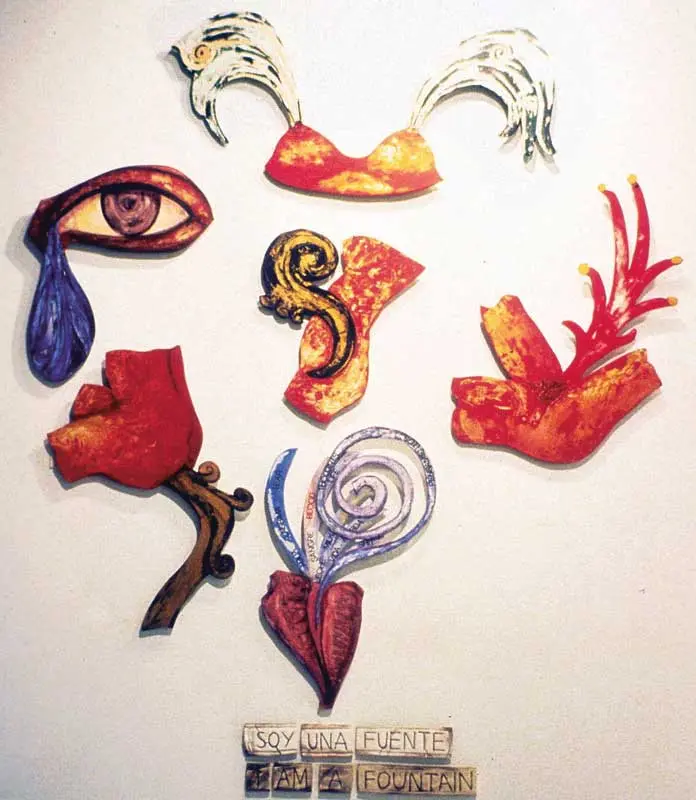
H. F.: I have no plans; I just want to continue to collect. But I think it’s something that eventually should go to a museum.
C.S. de B.: Why would you say there is such an outstanding proliferation of good contemporary Cuban artists?
H. F.: In my collecting, I have found more and more great Cuban artists. I am sure that every country has its share of great artists, but in the last 40 years of collecting, the Cuban artists on and off the Island have moved me the most. I’m trying not to be political here, but some of them had a tremendous amount of creative rage going, to make up for some of the real-life aspects of their life that they didn’t have. They can really express themselves through their art instead of through their talking. So, I think that’s one thing, of why there are so many great contemporary Cuban artists. I think it’s the quality of the art. I could have collected any country’s art, including Colombia, Argentina, Brazil, Russia or South Africa…they all have fabulous art! But, I picked Cuba, and I know I didn’t make a bad choice.
For some reason with collecting, I like to go where people don’t. I’m not the only person that collects Cuban contemporary art, but when you look at the auctions, it’s always in the back of the auction catalog, and it's usually mediocre works. So it’s really not like Cuban contemporary art has had a fair shot. I believe in a year or so, the market is going to get a tremendous amount of awareness. The more awareness the country gets, usually the art follows. That’s what happened in China, and that’s what will happen in Cuba. I feel that for a collector Cuban contemporary art is the best-kept secret.
The other thing which I noticed with Cuban Americans is that there is something that I have never seen in 40 years of collecting art: one artist will have a show in a gallery; all the other artists will go to the gallery and help hang the show. I’ve never seen camaraderie like this. I love the art; I’m planning on doing another museum show to travel, a much bigger show, and a new book. I like to follow the saying “Even the church rings the bell on Sunday.” Collectors of Cuban contemporary art need to see the awareness of Cuba and their art.
C.S. de B.: Where will it go?
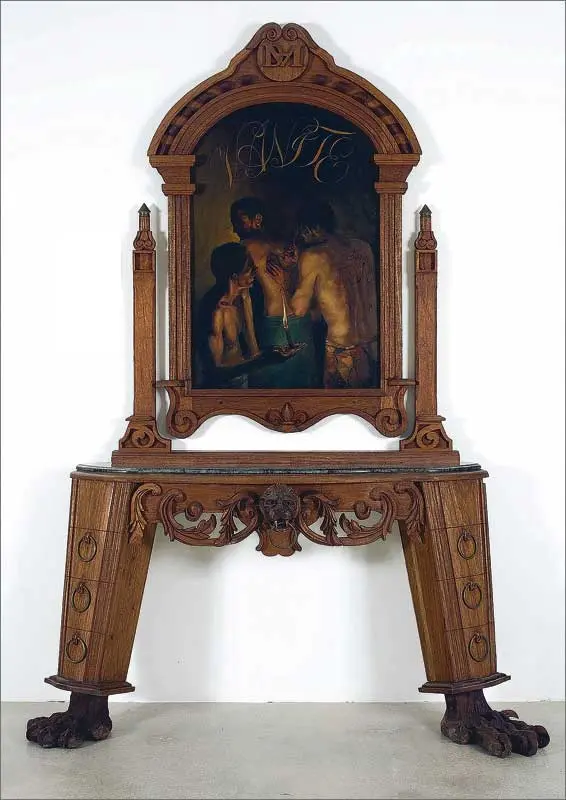
H. F.: I have no idea. I’m starting to work on it. It’s going to take probably four years before the first venue. I have so many great works now, fabulous works that I couldn’t even buy today works that I bought since 2006; I can’t find them anymore! But I go on what I call “search and rescue missions.” I feel like some detective trying to find or track down work and most of the time I do find it. I’m really a total art addict. I get these art attacks!
C.S. de B.: I think that is very interesting. Will you ever make a museum yourself?
H. F.: That’s a possibility. Down in Miami, it seems like the thing to do but I’d rather give it to a museum. That’s one of my options.
C.S. de B.: How do your wife and family feel about you collecting Cuban art?
H. F.: Well since I had a successful sale of my American and Chinese art, they don’t laugh at me as much. Like maybe I’m not crazy? I told them you can’t be right all the time, but I’m really doing Cuban contemporary art for love; it’s hard for people to believe, but I really am. I can’t believe the amount of money I’m spending. There is a purpose here. It’s like trying to be part of a movement. I didn’t realize when I was buying the Chinese art, that there was going to be such an incredible market in my lifetime, and it just so happened that it worked. I didn’t cause it, it just happened.
I like the Cuban people, I like the art. I met some of the artists that I hadn’t met before at the last Havana Biennial and when we were introduced we hugged each other, you know, it’s really great.
C.S. de B.: Who is your curator?
H. F.: Abelardo Mena. We email all the time, and we fight constantly. We met for the first time at the last Biennial. My wife was there and when we met, she started to cry. She said: “You finally met your friend!” For one minute there, it was a little awkward, but after one minute we were right on track because we knew everything about each other, from 2001 to 2009. It’s a long time to have an email relationship.
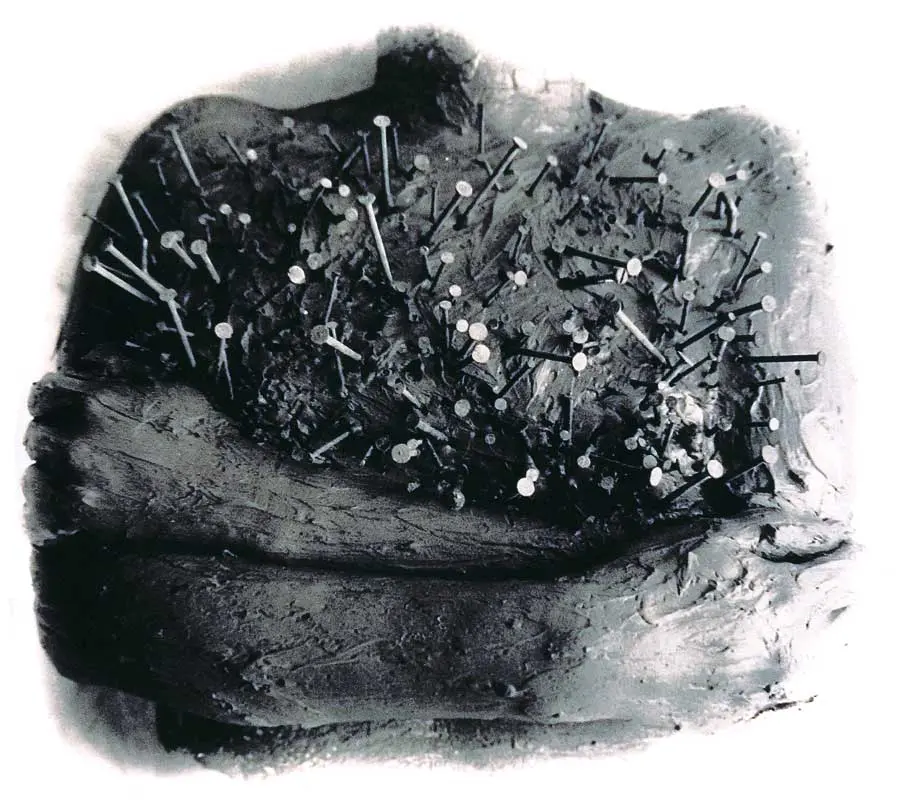
C.S. de B.: A few years ago you couldn’t make the exhibition you did at the Lowe Art Museum in Miami. What do you think has changed? Why do you think you were able to do it now?
H. F.: I think it’s changing somewhat with the younger generation. I think that Cuba itself will also be changing. But for myself, I’m an art collector; I don’t want to be a politician and argue about everything that’s going on, about the embargo, etc. I have my own feelings about these things but I am only focusing on the art so I won’t talk politics with somebody in Cuba or the USA. I can sympathize with everyone’s point of view, but if you put all that aside, for me it’s just the art.
C.S. de B.: Who made the selection at the Lowe Art Museum?
H. F.: That’s a show that started at the Harn Museum at the University of Florida, and it continued to travel. It went to Portland, Washington, Calgary, it came to Miami, then it will go to North Carolina; it will keep traveling for about five more years. I said I don’t want it back, let it travel! The more places it travels, the more education, the more awareness it’s getting. Then it will go overseas.
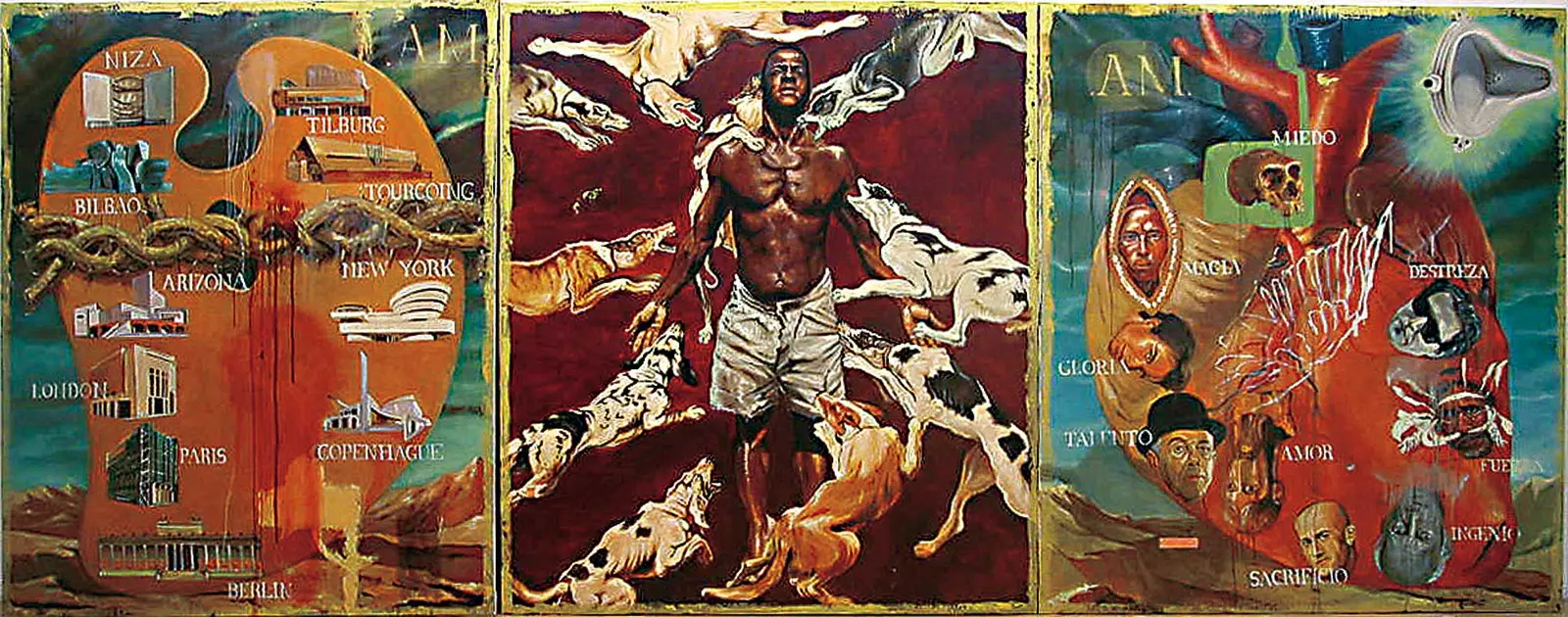
C.S. de B.: Who helped you with that?
H. F.: There’s a company in California that books these shows. There are many companies that do that. This one is called CATE, in Los Angeles, very nice people.
C.S. de B.: Let’s talk about the Foundation.
H. F.: In order to help create this awareness, my wife and I made the decision to create a foundation to help Cuban culture. It’s called Fundación Cuba Avant-Garde. It’s a private foundation. I’m not looking for donations; I’m the one who’s going to be spending the money and I’m going to be giving grants to help promote Cuban culture: art, dance, music, food, whatever that’s cultural. The Fundación also started a website, called Cuban Art News www.cubanartnews.org, and it's going to give the latest news and updates on all Cuban culture worldwide. It’s a bigger project than I thought, but… “You put your money where your mouth is.”
Founder and Director of ArtNexus magazine.