
Embracing Modernity: Venezuelan Geometric Abstraction, a show at the Frost Art Museum, can be thought of as a small panoramic: it brought together a selection of works dated between 1949 and 1988, by more than twenty artists; provoked a wide-ranging revision of four decades of abstract geometry in Venezuela; and, without aspiring to the completeness, has broadened our understanding of the processes of Venezuelan abstract art.
An interesting romance has emerged over the last decade between certain museums and international art foundations, on the one hand, and Latin American geometric abstraction on the other. There have been many revisionist views on the part of the art system on a specific moment in time when intentionality and formalism seemed to come together for a significant number of artists who devoted their work to that movement. Among others, with shows like Inverted Utopias, MFA Houston, 2004, and The Geometry of Hope, Blanton Museum, 2004, both in Texas, to name just those that have perhaps been most relevant so far. The results of these exhaustive explorations are visible both on the walls of the museums and in auction houses, galleries, and fairs. With all this, a part of history has been written, or its revision, and, as is often the case in Latin America, the view has come from abroad.
One of the agendas of geometric abstraction, especially in Venezuela, was to guarantee through the work of art the public's participation and access. On the one hand, the active participation of the viewers—penetrables, kinetic art, op-art, for example, works located in public spaces that involved actions by passers-by—on the other, the production and distribution of serial works at reduced costs. In that sense, cultural management in the country during the 1950s and '60s devoted great effort to supporting the work of abstract artists coming from Paris, advocating for a new discourse of modernity in opposition to the previous dominance of landscape and figurative representations, a conjuncture that contributed to the distribution of works not only at a monumental scale but also at a more domestic level.
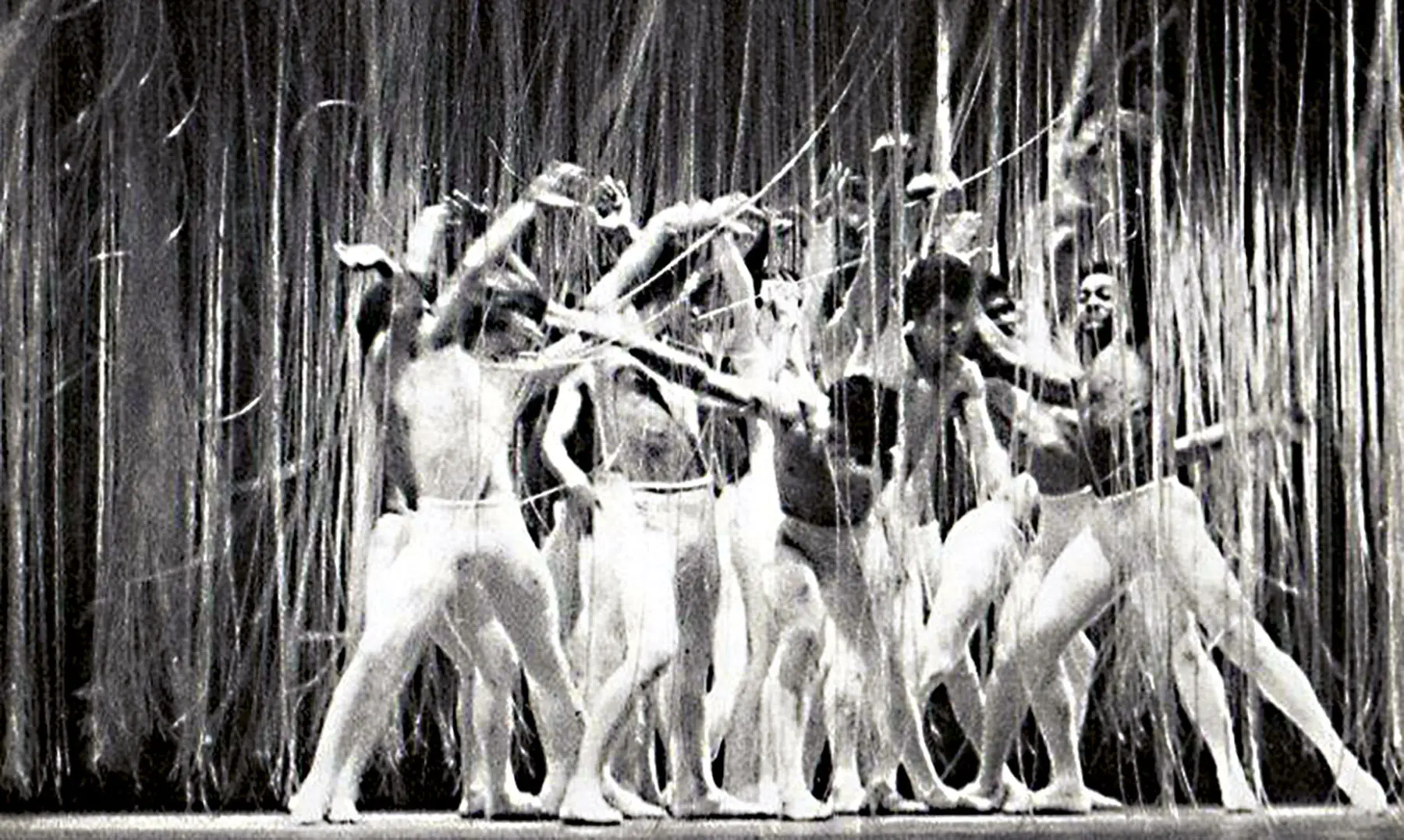
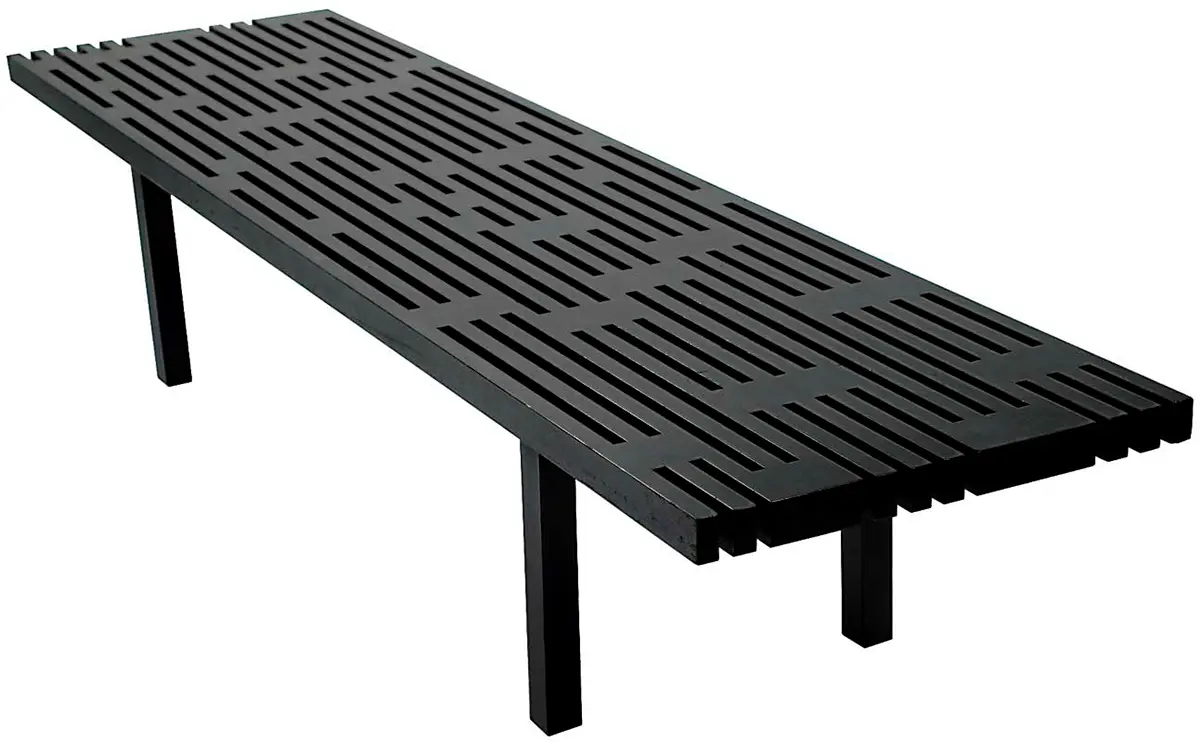
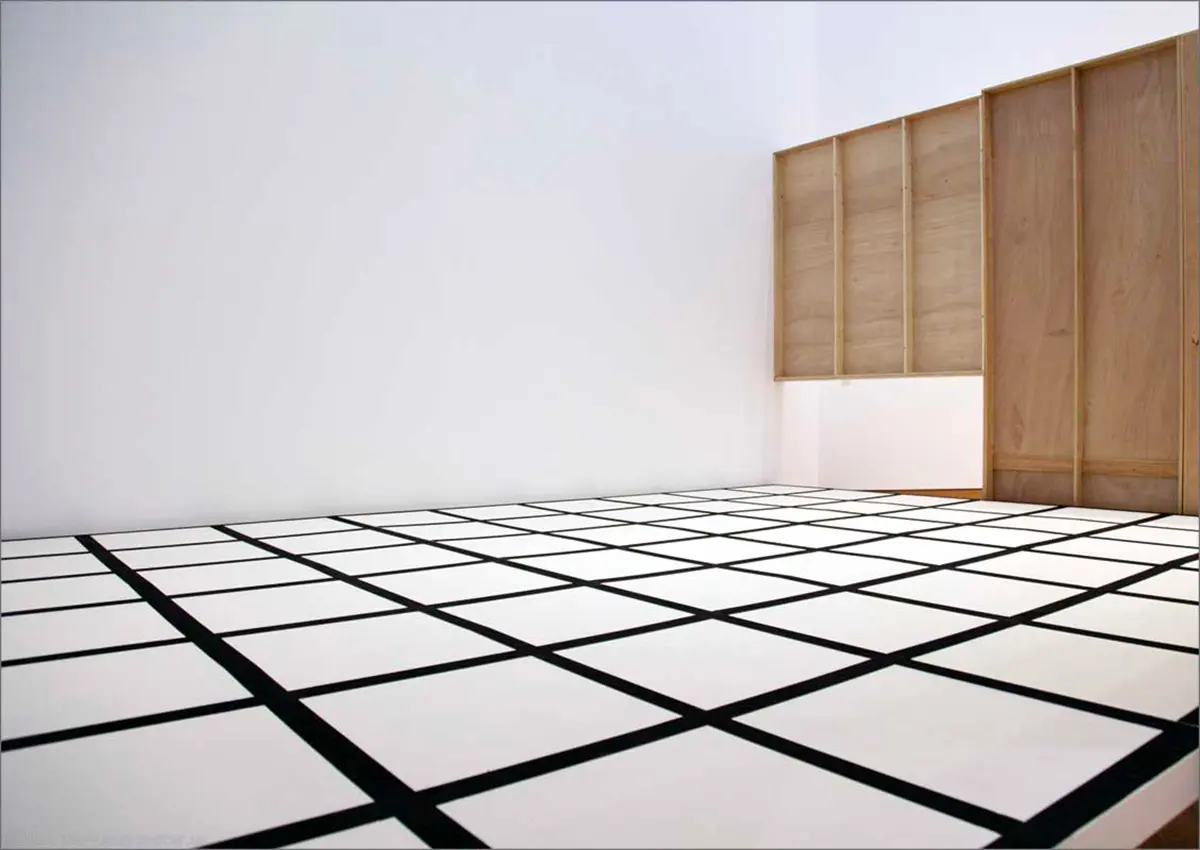
In Embracing Modernity..., we do not find the great masterworks of the artists included or the landmarks of their legacy now in important public and private collections in Venezuela; it is, rather, a revision of this legacy from a more intimate point of view, in a less grandiloquent format (with the exception of Jesús Soto's Penetrable para el ballet 'Génesis', from 1978), and it outlines an effective overview of the story of the visual arts during those four decades. This serves to unveil a seldom considered aspect of the movement: the works come essentially from private collections and foundations. The show's curators, Francine Birbragher-Rozencwaig and María Carlota Pérez put together works and artists that are mostly unknown outside Venezuela, and many of the works had never been shown institutionally, which makes them like found links for the public and permits a broadening of our historical construal of the abstract geometry imagination in Venezuela. The show, comprised mostly of paintings and assemblages in small formats, includes a pair of videos and two installations, the Penetrable para el Ballet 'Génesis', already mentioned, and the Impenetrable, 1972-2010, by Eugenio Espinoza, in perfect contiguous dialog, as well as a Banco listonado, 1956, by artist and museographer Miguel Arroyo.
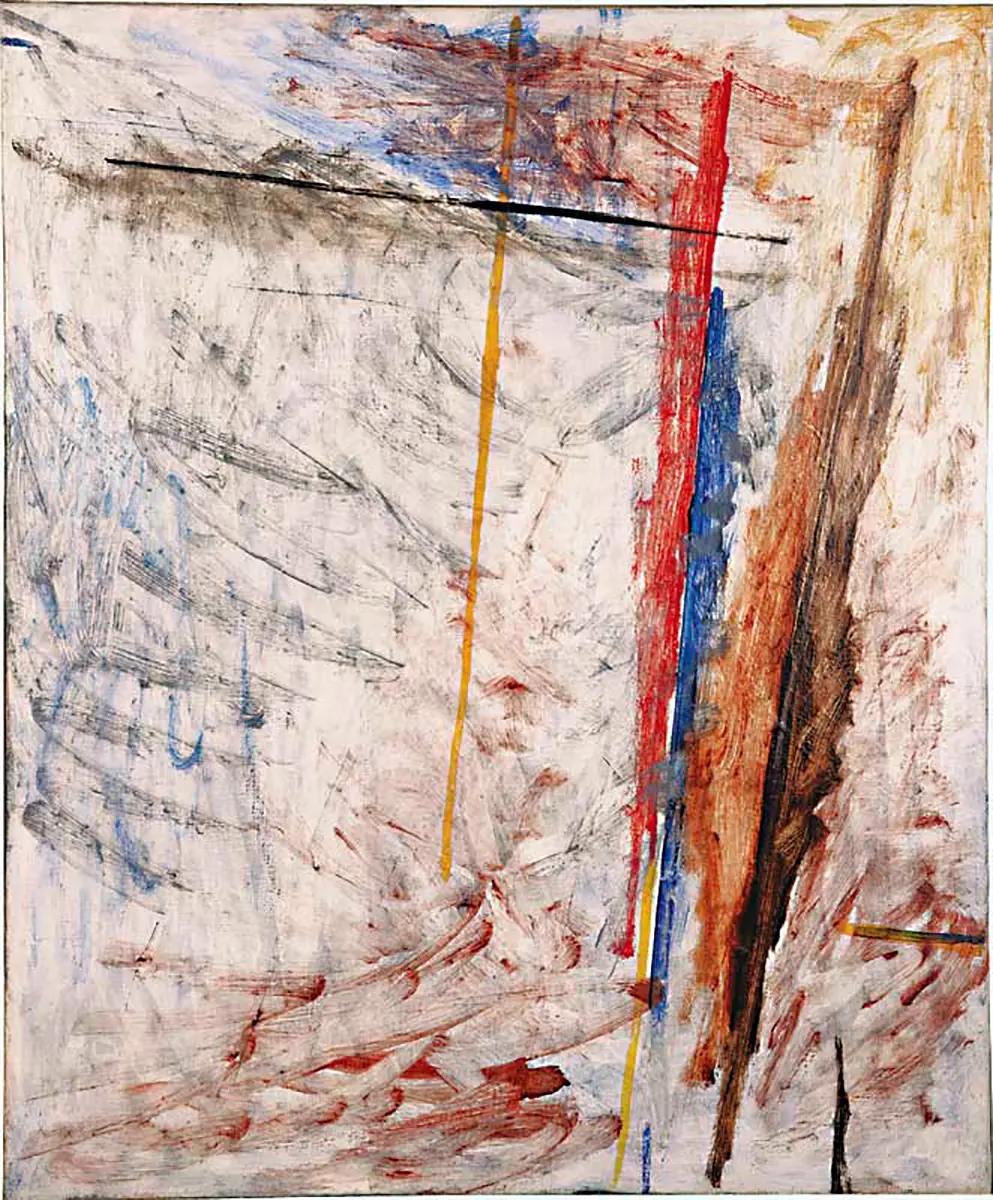
Embracing Modernity... begins with Líneas coloreadas, 1950, by Alejandro Otero, one of the most important artists of the Modern period in Venezuela, a work that signals a clear interest in assuming the discourse of modernity and in opening up the borders of the local towards a more international way of looking, in consonance with the historical avant-garde. In Paris in 1945, Otero was among the founders, along with other Venezuelan artists, of Los Disidentes, the journal of an intellectual movement that promoted experimentation in search of new languages inspired on the legacy of Cubism, Futurism, geometric abstraction, and the new figurativism. Above all, it questioned the landscape tradition, the academicism of the Caracas School, and the dominance of figurative representation. They also wanted to break away from the dominant image of Latin America in the art world, in favor of works with a more universal character—a theoretical debate that continues to rage among curators today.
Embracing Modernity..., distributed in two galleries, can be read harmoniously from a historicist standpoint, as it outlines a kind of narrative of abstract art and its directions in the context of Venezuela between 1950 and 1980. An entire wall devoted to Otero, and another one presenting models and small-format works by Jesús Soto, alongside the Penetrable, place these two artists and the hierarchical pinnacle of the movement in Venezuela.
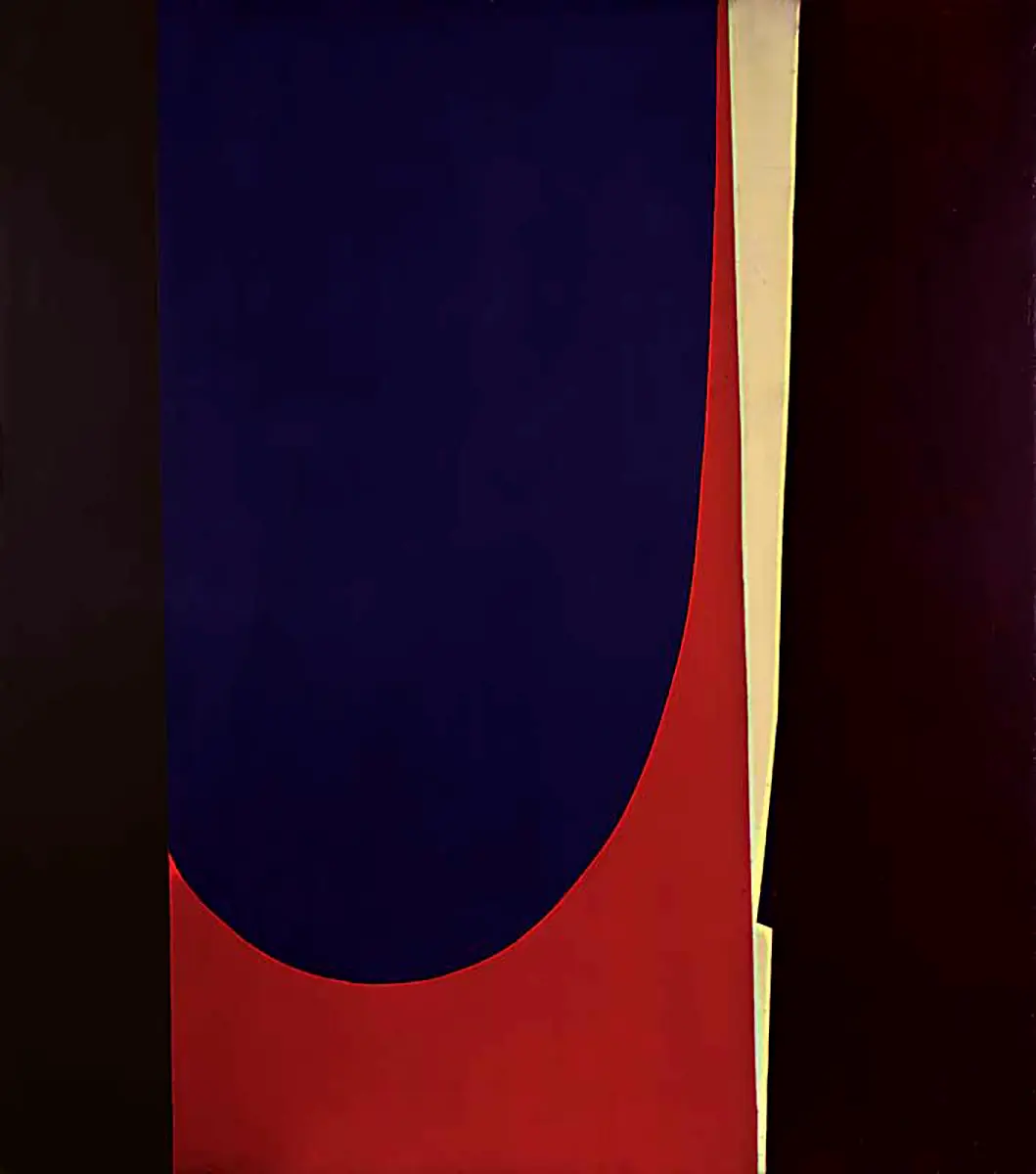
Works by artists like Narciso Debourg, Carlos Cruz-Diez, Omar Carreño, and Francisco Salazar emphasize the retinal, mathematical, and perceptual aspects of this type of art, while a number of small-scale works by Gego, Leufert, Pascual Navarro, Mercedes Pardo, and Elsa Gramcko establish a more lyrical space, displaying a more amiable, experiential kind of geometry.
The show's punctum is located by the way it shows the connections and relationships established by artists at the time—at conceptual and formal levels—which the curators suggest through their arrangement of the works: they establish a communicating thread between the abstract geometric tradition and conceptual art, where it is not capricious to place Eugenio Espinoza's Impenetrable from 1972 next to Soto's Penetrable, as well as Movimiento y vibración en el espacio, a film made by Cruz-Diez in 1959 about a sculpture by Gego, next to La cosa, 1972, a series of photographs and video made in collaboration by Perna and Espinoza.
Shows like Embracing Modernity: Venezuelan Geometric Abstraction demonstrate that in the long term, beyond any a posteriori revision of the conceptual and formal issues raised by its cubes, reticules, and serial repetitions, Venezuelan geometric abstraction fulfilled its original goals of transcending the borders of time and of locality in favor of generating a universal, enduring discourse. The Venezuela we see today from abroad is undoubtedly different, yet the perspective of time on the work of these artists verifies that the legacy of geometric abstraction is not the whim of a rich country and that the kinetic art and abstract art booms were not solely the by-product of a period of economic largesse: they are part of the great puzzle, still under construction, of more inclusive and more horizontal art history.
AMALIA CAPUTO