
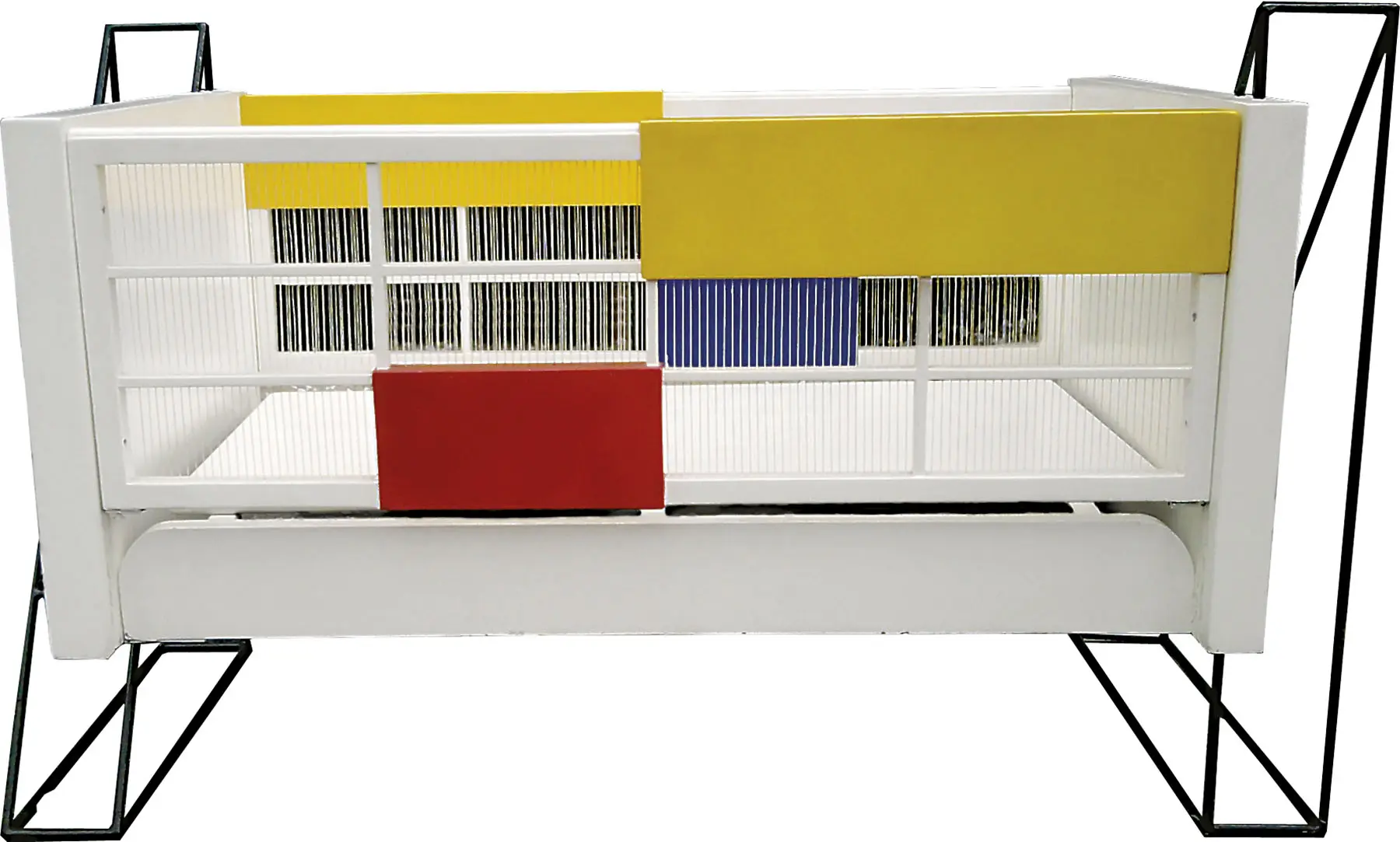
The international legacy of design is comprised of images of utilitarian harmony. The criteria of harmony and utility change according to specific cultures and epochs. The design developed and broadened into specialties, acquiring real dignity over time. From being easily dismissed as an ugly duckling, it has now moved to share the space of renowned painters, sculptors, and architects, and has devoted collectors, fairs, and museums. It is important to point out that in the last decade, designer furniture has become established and sustains its own, growing market values. Regarding the vast territory of furniture design in Mexico, four key periods can be identified that allow for a comprehensive analysis: indigenous roots, European influences, popular art, and international development. The production of the pre-Hispanic world is recorded by period, ethnic group, and geography, and is a topic seldom considered from a contemporary perspective. It contributes a sense of synthesis and also its opposite, an exultant decorative baroque. The second key aspect derived from the country's indigenous legacy is the primitive category, which endures and has been visualized as contemporarily sophisticated in the Twentieth and Twenty-first centuries. The sequence continues with the period of European influence. These are due to the "dominations"—Spanish, French, Italian, Portuguese, British, and Dutch—in the Americas, and to the European workshops established in the new territories, such as High Peru. It also includes the interweaving of African influences brought by enslaved populations. Then we reach the third period, where popular art retained elements of tribalism, handcraft, and symbologies, and contributed a wealth of options for creators. Popular art is a powerful trigger that emerges from the juncture of the pre-Hispanic with the colonial, and the various dominations mentioned before are usually referred to. The fourth period, the international development is seen in the Twentieth Century, arrived in Mexico in a number of different ways: the Art Nouveau, Art Deco, and Bauhaus movements as well as Modernist architecture, imported items, and—something that should be highlighted because it fits with the country's idiosyncrasy—the many designers who visited the country, working and teaching there.1
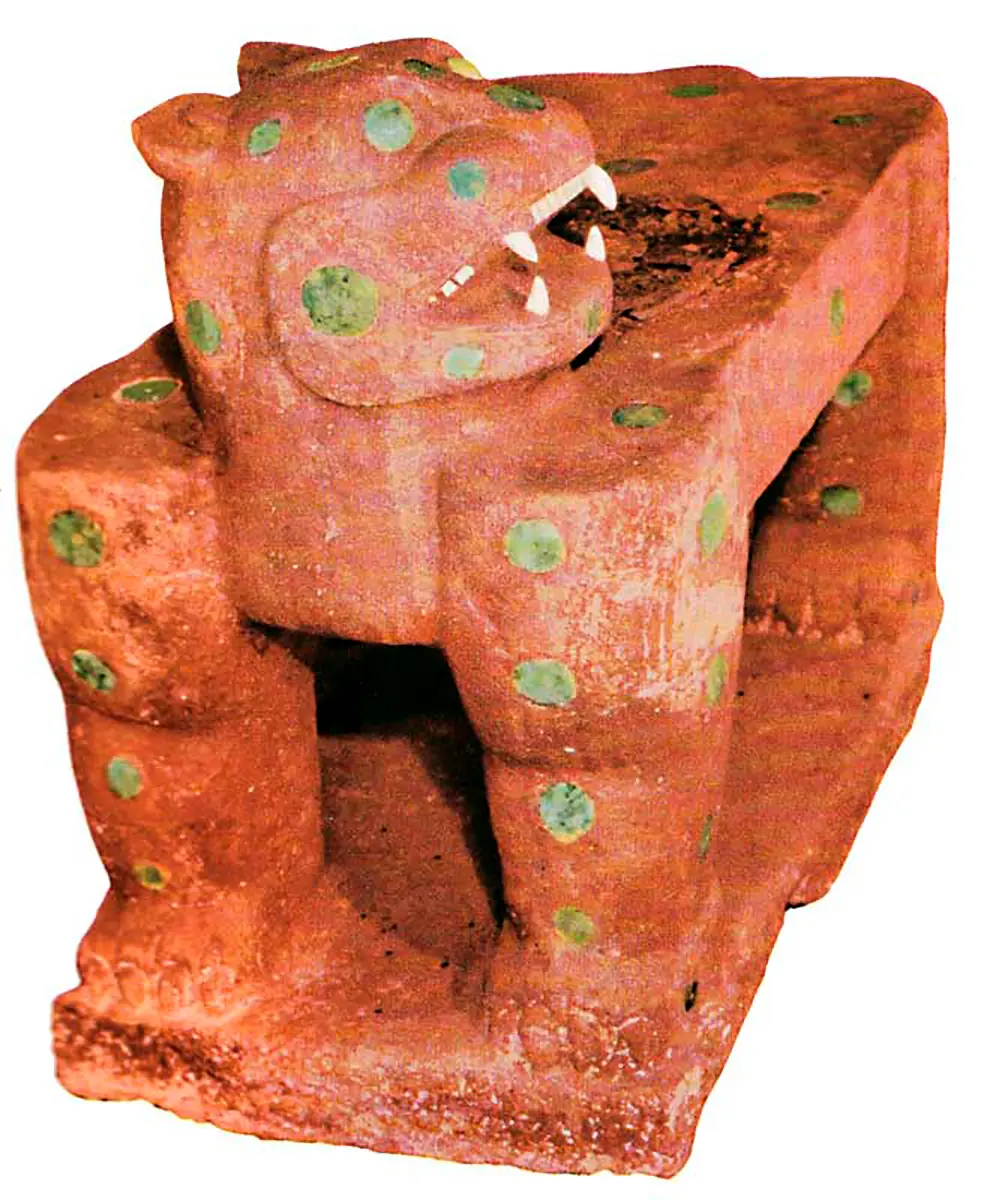
The link between furniture design and the pre-Hispanic world is constant in Mexico. The indigenous roots are always present, rather evident at times and subliminally in other furniture items, constructions, decorations, and in the visual arts. It is a permanent vector throughout Mexico's history. Although neo-Mexicanism is older, that Twenty-First Century label has been applied recently to the last third of the Twentieth Century. 2 It is constituted as a complex, mixed aesthetic. It is also, in good measure, one of the ways in which homosexuality has expressed itself most richly. Widespread and influential, this area of the arts in Mexico demands an entire essay of its own. It contributes enormously to furniture creation, to textile arts (author-based, semi-industrial, and industrial alike), to interior architecture, and to some elements of design; it reaches into the visual arts, fashion design, music, and film. As important as its contents and images are its authenticities, its seriousness, and its ironic bent. And, reaching into our own time, neo-Mexicanism contributes to the dilution of borders between disciplines and materials as categorical distinctions between the art of Postmodenity and of Transmodernity.
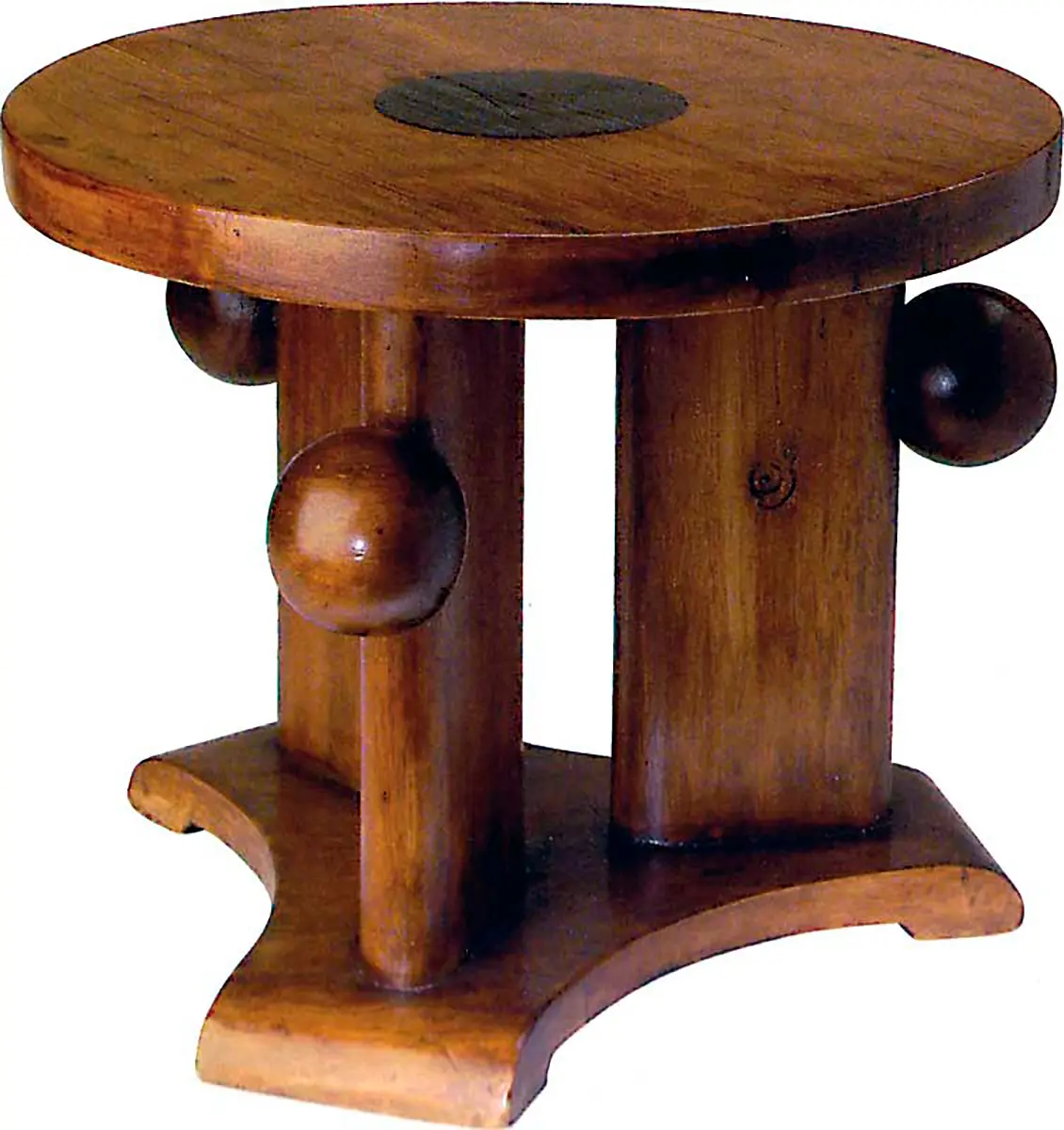
In the field of design, results are closely connected to the topic of wood, historically one of the key vectors of its development. Clay and stone play the same role but in a much lesser proportion. Mexico, Brazil, and Central America all possess such a diversity of woods—so-called exotic kinds, soft and hard, heavily veined or not—that the motivation and achievements of their designers are readily explained. Among the kinds most used, in the past and to this day, are ebony, ash wood, sabino wood, granadilla wood, mahogany, birch, mesquite, oak, walnut, pine, teakwood, various cedars, rosewood. We must note that during the 1980s, a good number of furniture makers have become aware of the need to preserve forests and of replanting trees. During colonial times, products arrived from Europe, and manufacturers were produced in some New World centers; meanwhile, Mexico—and other future Latin American nations—provided precious metals and some other local materials. At the same time, local artisans slowly emerged with products of noticeable quality and originality. 3 For the third period, popular art, it bears noting that Mexican industrialization did not take place rapidly in good part due to the presence of an abundant and well-qualified manual labor force that did not require industrial machinery. This period includes the time of Independence and runs through the Revolution. The growth and recognition of the need for design were covered at first by imports and by some local work—some original creations, some copies. The Art Nouveau movement generated great interest among those who traveled and saw the tendencies promoted by Francophile dictator Porfirio Díaz. The fusion of different arts in Art Nouveau created, for some, an idealizing "envelope" that negated social reality. Since Art Nouveau expressed itself through organic elements and included materials such as glass and ceramics, it coincided with the Baroque tendency that is so entrenched in Mexican idiosyncrasy. At that time, the pace of industrialization changed for glass, iron, and steel production. The hiatus of the armed conflict that started in 1910 slowed down these developments, but once the Revolution was established, a decade later, work in architecture came back in full force. These were only individual productions according to the needs of clients. The next movement, Art Deco, also offered possibilities for the integration of materials and expressed a commitment on the part of architects to design without forgetting pre-Columbian elements, something rather different from more conventional Art Deco features. Names emerged then that were to play key roles in Mexico's cultural history: architects Carlos Obregón Santacilia, Enrique Yañez, and Juan O'Gorman, among others. They built workers' housing and schools. Also around that time, there appeared DM Nacional, a company that made steel desks. Among the period's celebrated designs is architect Juan O'Gorman's chair in metal tubes and leather. A developing, growing nation, applying the premise of design to improve the condition of its people, consolidated the progressive functionalism of the bourgeoisie—which has been said to have aspired to the integration of pre-Hispanic and colonial models in order to show that the Revolution had been fruitful—regardless of how artificial the results.
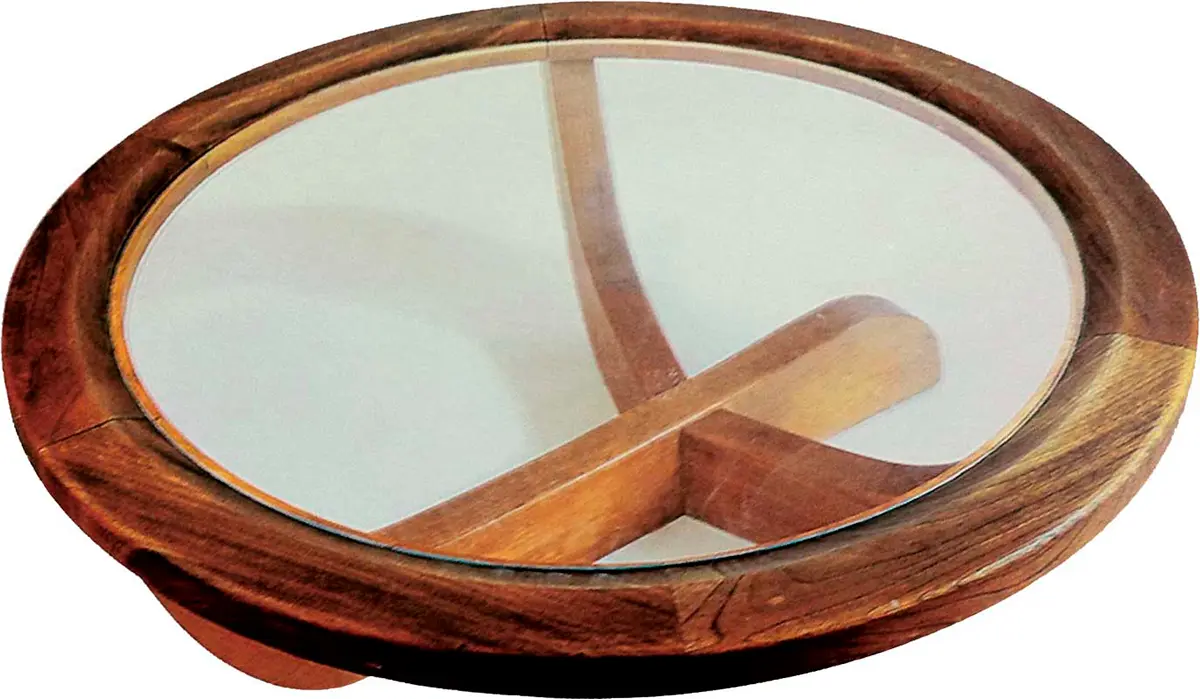
The legacy of furniture and accessory design has expanded and established a dialog of equals with the visual arts. The determinant factors are social and aesthetic, but also economic and generational. The first action connecting architecture and design as agents on equal footing was Art Nouveau; the next steps were taken by Art Deco and Bauhaus. The Palacio de Bellas Artes is the best example of the Francophile juncture with the recovery of Mexican traditions. The serial production of silver designs, and the great interest they generated, resulted in an increased need for selling establishment, and thus emerged large stores such as El Puerto de Liverpool and Sanborns, among others. After some previous visits, William Spratling settled in Mexico in 1929. Spratling is one of the key figures in silver design—jewels and table accessories—and in the design of small-format furniture. Due to the Great War raging in Europe, several Bauhaus teachers arrived in Mexico, be it for a short sojourn or to stay: among them, Hannes Meyer and Josef Albers (essential names both in design and in the visual arts), as well as their disciples Clara Porset Dumas, Michel Van Buren, and Claus Grabe. Clara Porset, Born in Cuba in 1895, studied internationally and arrived in Mexico in 1935, promptly developing a passion for popular local furniture. She has produced important works on the history of Latin American furniture making, with a special focus on Twentieth-Century Mexico. Porset ventured into building design and organized El arte en la vida diaria. Exposición de objetos de buen diseño hechos en Mexico, the first large exhibition "that recognized popular arts in the country; before that, nobody gave a peso for pre-Hispanic works or for popular art." 4 The exhibition was held in 1952, at the Palacio de Bellas Artes, and brought together handicrafts and industrial design.
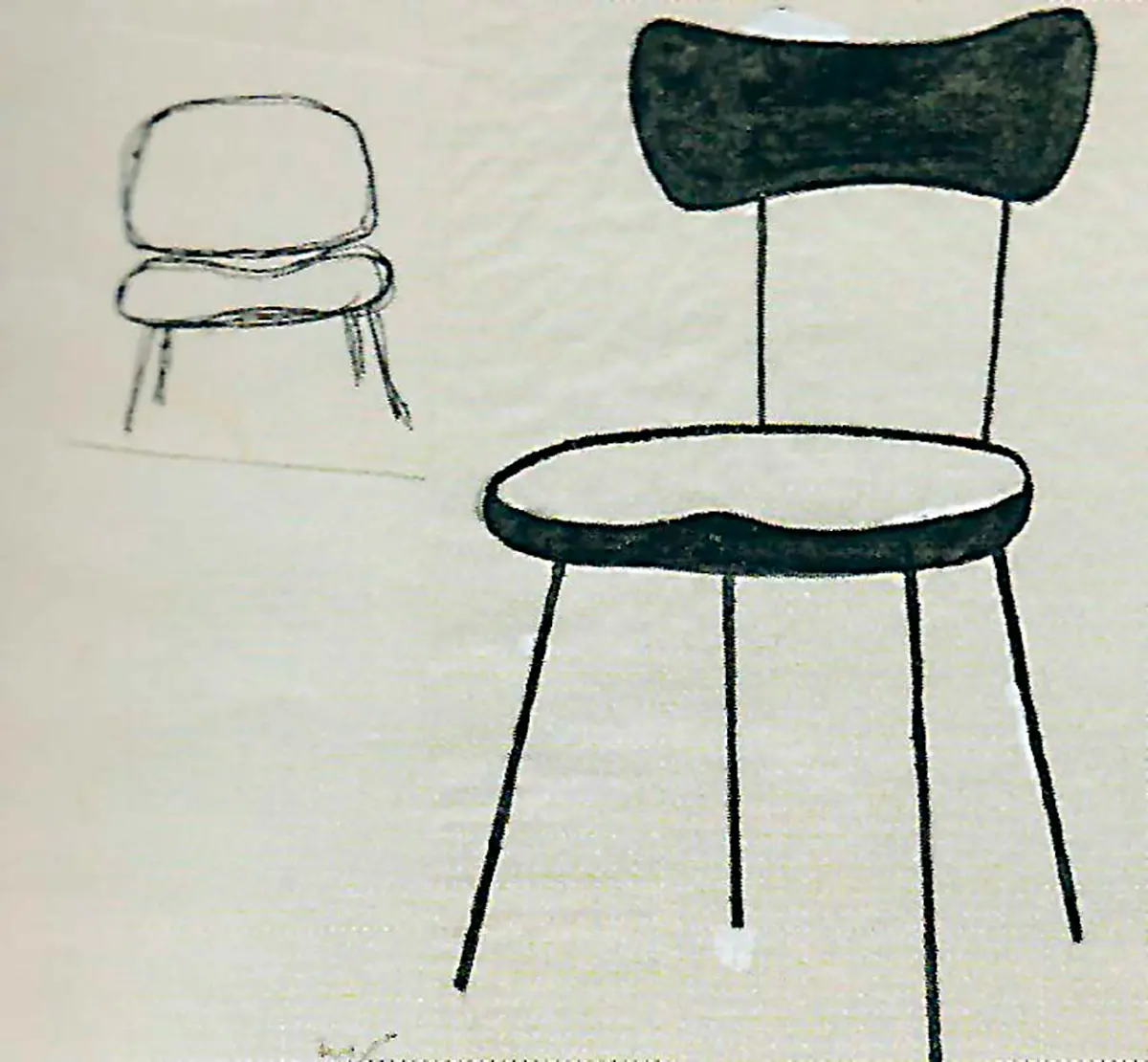
Along with her own designs, Clara Porset collaborated with her husband, painter Xavier Guerrero, in the design of some low-cost furniture items he created. This was a period when design responded not only to the demand for luxury and comfort but also to the ideals of a society with many unmet needs. Porset's work, filled with constellations, also concentrated around the mid-point of the century her push for professional efforts by women, her great interest in teaching, 5, and her support of the Bauhaus slogan: integration of the arts. Mexico's immense number of craftsmen, architects, and designers facilitated the achievement of such integration, as revealed between 1948 and 1958 in Espacios, the journal driven by Guillermo Rosell de la Lama and Lorenzo Carrasco. The intensity of Mexican design began to be known recognized abroad, with prizes won in Milan and New York. What has often been termed the Bauhaus influence is in great part a romantic memorial to an institution that was capable of making concrete the integration of the arts in its pedagogy. Hitler's ascendancy dried up its sources of nourishment, history changed, and the Bauhaus became mythical. "Every so many year there appear those who want to understand and revive it, but, as it was, it is finished." 6 This efflorescence also receives the influence of the International Modernist style, albeit without breaking the balance of Mexico's powerful indigenous roots and of its Colonial, popular, and nationalist periods.
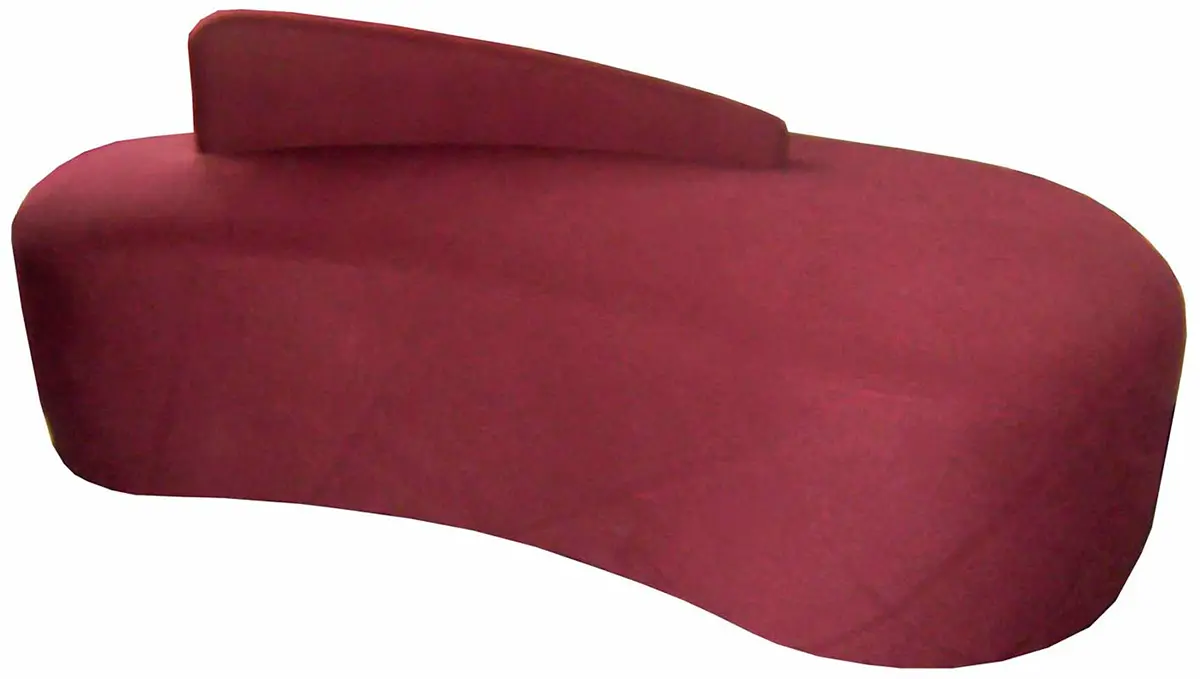
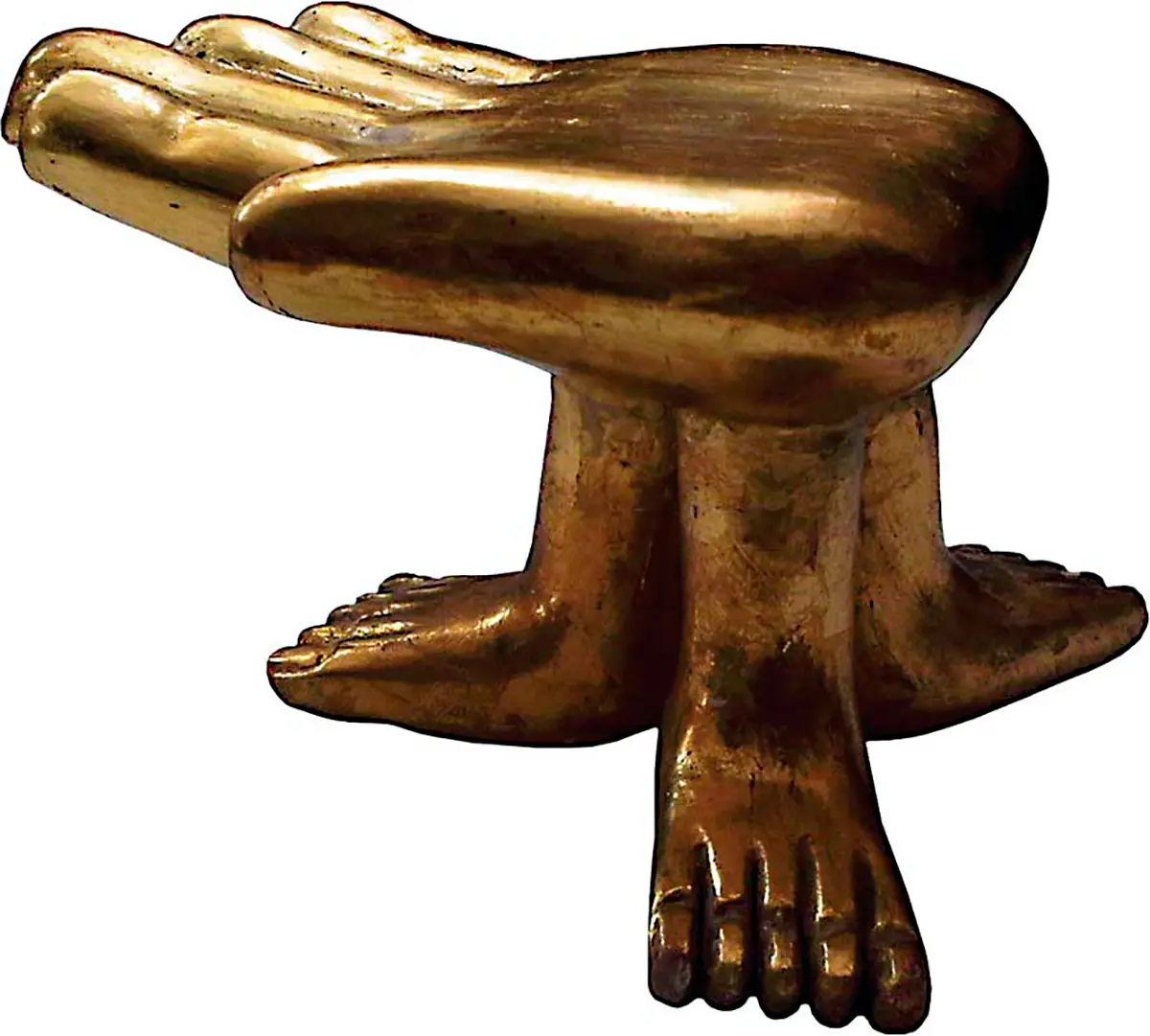
The 1950-1970 period found Mexico getting ready for significant production and for the explosion of professionals coming out of new courses of study. Brothers Mario and Arturo Pani concentrated in themselves part of the spectrum of furniture design in Mexico, created important architecture works, and edited the essential journal Arquitectura. In its pages, Mathias Goeritz played a key critical role, while the publication carried advertisements for Palacio de Hierro and other furniture stores that had emerged. Also, due to the war or hired through educational development plans, important Surrealist artists or independent creators arrived in Mexico from abroad, among them Goeritz himself, who played a fundamental role in the evolution of a New Mexico, distanced from the aesthetics and the politics of Muralism. Which did not mean a withering of pre-Columbian roots, only that they became less overt as sources of inspiration and as aesthetic elements. Goeritz introduces Calder, Moore, and other artists. Personally, he created very few design works, but his chair and his star—used as a mail organizer—among others, distinguish him in this field, as in many others. Goeritz was a one-of-a-kind artist and teacher. He contributed to the education of hundreds of architects and designers, among them, a standout on his own merits, Pedro Friedeberg. 7 The designer of the world-renowned Mano chair, as well as of many other chairs and tables, lamps, room dividers, stools, recliners, and many works of applied art, Friedeberg is one of the jewels of Mexican furniture design and a wide-ranging visual artist. When a work by either Goeritz or Friedeberg arrives at an auction house, well-informed participants are exultant (which they may hide so as to not push prices too high). We must mention also that Mathias Goeritz was an enthusiast of graphic design, and contributed to that genre for the 1968 Olympics.8 The law of good teaching was fulfilled in the case of Goeritz: his students did not come out as "little Goeritzes." Each found his or her own sphere, as we see with Diego Matthai, another of his disciples, a well-established architect, designer, and visual artist who work emphatically with metal.
In his many large-scale architectural enterprises, Luis Barragán also worked as part of a historically important triad of interior furniture design (the collective importance of this group has been increasingly lost due to alterations by "agents".) The group was formed by Barragán, Jesús "Chucho" Reyes, and Mathias Goeritz. They created a new style and defined an era in Mexican architecture and furniture-making, which transcended all borders while they remained together. Chucho Reyes contributed intense Mexican colors from the world of handcraft. The lattice windows, executions in silver and gold leaf, and the synthesis came from Goeritz.
Many names that deserve note for their works, such as Enrique de la Mora and Max Cetto, are part of this history of design in Mexico. In a country with such a variety of woods, Don Shoemaker found an important focus in Morelia. He arrived there mid-century and soon installed a factory now closed. His designs intercepted Art Nouveau with efficient Mexican details: all his chairs and furniture items are assembled, with incrustations, free of nails or glue. Architect Abraham Zabludovsky, whose professional work is widely renowned, created some important items especially dedicated to his family. A cradle, some chairs, and several tables. The value of these designs resides in the anticipatory character of their proposals and in his attention to the functionality of furniture that is simple to maintain and visually uncluttered. In an approach of this kind, one attends to the general structure of historical development, the components that impact the different periods, and the aspects that reveal local and international characteristics. It is not a linear essay but one with branches and meanderings, and it receives external influences on an active substratum of indigenous pulsations.
The Contemporary Primitive9 is one of the veneers where design and visual arts come together and expand in the country. As we will see, certain autochthonous forms and materials endure and contribute vigorous local styles even into the Twenty-First Century. Among them, the family of lounge chairs, recliners, hammocks, and small back-leaning chairs, as well as the fibers used in upholstery and for sewing. Although this essay has focused on furniture making, Mexico has contributed jewels, ceramics, glass, and metal works to the international scene, in greater measure than other Latin American countries.
NOTES
1. Factors like the creation of spaces for teaching, the variants of economic distribution, policies in favor—or not, to push forward national industry—of imports, and the expansion of purchasing power, must be taken into account when speaking about design and its development.
2. Teresa del Conde spoke of Mexicanismos in her article "Los Nuevos Mexicanismos," La Jornada, April 25 1987.
3. In every period, societies satisfy their basic needs. In this case, it was basic needs of survival and obedience to King and Church. Once the Conquistadors were better established, there emerged the construction of churches, chapels in private residences, and later, with greater stability and social development, civilian motivations and decorative themes, as well as the expansion of urban constructions. Master builders, draftsmen, and engineers were in great demand between the Sixteenth and Nineteenth Centuries. In New Spain, each of them engaged in turn in their own hobbies; some engineers were excellent portrait painters, others were jewel designers, and some master builders created private chapels and furniture for them.
4. In the words of Feliciano Bejar in a private conversation with the author, in Mexico City, in the early 1980s.
5. An important chapter started in the Nineteenth Century with the Escuela Industrial de Artes y Oficios and with workshops given in factories at the time. This custom remained as social support and is referred to by a number of artists, among them Guillermo Ceniceros, who benefited from them in the Twentieth Century before working at the Museo de Antropología and later with David Alfaro Siqueiros, another supporter of the integration of the arts. Horacio Durán and Felipe Pardinas created, in 1959, the first professional school of design at Universidad Iberoamericana in Mexico City. They hired Mathias Goeritz to give visual appreciation classes, the foundation for several generations of architects and designers in Mexico. It was also Durán who promoted the design program at UNAM, established ten years later with a teaching staff fully immersed in design and in the integration of the arts as formulated by Bauhaus, considering the Ulm school and also specialists from Chicago. That institution brought together Ernesto Velazco León, Clara Porset, Mario Lazo Villarreal, and Mathias Goeritz. Again, a crucible of designers and architects passed through the classrooms of these great educators.
6. Mathias Goeritz in conversation with the author, while working on the project he had initiated with Isamu Noguchi, which he wanted the author to relaunch.
7. In a conversation with the author, Goeritz revealed his admiration for his former student Pedro Friedeberg. "You know that Pedro was my student. We have nothing in common for me his art...it is not my piece of cake. And I am sure mine doesn't speak to him, either. But I admire him deeply, more than any other student; he never dries up, always inventing with elegance and a great sense of humor. Also, he is a great reader." Mexico, 1985.
8. Mathias Goeritz was Cultural Director for the 1968 Olympics, designated by architect Ramírez Vazquez. Among the varied program, he organized colloquia, created the Ruta de la Amistad, and paid special attention to typography and graphic design, which he entrusted to Lance Wyman. The results were exceptional.
9. Contemporary Primitive is the title of an investigation by the author, already applied to curatorships and publications, and registered since 1990.
GRACIELA KARTOFEL
Art historian, critic, and independent curator. Member of AICA, CAA, CRSA, and PEN.