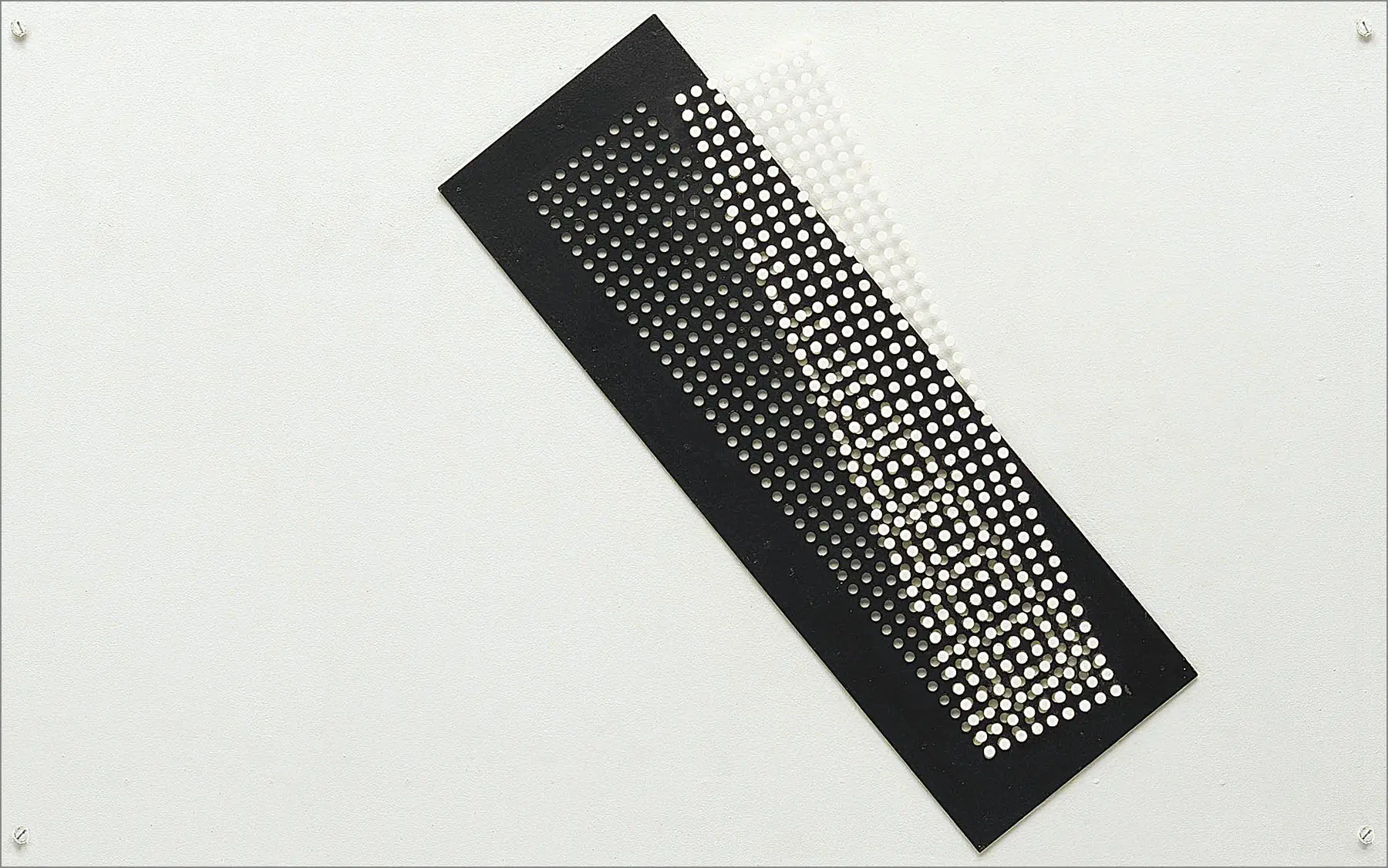
This is not the first art exhibition attempting to show, at an international scale, the importance of the abstract version of modern art in Latin America. Neither is it the first to give pride of place to works from the Cisneros Collection, one of the most significant in the world in this regard. In fact, ArtNexus has published reviews of several shows on the same topic. Nevertheless, this exhibition is not without relevance. In the first place, because it reminds the Spanish public—which, like almost all public, tends to be forgetful—that there is a large modern tradition in Latin America—a “tradition of the new,” to use critic Harold Rosenberg’s classic formulation—and that, in consequence, the irruption of Latin American artists into the global art stage in the past two decades has notable precedents. It is not sudden lightning on a clear sky or a creation ex nihilo, from a void or of avoiding, even if the artistic creation was programmatically defended by the theorists of modernity was precise of that nature. Or the theorists of Modernism, to employ the American usage and that of those who follow their lead among us.
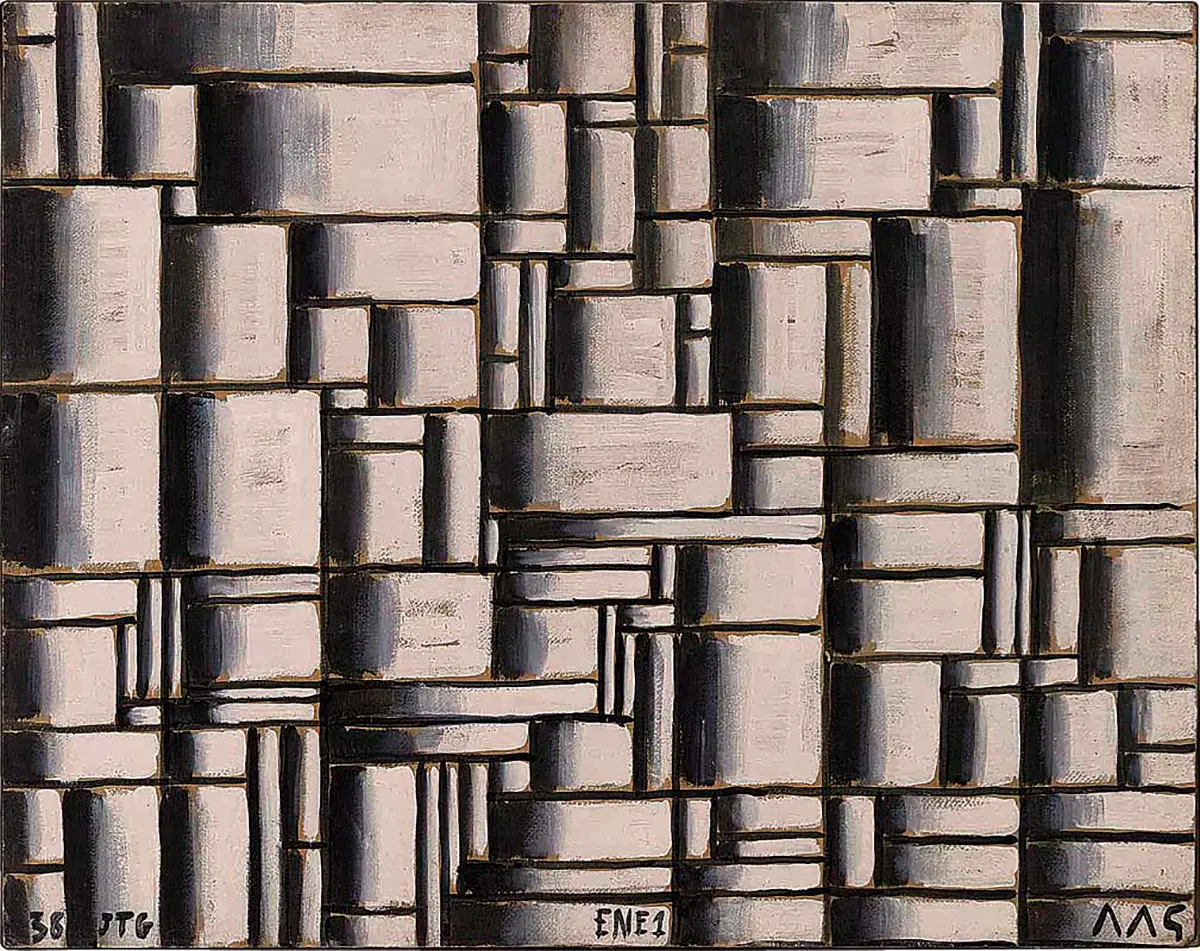
The second aspect to be noted is that this important collective exhibition implies a shift in the current canon of Latin American geometric abstraction, incorporating as it does a Cuban contingent and leaving aside Colombian artists. A truly unexpected move, which has nonetheless the advantage of allowing us to encounter artists and works that were unknown to those who, like is my case, could have boasted of sufficient prior knowledge of geometric abstract art developed in Argentina, Brazil, Venezuela, and Colombia. For me, it was to be sure a pleasant surprise to discover here paintings and constructions by artists like Sandu Darie, Mario Carreño, Rafael Soriano, Loló Soldevilla, José Mijares, Luis Martínez Pedro, Salvador Corratgé, or Carmen Herrera. Their works, of great quality on average, belong in many cases to the collection of the Museo de Bellas Artes in Havana and demonstrate to what degree the pre-revolutionary scene in the island was open to the influence of abstraction and constructivism. Both to the influence coming from Europe, represented in this case by Wassily Kandinsky, Paul Klee, or Piet Mondrian, and to the precociously influential contribution of Jesús Soto or Cruz Díez.
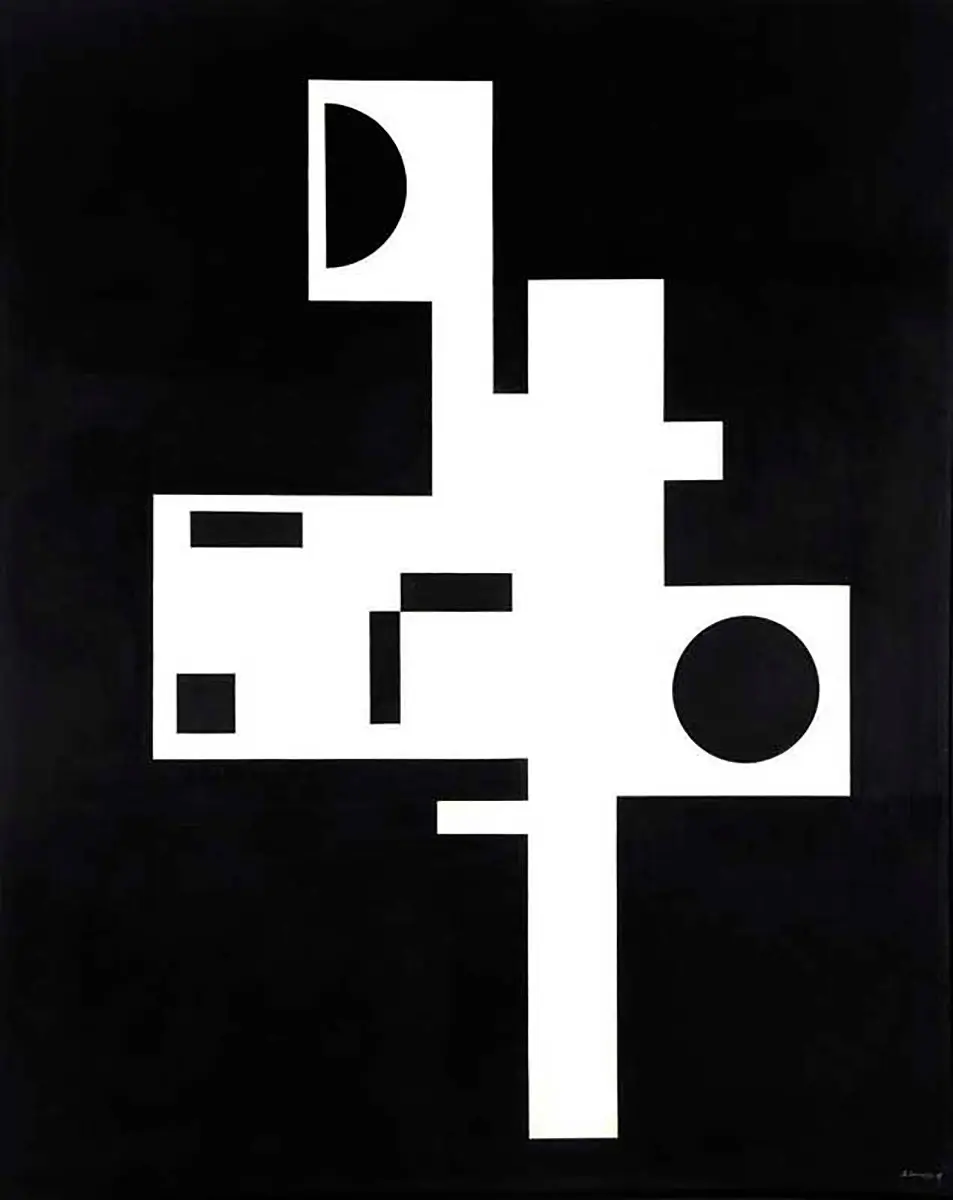
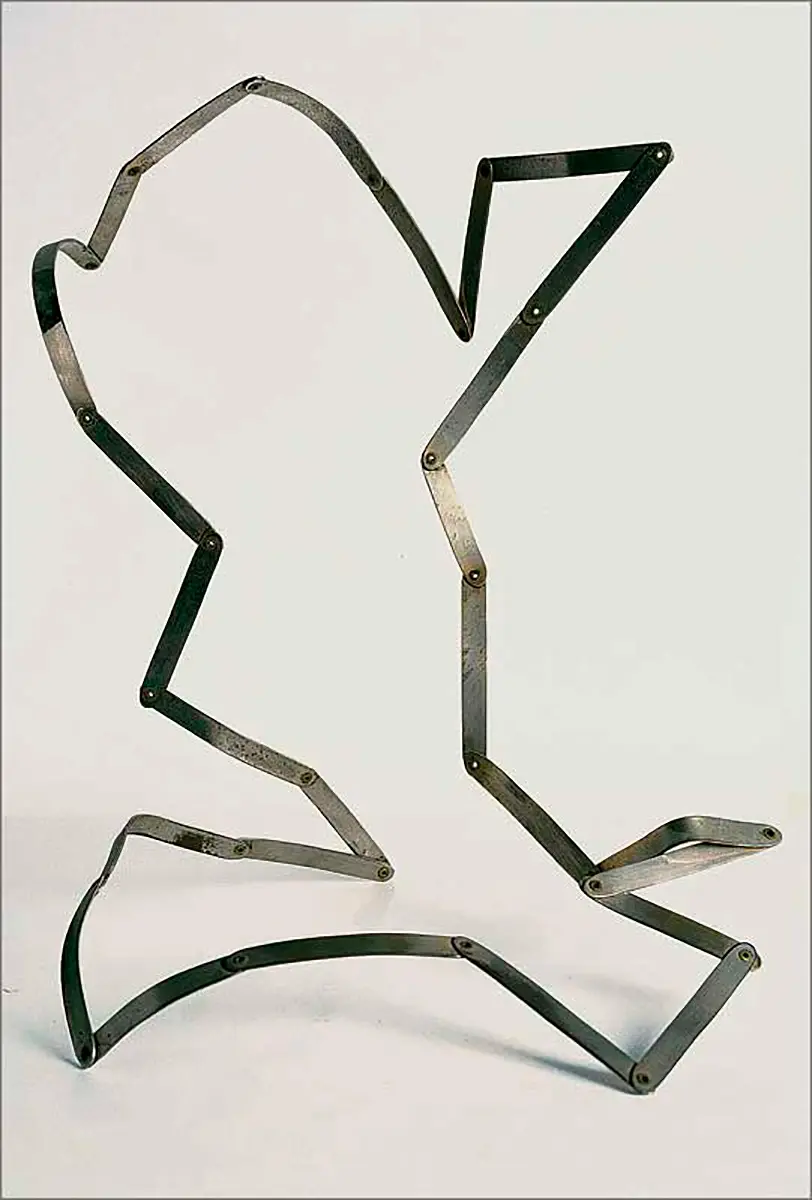
Contributing to this picture of Cuba’s Modernist cosmopolitanism is the inclusion in the show of issues from magazines, exhibition catalogs, and pamphlets published in Havana, such as Noticias del arte, Conversación con nuestros pintores abstractos, or Pinturas de hoy. Vanguardia de la escuela de París. And the display of the plans and photographs for the model of the Baccardi Rum headquarters, designed by Mies Van Der Rohe, the paradigmatic figure—alongside Walter Gropius—for Latin American architecture in the 1950s and 1960s.
True, the decision to include in this exhibition these Cuban artists was the responsibility of Ósbel Suárez, its curator, a noted historian, and critic of Cuban art. And also due to him is the decision to balance the exclusion of many Colombian artists with the presence of the country’s Leo Matiz. A greatly justified inclusion, since Matiz was an evidently modern photographer not only in his aesthetic options—forcefully modern—but in the theme of some of the images on exhibit here, showing the architecture of the Museo Jesús Soto, the construction of which was the motivation for the Venezuelan artist’s return from Paris to his native Ciudad Bolívar, where the museum is located. Except that the presence of Leo Matiz does not suffice to justify the absence of such artists as Edgar Negret, Eduardo Ramírez Villamizar, Guillermo Wiedeman, or Carlos Rojas, whose contributions to Latin American abstract art are essential and inescapable and cannot be ignored by any minimally comprehensive survey of the topic.
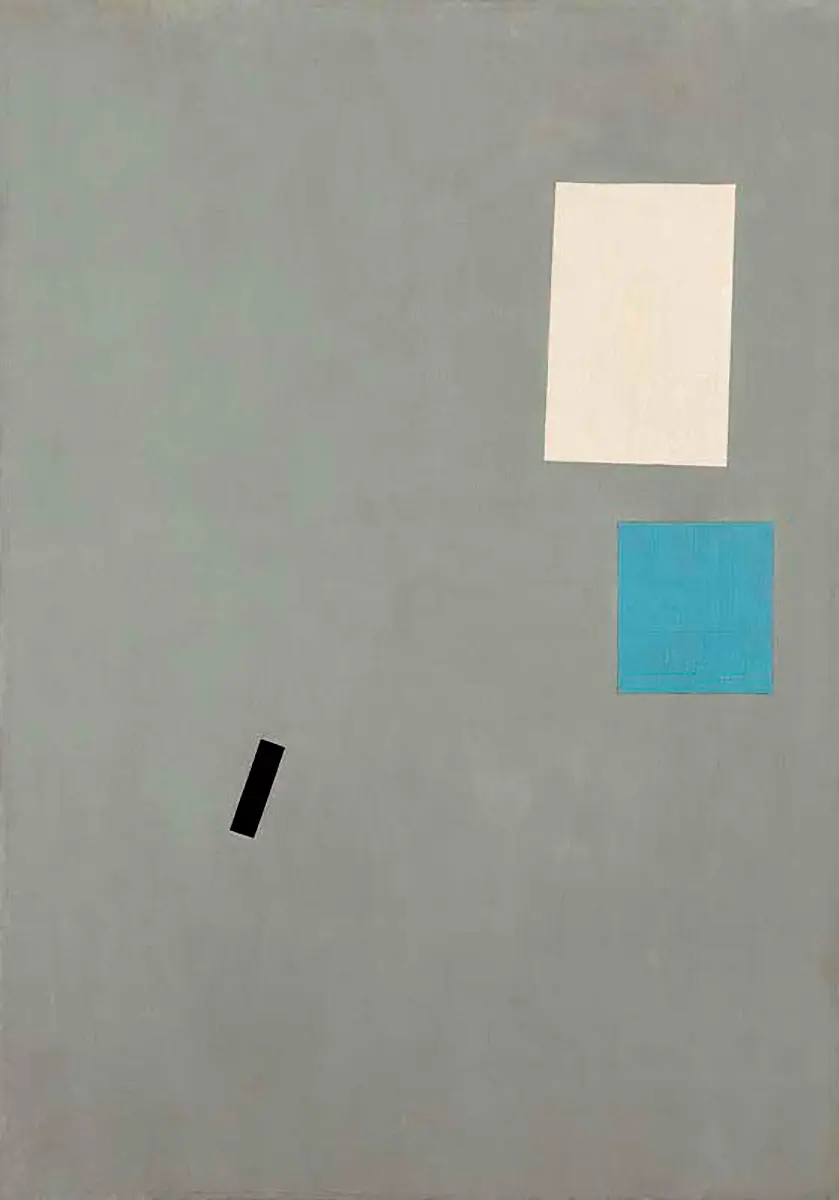
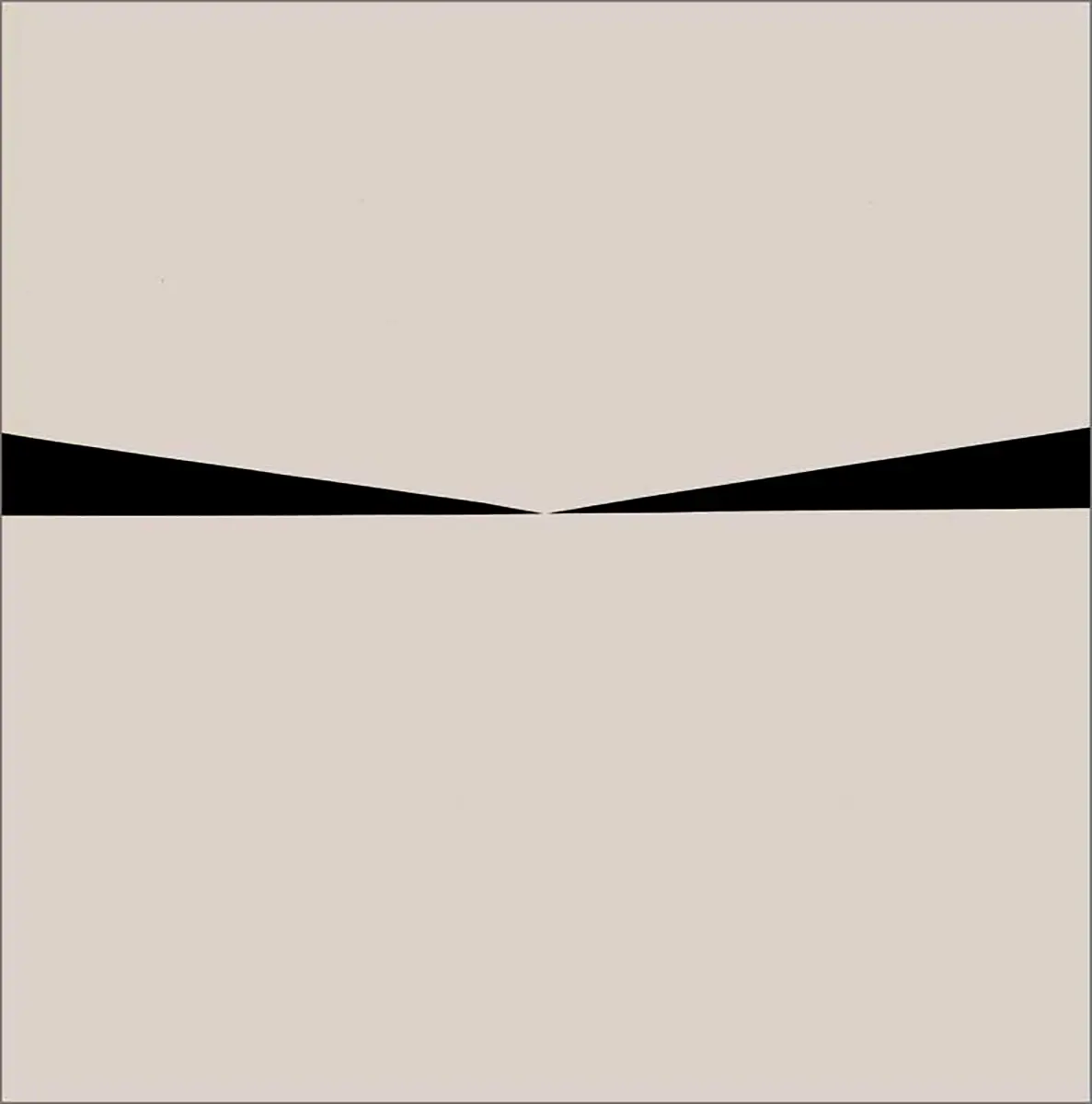
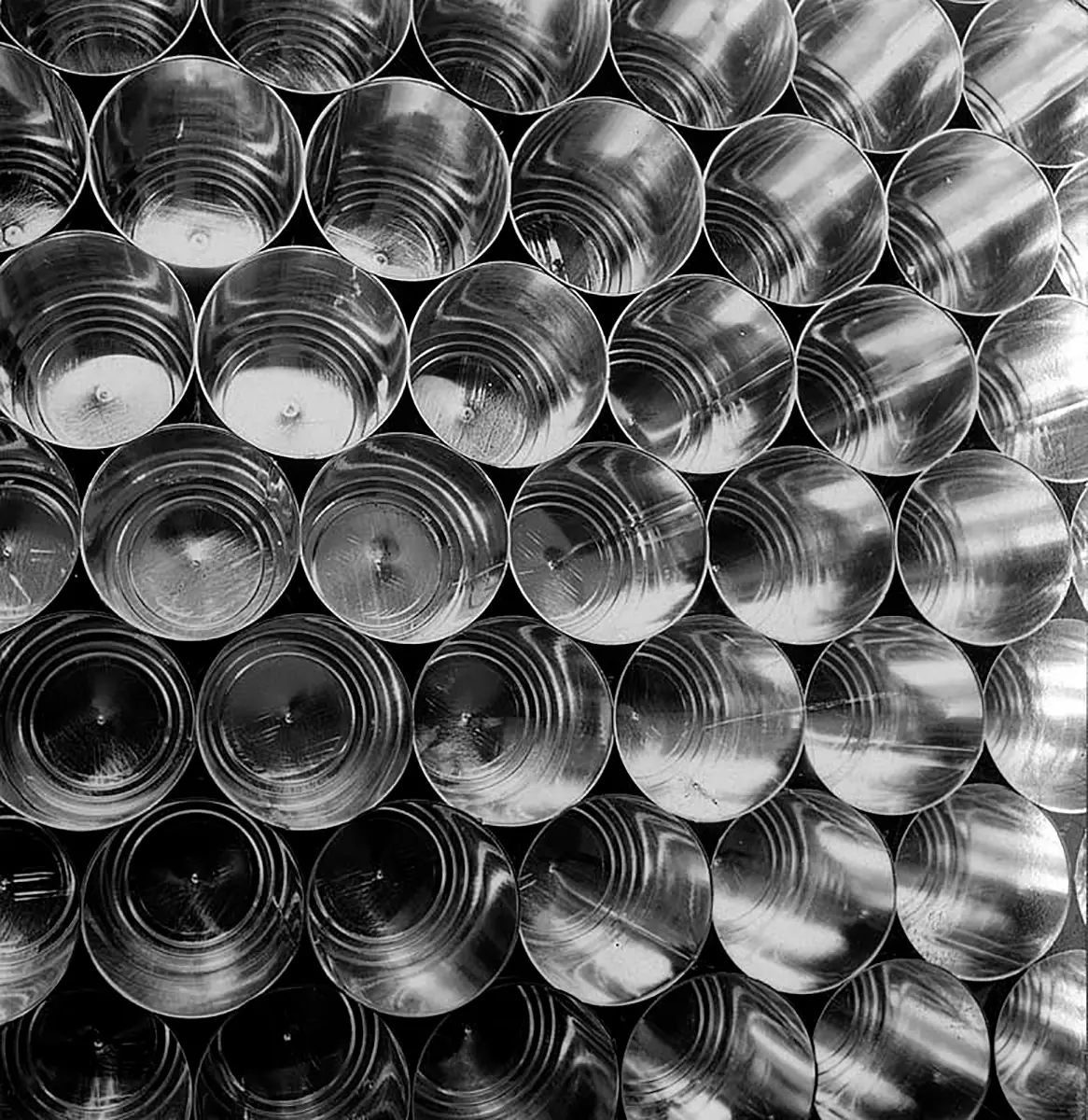
Finally, this exhibition is also significant in its content, which, besides including masterworks by artists like Torres García, Tomás Maldonado, Luis Tomasello, Alfredo Volpi, Lygia Clark, Hélio Oiticica, Jesús Soto, and Cruz-Díez, also presents numerous works by less well-known figures, of quality often comparable to their more renowned counterparts. Among the lesser-known artists is a large contingent from the Madi group—helmed by Gyula Kosice—the prestige of which continued to grow among historians of Latin American art, as well as photographers like Geraldo de Barros and Haruo Ohara, and painters like Willys de Castro and Omar Carreño.
CARLOS JIMÉNEZ
Art critic and independent curator.