Art is characterized by its production of unique, original, non-numbered, non-utilitarian works. Design, although it can certainly produce unique prototypes, often used them to prepare the serial production of functional objects, be it furniture, automobiles, airplanes, streetlights, multi-family housing units, industrial or family foods, medical instruments, and more. What is the place of handicrafts in contemporary art and design? Handcrafts bring the vocabulary of indigenous cultures to the level of communities, preserving rituals even as the sacred domain withers down over time. And they carry forward the transmission of the primitive even in the electronic era, giving shape to what we will call here the contemporary primitive. 1 Folk art keeps ancient cultures alive. If pre-Columbian art and handcrafts were manually created, how can they be compared with design, which produces in series and uses specialized tools? There are in that regard some little-known precedents. In Teotihuacán, artifacts have been found that reveal the use of clay molds to accelerate production. Also, both pre-Columbian art and folk art give great importance to colors, materials, and textures.
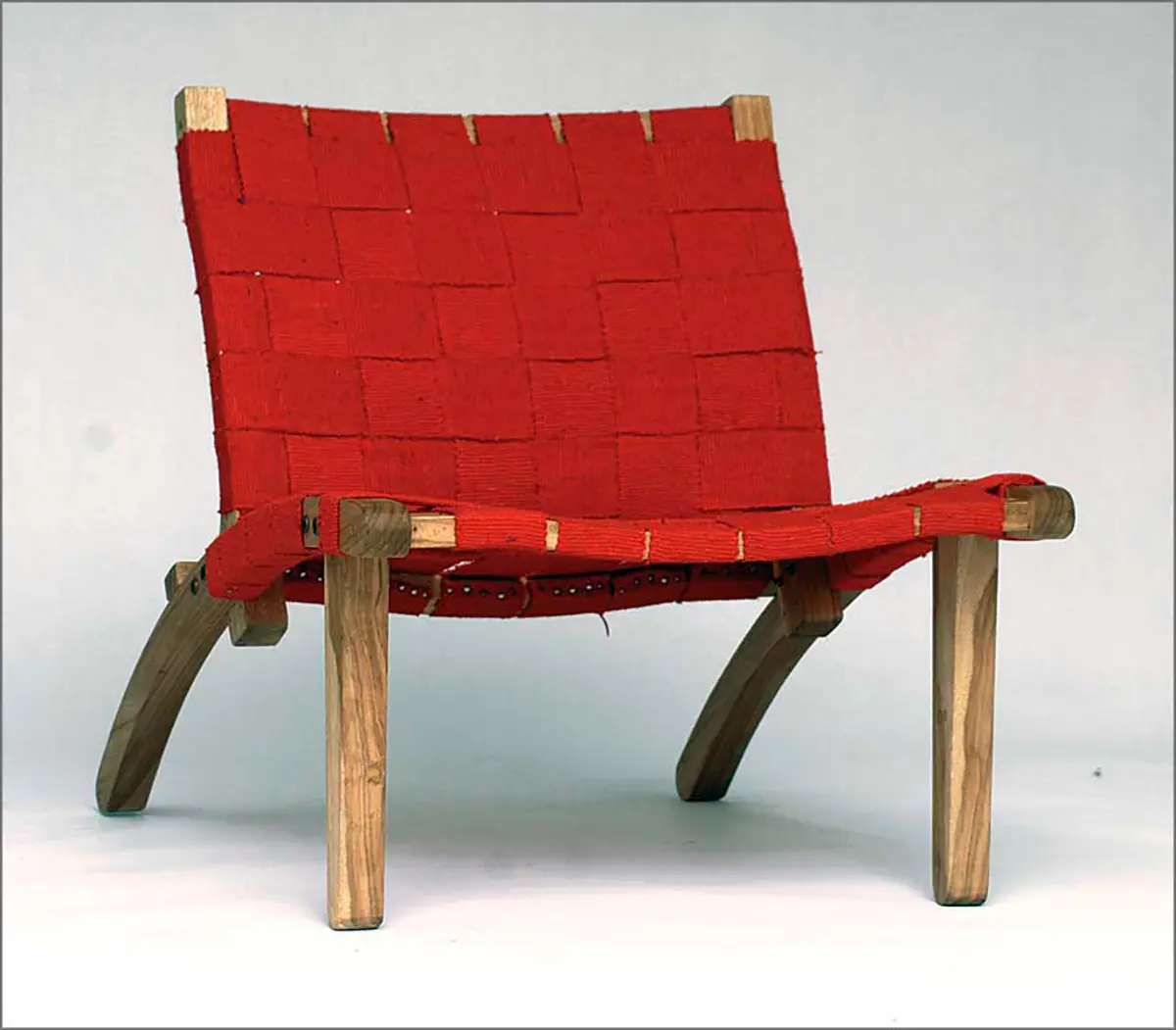
Another aspect to be emphasized is the private or commissioned character of design work, contrasted with the current situation where it circulates in stores, publications, fairs, and electronic media. In the first context, in the mid-Twentieth Century, the internationally-renowned architect Abraham Zabludovsky created, privately and without executing it, some important furniture items. A crib, some chairs, and several tables. The significance of these designs resides in their forward-looking character and their interest to respond to the functionality of furniture, simple to maintain and visually uncluttered. Po Shun Leong arrived in Mexico in 1964, there to design and produce his highly personal furniture for fifteen years. Now living in California, Leong has found success as a sculptor but is unable to develop furniture. Before the establishment of college programs in design, the pleasure of creating furniture and accessories attracted many architects and visual artists. They understood the need for more ergonomic designs, as well as for formal and economic considerations. In a short time, the design has specialized widely. Almost all architects after the Modern movement have created furniture and interior designs in a rigorous way. Next, after freeing themselves from the rigors of Modernism, an explosion of creations where the organic embraces the constructive and the artisanal embraces the ergonomic began to be produced. Jaime Chávez, a friend of all the post-revolutionary intellectuals and of the Doña—actress María Félix, with whom he shared a passion for textiles—opened in 1959 the first of his three highly successful stores, selling not handcrafts in the general sense but special objects in the tin, glass, and gold- and Silverleaf, for instance, small shelf-top obelisks. He also started a factory devoted to rattan furniture and creates a “peacock” chair—based on a Bali original—that had great success in Mexico.
María Aurora Campos Newman started the chapter of local graduates who developed original desks and office furniture, an important line for an interesting designer of whom very few pieces can be found today. Campos Newman founded Grupo Di and held a Knoll distributorship. In terms of brands and stores, be it national or international, PM Steele, Dupuis, and Domus, among others, contributed to the widening activity around furniture design. Bernardo Gómez Pimienta, a renowned architect and furniture designer, also engaged in the creation of items for museums. Proposals were similarly developed in other states. From the 1970s to the early Twenty-First century, Guadalajara’s Magenta, a graphic design office that promoted important Meetings around Design in Mexico and published a magazine with the same title (Encuentros en torno al Diseño en México) for many years, deserves note. Other publishers revisited the topic in De Muebles, an effective, now discontinued magazine. The Magenta office was formed by Felipe Covarrubias, Mauro Kunst, and Myto Covarrubias. Teodoro González de León, Fernando González Gortazar, and this writer were invited to participate in the Meetings mentioned above.
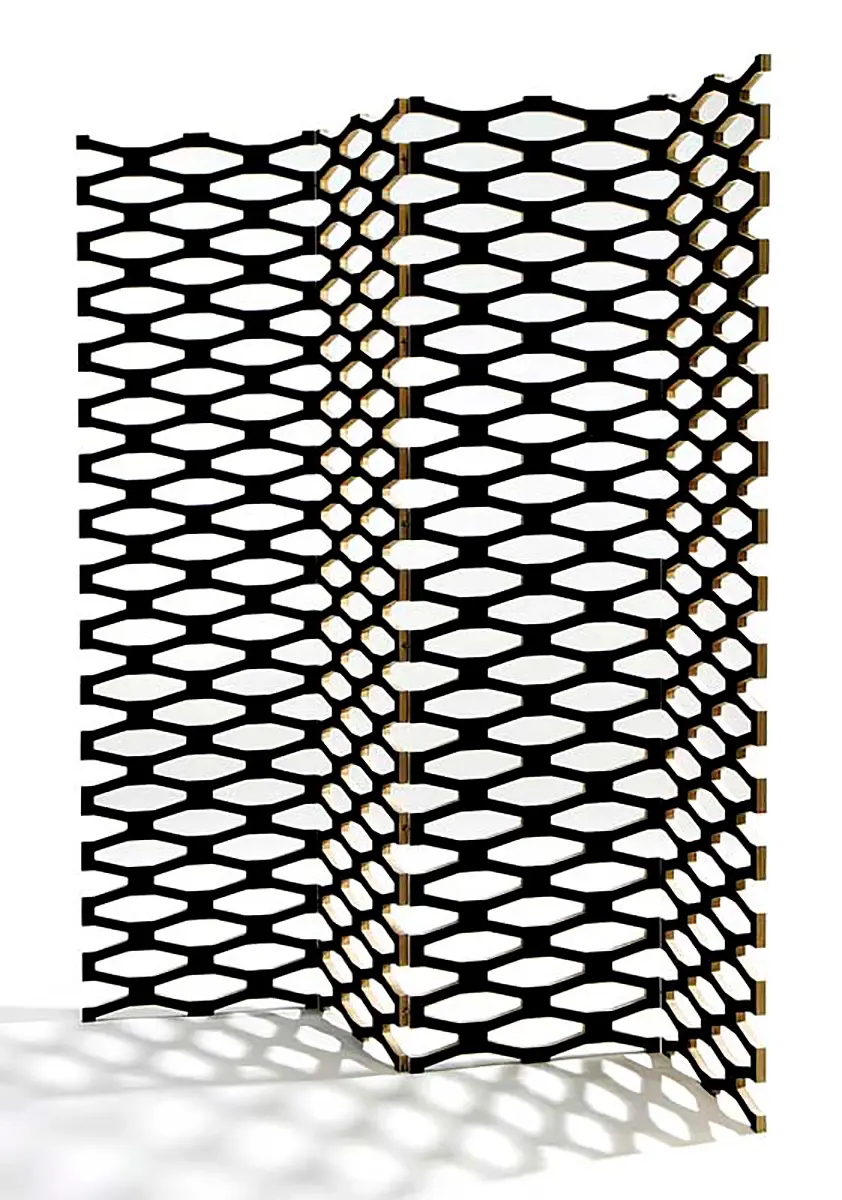
The vernacular element in Mexican design has demonstrated its excellence and natural reach. What is known as “vernacular-design furniture” is found across the social pyramid. If we see the latter as divided into three sectors, starting at the base, vernacular furniture is present among the indigenous groups that inherited, and among the great impoverished masses in such an overpopulated country. We note that some indigenous groups produce and sell such furniture. At the second level, vernacular furniture is found in cities thanks to its comfort and its accessible pricing. At the third level, we find that vernacular design has been revisited by designers, who reformulate it in new materials, proportions, and degrees of sophistication, and integrate it into households with greater purchasing power. This is a two-faced coin. It is true that this constitutes a detail of sophistication, and in the past five or six decades has also responded to a revalorization of pre-Hispanic and folk elements that took place in Mexico not with the early-Twentieth Century emphasis in political nationalism, but as the consolidation of aesthetic identity. This can be corroborated by the significant appreciation items and the important collections that have evolved. Concerning vernacular architecture, it was ascribed little value, and only a few people paid attention to it. Architect Oscar Hagerman is one of those few, and his work has had optimal results in the support of communities and the adaptation to each region’s materials. Motivated by this architecture and by Hagerman’s work, the late photographer Mariana Yampolsky recorded wide swaths of vernacular architecture and design in Mexico. Hagerman also preserves and develops the simplified vocabulary of the vernacular in the design of furniture for the support of the small indigenous communities that produce it. Meanwhile, his brother, architect Eduardo Hagerman, contributed to the history of design a store selling contemporary national and international furniture and a gallery, thus supporting the connection between design and the visual arts. Both the store and the gallery were active during the 1980s and 1990s. Architect Juan Wormer Baz designed furniture that connects the primitive and the modern for many hotels and private residences.
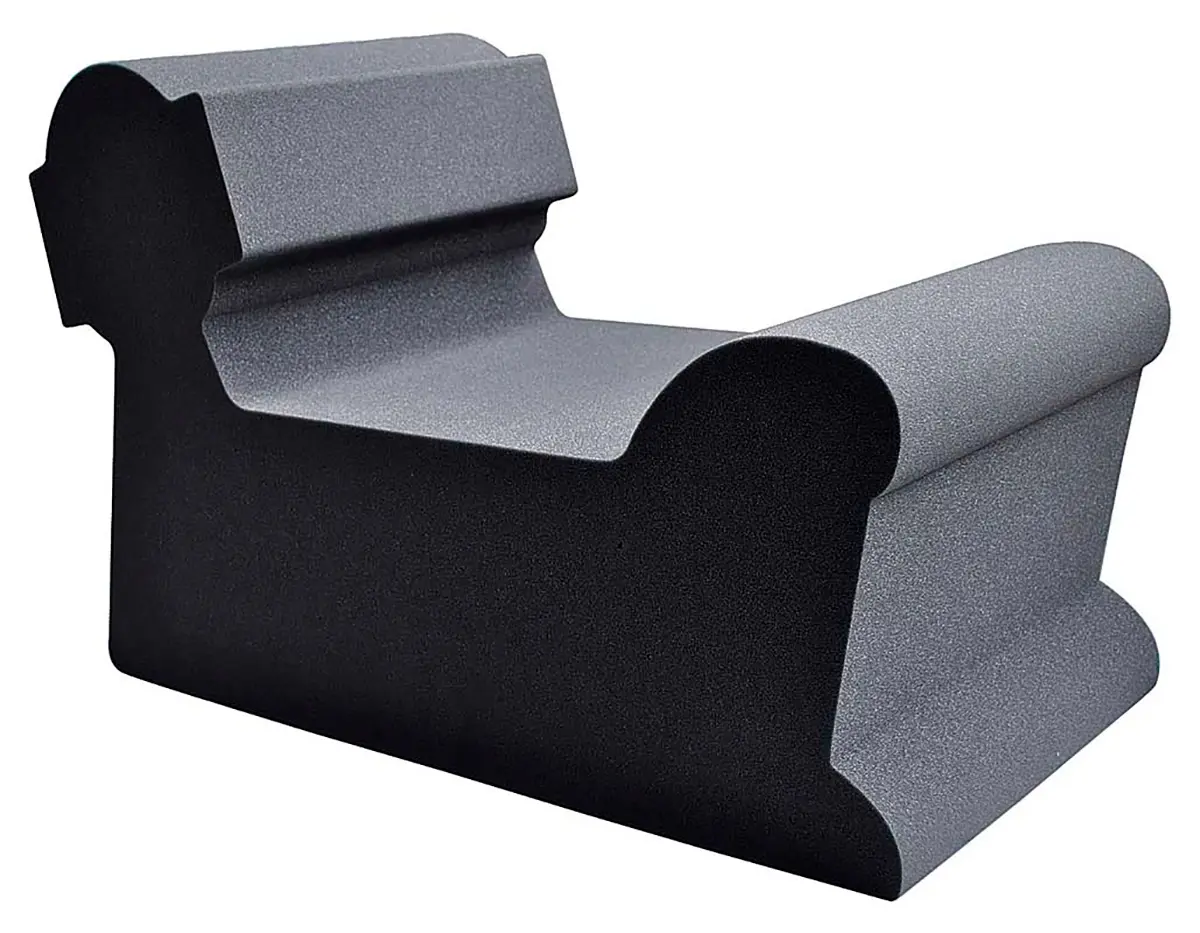
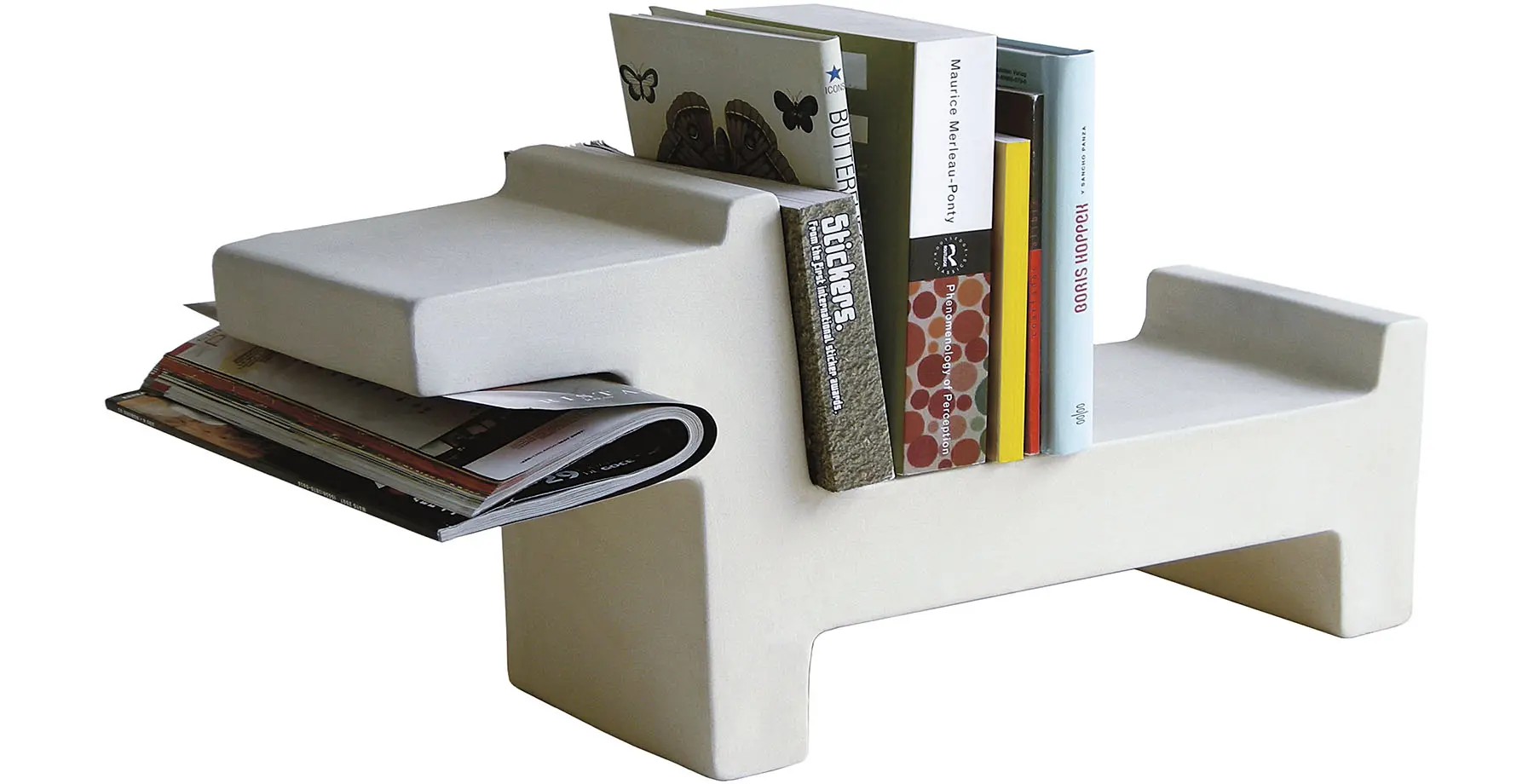
The Galería Mexicana de Diseño founded by Carmen Cordera is a rallying point for these creators. On the occasion of its 20th anniversary working with local designers—without neglect of the international scene—the GMD has published a book catalog summarizing the exhibitions it has presented. At the GMD, Carmen Cordera has welcomed not only furniture but also jewelry, accessories, and all kinds of design, in sustained activity. A river of names of the most established designer and the younger generations, including, in no particular order, Claudio Gantous, Paula Bella, ad Cecilia León de la Barra. Also, Ezequiel Farca, who develops a varied furniture line incorporating elements from the tradition and contemporary synthetic elements. Similarly, Enrique García and Jesús Irizar, Anne Marie Midy and Jorge Almada—the last two create their contemporary designs in interaction with the outstanding local handicraft tradition. Similarly, Pilar Climent, who created furniture-accessories executed by local goldsmiths. This combination is a central topic in Mexico, as we have pointed out since the beginning of this essay. Many more authors must be noted, among them Héctor Esrawe, who works on openwork and netting through new proposals with folk-art textile references. It is important to emphasize that sustainable design has begun to be developed in Mexico, a topic of such importance and breadth that a future essay is justified. Especially significant in that line is the Pirwi studio, headed by Emiliano Godoy. They work at the national level, participating in the international scene with deconstructive designs that are free of formalist rigor and adaptable to all environments and occasions. In Michoacán, architect Edmundo Rodríguez designed furniture accessories.2 Among the younger generations, there is a surprising universe in expansion. In that sense, Mauricio and Sebastián Lara, with their office named EOSMéxico, have developed notable works that encompass a variety of seating items in combined materials and surprising shapes, incorporating the index of time—depending on how long one will sit, the body support varies. Thus, Pause, as the name indicates, is for a brief rest, as opposed to Midday and, of course, Chack. Table curtain and polyp glass cabinet are furniture pieces that contribute with dynamic elegance to the remembrance of Mexican society.
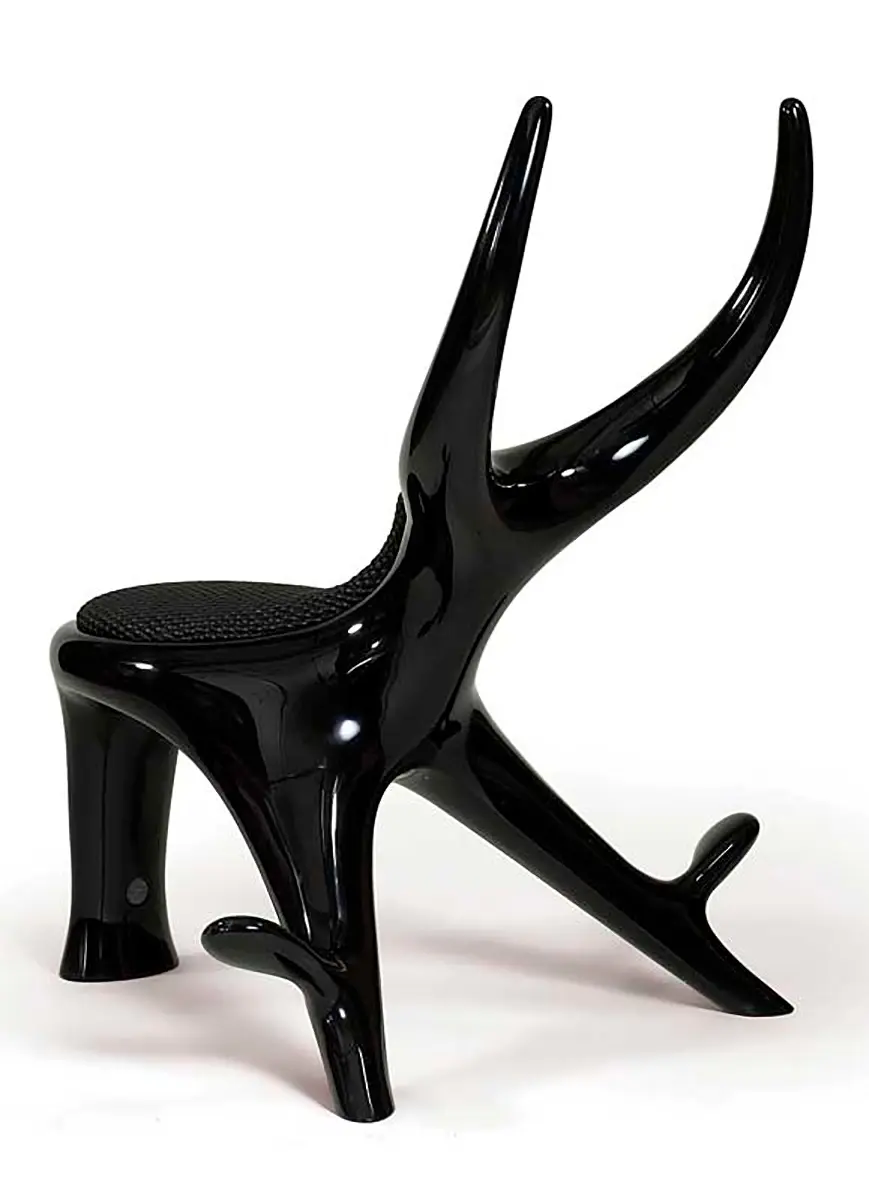
Another chapter that cannot be ignored is that of visual artists who have created furniture, whether sustained or occasionally. The range is wide. A key self-taught artist is Feliciano Béjar. From the universe of his magiscopic characters, he didn’t focus on the creation of furniture but created a few notable items, and he was a promoter of folk art. Naomi Siegmann has created utilitarian sculptures such as screens, doors, bookshelves, tables, consoles, and dressers. Robert Brady, whose museum-home is an obligatory visit in Cuernavaca, studied at the Chicago Art Institute and devoted himself to the design of posters, pillows, and built-in furniture. In the 1980s, Oaxaca native Juan Alcázar created a series of painted benches, motivating a group of artists from the region to present an exhibition of their furniture.
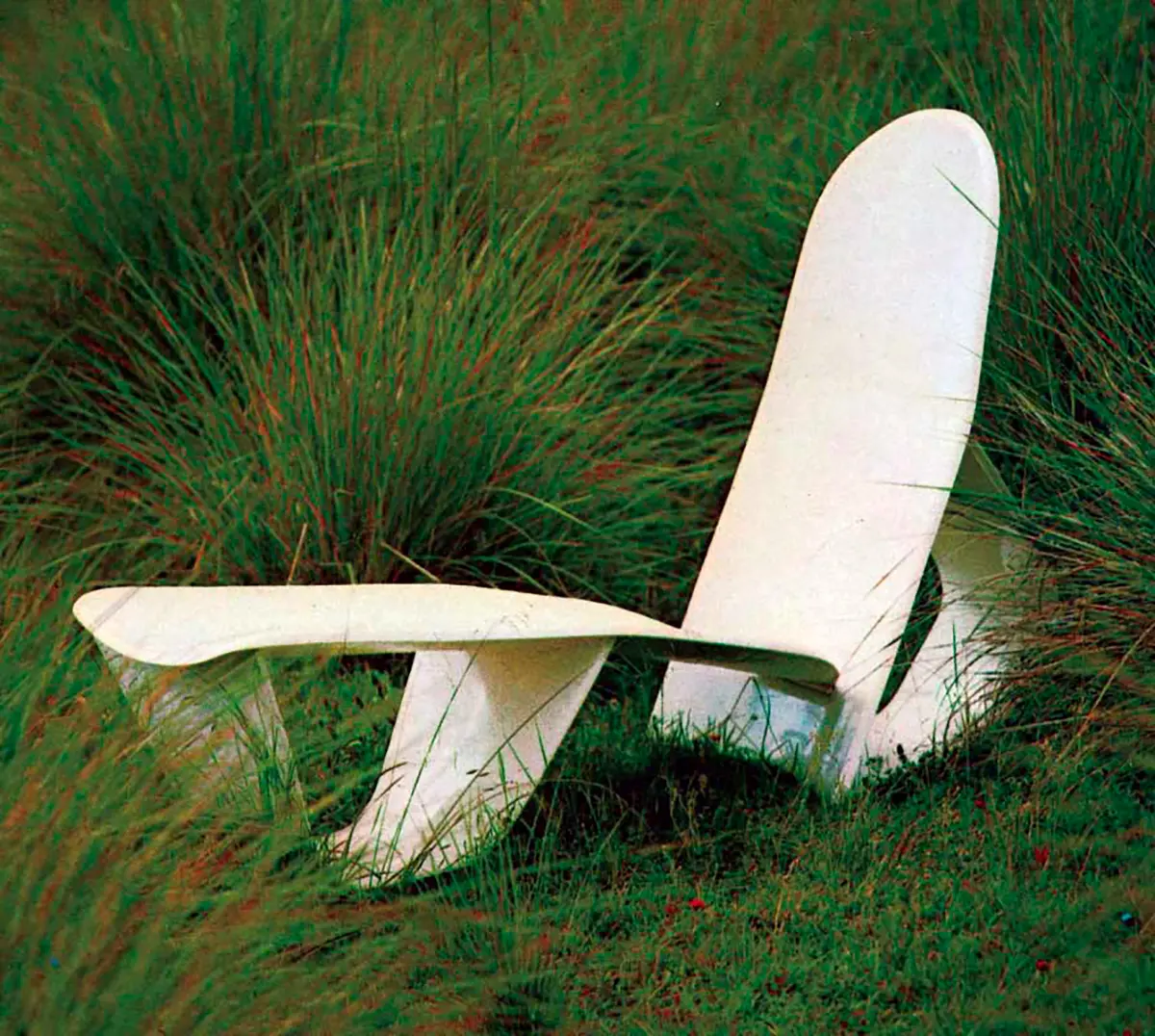
Manuel Velázquez, the Chiapas-born artist residing in Xalapa, Veracruz, has created chairs, loungers, and some tables that deserve attention. Álvaro Santiago, from Oaxaca and based in Mexico City, has produced screens, a variety of accessories for the home, chairs, some boats that work as chairs, and, also using ceramics, tables.
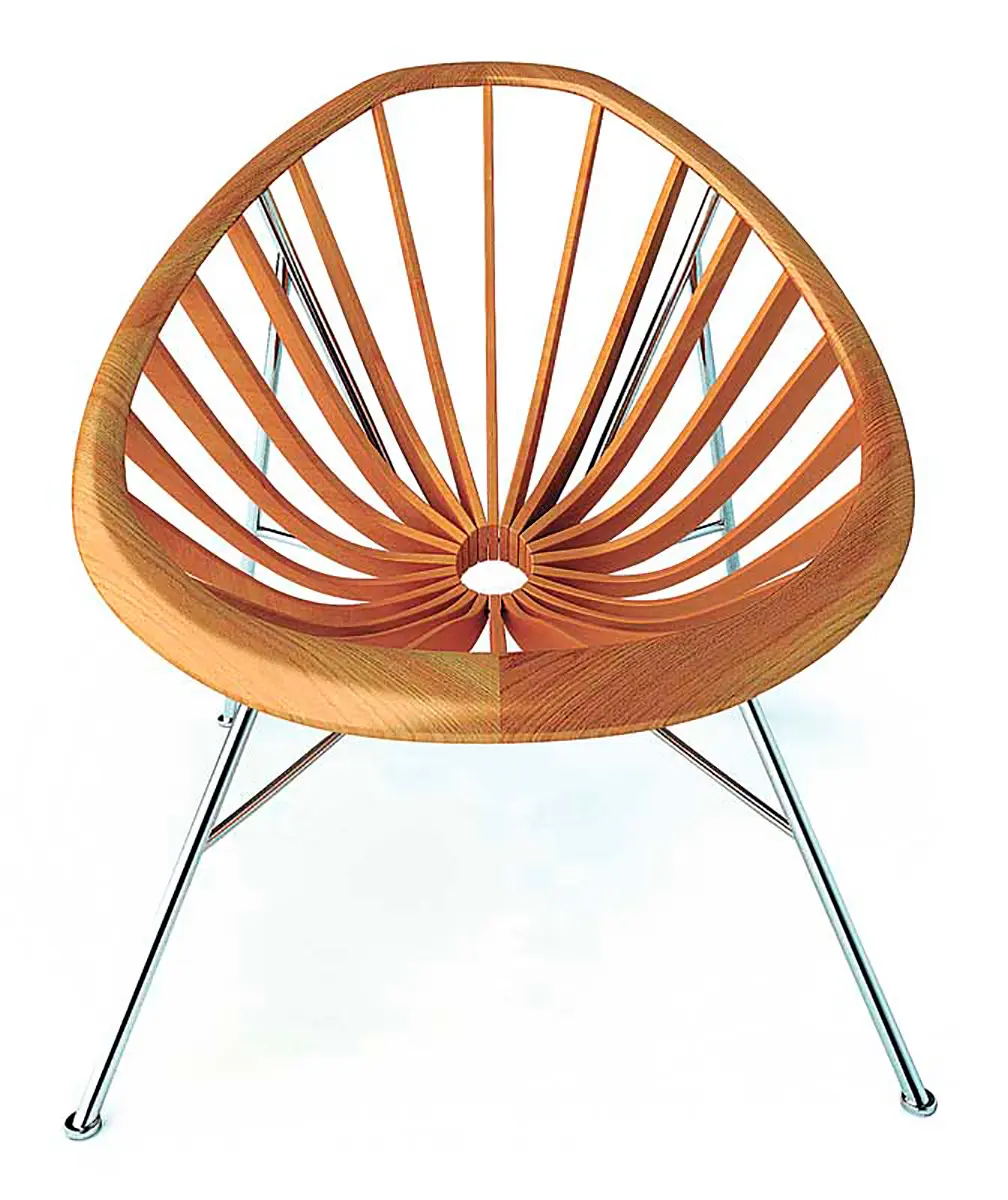
All of this reveals how wide is the field of Mexican legacies. There are designers who prefer aspects of the plotting, units, or modules and sequences, among them Emiliano Godoy, Abraham, and Daniel Peyret. Unlike the “groups”—which are more closed and dogmatic—the concept of “collective” as a way of working is of more recent vintage, both in the visual arts and in design. Among the collectives that stand out is Colectivo Nel. For their part, Liliana Ovalle, Héctor Galván, Xanath Lammoglia, and Andrés Amaya develop different works with recent images. We also remember Alejandro Lazo Margain, founding president of the Mexican Academy of Design, with his varied activity in favor of the design arts, in the company of the architect Pedro Ramirez Vázquez in the same direction. In the 1980s there was an effervescence of design, debates about the areas of design, and the Quorum Prize was established by the foundation of the same name in the midst of such activity. Many of the designers mentioned here have won this prize, and some have received international distinctions. Several Mexican architects live and work abroad; Mauricio Rodríguez Anza is among these figures. His furniture reveals a connection between architecture and design through the interspaces and materials.
From the beginning, furniture-making in Mexico has used, besides wood, leather, jute, tulle, cotton and silk ropes, various metals, ceramics, glass, granite, bakelite, fabrics, and gold- and Silverleaf. With the development of synthetic materials, the Twentieth Century added Formica, new developments in metals, plastic, Corian, threads, and sheets of nylon, canvas, oil and synthetic paint, fiberglass, polystyrene, polyurethane foam, cardboard, and other materials. The aesthetic gaze of creative Mexico has always searched its own roots. Being so solid, expansive, and appealing, these roots have captured the attention of many travelers who came for a week and stayed for life.
NOTES
1. Primitivo contemporáneo is an ongoing research project by the author of these lines, including curatorships and publications, on record since 1990.
2. Presented in 1996 at New York’s Grand Central Terminal, in the exhibition Traditions of the Day of the Dead.
GRACIELA KARTOFEL
Art historian, independent art critic, and curator. Member of AICA, CAA, CRSA and PEN.