
Transurbaniac, an exhibition curated by Guillermo Santamarina, is presented as part of the Ghosts of Liberty cycle of shows at the Museo de Arte Contemporáneo (MUAC) of the Universidad Nacional Autónoma de México.
The purpose of this cycle is to seek out, more than a single gaze, a position with respect to past conflicts that haven’t achieved reconciliation, which public consciousness tries to bury under the illusion of a resolved history yet project themselves onto the present as ghosts that tense the relationship between official history, subjective memory, and the experience of reality, especially in the context of Latin American nations that share common issues and problems.
At first, this show appears based on an “aesthetic of chaos” that reflects the meaning of the urban as a convulsive immensity, one that is filled with the everyday interactions that connect individuals and spaces in a multidimensional way. Its themes come across as disconnected and its multiple discourses are sometimes as lacking in meaning.
However, the diversity in this synthesis of perspectives running through the commissioned pieces, those on loan from a private collection, and—the majority—those from the museum’s own vaults, presents the city as a space of experimentation where technology, disorder, and each artist’s individual position converge, often with a clear critical intention towards the present and at times with a degree of mistrust of the future.
Co-curated by Cecilia Delgado, the show brings together twenty-three works by twenty nationally and internationally renowned artists, from different generations and with diverse aesthetic proposals.
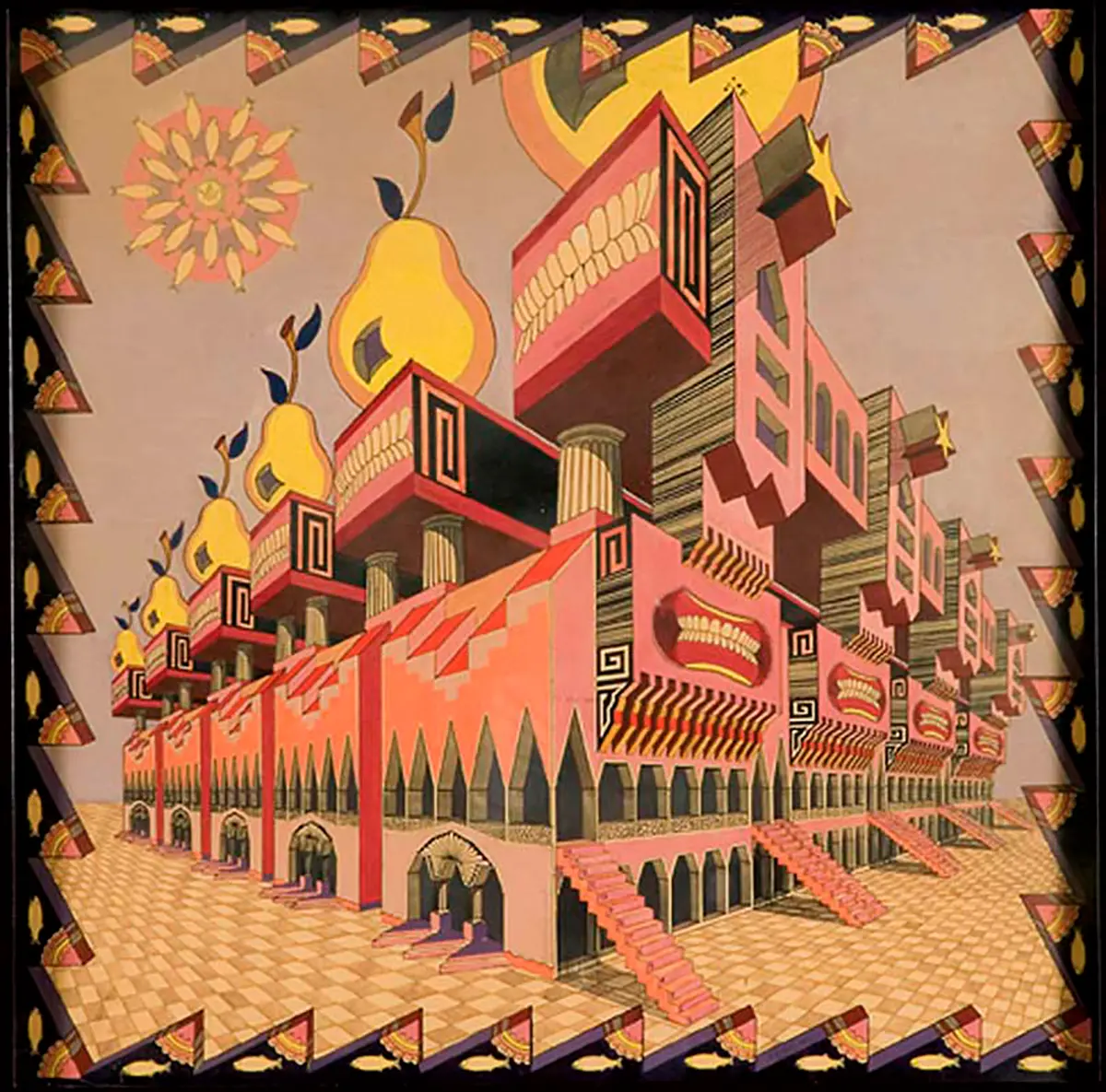
In his highly distinctive style, Pedro Friedeberg (1937) participates with The Gioconda Palace During Mona Lisa Week, from 1963.
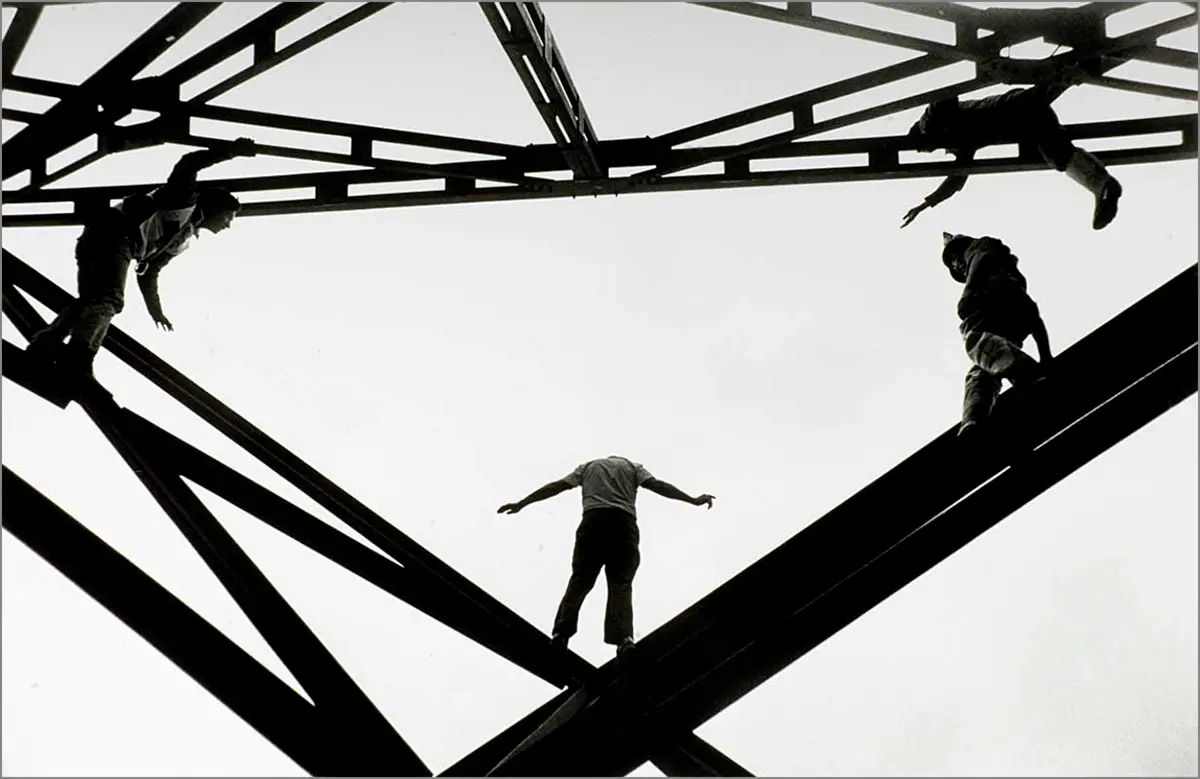
In photography, Rubén Gutiérrez (1972) presents a series of 12 works from 2000, Objetos sobre la Habana. Photographer Enrique Metinides (1934), a chronicler of tragic events in the city, presents a series of eight works about the rescue of a suicide at the El Toreo cupola, in 1971.
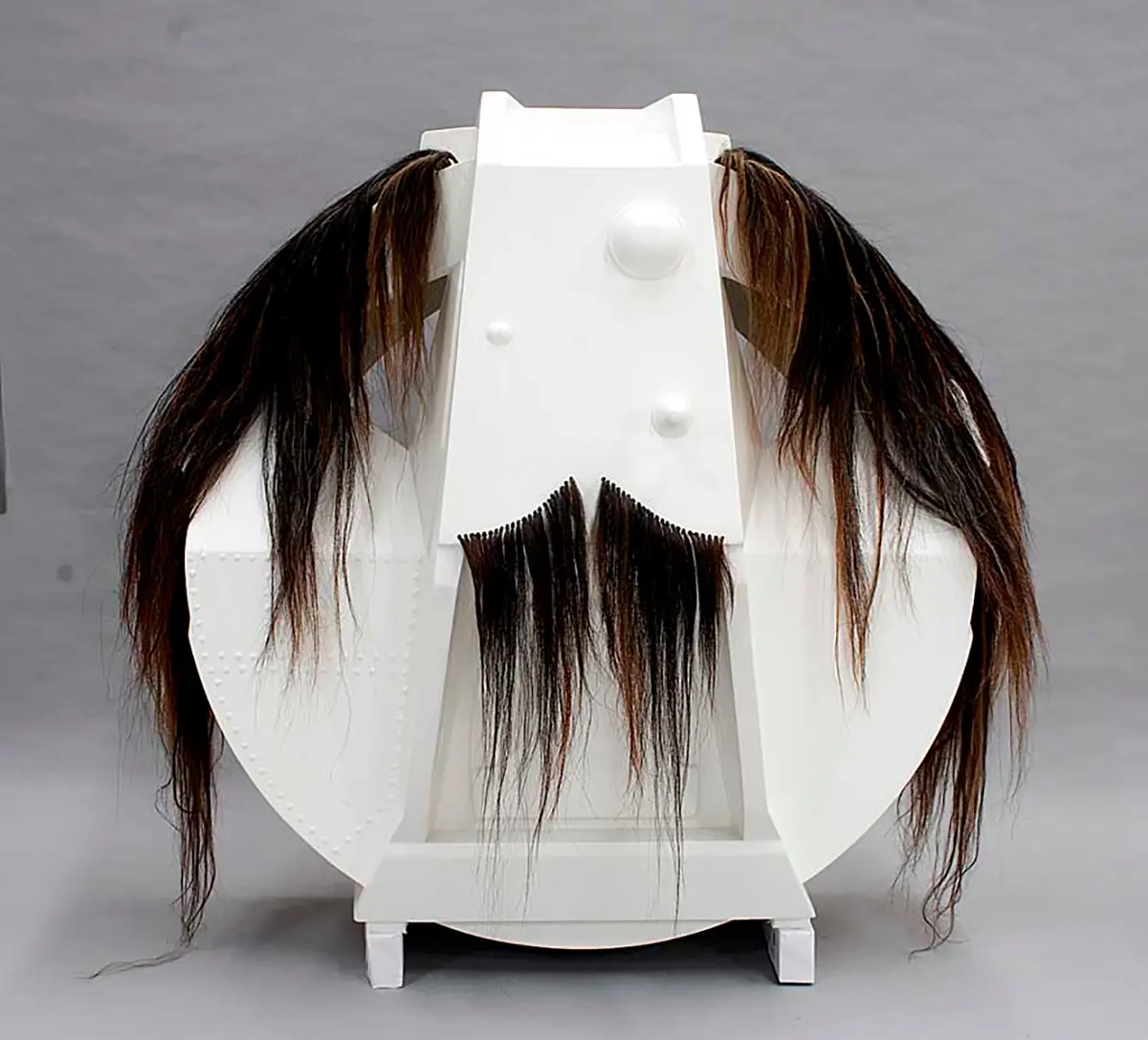
Two recent installations, one by Edgar Orlaineta (1972) and one by Ricardo Rendón (1970), elaborate discourses about space.
Because the World is Round it Turns Me On, an installation by Jerónimo Hagerman (1967), along with videos by Georgina Bringas (1975), Roberto de la Torre (1967), Enrique Ježic (1961), Gustavo Lebrija (1972), and Ilán Liberman (1969) bear witness to and posit reflections about a possible Mexican identity based on symbols and metaphors.
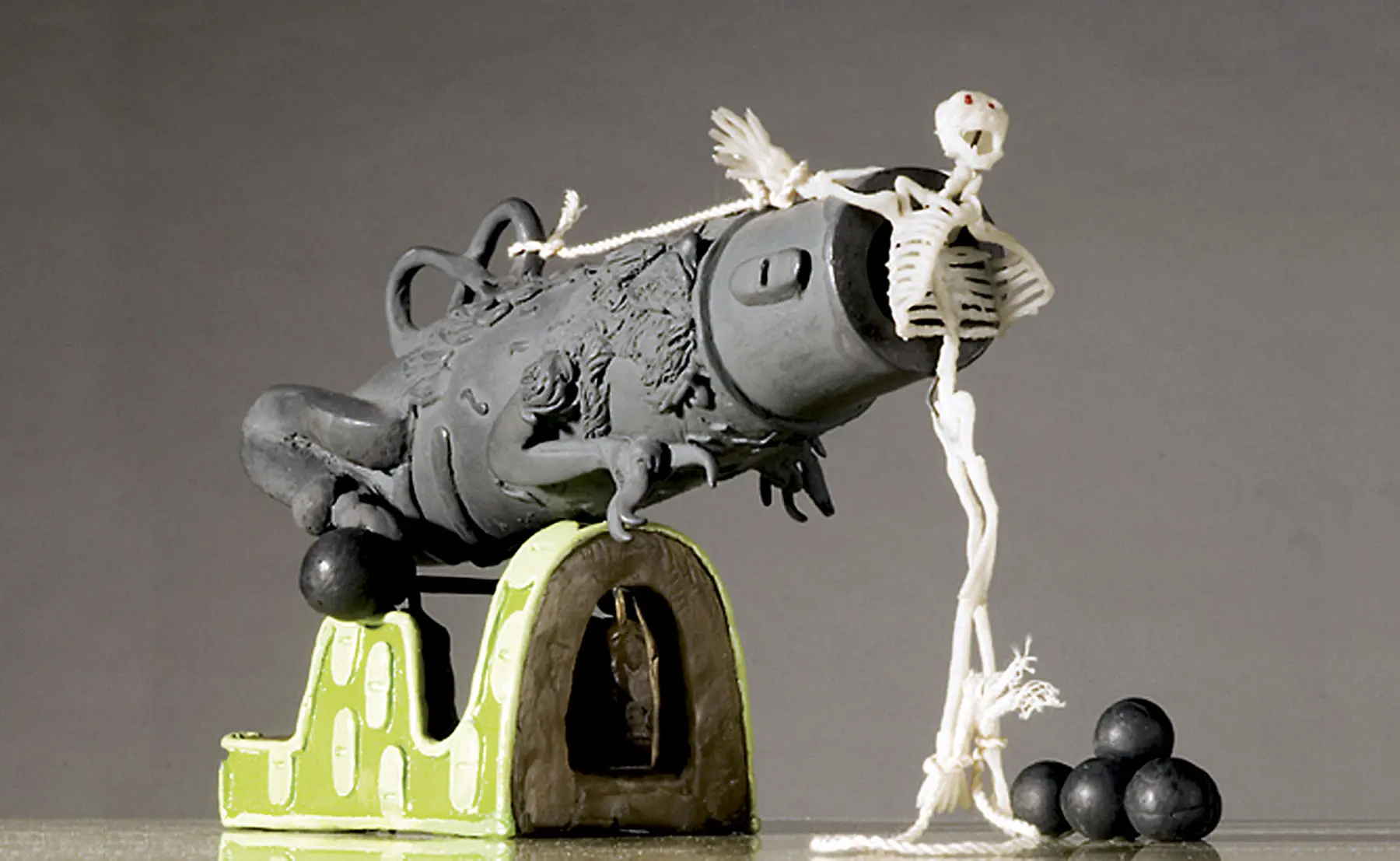
Abraham Cruzvillegas (1968), Gabriel Kuri (1970), Pablo Vargas Lugo (1968), and Eduardo Abaroa (1968) explore sculpture in a sarcastic vein. Antonio O’Connell (1974) creates a model of the UNAM’s administration building, alluding to the institution’s motto, under the title Por mi raza hablaré sobre la muerte el epíritu… (del Arte, de la Arquitectura, de Dios).
As for interventions, there are works by David Miranda (1977), Jorge Reyes (1956-2009), José Dávila (1974), and the Tercerunquinto collective, with the project of a still unrealized intervention for the Museo de Ciencias y Artes in the University City campus.
The visions of the different artists are unified in the intent of presenting a range of theoretical approaches to the Mexican present in the global scene, where, in Sanatamarina’s words, “the show is a sampler confirming the fact of art as a collision of signs and a reflection of the times as they are lived in the city today, where pleasures are concentrated alongside definitions of individual existence, of existence shared between two people (a memory of seductions), giving shape to familial experience (an inheritance of taste), measuring coincidences; and it is the materializations of illusions (or its opposite), the spiritual victories, the aesthetic gambits, the terrors, and the wasteland dream of social collectives in the face of the imposition of modern orders and a broken institutionality.”
Such diversity of personal and artistic positions finds a communicating thread in the topic of identity, be it at the individual level before the urban condition, or, on the contrary, as a search for collective identity when confronted with social and personal issues in a highly questioned modernity, where it would seem no result is possible other than a catastrophe.
At times just as parody, at times as protest, at times a critique, and at times as a simple record of events, the artist appears as the spectator of a vertiginous, multi-faceted reality that opposes the individual to the masses, absorbing and alienating him against a hopeless and melancholy landscape.
Alongside the images on exhibit, the show’s catalog includes a series of texts by renowned theoreticians who explore urban and social topics, postulating the possibility of confronting the era’s global challenges.
The show’s subtitle: emoción-artes y algunos trances citadinos, summarizes its spirit well, a flow of unease and trust in creativity and imagination as alternatives to the current calamity.
ISAURA RUIZ