
Portraiture, one of our society’s most central artistic and cultural manifestations, is what Cuban curator Gerardo Mosquera chose as the topic or leitmotif for the 14th edition of PHotoEspaña, Madrid’s international photography and visual arts festival, held this year. A 14th anniversary reached in great and multitudinous style, bordering on excess, as has been habitual in recent editions, characterized by the incorporation of the Spanish capital’s main museums, art centers, exhibition spaces, and art galleries into the event’s program. To which we must add foundations based on nearby Cuenca, connected through the OpenPhoto program; Lisbon’s Museo Colección Berardo, which exhibited Alfredo Jaar’s portrait series Cien veces Nguyen (A Hundred Times Nguyen); and Transatlántica, the photographic forum that PHotoEspaña organizes every year in Latin America, whose preliminary sessions of portfolio viewing took place in Managua and Bogotá, with results that can be partially seen in Peso y levedad. La fotografía latinoamericana entre el humanismo y la violencia, held in the exhibition galleries of the Instituto Cervantes in Madrid.
Thirty-one exhibitions in total gave shape to a festival whose proportions, as I said, bordered on excess, and which hasn’t fallen prey to the labyrinthine confusion that marks the Venice Biennale only, in the first place, thanks to its insistence on photographic images and, in the second place, thanks to its decision to always recruit a curator charged with providing a general orientation and establishing the dominant theme for each edition. Decisions that can be debatable for those who see art, and particularly contemporary photography, as admitting no borders or labels and rather favor an openness tout court and the exploration of all possibilities, all topics, and all media and resources, but which nevertheless provoke gratitude among those art lovers or art aficionados who refuse to allow vertigo and overwhelming disorientation caused by the staging of excess to become the sole aesthetic experience of any validity. A staging of excess that is directly fostered by the insistent postmodern gambit for eclecticism, micro-narratives, fragmentation, and dispersal.
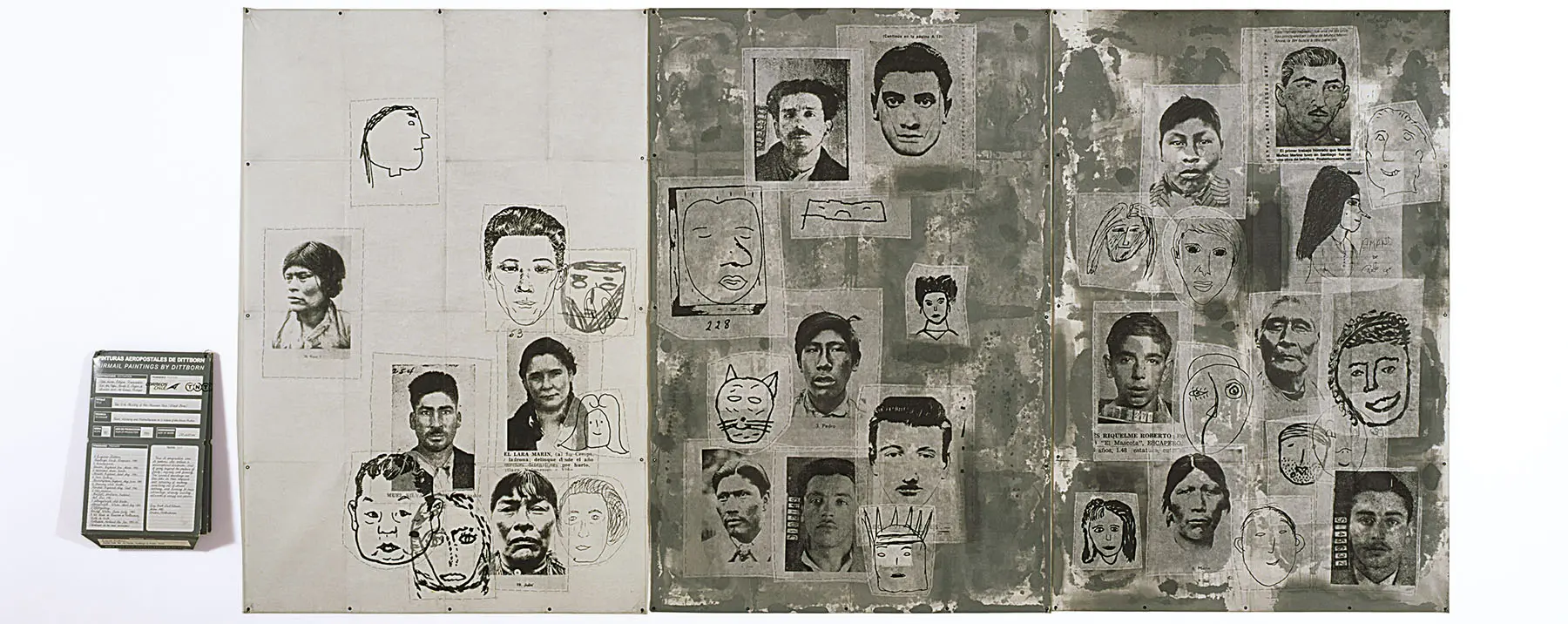
Besides, the topic of portraiture is in itself wide, heterogeneous, and proteic enough to deserve adjectives that contain, capture, interpret, and of course, enjoy it. And this is what Gerardo Mosquera has accomplished, anchoring the topic on the terms that make the title of the festival’s official section, Interfaces: Portraiture & Communication. Thanks to its articulation with those two names, portraiture fully assumes here its condition as a genre, its traditional psychological payload subjected to deep modifications generated both by the contemporary world’s exalted valuation of communication and the usual deployment of the interface by digital technologies. The possibilities opened up by this specific situation are explored by Mosquera in Face Contact, a large scale group show presented in the exhibition galleries of the Centro Fernán Gómez; the title itself paraphrases the expression “eye contact,” which in turn evokes the question of to what degree had modern individualism become solipsistic—and individualism to whose emergence, expansion, and preservation photographic portraiture has provided an invaluable service. As is well known to users of the subway system or any other public transportation system in New York City, establishing and sustaining undesired eye contact with other passengers is considered an offense and a violation of privacy. What a paradox! In a culture of voyeurs, no one truly wants to be looked at, perhaps because all want to exert power but not to be their subjects. Mosquera staged this paradox by opening up the exhibition’s course with a large-format reproduction of a 1976 photograph by Chilean artist Juan Downey, which shows a Yanomani tribesman holding a video camera of the period and pointing straight at the viewer. This image subverts the traditional relationship between the anthropologist and his or her subject of study, situating the observed in the position of observed and challenging with this shift the power relations implicit in the historical and epistemic project of anthropology, which are brought to light, for instance, in Colombian artist José Alejandro Restrepo’s key works. Or by Eugenio Dittborn, also from Chile, in works like History of the Human Face (Dead Bone), part of the series Pintura Aeropostal and included by Mosquera in this exhibition. The photographs that form the spine of Dittborn’s project came from his country’s police archives and cruelly identify men and women accused of various crimes and transgressions of the law; their common feature—besides the fact that they are all poor—is the Indian or mixed-race ethnicity of the subjects, which are thus subjects both of ethnography and of Positivistic theories á la Lombroso, which sought to used photography to identify the typical physiognomy of the criminal kind.
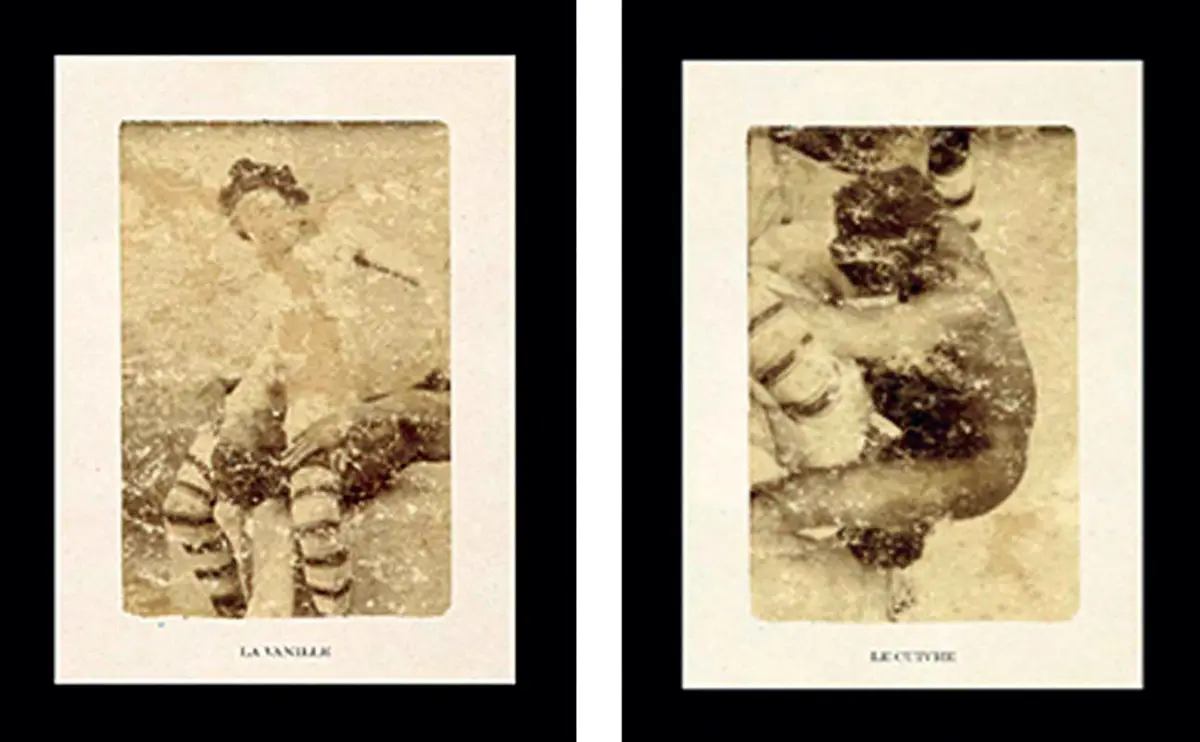
But perhaps the most provocative challenge to the colonial gaze was represented in this edition of PHotoEspaña by Colonial Exhibition, a show presented at the Rafael Pérez Hernando Gallery by Australian artist Andrew Olds under the pseudonym of Victor Stamp. It consisted of the artist’s manipulation and re-elaboration of an anonymous leaflet that circulated around 1910 and included 12 photographs of different moments of an intense sexual encounter between a white woman and a black man. The rawness of the images not only challenge the moralistic attitude of missionaries that still today force the tropical rainforest tribe to cover their “shame,” but also the obstinate patriarchal racism whose bête noire was the always open and always repressed possibility of having “their” women have intercourse with their servants or workers.
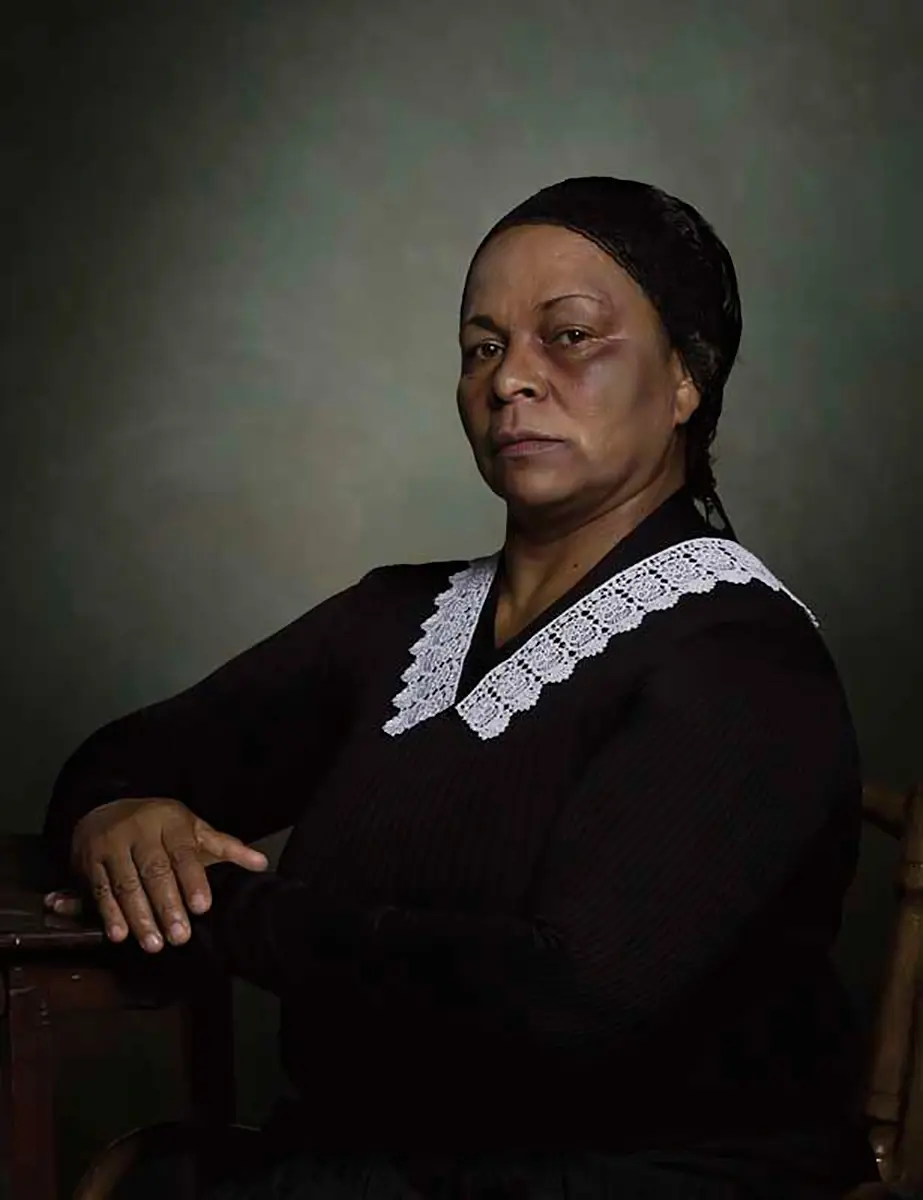
True, these matters seem to belong to a past that has been definitely abolished, but Colombian artist Libia Posada’s photographs in Face Contact call our attention to the fact that the patriarchal legacy remains alive, especially among those abusers who still feel entitled to beat up their spouses. Posada’s photographs like Retrato de mujer joven, Mujer de collar, or Mujer con vestido negro, which boast an unquestionable pictorial quality, remind us that domestic violence is a recurring tragedy afflicting not only working-class women but also middle- and upper-class ones like those represented here, their seigniorial pose and appearance hardly countervailing the bruises deforming their impassible, serene faces.
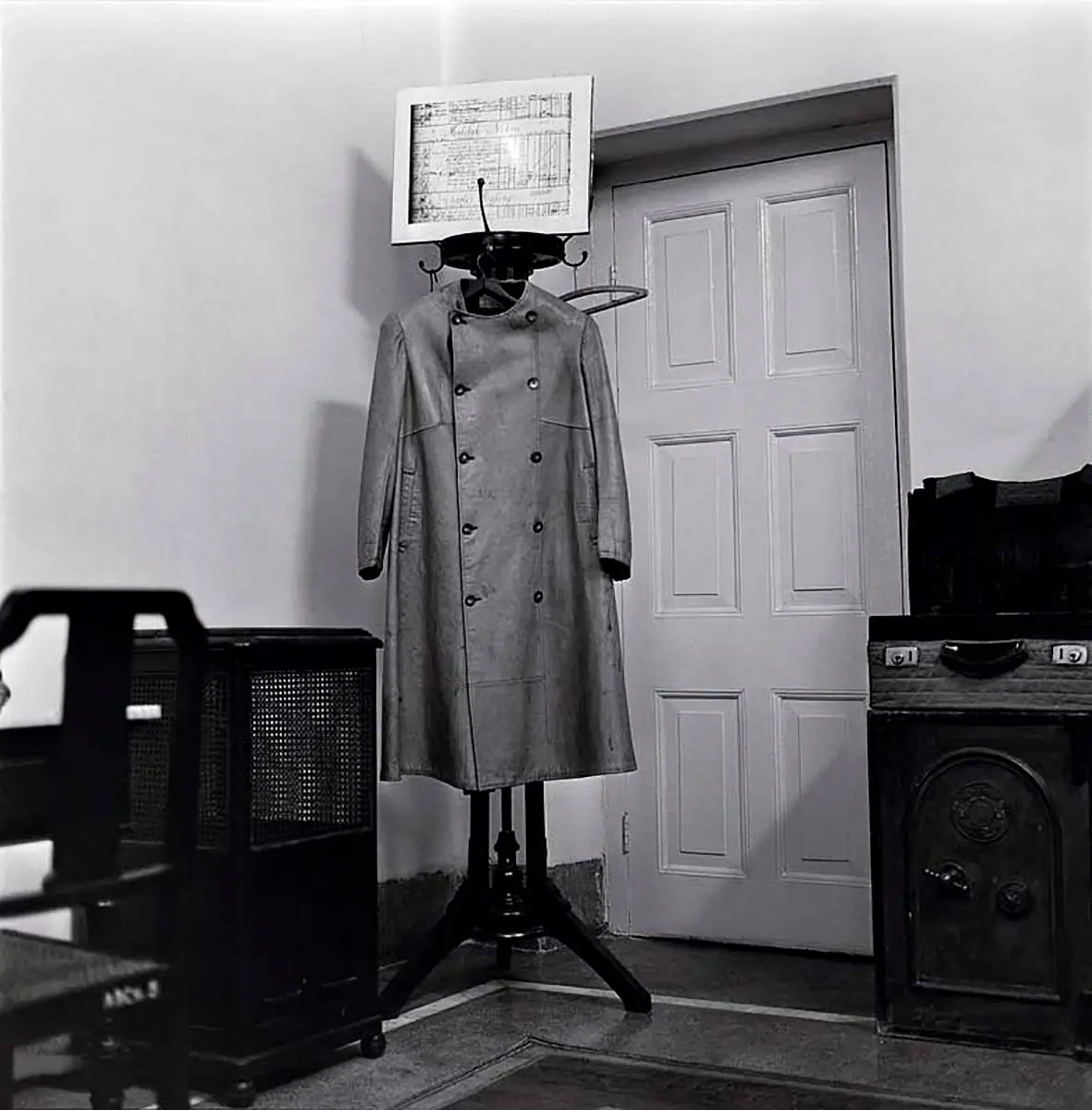
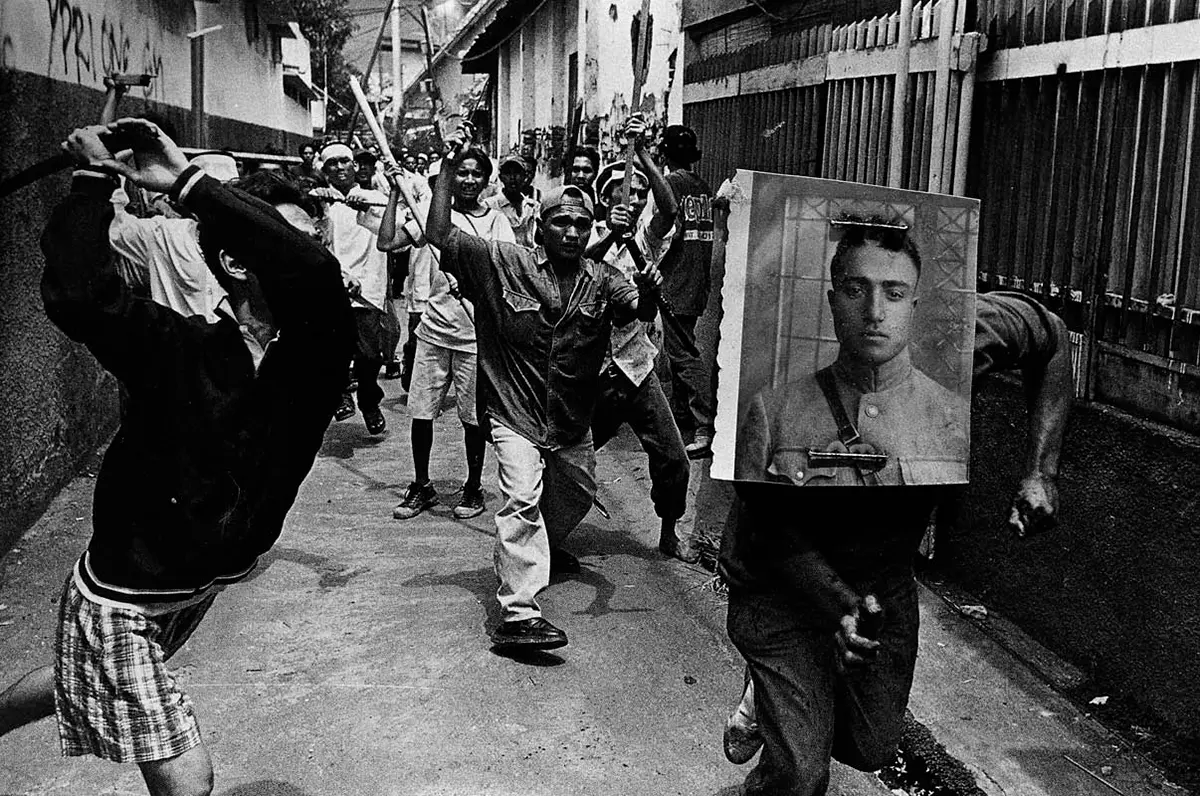
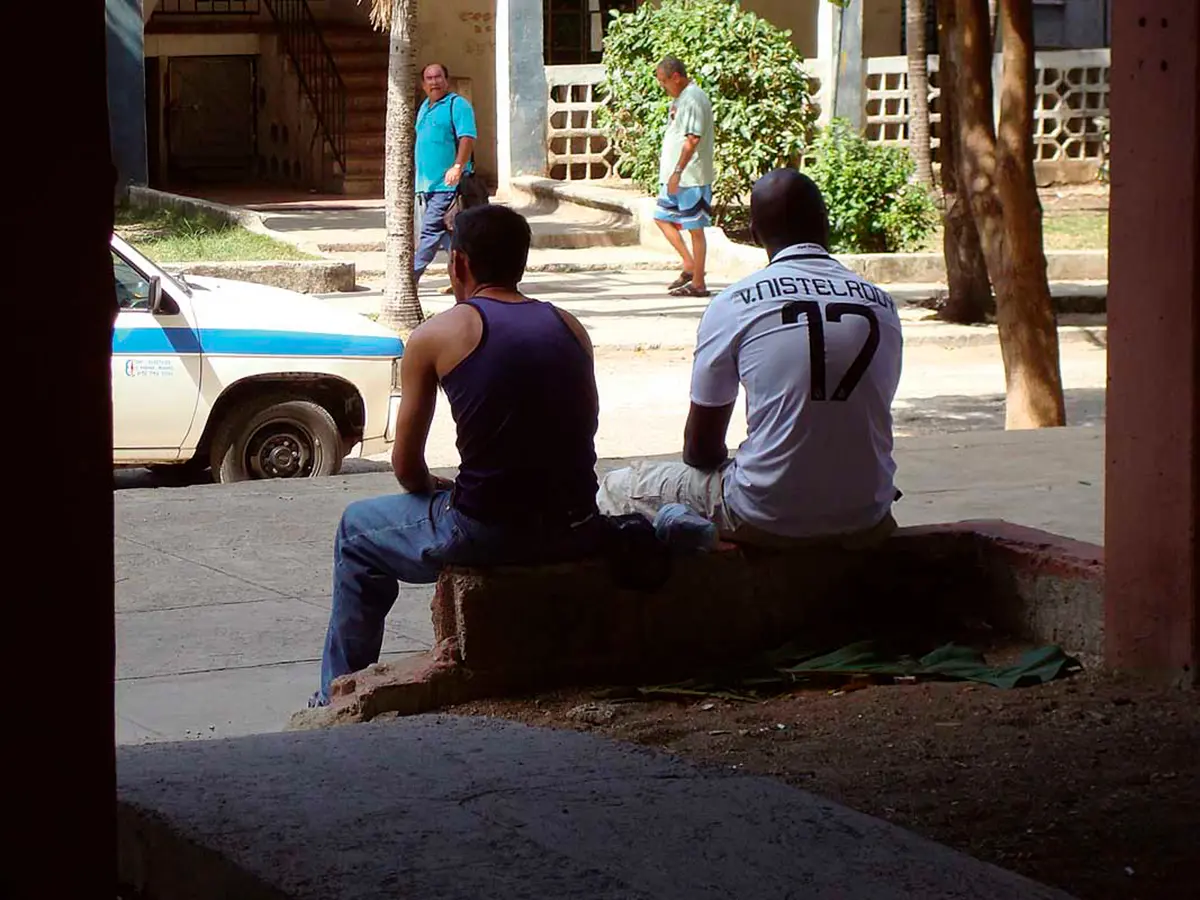
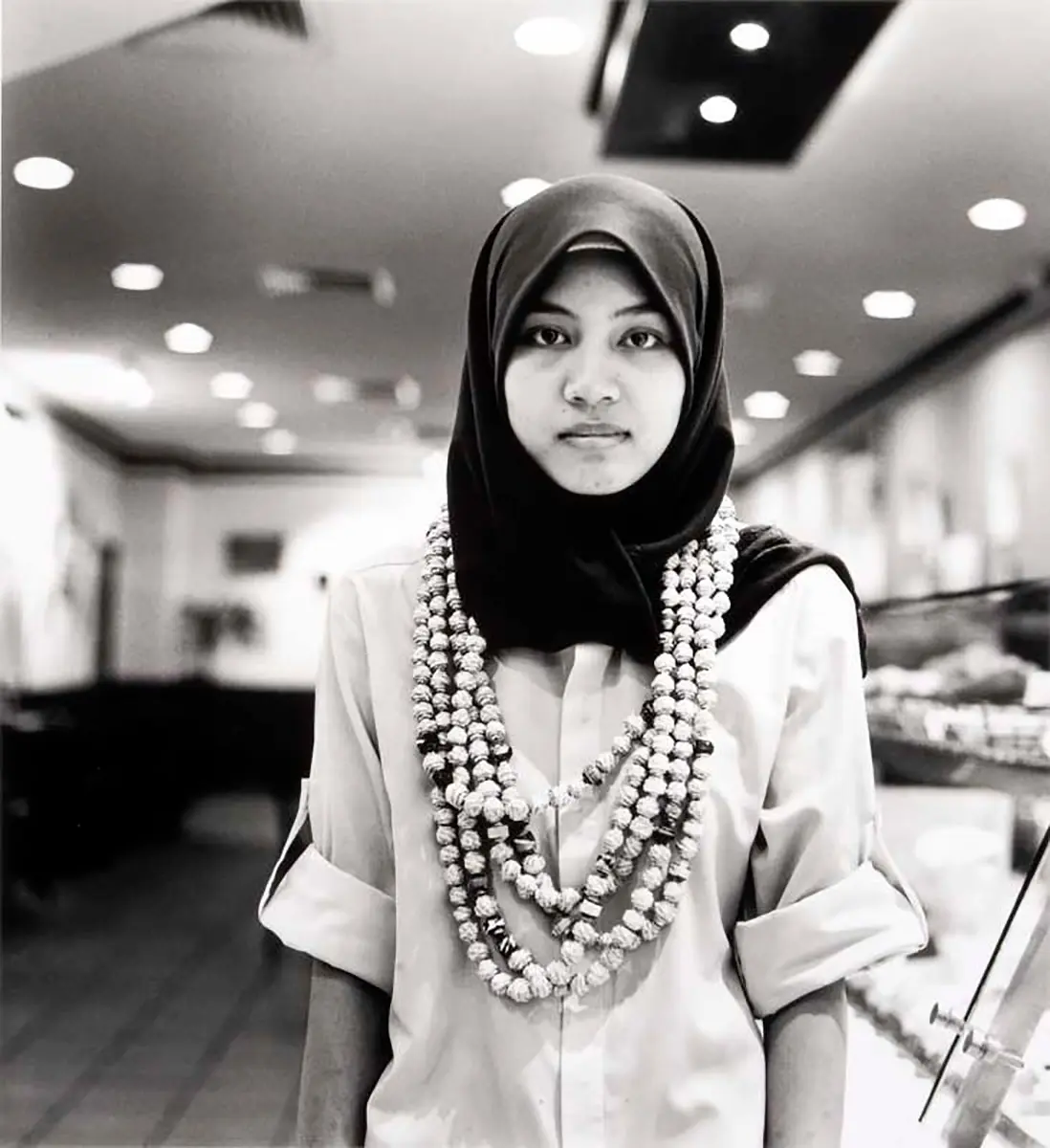
At the opposite end of the restrained paternalism of Posada’s work was Thomas Struth’s photographic series from the 1980s, included in the show 1000 faces/0 faces/1face held at the Alcalá 21 space and financed by the Telefónica Foundation. It may bring to mind August Sander and his 1920s project of creating a photographic inventory of the German people, grouping it by human types, professions, and social categories. The difference between Struth’s and Sander’s projects is that the former suppresses in his photographs not only those features of the pose, clothing, and location of the subjects that indicate with extraordinary precision their social status, but also those that express, on the face itself, aspects of their personality or psychology. In the show’s curatorial text, Gerardo Mosquera has connected this hollowing, this neutering, with improvements in police methods for the identification of individuals in times that tend to total control of the same. These improvements, Mosquera argues, are possible only when the expressiveness of the face is neutralized and all attention focuses on pure physiognomic features—in those seemingly unimportant details that nevertheless distinguish one face from another in the eyes of those in charge with large-scale identification. John Berger, however, offers a different interpretation of the reductionism observable in Struth’s portraits in his essay "The Changing Image of Man in Portraiture," included in the volume of texts on the topic compiled by Mosquera and published by PHotoEspaña. For the British writer, more than schematics or simplification, what we find here is a radical insufficiency afflicting both pictorial and photographic portraits. This insufficiency is, in principle, that of a point of view: “We can no longer accept that an adequate identity can be established for a man by preserving and fixing his appearance from a single point of view and a single location (…) This incompatibility is related to a more general crisis of the meaning of individuality (…) In a world in transition and revolution, individuality is a problem that cannot be separated from historical and social relationships to the point that it can’t be revealed through simple characterizations of an established social stereotype.” One could argue that the entire project of this edition of PHotoEspaña is inscribed along the same line of interpretation of the problematic relationship between portrait and individuality. A relationship that many of the artists invited have attempted to clarify in their own way. Iranian artist Shadi Ghadarian, for instance, exhibits in Face Contact the series My Press Photos, which subjects the derision or unbound fury of multitudes a single portrait of an impassible military officer in a variety of locations. We don’t know who the officer is, but we do know that his sole effigy causes the ire of many. Just like Cuban blogger, Yoani Sánchez is infuriated by the plainclothes security agents that constantly stake out her house, and whose photographic portraits she has uploaded to the Web. Indian artist Dayanita Singh is interested, in turn, by the place given in both private and representative spaces to images of historical figures as relevant as Gandhi and Nehru. Simryn Gill, also from India, approaches the problem of the portrait with a tactic that is, in my view, ultimately unconvincing: he photographs a series of characters in his milieu wearing a necklace with beads that are the pages of books that have been influential in the history of Asia or of the Third World: Lenin, Mao, Mochtar Lubis, Franz Fanon, etc. You are what you read, and not what others think you are when they see your face.
Other artists, in turn, are interested in situations where people who are faceless due to traumatic situations such as those that occur in wars that, more than “dirty”, should be called “silenced,” since the atrocities that are committed in their course tend to be omitted or played down by the media. To this turbid category belong wars like those of El Salvador and Colombia, whose victims have vanished into thin air, so to speak, and are invoked and evoked in an elliptical way by Photographers like Salvadoran Pedro Linger, whose project El Mozote was included in the Peso y levedad exhibition mentioned above. This project comprises a series of photographs capturing the traces and vestiges of a massacre that took place in the town of El Mozote and surrounding areas twenty-five years ago and contrasts them with images taken immediately after the horrible events. A similar spirit animates the work of Colombian photographer José Luis Rodríguez Maldonado, only he prefers to bring the survivors back to the scene of the terror operations that victimized them, accompanying each one of the color photographs with a testimony of their suffering.
Equally faceless are the protagonists and victims of yet another war traversed by surreptitious motivations and hidden realities, the war against drug trafficking, which Javier Araceli has documented in Sicarios, his project exhibited at Aranopoveda Gallery. This project is the result of Araceli’s tracking the activities of such killers-for-hire in Guatemala City. A similar intention is behind Crónicas de Centroamérica, by Mexican photographer Mauricio Palos, which was part of Peso y levedad. It explores the harrowing conflicts at the root of the virulent expansion of drug trafficking in the region.
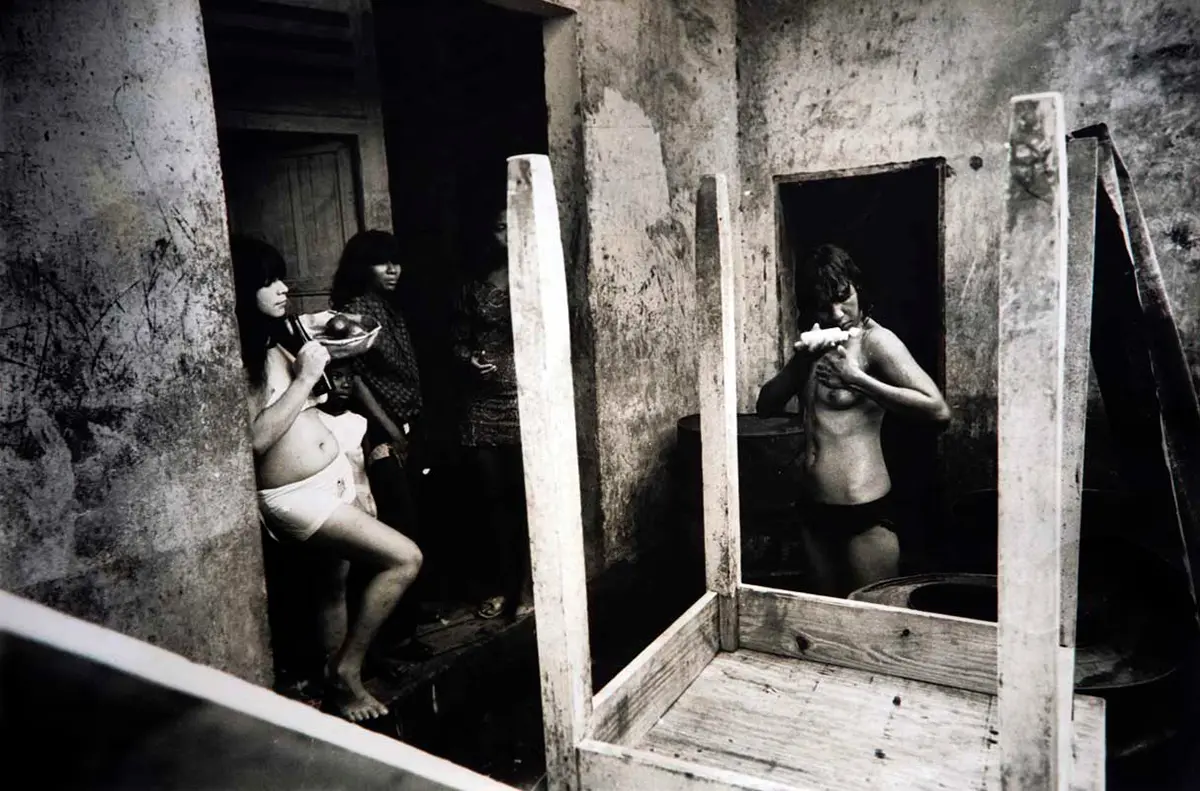
These gazes are all markedly documentary, and as such are more interested in denouncing and exhibiting a cause. This contrast with Colombian photographer Fernell Franco’s loving look at the prostitutes of the port of Buenaventura, Colombia, which resulted in Cámara ardiente, seen at the Círculo de Bellas Artes in Madrid. And I say “loving” in the best possible sense, which indicates affectionate participation in the adventures and dramas of the subjects, to which John Berger has also referred in rather revealing terms. Speaking of Toulouse-Lautrec as “an important exception” to the degradation of pictorial portraiture in the Nineteenth Century and its becoming “a matter of cynically executed, clumsy and abject personal adulation,” in the essay cited above Berger notes that his portraits “are the only ones in the late Nineteenth Century that are convincing and conclusive (…) The only pictorial portraits whose social evident we can trust,” because they are not studio-driven but come from: a specific, complex social milieu.” And afterward, he wonders: “Why was Toulouse-Lautrec an exception? Because in his eccentric way he believed in the social function of his subjects. He painted cabaret artists because he loved their acts; he painted prostitutes because he acknowledged their role.”
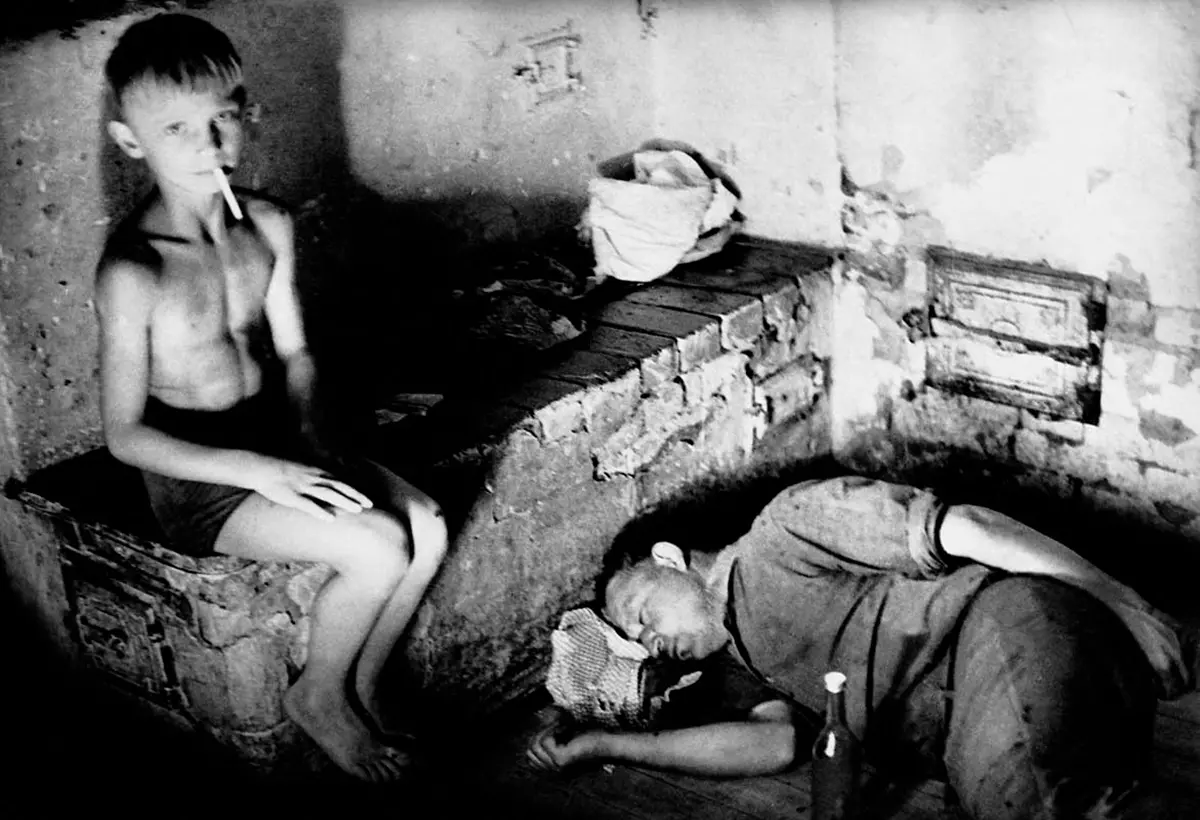
The same erotic identification with a well-defined social context can help explain the fascination provoked by the photographic portraits of rock and film stars, as well as other celebrities such as Jackie Kennedy, taken by Ron Galilla—Paparazzo extraordinaire, according to the title of the show held at the Círculo de Bellas Artes—over the course of several decades. But such identification also provides a possible explanation for the intense verisimilitude of the work of Lithuanian photographer Rimaldas Viskraitis, eloquently titled Muecas del pueblo cansado and presented at the Antonio Saura Foundation in Cuenca. An exceptional exhibition both due to its immersion in deepest Europe, the anachronistically rural Europe of the Braudelian longue dureé, and to the fact that we are guided by someone whose life is intermingled with that of the people he has photographed with great care and love.
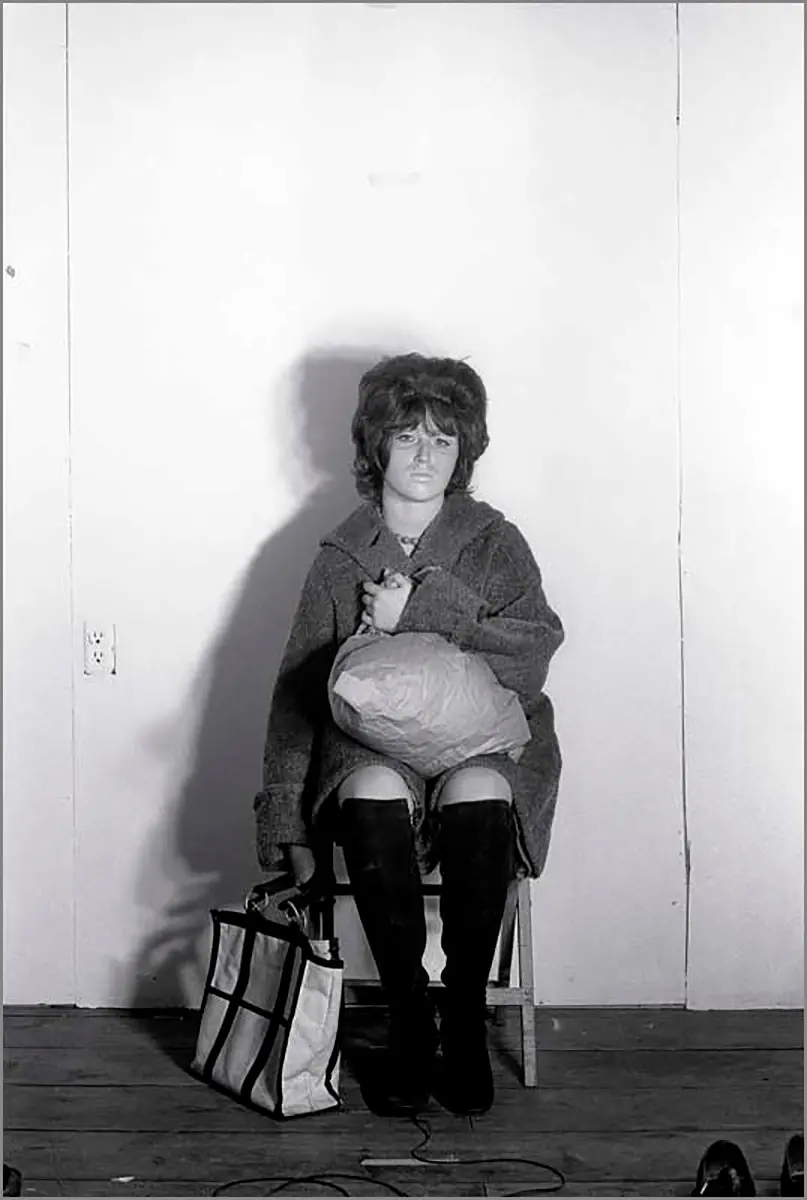
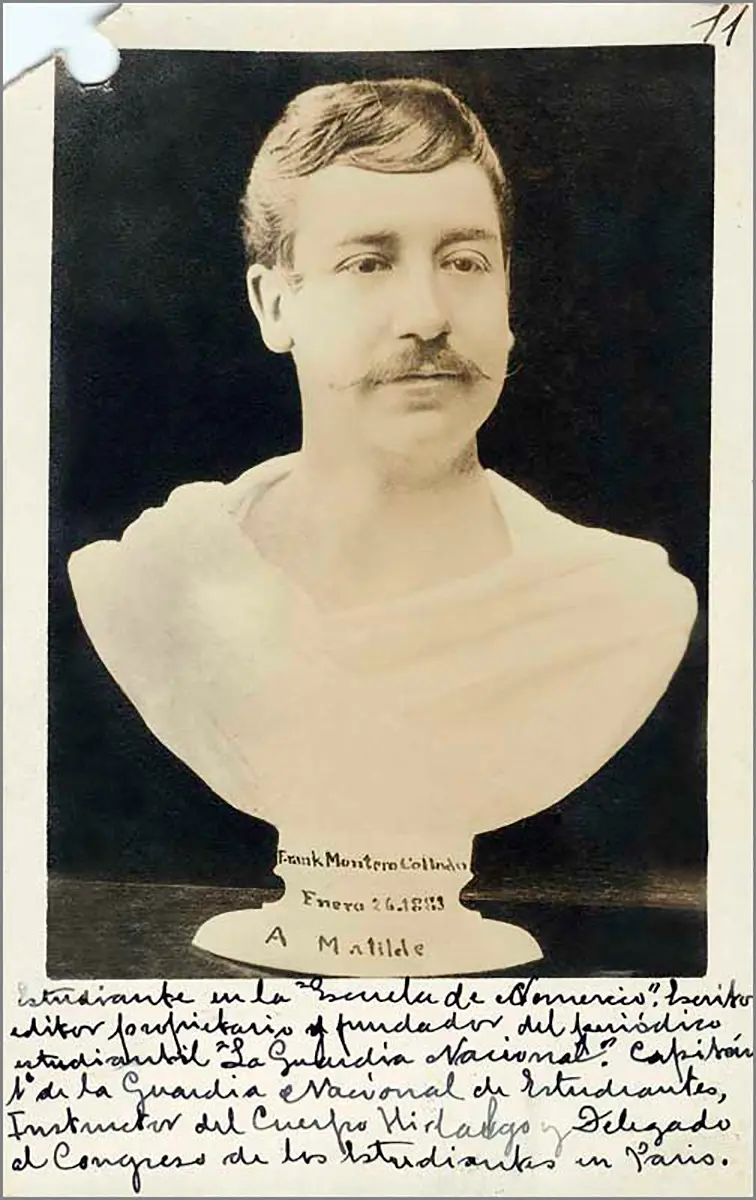
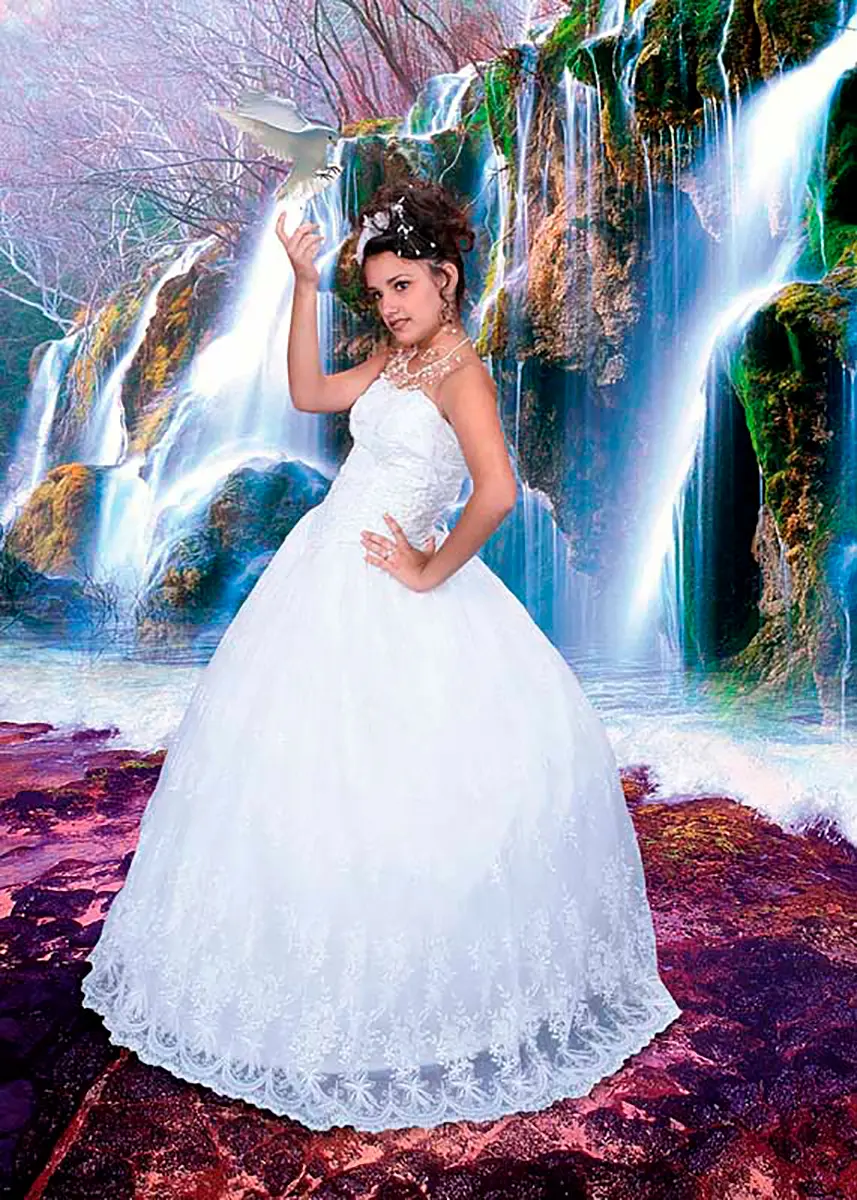
One must conclude that masks, disguises, and the replacement or invention of identities were an important chapter in this edition of PHotoEspaña, and it could not be otherwise in an event devoted to that prime identification medium, portraiture. Here we must include Cindy Sherman’s exemplary works, as well as those by Frank Montero, from Mexico, a versatile Nineteenth-Century character who produced self-portraits wearing the oddest outfits and whose oeuvre was on exhibit alongside Sherman’s as part of 1000 faces… And also the work of the Peruvian collective MIR, who photographed themselves dressed as Incas in different High Culture spaces in Lima, and La verdadera historia de los superhéroes, by Mexican artist Dulce Pinzón, who underscores the anonymous heroism of immigrants by having them dress as superheroes. A special mention must be made of ¡En la lucha! Mecánica de la foto de 15, by Cuban curator Giselle Victoria Gómez, a veritable show-within-a-show seen in Face Contact, which gleefully reveals the fantastic extremes to which the granddaughters of the revolution arrive to celebrate their 15th birthday.
CARLOS JIMÉNEZ
Art critic and professor. Author of Los rostros de Medusa. Ensayos sobre la retórica fotográfica.