Frankly, visiting the Venice Biennial this year I was tempted to describe it with the phrase “bulimic plethora,” coined by the Italian critic Roberto Plevano in dismissive reference to the Italian Pavilion, whose contents he thought abundant, overwhelming, and excessive. All the more overwhelming and excessive the art offerings of a Biennial that, besides the Pavilion in question, crowded the Giardini and the huge facilities of the Arsenale and expanded through practically every single corner of the Venetian labyrinth, with a multitude of national governments of sparing no expense to have their country showcased in their own exhibition pavilion—even if a provisional one—in what all consider the most mandatory appointment in an art scene that has become worldwide or global if you will. Which produced such odd situations as the one that had Haiti as its protagonist: for the first time in its history and in the history of the Biennial, this Caribbean nation had a pavilion of its own in 2011 thanks to the sponsorship of several French organizations and companies that somehow thought this was the best kind of help they could offer to a country ravaged not only by a recent earthquake but by the cumulative effects of centuries of oppression and colonial pillage.

Adding to the exponential growth in the number of stages and pavilions at the Biennale has been the current fashion among sophisticated collectors like François Pinault, Prada, or Fendi, of commandeering their own Palazzi, preferably overlooking the Grand Canal, to proudly display their dazzling contemporary art collections during the event’s opening activities. A fashion that has now also attracted—surely in search of recognition—Ukrainian billionaire Victor Pinchuck, who during the months of June and July exhibited at the Papadopoli Palazzo works by the artists chosen for the first edition of the Future Generation Art Prize, a generously endowed international contemporary art competition that went to the young Brazilian artist Cinthia Marcelle for her video installation Crusade. And, it is rumored, Bernard Arnault’s Louis Vuitton Foundation will soon follow suit; tired of the continuous delays in its project of a permanent site for its collection at the Bois de Boulogne, in Paris, the Foundation may throw in the towel and, mimicking François Pinault—his longstanding rival in the glamour industry—take over a palace on the Grand Canal to showcase its vast current art assets.
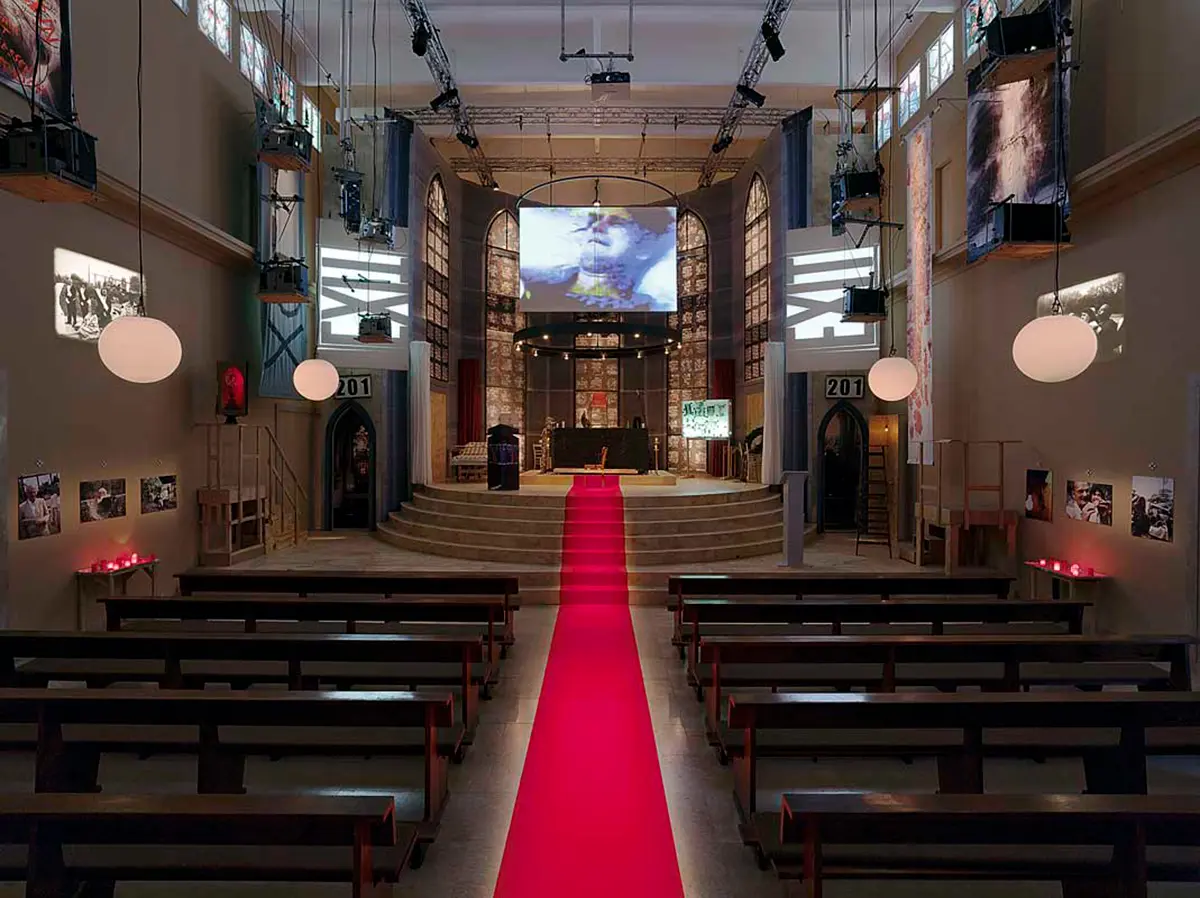
Such overcrowding and excess were already evident at the Giardini, where the permanent national pavilions are located, including Brazil, Venezuela, and Uruguay. It is especially noticeable in the German exhibit—named Best National Pavilion—devoted to a crowded show of works by Christoph Schlingensief, a veteran artist who passed away shortly before opening day. Schlingensief’s art—focused on film, theater, and performance—was influenced by Joseph Beuys, Paik, and Fluxus, and also by the caddish tone of Rainer W. Fassbinder’s films. It has a theatrical emphasis and often uses parody and pastiche, strategies that to me seem appropriate to generate a liberating distance from the oppressive naturalism that dominates today’s political and mass-media scenes at the international level.
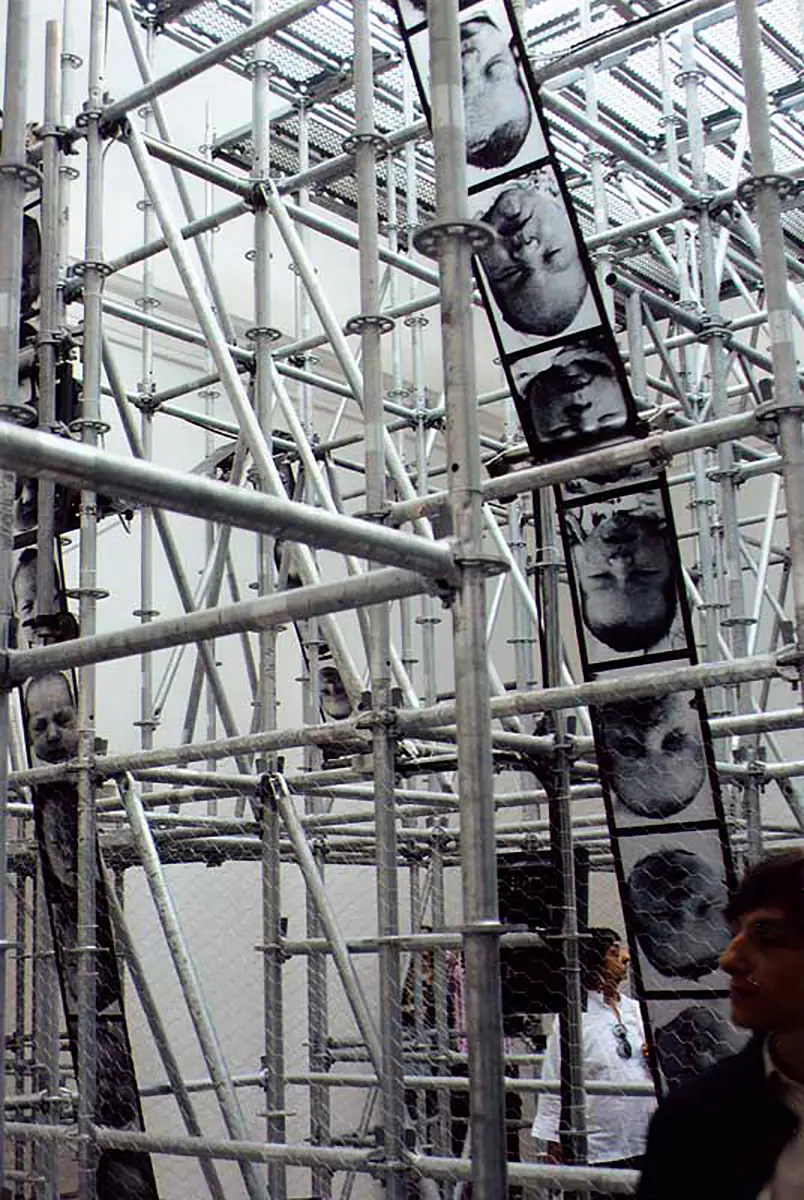
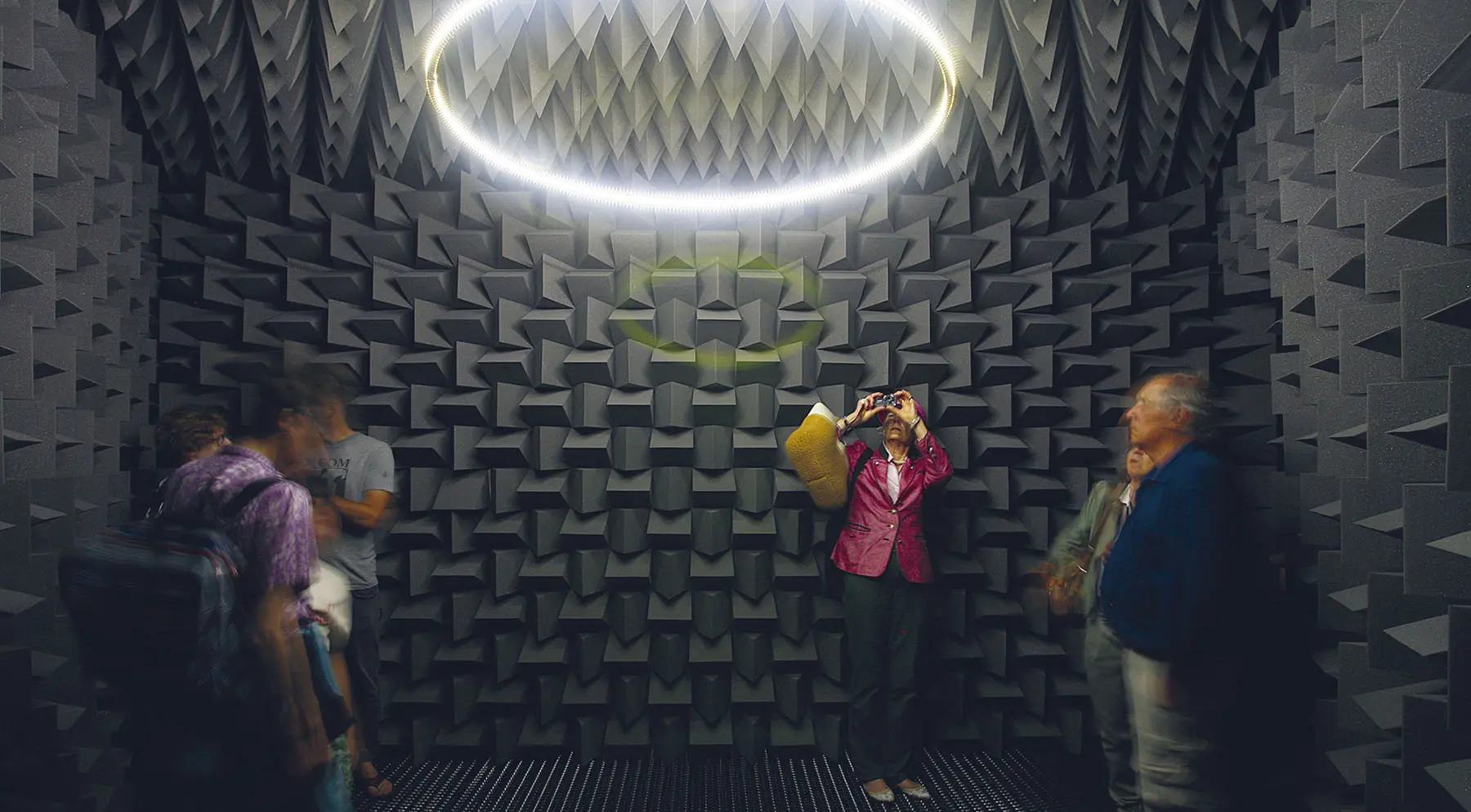
Equally excessive, almost by necessity, was the Biennial’s pavilion, whose curator, Bice Curiger, probably felt mandated to enact there the very concept or plot she had chosen for this edition of the Biennial: ILLUMInazione. Illumination, illumination of nations, illuminated nations, or however one attempts to translate an expression that joins together the concepts of enlightenment and nationality, two ideas closely linked in the Modern tradition that are currently in a crisis as deep as that of the world economy—in fact, the latter seemingly deepened by our abandonment of the former. Commenting on the unexpected inclusion in this crowded show of Tintoretto’s Last Supper, removed for the first time in 420 years from its location in a Venetian church, Achille Bonito Oliva pointed out this extraordinary painting’s Mannerist affiliation and reminded us that back in 1975, in his L’ideologia del traditore: Arte, maniera, manierismo, he had already put forward the thesis of Mannerism as a direct precedent to Modern art. In turn, Paolo Baratta, President of the Biennale Foundation, noted that the key to the painting’s modernity is Tintoretto’s use of light “as a medium for the characterization” of the figures depicted and “as a truly abstract element.”
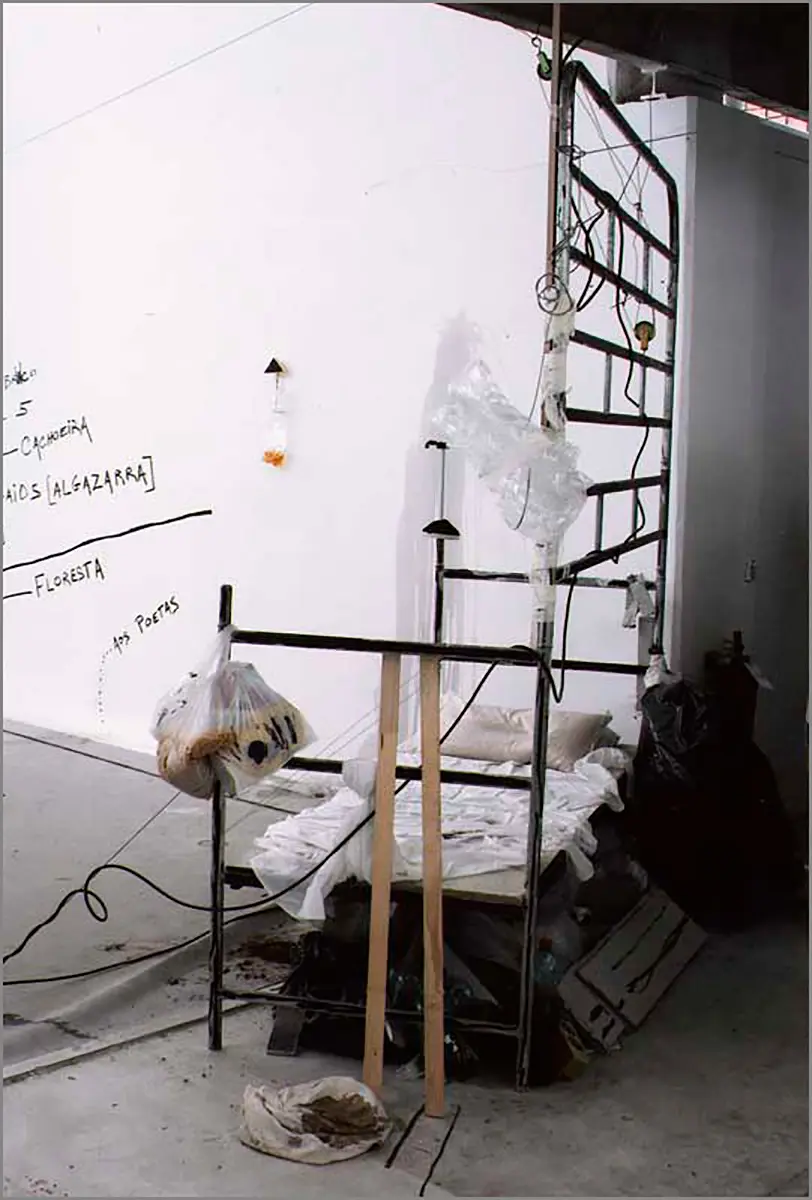
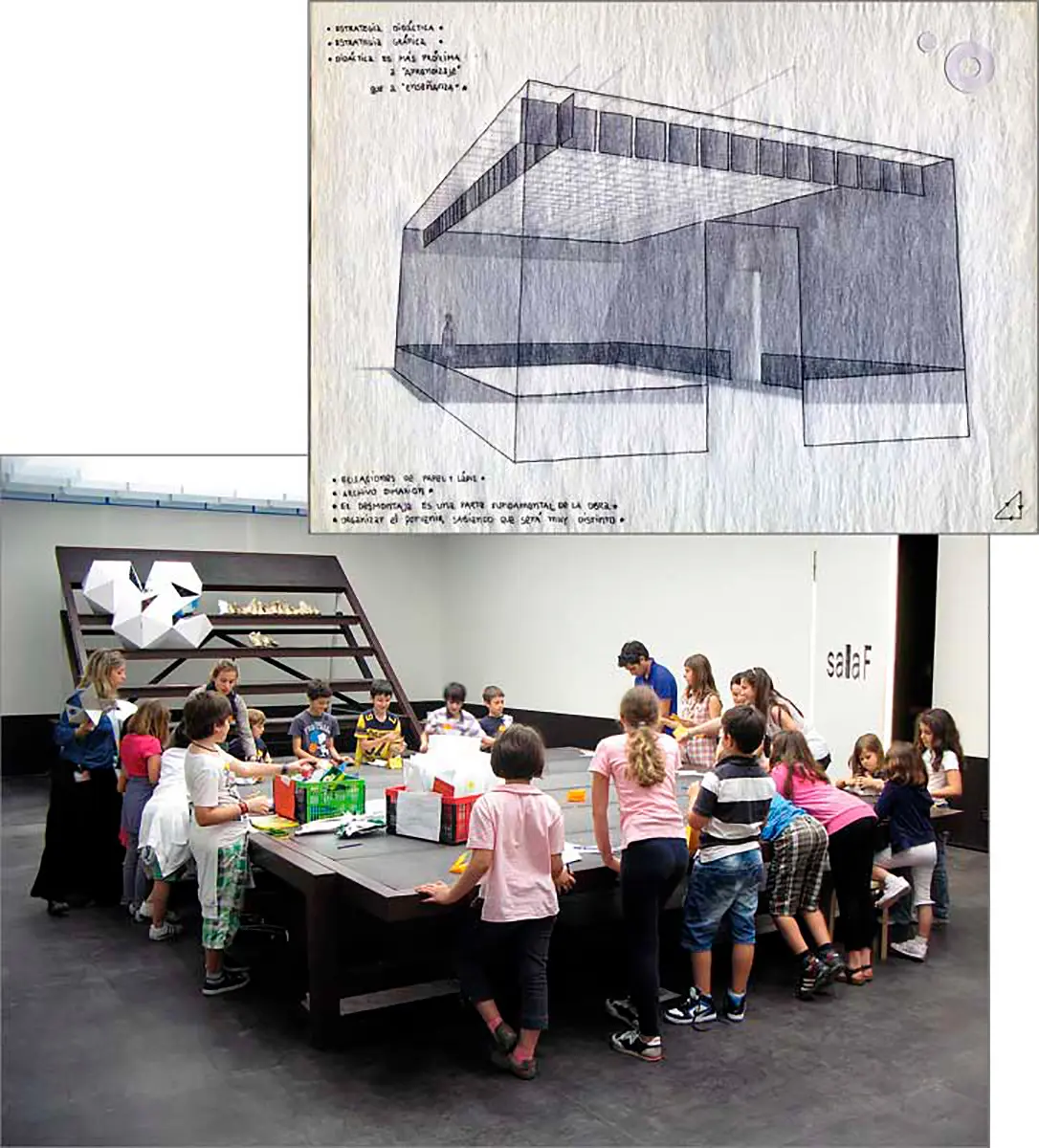
At any rate, and whatever the validity of these ideas about the modernity of Tintoretto’s use of light, what is true is that the inclusion of The Last Supper and The Stealing of the Dead Body of St. Mark—another one of his paintings, also on display—marked a point of inflection in the Biennial’s pavilion, whose great heterogeneity was in accordance with the event as a whole, where historicism coexisted without any apparent clash with political activism, cultural critique with institutional interrogations, and seditious conceptualism with multiculturalism and gender-based demands. And where there was also a space for works like Plan B, an installation by Ayse Erkumen in the Turkey pavilion, which was nothing more than a water-purifying plant connected to the canals that encircle the Giardini. Art as an offering of ecological alternatives to the coming climate catastrophe, which, with the rising of sea levels, will endanger Venice’s very existence? Or are we speaking of desertification? The problem is that similar questions could be raised when contemplating F Room, the classroom-like (or perhaps it was a contemporary artist’s studio) assemblage presented by Colombian artist Nicolás París in the Biennial’s pavilion: it was animated by the intention not of “exhibiting objects,” but of “using drawing to create spaces for dialog, generate experiences, and produce reflections.” Such goals are, of course, legitimized by relational aesthetics, yet they were insufficient in themselves to put Paris’ project in the same artistic category of works by Sigmar Polke (Germany); Cindy Sherman, Golden Lion winner Christian Marclay, and James Turrell (US); Amalia Pica (Argentina), African artists Gedeon and David Goldblatt; Philippe Parreno (France); Dayanita Singh (India); Haroon Mirza (England, winner of the Silver Lion); Gabriel Kuri (Mexico); Monica Sosnowska (Poland); or Switzerland’s Peter Fischli & David Weiss, and Shahryar Nashat, all of them with works in the same Pavilion. There we also encountered, in all the elevated points of an architecture that retains the markings of highly art-deco monumentalism, the blackbirds, probably ravens, with which Italy’s Maurizio Cattelan—always such a provocateur—chose to cite Alfred Hitchcock’s famous film and evoke, in the midst of our own uneasiness, the terror unleashed by an avian insurrection, with birds finally tired of humans doing with them as they please.
But where the Biennial’s unrelenting multifariousness reached its most intense expression was probably in the Italian pavilion, the very same one that motivated the phrase “bulimic plethora” cited before. This pavilion enraged many observers, including Miguel Mora, Italy correspondent for the Madrid newspaper El País. Mora described the exhibit as an exercise in “kitsch populism” and gave ample space in his chronicle of the Biennale to the voices of those who see Vittorio Sgarbi—the pavilion’s curator and a habitual talking head in his country’s TV—as a “buffoon” and, to make matters worse, “a friend and avid defender of Silvio Berlusconi,” the Italian Prime Minister, perhaps ultimately responsible for this aesthetic debacle. “This is Berlusconi’s anti-politics, but in the field of art,” explains Paolo von Vacano, quoted by Mora. “Fortunately, the regime is falling apart in plain view. Among other things, because Berlusconi and Sgarbi do not know what the Internet is,” sentenced this art-book publisher who, paradoxically, overvalues the Web. I think it best, however, to leave Berlusconi outside this debate and focus on what really irritated the most vocal critics, whom Sgarbi dismisses as a mafia intent on controlling markets, galleries, journals, and art criticism to impose a “radical elitist canon.” No surprise, then, to find the access to the Pavilion presided over by a large neon sign that hangs in the air and reads L’arte non é cosa nostra, in evident allusion to organized crime, or to stage designer Cesare Inzerillo’s project Mafia Museum, included in the show. But the greatest shock came from the methods adopted by Sgarbi in his attempt to free art from this “mafia” yoke and deliver it to the people. Instead of presenting his own curatorial selection of artists and works, Sgarbi chose to have 200 Italian cultural and political personalities “point out” the paintings, sculptures, photographs, videos, drawings, designs, etc., they deemed deserving of inclusion in a pavilion that carried the name of their country. With their participation and their gesture, says Sgarbi, they attest to “a reality that cannot be exiled into a ghetto by the trends now dominating art galleries.” The result of this massive survey was the gathering and exhibition of some 260 artworks, which literally saturated the pavilion’s space at the Arsenale and forced the coexistence of works of such dissimilarity—of such incommensurability if you will—as Jannis Kounellis, Gaetano Pesce, or Piero Della Francesca with images of porn actress Vittoria Risi. On the other hand, Italian artists or artists of Italian descent dispersed around the world have no reason to complain, as their inclusion in the pavilion was a true act of recognition. Umberto Giangrandi, established for decades in Bogotá, was among them.
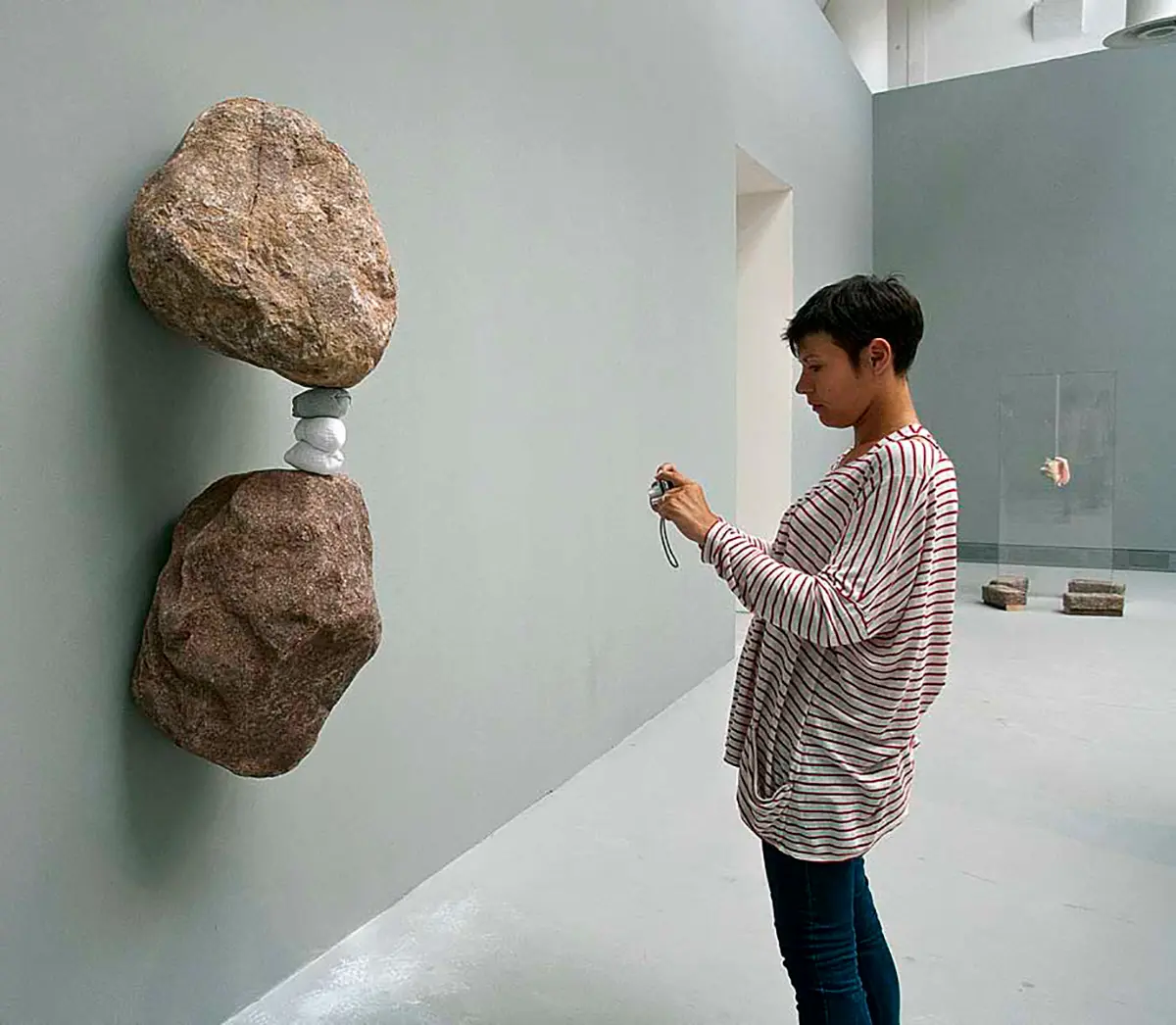
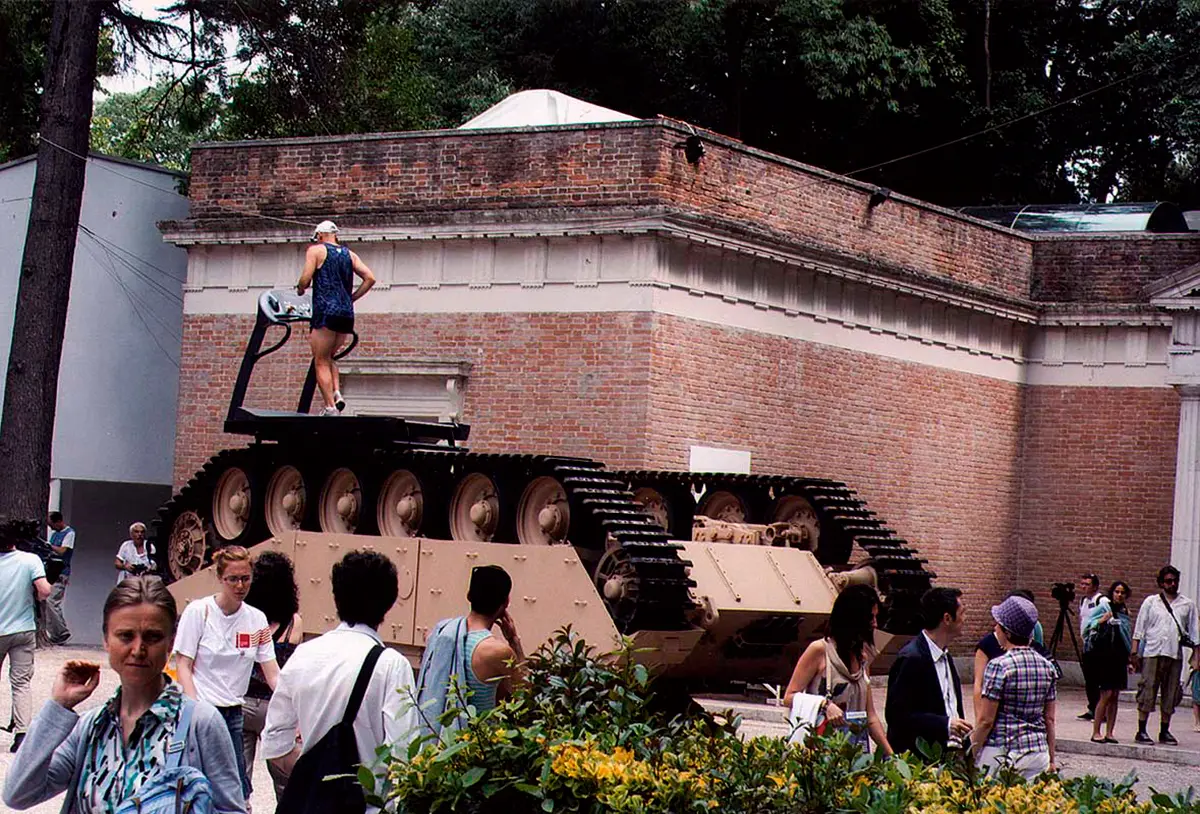
At the opposite end of these multitudinous pavilions were those in the Giardini devoted to a single artist, as was the case with Germany, already mentioned. Or Belgium where Ángel Vergara was the artist invited by another artist, Luc Tuymans. Or Canada devoted exclusively to the work of figurative painter Steven Shearer. And Spain, with Dora García’s interactive project; France, dominated by an installation by Christian Boltanski, who thus completed his fourth participation in the Biennial; Israel, devoted to Sigalit Landau; or Japan, where Tabaimo presented a dazzling tribute to manga and digital animation. And the United Kingdom, entirely occupied by I, Impostor, Mike Nelson’s complex work of ephemeral architecture evoking a desert caravansary. These were all interesting, but I was most impressed by the United States’ pavilion, devoted to the exhibition of a formidable series of works by the artistic couplet of Jennifer Allora and Guillermo Calzadilla. Allora and Calzadilla launched a critique of the aggressiveness, the mechanical cult of the body, and the extensive competitiveness present in US culture through an ironic commentary on its allegories and most characteristic symbols. Visitors to the pavilion were welcomed by an impressive installation of a real military tank turned upside down, one of its caterpillar tracks serving as a treadmill for an athlete training on it as if performing in a theater, in view of the public but entirely oblivious to its presence. Inside the pavilion, we encountered Algorithm—one of the best works in this Biennale—the assemblage of an ATM machine and an organ playing music; the tunes were selected from an archive of works by Jonathan Bailey based on the operation performed and the bank chosen by viewers who approached the ATM as if it were a regular one. And also Armed Freedom Lying on a Sunbed, where a replica of the sculpture Freedom Triumphant in War and Peace (which sits atop the Capitol, in Washington, D.C.) tanned itself inside a UV-Ray chamber.
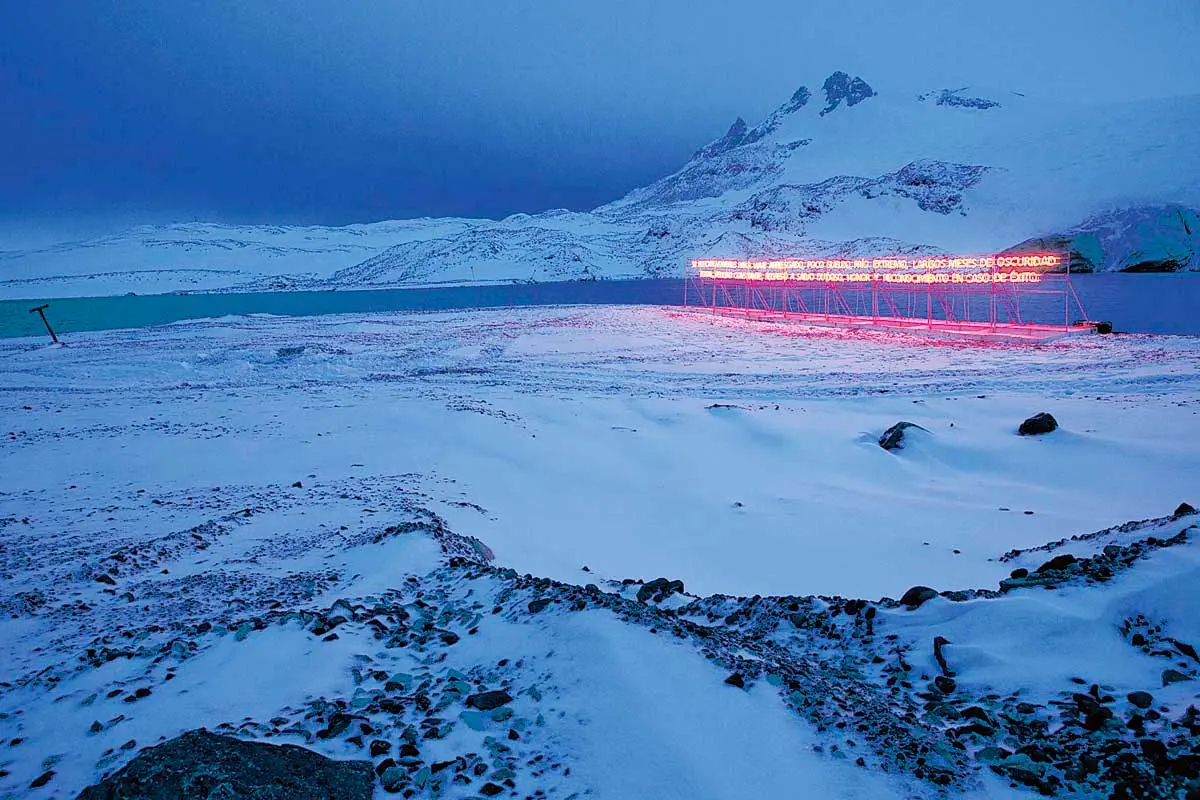
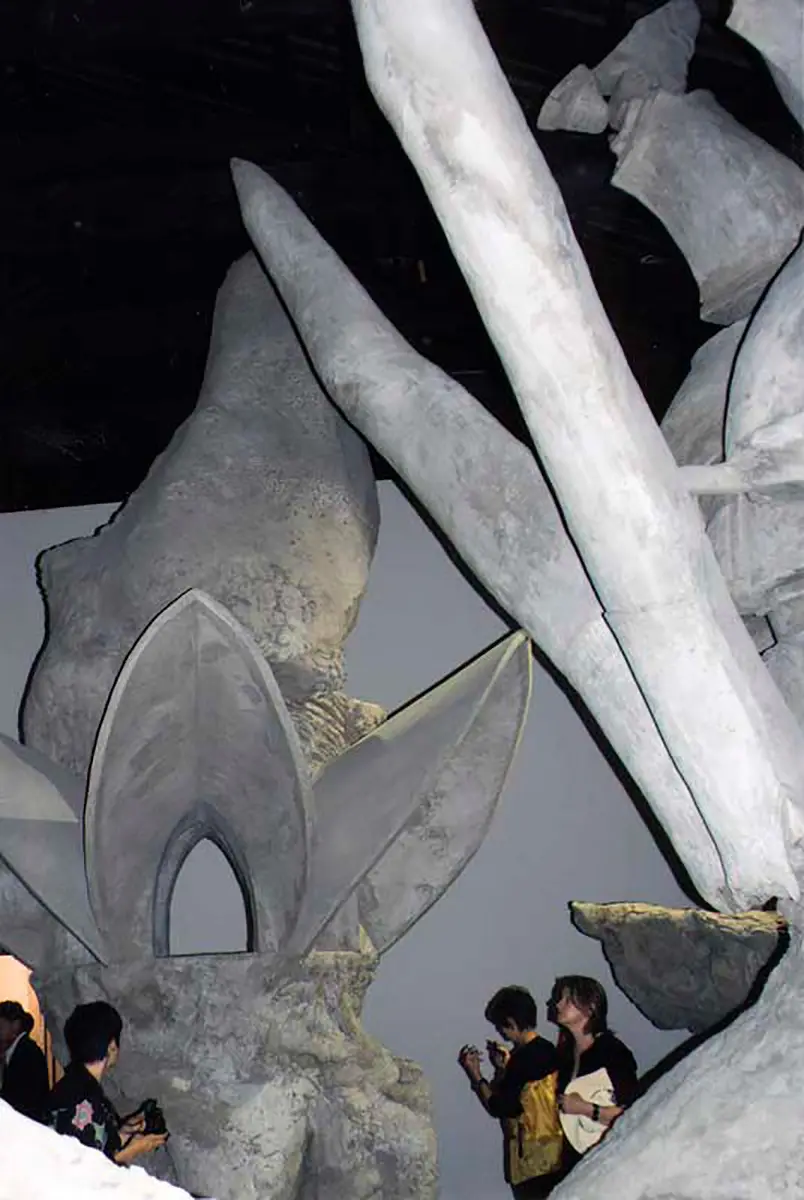
The Latin American presence also broke records at this edition of the Biennial. It was the largest in history and to a degree, it compensated for the international art scene has shifted its center of gravity—or at least its most intense focus— towards the Middle East, Central Asia, China, and India, all of the regions and countries with their respective pavilions. The Brazil, Venezuela, and Uruguay pavilions were, as usual, housed in the Giardini. Brazil exhibited works by Artur Barrio; Venezuela had a Pop-Art mural by Francisco Bassin and a minimalistic one by Yoshi, as well as an installation/altarpiece by Clemencia Labin; Uruguay presented photographs by Magela Ferrero and works and videos by Alejandro Cesarco. At the Arsenale, a standout was the Argentinean pavilion, literally taken over by an imposing set of eleven clay-and-cement sculptures by Adrián Villar Rojas, a veritable landmark for this Biennale. Chile’s pavilion was also important, thanks to Fernando Prats’ show El gran Sur, which included drawings, frottages, and videos from two series: Acción Chaitén, documenting the artist’s intervention in an area devastated by a volcanic eruption in 2009, and Terremoto, centered on drawings and frottages made by Prats in regions affected by the 2010 earthquake. The exhibition was completed with the following text, written in red neon and placed above the pavilion’s entrance: "Seeking men for risky journey / low pay / long months in total darkness / constant danger / safe return doubtful / honor and recognition in the event of success." This was the advertisement used by Irish explorer Ernest Shackleton in 1919 to recruit crew members for his Antarctica expedition, and Prats copied it in neon and installed it originally in the frozen landscape surrounding the Arturo Prat base, in Greenwich Island, South Pole.
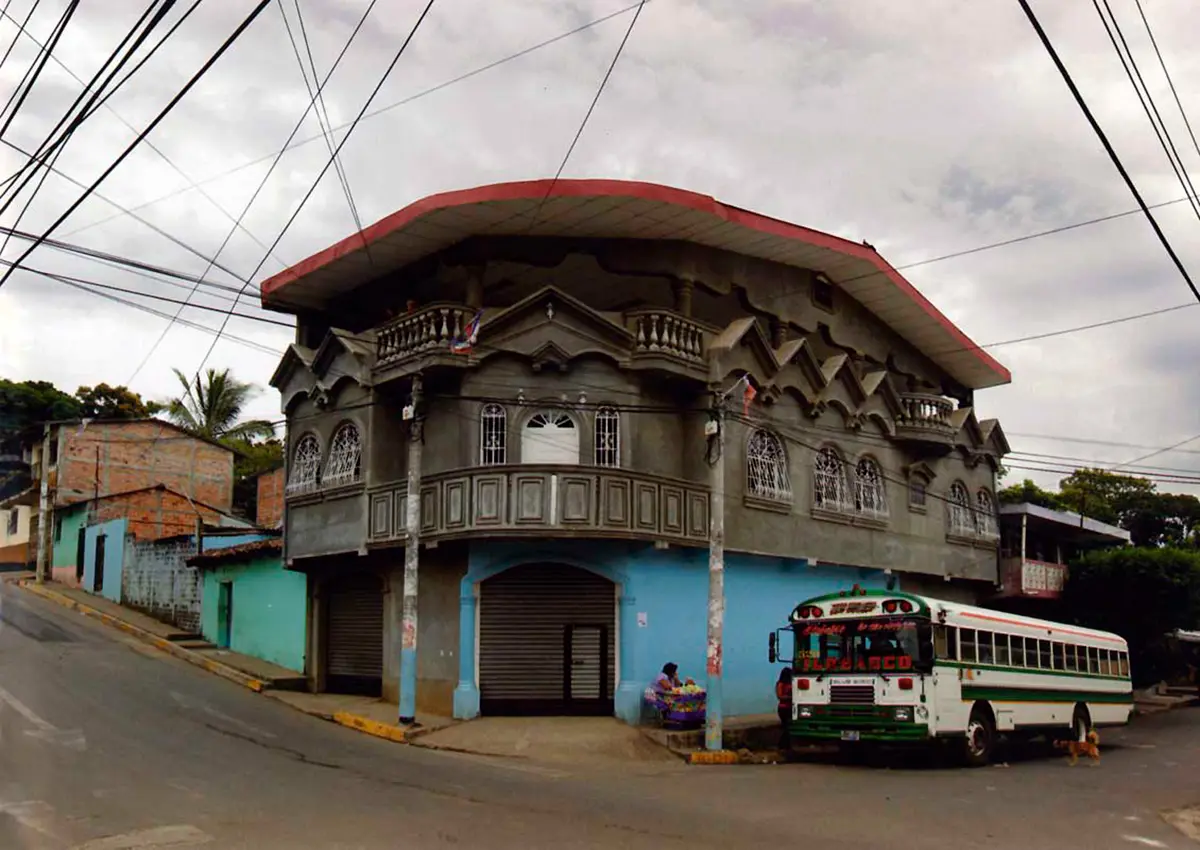
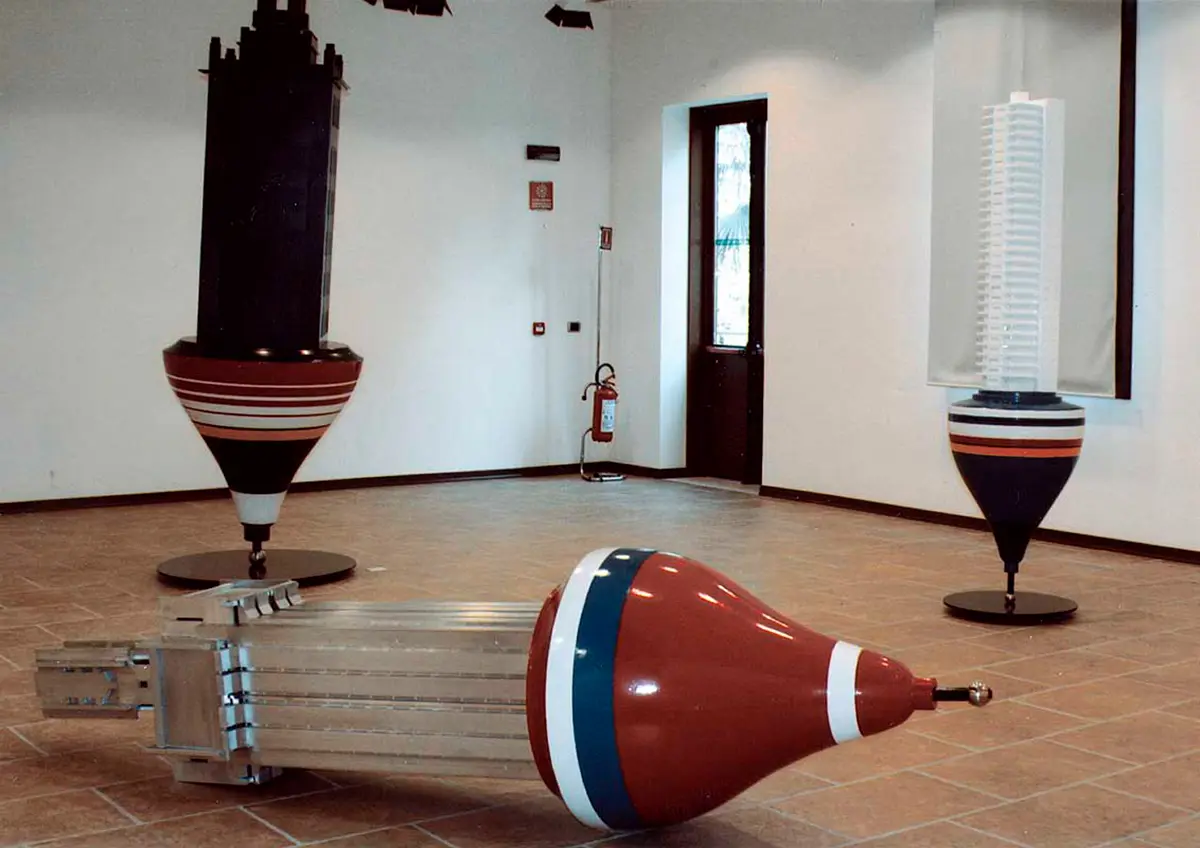
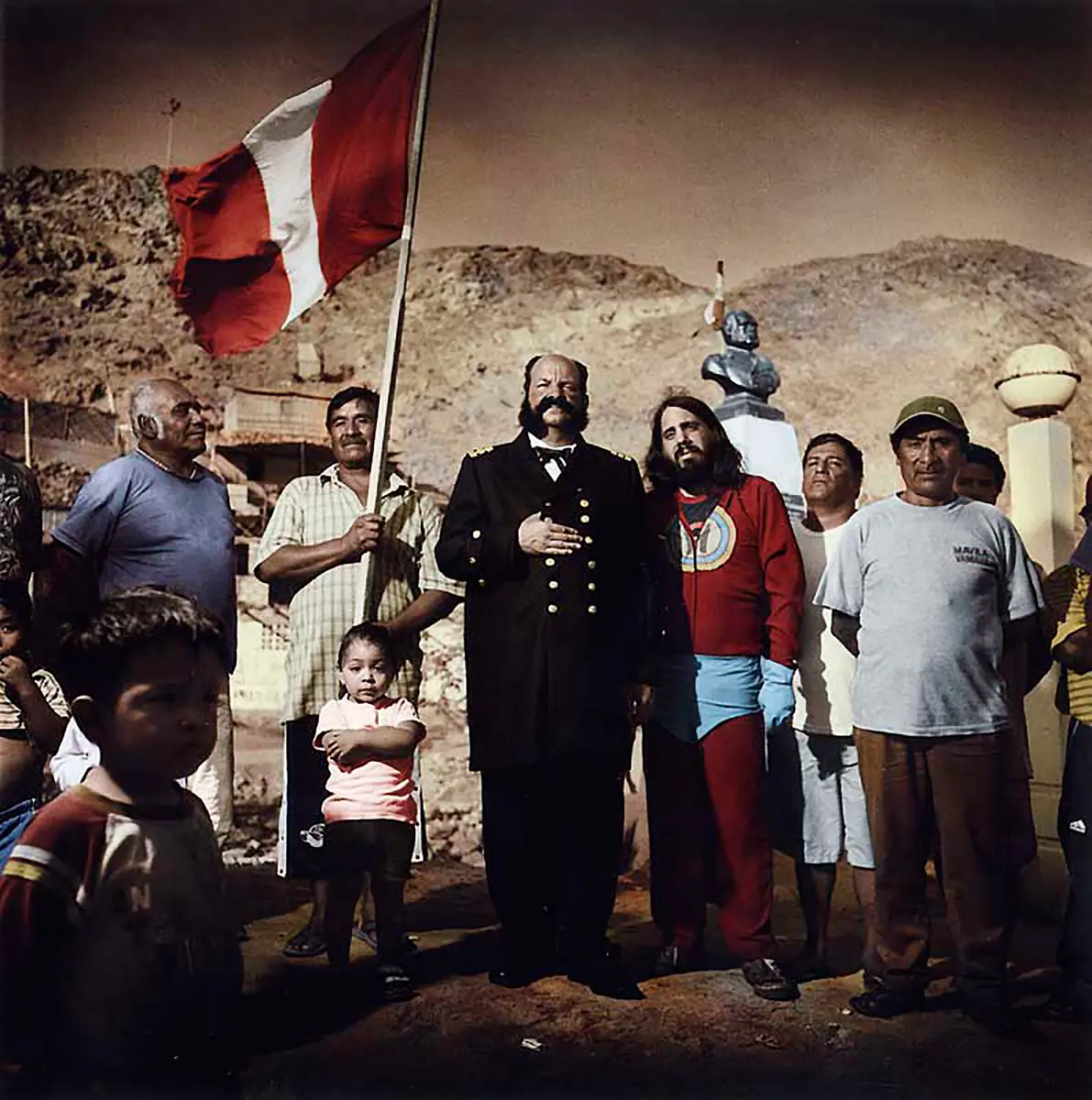
The Italian-American Art Institute’s pavilion was also located in the Arsenale, with works by some twenty artists from a variety of countries. Colombia’s Juan Fernando Herrán showed photographs from his series Escalas, taken in the most difficult slums of Medellín and Bogotá. Peru’s Fernando Gutiérrez presented a video record of his land journey from Lima to southern Chile, accompanied by Germán Grau, a great-grandson of Admiral Grau, a Peruvian national hero killed in the late-Nineteenth Century war between the two countries. The idea was for Grau, dressed as an Admiral of the period, to visit sites where his great-grandfather played a role. Walterio Iraheta, from El Salvador, exhibited photographs from the series Faraway Brother Styles, devoted to the fantastic architecture of houses built by immigrants to the US after returning to their countries of origin. And Regina Galindo, from Guatemala, on her third appearance at the Biennial, presented her Falso león, a replica of the Golden Lion she received as Young Artist in the 2007 edition, which she later sold to Santiago Sierra, who later exhibited it as an act of his own (albeit specifying its origin).
Finally, situated outside the Arsenale were Mexico—with an ample show of Melanie Smith’s works—Costa Rica, and Cuba, where the standouts were the sculptures: Alexander Arrechea’s Imperio and Yoan Capote’s Migrants.
CARLOS JIMÉNEZ
Art critic and professor. Author of Los rostros de Medusa. Ensayos sobre la retórica fotográfica.