
With each new edition, the Mercosur Biennial achieves greater prominence in the Brazilian and international arenas. There has been an evident process of consolidation as a serious, well-planned event that, besides making important contributions to the understanding of contemporary art in Latin America, has as its master axis the premise of educational outreach. The Porto Alegre Biennial’s educational project has been one of its distinguishing characteristics: every curatorial action is conceived with attention to the wide distribution of valid information to the general public via workshops, conferences, seminars, and publications, as well as the formation of guides.
For the 8th Biennial, under the general curatorship of José Roca, the coordination of all educational practices was assigned to Mexican artist Pablo Helguera.
The 8th Mercosur Biennial, Essays in Geopoetics, was held from September 10th through November 15th and brought into focus a critical redefinition of the issue of the territory, based on an artistic perspective. The show gathered 105 artists from 31 countries, with works dealing with themes of colonization, the gaze of the scientific traveler, the definition of the nation and its policies, geopolitical constructs, the problematic notion of borders, transnational alliances, and the dynamics between the local and the global.
According to the general curator, the 8th Mercosur Biennial wanted to “present alternatives to the conventional idea of the nation, as well as to debate new cartographies, the relationship between political and geographic conditions, positioning between the regional and the global, the pathways for the circulation and exchange of symbolic capital, citizenship in non-urban territories, the political status of fictitious nations, and the relationship between science, traveling, and colonization.”
The corpus of this biennial comprised four exhibitions, several urban interventions (framed within the proposal titled Unseen City), and actions in spaces like Casa M and Continentes (temporary locations intended to promote conviviality and reflection; a meeting point for the local artistic community, with the purpose of building networks of exchange).
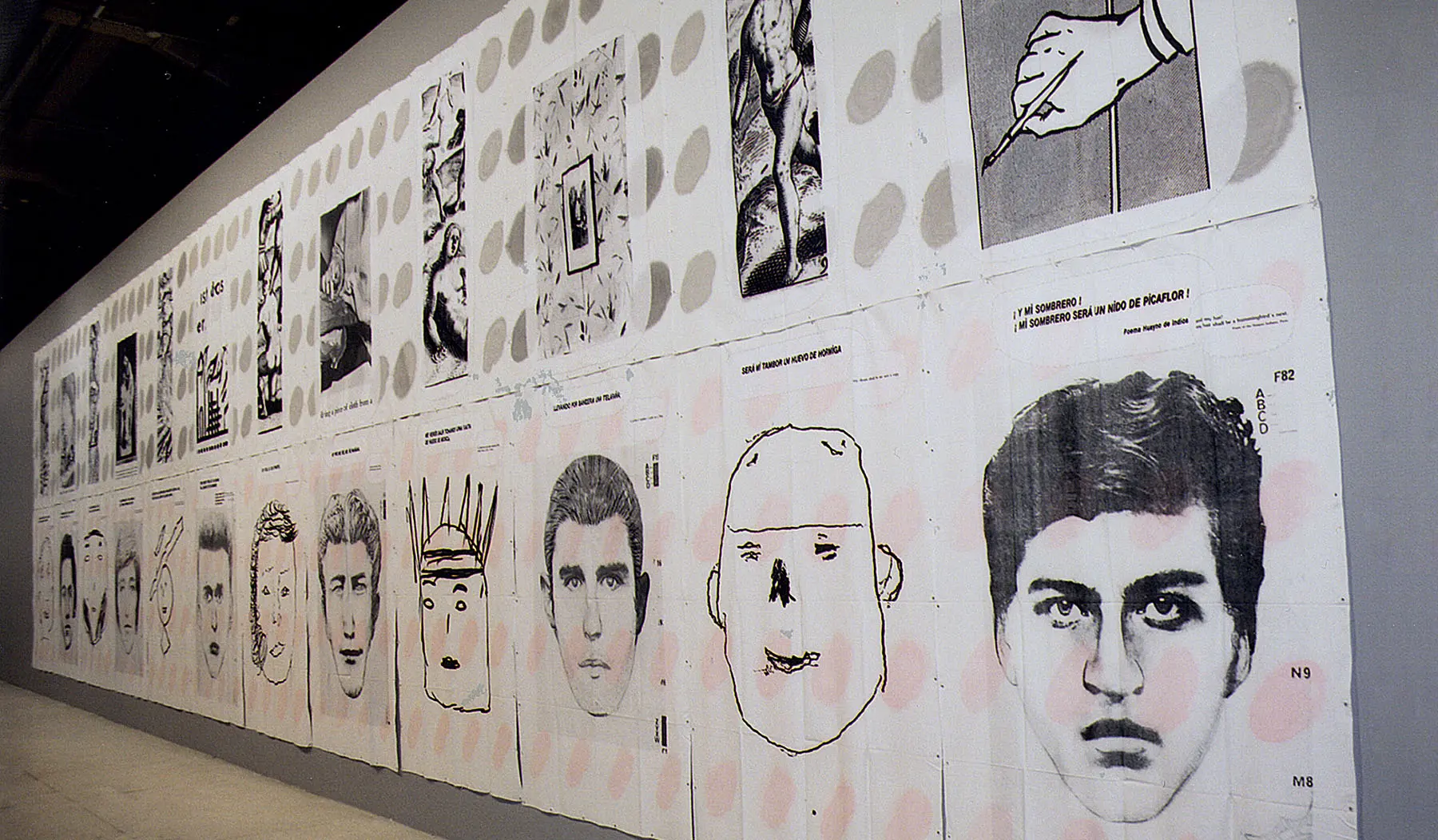
Eugenio Dittborn’s exhibition of Pinturas Aeropostales, curated by general curator José Roca, was presented at the Santander Cultural. It was programmed to travel to other cities, such as Bagé, Caxias do Sul, and Pelotas, as part of the Biennial’s outreach project to the entire state of Rio Grande do Sul. Curated by Aracy Amaral, and de Museu de Arte de Rio Grande do Sul (MARGS), the exhibition Beyond the Border proposed a dialog between works in the Museum collection and the production of Latin American artists from different generations. The shows Travel Notebooks and Geopoetics were presented at the city’s port warehouses, as a collaboration between the general curator and the adjunct curators.1 Geopoetics was the Biennial’s main axis, to which all the other exhibitions and actions are connected.
In Eugenio Dittborn’s show Pinturas Aeropostales, the audience was able to connect with a project that the artist has been pursuing since the 1980s through his construction of mixed-technique works (drawing, sewing, painting, collage). These works are folded and sent through the mail, in envelopes that are also included in the show, next to the works themselves, as they were conceived and executed to facilitate the art’s transport and serve to document their itinerary as they are presented around the world.
As noted by Chilean critic Roberto Merino, Dittborn’s poetics transforms “the metropolis into a site of transit” and is based on the idea of transterritoriality, of nomadism, on strategies for the subversion of borders, entering urban centers without letting itself be neutralized by them. According to José de Roca, it is possible to approach Dittborn’s work at least from three standpoints: the strategic, the material, and the iconographic. The strategy followed by the Pinturas Aeropostales resides in the fact that they travel as letters and unfold as paintings once their destination is reached. But they do not stay there: an aeropostal painting is always in transit. This is why Dittborn says that the aeropostal-ness of his paintings resides in their folds. In terms of his materials, he started with Kraft paper, but in 1986 he began using a synthetic, not woven lining. In the mid-1990s Dittborn switched to a kind of canvas known as “duck fabric,” and has continued using it to this day. His work processes include: dyeing, threading, sewing, embroidering, printing, drawing, inserting, and folding. In his paintings, color is spilled onto the support, which is arranged horizontally. The pigmented liquid soaks and penetrates the support, staining it. In that pictorial field, the artist arranges his iconographic elements, which are printed directly on the fabric or another material (usually thin cotton cloth or satin,) which are later cut out and threaded into the work. Dittborn’s iconography includes topics such as shipwrecks, air accidents, funeral shrouds, cradles, envelopes; there are fragments from drawing manuals, old advertisements, cartoons, historical engravings, press notes, policy-related matters, all of which is combined into singular writing that constructs, as the curator says, “ideograms.”
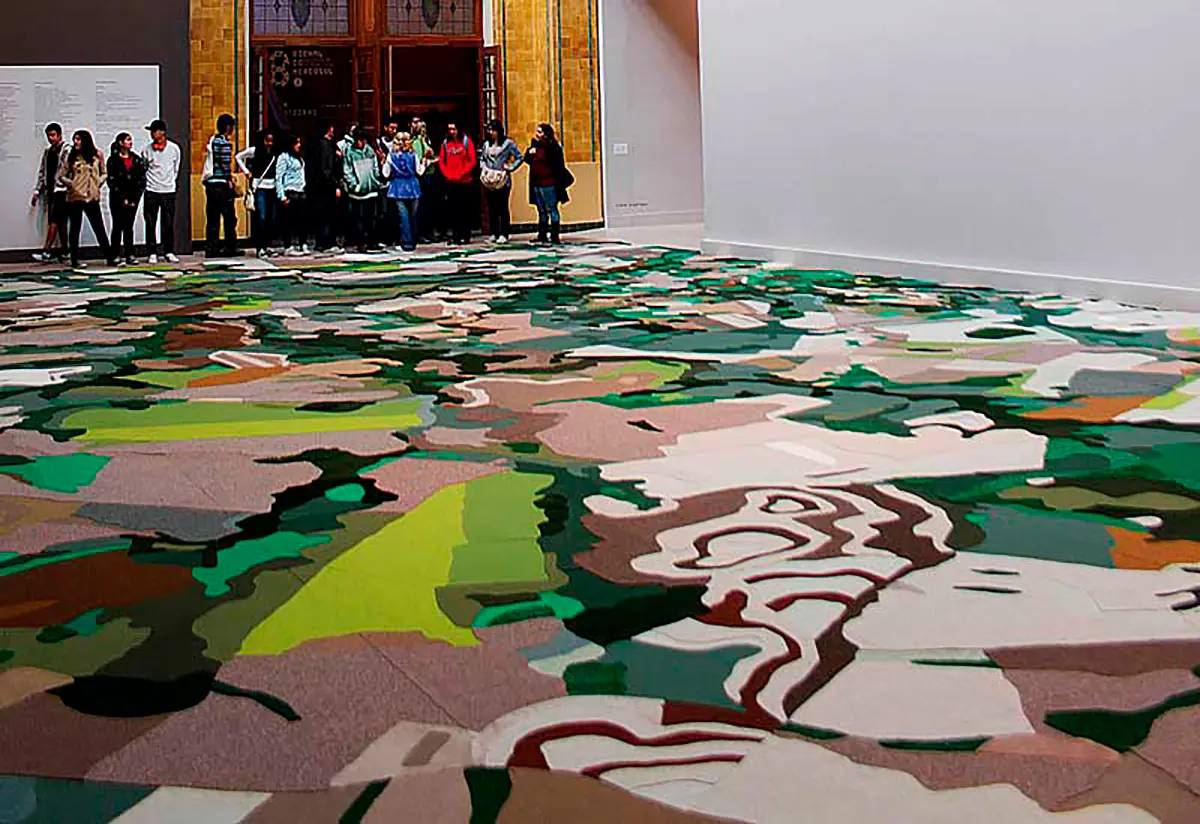
For the show Beyond the Border, nine artists were invited to travel through Rio Grande do Sul and collect, in the experience of their journey, ideas for works to be presented in the exhibition. The artists invited were: Lucia Koch, Carlos Vergara, Marina Camargo, Carlos Pasquetti, Cao Guimarães; Felipe Cohen and Irene Kopelman, from Argentina; José Alejandro Restrepo, from Colombia; and Gal Weinstein, from Israel. The curator’s proposal was to bring into the show a sensorial reading of the region’s landscape and cultural reality. The places visited by these artists were the border regions between Brazil, Argentina, and Uruguay. They were also asked to engage, as we said before, in a dialog with the collection of the museum where the exhibition was held (MARGS). Their travels put special emphasis on the regions pampas, Missions, and the deep ravines.
Two highlights in this section of the Biennial are Marina Camargo’s photographic work and José Alejandro Restrepo’s installation. Camargo’s Tratado de Límites presents an interesting conceptual re-elaboration of her journey to Brazil’s southern tip, a border region with Uruguay, in works that attempted to reveal the area’s cultural and geographic identity while questioning the certainty of the border between the two countries. Among other elements, her work included film projections, photographs, and sound installation.
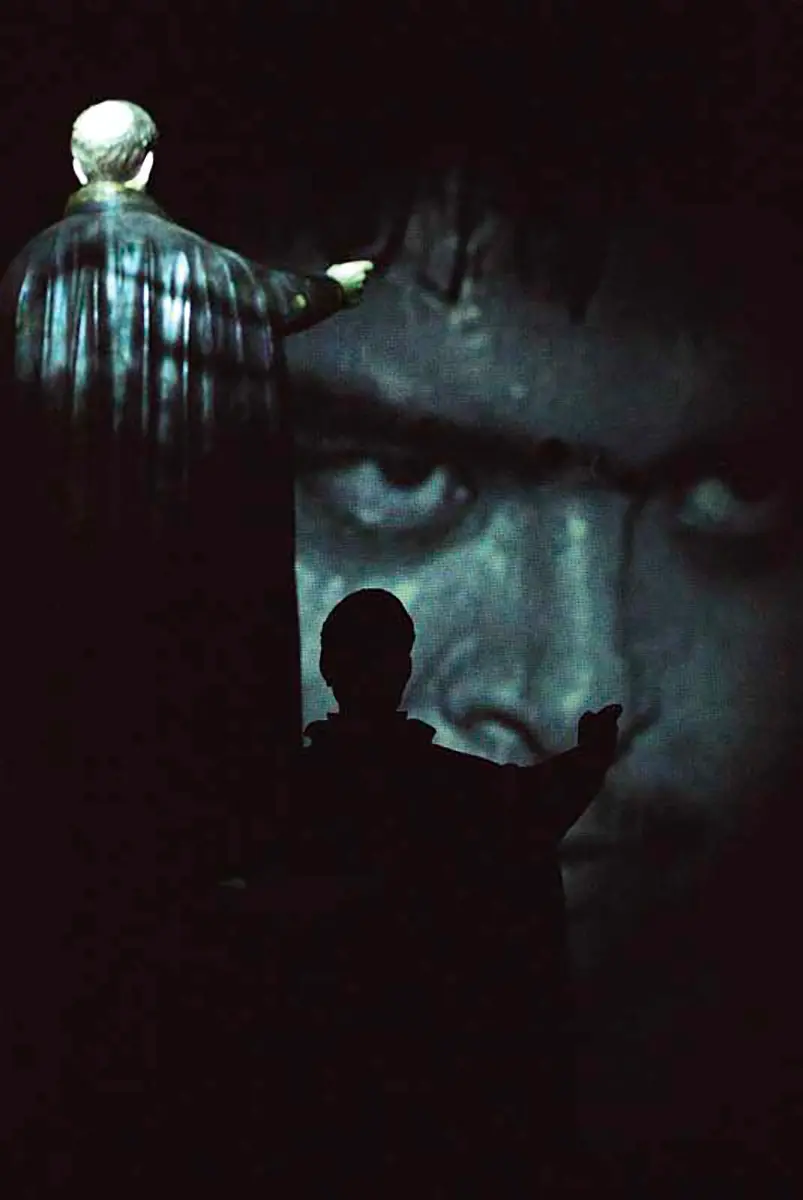
In two videos presented as part of the show at MARGS, José Alejandro Restrepo explored the issue of the indigenous world and the imposition of the Christian religion through the old Missions. In the videos, images from contemporary religious TV show dialog with works from the Baroque artistic legacy. Restrepo’s work underscores the trans-historical dimension of exorcism, benediction, contagion, death, and penitence. He also wants to foreground the fact that image and the body are elements of seduction present since the Baroque period.
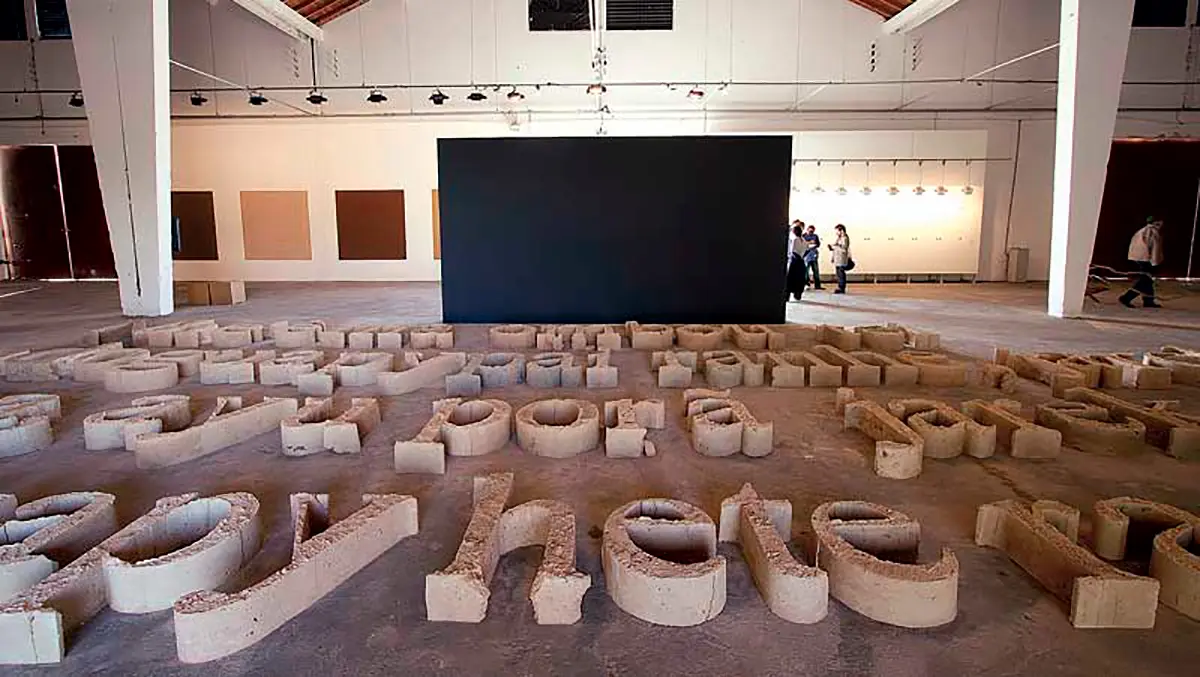
At the A7 warehouse, in the port district, the show Travel Notebooks brought forward the experience of displacement towards new places in the production of the works included. The project brought together nine artists from different countries. These are artists who regularly take to the experience of traveling in order to articulate their work. They were invited to traverse different parts of the state of Rio Grande do Sul, documenting the region via photographs, objects, notes. They created performances and installations. 2 The result of their experiences was presented without delay in institutions based in the areas they visited, and there they promoted educational activities. For the biennial, these artists later prepared new versions of what had been previously on exhibit in the cities they visited.
In the show at the A7 warehouse, an installation by Chilean artist Bernardo Oyarzún, conceived during his journey through the Mission region and his two-week stay with the Guarani indigenous community, powerfully captured our attention. In Porto Alegre, the artist presented video portraits and an installation, made with Guarani-language words raised in clay-like sculptures, which reconstructed a narrative from that culture’s mythology.
The exhibition Essays in Geopoetics, which gave its title to the 8th Biennial as a whole, occupied the A4, A5, and A6 warehouses and included works by 59 artists. According to José Roca, this central segment of the Biennial dealt with the different ways in which contemporary artists approach issues of locality, territory, mapping, and borders. It also proposed an allusion to Mercosur as a regional geopolitical construct.
In the selection on exhibit in those warehouses, the ideas most frequently explored by the artists were the ideas of State and Nation, and the symbols most often used were national flags and their seals, maps—conventional or imagined—and passports, all of them connected to issues of identity and notions of citizenship.
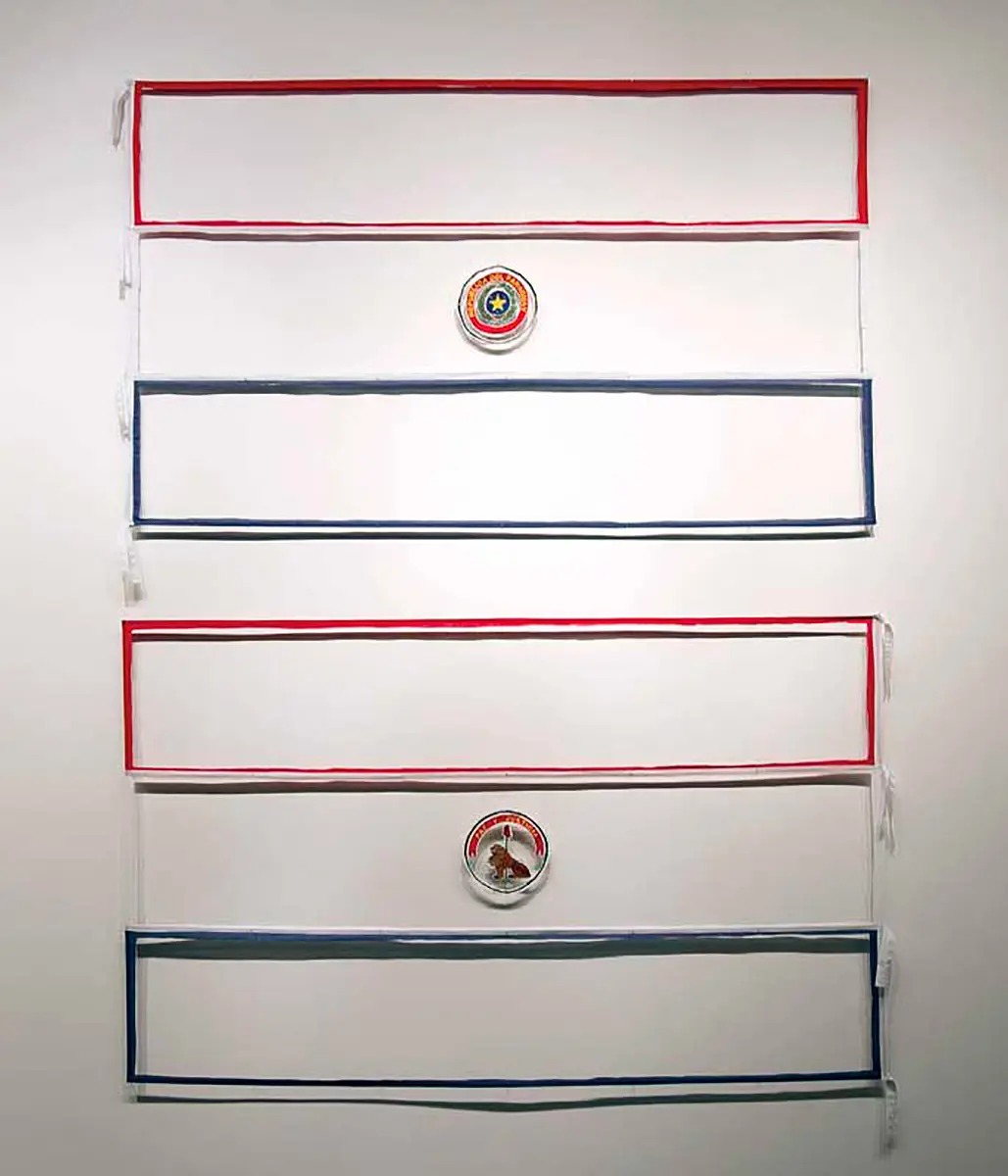
This review will highlight some works that include flags as symbols of the nation. An example to note is Bandera vacía, by Paola Parcerisa, a Chile-based Paraguayan artist. She used the national flag as an emblem to unveil social tensions: the symbol of identity is altered, its colors fade out, and only the seam and central emblems are left.
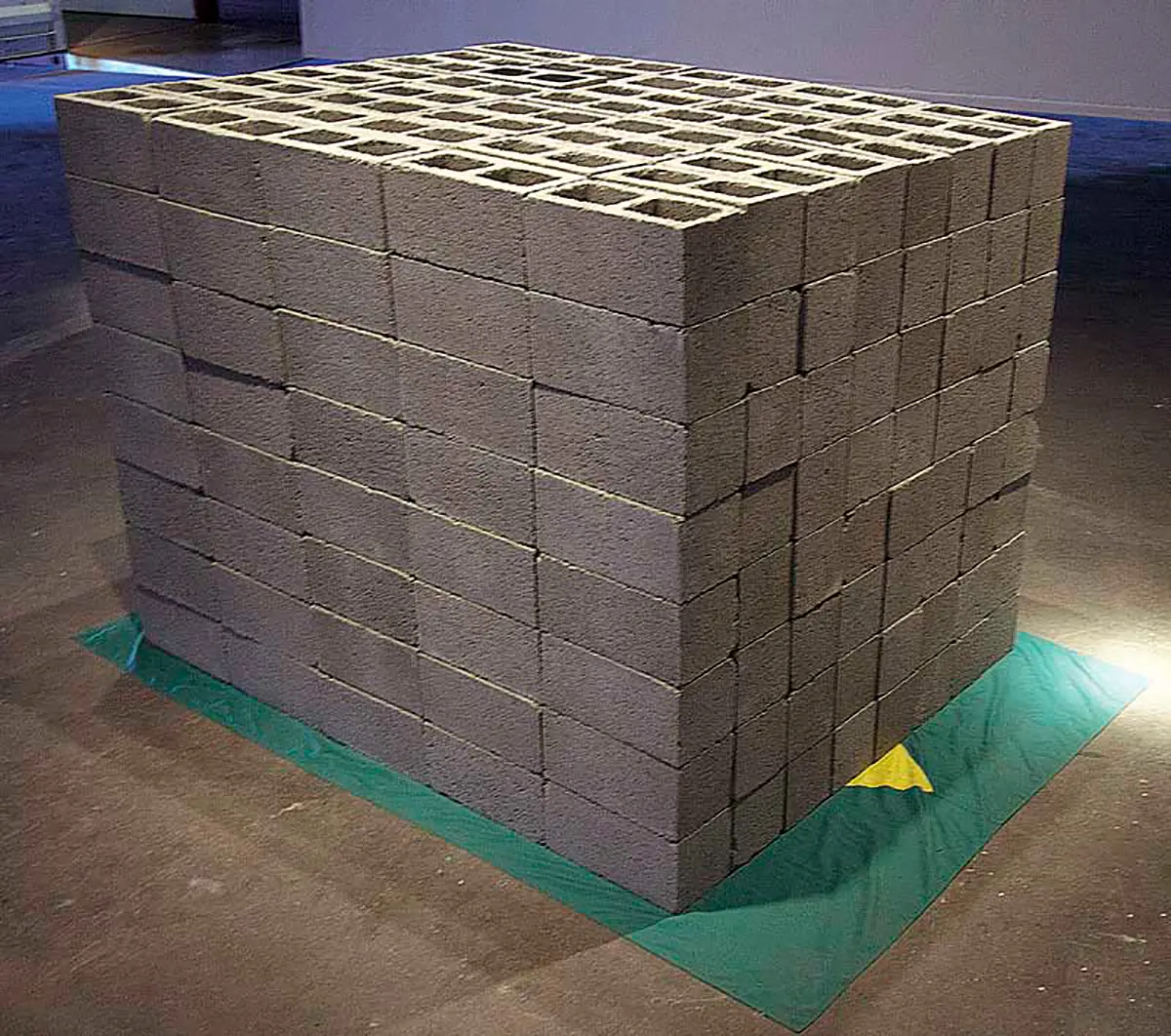
Marcelo Cidade, from Brazil, presented his installation Luto y Lucha, where his nation’s flag is placed under a rectangular construction of piled-up concrete blocks, alluding to a funerary mound. Instead of rising above the mound, the flag is buried, in reference to the way in which many national aspirations can be kept underground.
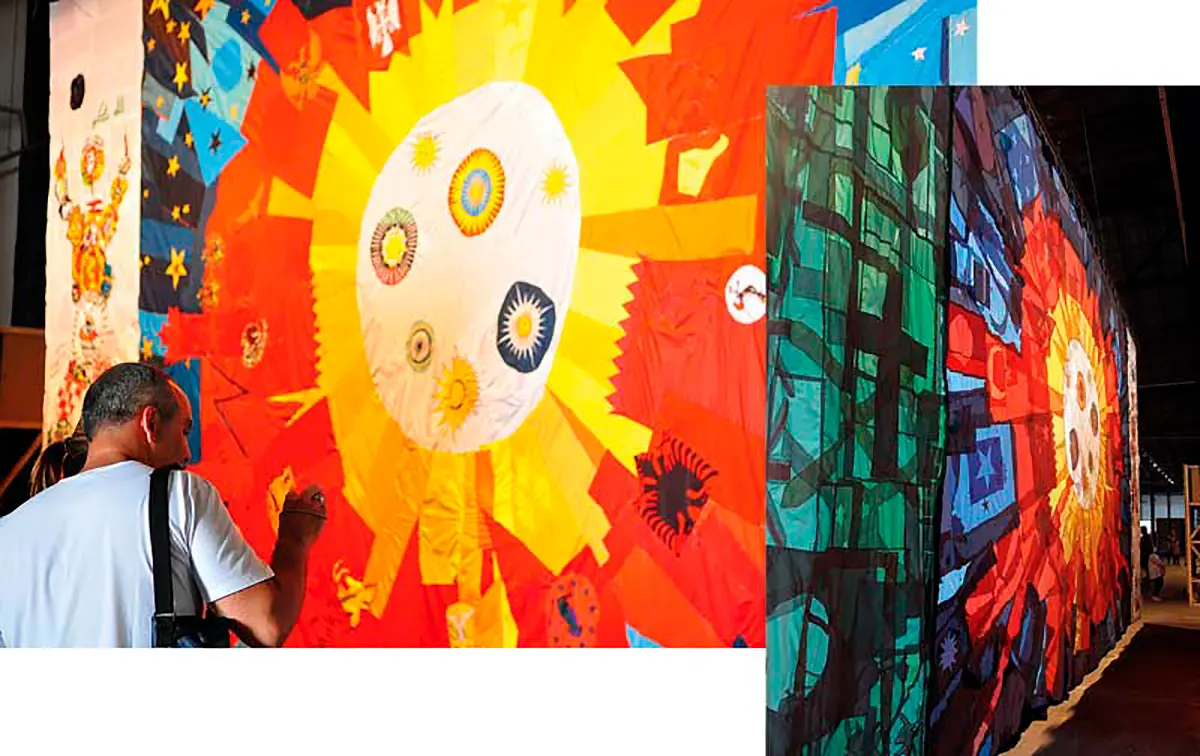
The Ykon collective, formed by Oliver Kalleinen and Pekko Koskinen, from Finland, promoted a “geopoetic” workshop, the Taller Geopoético Bandera, for the construction of their work in this Biennial. They proposed a seamstress group in the building of a patchwork with fabric cut out of flags from many countries. The intent was to create, symbolically, a single flag for those nations. In front of this flag made of fragments, the artists placed, on the floor, tranches of texts from the legal codes governing the use of the flag in those countries.
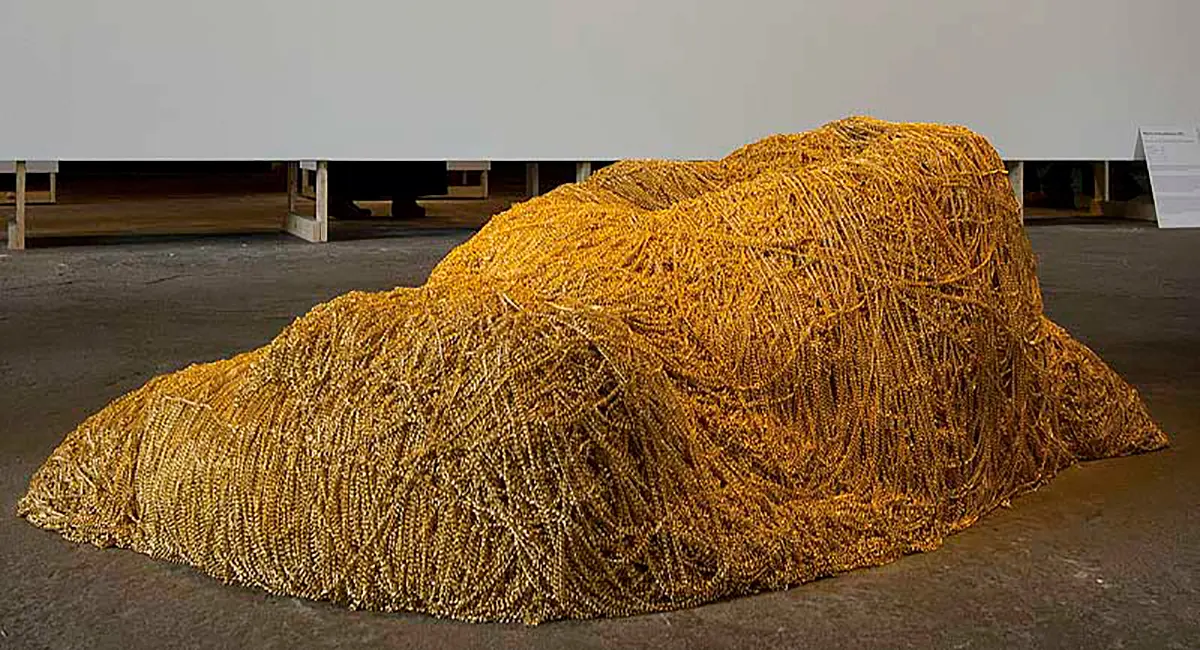
In this section of the Biennial, cartography was also noticeably present. In his Bisutería, 20.96 Km. – Isla Bermeja, Mexican artist Eduardo Abaroa deployed a chain of the kind used in the manufacture of imitation jewelry to draw the map of Bermeja Island, purportedly located in the Gulf of Mexico (its very existence is controversial). According to some, this island is just a border reference for the exploitation of oil deposits by the country north of Mexico. Across from the panels displaying the maps and framed reproductions of documents about oil exploitation, the artist built a “sculpture,” an accumulation made with the same gilded fake-jewelry chain, in the length that the island supposedly has measured in kilometers.
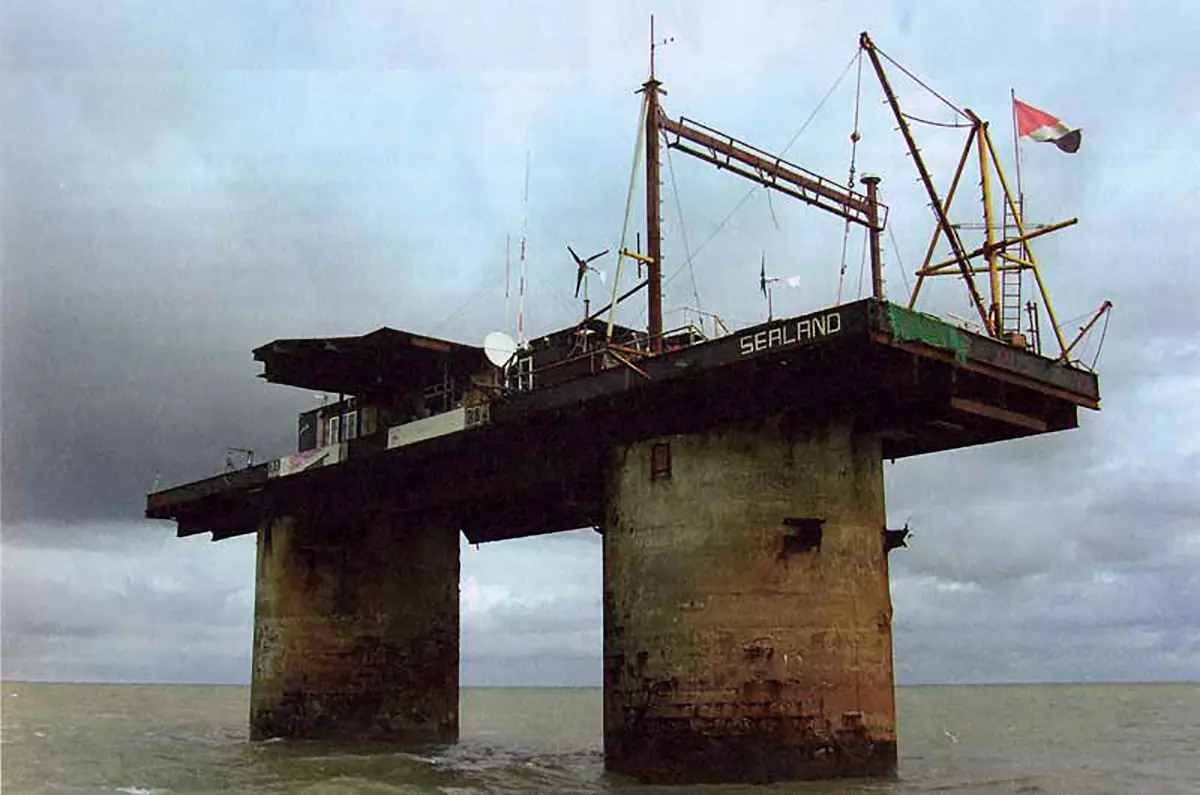
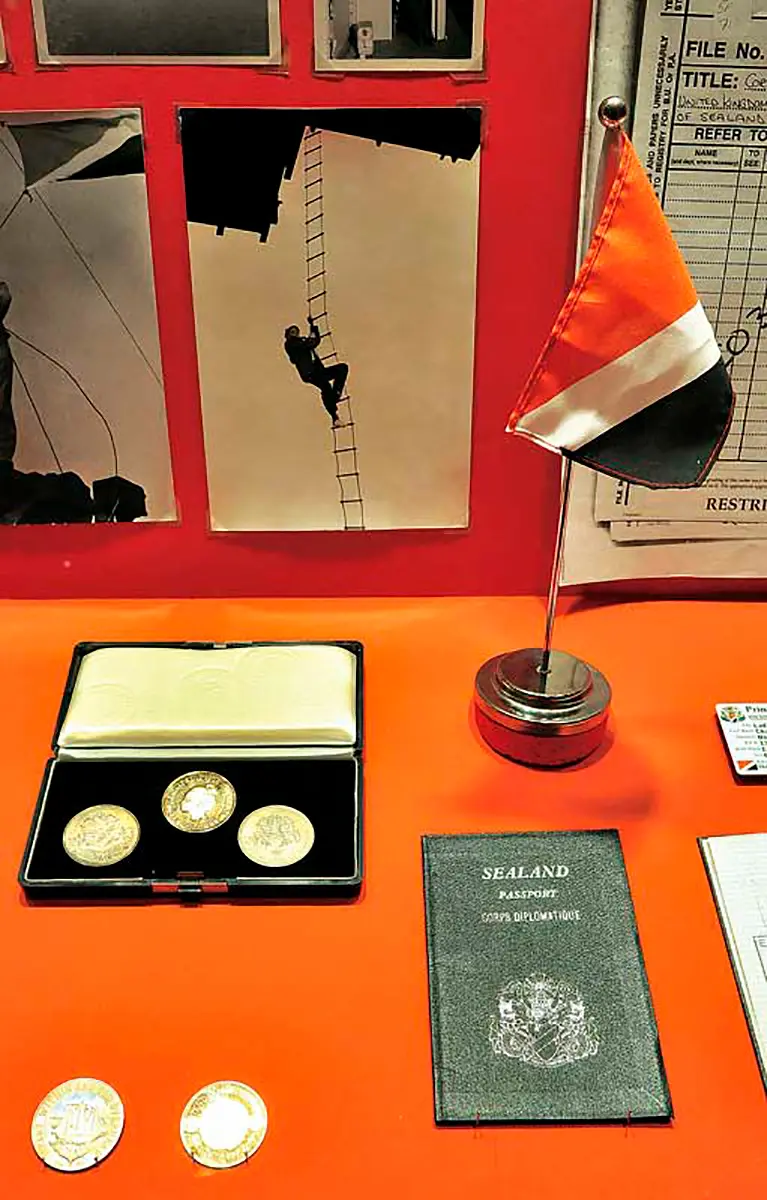
Some of the Autonomous Poetic Zones (the ZAPs, in Portuguese) that were created as inserts to the show, emphasized micro-nations: small or territory-less countries, real or imagined by the artists. An example is Sealand, a micro-nation established in 1967 on an old military base off Great Britain’s western shores, measuring 500 square meters, the best nation in the world!
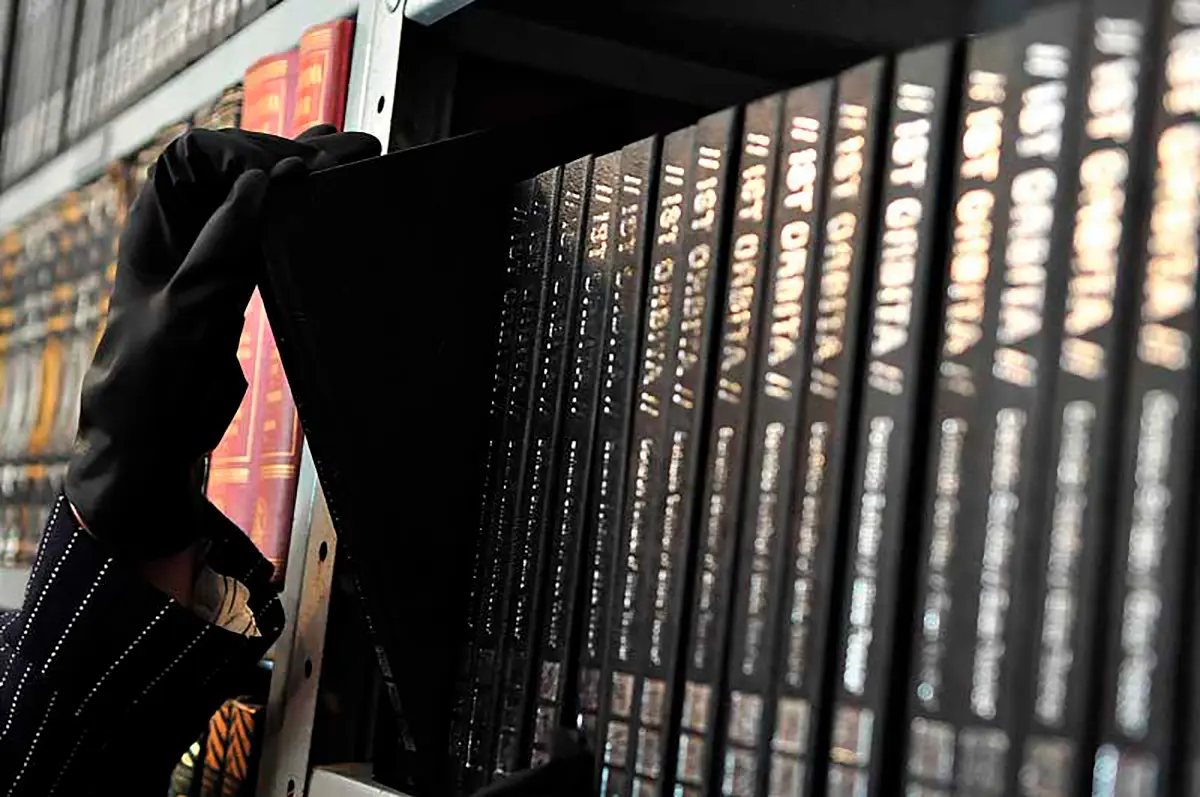
We must still mention, in the Biennial’s second section, titled Unseen City, the work by Elida Tessler that was installed at the Garagem dos Livros, a location in downtown Porto Alegre that is little known by its citizens. Several similar sites were selected by the curators for interventions by the artists. Thus was developed, according to adjunct curator Cauê Alves, a strategy to activate territories within the city that are scarcely perceived. Elida Tessler evoked in her installation great works of world literature, intended to trigger in her audience a chain reaction of mental associations.
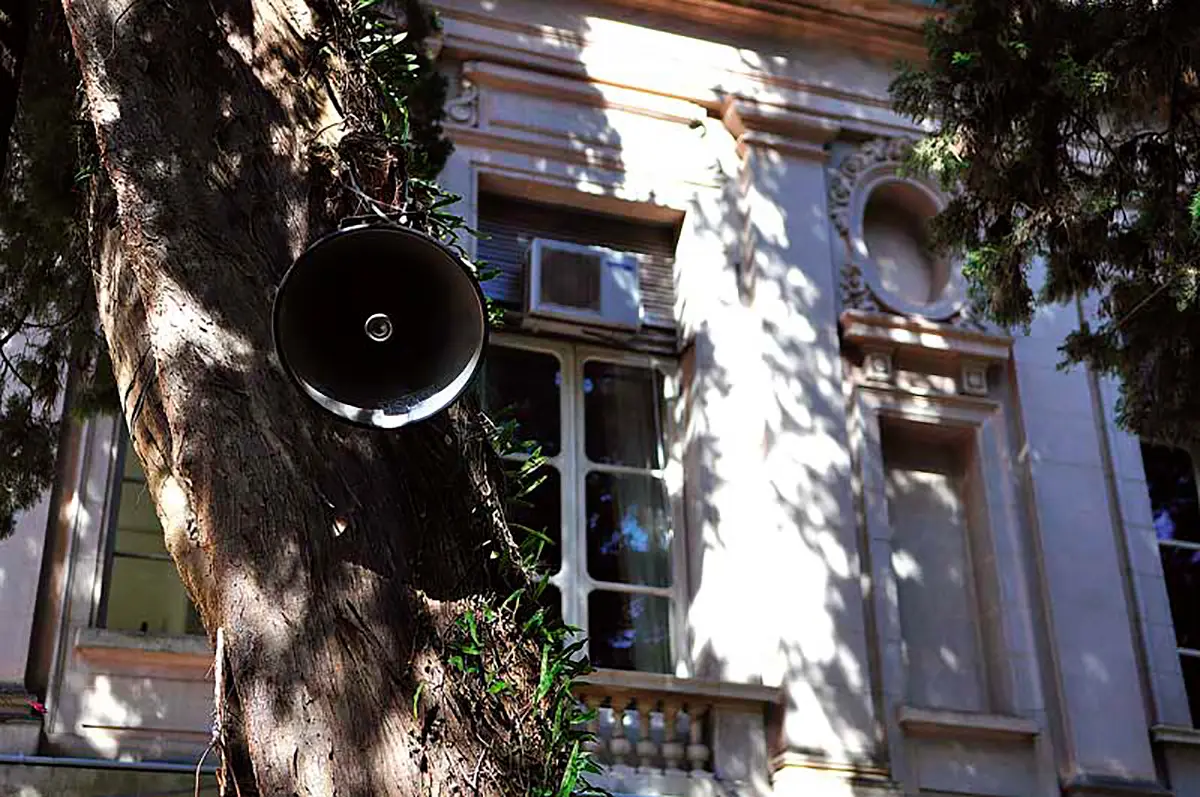
In the same context of the Unseen City section, Spain’s Santiago Sierra presented an interesting sound installation with the national anthems of Argentina, Brazil, Chile, Paraguay, and Uruguay, reproduced simultaneously and in a loop. His intention was to create a “transnational concert” of MERCOSUR. His work was installed in the gardens of the State of Rio Grande do Sul’s government palace.
Like previous editions, the 8th MERCOSUR Biennial stood out for its expo-graphic project. It generated a trajectory that allowed visitors to ambulate through the shows without a superposition or excessive accumulation of works of art. The exhibition design favored aesthetic experiences work by work, and at the same time made it possible to articulate reflection around the various proposals presented in the space of the sections defined by aesthetic themes or issues. At the port warehouses, it is necessary to highlight the use of natural lighting as a strategy to pace the exhibition of different works. Also impressive was the furniture built to accommodate film-based artworks. These were rustic metal structures that created small projection rooms, at once cozy and integrated into the physical space of the show.
As in prior editions, this Mercosur Biennial demonstrated a concern with positioning itself in the international scene, while focusing on the artistic production of the Latin American region. This edition made abundantly clear that the Biennial is intent in expanding the event to other regions and cities in Rio Grande do Sul, be it through powerful actions in the localities visited by the artists in the exploratory trips, or through the initiative of putting the exhibition blocks that built the 2011 Biennial into wider circulation.
NOTES
1. Alexia Tala (Chile), Cauê Alves (Brazil), Paola Santoscoy (Mexico).
2. Beatriz Santiago Muñoz (Puerto Rico), Bernardo Oyarzún (Chile), Kochta & Kalleinen (Finland), Marcelo Moschetta and Marcos Sári (Brazil), María Elvira Escallón and Mateo López (Colombia), Nick Rands, Sebastián Romo (Mexico).
LISBETH REBOLLO GONÇALVES
Professor, University of São Paulo. President of the Brazilian Association of Art Critics and Vice President of AICA, the International Association of Art Critics.