
In Latin America, where cultural projects often lack solid structures and policies that guarantee their continuity, the Santo Domingo Biennial stands out for its longevity. The first edition was held from and coincided with the start of the second Trujillo regime, in 1942. Other cultural enterprises were also launched during the dictatorship, such as the Escuela Nacional de Bellas Artes and the Galería Nacional. The Museo de Arte Moderno, MAM, for many years the site for the Biennial, opened in 1976 in the context of the creation of the Plaza de la Cultura, which, conceived from the centralizing perspective of confining all culture in a single territory, aggregates several of the country’s important cultural spaces. Such is the case of the Museo del hombre dominicano, whose discourse seeks to project the notion of the Dominican Republic as a nation felicitously formed by the harmonious tripartite integration of its ethnic and cultural components. In contrast, the MAM, under the brilliant leadership of María Elena Ditrén, leans more and more towards a conception of the museum not as a center of culture and knowledge, but as their generator. The 26th edition of the Santo Domingo Biennial clearly showed the dialectic between both tendencies.
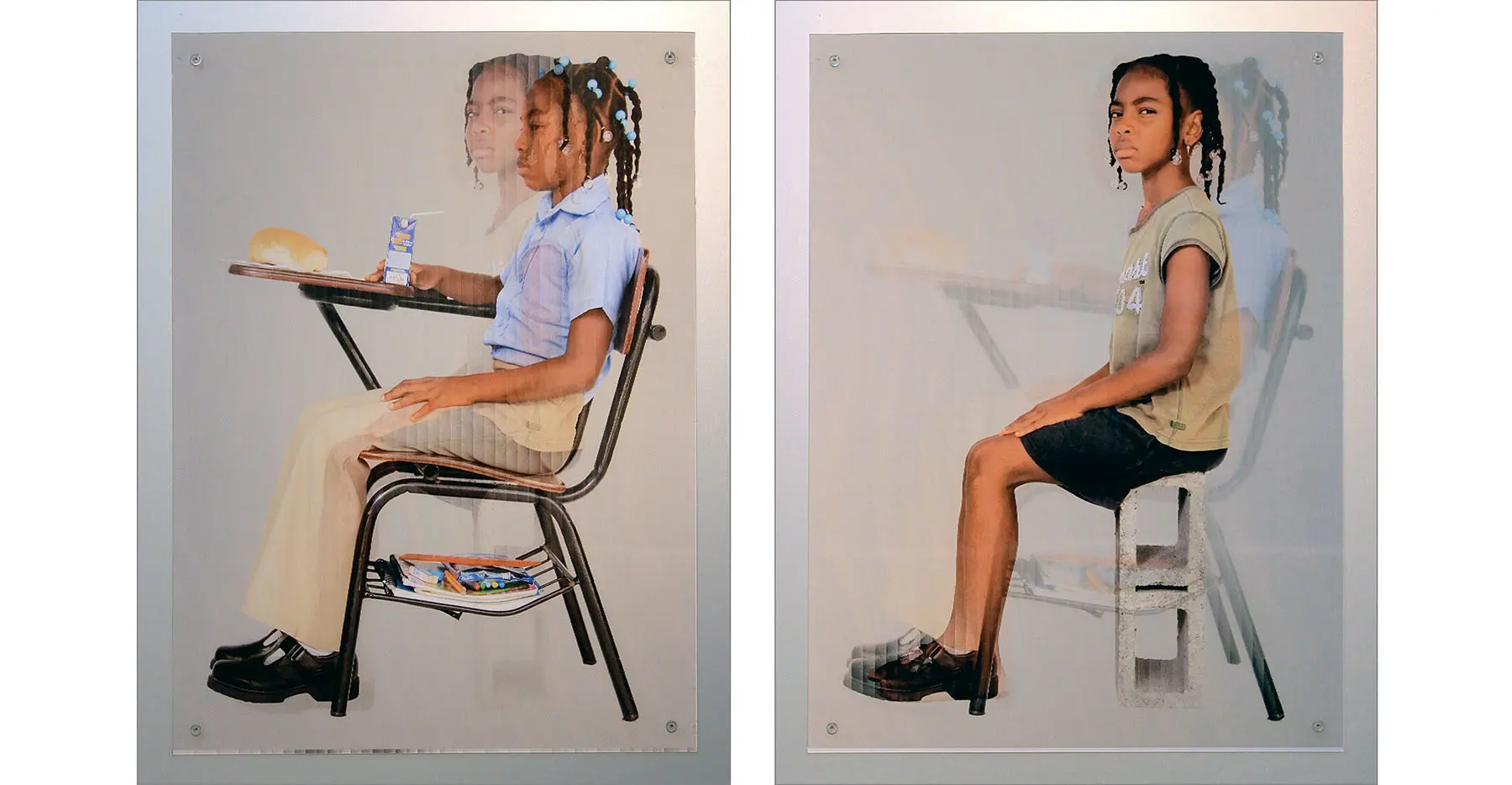
Despite its solemnly official character and the fact that it continues to operate under a competitive, Nineteenth-Century model circumscribe to national spaces, the Biennial is still a platform of interlocution for Dominican art. The dominant trend is one of the artists who operate from their local reality but expanding it to the scale of the global. Hundreds of artists participated—young and old, emergent and established, local residents and ex-pats—with works in a wide array of techniques and media. In large part, the incentive for such massive participation is the prizes on offer: the single state-financed large-scale event includes a single Grand Prize. In 2000, and following recommendations by UNESCO, monetary awards were replaced with acquisitions for the MAM collection. Nevertheless, for the following edition (2002) the financial award system was reinstated, and it remains in place. It is still an acquisition prize that dares not speak its name, though. 1 In terms of the artworks themselves, the common denominator in this edition was an art concerned with the social problems of its context: education, urban chaos, gender violence, and money laundering are but some of them. It could not have been otherwise, given that the Dominican Republic is a small nation with extremely high rates of unemployment, poverty, and emigration. Thus, for example, yellow became the Biennial’s unofficial color, adopted by the artists, since it was the color of the national campaign for a 4% increase in the national education budget. This, in fact, was the topic of Disolución al 4%, by Mayra Johnson and Guadalupe Casanovas, which received an honorary mention. Citally Miranda and Limber Villorio also received honorary mentions.
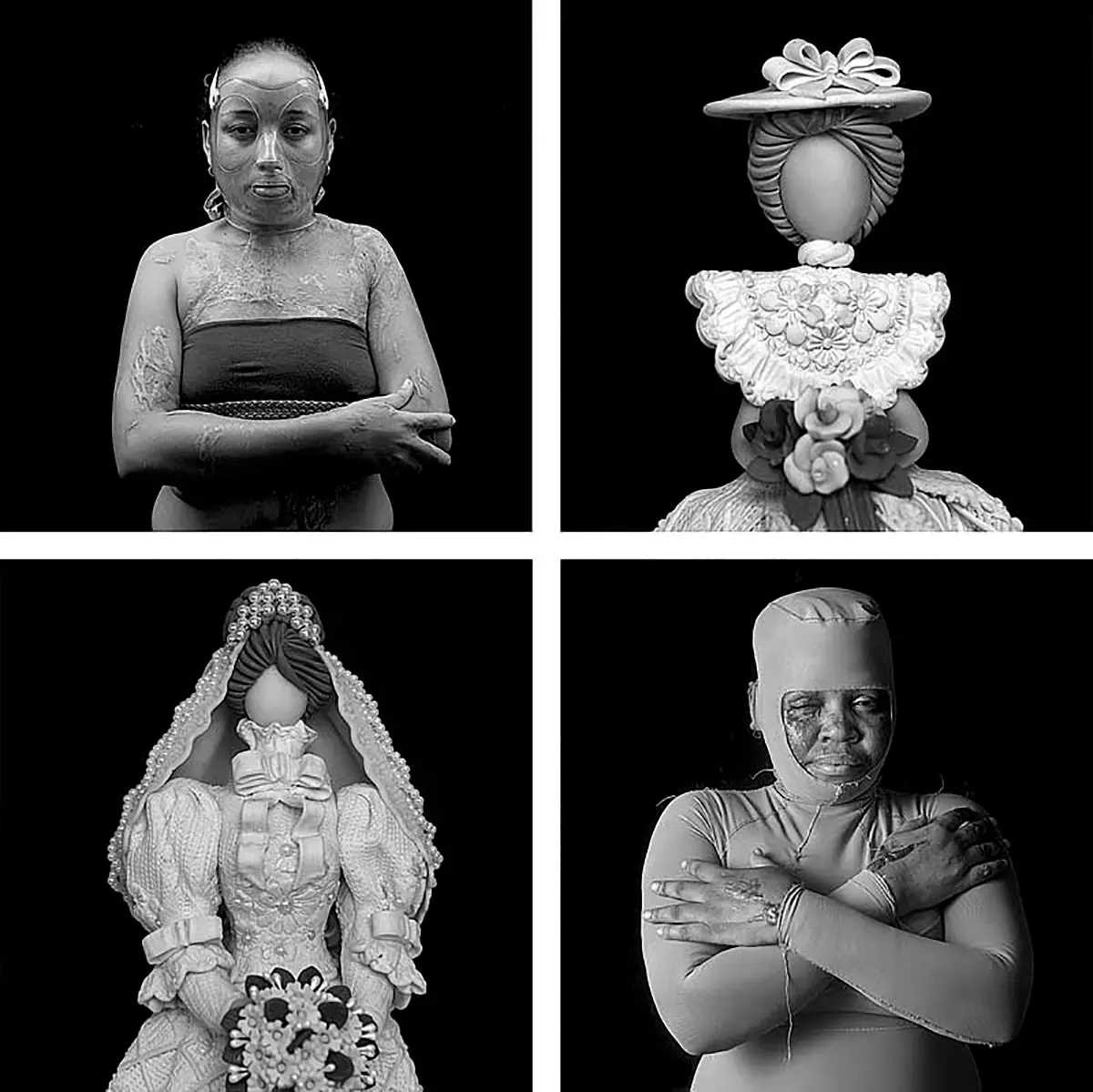
Gender violence and exploitation is another urgent topic. One doesn’t need to go to the “tip” of the country to notice sexual colonialism: already in Boca Chica, the beach closest to Santo Domingo, one can see numbers of young Dominican women with older Italian gentlemen who don’t even talk to them. Along those lines, Orlando Barría’s photographic work sets in parallel two portraits of women attacked by their companions with the so-called “Devil’s acid” and the famous faceless dolls that are a typical Dominican handcraft. The dolls are faceless as a reflection of the Dominican Republic’s cultural mix; the women, as a reflection of the great horrors of their society.
The complexity of Dominican-Haitian relations is a separate chapter in its own right. In 1821, the eastern portion of the Dominican Republic achieved liberation from Spain in what has been called an “ephemeral independence” that only lasted three months: between 1822 and 1844 Haiti dominated the island. Since then, tensions between the two countries have been a controversial and exceedingly important political issue for both of them, reaching such scandalous extremes as the Haitian genocide ordered by Trujillo in 1937. The problem continues to expand today and is deeply rooted in the collective psyche: in the Dominican Republic, to be black is to be Haitian; Dominican don’t consider themselves “black” but the product of a utopian mixture of Spaniards and Taino Indians. And, while racism is not explicit today, it happens by negation and omission: among women, even noted intellectuals iron their hair to hide any African ancestry.
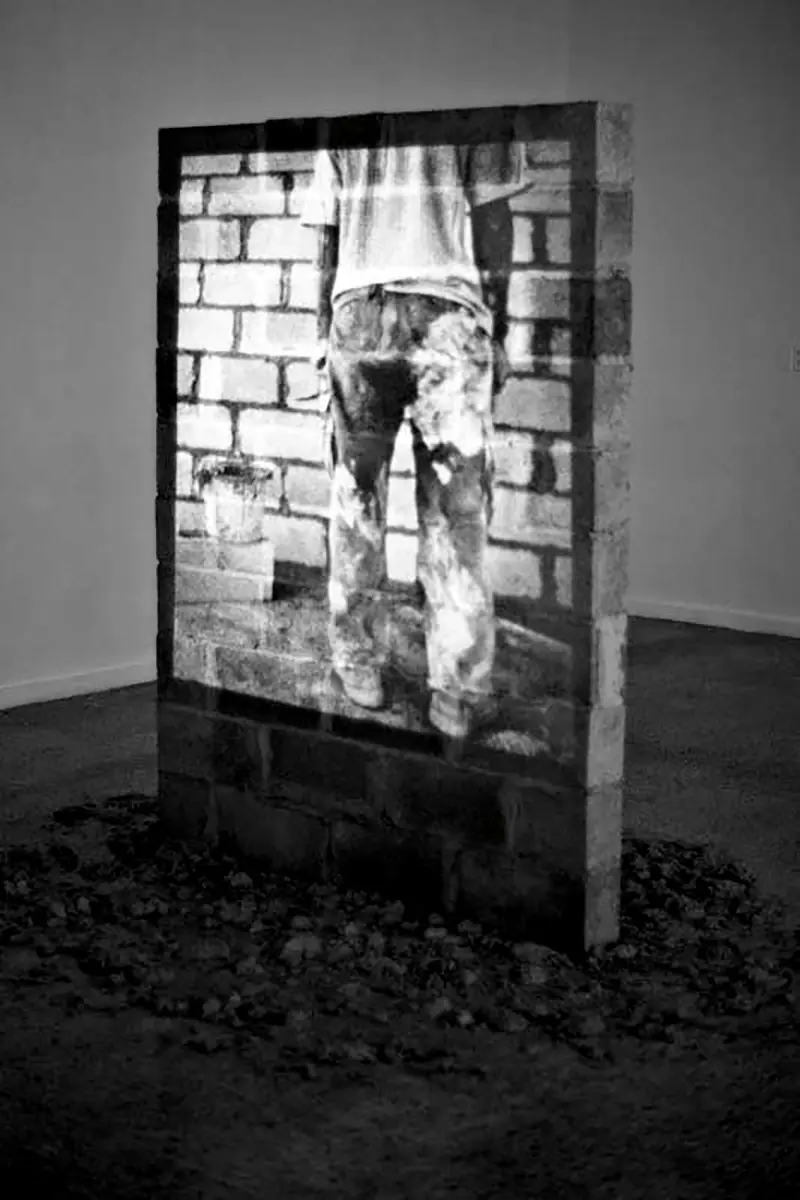
In the Dominican Republic, Haitians are a typical case of the necessary yet invisible presence of migrants. They work mainly in construction, but also as waiters/waitresses and as street vendors. Pancho Rodríguez’s award-winning video-installation Mi=Muro presented this problem in a pertinent, confrontational way. A medium-height wall of blocks was erected at the center of a room; on it, images of a Haitian youth working in construction were projected, while the national anthems of both Haiti and the Dominican Republic could be heard. On the right side of the gallery, the artist’s declaration defined his relationship to Haiti and its people in the following way: “(…) Their lives and mine take place in parallel worlds, in a single space yet mutually imperceptible. Our realities, while dissimilar and seemingly distant, overlap like anthems, without rhythm, without synchronization, in a constant struggle to mark our identity.” Ramírez has even said that his house was built by Haitian workers, yet he never laid eyes on them. The word “Mi” means “wall” (muro) in Haitian Creole.
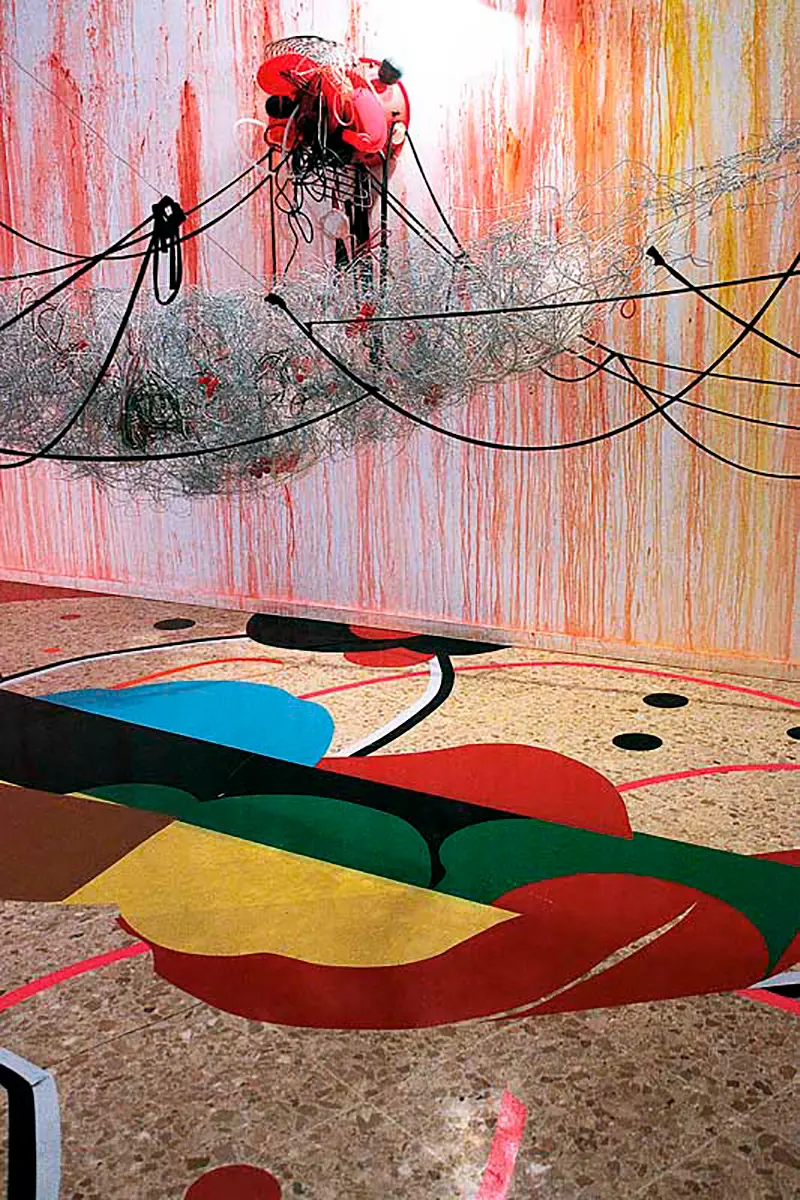
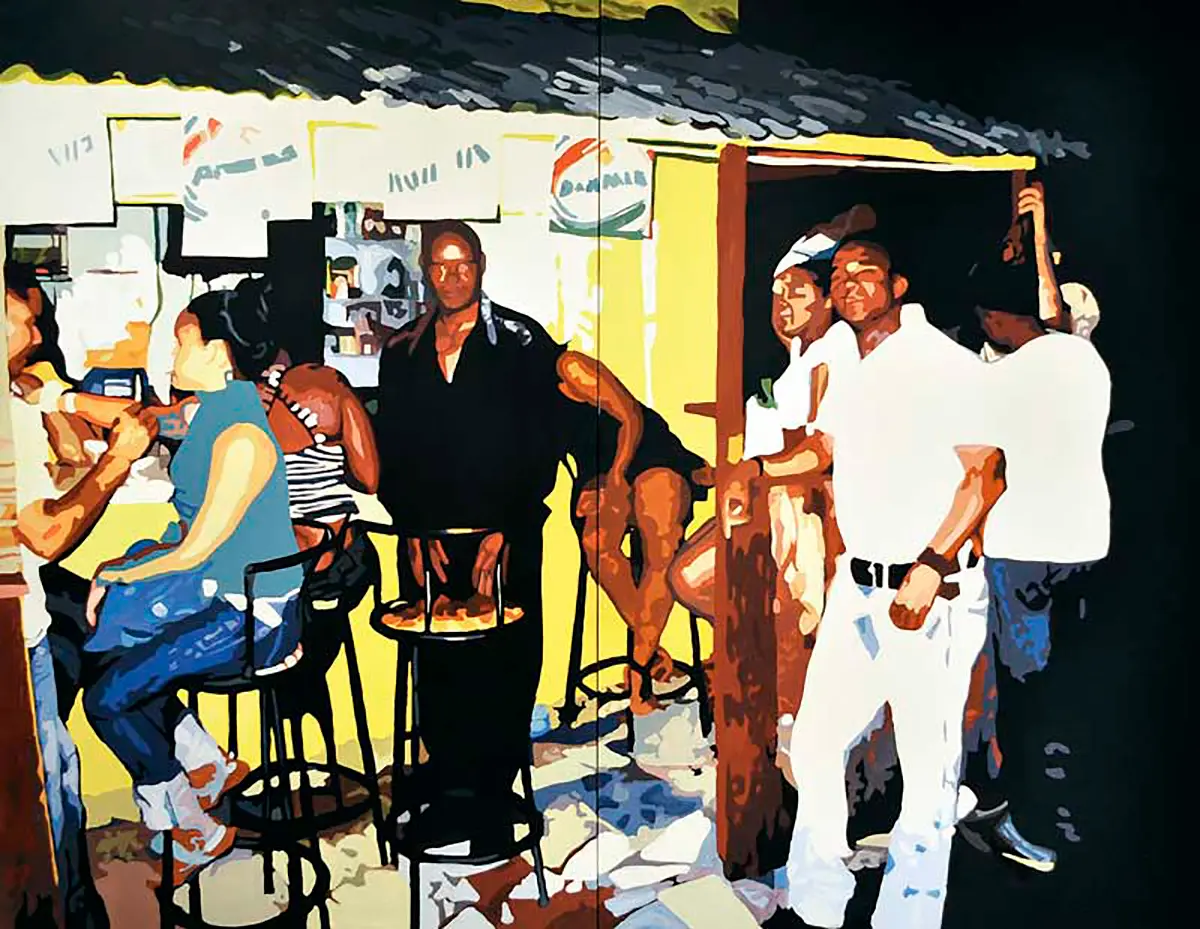
Other awards went to Eliú Almonte for the performance La casa, which denounced the architectural destruction of Puerto Plata; Moisés Perellano for his painting Rape?; and Orlando Menicucci, also with a painting. The special Young Artist award went to Walli Vidal. En un abrir y cerrar de ojos, Miami-based Charo Oquet’s Grand Prize winner, takes its title from Jacques Stephen Alexis’ novel. This writer, medical doctor, and activist who was exiled by the Duvalier dictatorship was captured upon his return to Haiti in 1961; the Tontons Macoutes (a kind of secret, plainclothes police) tortured and disappeared him. Inspired by voodoo cosmology, Oquet’s work incorporated everyday objects into a new symbolic order. In this way, it created a baroque environment of overwhelming hybridity that combined drawing, sculpture, painting, video projections, and installation. The work is freighted with poetry and ritual, and the awards jury, comprised of Dominicans Carlos Acero and Alana Lockward alongside Cuba’s Gerardo Mosquera, noted the way in which Oquet “fully honors our countries’ capacity for self-invention and re/existence.”
That being said, our countries continue to limp along and are yet to fully reinvent themselves in terms of their cultural policies. The Award ceremony at the 26th edition of the Santo Domingo Biennial resembled nothing as much as it did the Grammys. That evening, very well attended by a mostly young audience, included the mandatory red carpet, tears by the prize winners, and political discourses. We noticed the emphatic way in which the presenter announced the monetary award for each prize and saw, in what could very well count as the Biennial’s best performance, the country’s Culture Minister sign some of the checks in front of the audience (someone wisecracked that we should be expecting to see the “giant checks” one seen on TV contests.) Fortunately, awkward moments weren’t lacking, either. As the jury’s words underscored the critical content of the majority of works, which dealt with acute and current local problems and mentioned them overly, the country’s vice president fell victim to a sudden mix of nervous cough and neck rash. I don’t mention this just as an amusing anecdote, but to contextualize the award ceremony and suggest it as the best summary of the Biennial as a whole.
First, because of the solemnity of the proceedings, which extended from the former to the latter. But also because of the vitality and youthfulness that prevailed despite such solemnity and the strong element of officialdom that pervaded the event. The emphasis on the monetary amounts is the evident symptom of the intoxication produced by centralist and assistentialist cultural policies inherited from personalist regimes, where culture and the arts do not deserve, in the view of politicians, treatment other than the one they get: censorship and/or spectacle. However, this cannot be said to neutralize the social impact of events like these national biennials, especially in countries suffering from acute socio-economic tribulations, as is the case. It is still possible for very good irritants to break through the aura and the permissiveness that protectively enclose the world of art and its expressions. Nevertheless, we are still to find the best palliatives for them.
NOTE
1. Operating from the private sector, the Concurso de Arte Eduardo León Jimenes, the other large-scale event in the Dominican art world, followed an almost identical logic since its establishment in 1964 until 2008 when it changed its selection and award formats. Today, ten artists are selected and the León Foundation offers them support, exchange visits, and specialized tutoring for a period of time.
DIANA CUÉLLAR LEDESMA