
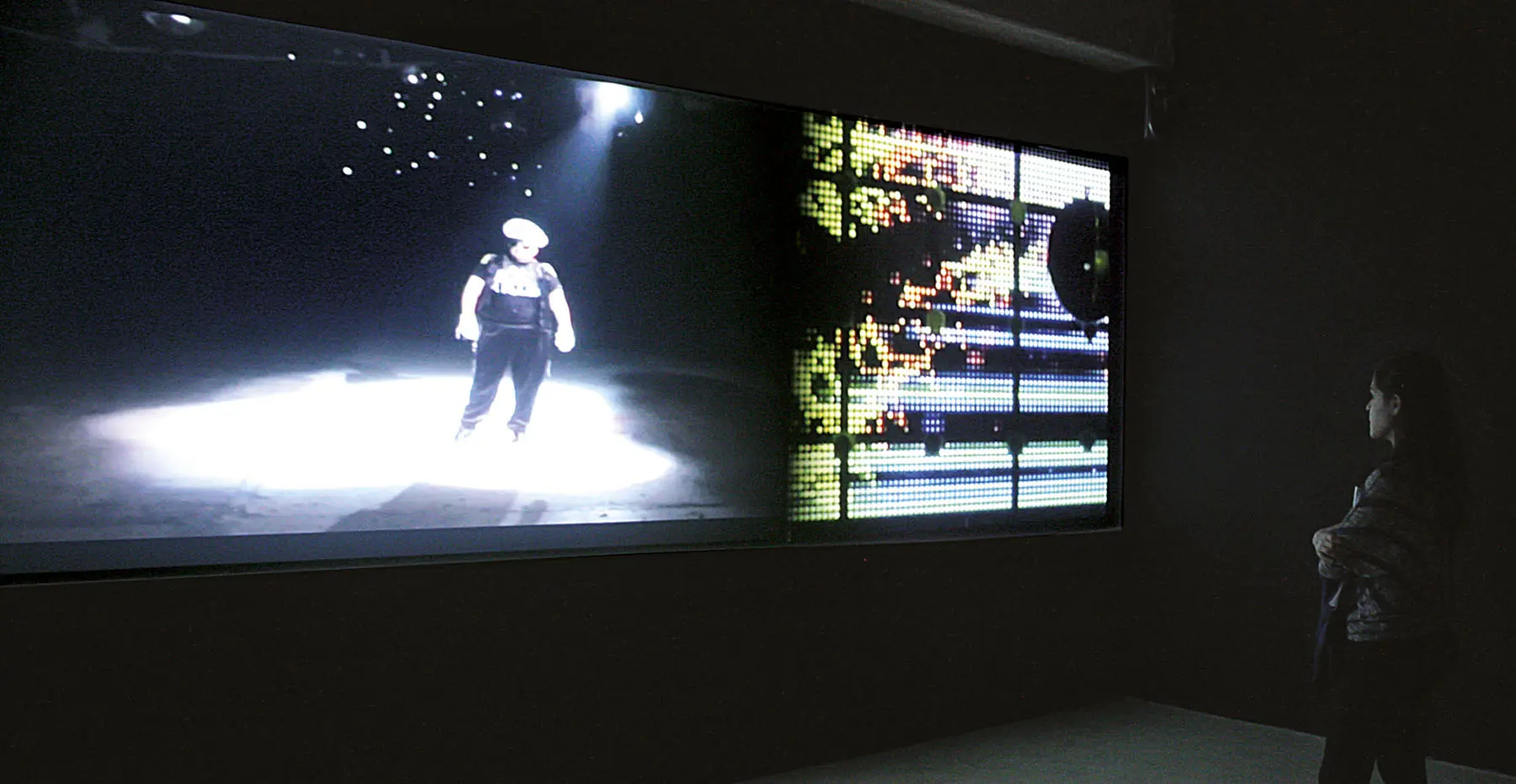
The reopening of Sala Mendoza with the show Once tipos del 11 was not only an occasion to approach the proposals of 11 Venezuelan artists of the moment; it also made it possible to contrast, at a time when historical revision and analysis are imperative, two periods in the country’s life and culture.
Curated by María Elena Ramos, Rafael Santana, and Costanza de Rogatis, Once tipos del 11 follows a concept developed at the same Sala Mendoza (helmed at the time by Lourdes Blanco) in the 1970s. Between 1973 and 1981, Sala Mendoza presented six editions of the show Once tipos, inviting for each the participation of eleven artists paradoxically connected through the diversity of their proposals, concepts, media, and techniques. Emerged initially with the intention of displaying a group of young artists who illustrated the multifariousness of the Venezuelan art scene at the time, Once tipos became a mandatory point of reference for contemporary art in the country—both because of its novel concept and the relevance acquired in Venezuela’s art circles by many of the artists who participated, and because it signaled, in effect, “the birth of a new museographic practice associated more with the investigation of and essayistic writing about new hypotheses based on fieldwork,” as Rafael Santana states in one of the texts included in the catalog for the show under review. In that sense, Once tipos del 11 is not just a tribute, but an opportune reminder of a period marked by cultural vitality, openness, and artistic pluralism, whose representatives were welcomed into public and private domains.
The show included works by Miguel Amat, Marcela Armas, Ángela Bonadies, Nayarí Castillo, Elías Crespín, Suwon Lee, Richard López, Cipriano Martínez, Daniel Medina, Juan José Olavarría, and Juan Requena, brought together under a curatorial concept that braids two recursive terrains of contemporary art: the topic of memory, and the incorporation of extra-artistic motifs into the work of art.
The notion of memory is posited as a reading of this show by Costanza de Rogatis, one of its curators, inasmuch as “the work of art is, intrinsically, a vehicle for the actualization of knowledge, but also because memory is one of the central concerns of today’s culture.” De Rogatis establishes two groups of works: Memory as an archive, an enumeration and evocation of the power of the object, and Memory as identity, a revision of history and of humankind as inscribed in history.
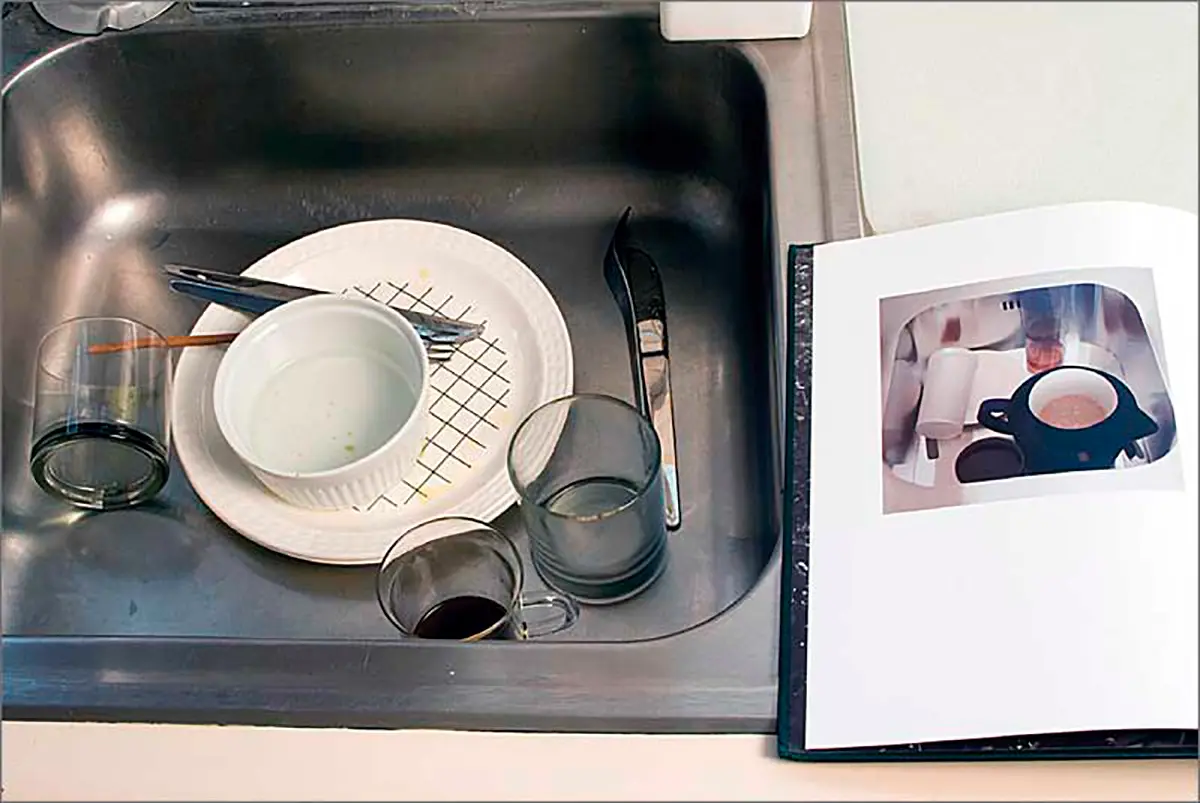
Included in the first group are the works of Marcela Armas, Ángela Bonadíes, Nayarí Castillo, and Juan Requena. Bonadíes’ Copia original is a series of 10 photographs depicting key books in the history of photography, arranged, in the way of a replica of images, in an improvised everyday environment. In this way, hallowed historical images enter into a dialogue with a clothing item or with dishes in a sink, creating a memory-file and critical space concerned with the personal and the collective. El ojo de la clarividencia, Nayarí Castillo’s video installation, moves back and forth between the real and the fictitious through the creation of a fable-like family story built around a magical object that is passed from generation to generation. The work is able to create an atmosphere where memory recovers its oneiric, fabulatory, marvelous character.
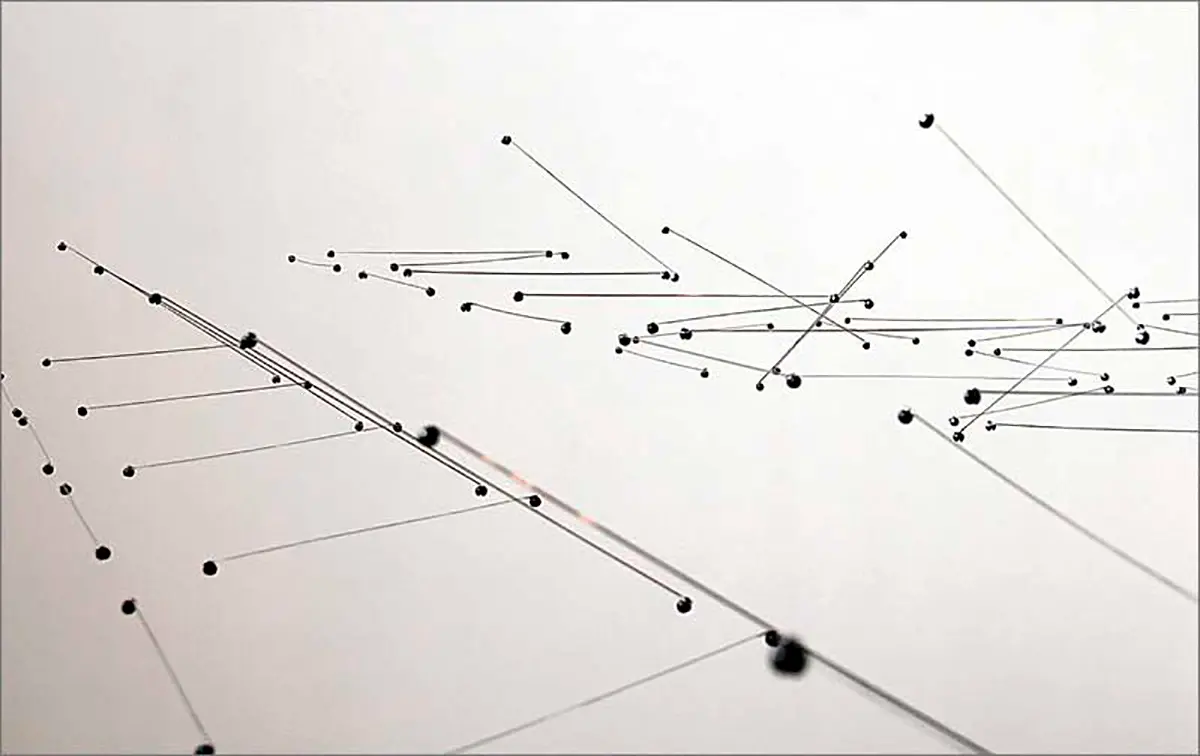
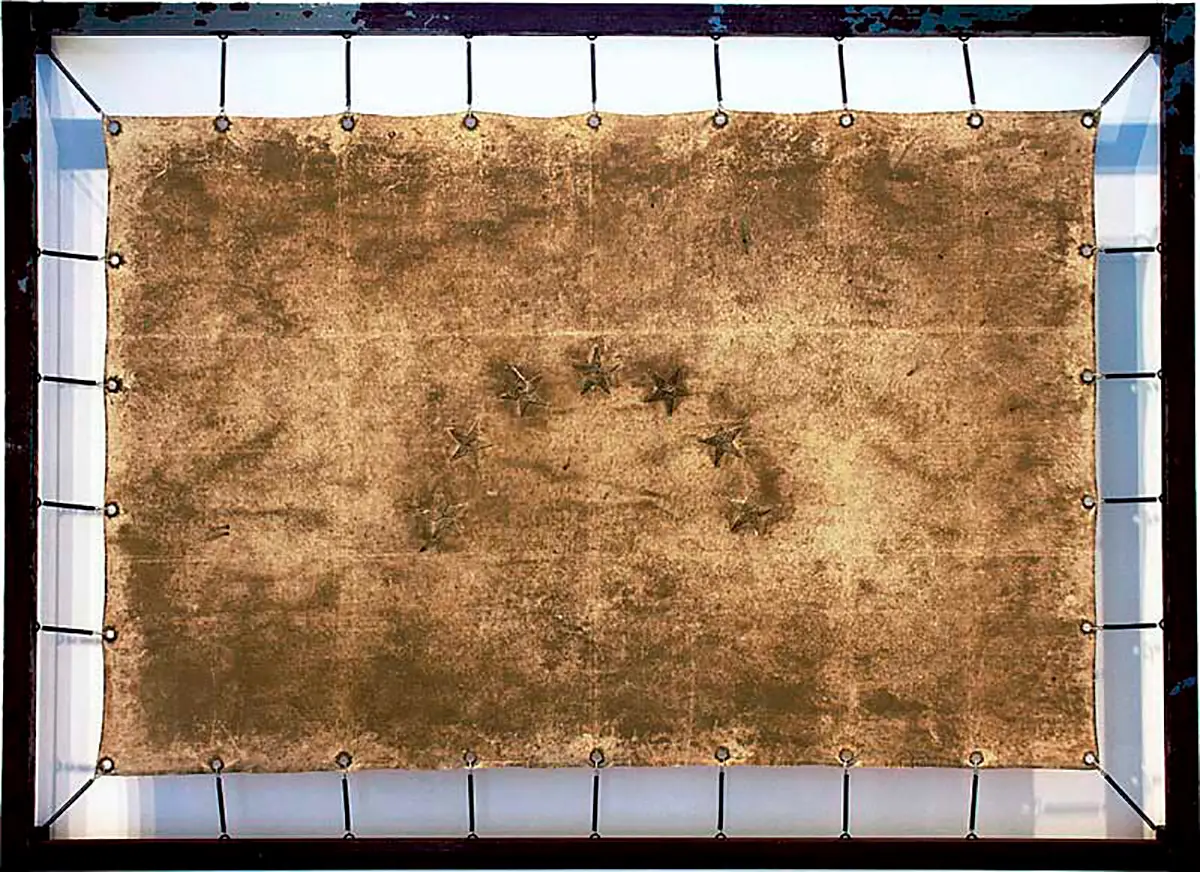
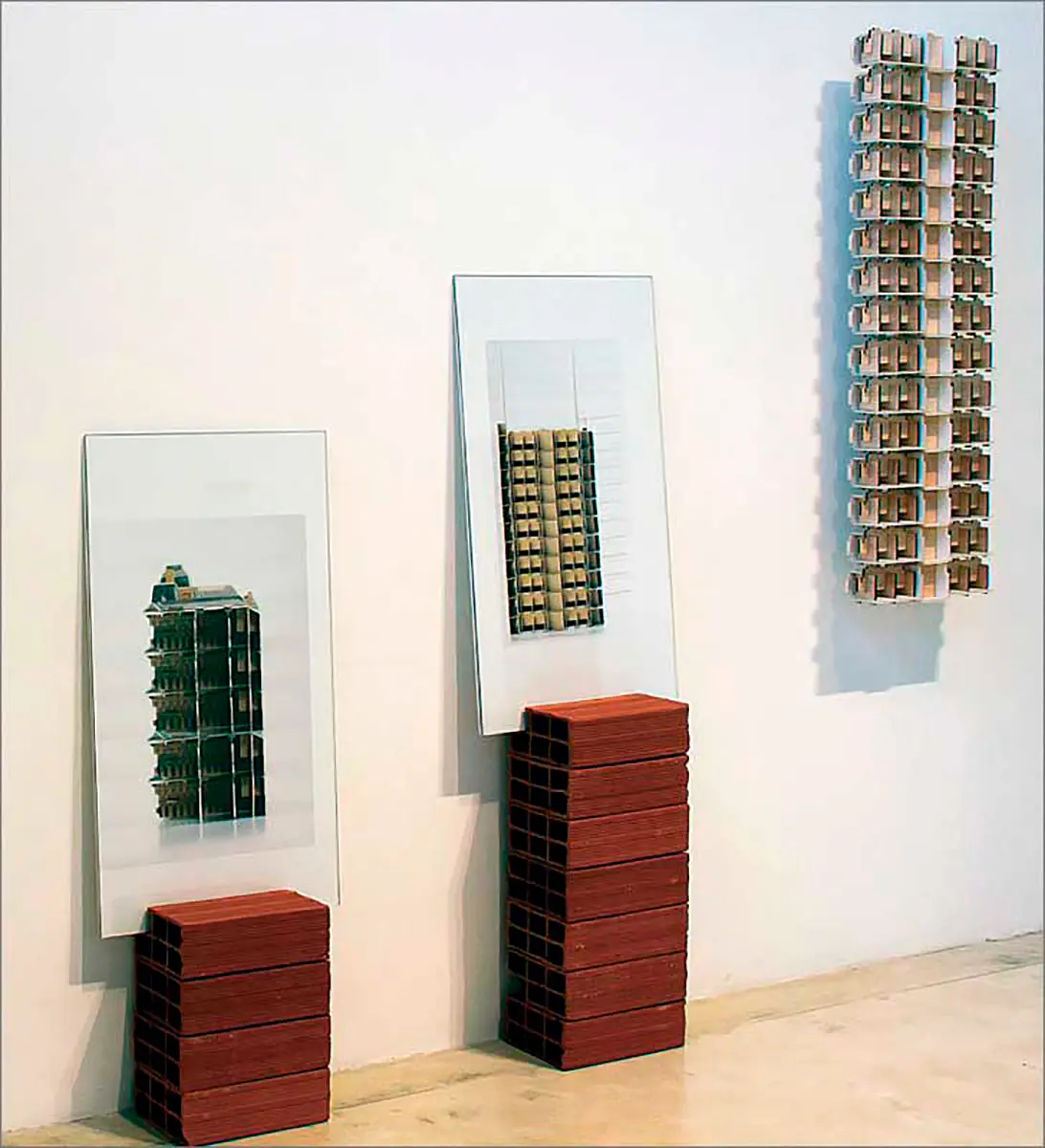
The second group—comprising works by the eight remaining artists—gathers works like Trinet, by Elías Crespín, and Ordenamiento I and Ordenamiento II, by Cipriano Martínez. Crespín’s work follows the geometric and kinetic tradition á la Gego and Soto. It is a rectangular, flexible, computer-generated chain mail that moves slowly, propitiating the emergence of a variety of shapes. It combines playfulness, poetry, and technology. On his part, Martínez works with the memory of the cityscape, which appears as a grid on a latex sheet. The fabled city is, thus, an anonymous and chaotic weaving.
The analysis presented by María Elena Ramos, another of the show’s curators, seeks to underscore the symptomatic inclusion of extra-artistic elements in contemporary art ointing towards “science; a nature that is revisited conceptually by ecology or history; nationalistic discourses and symbols; the publishing world or the world of art; zoology laboratories; magic” as matters present in the works on exhibit.
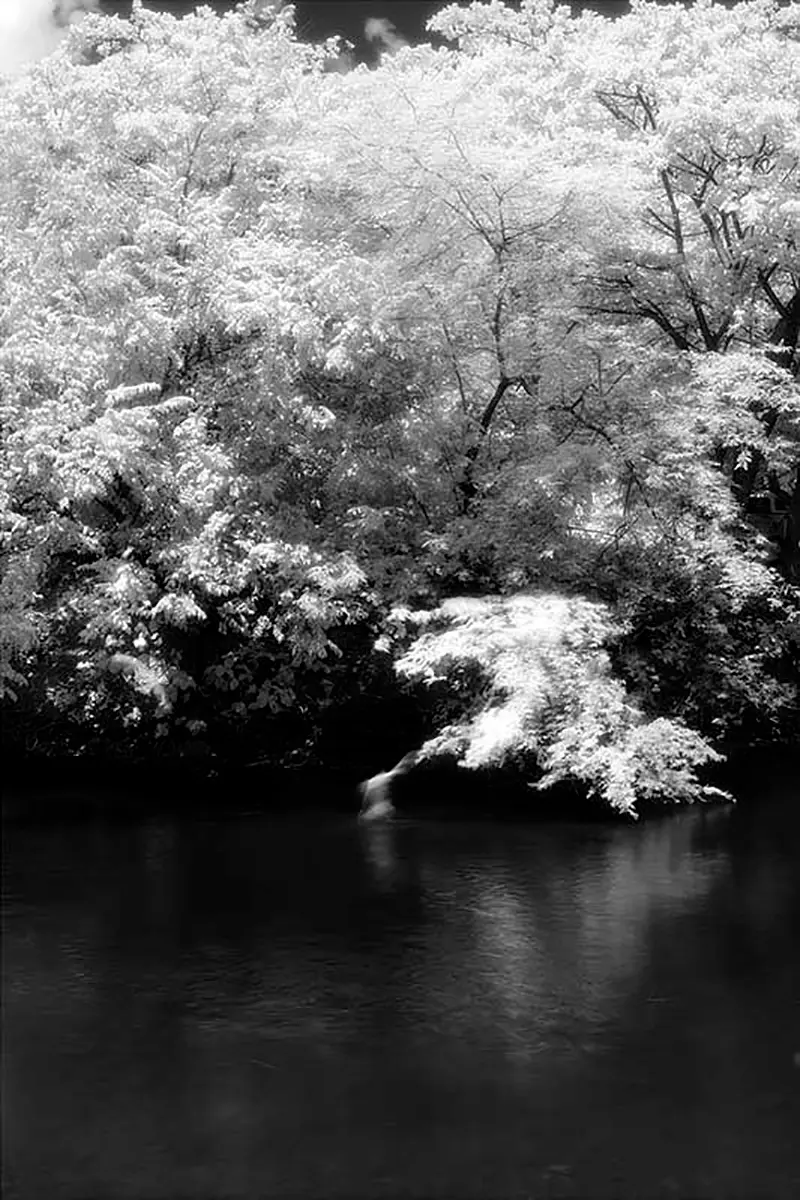
The topics of science and technology are seen in Elías Crespin’s and Miguel Amat’s works. The latter presents two large-format photographs from the series Represas y préstamos, where he seeks to contrast the fantasy of a bucolic, natural image with a reality that has been intervened by humankind, fostering an ambiguity that is underlined by the technical resolution.
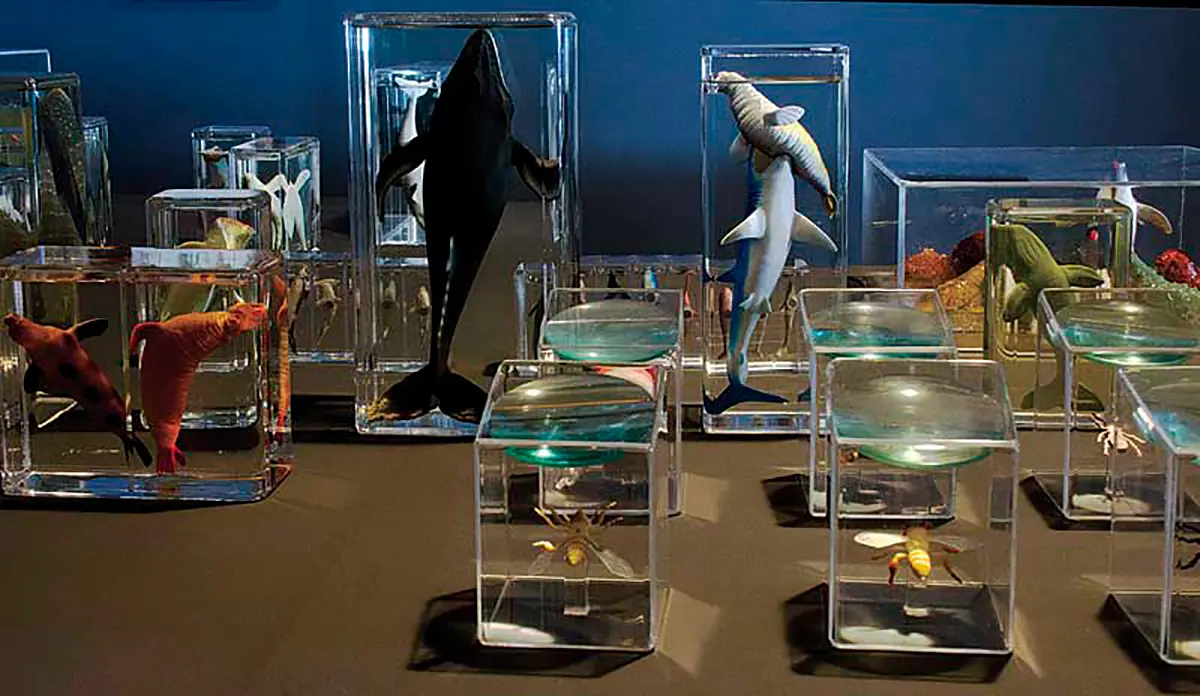
Juan Requena finds inspiration in zoology and ecology. His plastic animals encapsulated for “preservation” speak of a concern with the extinction of species and, ironically, with the loss of rubber animal replicas. His proposal activates a playful vision, emphasized by the colorful character of the rubber animals and the humorous composition of some of the works.
In Sótano 3, Richard López works on the basis of painting. He uses traditional techniques to depict what we can call an urban “interior” loaded with impersonality: a dark and empty public parking. The simple shapes and muted colors, the visual monotony of the subject, generates a series where variations in light are the protagonists, “where color spots perform the function of light ad shadow, architecture dictates perspective, and the directional structure of the brushstroke is made evident.”
KATHERINE CHACÓN