
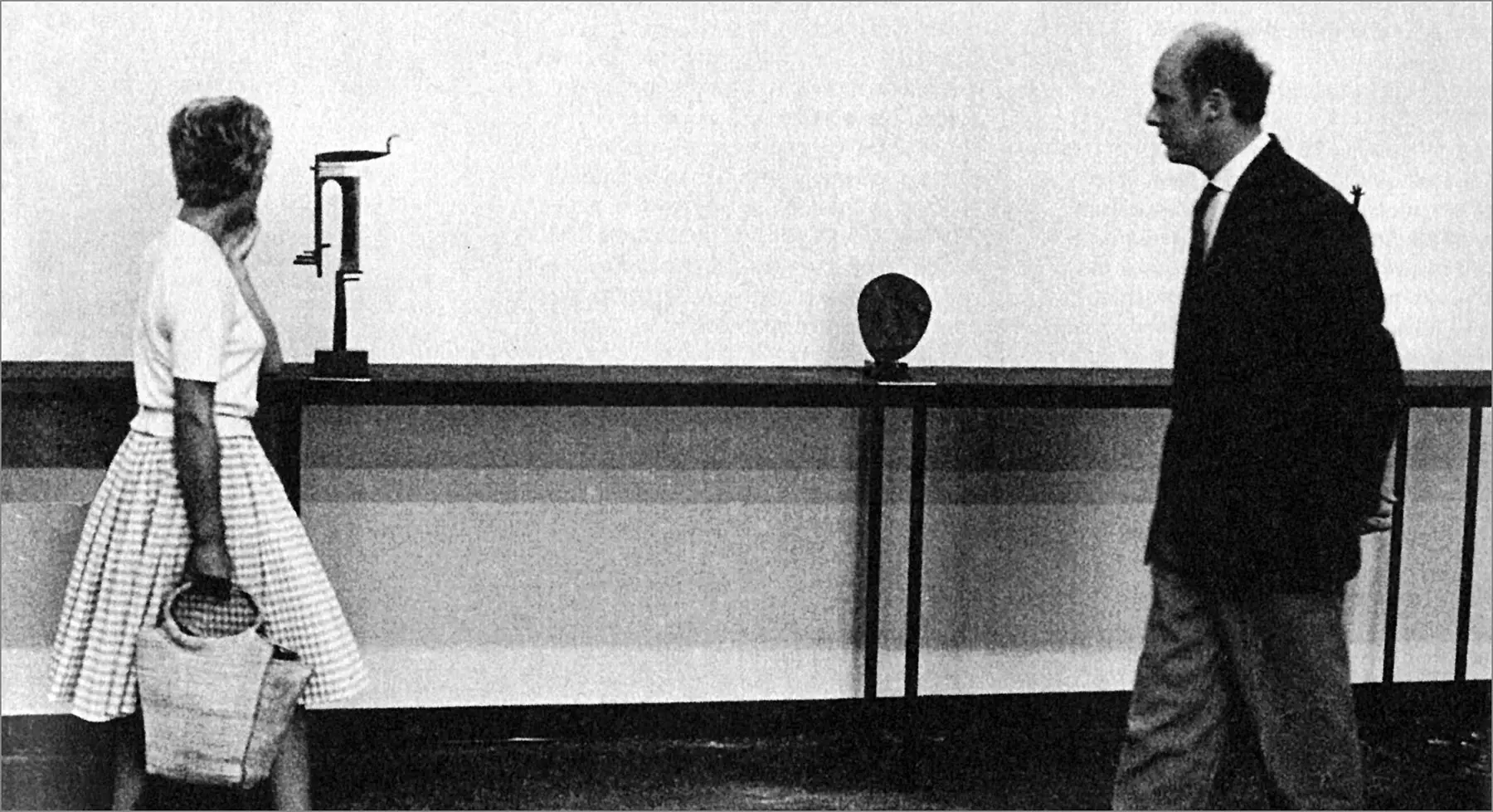
The importance of Latin America for this new edition of Documenta at Kassel cannot be overstated. And not only because the number of artists invited from the continent reached a new record with respect to previous editions when it was negatively impacted both by the hostility of Manfred Schneckenburger, curator in two occasions, and the flippancy of Catherine David—also a curator for this mega-event that is a point of reference in the international art scene—who dismissed Latin American Art as “cinematographic”, whatever such a strange objection may mean. In this edition, however, the Latin American contribution is of such centrality that two of the works it comprises play an essential role in the argument put forward (and in her performance) by Carolyn Christov-Bakargiev, the curator of this 13th edition of the event born in the 1950s as an attempt to reinsert Germany in the international art scene at a time when it was being taken over by New York City.
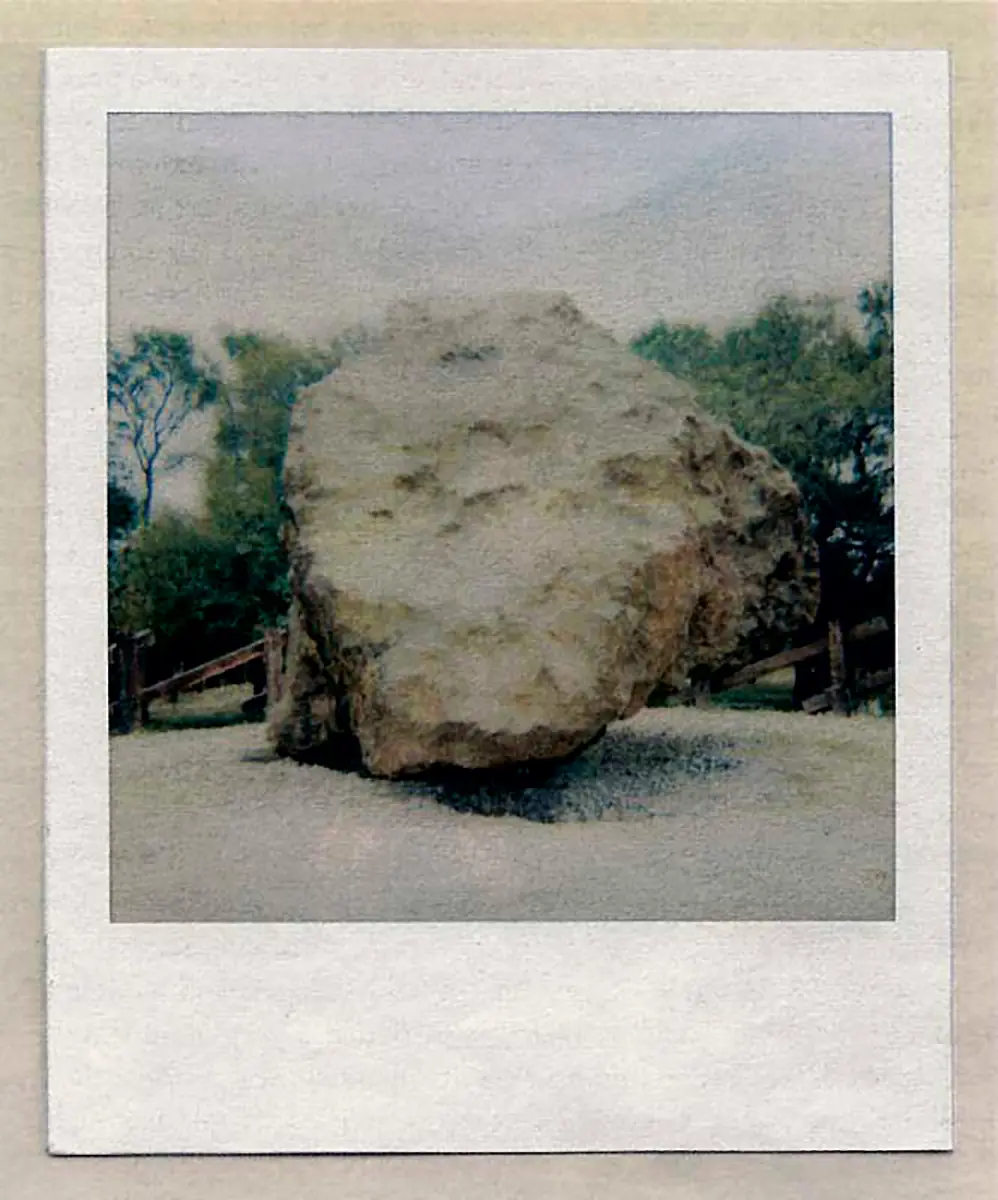
The first of these works has to do with a meteorite known as El Chaco, currently located in Gancedo, in Argentina’s northeast; weighing 37 tons and more than two meters in length in any of its three dimensions, El Chaco is the second-largest meteorite ever found on Earth. The project developed by Guillermo Faivovich and Nicolás Goldberg —two young Argentine artists— was to bring the meteorite to Kassel and install it at Friedrich Platz, in front of the Fridericianum building and very close to the Vertical Earth Kilometer buried there by Walter de Maria during Documenta 1977. But this turned out to be impossible after the leaders of the Noqoit people—an indigenous group in that region of Argentina—expressed their radical opposition, arguing that if Mother Earth had decided for the meteorite to fall where it did and nowhere else, it should remain in place. They were supported by distinguished Argentine anthropologists, convinced that it is time for the decisions and rights of the original peoples of the Americas to be respected, after centuries of denial.
There is a precedent for this project: El Taco, a much smaller meteorite found in 1962, was taken to the Smithsonian Institute in Washington, D.C., and later returned to Argentina to be cut in half in order for its characteristics and properties to be studied. One half was sent to the Smithsonian and the other to Argentina’s National Observatory, in Buenos Aires; Faivovich and Goldberg reclaimed them from these locations in 2006 for their project Una guía a Campo del Cielo, which sparked an exhibition held in 2010 at the Portikus in Frankfurt, where the two sections were put back together. That exhibition was accompanied by the publication of The Campo del Cielo. Meteorites — Vol. 1. El Taco, a book where Carolyn Christov-Bakargiev sustains a dialog from where the following passage is taken:
DB: I guess the meteorite will be the oldest object in the exhibition. Are you sure it is a work of art?
CCB: Are we sure of anything? Are we sure we are ‘us’ because we know we will die and we have a language? What is a work of art for you?”
As I said, El Chaco didn’t travel to Kassel in the end, but its absence did not diminish the importance that CCB grants the meteorite as an emblem of the uncertain status of the work of art in an era when, as she puts it, we can be sure of who is an artist but not of whether what he or she does is a work of art. And as a notable example of what her investigations on the nature of the work of art have made clear. Because it is one thing for her to declare her skepticism and another thing to give up the search for knowledge, even while aware that truth as such is unreachable and that the quest can only achieve provisional results. In fact, in the essay that condenses her curatorial discourse, titled The Dance was Very Frenetic, Lively, Rattling, Rolling, Contorted, and Lasted for a Long Time, CCB presents the results of her efforts to clarify the object status of the work of art. For this, she makes use of Merleau-Ponty’s “viscous” object and Michel Serres’ “quasi-object”. But in the end focuses on the “transitional object” that for psychoanalyst Donald Winnicott is inseparable from the stage of transition in which a baby still feels himself or herself to be an indistinct part of the mother, but begins to intuit the irremediable difference. The work of art would thus be a kind of anachronistic or untimely transitional object, as is, for CCB, the Argentine meteorite that would have functioned at Kassel, for her, “as a giant transitional object temporarily shared by many in the exhibition.”
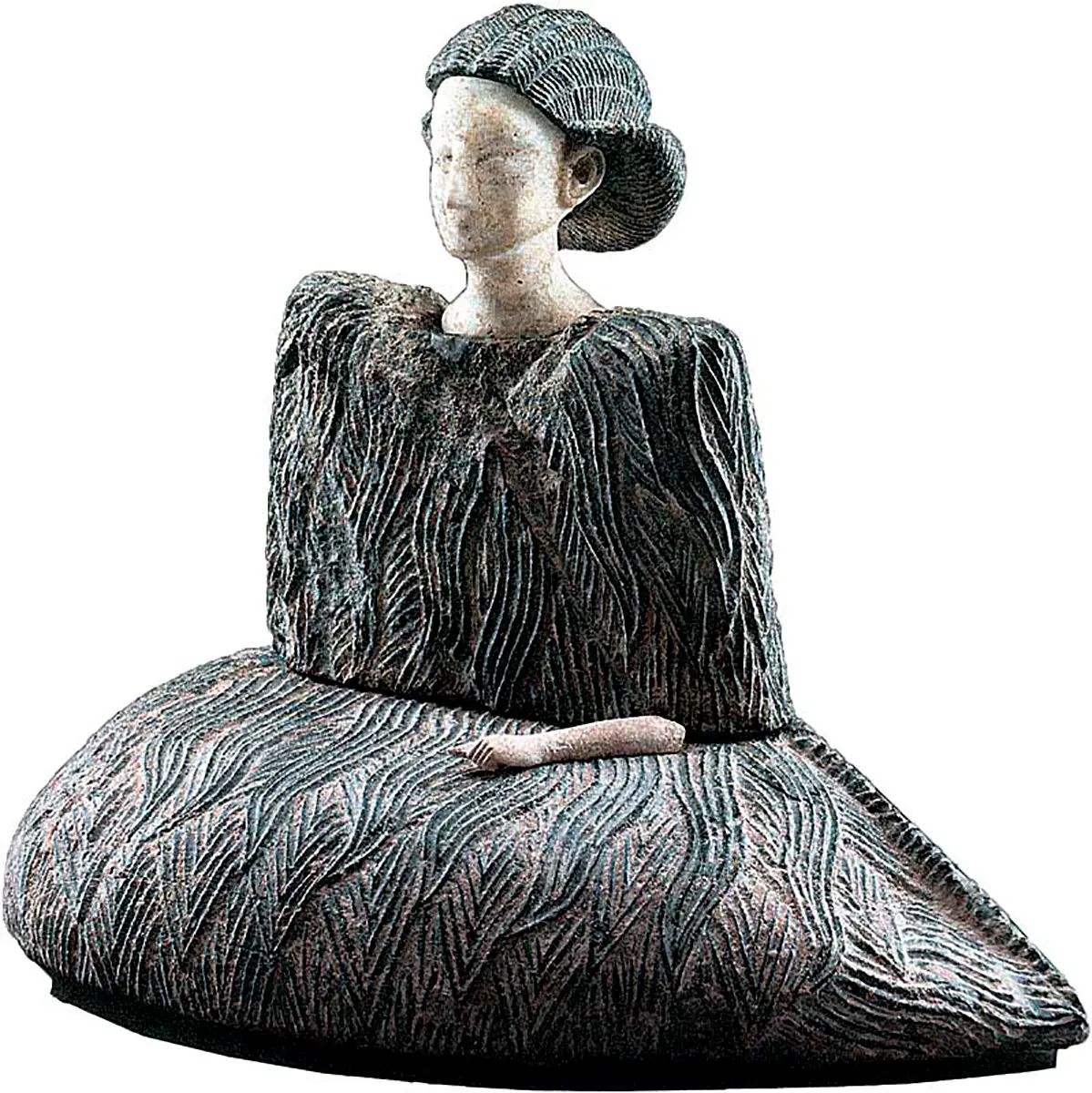
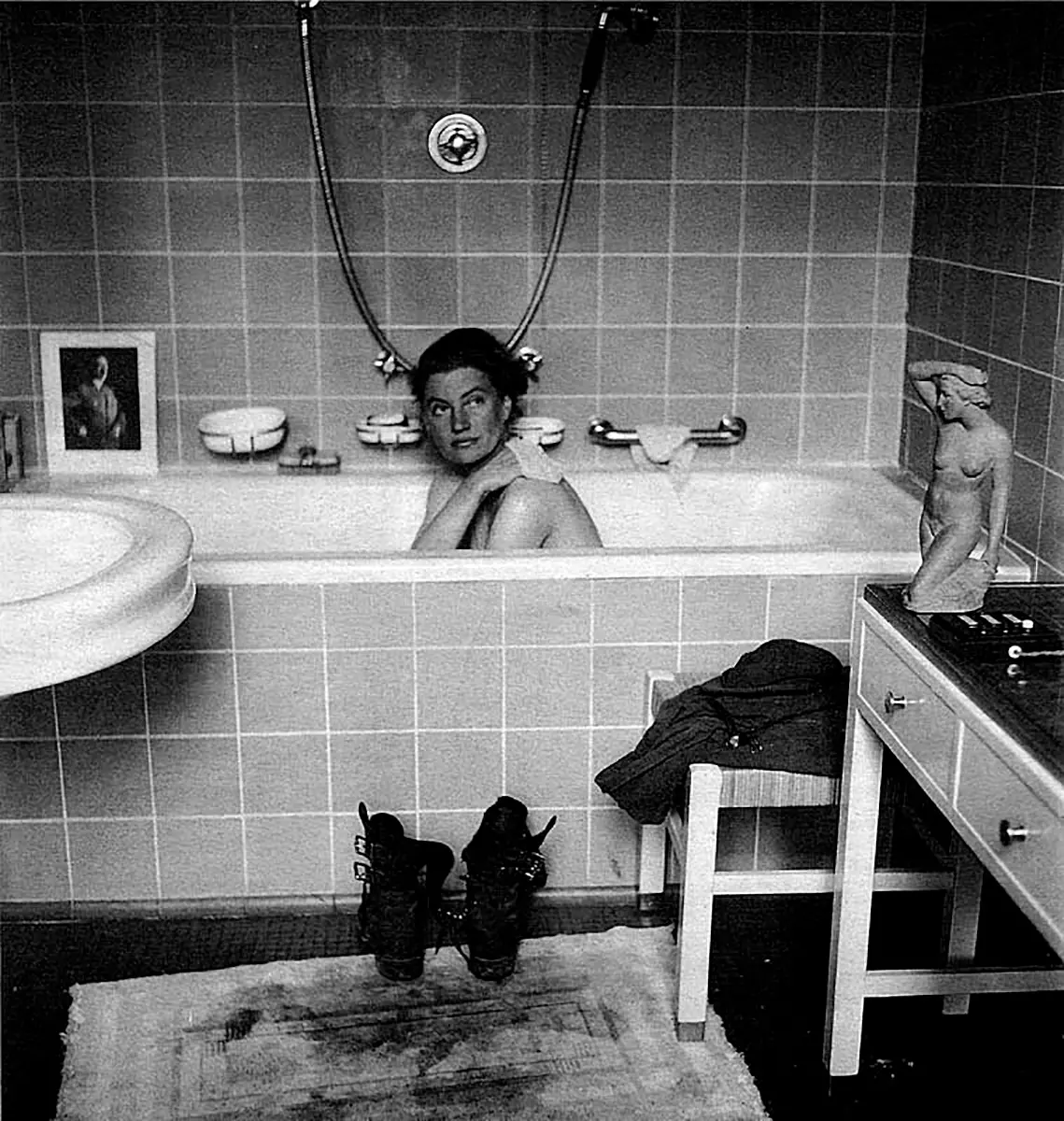
It must be added that the selection of the meteorite and an intense interest in the objectuality of the work of art is coherent with the mainline of curatorial decisions made by CCB and her team of collaborators and agents, which have resulted in a Documenta where video and photograph receded and painting, installation, site-specific works, and sculpture all gained position. In fact, the Fridericianum’s emblematic rotunda has been taken over by The Brain, a highly museum-like installation that, instead of displaying the instruments and results of positive knowledge, gathers a heterogeneous collection of objects and artworks with the most diverse status and origins. There appears the Bactrian Princess—represented in a series of semi-precious stone carvings unburied by archeologists in the Afghan territories of the ancient kingdom of Bactria—alongside a small female nude in porcelain kept by Adolf Hitler in his Munich apartment, which was photographed by Lee Miller, war correspondent, and whose naked torso and raised arms brings to mind the self-portrait Miller made of herself in 1930, also included in this unexpected version of the Chinese encyclopedia imagined by Borges.
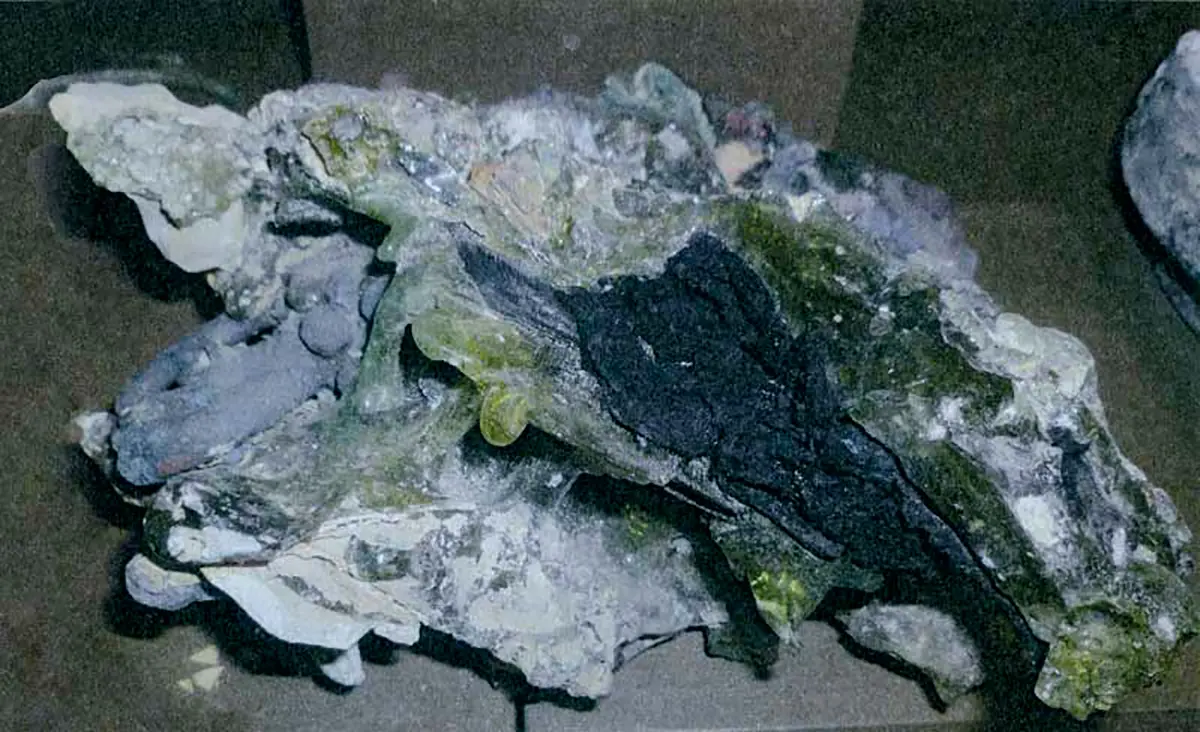
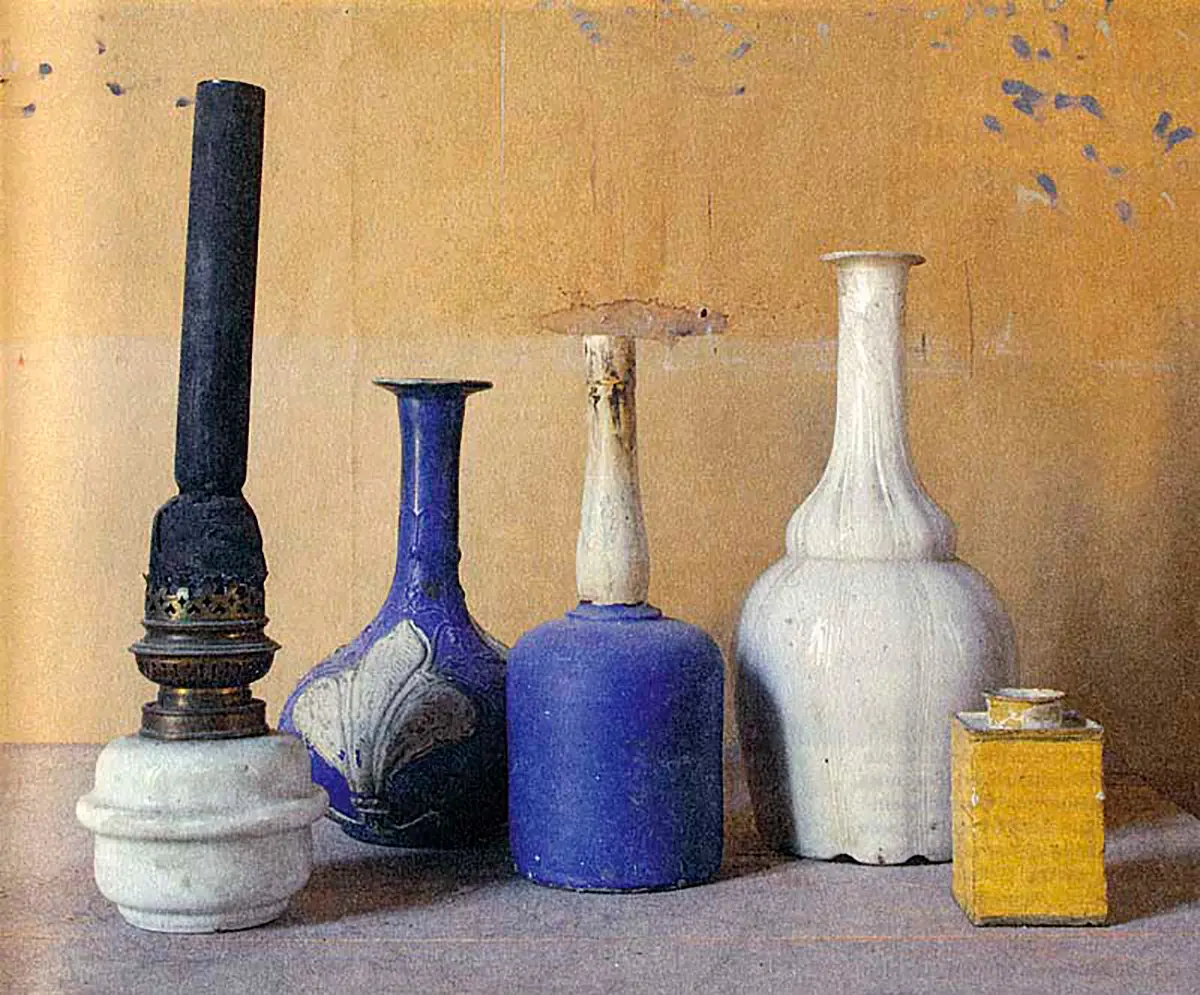
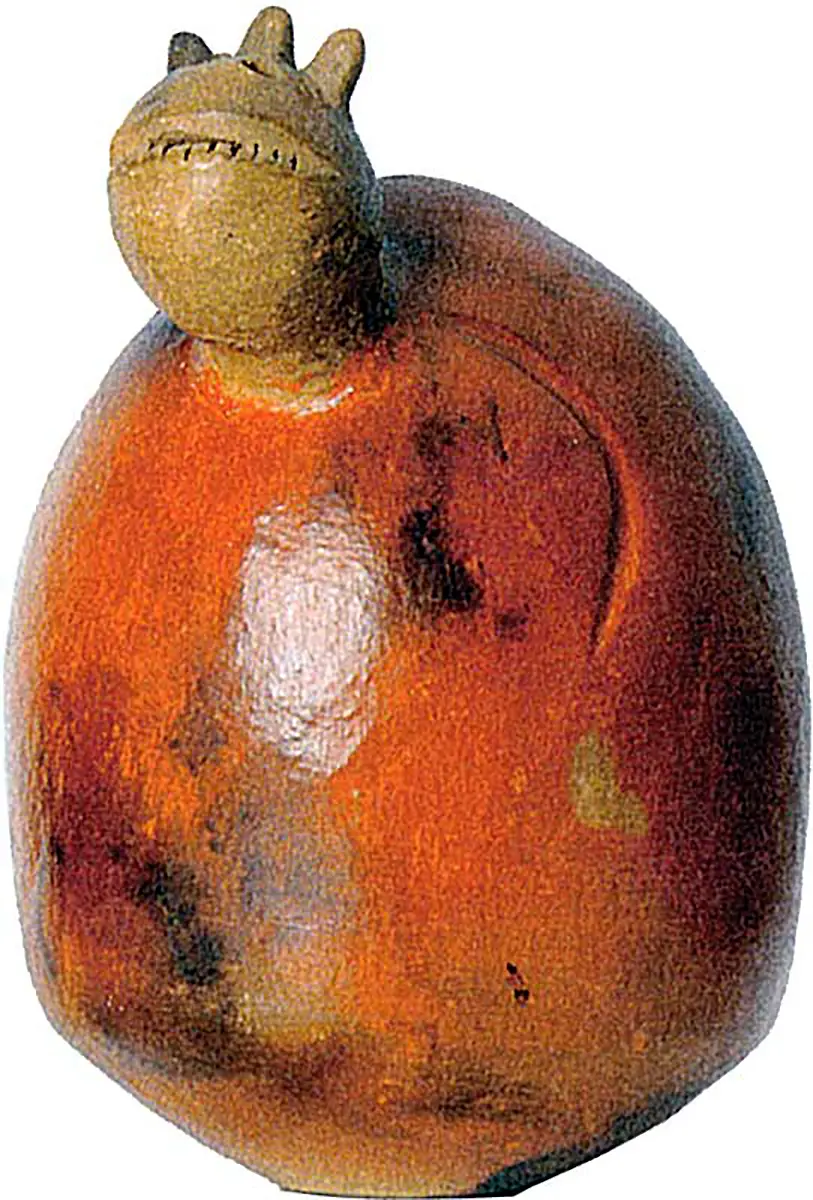
Also found here is a ceramic still life by Georgio Morandi; ceramic works by Catalan artist Antoni Cumella and Paraguayans Juana Marta Rodas and Juia Isidrez; a painting by Salvador Dali; two sculptures by Julio González; and drawings by Gustav Metzger, Horst Hoheissel, Vyacheslav Ajunov, and Giang Guong alongside the remains of artworks melted by the Beirut National Museum fire during the raging civil war fought there between 1975 and 1980. This inventory is by no means exhaustive; it is only intended to bring to the fore a conception of the brain and its workings, represented by the tangible works of the imagination rather than by linguistic and mathematical abstractions, a choice of material that asserts that art is as valid a way of thinking as a language- or mathematics-based ones.
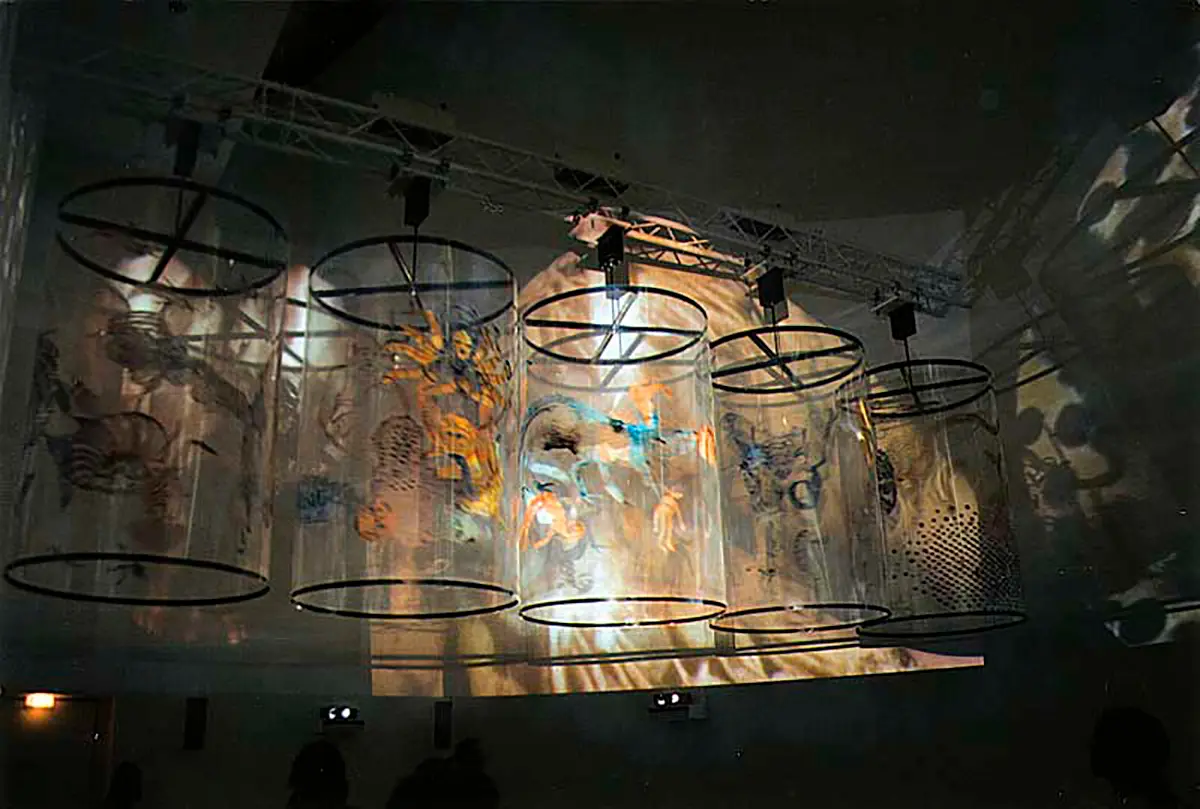
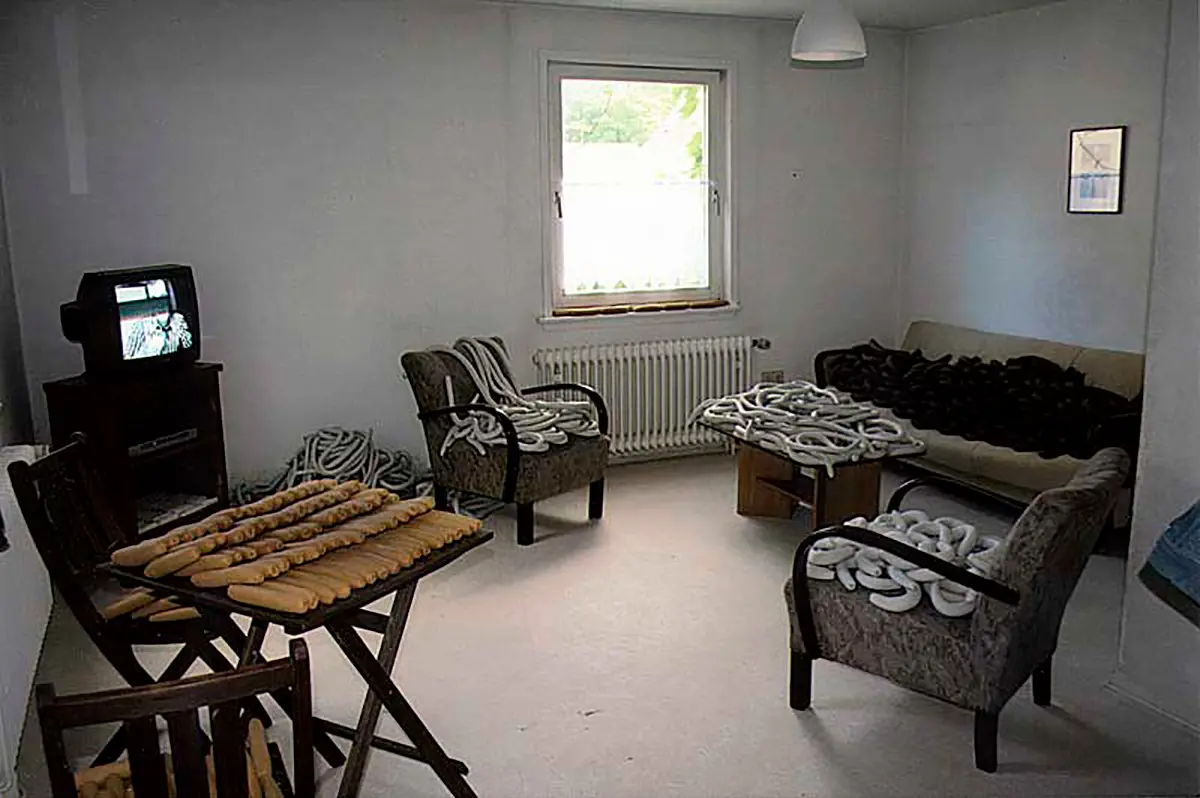
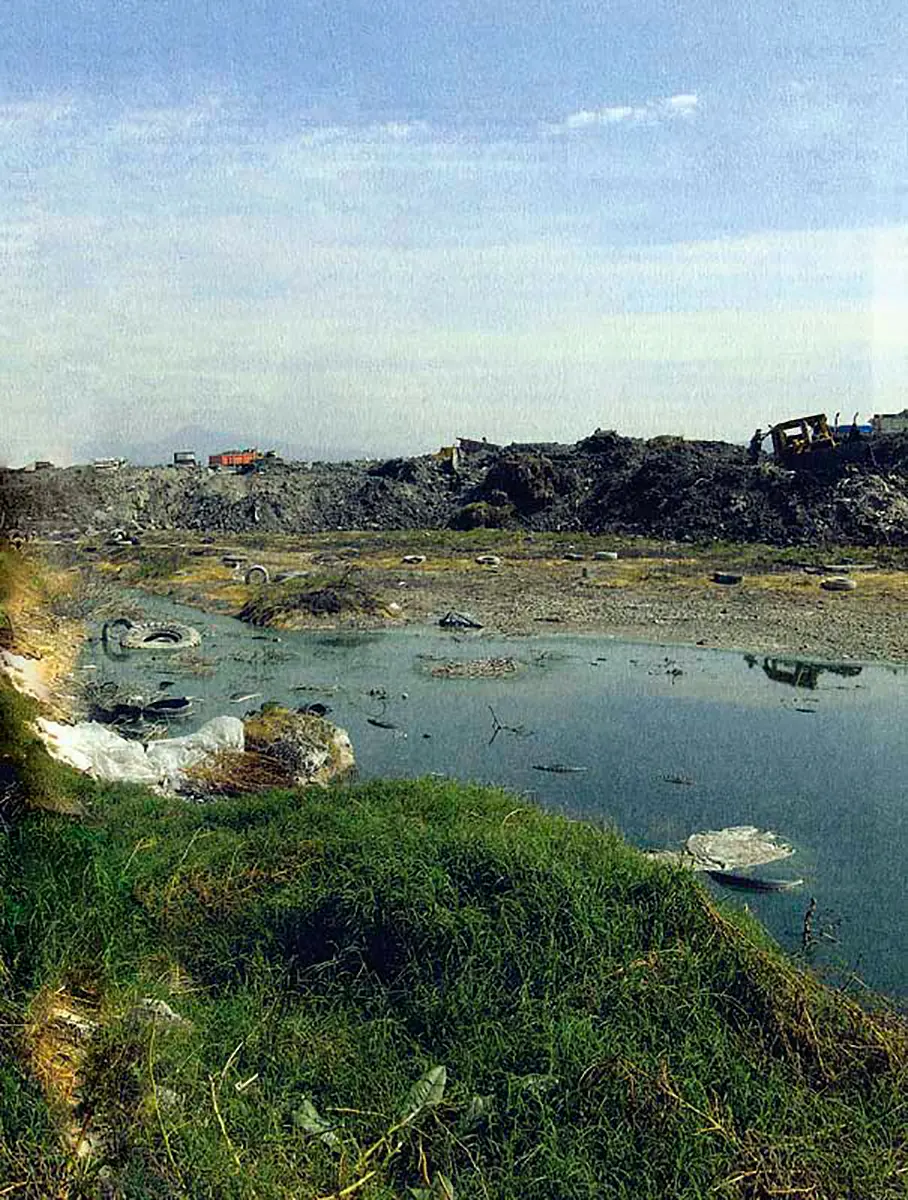
This emphasis on tangible, not exclusively visual works of art is also visible in installations such as US artist Lloyd Foulkes, which brings together paintings from the series The Last Frontier and The Machine, a strange assemblage of heterogeneous instruments that both serve to make music and proposes an allegory of contemporary California’s chaotic social situation. Or like Mexican artist Mariana Castillo Deball’s installation Finding Oneself Outside: Uncomfortable Objects, which encompasses a dislocated set of what the artist calls “uncomfortable objects.” We must also mention Pakistani artist Nalini Malini’s installation of large translucent cylinders hanging from the ceiling to function as spinning screens for video projections, at Documenta Halle, as well as Brazil’s Maria Thereza Alves’ at the Ottoneum, which reconstructs the history of the Chalco lake near Mexico City and the sustained struggle of locals and users to save it from destruction. Alves’ ambitious installation incorporates a fish tank where a number of axolotl, those beautiful living fossils now as endangered as the lake that is their habitat, swim furtively. On exhibit at Neue Gallerie is the installation Unpurposely With Purpose, by Mexican artist Adriana Lara, which uses mural painting and video to critically revisit important landmarks in the history of Documenta as an exhibition.
Exhibited at the splendid Baroque park of the Karlsahue are Scaffold, an installation by US artist Sam Durant that reinterprets the gallows where Saddam Hussein was hung in Baghdad as a tourist observation point; Here & There, a peculiar gesamtkunstwerke by São Paulo-based Italian artist Anna Maria Maiolino; and Sanatorium, by Pedro Reyes from Mexico, a utopian health clinic that offers patients suffering such common afflictions as anxiety, stress, and loneliness an opportunity to choose between treatments prescribed by different psychological and artistic schools, like Gestalt therapy, psychodrama, hypnosis, theater of the oppressed, primal scream therapy, folk rituals, and Fluxus happenings, among others.
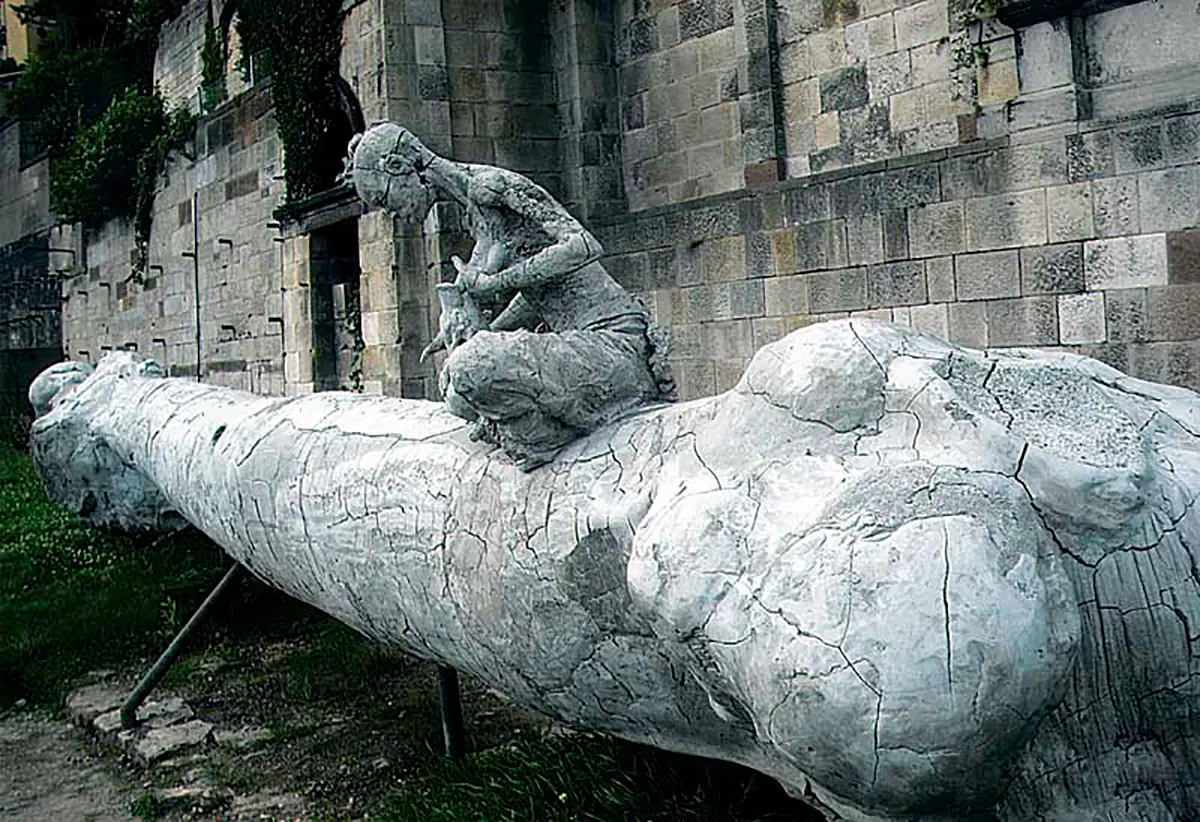
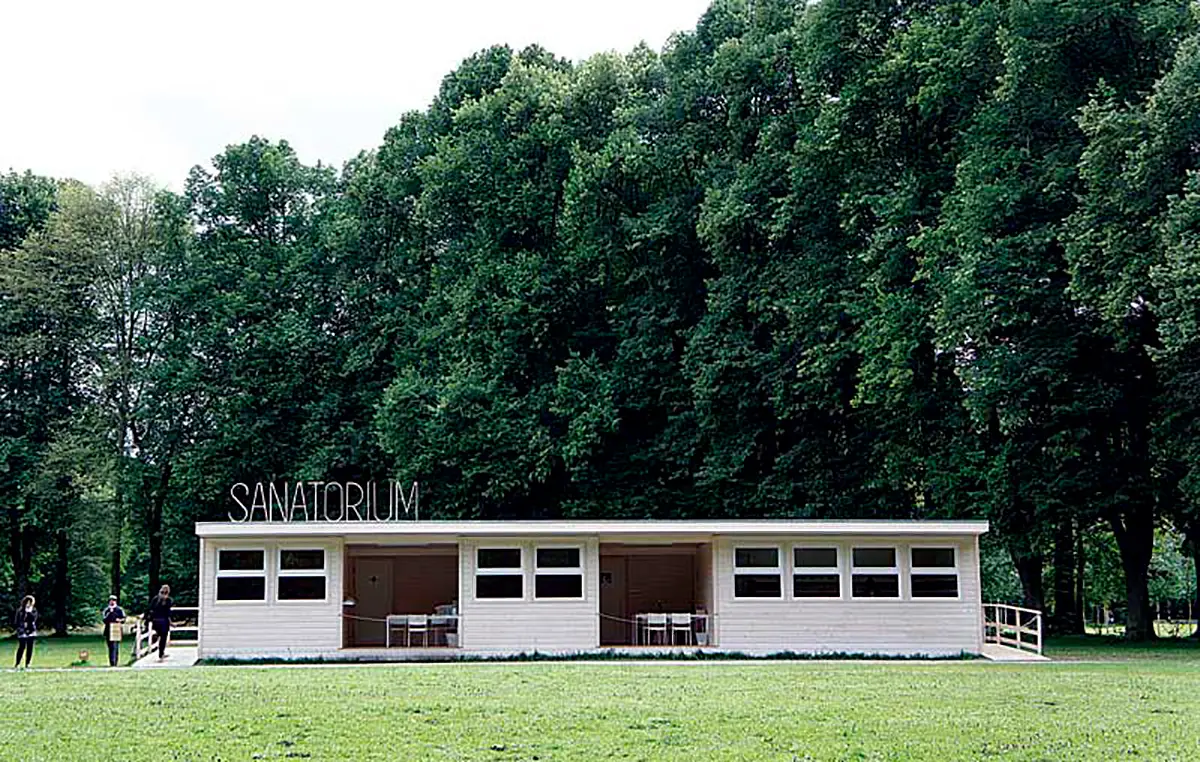
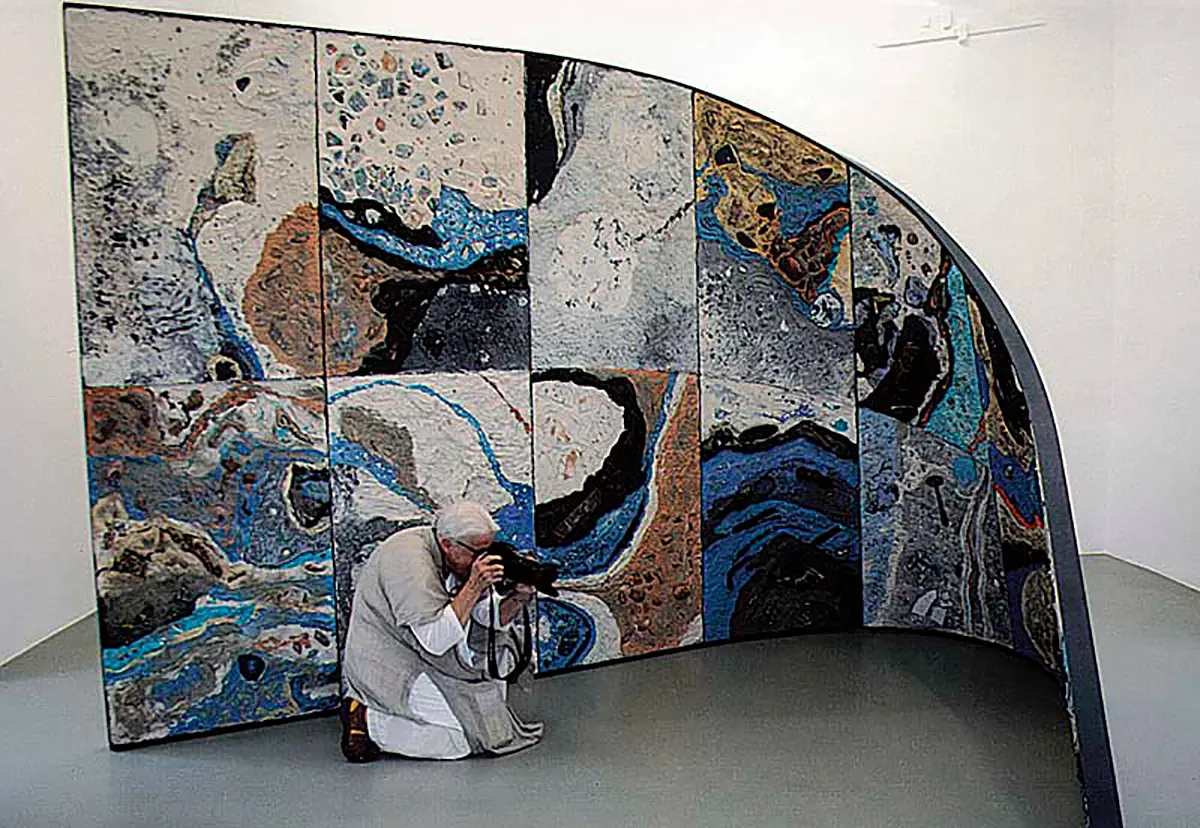
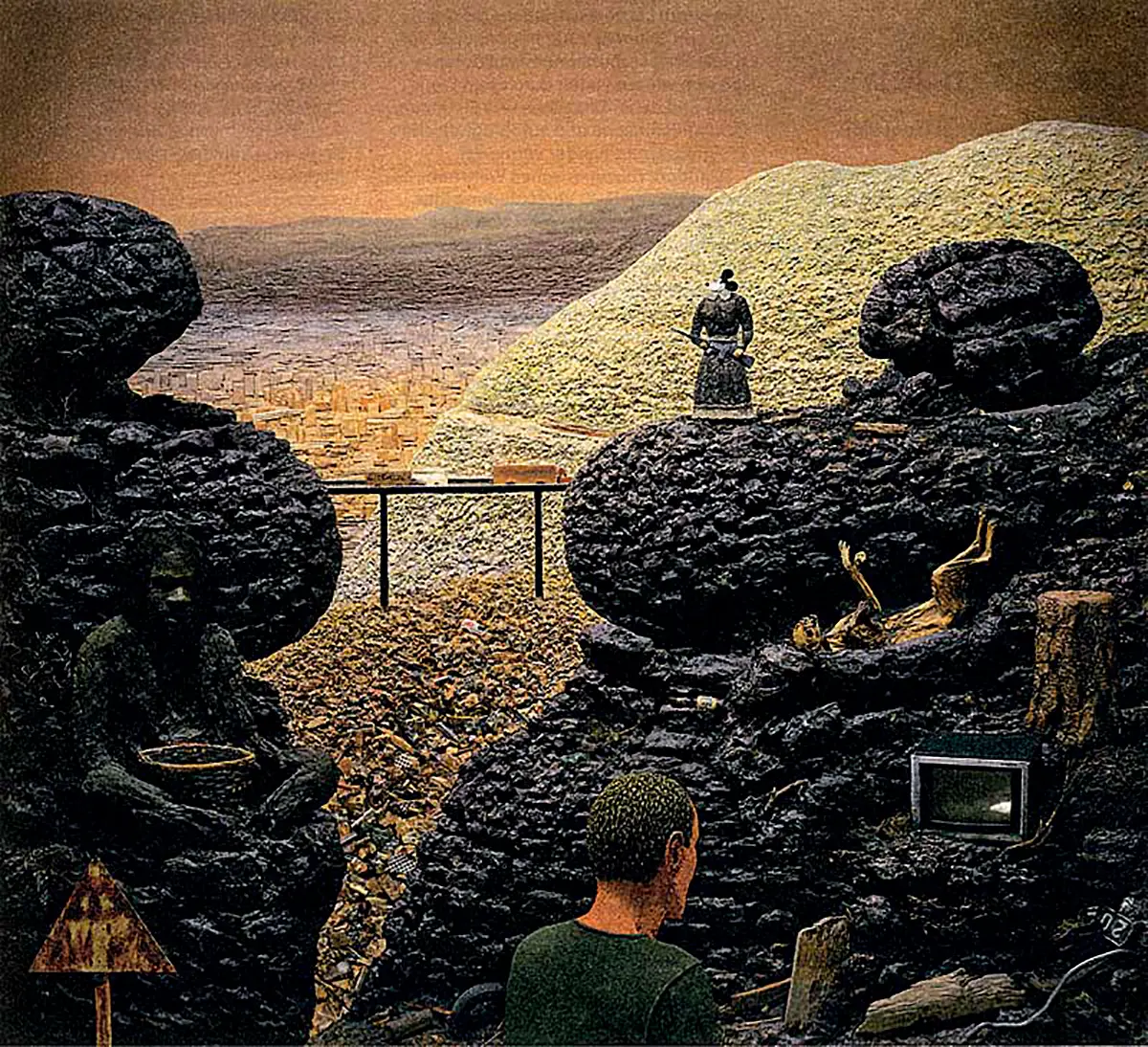
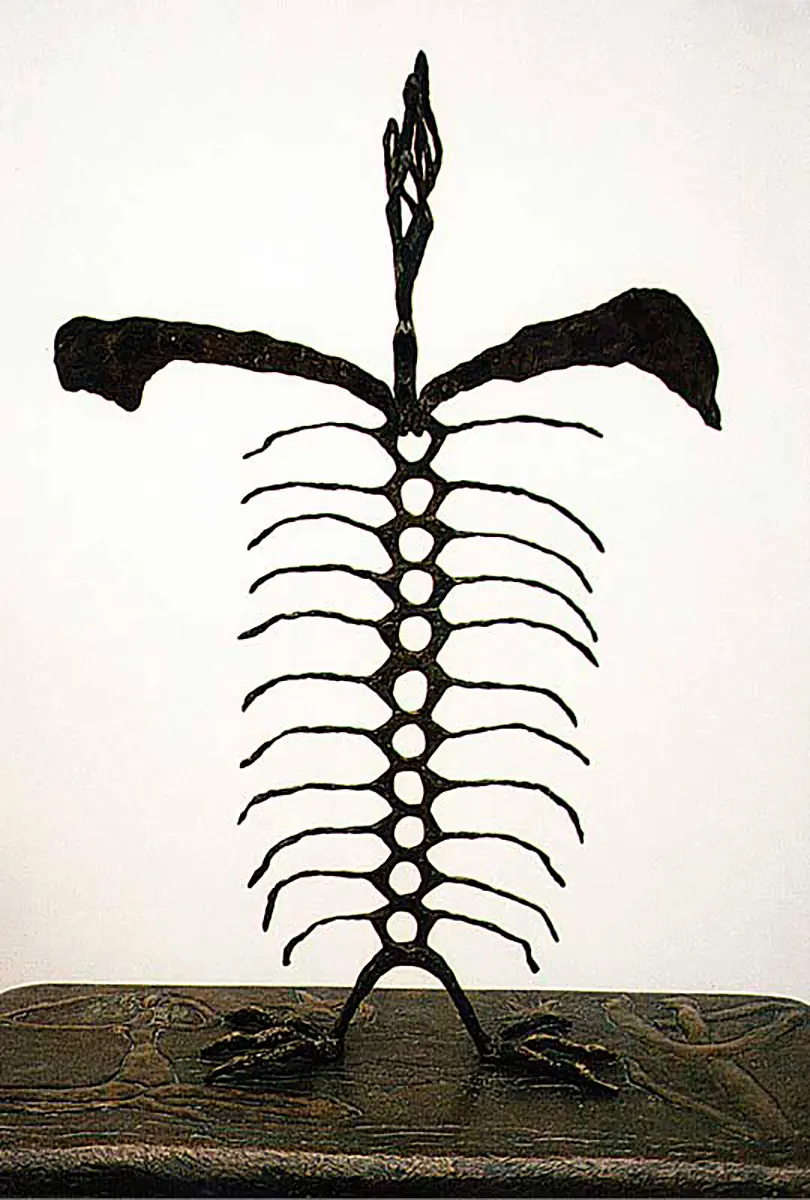
On exhibit in the same park are sculptures by Pierre Huyghe, from France, and Giuseppe Penone, from Italy, while sculptures by Brazilian artist Maria Martins can be seen at Neue Gallerie. But surely the real sculptural tour de force at this Documenta is by Argentina’s Adrián Villar Rojas, who already shook the Venice Biennale in 2011 with his forceful works in reinforced concrete. On layered vineyards set on a steep hill, formerly the property of one of the city’s most exalted families, Villar Rojas unfurled an impressive sequence of figurative sculptures, also made in reinforced concrete.
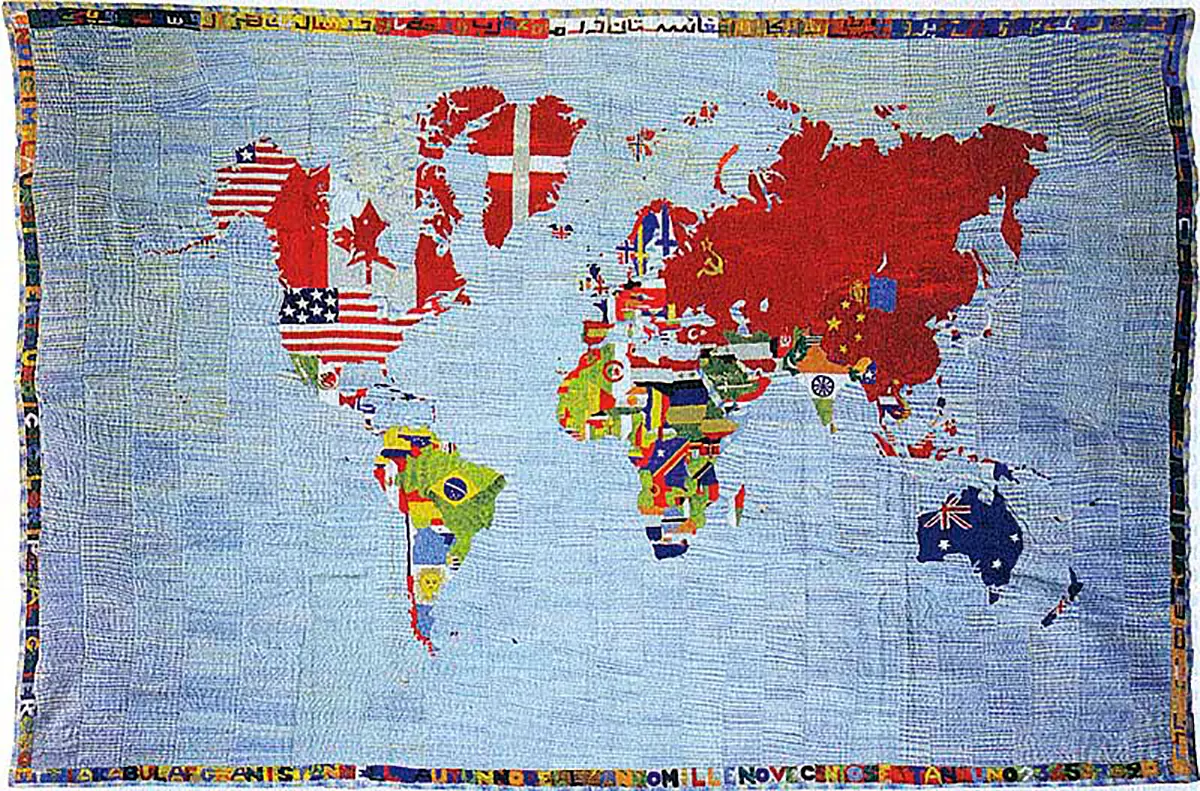
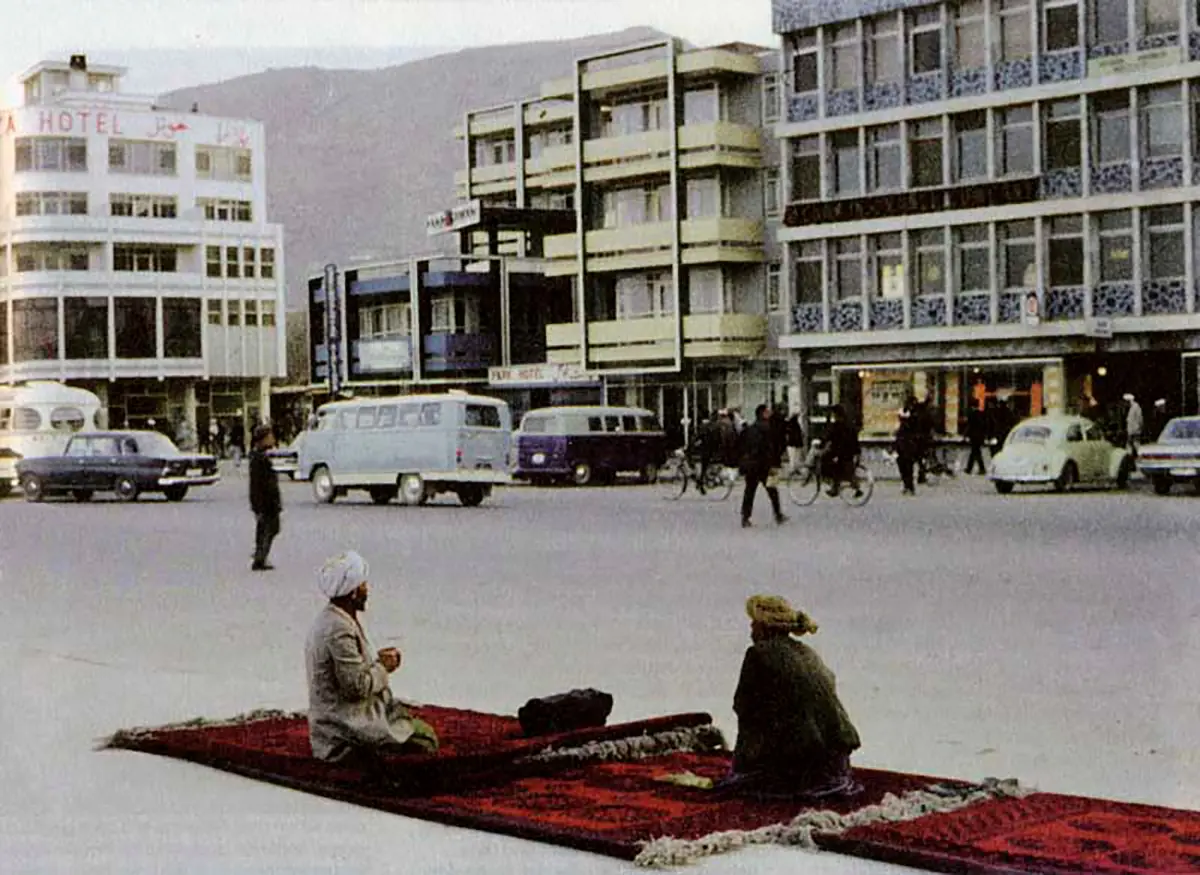
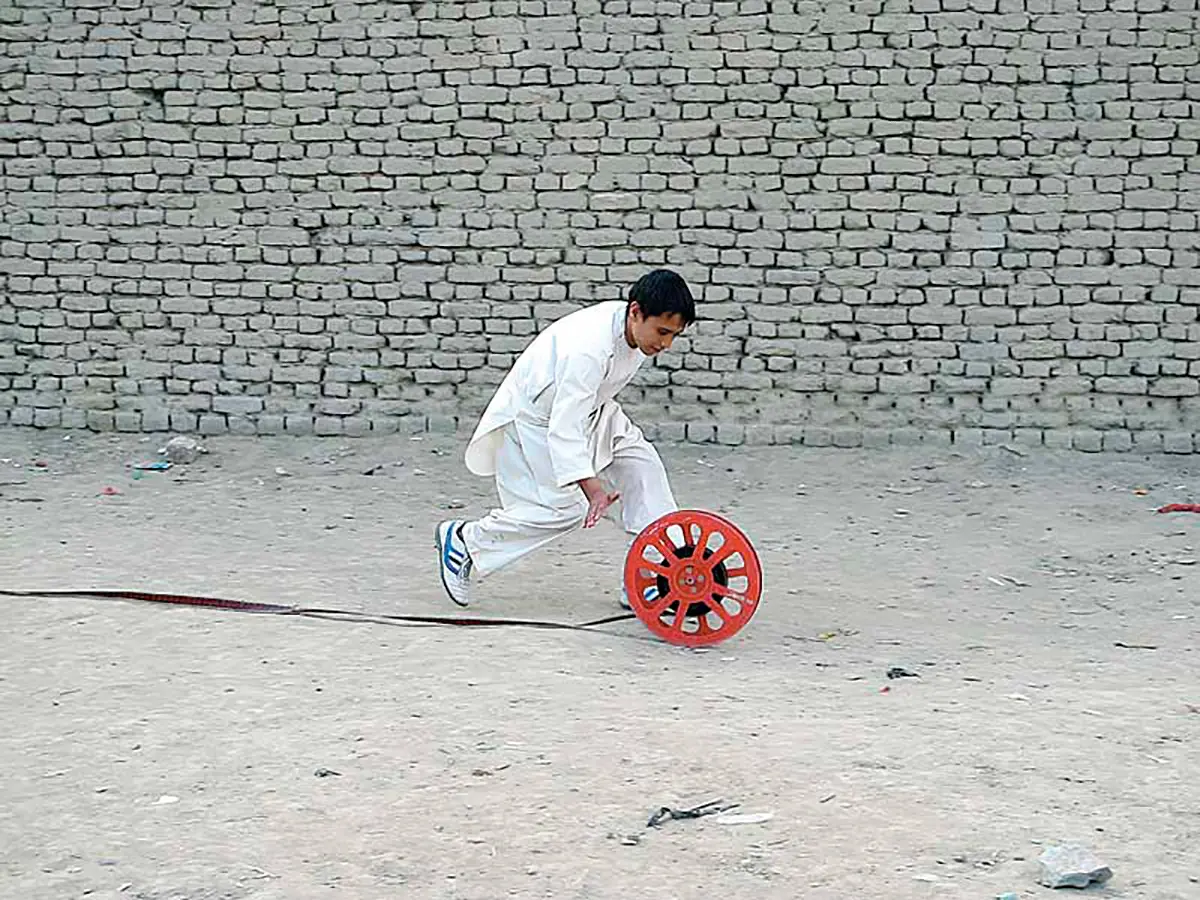
I said before that the work of two Latin American artists plays a crucial role in CCB’s curatorial discourse and performance, and spoke of Guillermo Faivovich’s and Nicolás Goldberg’s meteorite. It is time now to refer to Have you ever seen the snow?, an audio-visual with 80 color slides projected to musical accompaniment, created by Mario García Torres, from Mexico. This work documents in syncopation García Torres’ journey in search of the mythical One-Hotel-on- Shar – e –Naw, established in the 1970s by Italian artist Alighiero Boetti and an Afghan partner. The importance and significance of this work are projected in several directions. First, in connection with CCB’s risky gamble in favor of Kabul as one of the four extra-territorial sites for this edition of Documenta, held in Kassel in its traditional locations—Fridericianum, Ottoneum, Documenta Halle, Orangerie, Karlsahue Park, Hauptbanhof—as well as some ten alternative spaces. But Kabul is an entirely different thing, being as it is the capital of Afghanistan, a country where the United States has fought for over a decade the longest war in its history while remaining, to date, unable to definitively rout a heterogeneous alliance of independence-bent adversaries. Choosing Kabul is to involve oneself in a war where one group seeks to expel foreign troops and the other seeks to normalize the country under its economic, political, and cultural schemes, and where art is in consequence exposed to the risk of instrumentalization at the hands of the normalizers, or of open opposition on the part of the radical iconoclasts who destroyed the famous Bamiyan Buddhas. CCB is well aware of such risks, as made evident by her reflections around this thorny issue presented in the curatorial essay cited before. Yet she decided to face them frontally, organizing a series of seminars in the Afghan capital and an exhibition of contemporary Afghan artists in Kassel, as well as the inclusion of a series of paintings and a film by Francis Alÿs which refer to that country, convinced that art must be in the world in the same way in which, according to St. Paul, good Christians must: inside, but apart. One of the best examples of this paradoxical attitude was offered —always according to CCB—by Alighiero Boetti with his Kabul hotel, which allowed him to establish some distance from the country while at the same time retaining enough involvement as to have Afghan women be the ones weaving the clever world maps that have become his art’s most topical image.
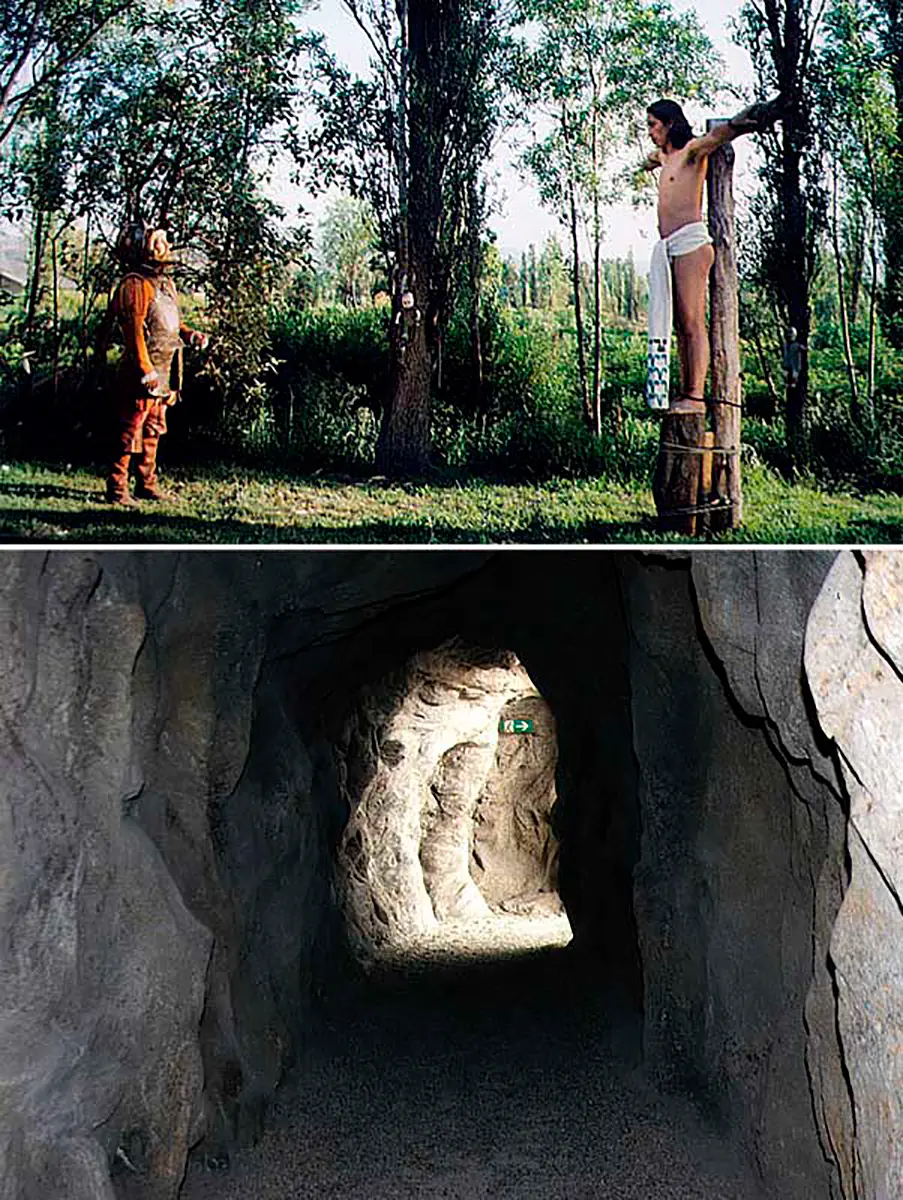
The other direction in which García Torres’ work is relevant to CCB has to do with hospitality. The Mexican artist’s interest in Boetti’s hotel derives from his previous interest in hospitality, lodging, and the complexities and subtleties posed by the relationship between host and guest. This relationship has been re-thought with exemplary radicalism by Emmanuel Lèvinas and Jacques Derrida, who found hospitality in the relationship between The Self and The Other, whom the hospitable I receives while acknowledging an irreducible otherness, the unbridgeable difference between them that only through symbolic or effective violence could be transformed into an identification of the Other with the Self.
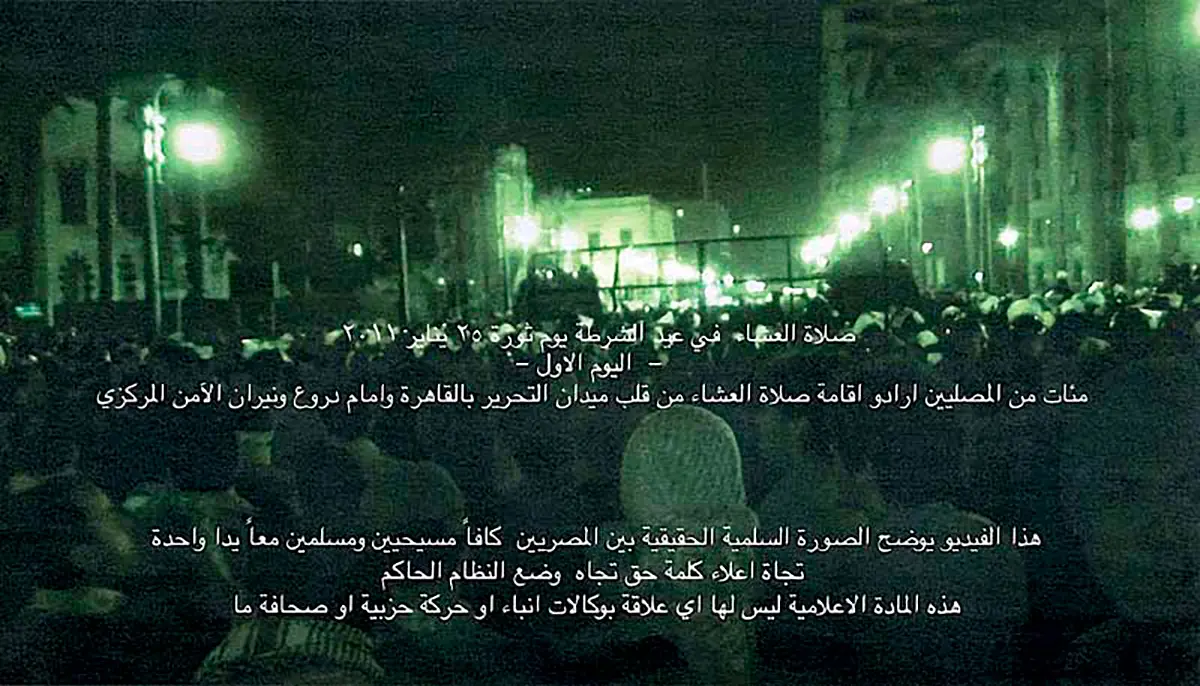
The adoption of such a radically hospitable attitude is what, I believe, has allowed Documenta to unfurl such a heterogeneous range of topics and questions, many just as controversial, or more so, as those currently being decided by force of arms in the countries of the Islamic world. Topics that are themselves other, of an otherness that is inadmissible to today’s hegemonic homogenizing discourses. In fact, Documenta extends its hospitality to works that refer to or thematize matters like the Fukushima disaster and the growing fears caused by the widespread use of nuclear energy, which obviously connects to the growing unease with the threat posed to the natural world by unchecked pollution, global warming, and environmental catastrophes. There are also those works referred to the issue of the body as the stage for practices of resistance against biopolitics, which incorporate into their strategies a vindication of the cyborg and of the animal state. And those inscribed in the space of post-colonial reflections, as well as those that seek to reveal the face of the ruling class now that the old one, offered by Georg Grosz in his time in his celebrated cycle of drawings, has lost its validity. In turn, China is evoked as the workshop of the globalized world, while telematic de-localization and its impact on the contemporary concern with time and space are also explored. And alongside the allegories and legends generated by these concerns, we find those that read the West’s “humanitarian interventions” in the Middle East in terms of a “Christian Crusade” seeking, for the umpteenth time, to appropriate the sacred sites of the three Religions of the Book. Finally, there are also those works that, because of their authorship and the mere fact of their presence in Documenta, vindicate the existence of questioned nations such as Palestine and the Sahara people, and those that evoke the motivations behind Tahrir Square in Cairo and elliptical references to mass mobilizations like 15-M and Occupy Wall Street.
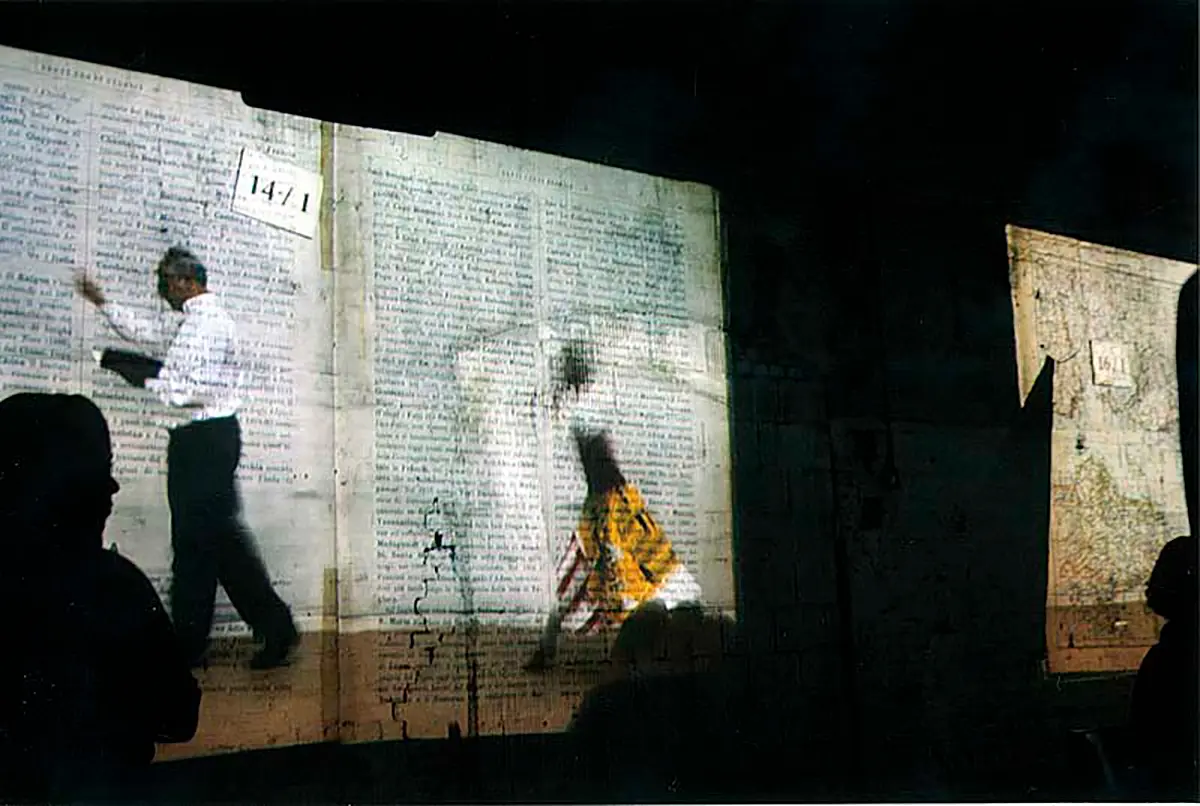
I will end by referring to three notable works, stage-like in character. First, Raptor’s Rapture, by Allora & Calzadilla, possesses the soothing simplicity of primitive music. Second, Artaud’s Cave, by Javier Téllez, from Venezuela, is a sui generis tribute to Antonin Artaud’s Theater of Cruelty. And third, The Refusal of the Time, by South African artist William Kentridge, is an outsize, operatic, fascinating work of art.
* Photos by León Birbragher.
CARLOS JIMÉNEZ
Essayist, art critic, independent curator. Lives and works in Madrid, Spain. http:// elartedehusmeardecarlosjimenez.blogspot.com/