
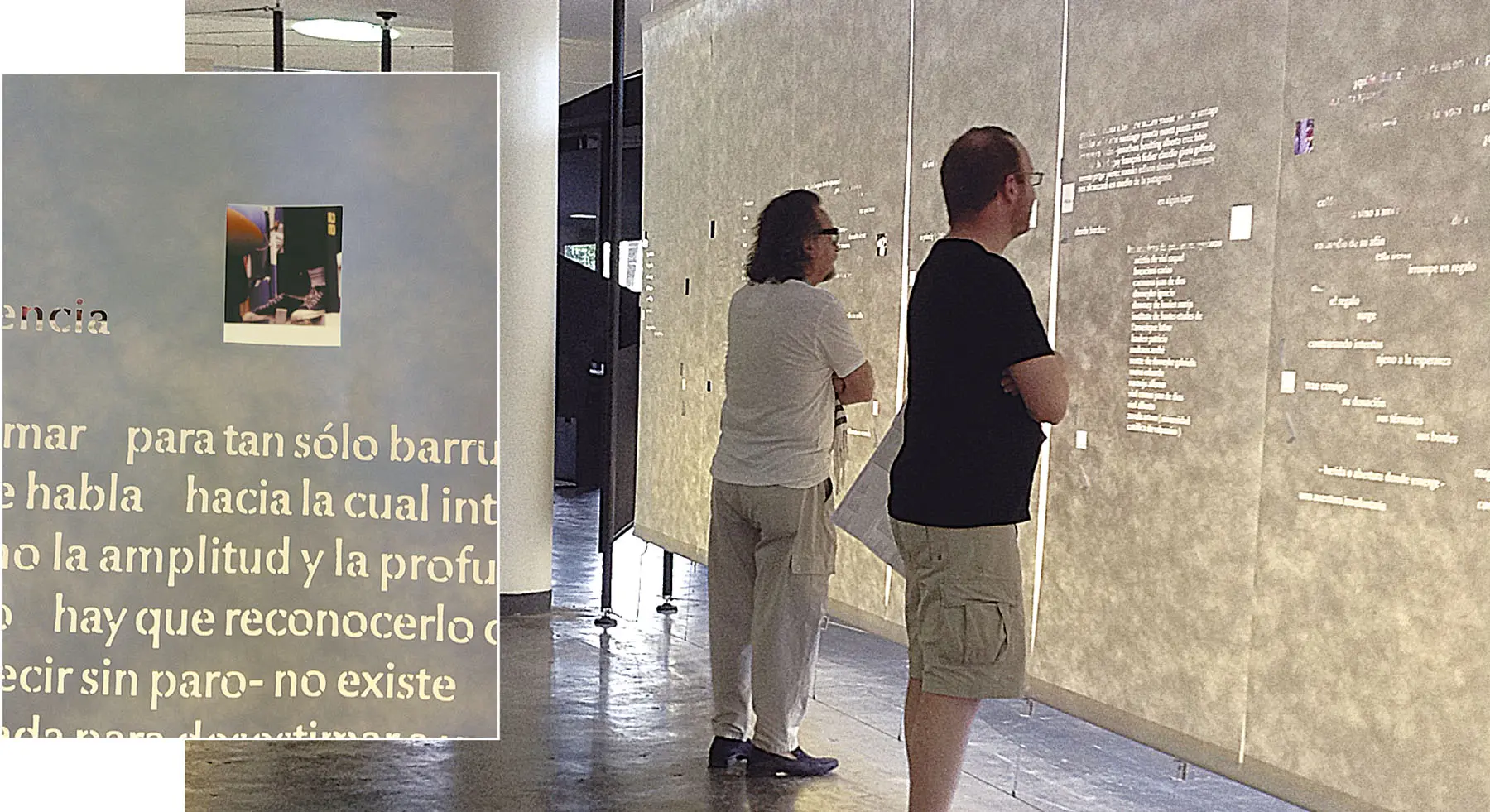
The 30th São Paulo Biennial brought 111 artists from 30 countries to the Ciccilio Matarazzo Pavilion at Ibirapuera Park, presenting to the public a total of 3,000 works.
When a new edition of the Biennial opens its doors, a festive climate envelops the city’s art circuit; the Biennial is a very significant point of reference for São Paulo and for the country as a whole. Since its inception in 1951, the Biennial has been acknowledged as a “forward-moving event” and represents the potential for direct contact with international art production as it happens today. A large-scale cultural movement begins when the Biennial opens: museums, cultural centers, and galleries promote special exhibitions, attracting a select public of collectors, curators, art critics, directors of foreign and local institutions, as well as the public that regularly frequents the artistic scene.
This year, the São Paulo Biennial opened on Brazil’s national holiday, September 7th, which commemorates the country’s Independence Day, thus adding a symbolic value that reiterates the event’s significance for the country. The exhibition remained on view for three months, through December 9th.
The 30th Biennial took activation as its key assumption, an important condition for bringing the general public closer to contemporary art. Thus, we had three months of an intense cultural calendar: besides the exhibition at the Ciccilio Matarazzo Pavilion, there were daily encounters, symposia, debates, educational activities, workshops, and performances, all through closing day.
The 2012 Biennial was titled The Imminence of Poetics and its general curator was Luis Pérez-Oramas, a Venezuelan specialist who also works at the Museum of Modern Art in New York. 1 His collaborators were André Severo, from Brazil; Tobi Maier, from Germany; and Isabela Villanueva, from Venezuela.
With the title, The Imminence of Poetics, the curators wanted to bring to the fore not a theme or topic as such, but a present dimension in today’s art: the permanent mutability of poetics and the interfaces between them. The title was also an attempt to highlight “the recurrence of an instrumental repertoire that makes it possible for individuals and for the community to define, in an intuitive, intentional, or subconscious way, strategies of artistic language and discursive platforms in a culturally defined disciplinary field.” Finally, the title also revealed that the borders between different artistic moments are not always rigid and closed; it made evident that there are many possibilities for interlocution. Imminence, according to the curators, means “what is about to occur, the word on the tip of the tongue, the unexpected silence that precedes the decision whether to speak, art as a discursive and poetic strategy in its plurality and multiplicity.”.
Thus, presented as a platform for the encounter of diverse poetics, the project of this Biennial sought to create a place of convergence for them. The curators worked on the construction of the show and the exhibition space with the ideas of constellation and articulation in mind. This means that the Biennial sought to foreground a constellation of meanings in the works and the artists who dialog with each other. These ideas were key for the audience’s interaction with the 2012 show.
In his way, taking as its principle the assumption that poetics overlap, disaggregate, assimilate, condense, or persist, the curatorial project was formulated as an ideal grid between four zones designated as follows: Survivals, Alterforms, Drifts, and Voices; a zone called Reverse was also projected, explained as a transversal dimension that would include sections of the show to other areas of the city, as an extension beyond the traditional pavilion at Ibirapuera. Along the same lines, a path was designed to be pursued around the city, including special bus lines that took visitors to these expanded spaces.
It should be noted that the idea of a zone was just a heuristic tool for the curators to orient the selection of artists, but I didn’t imply a spatial arrangement: the grid permeated the construction of the show but remained invisible “to the naked eye.” In the organization of the exhibition and its physical spatial arrangement, what predominates is the notion of a constellation of meaning that seeks out articulations between works and artists, leaving it to the visitors to elaborate their relationships. The works of individual artists were exhibited in separate galleries.
The exhibition at the Ciccilio Matarazzo pavilion was notable for its careful display, the expo-graphic work, projected by architect Martín Corullon. Corullon created possible pathways for visitors along with galleries that were excellent in terms of their design. In the building’s three levels visitors encountered a proposal to perambulate, coming in and out of individual exhibition spaces in a motion that favored the curator’s intention to generate dialog and provoke articulations and comparisons between the poetic constellations.
In the curatorial project, the idea of Survival was one of the keys to think about and select contemporary artists of different generations. The dialog thus generated was to happen, in this instance, within a common historical field; the curators wanted to articulate artists, confronting forms and practices from disparate times and/or spaces that allow an experience of the present.
The second premise, which the curator called Alterforms, complemented the conceptual themes present in Survivals and brought forth a more contemporary selection of artists and practices. This zone defined the sites of transformation that artists, consciously or not, generate in their own practices. A section of this zone attempted to outline the current state of the re-reading of modernity in Latin America. Another section interrogated the “current state of the media”—painting, printmaking, drawing, photography, poetry, literature, film, drama, theory—at a time when the image monopolizes all communication, artistic or otherwise.
The idea of Drifts gave shape to the third ideal zone defined by the curators and highlighted their intention of presenting examples of works and artists whose production brings to the fore the dimensions of marginality, hybridism of forms, languages, and images, including there the spaces opened by new technologies.
Voces was intended as a “zone among zones, in the conceptual framework of the exhibition.” The selection of artists under this premise focused on the use of sound as their material, with sound understood as articulated to the performative element of contemporary art. In the show, viewers encountered a representative selection of sound installations and were invited to participate by means of interactive resources.
The fourth zone in the show was presented by the curators as “transversal to the event’s exhibition components,” as a “kind of nomadic platform that brings together all the curatorial elements of the 30th São Paulo Biennial’s project.” It included the biennial’s urban interventions and exhibitions in different institutions such as Casa Modernista, the Morumbí Chapel, the Casa del Bandeirante, the works presented along Paulista Avenue, around the São Paulo Museu de Arte, and at the old Estaçao da Luz, all traditional and historical locations in the city.
The 2012 Biennial also produced trans-territorial dialogs between cities, as happened with Valparaíso (Chile) and São Paulo through the initiative of a group of intellectuals and architects connected to the Architecture Institute of the Universidad Católica, with a proposal for community action.
The educational activities implemented by the Biennial also deserve notice. Since 2010 the educational program has been under revision. The 2012 edition, was carried out under the specialized curatorship of Stela Barbieri. In the 30th Biennial, following the direction of the general project, the strategy was to work in dialog with artistic concepts relative to contemporary art, creating in that way an avenue for thinking about the works on exhibit. Educational materials and audio guides were produced, and there were distance-education courses for school teachers as well as the traditional guided tours for groups and spontaneous audiences, and parallel activities in workshops.
On Some Works in the Exhibition: Readings in a Constellation Dynamic
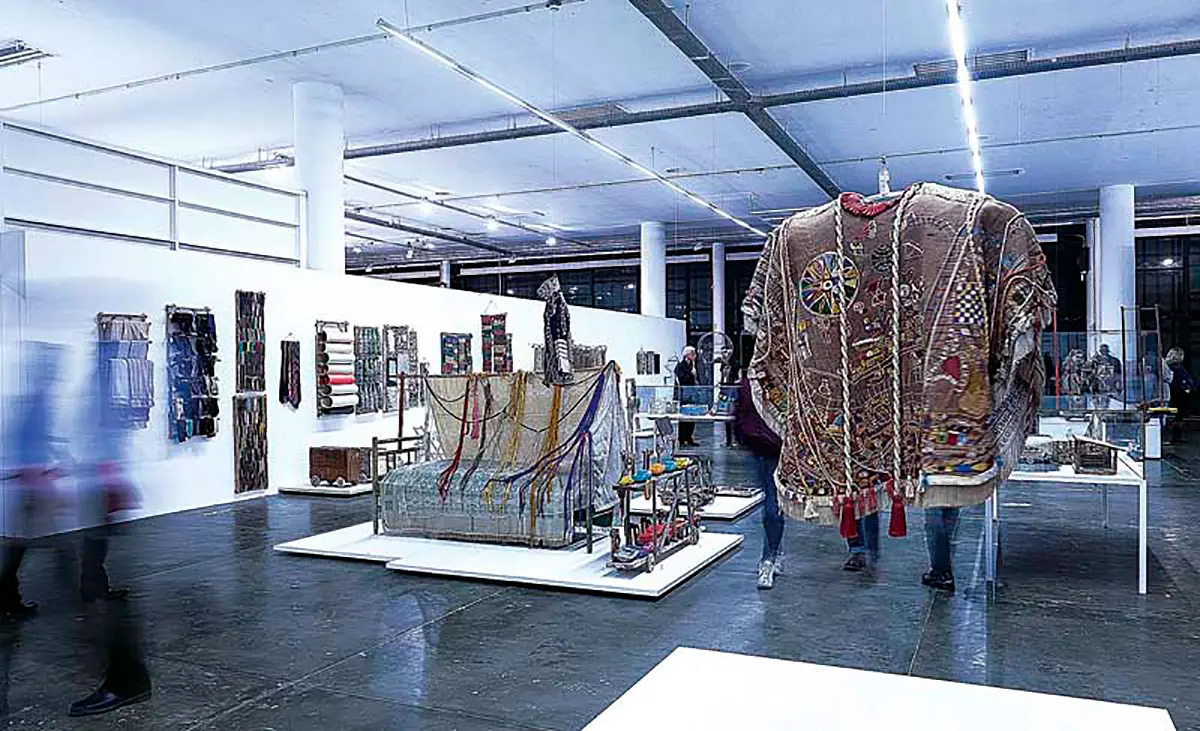
The Biennial keynote was Arthur Bispo do Rosário (1911-1989) and his work at the border between art and madness. Bispo’s creative gesture is marked by schizophrenia: he was a patient in a psychiatric hospital who, moving between reality and delirium, left us an extraordinarily current body of work. Bispo built assemblages, accumulations, standards, and objects, and his production serves as a point of reference for contemporary art. In the exhibition, 300 of his works impressed visitors with their auto-biographical imagination, and immediately brought to mind matters of the subconscious. Possessed of an intense creative impulse, Bispo do Rosário used weavings, embroideries, sewing, myriad buttons, cardboard; often, his works include written texts or objects that he frequently rescued from the garbage. On many occasions, he covered them with threads, ropes, or fabric; he used serialization and repetition as expressive resources. Manto da Apresentação is one of his emblematic works included in the show, with a strong mystical dimension: it was made for the moment when the artist was to appear for his Final Judgment.
Arthur Bispo do Rosário has been acclaimed internationally: besides a vast show at the 16th São Paulo Biennial in 1981, in a segment titled Uncommon Art, his work has been exhibited at the 49th Venice Biennale, the Jeu de Paume Museum in Paris, and, more recently, at the Victoria and Albert Museum in London.
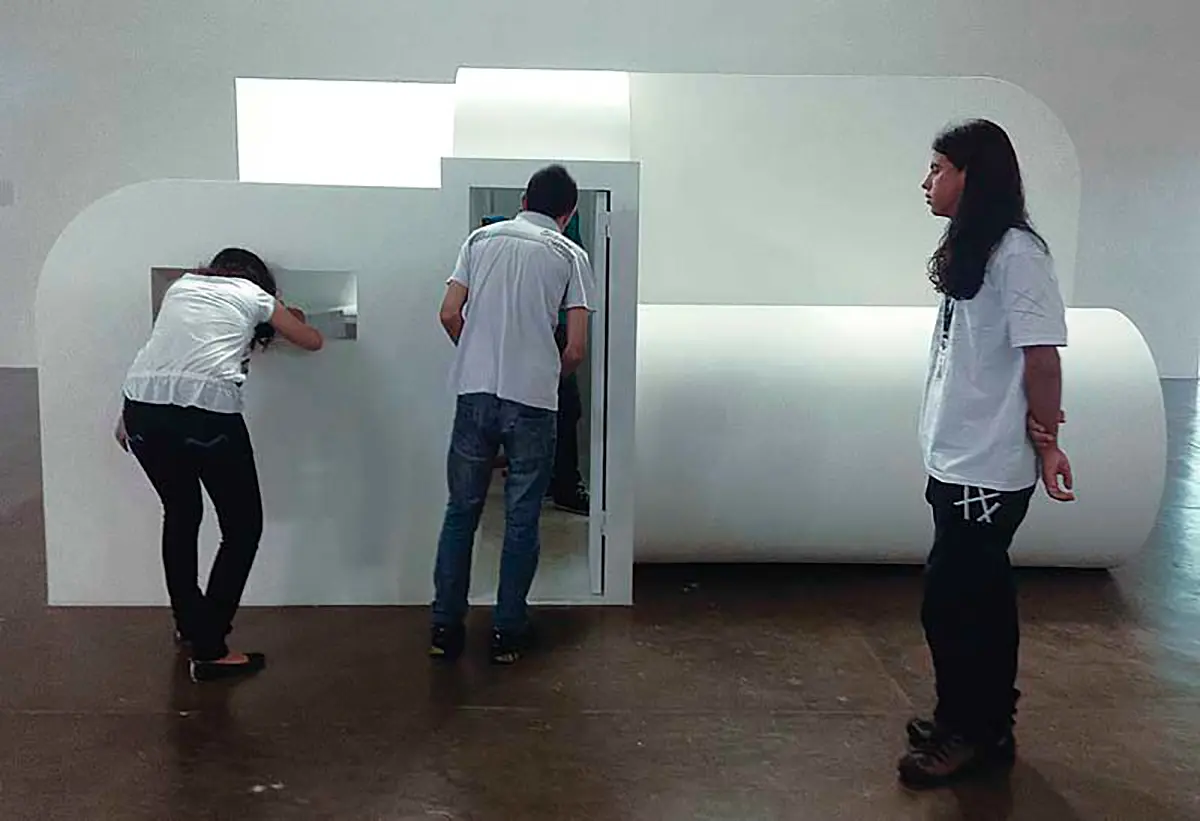
Israeli artist Absalon (Israel, 1964 – Paris, 1993) impressed audiences with his work connected to architecture. This artist created inhabitable structures based on his own body measurements, conceived for him to live temporarily in large urban centers. Using form in a modernist manner, his work appeared in the exhibition as three-dimensional art loaded with meaning. It responded to the curator’s intention of provoking thoughts about the social environment and the individual confinements that take place there.
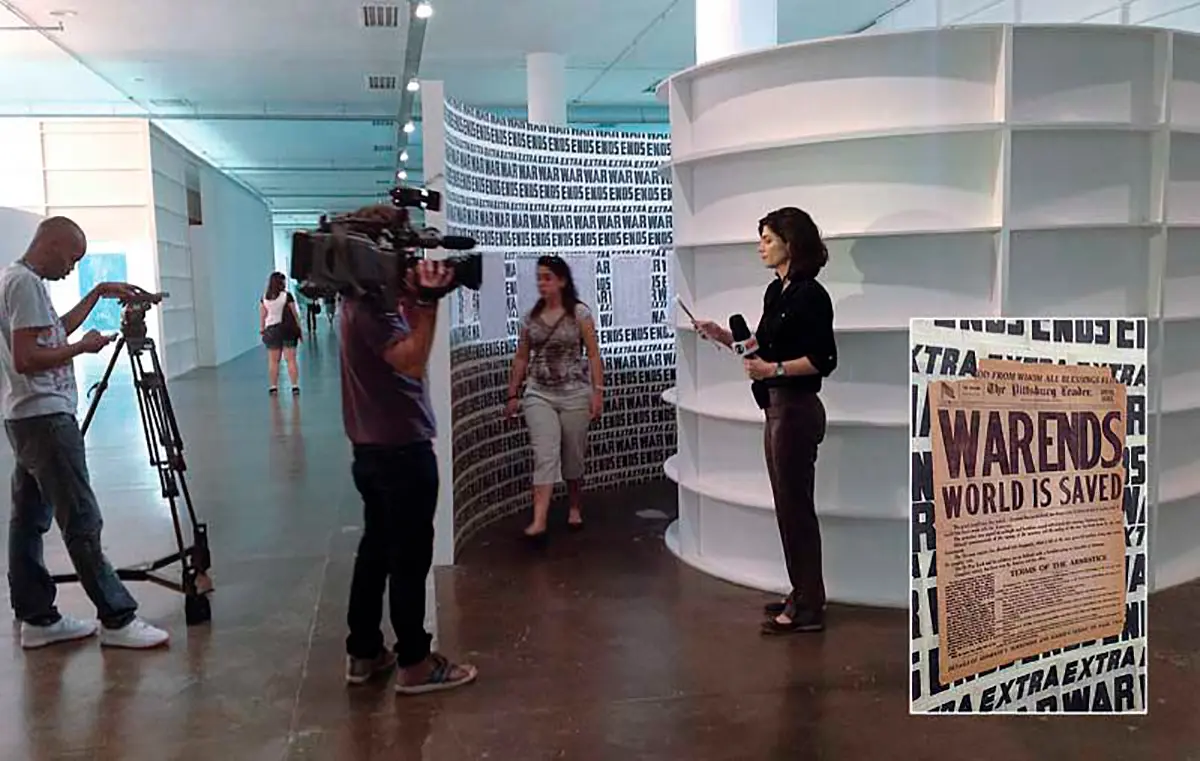
Eduardo Gil’s installation Una breve historia del fin de la Guerra, dated in 2010, presented writing as matter. The artist used a spiral-shaped wooden structure, to which he attached words and a series of newspaper clippings from the period, alluding to the end of the Second World War. Entering the installation, visitors noticed wall surfaces covered with repeating words (war, extra, end) and with readable newspaper items. This was a proposal to remember a dramatic historical event. On an exterior wall, there was, also, a construction made using microwave-oven fans, with newspaper clippings attached to them and made to rotate as the machine moved. War, presented as an act of violence, moved viewers towards an exercise in the reconstruction of the global drama of the Twentieth Century.
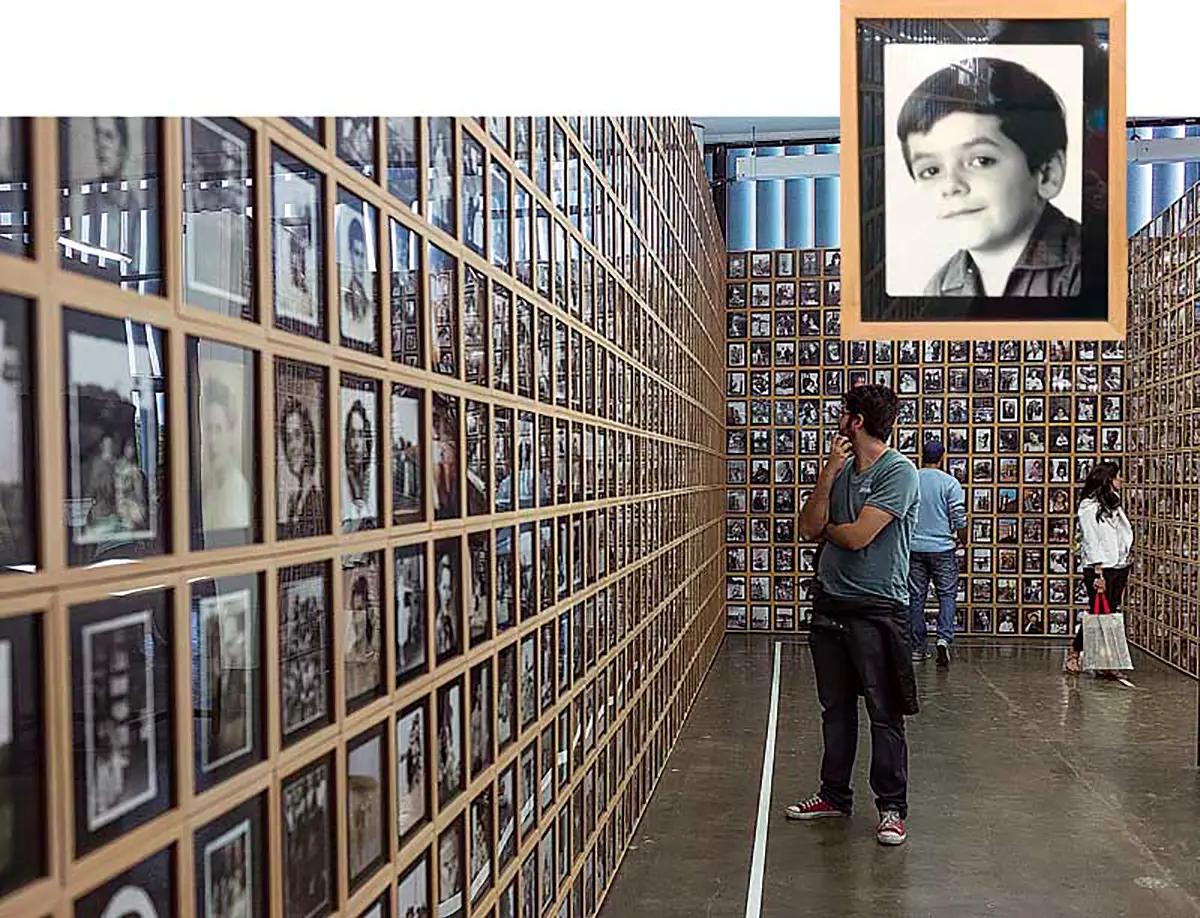
Another artist who grabbed our attention was Iñaki Bonillas (Mexico City, 1981). His work projects interesting articulations with key issues in contemporary art. Bonillas uses photography, exploring its origins and its importance in connection with other expressive media in the history of art and in the contemporary world. Leaning on the documentary dimension of the photographic genre, on the idea of the archive (compilation, classification), the artist created an environment of framed photographs, floor to ceiling, in a cumulative way, with an exhibition arrangement that resembles an old “cabinet of curiosities,” at once scientific and aesthetic.
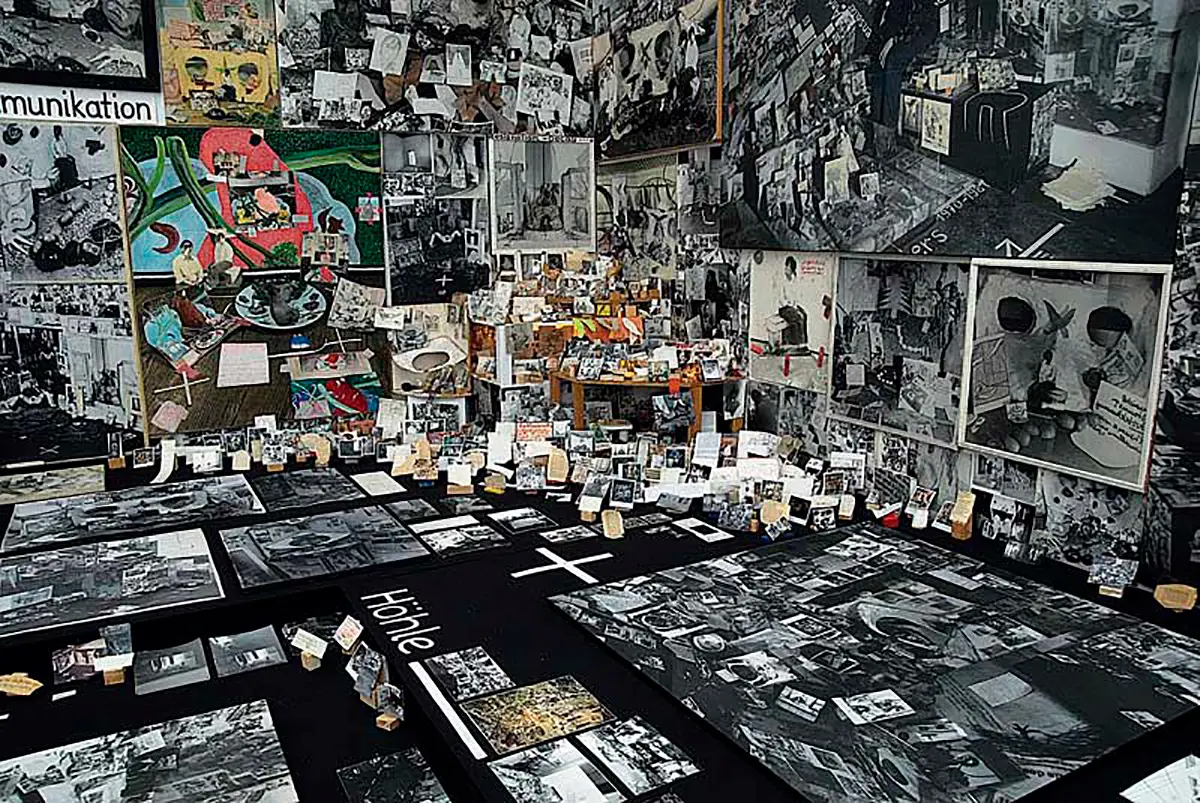
The same exhibition arrangement was observed in an installation by Ana Oppermann (Germany, 1949-1993), which also focused on existential themes and social concerns. Her work gathered in a single environment, like a large-scale assemblage, drawings, paintings, photographs, texts, and out-of-context objects. One method used by the artist was to constantly document the work in progress, as she reorganized the objects in space to create a process of re-signification.
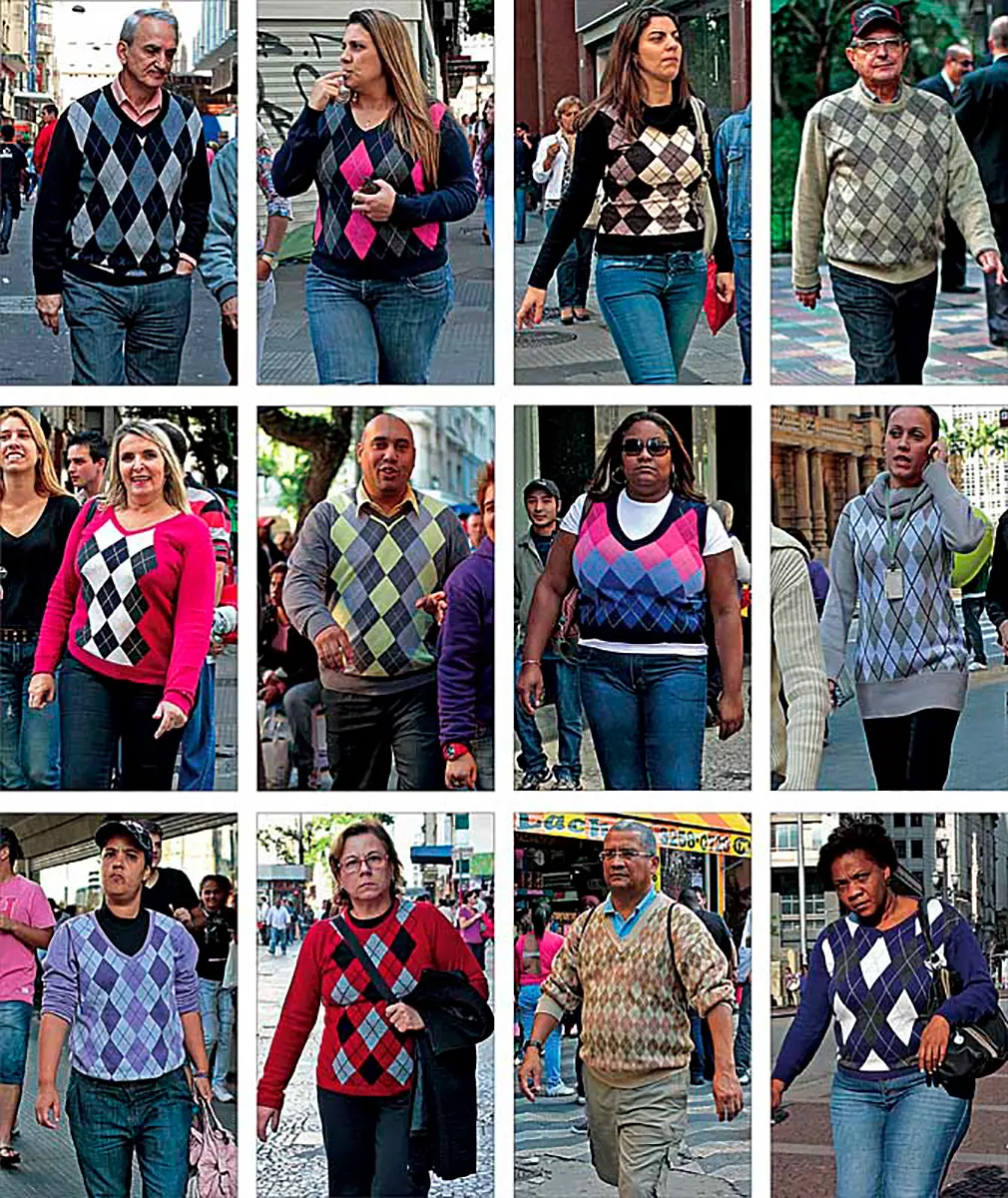
Hans Eijklboom (Arnhem, The Netherlands, 1949) also works with photography. His proposal was based on the combination and repetition of images to generate a kind of “society portrait” that confronted the individual and the collective element. His projects, which involve a social aspect, were presented as an artist’s journal recording a concern with present reality, with life in various cities around the world.
Yuki Kimura (Kyoto, Japan, 1971) uses in his project authored or appropriated images to build existential investigations that articulate past and future, creating narratives that envelop their viewers and drive them to wonder about life and death: Why to be alive, here and now?
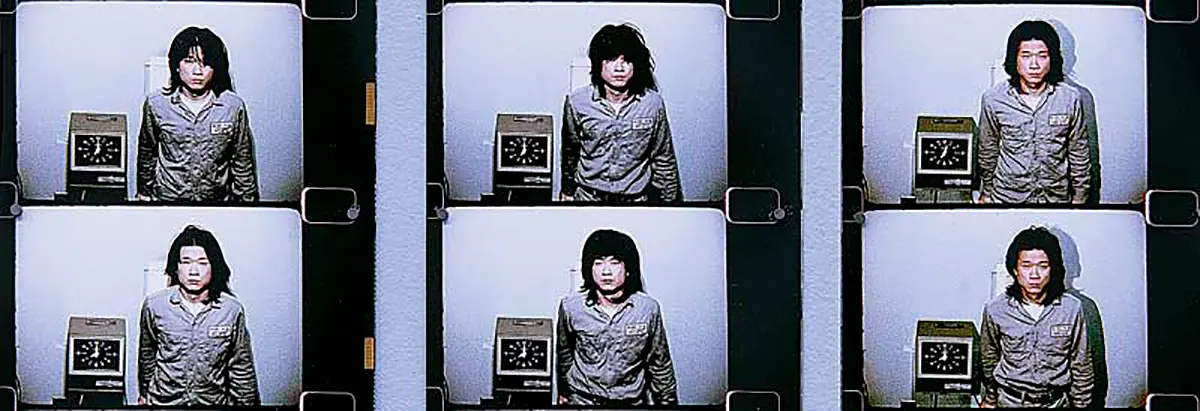
Tehching Hsieh (Taiwan, 1950. Lives in New York) presented a record, in photography and film, of his Performances in a Year. The work on display at the Biennial showed the usual gesture made by factory workers as they punch their timecards on a clock. To build his project, the artist remained inside a cell set in his studio and repeated the gesture obsessively every hour; his action was recorded in photographs and film. In the installation put together with those records—the punch cards, the photographs, and the film—the artist called attention to the tensions created by working on reiterative routines.
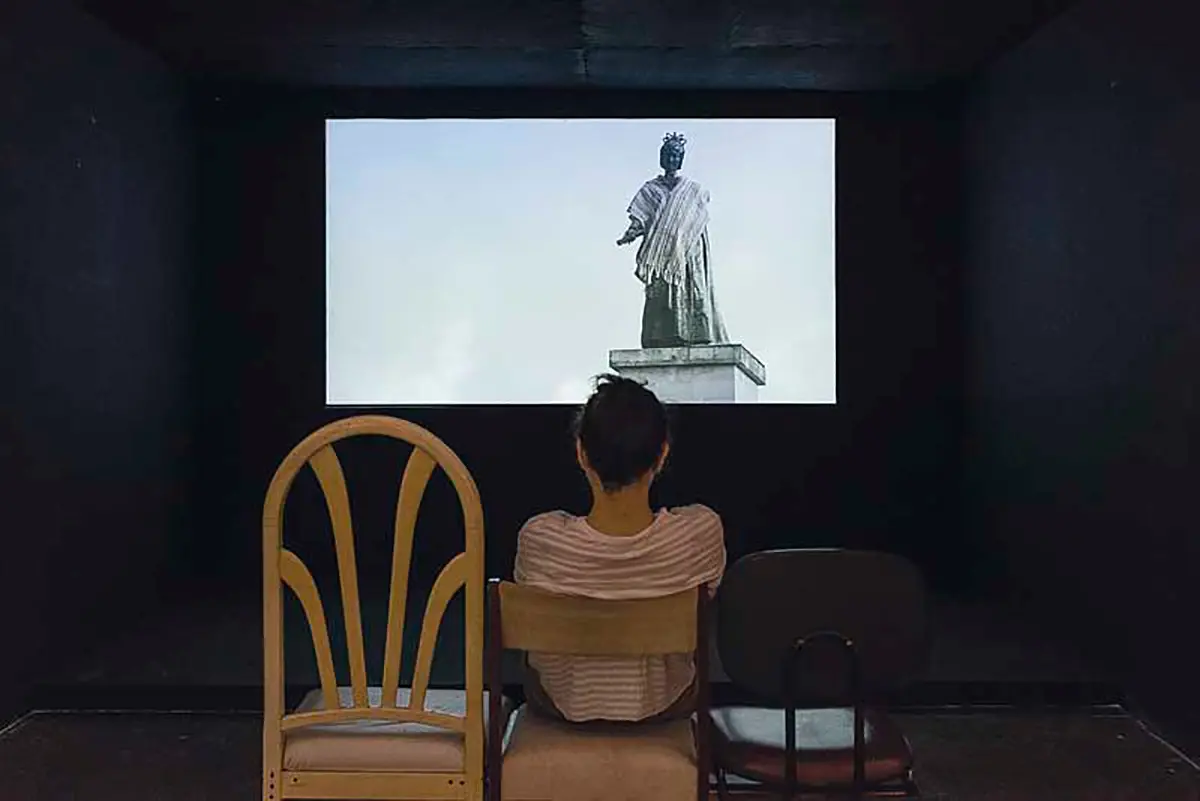
A questioning of human labor in the contemporary world was also the focus of the proposal presented by Ali Kazma (Istanbul, 1971). His project raises questions about the sense and meaning of work in our times.
Using film for their support, Patrick Jolley (Ireland, 1966 – New Delhi, 2012) organized fragmentary image sequences where unexpected situations appear as phantasmagorias. The artist worked with everyday experiences, creating with his visual narrative points of tension between fantasy and reality.
The duo formed by Iván Argote (Bogotá, 1983) and Pauline Bastard (Rouen, France, 1982) invited viewers to participate in their proposal, prompting them to connect with each other and pay attention to what remains invisible in their everyday relationships. With their artistic practice, these artists want to reflect on the public and private dimensions and about people’s inner lives.
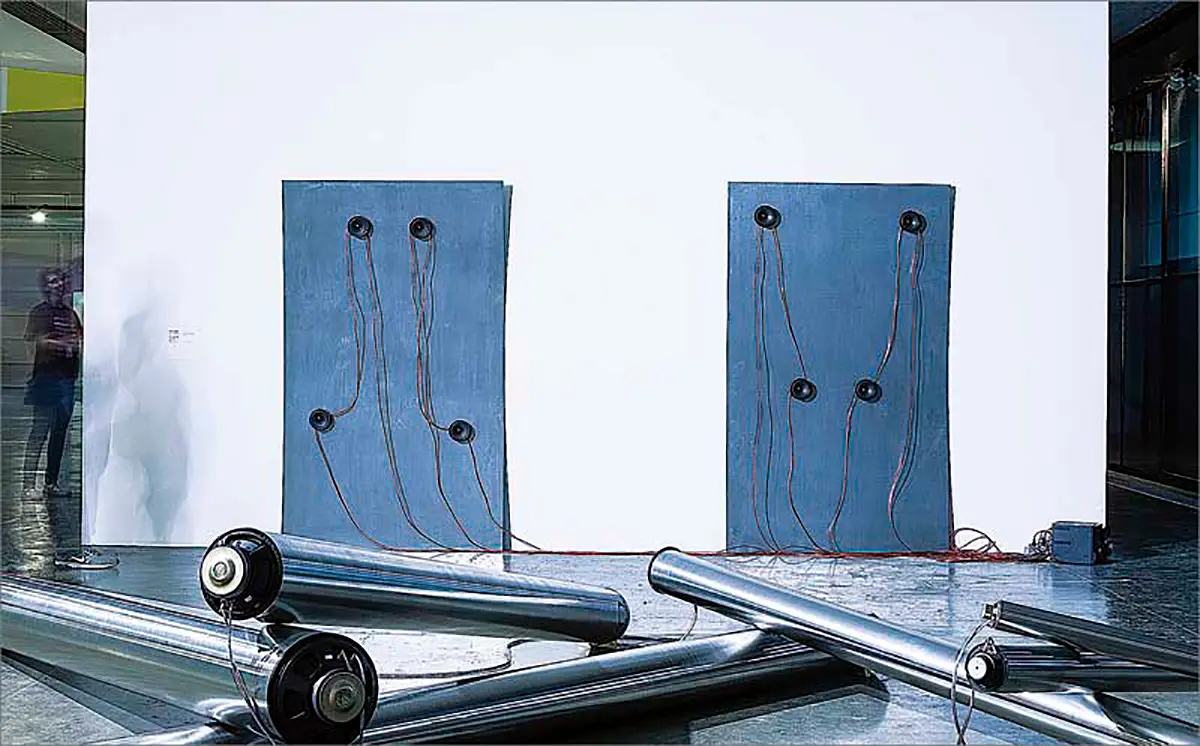
Among the selection of works using sound, we will mention here the Móbile Radio and Paulo Vivacqua’s installation. The Móbile Radio project was developed by Knut Auferman (Hagen, Germany, 1972) and Sarah Washington (Redhill, England, 1965). It was a 24-hour radio station installed at the São Paulo Biennial and interfacing not only with that city and Brazil but with stations in Latin America and the rest of the world, with AM and FM transmission and via Internet and smartphone.
The work of Paulo Vivacqua (Vitória, Brazil, 1971) is built on the combination of sound and visual languages. The installation presented at the Biennial uses the artist’s usual strategy, seeking to fuse space and sound and suggest imaginary narratives.
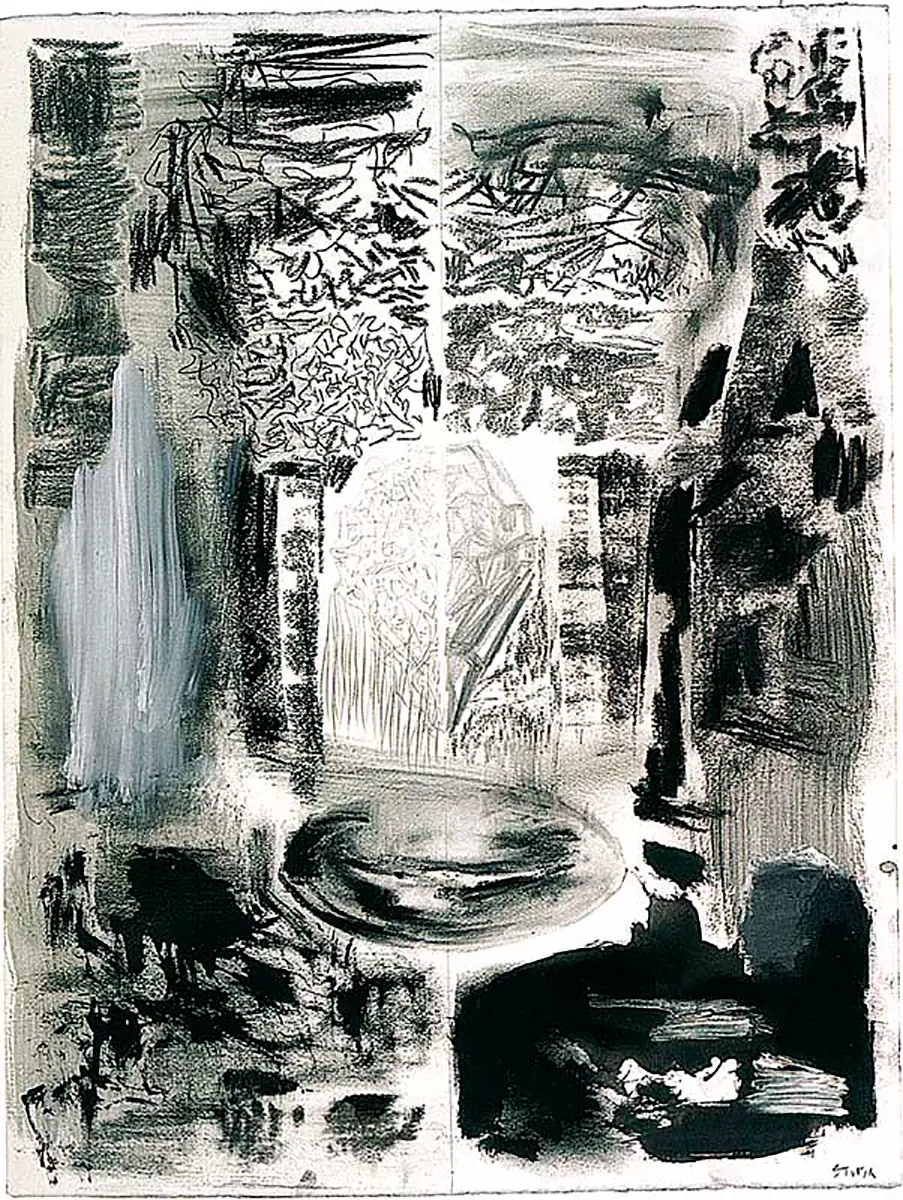
A selection of 45 works by Eduardo Stupía (Buenos Aires, 1951) highlighted the artist’s current practice, emphasizing the shifts in his oeuvre after his 2006 retrospective in Buenos Aires. As critic Ana María Battistozzi notes, there is now in Stupía’s work a strong emphasis on gestural drawing—a kind of drawing with lines of differing widths, with the application of collage, use of pastel, and mixed technique—that generates a deep space for viewers to unveil.
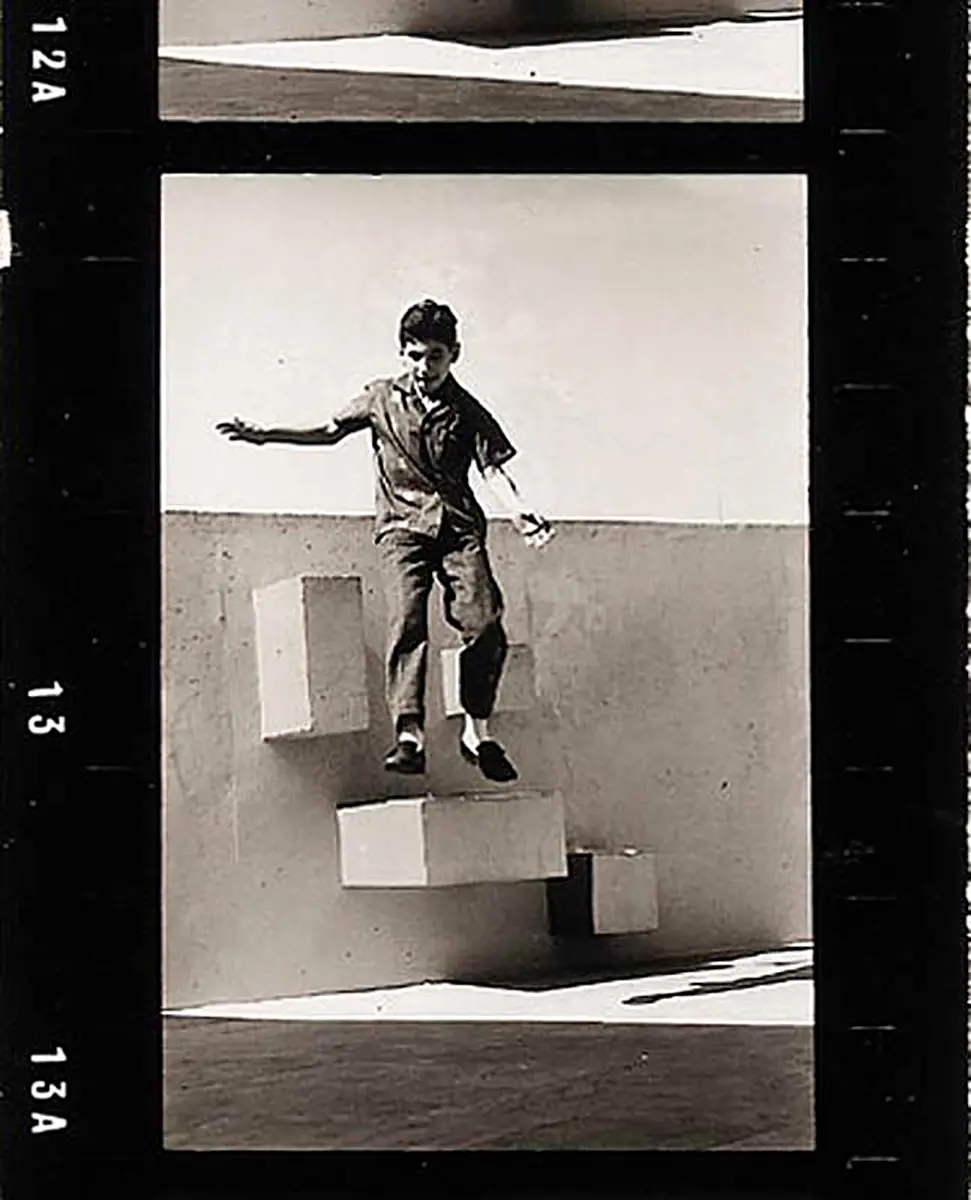
Also to be noted in this 30th Biennial was the presence of Waldemar Cordeiro, a towering figure in Brazil’s Concrete Art. On exhibit was a selection of his photographic works, which underscored the careful attention the artist paid to the structural aspects of the image.
Thus ends this brief critical review motivated by the proposal of a reading of poetic constellations. Each visitor to the 30th Biennial was certainly able to perceive how, above all, the exhibition was an open space for aesthetic experiences that refer to the reality of our times and provoke thoughts about contemporary artistic production.
NOTE
1. As an aside, it must be said that the practice of selecting foreign curators for Brazilian biennials began during the first decade of the present century.
LISBETH REBOLLO GONÇALVES
Professor at the University of São Paulo, President of the Brazilian Association of Art Critics (ABCA), and Vice President of the International Association of Art Critics (AICA).