
Wood is the foundation of José Bento’s work. His interest in this material, its plastic and symbolic potential, drove this artist to turn wood into a pathway for the creation of new realities, permeated of depth and grace, so unexpected that they invite viewers to participate in a world apart, filled with imagination and reverie.
Encompassing various periods in the artist’s career, a recent exhibition at A Gentil Carioca Gallery in Rio de Janeiro presented, besides an important architectural intervention (a ramp projecting onto the street), both previously unseen and previous works by Bento. There was also a large sculpture resembling a boat, holding inside smaller works such as wood and metal items, objects, and videos.
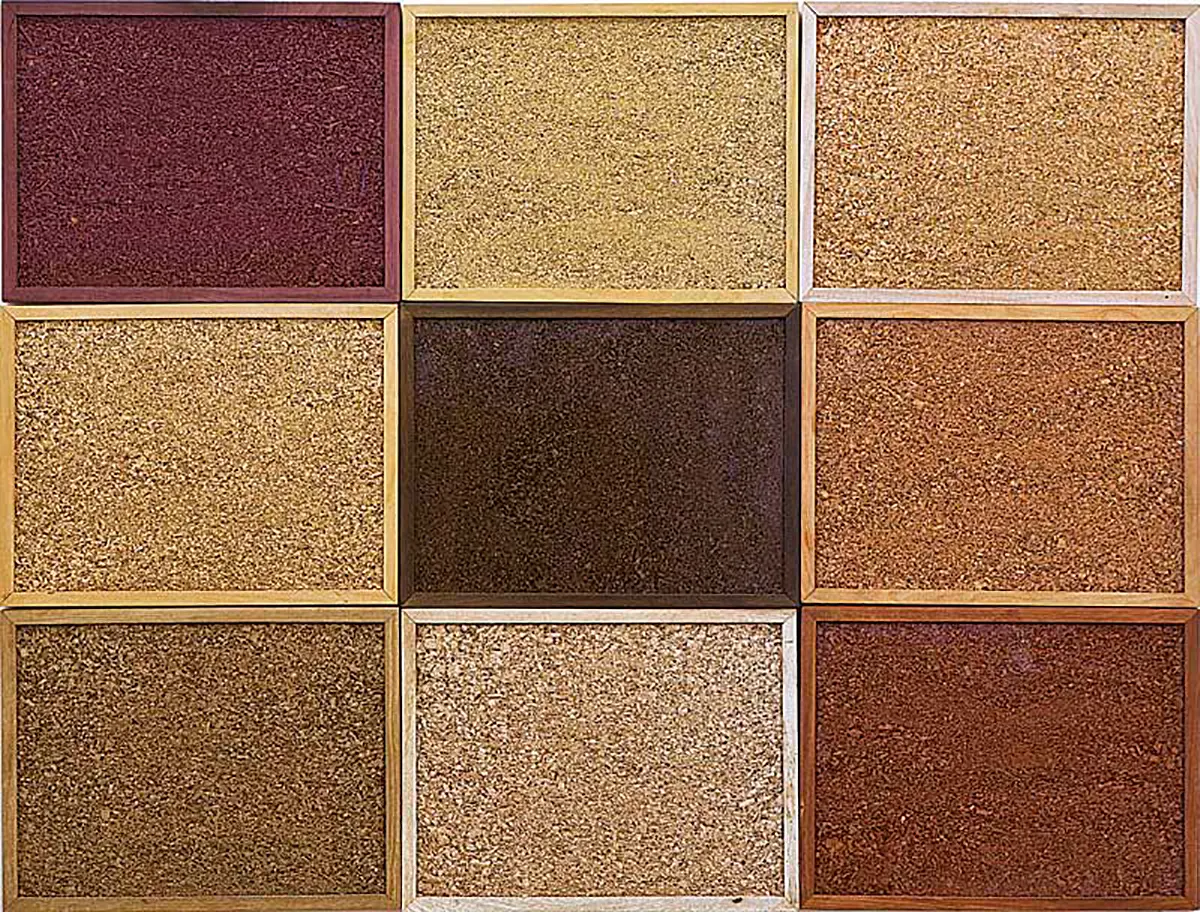
Since the 1980s, Jose Bento has been producing, above all, wood sculptures, as well as videos, drawings, and photographs. Exhibited in museums, cultural institutions, and galleries both in Brazil and abroad, his early work developed on the basis of a debate between the plane and the three-dimensional element, like the architectural models and objects built using popsicle sticks, which enchanted viewers with their microscopic appearance.
Creating alternative worlds inside large-scale sculpted sites has been one of Bento’s strategies. In one of those works, with oversized proportions, he projected video images of woodpeckers pecking away at the wood. In this way, besides unveiling the material potential for use and finish, the artist adds to his expressive arsenal other technical and symbolic procedures.
Born in Salvador, Bahia, Bento’s career developed in large part in Belo Horizonte, State of Minas Gerais. He calls himself an autodidact because he holds no degree in the field, but the fact is that he has been in direct contact with the arts since his earliest childhood. For ten years, he attended an art school and studied under Arlinda Corrêa, in turn, a former student of Alberto da Veiga Guignard (1896-1962), a Minas Gerais artist and educator whose influence is felt not only in modern art but in the region’s artistic production. In his teaching method, Guignard abolished the use of rulers and erasers so that the student’s original lines could not be corrected.
Perhaps this is where the influence of forms more organic than rectilinear comes from, as proposed by Bento in a poetics that is expressive rather than rational. Bento is interested in a more subjective perception of wood. Working solely with materials from dead trees, the artist seeks to salvage the story of his material. It is not a question of making ecological art, but of respecting a life that seems to extend even beyond the tree’s death. As the artist once put it, he is attracted by the material’s organic warmth, where it reveals its memories, the traces left on its surface by rain, wind, and various animals.
Given respect in this way, the marks left by the passage of time become a poetic language dislocated from their origin and brought to the status of art. This is much more expressive when they are presented on a large scale, almost like totems of a ritual in tribute to the materiality of inanimate things at the beginning of time itself. At various points in Bento’s career, it is possible to appreciate that linkage between each one of his sculptures.
In the series Trees, one of his best-known works, Bento treats the material as the core of its own representation. The relationship between the architecture of exhibition spaces and the work of art has also proven a prolific source of artistic proposals throughout his career, some of them site-specifics. Bento’s most recent works deal with the status of the language of contemporary sculpture and with the financial value of art.
At the Museu de Arte de Pampulha, in 2004, Bento covered the exhibition space with planks from demolished modernist houses, bringing into the museum tens of tons of these materials. Space, seemingly empty, allowed visitors to walk over the sculpture, in an irreverent reference to the topic of emptiness in the contemporary work of art.
Bento also transforms stage-like miniatures into sculptures. The wheels formed by sequences of wooden strips, works representing small trees, seem like a simple idea, but have become the artist’s trademark: they are sculptures that emerge directly from the ground, eliminating the pedestal. In some of his works, Bento demonstrates an interest in geometry, but far from the rigors of concretismo, especially due to his connection with the work of Minas Gerais sculptor Amilcar de Castro (1920-2002), considered one of Brazil’s most representative contemporary artists.
Sumptuous shapes, precise cuts in limited surfaces, varied designs, black pointillism, textures taken from the very nature of wood, small sculptures nailed to immense works, are the features that bring Bento’s work into the condition of art. An art where the artist’s perception of the world becomes a visual metaphor, a non-linear thought from an era when mankind didn’t yet exist when life was an incessant river transformed by nature alone.
ALESSANDRA SIMÕES