This is Gerardo Mosquera’s second foray as curator of PhotoEspaña—Madrid’s yearly photography festival—and, as with the first one, the results have been frankly satisfactory, both in terms of the quality of the works on exhibit and the event’s size: 81 exhibitions between solo and group, presenting images captured or generated by more than 400 artists living and working in every corner of the world. The numbers can be overwhelming, but not so much when one remembers that the city had enough time between June and July to visit the festival and that a photography event of this nature, however large it is, will always be able to count on the fervor—or at least the interest and curiosity—of photography hobbyists. A term that describes fairly everyone today, as cameras have become more accessible and portable than ever, to the point that there is no mobile phone without one. We are so much in the thrall of photographic cameras these days that it is difficult to imagine a single event in our lives, regardless of its insignificance, that will not be photographed. Thus the pre-eminence of photography in contemporary visual culture, for which it even serves as a model or paradigm, if we listen to Sergio Mah, the Portuguese curator who preceded Mosquera as curator of the festival and who insisted, in each of the three editions under his guidance, on the concept of “the photographic,” convinced that the way in which photography conceptualizes and generates images of reality is the formal matrix for all other contemporary visual media and languages. Mah even brought video-art widely into the festival, in an effort to demonstrate the validity of his thesis.
Mosquera does not turn his back on this legacy, but he has preferred on this occasion to once again emphasize photography in a stricter sense, probably certain that the genre contains such diversity and such rich technical and expressive possibilities that it more than suffices to fill as many specialized festivals as one would wish, without ever becoming monotonous or repetitive.
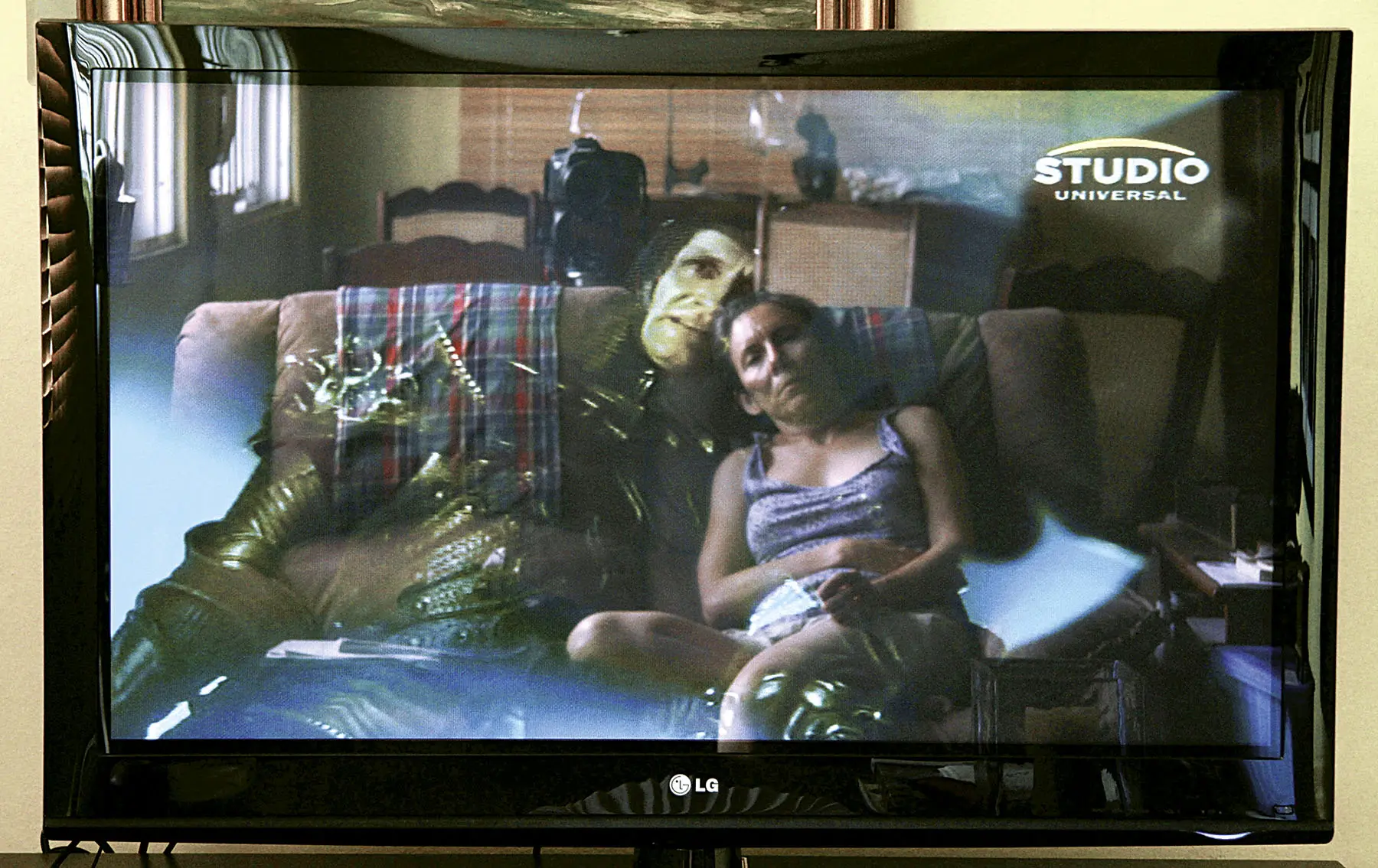
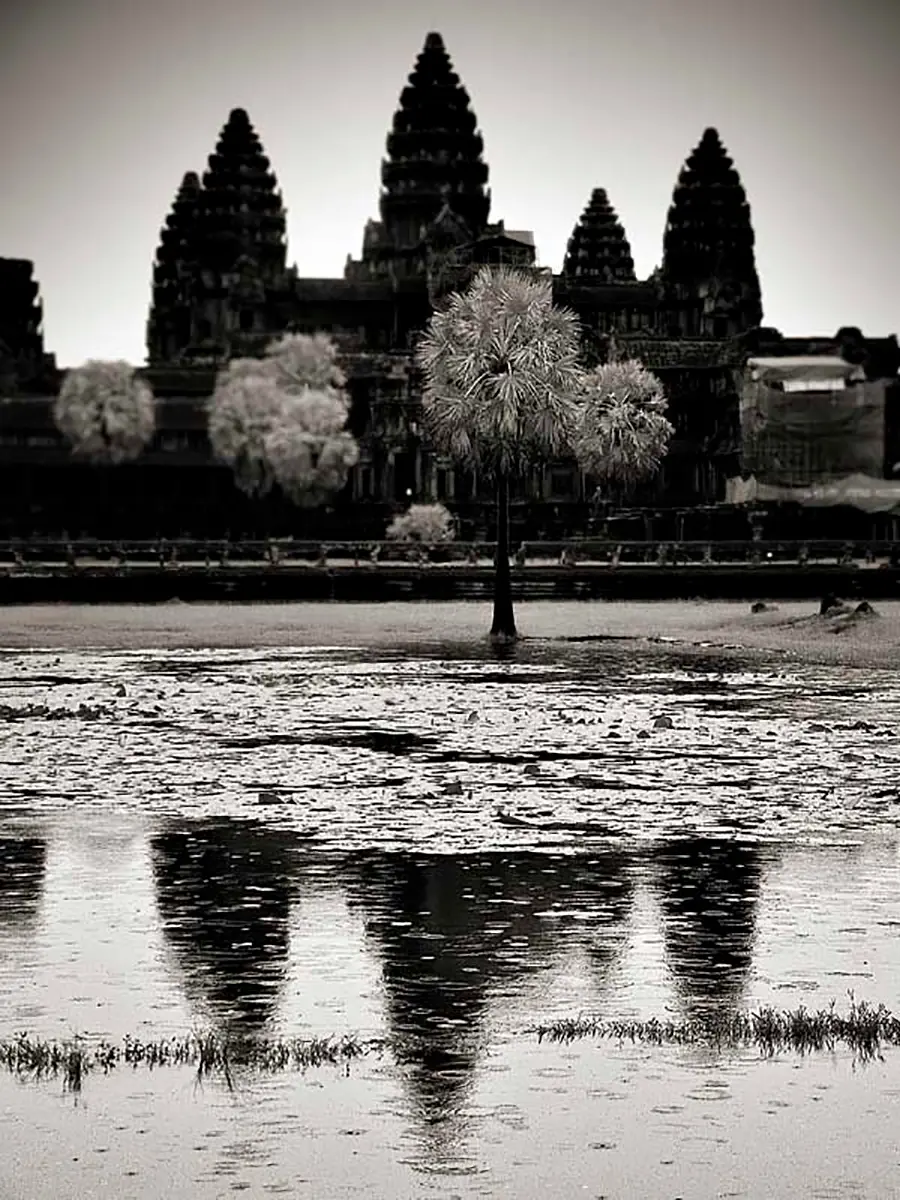
This certitude is proven correct by PhotoEspaña, showcasing such diversity and richness that the whole can hardly be reduced to a synthesis, much less to a common denominator. The contrast between the work of two photographers on display here sheds light on this irreducible heterogeneity. First, Toni Catany, a widely recognized Spanish photographer with a long professional career, who at Blanca Berlin Gallery, and under the highly suggestive title of Archivo de sombras, presented six portfolios, one of them devoted to colonial-period religious architecture in Mexico. The images possess extraordinary pictorial qualities and are a suggestive exploration of the range of blacks and grays, which we must attribute to a large degree to Catany’s use of the platinum/palladium technique, popular among pictorialist photographers during the late Nineteenth and early Twentieth centuries and revisited in recent years by photographers bent on bringing their work closer to painting instead of rejecting any possible connection with it. At the other end of the spectrum is Reality TV, a well-populated series by Guadalupe Casanovas, a Dominican-American photographer included in Esquizofrenia tropical, a group exhibition of Latin American photographers held in the exhibition galleries of Madrid’s Cervantes Institute. These are also complex images, but their complexity differs from that put in play by the use of platinum/palladium. Casanovas photographs functioning television screens in such a way that they become mirrors, reflecting those who see them. The result is in each case a kind of visual collage that superimposes and fuses the images of the broadcast with those of regular folks that follow it attentively inside their homes. While Catany’s photographs are dominated by a crepuscular, sacred silence, Casanovas’ is infused with the tumultuous media clatter of our times. The former call us to ineffable introspection; the latter is a revealing document for the era.
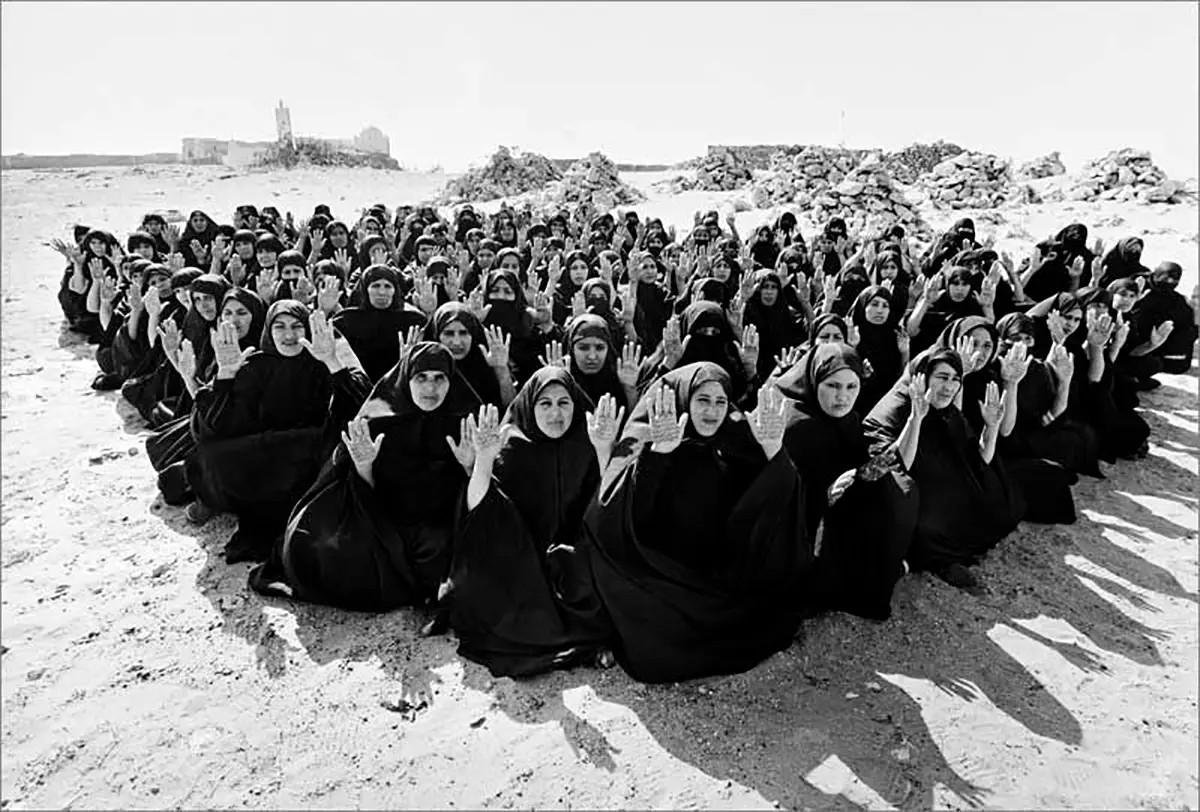
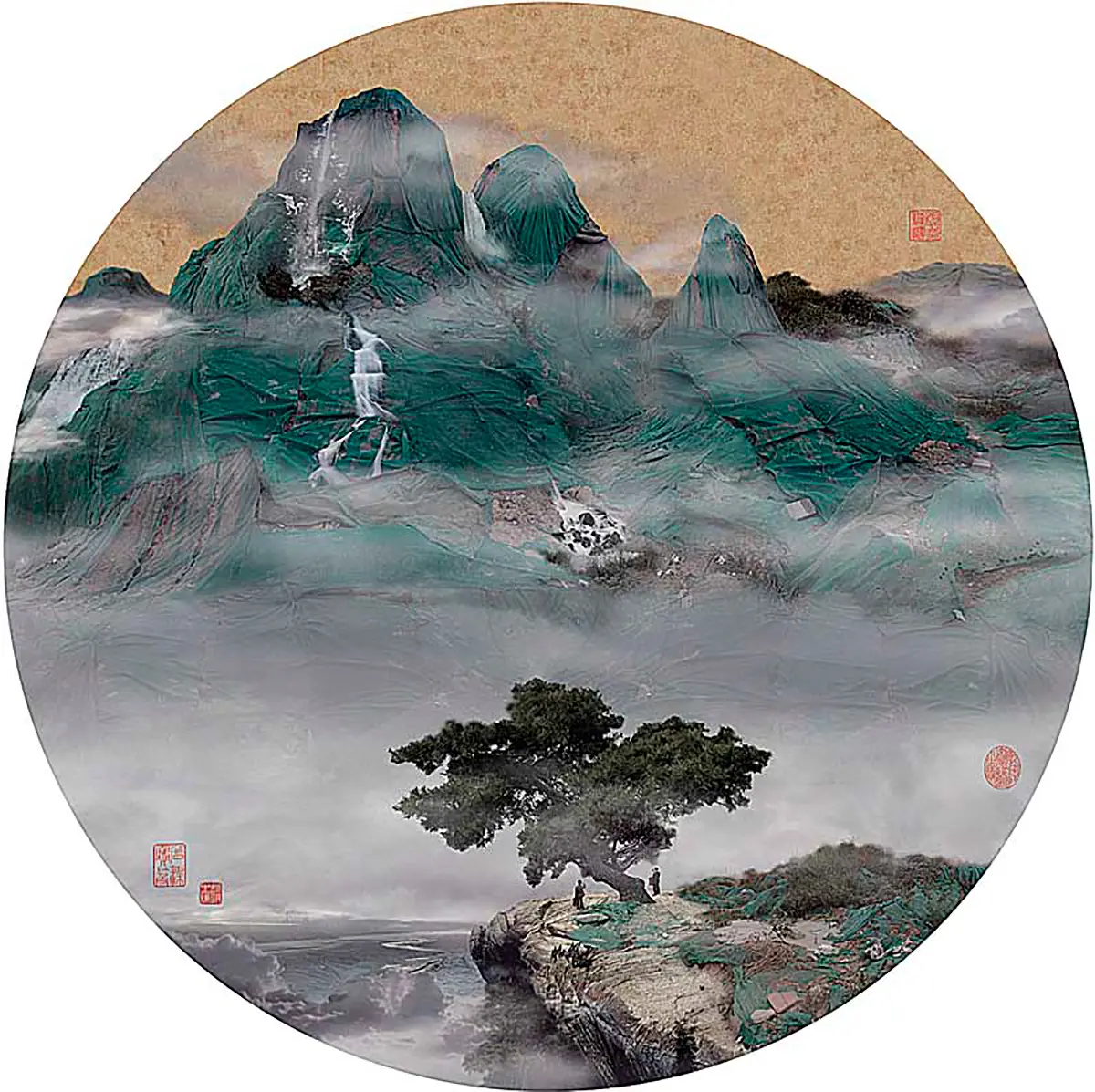
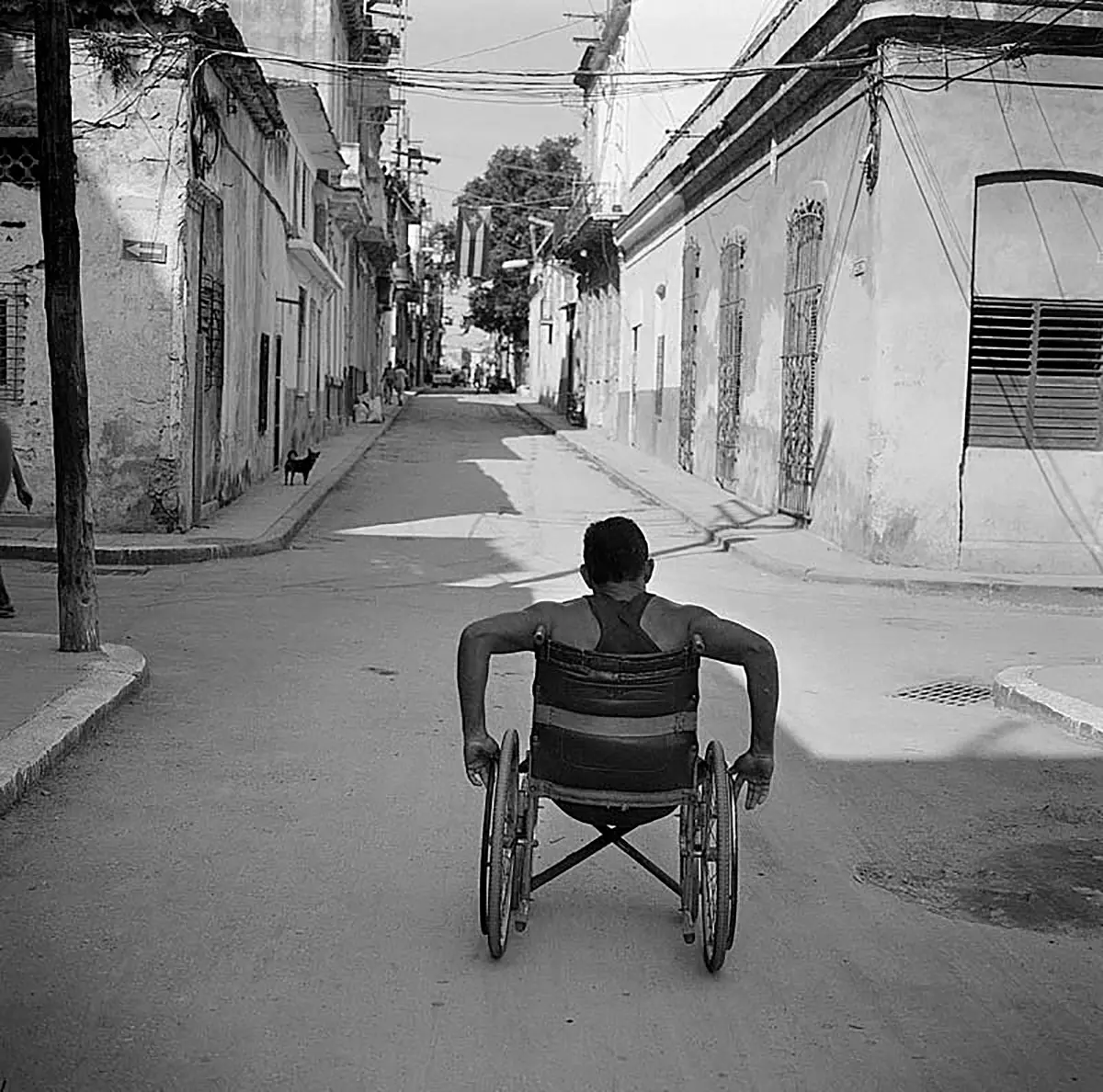
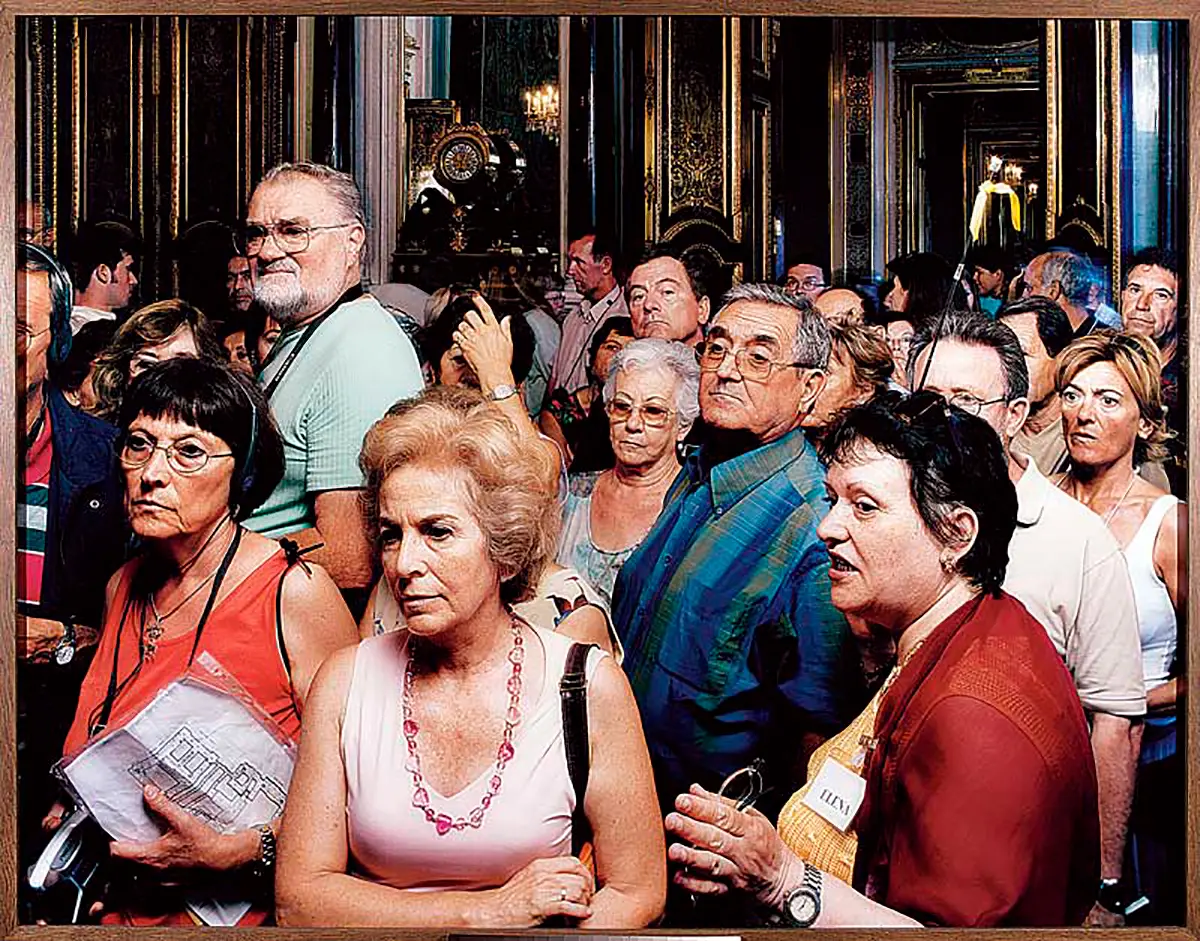
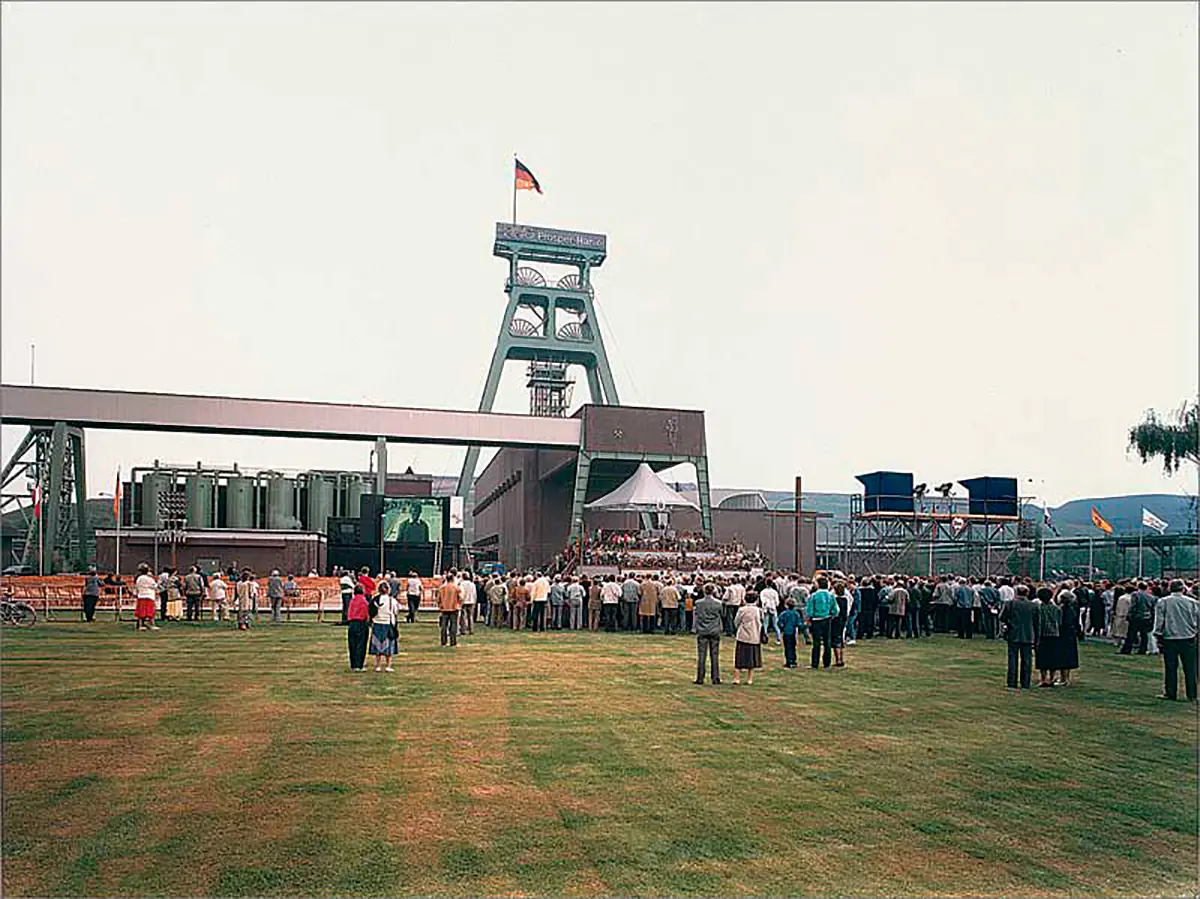
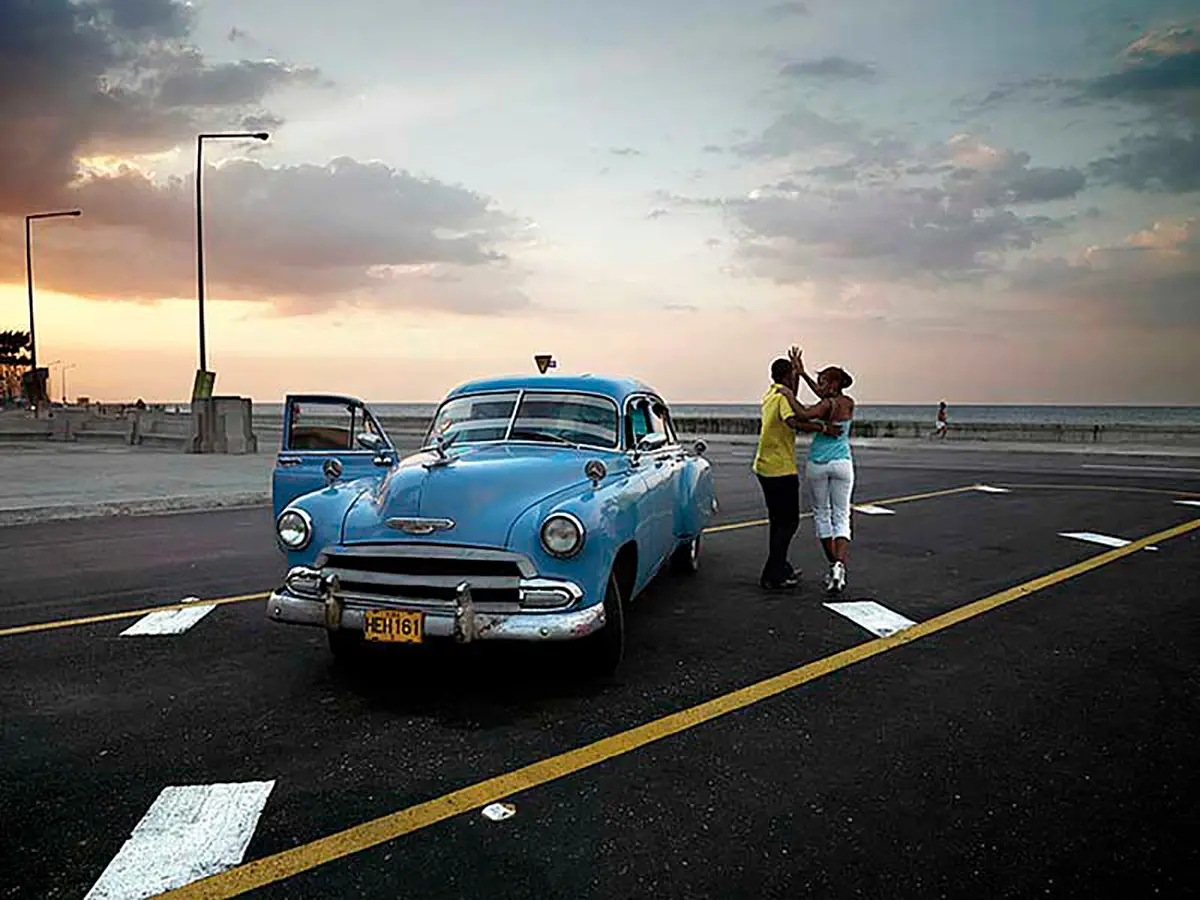
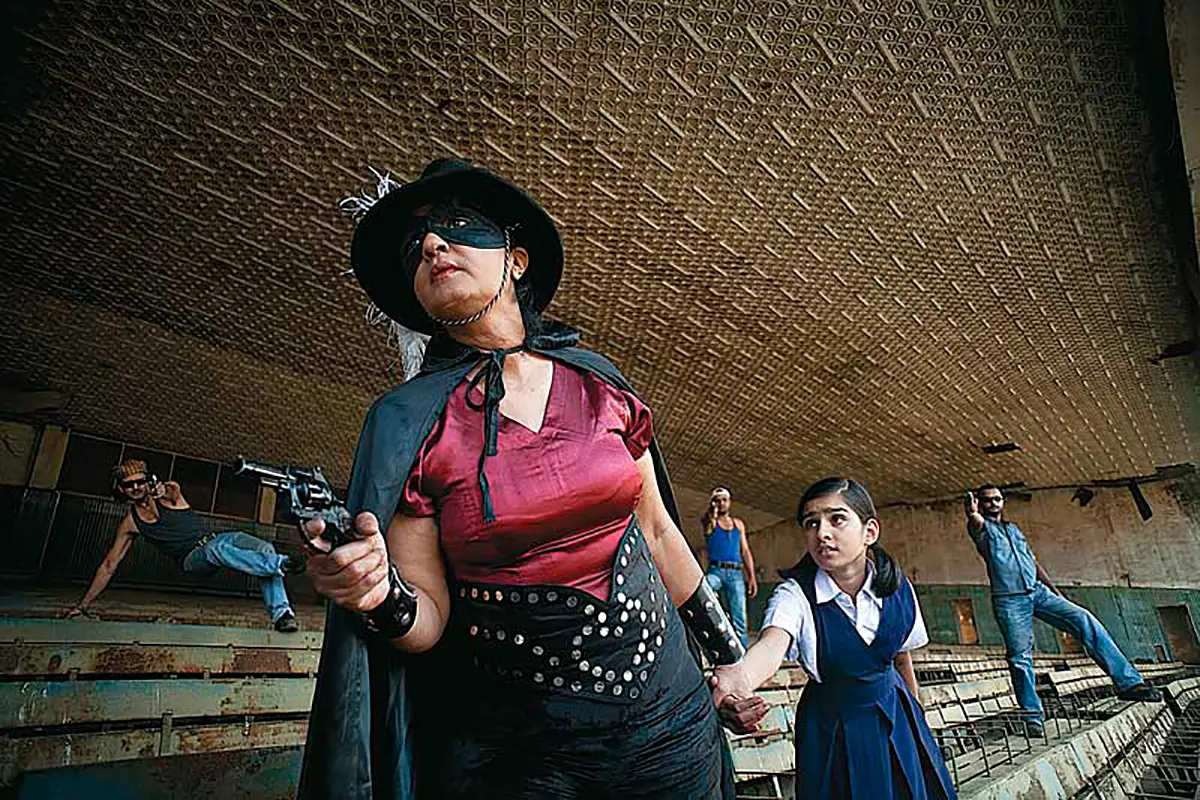
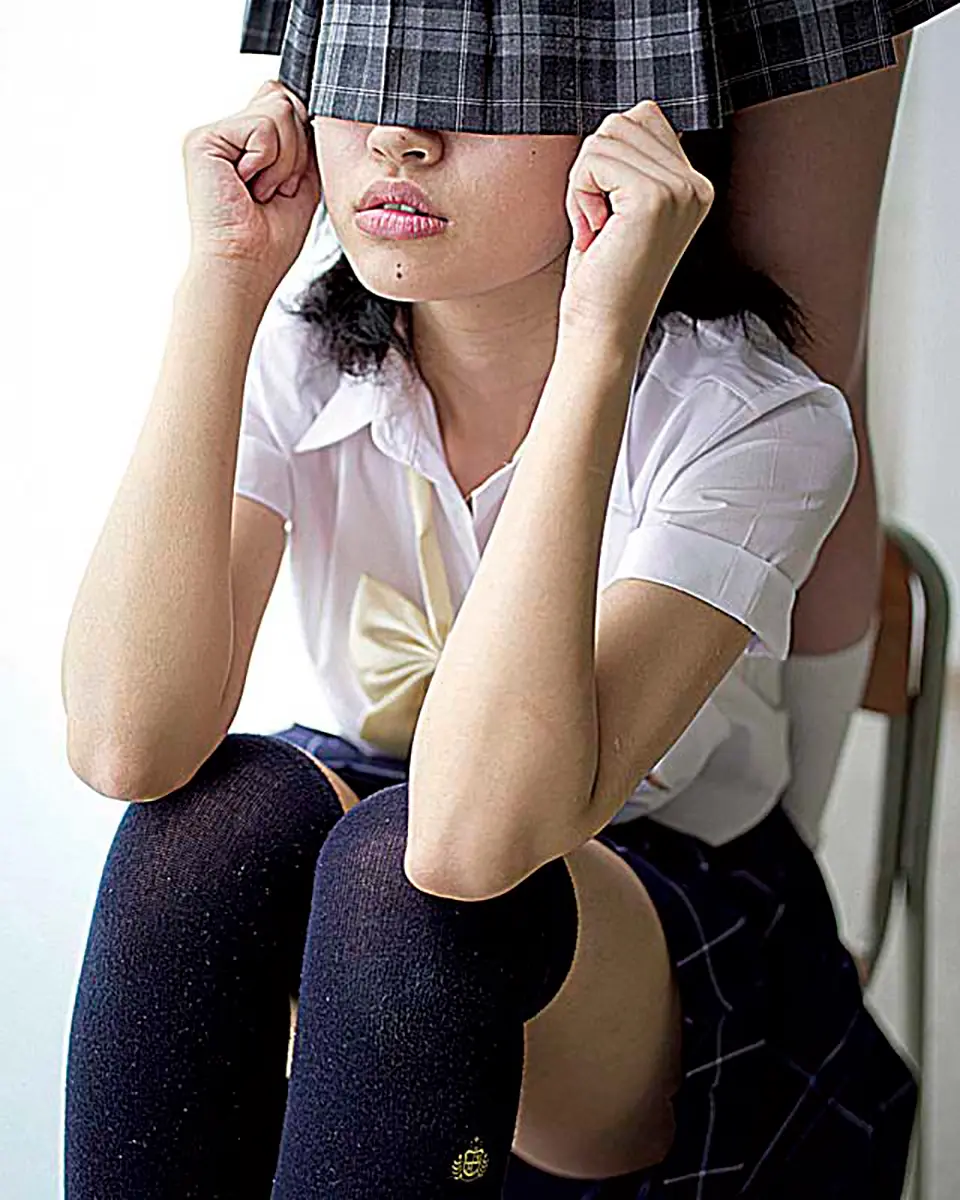
But there are, to be sure, other angles of approach to the radical heterogeneity not only of PhotoEspaña, but of the current international photography scene. For instance, an inventory of the multiple interests and divergent topics chased these days by photographers around the world. Held in the galleries of the Botanical Gardens, the exhibition titled Espacio compartido was the fruit of an arts program supported by Bank of America Merrill Lynch and presented works by some of the most renowned photography artists now on the international stage: Edward Burtynzky, Gregory Crewdson, Philip-Lorca diCorcia, Gunther Förg, Andreas Gursky, Jitka Hanzlova, Shirin Neshat, Gabriel Orozco, Thomas Struth, Sze Tsung Leong, and Massimo Vitali. According to the Festival guide, the purpose of this show was to offer, as in a time capsule, a “portrait” of the world since the fall of the Berlin Wall. And, yes, some of that was achieved thanks to Gursky’s photographs of an industrial plant exterior in what was still the GDR, and also Burtynzky’s work on the Three Gorges Dam in China; Raghubir Singh’s on a street stall selling mirrors; Vitali’s on a religious rally inside a gym in Los Angeles; diCorcia’s on the Garnier Opera in Paris; Struth on the agglomeration of visitors in one gallery of the L’Hermitage Museum in St. Petersburg; or Orozco’s photograph of a country restaurant in Mexico where chairs and tables intertwine with long lines of hanging clothes. But the aspiration of capturing the most representative aspects of the globalization process undergone by the world over the last quarter-century fell somewhat short, especially when compared with other group shows in the festival that left the inescapable impression of a literally limitless heterogeneity in the world today and the certainty that if giving a proper account of that phenomenon is possible, it is thanks to photography. I already mentioned Esquizofrenia tropical, which presented the work of 16 artists selected from participants in viewing sessions held last year in Valparaiso, la Paz, and Santo Domingo; as a whole, it offered an image of Latin America that highlighted little known, seldom photographed angles and aspects of the region. A similar impression was left by La tierra más Hermosa. Cuba, a tribute to the island nation and its people by eleven of Spain’s most important contemporary photographers. Among them, José Ramón Bas, José Manuel Castro Prieto, Toni Catany, Alberto García-Alix, Cristina García Rodero, Ángel Marcos, Enrique Meneses, and Isabel Muñoz. The exhibition Asia Serendipity, curated by Japan’s Fumio Nanjio at Mosquera’s invitation, also contributed to a kaleidoscopic image of the world, presenting unsuspected images of a continent that, like all continents, is suffocated by the topical. Lau Yao, from China, exhibited a set of digital photographs that interpret traditional Chinese landscape painting. India’s Pushmapalan opted for photographing the staging of his own version of The Return of the Phantom Lady, a Bollywood hit movie. For his part, Yuki Aoyama, from Japan, focused on a sexual icon characteristic of contemporary society in his native country: the uniform-clad school girl.
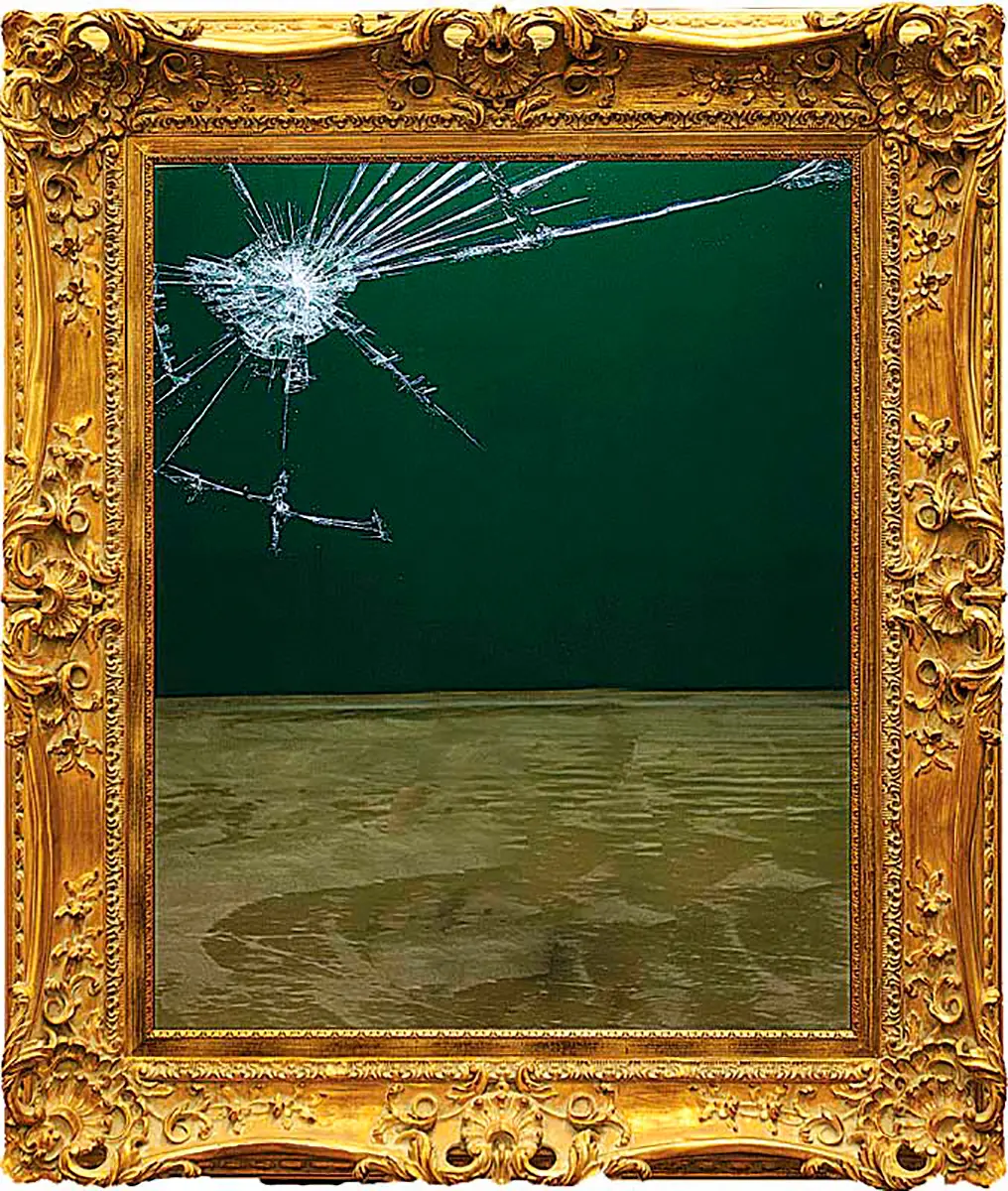
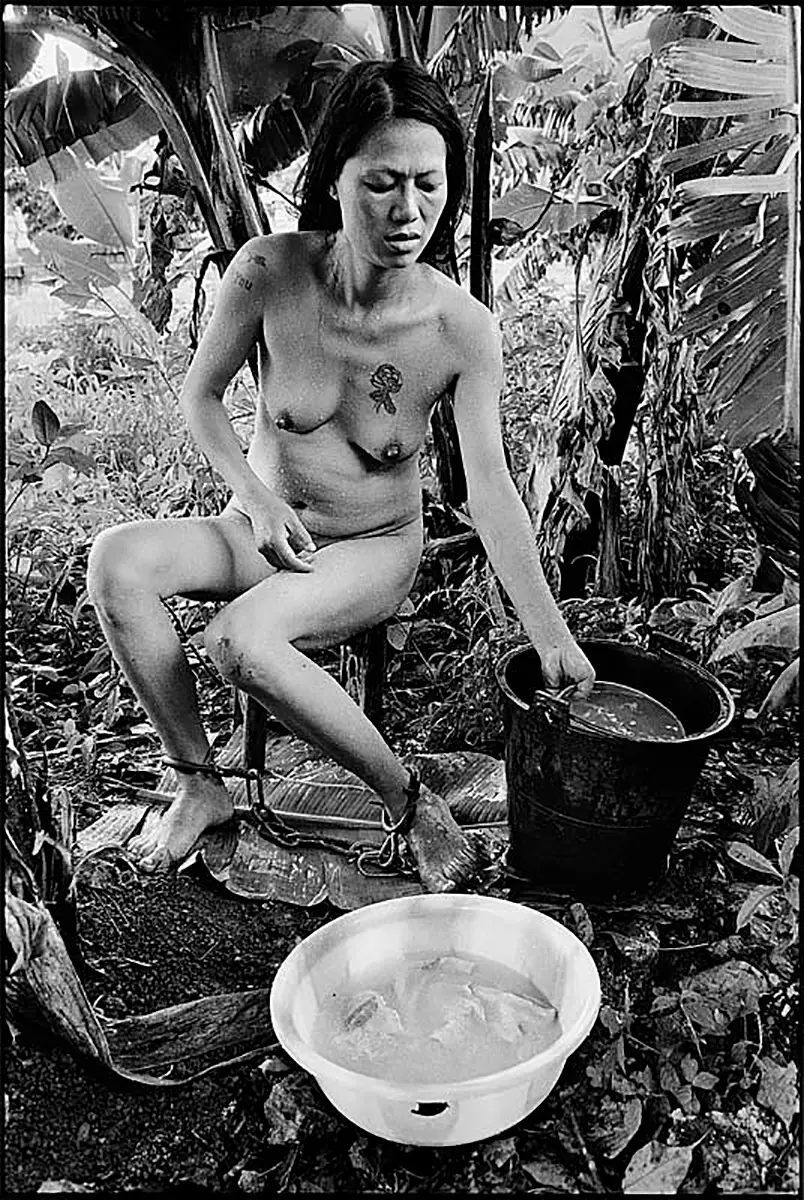
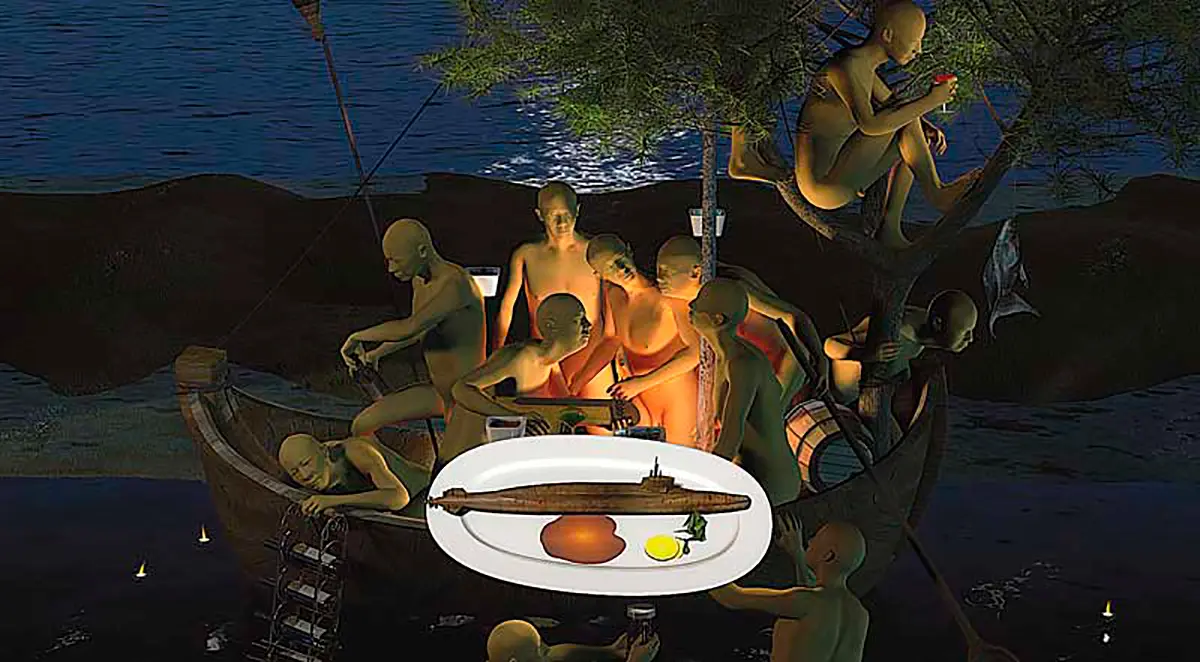
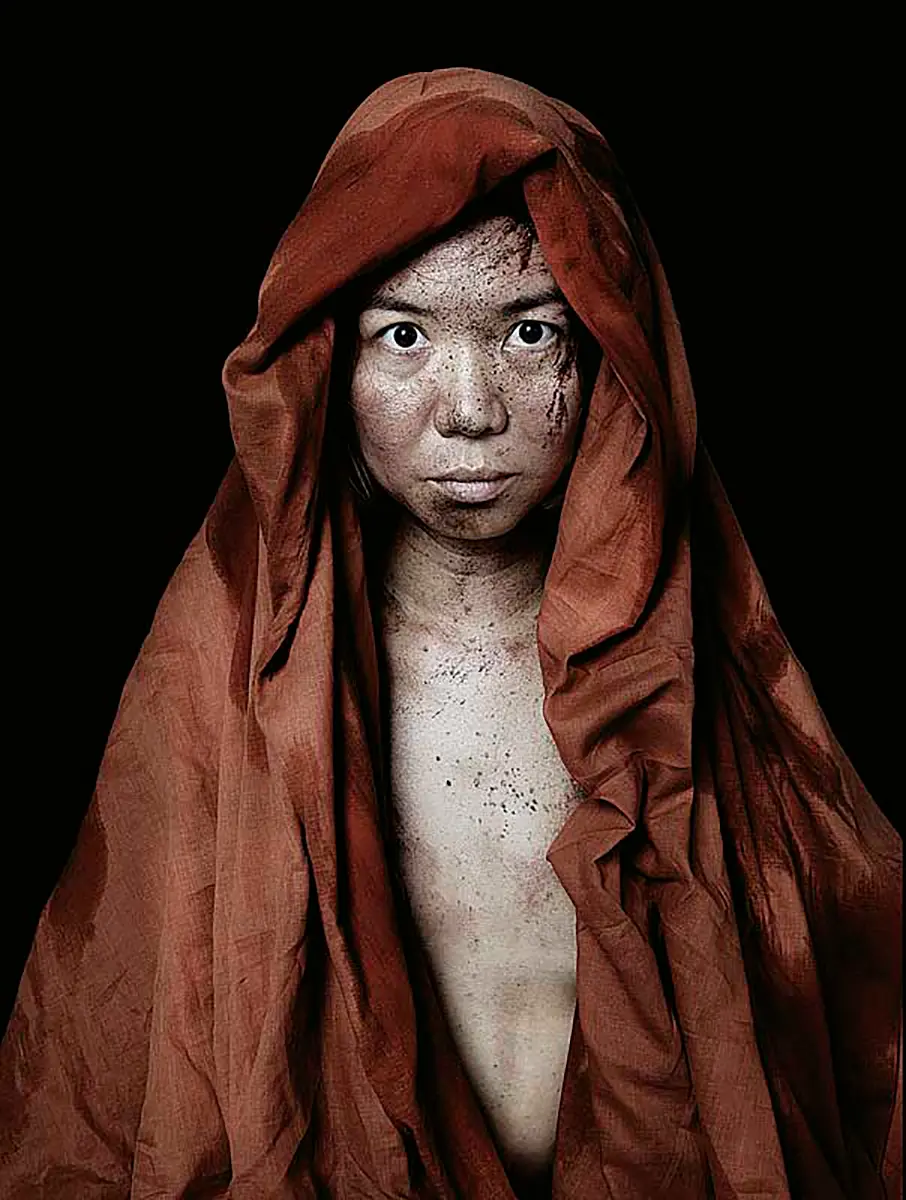
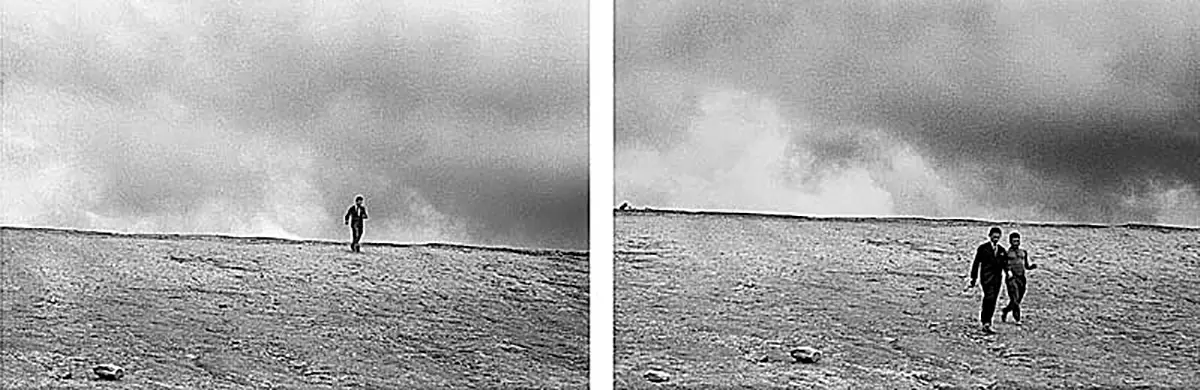
Huang Du, from China, was the other Asian curator invited by Mosquera to this edition of PhotoEspaña. He was responsible for the collective Ansiedad de la imagen, presented in the Sala Alcalá 31 of the Community of Madrid. While Asia Serendipity had an element of fable or fantastic tale, where chance can suddenly lighten a load of fate for us, this exhibition responded to the existentialist tone of its title by gathering raw images of the hardest aspects of reality captured in China, Taiwan, Korea, the Middle East, or Africa by 14 artists, mostly born in those regions (the exceptions are Matteo Basilé from Italy, Eugenia Raskapoulos from the Czech Republic, and Daniel Schwartz from Switzerland). Inside this potentially unsettling space were two photographs that, when compared, turn out to be revealing. Chinese artist Mia Xiaochun presented Disillusion, a digital 3-D animated video whose discouraging intent was eclipsed by the formidable suggestive power of the images it contained. Korean artist Lee Yonbaek, in turn, characterized the dialectic illusion/disillusion as endless and presented it in almost algorithmic terms in his sound and video installation The Broken Mirror. There, a mirror breaks in front of another mirror, which immediately reflects the moment in which the broken mirror breaks miraculously again. The mirror is the space of reflections, images, and mirages from which we will never be free, Yonbaek tells us because there will always be another mirror ready to transform the breakage into new reflections.
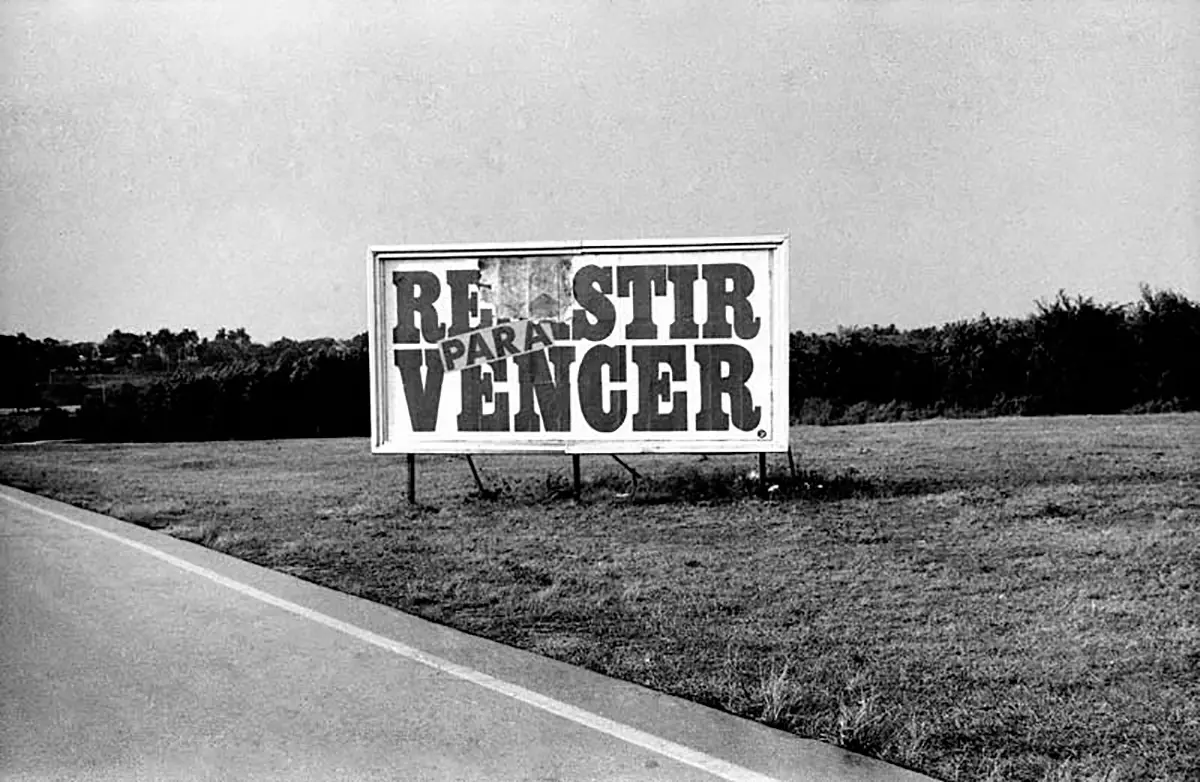
Among the group shows, The Factory also deserves a special note. It is a large exhibition of photographs by different authors, all created on-site during the peak period of Andy Warhol’s legendary workshop of the same name, with Edie Sedgwick fluttering around as the most angelic of all the angels who often gathered there. It was presented at the Centro Fernán Gómez and it included a documentary video with long excerpts from videos and super-8 films also created at The Factory. And, of course, El fotolibro latinoamericano, a truly exemplary exhibition in the Ivory Press galleries that presented the work of a team of researchers, headed by Horacio Fernández, who have devoted years to the pioneering effort of reconstructing the history of the photo-book in our continent. This genre often goes unnoticed, yet has produced veritable jewels over the years. Such as El rectángulo en la mano, by Chile’s Sergio Larraín; Amazonia, by Brazil’s Claudia Andújar and George Love; and of course Fotografías, a legendary tome whose author, Colombia’s Fernell Franco, dissatisfied with the quality of the printing, ordered destroyed.
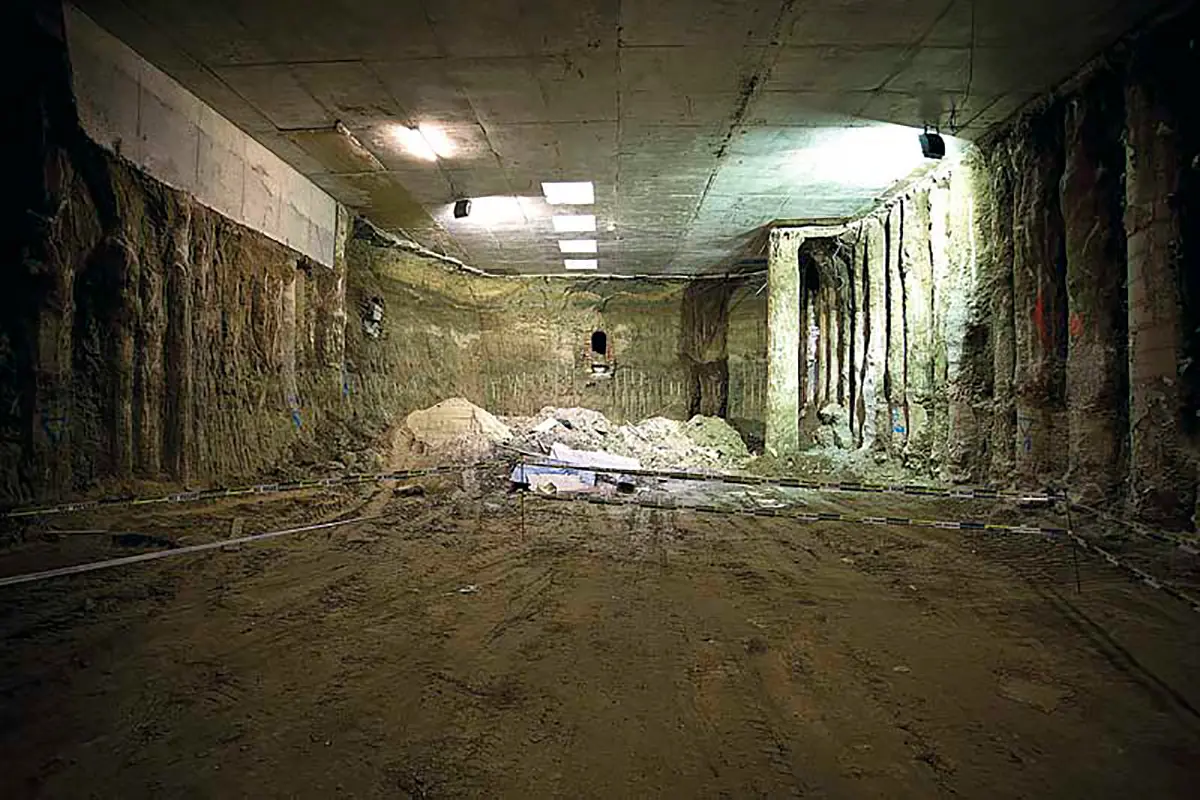
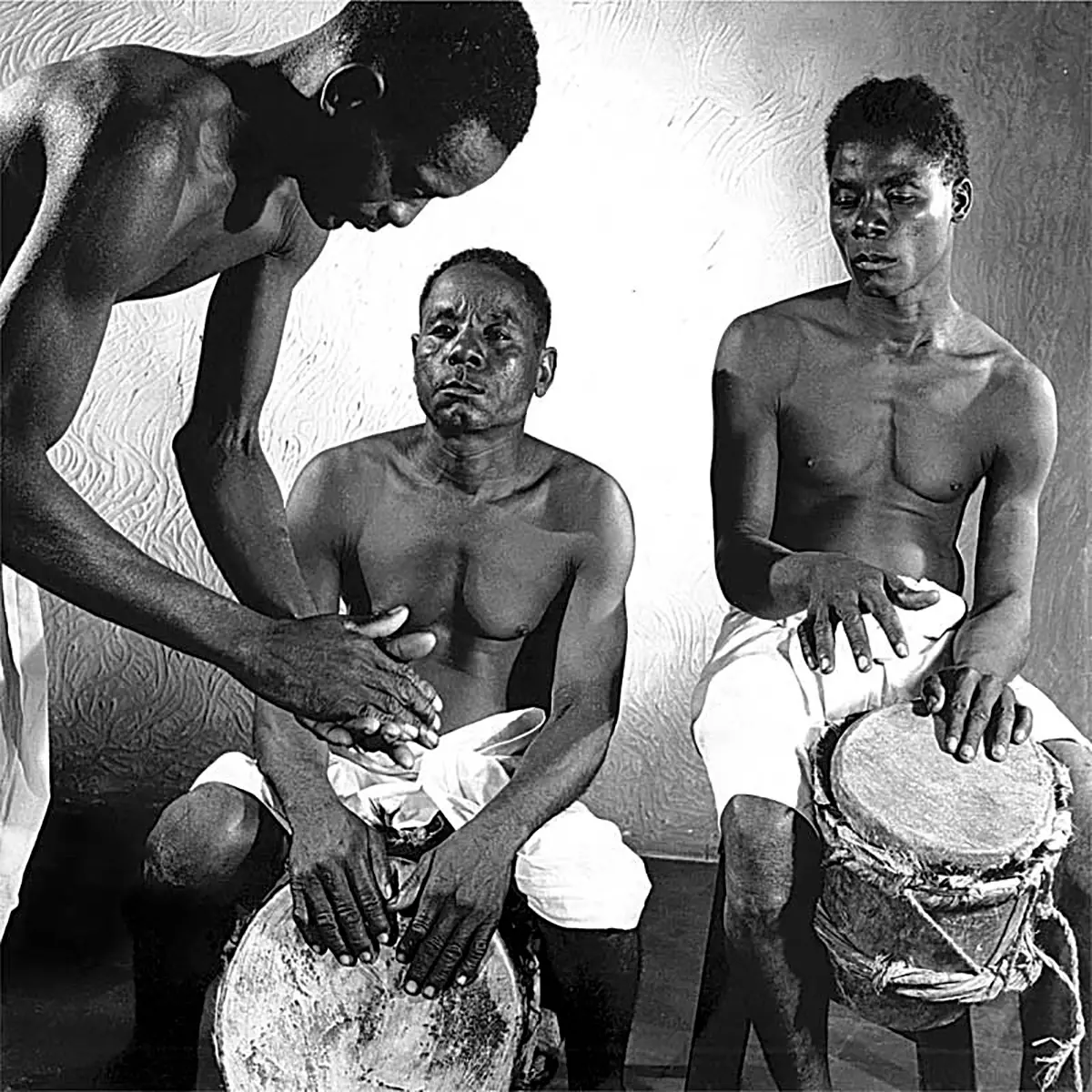
There were also notable examples of individual exhibitions. The most outstanding was perhaps Cuban artist Carlos Garaicoa’s show at the ICO, which presented, under the argument of “Photography as intervention,” a 20-year retrospective body of work in which photography has always played a key role. It was curated by Lillebit Fabraga. Other important solo exhibitions were Madrid subterráneo by Spain’s Laura Almarcegui, at the Centro 2 de Mayo in Móstoles; one devoted to Colombian Leo Matiz’s relationship with music, at the Feijoo Fine Art Gallery, and those devoted to landscape photographs by Amparo Garrido from Spain (Museo Romántico), Nanna Hännien from Finland (Cámara Oscura Gallery), and Manuel Vilariño, also from Spain (Círculo de Bellas Artes). Notable as well was Native, a photographic series resulting from Brazilian artist Mona Kuhn’s re-engagement with her country, a new series of portraits by France’s Pierre Gonnord at the Juana de Aizpuru Gallery, and the selection of photographs by Paz Errázuriz, from Chile, included in the collective Aquí estamos, curated by Gerardo Mosquera and presented at the Círculo de Bellas Artes.
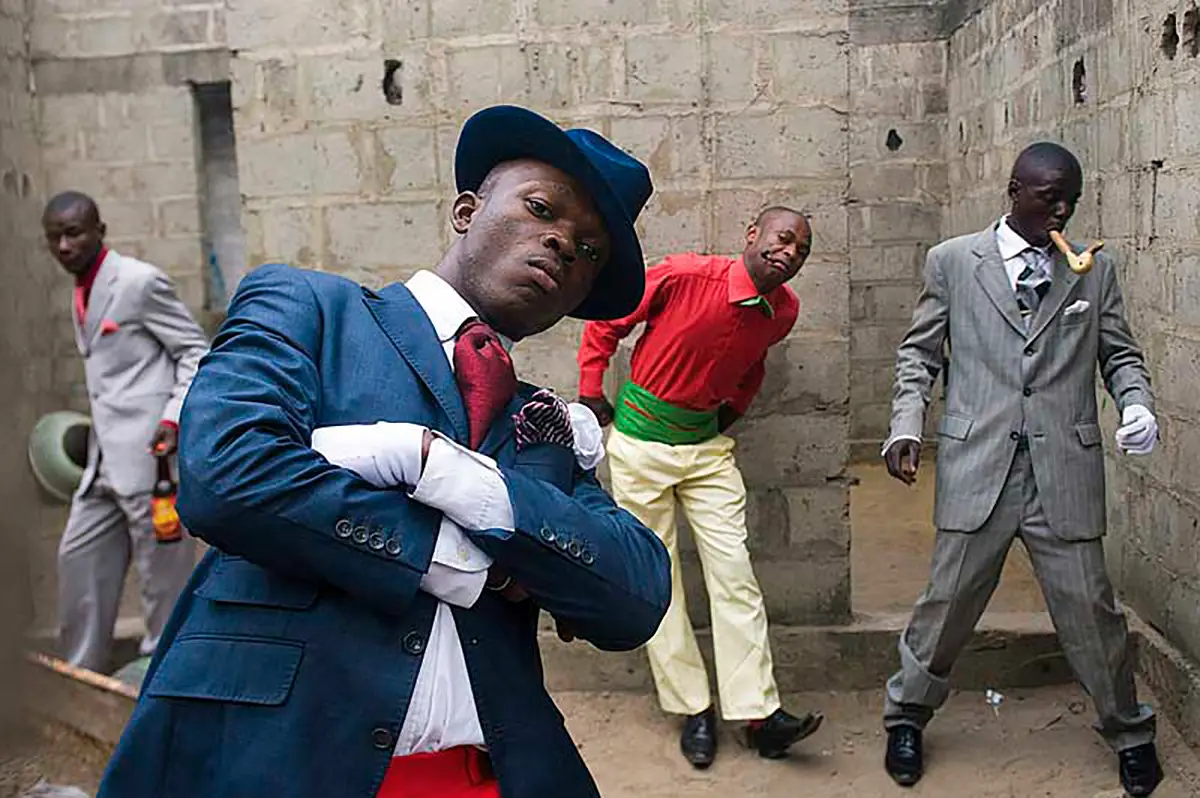
Finally, Mosquera was also the curator for the extraordinary series devoted by Italian photographer Daniele Tamgi to the “Gentlemen of Bakongo,” a fraternity of Central African males cultivating a kind of dandyism that combines brand-name international clothes with a bold, uninhibited interpretation of fashion trends.
CARLOS JIMÉNEZ
Art critic and independent curator.