
In a programmatic shift that began two years ago with the hiring of Cecilia Fajardo-Hill as chief curator, the Museum of Latin American Art (MoLAA) is presenting exhibitions that move away from traditional themes or styles often associated with Latin American art—folkloric, artisanal, brightly colored, figurative—and toward exhibitions that showcase and elucidate current trends in contemporary art. This shift is significant because by doing so MoLAA is positioning itself as a museum that is relevant not only to its community (primarily north Orange County, and especially the city of Long Beach) but also to the broader museum-going public in all of Southern California.
Play With Me is one of those exhibitions. Consisting of fifteen medium and large-scale installations by fourteen Latin American artists and collectives, the exhibition establishes and explores the idea that art can be participatory: that museum visitors can touch it, inhabit it, and play with it without diminishing or trivializing it, a notion introduced by Dada artists in the early twentieth century and embraced by Latin American artists early on. Even though it has been organized with a wide range of visitors in mind, Play With Me seems to be especially popular with children; once they understand their role as active participants, children take to the art like proverbial fish to water. Adults generically are more reticent about playing in the museum galleries—overturning the “look but do not touch” rule is difficult to embrace when you have been taught otherwise—but the exhibition’s transgressive nature can be attractive to kids who are learning their way in the world.
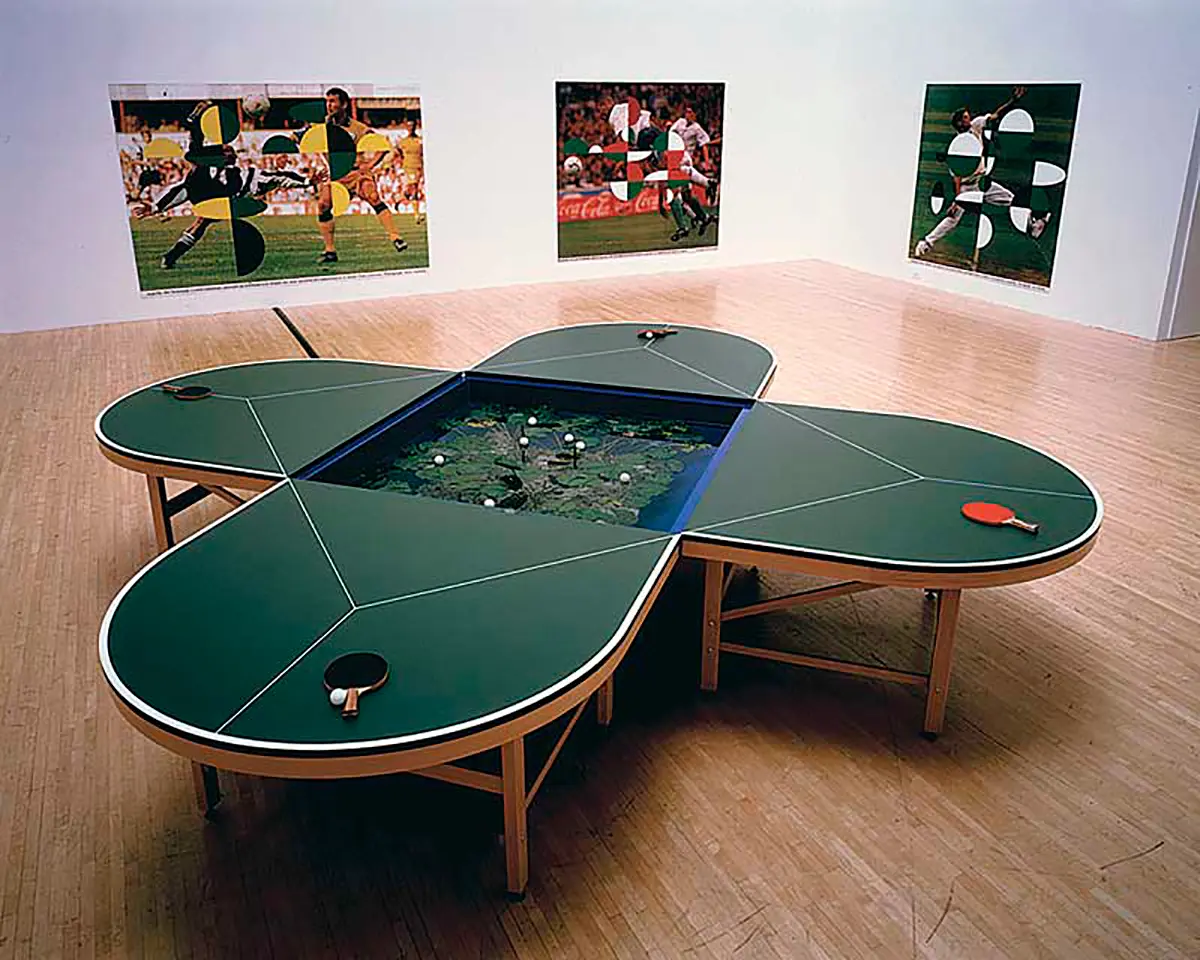
When I visited the exhibition, it did have the aspect of a children’s playground. Squeals of delight and noise made by running feet could be heard as the glass entrance doors slid open. Of particular appeal were those installations that offer greater physical activity, such as Gabriel Orozco’s Ping Pond Table (1998). Shaped like a four-petal flower with a water lily pond in the middle, Ping Pond Table allows participants to double the number of players (from two to four) and necessitates breaking most of the traditional rules in a ping-pong match. Absent a net, players must hit the ball so that it goes over the pond and into the opponent’s field; two games can be played simultaneously, adding to the already slightly confusing situation. While playing, anyone can have an art history moment and learn that the water lily pond is a direct reference to Monet’s water lily garden in Giverny, France and that the garden inspired his painting during the last thirty years of his life.
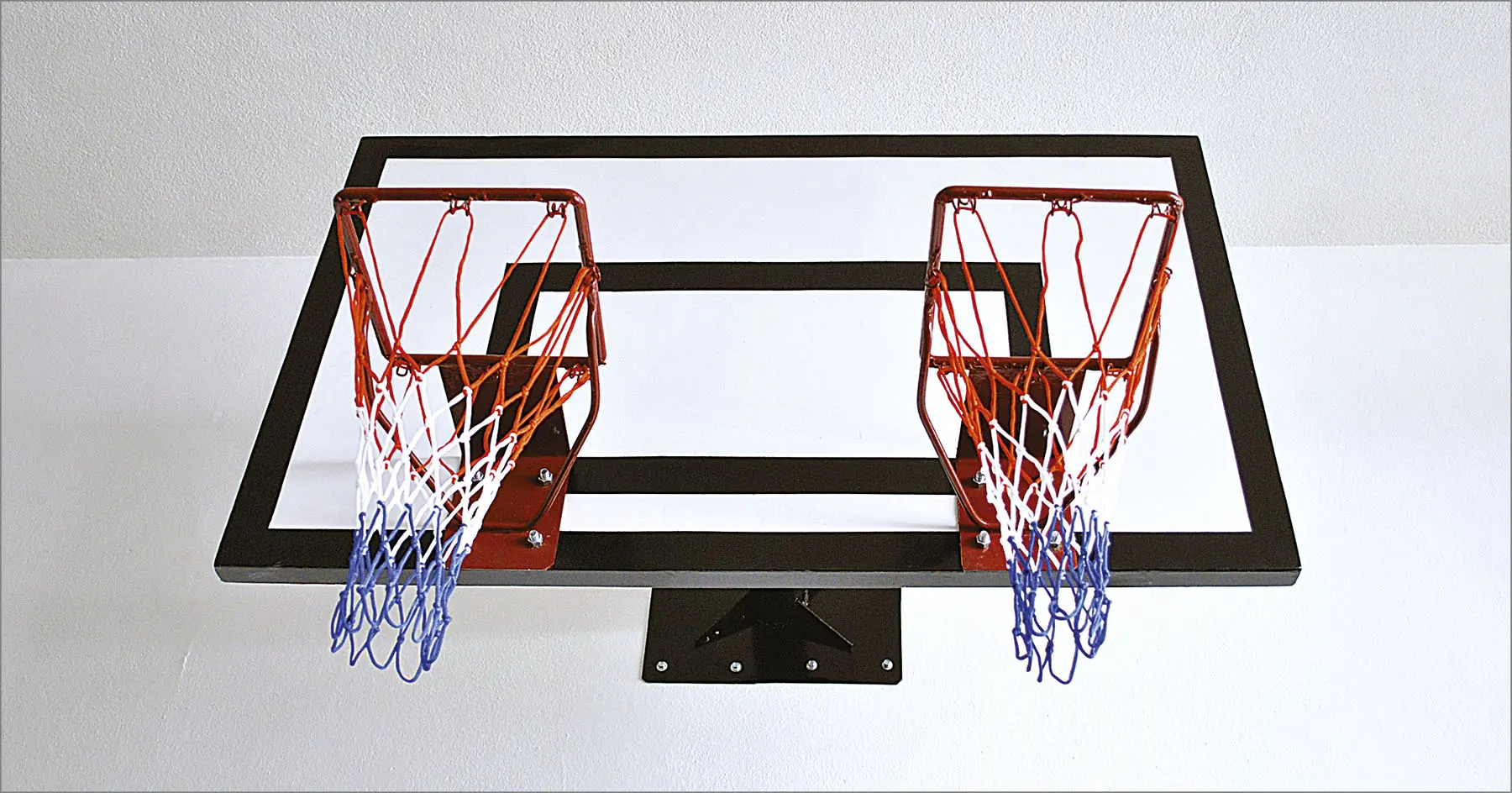
Another popular installation is Dario Escobar’s Duchampian O to O (2012). Escobar is known for his transformation of sports items into artworks, and in O to O he offers an impossible-to-win basketball game. Placed side by side on the same backboard, the piece’s two square hoops are too small to allow the ball to go through, thwarting any chance for even the most gifted player to score. I watched kids of all ages to play for long periods of time—impervious to the futility of a game with neither winners nor losers, they seemed simply to enjoy the challenge. Less engaged were the adults who seemed to lose interest in the game after one or two tries. Like Orozco’s Ping Pond Table, O to O also subverts the rules of the game as we know it and challenges traditional ideas of athletic superiority and competitive drive.
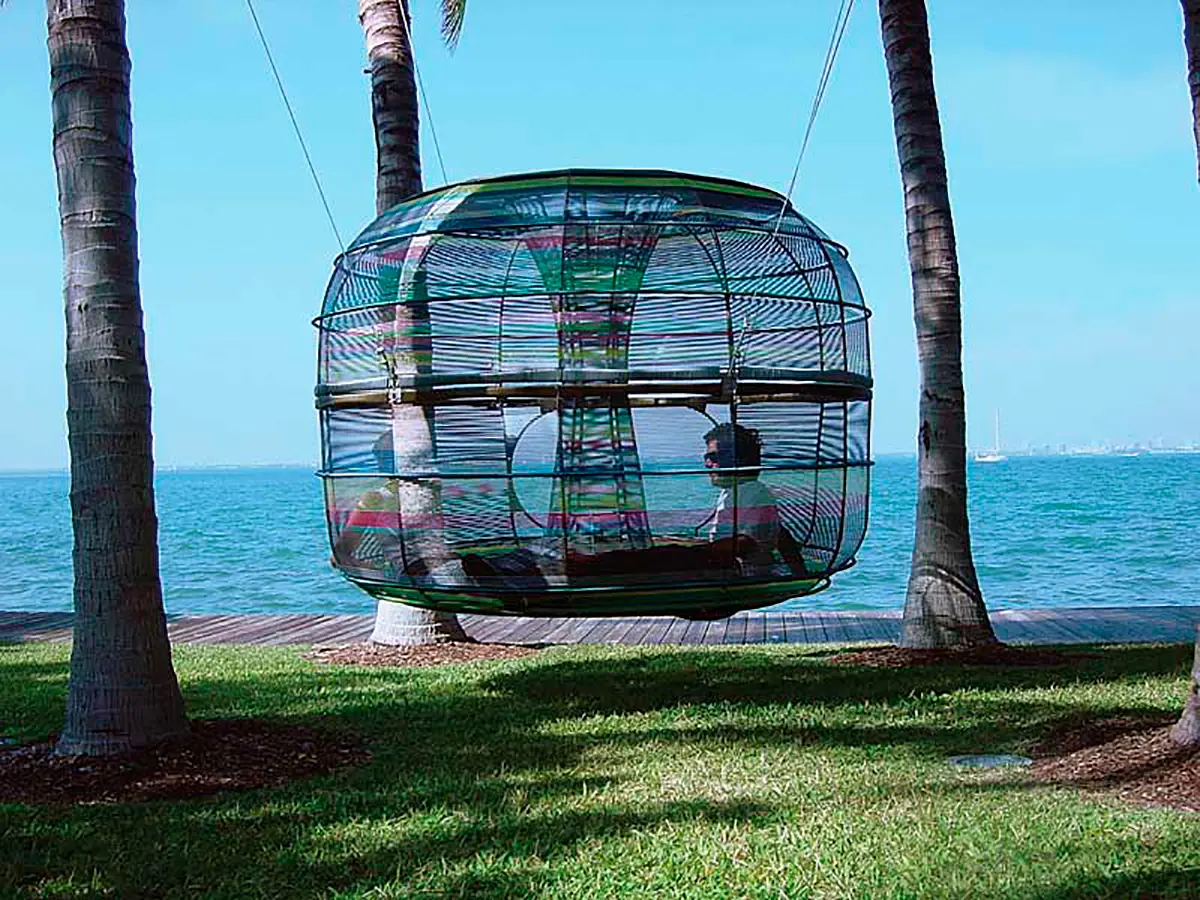
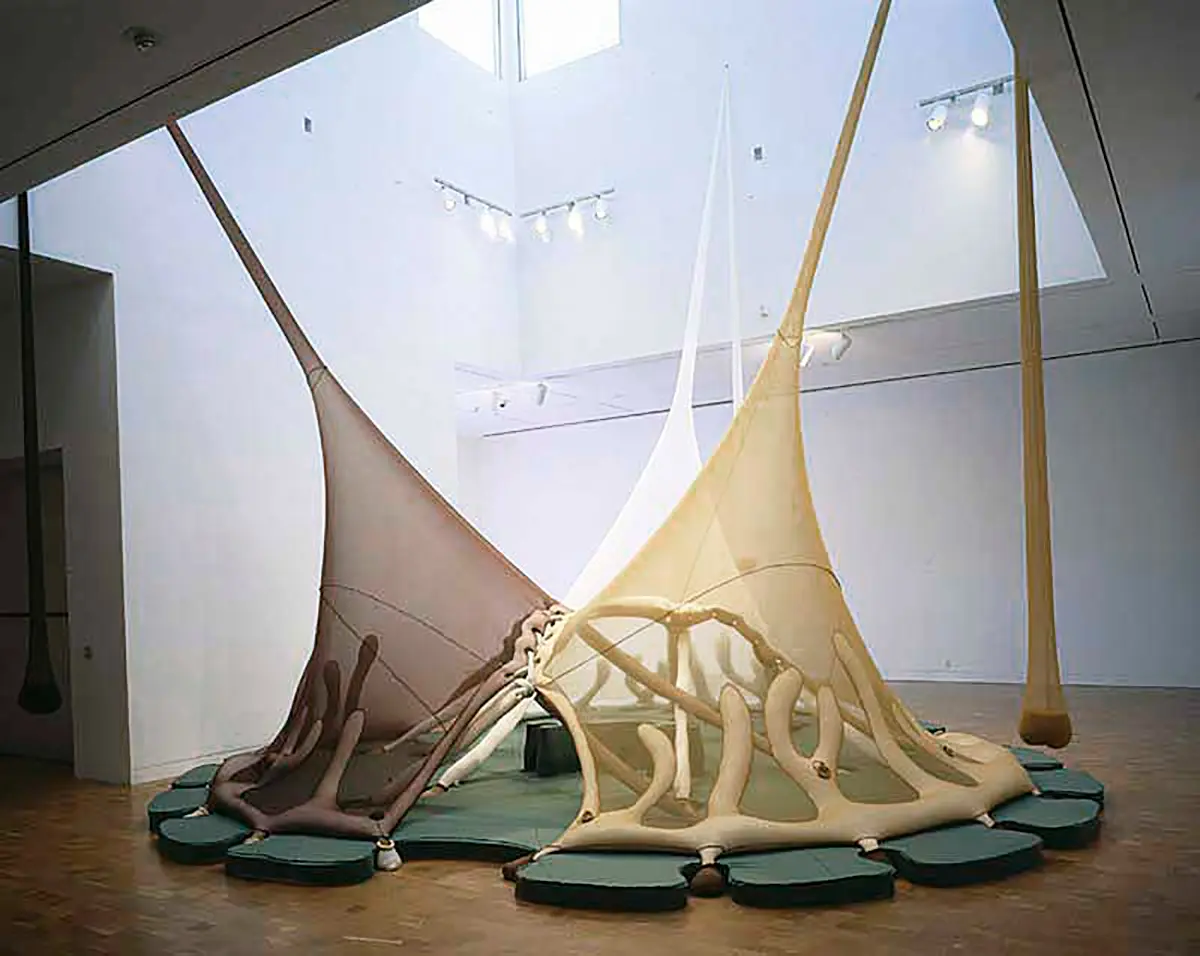
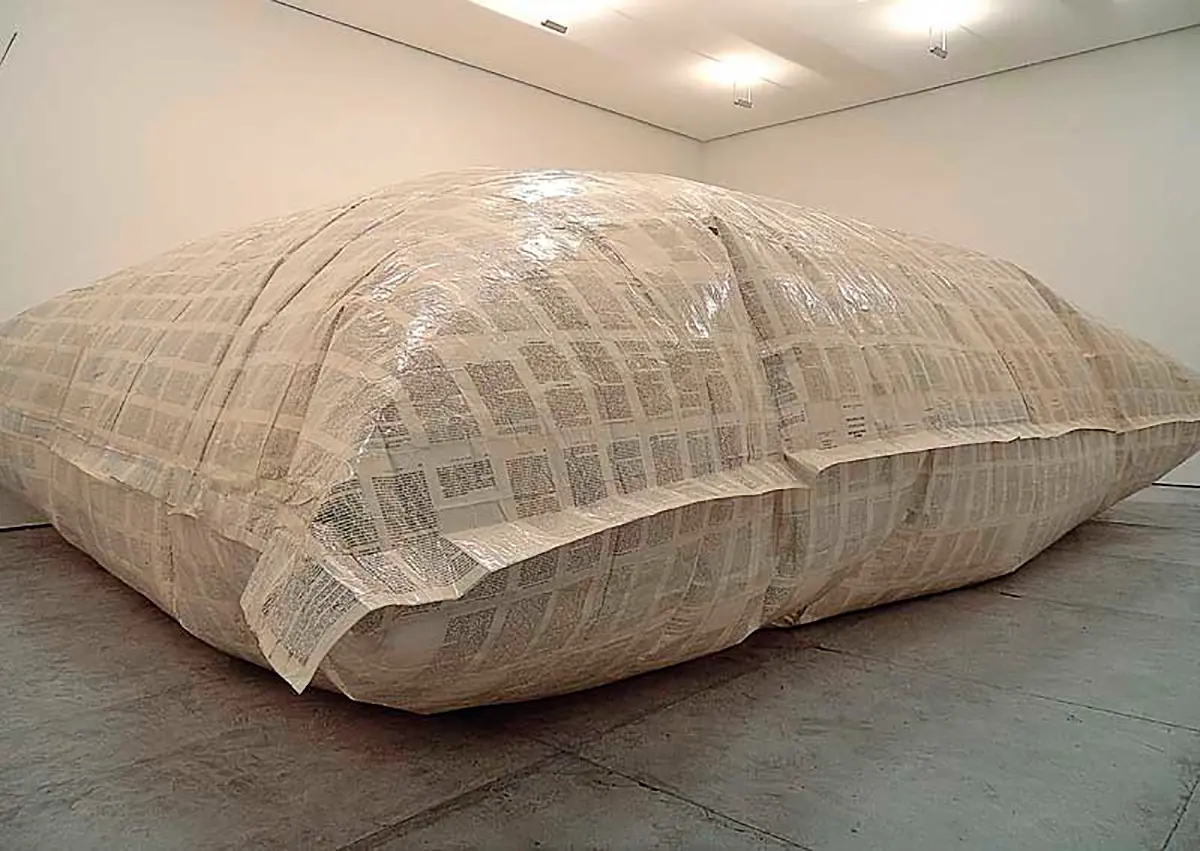
A different kind of playfulness is revealed in Ernesto Neto’s Three Religions, No God, and the Children (2003). This work, conceived in Rio de Janeiro while Neto’s wife was pregnant with their second son, was completed in Los Angeles. Judging by the work’s womb-like environment of semi-transparent fabric, the addition of squeaky rubber toys to explore tactile, olfactory, and sight experiences, and general hippie casualness, I can’t help but think that the imminent birth of his child and impressions of L.A. (a city so different from Rio and one that he had previously only visited briefly once before) were very much in his mind. Like Neto’s Three Religions, No God, and the Children, Franklin Cassaro’s Freud Shelter (2002–2012) also offers an enclosed setting, but in this case, it is constructed with book pages from Sigmund Freud’s Sexual Theory (1905), Metapsychology (1905), and Beyond the Pleasure Principle (1920). I entered the work but was stumped by the blandness of the interior. Aside from providing a warm and quiet place in which I could stand for a minute or two, I did not find the work as satisfying as Neto’s participatory and playfully inviting space. Perhaps this pillow-shaped environment is supposed to evoke adult intimacy with its references to Freud’s studies on sexuality and allusions to bedding, but gauging the responses of other museum visitors while I was there, Freud Shelter did not seem to do much for them either. Neto and Cassaro both favor art that invites social interaction and emphasizes the sensual over the intellectual; this approach follows in the tradition of fellow Brazilian artists Hélio Oiticica and Lygia Clark. However, of the two, Neto creates a stronger experience by offering a physical milieu that constantly surprises with a variety of sounds, textures, and materials. Pedro Reyes’ Cápula X (Torus) (2003) is another engaging installation: the large colorful swing brings back sweet memories of fun-filled afternoons at the park, but here, instead of swinging alone, your friends and family can swing along with you. Cápula X is big and sturdy enough to hold six or seven adults and an equal or greater number of children.
Installations by Sofia Táboas and Alberto Baraya are more didactic in nature. Illustrating Táboas’ interest in nature and the use of organic materials in her artistic practice, Energetic Garden: Future Time (2012) is a vertical garden where small plants grow during the length of the exhibition. Museum visitors are provided with seeds and tools to pot their own plants, and then the artist/gardener cares for them—or in this case, the museum, as the artist’s surrogate cares for them—until the owners return to claim them on the exhibition’s closing day. Lessons about the environment, good nutrition, and personal responsibility seem to be conveyed with such messages like “I will take care of you,” “I have faith you will grow cilantro,” and “I will use you,” but others (“time is a rubber band”) seem irrelevant and out of place. In the end, even though museum visitors participated in the making of the work, their limited intervention is a disappointment, and the overall effort reminded me more of a school project than an artwork. This is a pity because Táboas is a talented artist and could have proposed a different project, one less literal and more connected to the spirit of the exhibition. Alberto Baraya’s California Expedition (2012) is also an ongoing project that follows on the naturalist tradition of Eighteenth-Century European travelers. Once museum visitors have fulfilled Baraya’s request to bring their own artificial plants and flowers to be added to the artist’s display of specimens, the work becomes static. Nonetheless, the pseudo-scientific herbarium is beautiful to behold, and it is as subjective as the early observations made by European travelers as they encountered the exotic and exuberant flora and fauna of the new world.
Other works in the exhibition invite-only a cursory involvement rather than the sustained participation that the curatorial team (Cecilia Fajardo-Hill, Idurre Alonso, and Selene Preciado) most likely had in mind. Felipe Ehrenberg’s Vaderetrum/(Merely Shadows) (2008), a rectangle made with masking tape attached directly to the wall on which shadows are projected, and Ruben Ortiz-Torres’s Big Bang (2012), a painting made with thermochromic and urethane paint (instead of oil or acrylic), are placed near the entrance of the exhibition. The subtlety of these works wasn’t understood by most museum visitors I observed. Many stood in front of Big Bang and admired its iridescent candy color surface without daring to touch it, which is unfortunate because the work is truly interactive: the painting’s color is altered by the heat emanating from hands coming into contact with its surface.
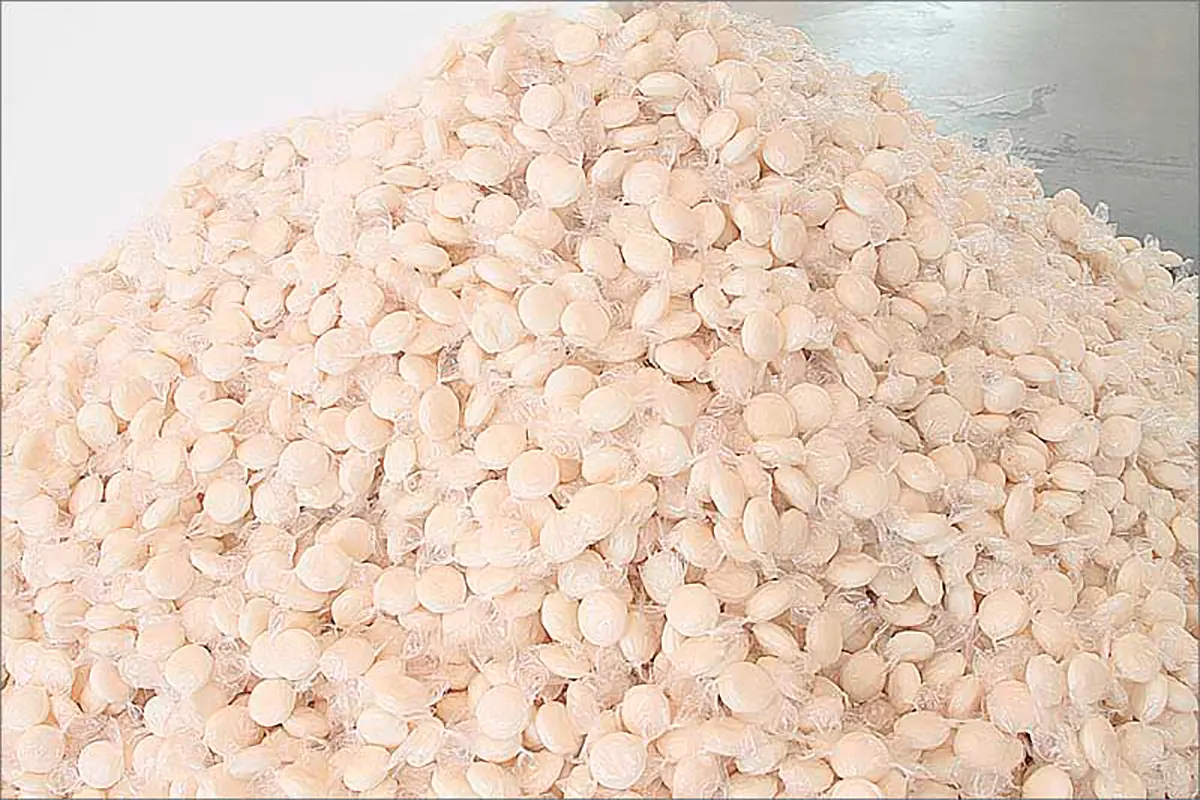
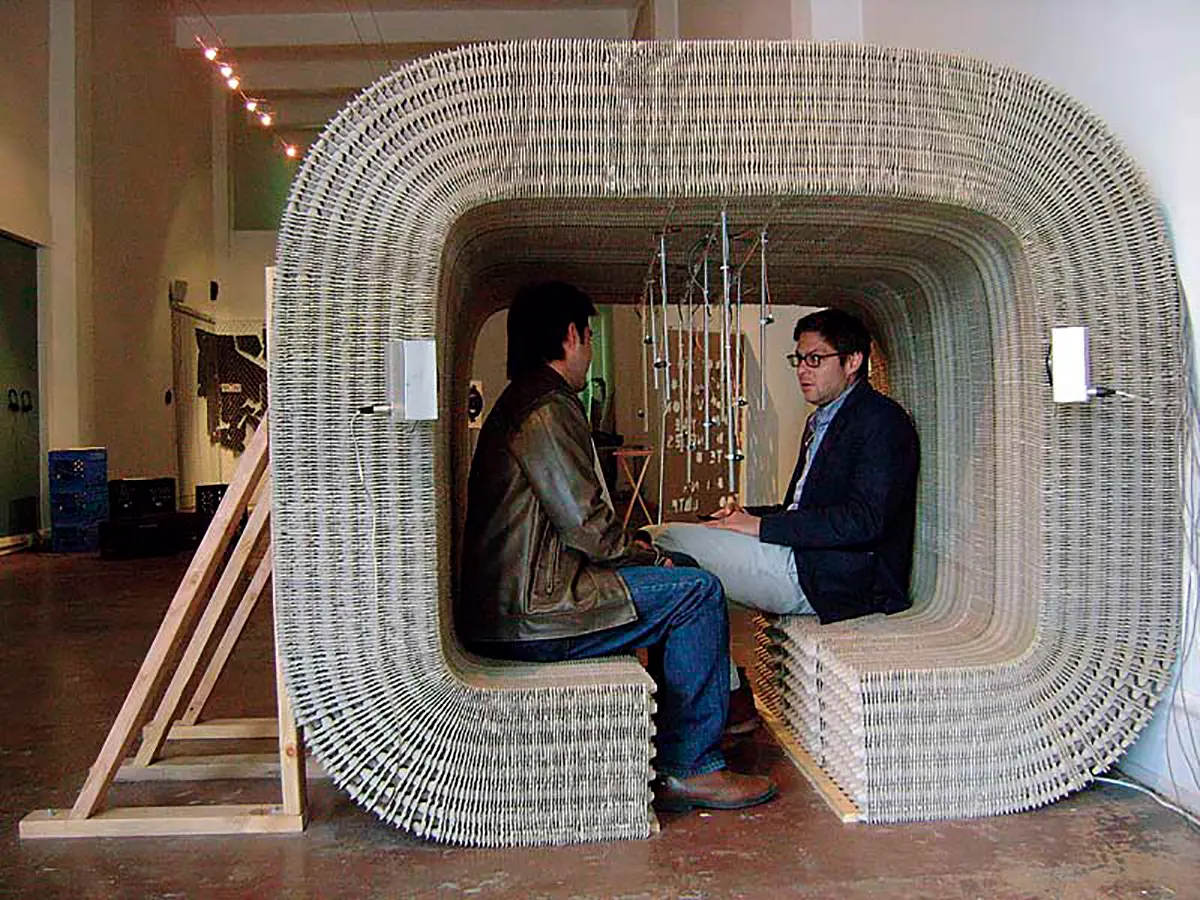
It is important to distinguish between “participatory” (involving active and voluntary participation) works, like those by Escobar, Neto, and Orozco and “interactive” (to act on each other) works such as Ortiz-Torres’s Big Bang. These differences in intent help clarify the exhibition’s premise. In the case of Play With Me, it must have been the curators’ objective to focus on the works with participatory qualities, since most of them fall into that group (with very few in the interactive category). Play With Me also includes works by the collectives Cubo and Dream Addictive, as well as Federico Herrero, Rafael Lozano-Hemmer, and Felix Gonzalez-Torres, who was represented with one of his classic candy corners from 1991, the earliest piece in the exhibition. Aside from Táboas, the only other women artists showing work are sound artist Nina Waisman from Cubo, and Carmen González, and Leslie García from Dream Addictive. This is not a criticism, but rather, an observation on the current situation in the art world: despite the growing number of working female artists, male artists continue to dominate the field. It is unfortunate that the technology-based installations in which these artists were involved—MediaWomb (2009) and Deep Thought V.2 (Artificial Entropic System) (2011)—were not particularly engaging. During my visit, hardly anyone stopped long enough to interact with them.
Play With Me brings up to date some of the ideas that were explored in Suprasensorial: Experiments in Light, Color, and Space, an exhibition organized by The Museum of Contemporary Art, Los Angeles (MOCA) in December 2010. (Full disclosure: I was the curator of Suprasensorial.) Executed between the early 1950s and 1970s, the environments by Carlos Cruz-Diez, Lucio Fontana, Julio Le Parc, Hélio Oiticica, and Neville D’Almeida, and Jesús Rafael Soto Suprasensorial exhibited express a zeitgeist also found in the installations showcased in Play With Me: all of the works were conceived by the artists to be in an incomplete state so that museum visitors have the opportunity to complete them in a way preestablished by the work’s creator. The democratization of art—a utopian desire to expose a large number of ordinary folks to art that, without being elitist, is inspiring, emotive, and challenging—is eagerly embraced by all, but while the artists in Suprasensorial made art with the idea of exploring public squares, the streets, and other alternative spaces as viable exhibition venues, the generation represented in Play With Me has created works with the specific directive that they are shown in museums, thus reverting back to a more traditional form of display. Like the Dada artists did almost a hundred years ago, artists in both exhibitions understand that it is vital to take a complacent public out of its comfort zone. The immediate physical experience that participatory art provides is an opportunity to turn passive spectators into active participants and to remind them of the relevance of art in their daily lives as an expression of freedom.
The MoLAA curatorial team contextualized Play With Me as a dialogue that also takes place in the accompanying exhibition catalog. Artists, curators, and the public are all participants in a Q&A that appears at the end of each artist’s entry; the catalog also includes interviews with a group of curators (me included). The small publication packs a lot of information and is especially helpful for novice museum visitors. A significant example of how curators can find ways to educate their constituents on a small budget is a laudable effort.
ALMA RUIZ