
The Museo Universitario de Arte Contemporáneo is presenting the exhibition Desafío a la estabilidad. Procesos artísticos en México, 1952-1967, offers an ample and very complete selection of works from a crucial period in the country that had been previously studied only in partial ways. This occasion is based on a two-year research process by academics and curators that resulted from a post-graduate seminar and a colloquium held at the Institute for Aesthetic Investigations of Universidad Autónoma de México
The curators—Rita Eder, Álvaro Vázquez Mantecón, Pilar García, Angélica García, Cristóbal Andrés Jácome, and Israel Rodríguez—posit a multiplicity of approaches for the analysis of the period known as Ruptura, a term coined by Octavio Paz to describe the era coming after the Mexican School of Painting.
What was known as the Ruptura did not attempt to break with nationalism but to position itself critically with respect to Mexican nationalism and the Modern system. In that sense, Rita Eder comments that the exhibition is intended to reformulate ideas and conceptions about art in those fifteen years of Mexican histories, such as the notion that abstract and figurative art never coexisted, in the supposition that abstract artists did not hold any political views or the idea that there existed a clear-cut division between disciplines such as painting and sculptures, without there ever being any way to connect them or have them come together into an artistic project. In the history of Mexican art, the Ruptura lived on as a downsized concept that identified the era only with painting, while in reality, this is a partial view and painting was only one aspect of a wider diversity of avant-garde proposals, which the curators were able to compile and display for the public.

In this way, the exhibition seeks to expand and move away from the constrained perspective usually held about that period, paying attention to its broader context and presenting the transformation of languages and values and the exploration of concepts such as identity, the body, politics, among others. With that transgressive intent, Desafío a la estabilidad summarizes the non-conformist animus that the artist of this era brings into their confrontation with tradition, the rigor of academia, and the State that confined culture and the arts to a few spaces and under narrow criteria.
Through 380 works of art—painting, sculpture, film, photography, architecture, theater, publications, and documentary materials—by artists such as Alejandro Jodorowsky, Feliciano Béjar, Hersúa, Juan José Gurrola, Rufino Tamayo, Juan O’ Gorman, Francisco Toledo, José Luis Cuevas, Pedro Friedeberg, Leonora Carrington, Kati Horna, Helen Escobedo, Manuel Felguérez, Vicente Rojo, Lilia Carrillo, Alberto Gironella, Luis Buñuel, and Carlos Mérida, among many others.
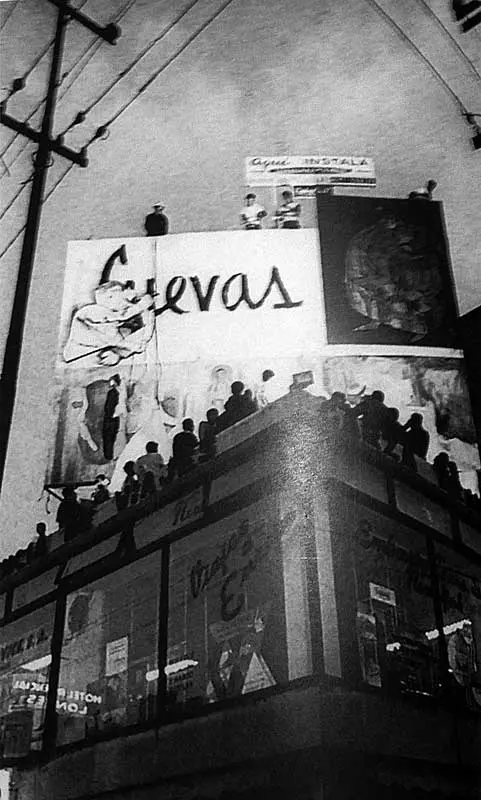
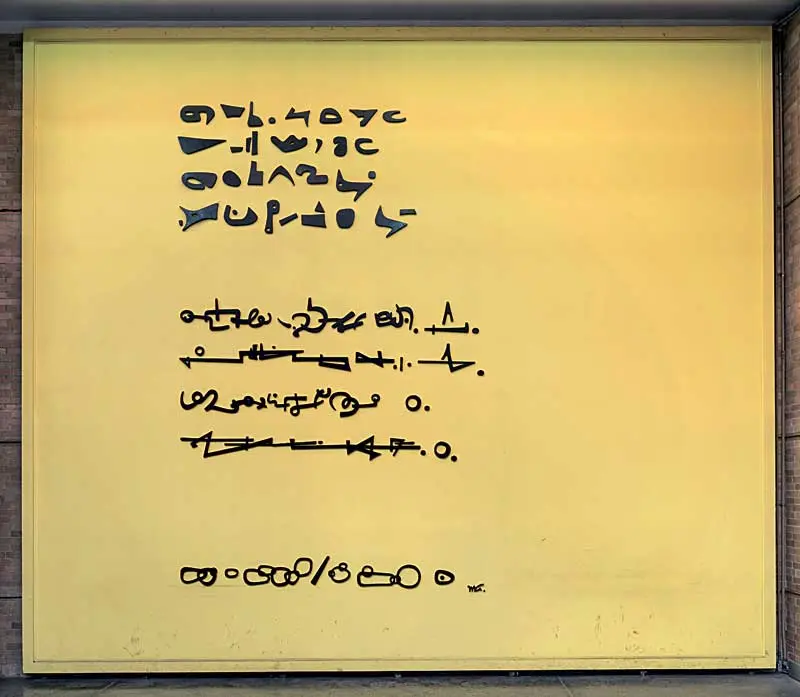
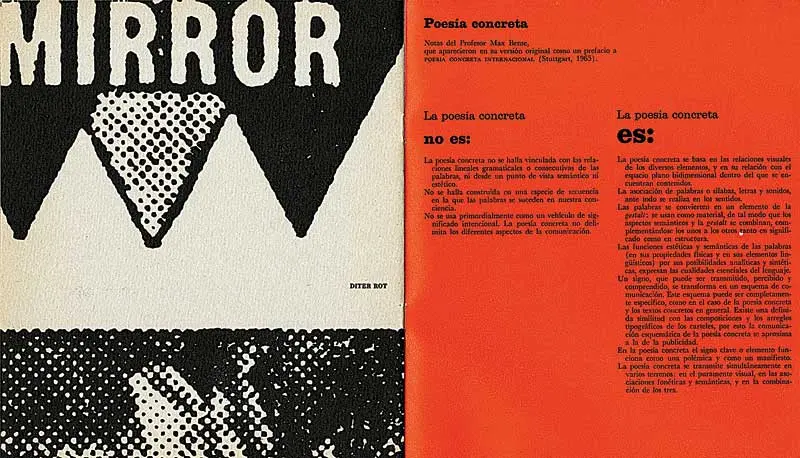
The exhibition also includes works that go beyond the two-dimensional and the visual, with works seldom or never before seen, such as magazines by writer Salvador Elizondo, which are the equivalent of a book-object with the conceptual and aesthetic themes they propose. The curators recovered José Luis Cuevas’ Mural efímero, with the intention of presenting the achievements by the artists of the era in moving beyond the spaces of the gallery and the museum and launching on a quest to expand the parameters of art. In the same way, they rebuilt a section of the concrete-poetry mural Pocos cocodrilos locos, by Mathias Goeritz.
The exhibition is divided into six curatorial nuclei, a flexible chronological sequence, as described in what follows.
Borramientos traces the paths of a creative activity established in the blurring of the borders between artistic disciplines. Here we perceive the influence of artistic avant gardes of the 1950s and 1960s. One highlight is Manuel Felguérez’s emblematic Mural de Hierro, created for the Diana movie theater in 1961, which for this exhibition was intervened and reinstalled in its monumental 28.5 meters, in a gallery at the MUAC, as was Serpiente, a sculpture also by Felguérez, 8 meters long.
Corporalidades shows how the body assumes importance beyond the “model”; the notion of the body is distorted, intervened, and becomes an artistic medium. A standout is the stage experience of Jodorowsky’s Ópera del orden, where theater, improvisation, music, performance, and the visual arts come together, along with the experimental film. The work was intensely criticized as transgressive and offensive to the moral codes of the era.
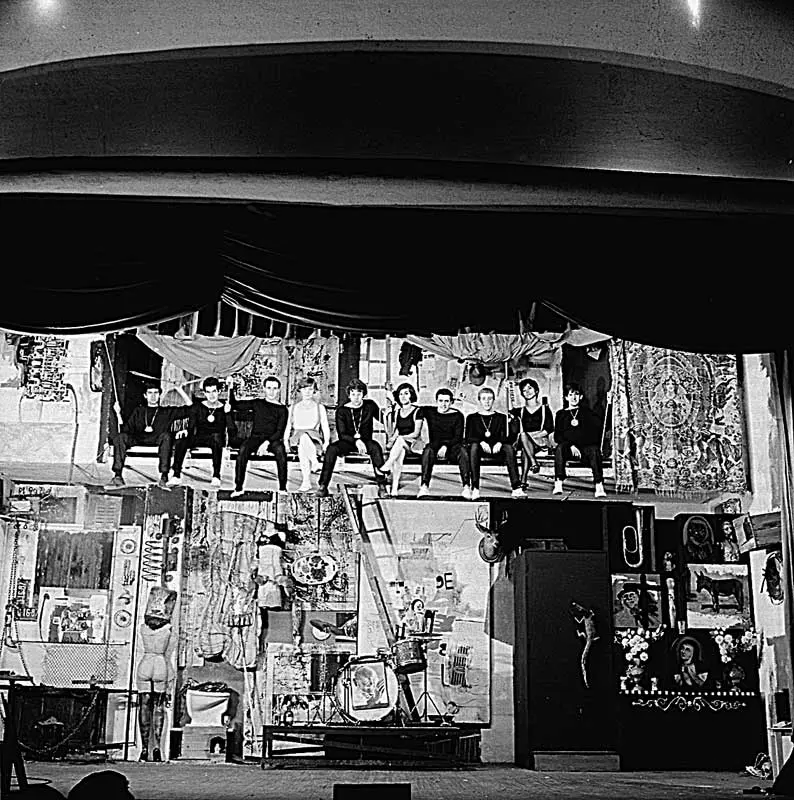
Imaginarios explores the international imagination of the 1950s and 60s, from the isolation of the earliest surrealists to the gradual incorporation of the Beatniks, visible in the publication of a variety of journals. Towards the 1960s, there appeared expressions connected with a more radical branch of surrealism concerning the concept of the body, which transformed literature and the visual arts. In this section are works by Leonora Carrington, Kati Horna, Alan Glass, Pedro Friedeberg, and other surrealists who came to Mexico and brought with them a variety of influences.
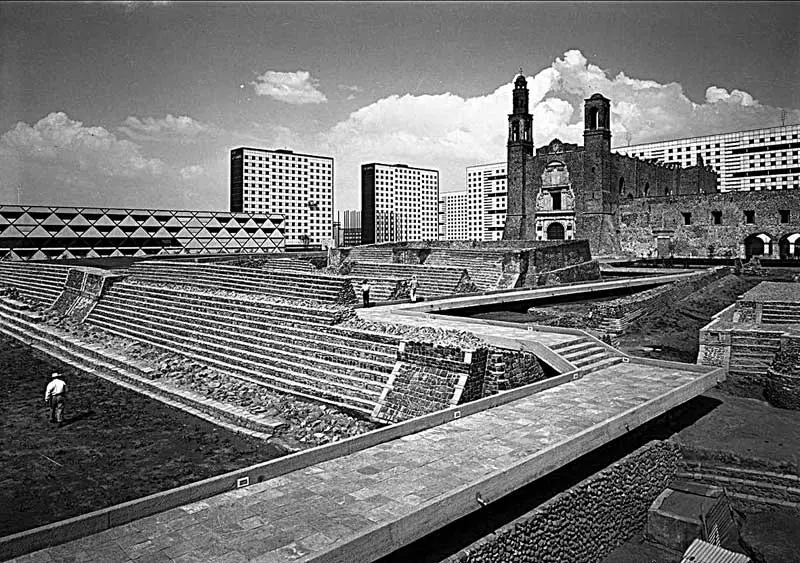
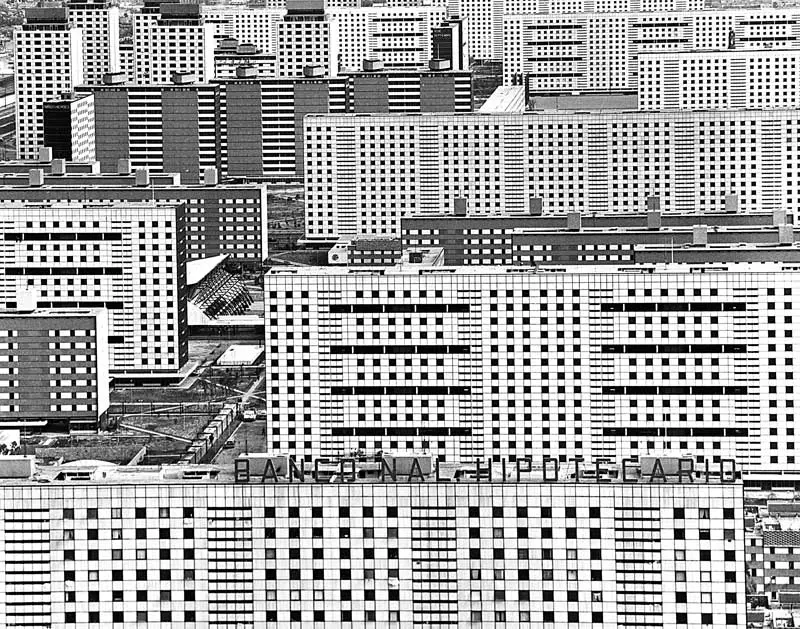
Modernizations puts on display the existence of a project of modernization shared by certain sectors within the state and some artists. Due to urban expansion and developmentalism, a need also arises for new cultural and academic spaces. Similarly, this section brings forth, as testaments to the intensity of urbanization, buildings like the Latin American Tower and the building of CU, through photographs by Juan Guzmán, Rodrigo Moya, Armando Salas Portugal, and Enrique Bostelmann, among others.
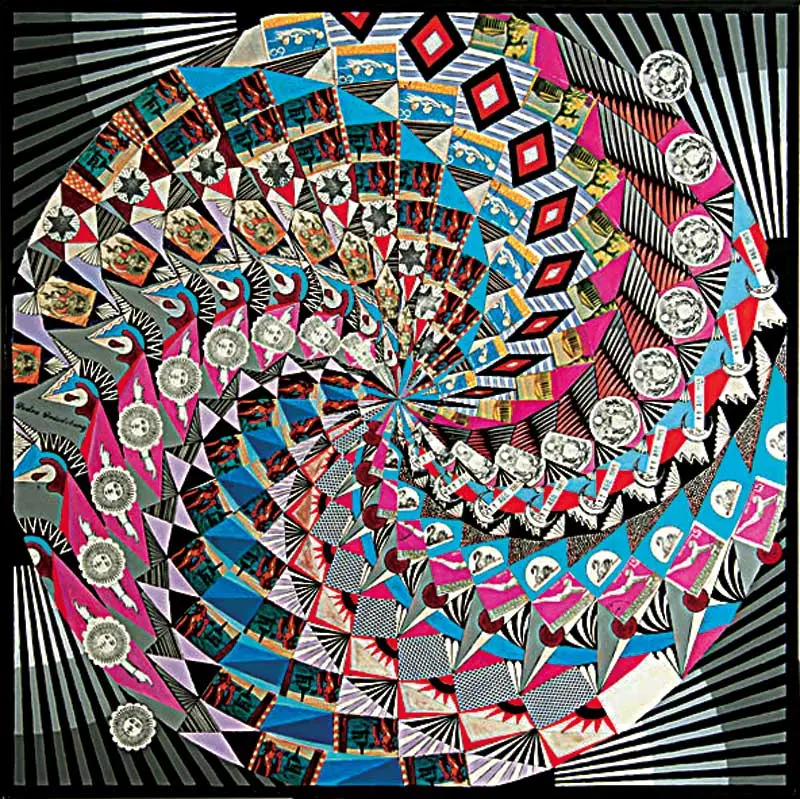
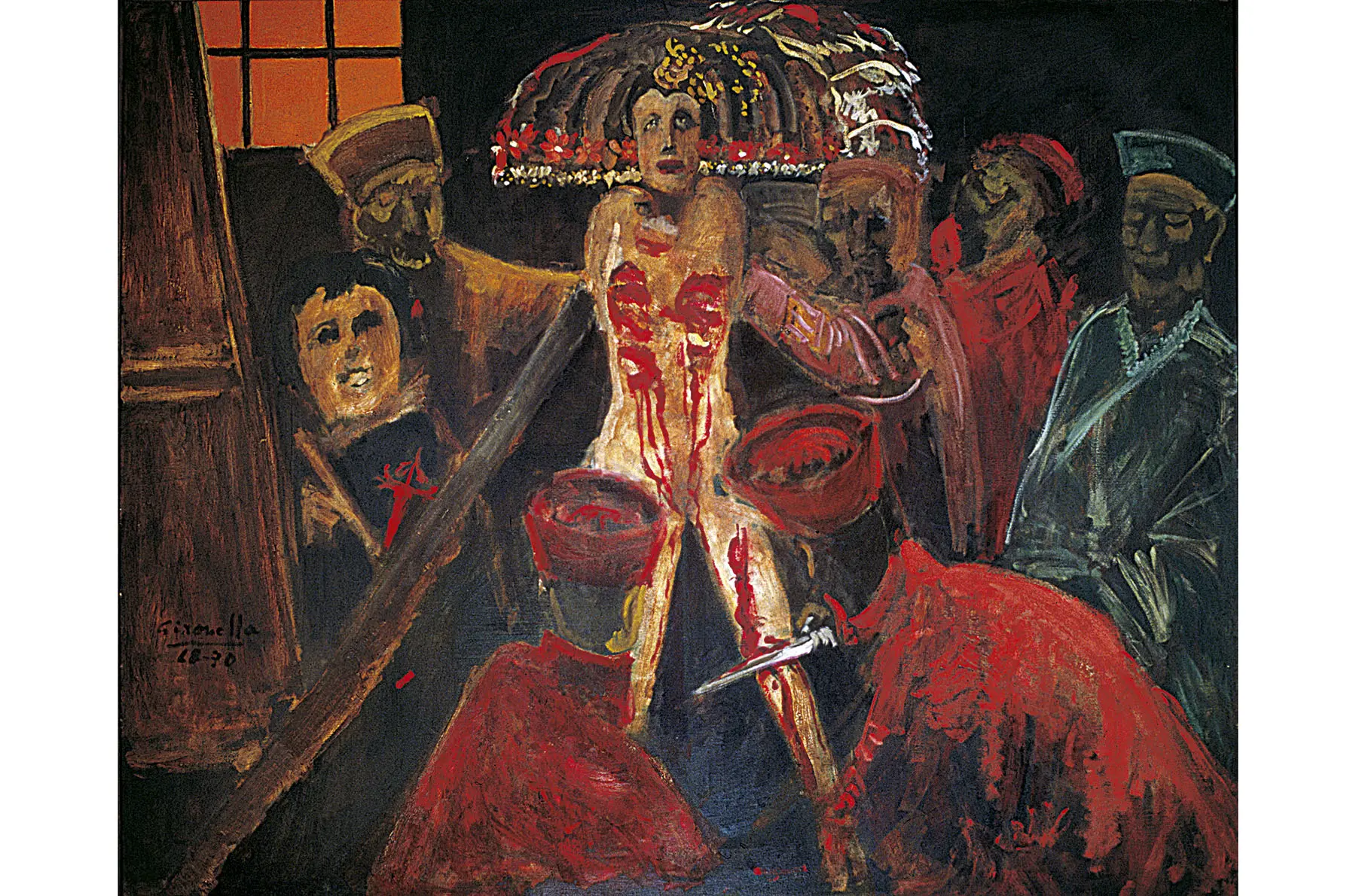
Yuxtaposiciones is characterized by innovation and at the same time a tendency to preserve artistic tradition. It evaluates the imprint of pre-Hispanic aesthetic values beyond their narrative use and posits the search for new spiritualities. This section reinterprets and gives new significance to artists from abroad, and the influence between different artistic disciplines becomes palpable in the case of Alberto Gironella with Leng Tch’e II, based on a photographic series that alludes to a method of execution. The series acquired relevance after it was published in Georges Bataille’s The Tears of Eros. The series also appears mentioned in Rayuela, by Argentine writer Julio Cortázar and in Farabeuf, by Salvador Elizondo.
Nuevos circuitos takes account of the plurality and multiplication of cultural management spaces, both private and public. It posits the vanishing of hegemony in cultural policies and the subsequent diversification and emergence of innovative artistic experiences. New galleries are established, as are new spaces for the exhibition, consumption, and distribution of art. The State builds large works, such as the Museo Nacional de Antropología and the Museo de Arte Moderno, both by architect Pedro Ramírez Vázquez.
It is important to note that the museography is able to make the 2,000 square-meter exhibition fluid and entertaining, with a clean display where works are well outlined and viewers can move freely between the galleries.
To complement the exhibition, there will be a program with films connected to the themes of each section, as well as analysis roundtables and conferences. Similarly, three parallel exhibitions were prepared, dealing with different aspects of the artistic processes of the era.
Las leyes de la hospitalidad. Juan José Gurrola is presented at Casa del Lago, under the curatorship of Angélica García, Mauricio Marcín, Fernando Mesta, and Víctor Palacios, who note aspects of the work of a multidisciplinary who, because of is creativity and experimentalism, is considered a transcendental artists of the period.
Los Hartos (otra vez) is presented at Museo Experimental El Eco, and it proposes a historical and documentary review of the movement conceived by Mathias Goeritz to oppose the dominance of logic and reason.
Sexo, drogas y rock n’ roll. Arte y cultura de masas en México, 1963-1971 is presented at Museo Universitario del Chopo. In this show, we see how sexuality, music, and drugs were the rallying points for a generation that opposed traditional and conservative structures.
These satellite exhibitions have, in turn, their own very complete program of conferences, workshops, and trajectories.
A 624-page catalog has also been published, with the same title as the exhibition, compiling texts and images of the works presented at the Museo Universitario de Arte Contemporáneo, as the result of the extensive investigation behind this project.
The main exhibit is able to present a complete panoramic of diversity techniques, movements, and contents in art and architecture, while also revealing the spirit of the era, its social, intellectual, and cultural climate. It is a valuable exercise, as there has never before been an analysis that connected, in-depth and from a multidisciplinary perspective, artistic and cultural manifestations with economic and socio-political processes in the country in those years, the context and precedent where innovative art movements challenging Mexico’s cultural tradition began to evolve, forging a revolution in the visual arts, architecture, literature, film, and drama, on the basis of new critical proposals.
ISAURA RUÍZ