
It is
complicated. The fusion, matching, or integration of pre-Hispanic art with/in
contemporary art. Although aesthetically, the chance of success is greater
(comparing purely visual achievements), the mood, intentions, and functionality
of both arts are so divergent from each other that it makes it impossible to
find common points. To learn, study and appropriate the weight of the pre-Hispanic
iconography is essential in order to play with the mixture. Artist Mario Silva
is a scholar of pre-Columbian culture, and with this background, it is possible
that a fresh approach to the problem can bring new results. However, in Nocturnal that does not occur. The
environment does not help, it actually works against it.
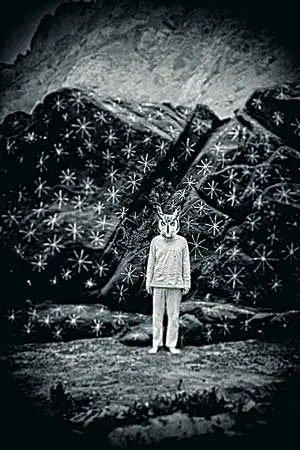
Silva has worked with the pre-Hispanic heritage and its delirious inclusion in the postmodern in many projects. The book Lords, Pyramids and Replicas: Images from the North Coast of Peru (2006) is a good example. It is a portrait of the symbolism of the Moche culture in Peru adopted by marriage, publicity, and propaganda of the 21st Century. La Serpiente Muda de Piel (The Snake Sheds its Skin, 2011) was a photo exhibition that revolved around the idea of metamorphosis, an axial concept in pre-Hispanic cultures. Altares de Camino (Road Altars, 2013) documented the small buildings that dot the Panamerican highway, with which family and friends pay tribute to those loved ones who died in car accidents. In Nocturnal the documentary is abandoned in favor of a more personal dimension, and reintroduces the notion of metamorphosis, although superficially. What we see in the dark, nocturnal exhibition room at MAC (Museum of Contemporary Art) is a selection of photographs, videos, and display cases with archaeological pieces from the Mochica and Humaya cultures. A piece of audio fills the room with sounds from an animal that is the star of this exhibition: the owl. The Raptor evokes the night and is a connection with the cultures represented in the cabinet. In the snapshots, we find a human-animal character, a man wearing the head of an owl, night landscapes and decorative references, and, once again, the ancient cultures. I try to envision what is the product that the dialogue is suggesting. It is not an easy task unless no such suggestion exists and is nothing more than an aesthetic exercise. I read the text that is on one of the walls: “[ ... ] explore the animistic view of beings inevitably tied to natural cycles.” Good for the exploration. But what is the result of it? Or let’s pose a more demanding question: What if rather than being exposed in an artistic context, Nocturnal is played as an advertisement? The photos could pass as ads for a clothing line or brand of alcohol. The use of pre-Hispanic elements without justification in a confusing operation becomes more about posturing than assimilation. It’s like when we see a young group of people in a hipster neighborhood where the museum is located, in Barranco, wearing earing plugs. They have probably been fascinated with the earrings because they have seen a hip-hop artist on MTV wear them. Do they know that in Moche culture men wore those earrings? Mario Silva’s earlier work reveals that he is not unaware of his origins and that he does know how to use the terminology and functionality of Moche and Humaya objects when he introduces these in his work. But I cannot guess the intent of this operation, the polysemy (that’s one of the art features, compared to advertising. The first seeks to have several meanings, the latter not). Maybe my eyes have been blinded for what I have seen in the first room; an exhibition of designs by Agatha Ruiz de la Prada; an overtly commercial incursion into the contemporary art museum. As Dinio, a Spanish character in the entertainment world would say: “the night confuses me.”
JUAN JOSÉ SANTOS