Nos vemos acá (See You Here) was the slogan and affectionate invitation to participate formulated by María Yelo, the current director of PhotoEspaña. A double invitation, if you will, addressed to audiences in Madrid and in all the other cities in Spain and the Americas that hosted the exhibitions and many activities in the program of an ever-more international festival, but also, and in significant measure, to Latin American photography, the protagonist of this edition. Indeed, the most important group exhibitions held as part of PhotoEspaña 2015 were those devoted to Latin America: Latin Fire. Otras fotografías de un continente, at CentroCentro; Latinoamérica es un pueblo al sur de los Estados Unidos, at Casa de América; Trama centroamericana. Una mirada colectiva a la migración, at the Real Academia de las Bellas Artes de San Fernando; Detonar y develar. Fotografía mexicana circa 2015, also at CentroCentro. And even Esto aún –no– ha sido. Obras de la colección CA2M y de la Fundación ARCO, at Centro 2 de Mayo, in Móstoles. To this truly impressive roster of artworks and photographers, we must add the many solo exhibitions, in institutional spaces and art galleries, that displayed the work of Latin American photographers and artists who use photography, from such classic names as Martín Chambi, Lola Álvarez, and Tina Modotti, to Korda and Julio Zadik, and emergent, lesser-known figures like Ana Casas Broda, Dulce Pinzón, and David Schäfer.
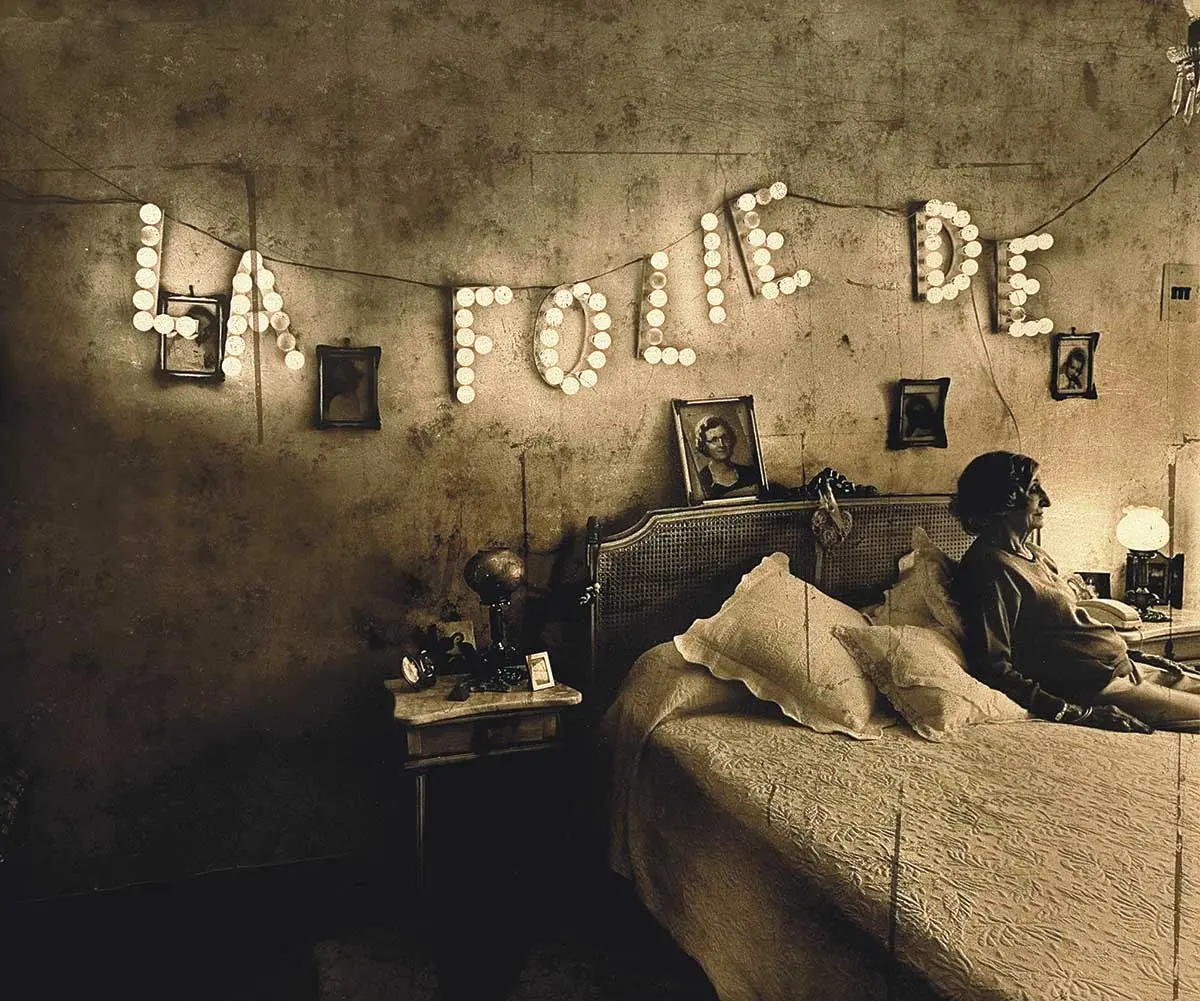
Such concentration of purposes, strategies, technical media, poetics and rhetoric, achievements and failures, and biographies both hidden or out in the open, could be overwhelming for anyone attempting to cover the entire festival in a couple of days. But, on the other hand, it offered those viewers more inclined to give time to the tempo of each exhibition, the possibility of discovering that the joint, albeit usually unconnected, efforts of so many photographers and artists has resulted in a singular map of Latin America. I use the term map in the sense advanced by Fredric Jameson, for whom the inability or serious difficulty experienced by the inhabitants of the modern or contemporary city to forge a personal image of the latter that would allow them to situate themselves, is resolved as “cognitive mapping”. A mapping that is at the same time-wise and sensible, and in the elaboration of which—always according to the author of Valences of the Dialectic—the film plays a key role. In the context of Latin American cities, photography is also playing that role, as photographer Robert Frank’s pioneering book The Americans did in its time and place, characteristically comprising situations rather than trades of professions like German photographer August Sander’s book-inventory. My use of the term situations here is not unadvised, either: a situation is, for me, a Spatio-temporal unit, a moment in an unfolding process, an event, or an inter-subjective interaction that specifies the space in which it takes place and gives it the character of a place, even if the latter is ultimately revealed as merely ephemeral. The diachrony implicit in any photographic capture of reality—including those that insist on denying it—acquires a historical character when incorporated in an exhibit that is comprehensive and congruent enough as to bring together a photographer’s work and personal experience into a cognitive mapping capable of shedding light on the current state of a given society, fitting it into a specific history rather than any other.
From that point of view, the key exhibition among all those featured in this edition of PhotoEspaña was, without a doubt, Latin Fire, curated by Alexis Fabry and María Willis from the Anna Gamazo de Abelló collection. And it was key for being a significant sample of the current state of Latin American societies, as well as for its incorporation of the historical scheme first formulated, as far as I know, by the mega-exhibition Perder la forma humana. Imagen sísmica de los años 80 en América Latina, curated by the Red de Conceptualismos del Sur and presented at the Reina Sofía museum in the winter of 2011/2012. That show posited three broad periods: first, the era of the guerilla movements inspired by the Cuban Revolution; second, the era of military dictatorships in the Southern Cone and the proliferation of new modes of resistance to them; third, the return of democratic political systems, which coexist with the explosion of urban violence that collapses cities and re-feudalizes them, promoting the construction of walled-in, gated, surveillance-dominated spaces for the protection of the middle and upper classes.
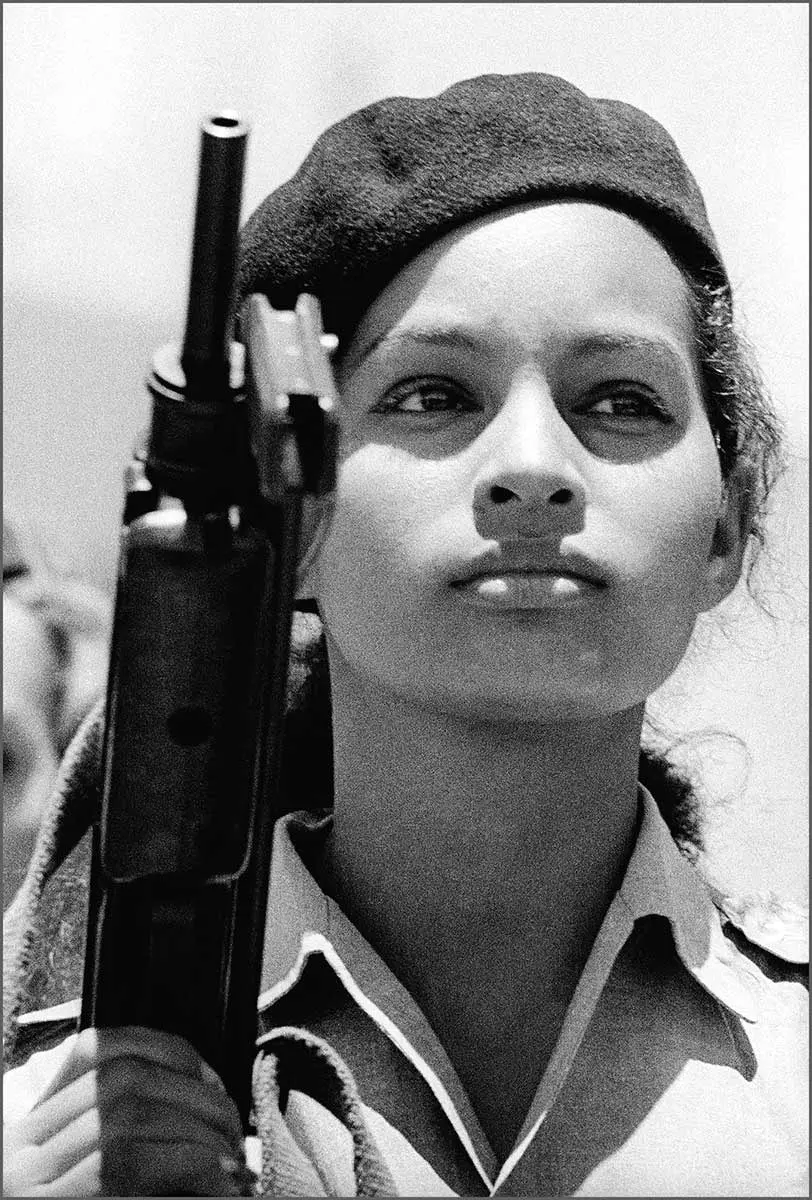
This scheme reappears in Latin Fire, albeit with the Dictatorship era noticeably thinned down and the guerilla years reduced to a handful of references, represented by Raúl Corrales’ and Alberto Korda’s photographs of the epic phase of the Cuba Revolution, and some of Rodrigo Moya’s images of the Venezuelan guerilla. And, importantly, by the anonymous photograph of Che’s corpse, wearing a beret and a paratrooper jacket, which became a worldwide icon. The emphasis, rather, is on the third period, that of the nameless and seemingly unsolvable violence that has gripped many cities in the region, although not centered on images of open violence (like those by Diego Levy, documenting violence in the outskirts of Argentina’s cities, or those of adult Peruvian men carrying guns and rifles in response to street unsafety, captured by Jorge Deustua’s lens). No, a good number of the images for this period refer, above all, to the everyday life of the working class, and often to the marginalized: bohemians, prostitutes, transvestites, beach bums, masked wrestlers.
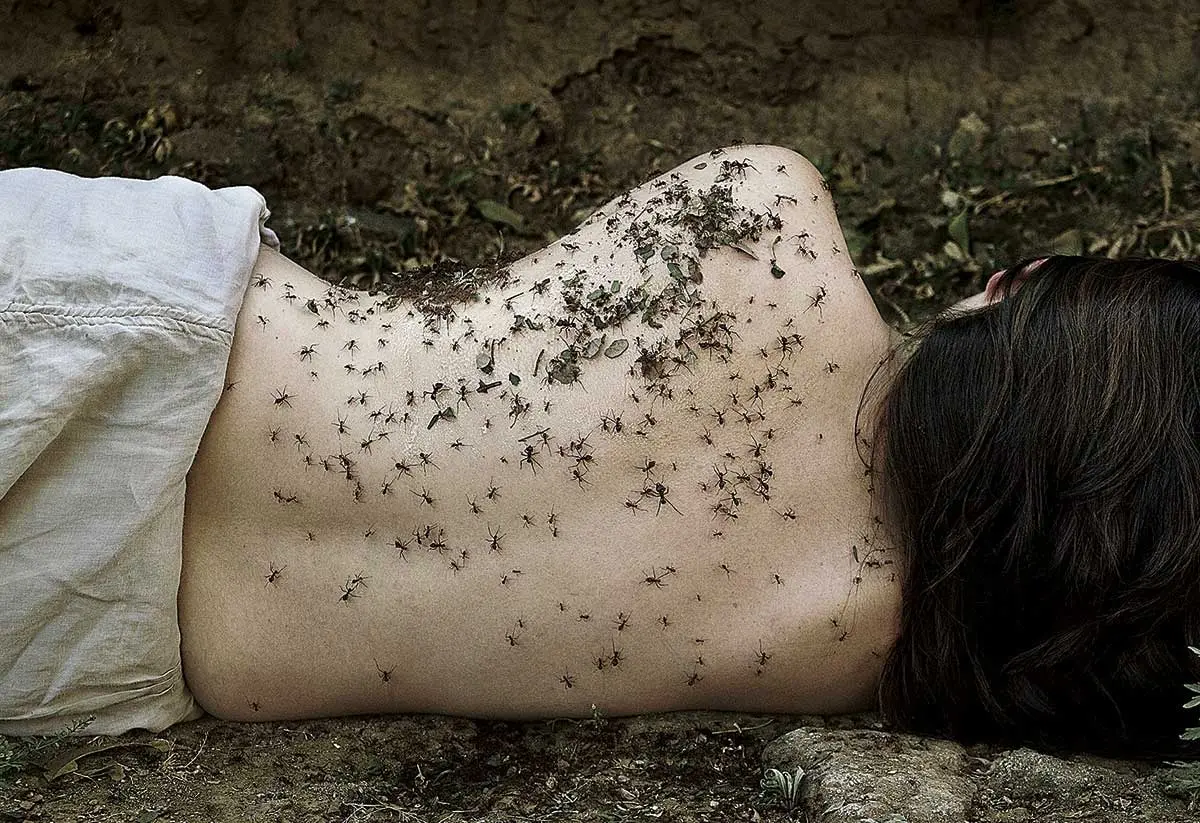
This historical scheme also assumes that one period does not cancel the previous one, but that some of the former survive in the latter in a different form. The most signal case is that of the forced disappearances of people, a terror tactic introduced by the military dictatorships that are remembered in Muro de la memoria (Wall of Memory), a project begun in 1999 by Chilean artist Claudio Pérez with the intention of identifying victims of the Pinochet regime. The practice was continued in Mexico—under a different regime and different conditions—as shown in Maya Goded Desaparecidas (Disappeared Women) series, devoted to the victims of femicide in Ciudad Juárez. The guerilla period, which in fact remains alive in Colombia, is evoked by Juan Manuel Echavarría in his Cassette Box, with photographs of the cassette tape cases that a group of women kidnapped by the ELN in 1999 used to keep, like precious mementos, exotic insects collected during their forced marches through the forest.
Any mapping intent on a cognitive function in Latin America cannot be reduced, however, to a crude record of the violence and misery suffered by the urban masses, because this kind of cartography is indebted both to memory and to the imagination, faculties without which individual and collective life are unthinkable. The most influential among the collective imaginaries is precisely at the core of the exhibition Latinoamérica es un pueblo al sur de los Estados Unidos (Latin America is a Village South of the United States), which, as I said, was held at the Casa de América galleries and is the result of the Atlántica photographic forum organized by La Silueta and La Fábrica. The title is highly eloquent: the scenes and characters photographed by Marcelo Rius Barón, Roberto Tondopó, Marianne Matouk, and Andrea Ardila have assumed the “American Dream” as their own. Or, more precisely, that which we could describe as the US Pop imagination, forged by Hollywood, show business, and the ubiquitous, all-powerful advertisement industry and adopted by the Latin American masses as the visual repertoire for the elaboration and exteriorization of their desires, expectations, and achievements. It is not by chance that the title is so expressive of the intentions of the exhibition’s curators: it comes from the lyrics to a song by Los Prisioneros, a Chilean rock band that looked with irony at such a successful form of cultural colonization.
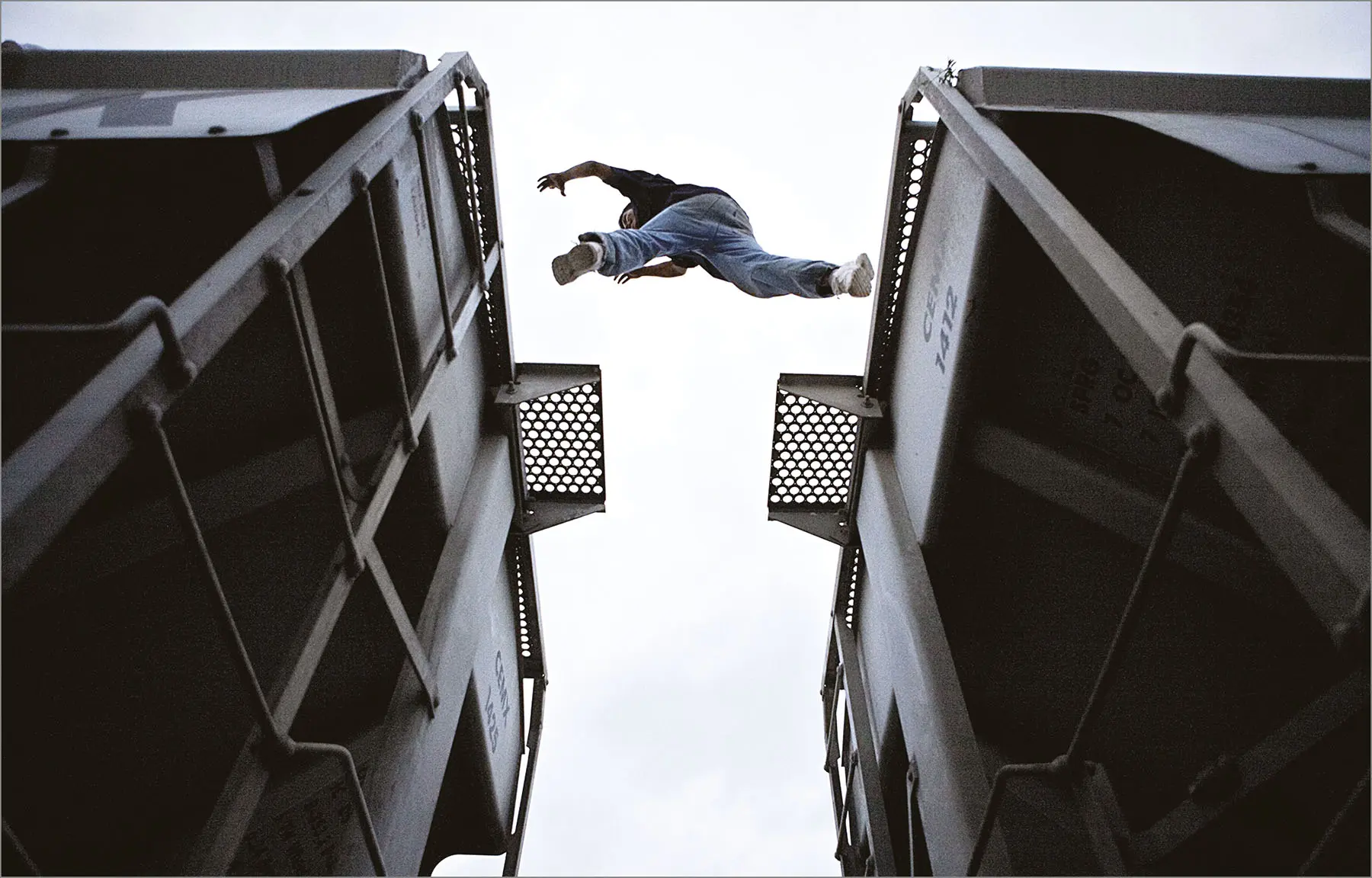
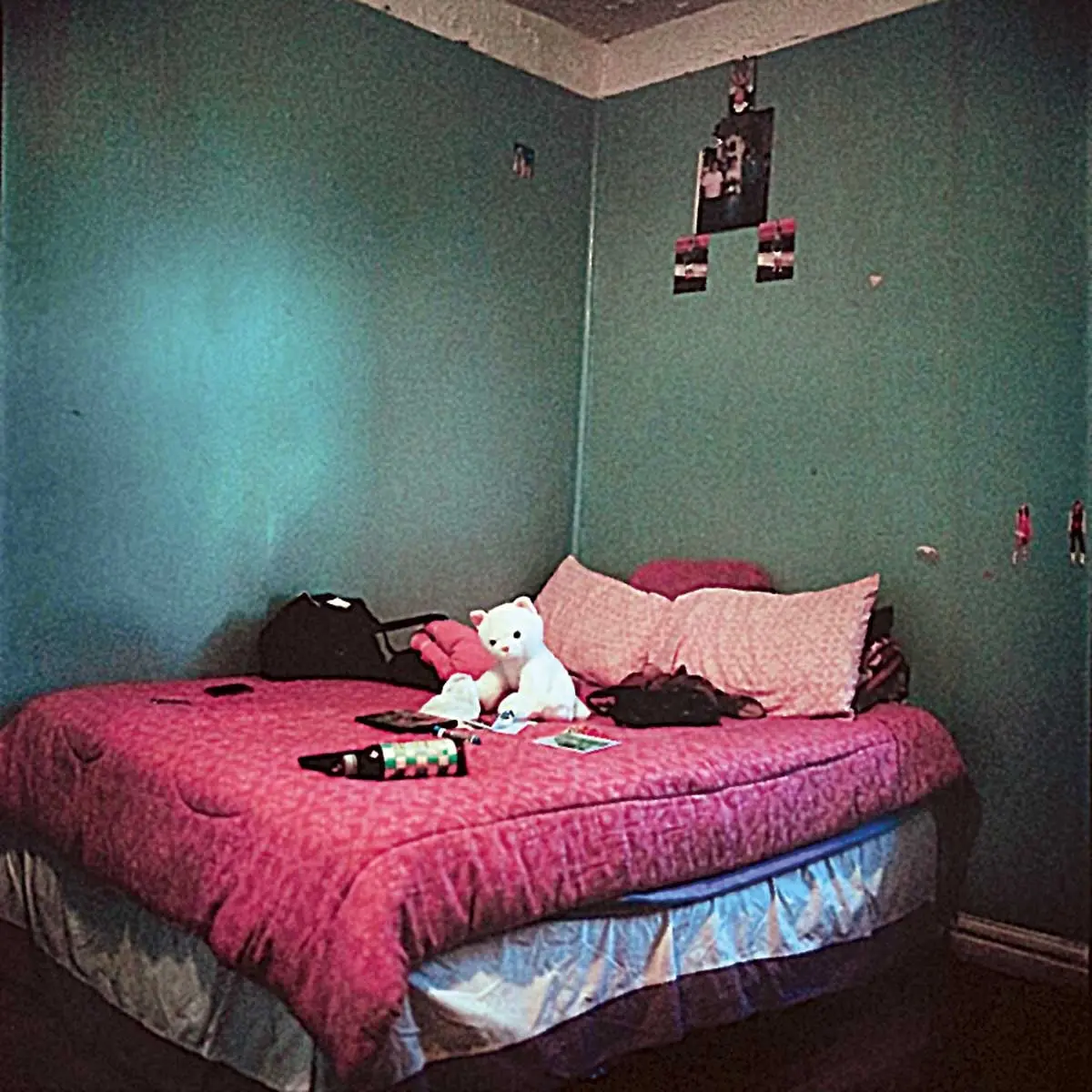
Acculturation reappears in Trama centroamericana: Una mirada colectiva a la migración (A Central American Plot: A Collective Look at Migration), curated by Eliett Cabezas, which brought together five photographic projects at the Real Academia de San Fernando. The most impressive was, undoubtedly, En el camino (On the Road), by the Ruido collective, which focuses on “The Beast”, as the cargo train that connects southern and northern Mexico is nicknamed. “The Beast” is used for transportation by Central Americans attempting to enter the United States illegally. The other series, in turn, explore what those Central Americans do with the “American Dream”: they adapt it to their own ways, of course, which are Central American, rather than North American. Ruth Prieto’s Safe Heaven-Green series focuses on the household shrines used by Central American migrant women to consecrate their most treasured and loved belongings: gadgets, picture cards, symbols. The identifying markings of their renewed female condition, a kind of emotional bulwark to protect them from the hostility and incomprehension of an unredeemable alien place.
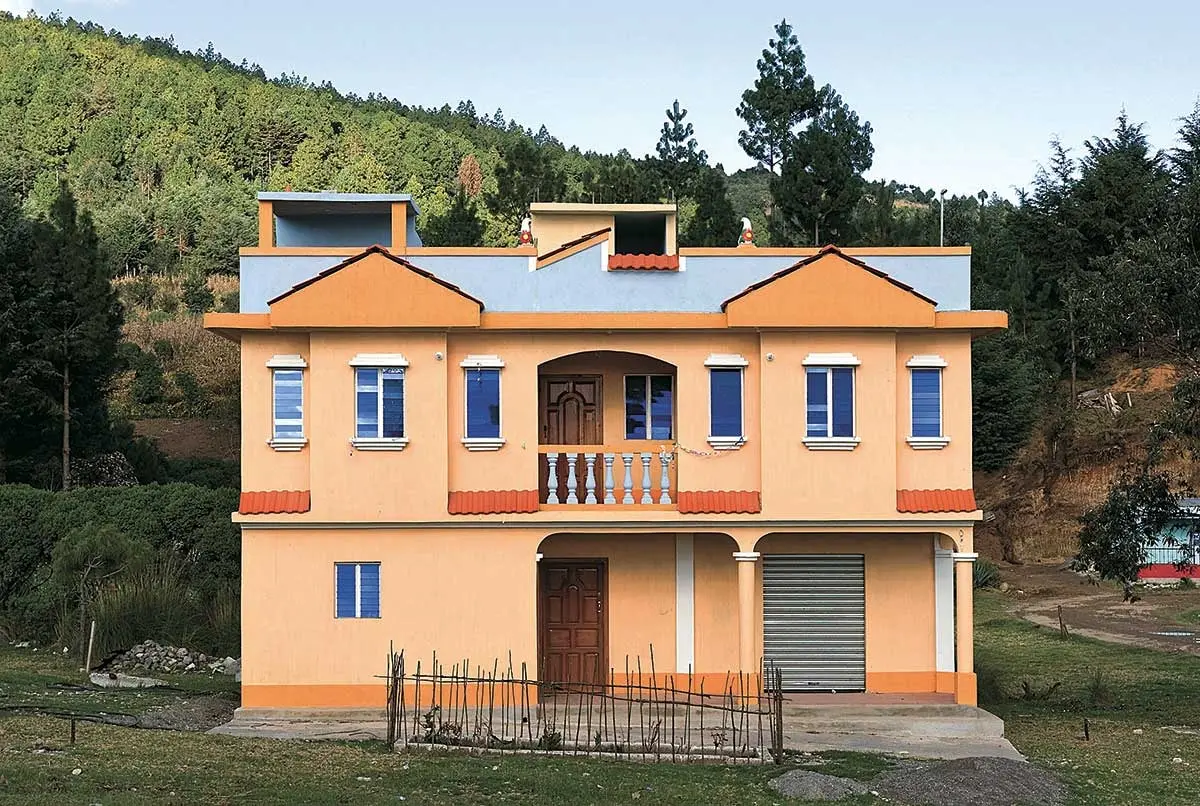
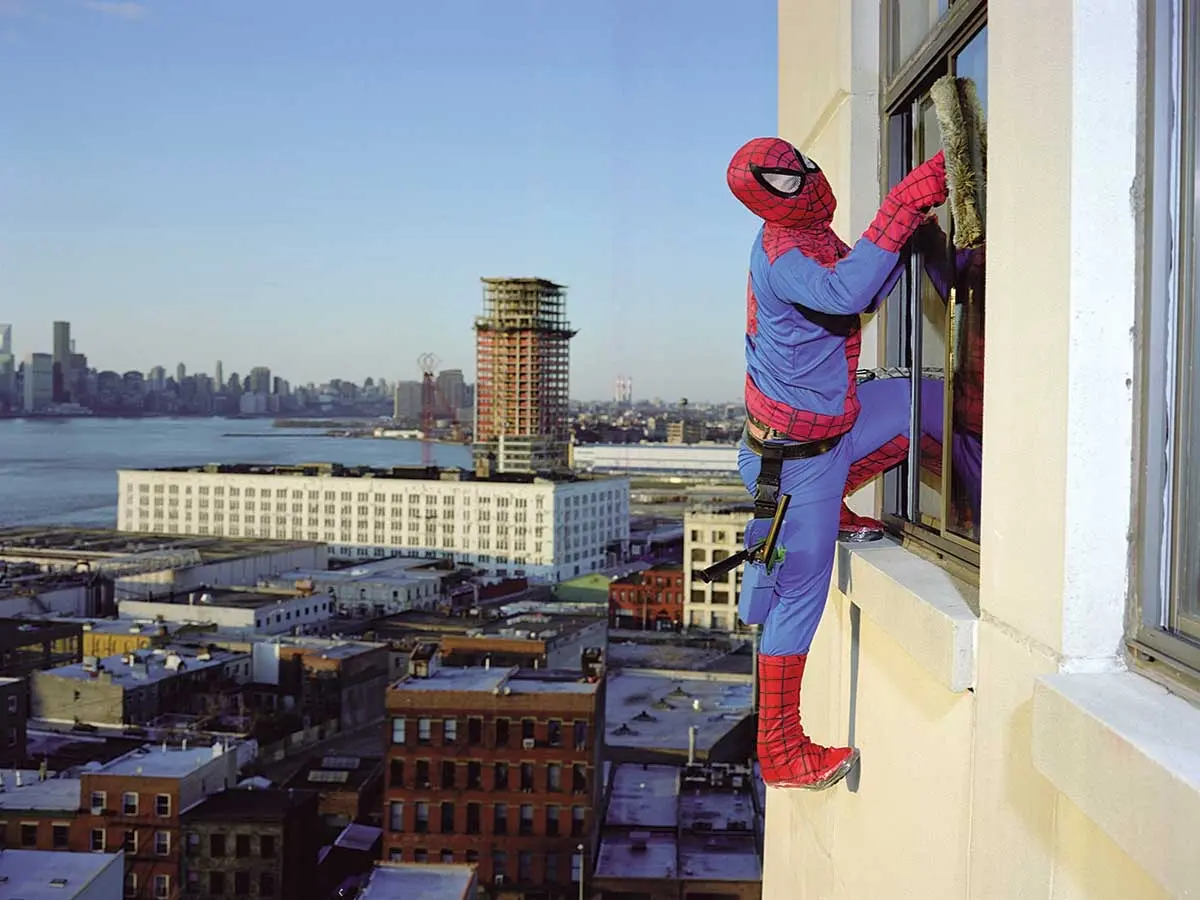
The series Home, by Andrea Aragón and Walterio Iraheta, documents the shifts experienced by home architecture in Guatemala and El Salvador under the influence of money remittances sent from the United States by those who have crossed the border. Fantasy transformations inspired by US television series set in fascinatingly ostentatious and eclectic mansions. The project that most captured my attention, however, was Los superhéroes (The Superheroes), by Dulce Pinzón, which, combining the masked-face traditions that emerged around the culture of wrestling with the growingly influential US subculture of superheroes, pays imaginative tribute to Latino workers in North America. They are, in truth, greater heroes than the bronze figures occupying public squares or monuments in their countries of origin, even if they work on such seemingly banal activities as cleaning the windows of a skyscraper, sweeping floors, or laundering clothes. These tasks involve such an accumulation of efforts, obstacles, and sacrifices, that it is entirely understandable for Pinzón to portray these workers costumed as Superman, Spider-Man, or Wonder Woman.
Detonar y develar: la fotografía mexicana circa 2015, (To Detonate and Reveal: Mexican Photography circa 2015), curated by the Hydra collective, can be described as a map within a map, in that it played for Mexico the same role that the group shows mentioned before played for the region as a whole. Indeed, Mexico is today a perverse condensation of many of the conflicts that tear the region apart, beginning with urban violence, which has reached its previously unimaginable levels. But Mexico is also jumbled and polyhedral, and its diversity was in good measure conveyed by this voluminous exhibition, full of dissonance but also of affinities and buried connections. Coexisting in it without mutual violence were Dolores Medel’s lyrical images with Karina Juárez’s representations of a catastrophe, and the raw naturalism of Joan José Herrera with the symbolism of Fernando Montiel Klint or Luis Enrique Pérez, to mention only the most salient contrasts.
The solo exhibitions at the festival made important contributions to the cognitive mapping we are exploring here. The most significant, without a doubt, was Constelaciones de lo intangible (Constellations of the Intangible), by Luis González Palma, curated by Alejandro Castellote at Fundación Telefónica. True: describing it as a photographic exhibition is clearly insufficient because this Guatemalan artist uses photography mostly as the matrix for the creation of artworks that are sculptural in character and, besides showing what they show, generate forcefully pronounced emotional environments or climates. In its way, the work of González Palma is the heir to the juxtaposition of aesthetic elements in the sacred Christian architecture of the Baroque. An avant la lettre realization of the Wagnerian “total work of art,” involving all the senses and offering an immersive, haptic experience. This was precisely the type of experience provided by this stunning exhibition, where the sepia tones and the darkened lighting of the photographs of indigenous women in Guatemala functioned as the key and cipher for a set of works dominated by chiaroscuro, anamorphosis, trompe l´oeil, and allegory, the Baroque’s preferred rhetorical resource.
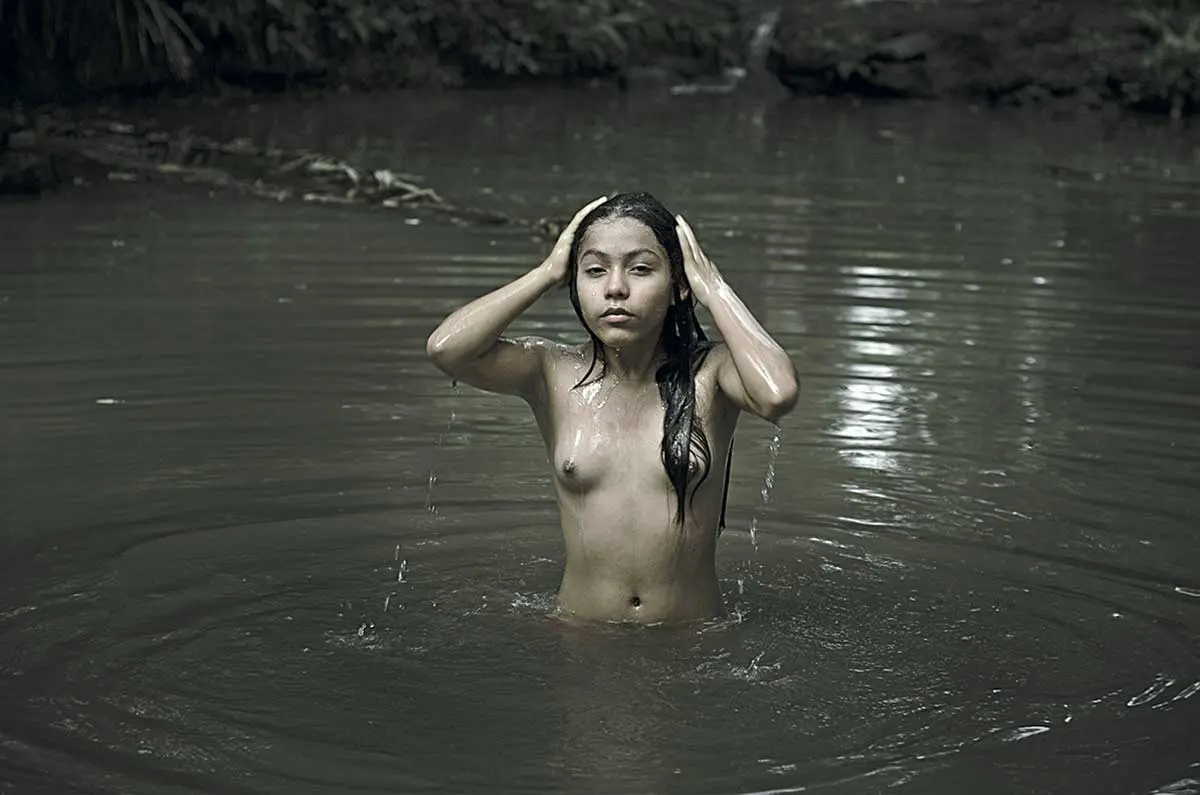
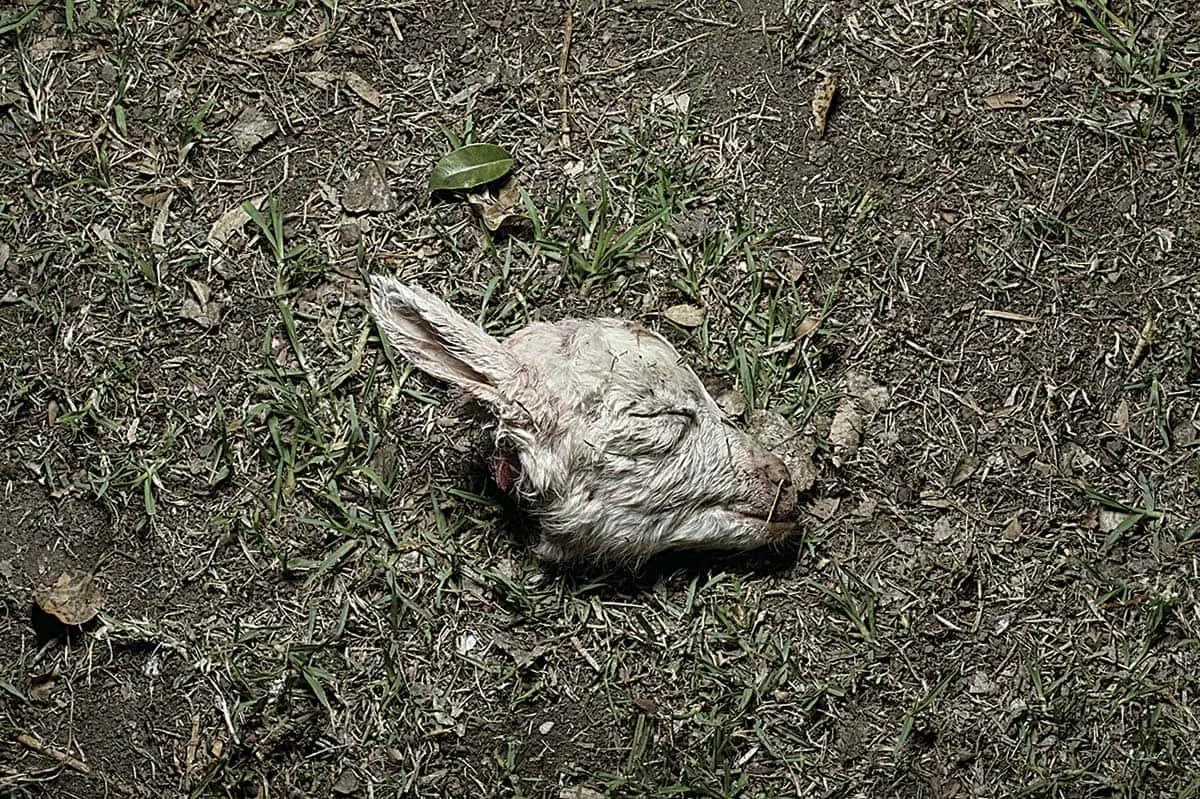
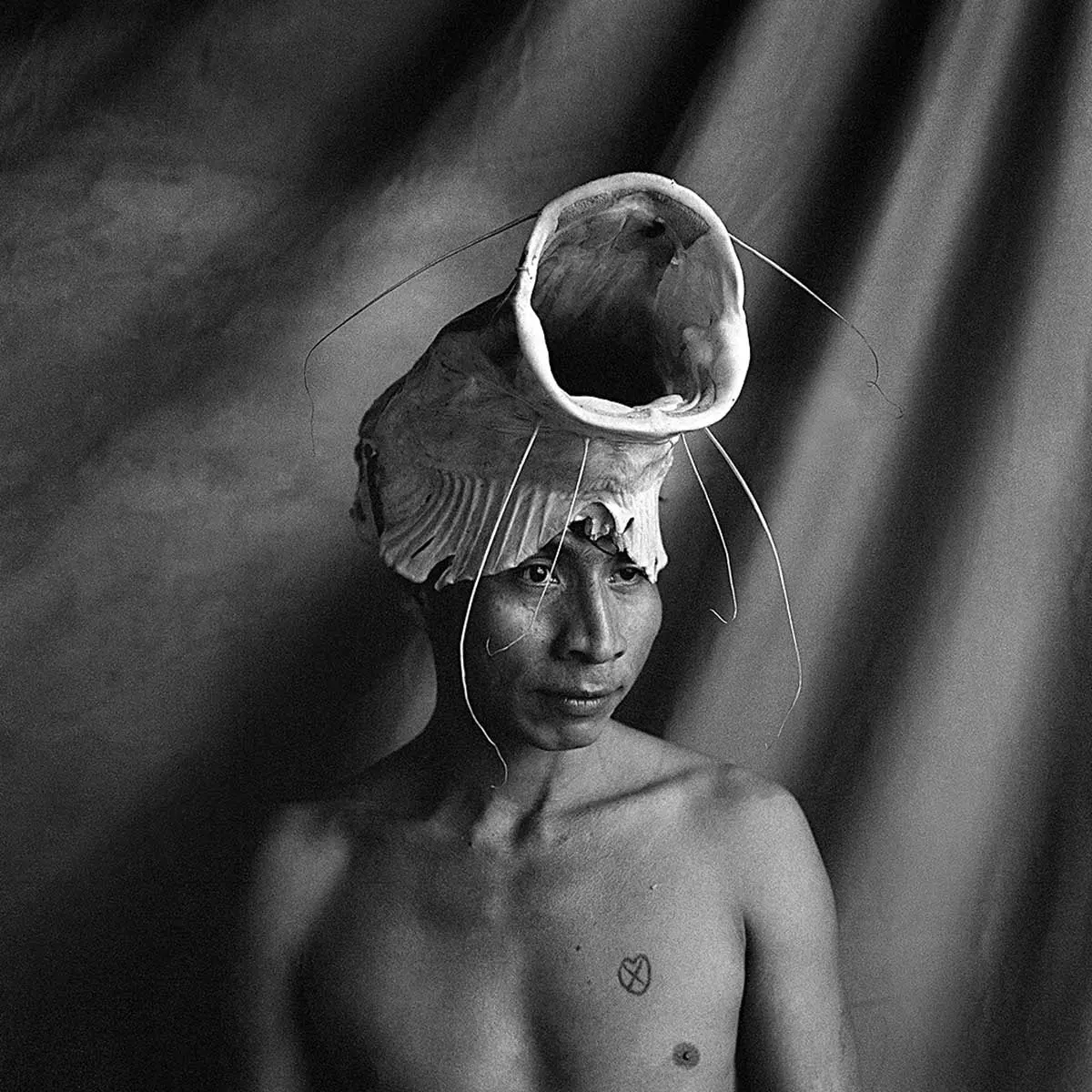
Where González Palma has opted for the stage apparatus of the Baroque in order to compose the image of a country whose majorities are comprised of the descendants of the original peoples, Peru’s Javier Silva Meinel has chosen Surrealist images for a similar purpose. Or perhaps even a more radical one, since the models depicted in his photographs on exhibit at Mondo Galería under the title of Proscenio (Proscenium) were mostly Andean or Amazonian indigenous individuals who retain in good part their traditional ways of life or live under a tribal regime that has only recently suffered the dissolving impact of colonization and modernization. Silva Mainel has transformed them into surrealist figures, in one case placing piranhas on the eyes of indigenous women, or, in another, trapping a younger woman between a huge dead pelican and a Sun-filled with fish.
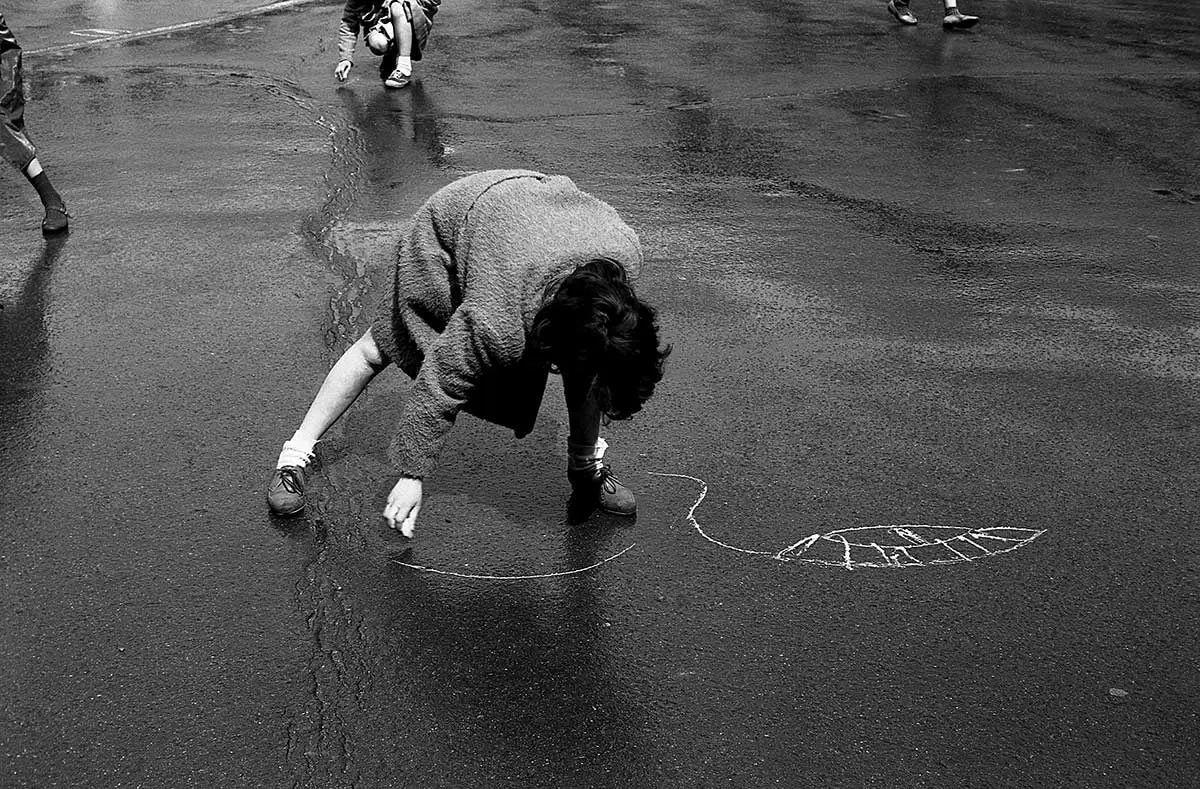
Mario Cravo Neto deployed a similar strategy in his exploration of the African legacy in his native Bahía, as could be appreciated in the retrospective Mitos y ritos (Myths and Rites), presented in the exhibition galleries of the Botanical Gardens.
Modern life cannot be absent in a Latin American cognitive map. And this is due not only to the fact that the leaders and spokespeople of the different political regimes coincide today in defending the modernization of their respective countries while differing substantially in how to achieve it but also to the permanence of the “modern tradition”, which remains alive in many ways in artistic and cultural spaces and institutions that, while accepting the hegemony of the post-modern, are today intent on reevaluating it. The exhibition devoted to the Argentinean group Forum, at the José de la Mano gallery, and solo shows like Un legado de luz (A Legacy of Light) at the Botanical Gardens, devoted to Julio Zadik, La poesía de la imagen (The Poetry of the Image), devoted to Osvaldo Salas and his son at Casa Zavala, in Cuenca, and the Pedro Luis Raota exhibition at the Lucía Mendoza gallery, bore witness to the strength of the modern tradition.
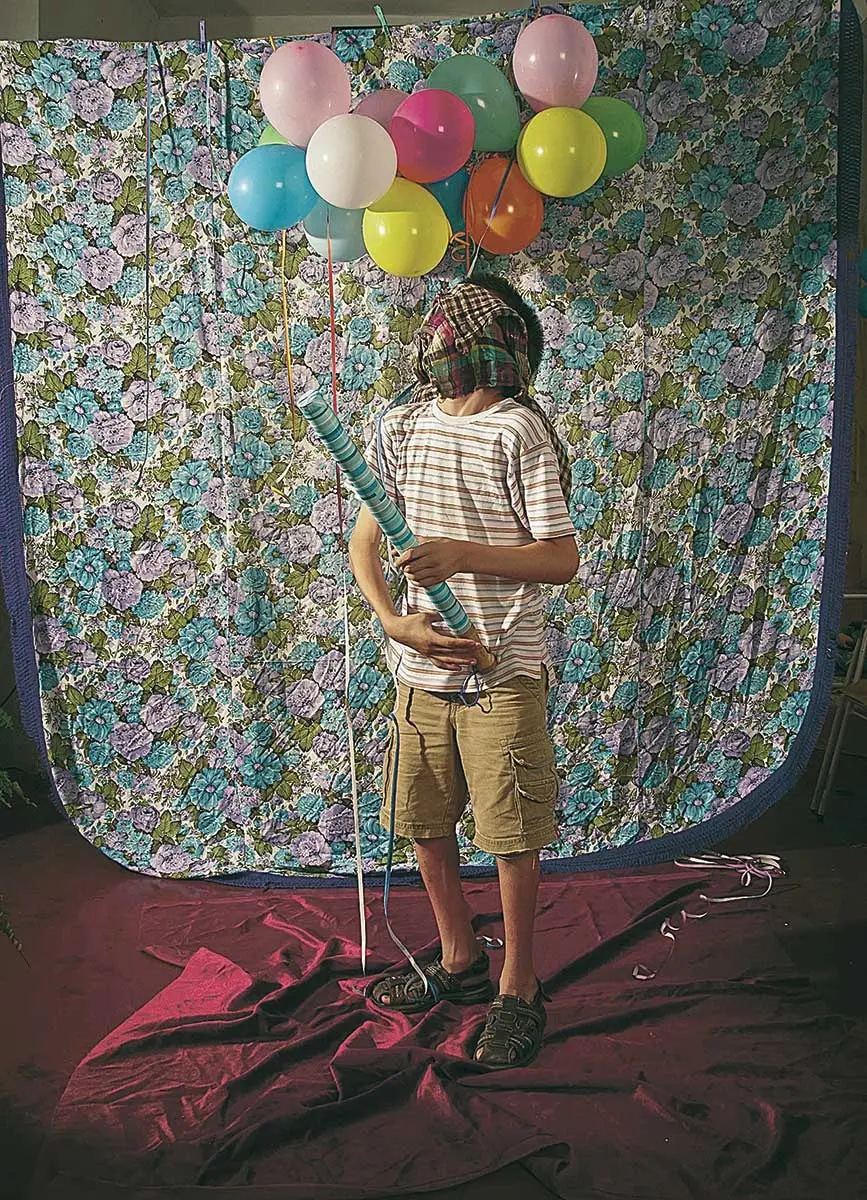
It must be noted that a cognitive map cannot be built without including the question of the subject. And I call it a question because in Latin America’s most urbanized societies the subject is subject to interrogation: after the facture of the onto-theological foundations of modern individualism, the contemporary subject is in perpetual search for itself.
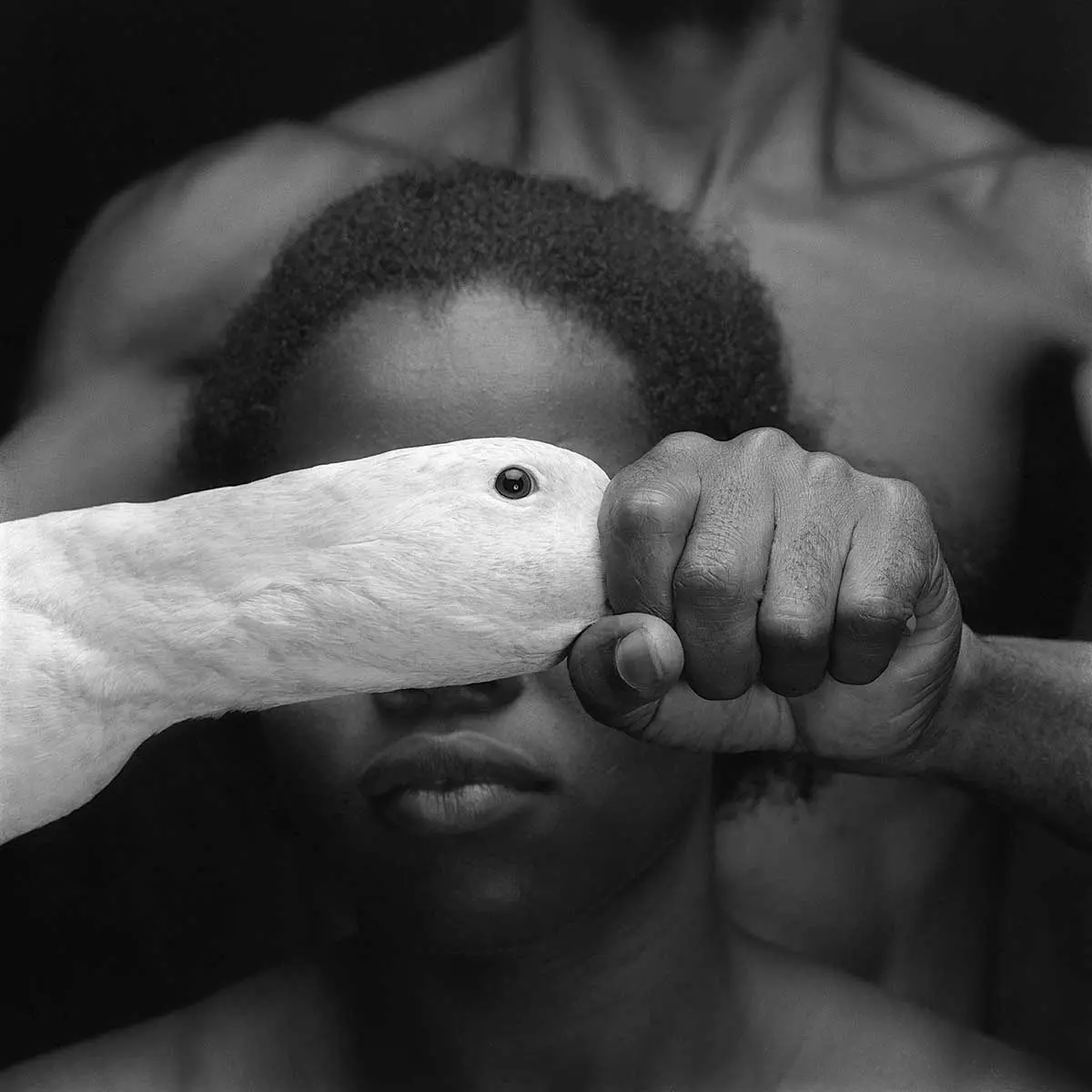
An exemplary case is Ana Casas Broda’s Kinderwunchs project at Círculo de Bellas Artes, where the question for the artist’s own kinderwunchs, her desire to have children becomes a long investigation of her childhood, the roles of mother and father, her emotional and sexual life, all providing the final achievement of motherhood a unique psychological density. The photographic images attesting to this fraught process are of a rarely seen visual power.
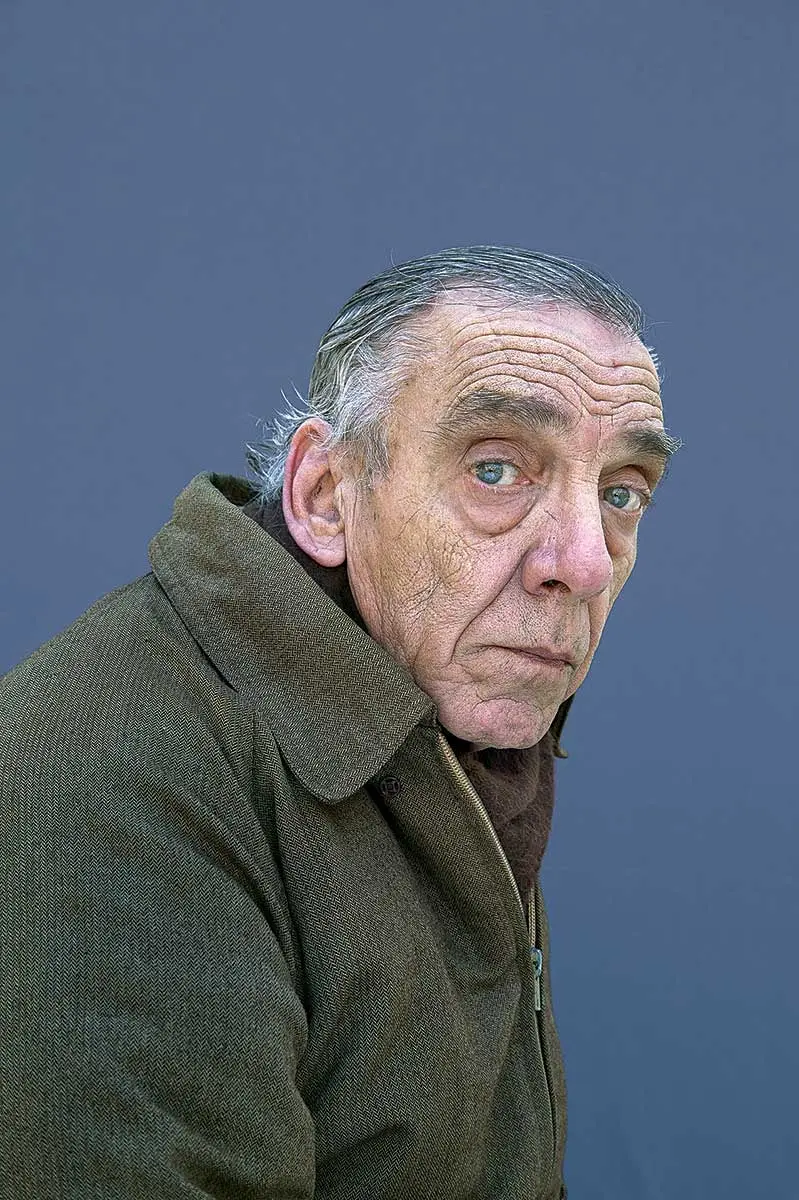
Similar questions are posed by Mariela Sancari, who presented images from her project Moisés at the Centro de Arte in Alcobendas. According to the artist’s own confession, her identity is doubly exposed. First, because she does have a double: her twin sister. And, second, because both Sancari and her sister were denied the presence of a father, who committed suicide while they were very young. The artist’s intention moves between the former redundancy and the latter absence. In order to exorcise the ghost of the suddenly disappeared parent, the artist made a public call for men between the ages of 68 and 72 whose appearance coincided with one of the last two photographs of her father and brought them to a studio in Buenos Aires’ Plaza Colombia. At the end of the project, she was distraught and disappointed, not having been able to complete the grieving process as she expected, nor to achieve the rare experience of true catharsis. But the photographs remain, unsettling us with their silence and their strangeness.
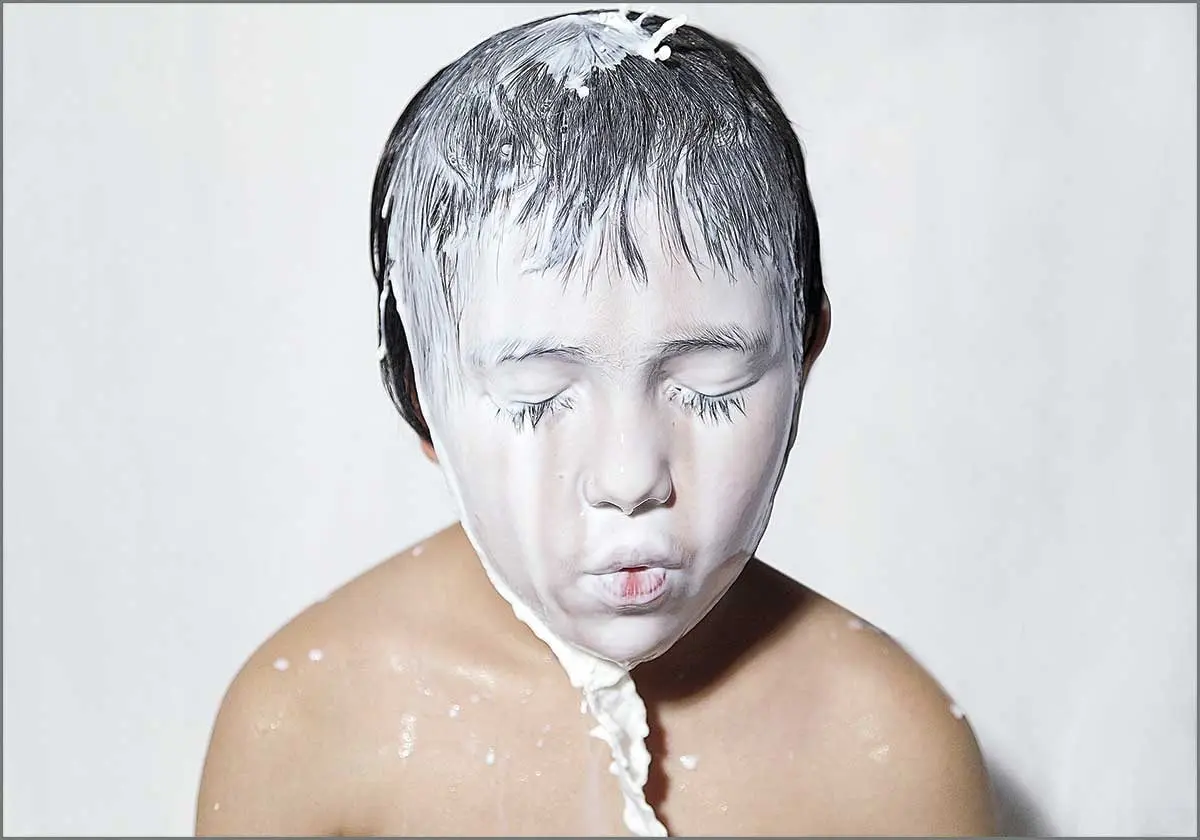
Finally, I must mention Paula Úsuga, who presented in Madrid a street performance where, kneeling down with her nude torso covered only by a string of onions, peeled this one by one to evoke the fact that she is searching for herself as a woman by freeing herself from the layers of stereotypes and obligations that traditionally have circumscribed female identity. The photographs take in the course of this action was on exhibit at the Magda Bellotti Gallery.
* Courtesy PHOTOESPAÑA.
CARLOS JIMÉNEZ
Essayist and art critic. Professor of Aesthetic. Author of Los rostros de Medusa. Un estudio sobre la retórica fotográfica.