
Ricardo Gómez-Pérez (Caracas, 1952) is a photographer with a long trajectory. Since his training took place almost exclusively in Europe, his works have been shown mainly in the old continent, with some exhibitions in Canada, Peru, and Venezuela notwithstanding. For this reason, the exhibition of his recent work was an excellent opportunity to be reintroduced to his vision and rediscover the insightfulness of a gaze deeply aware of the revealing power of the photographic image.
On this opportunity, Gómez-Pérez surprises us with a series of pictures captured with his cellphone camera. This decision to leave the professional gear behind represents, in a sense, the recognition of the popularization of the photographic practice and its possibilities as a result of the democratization of new technologies.
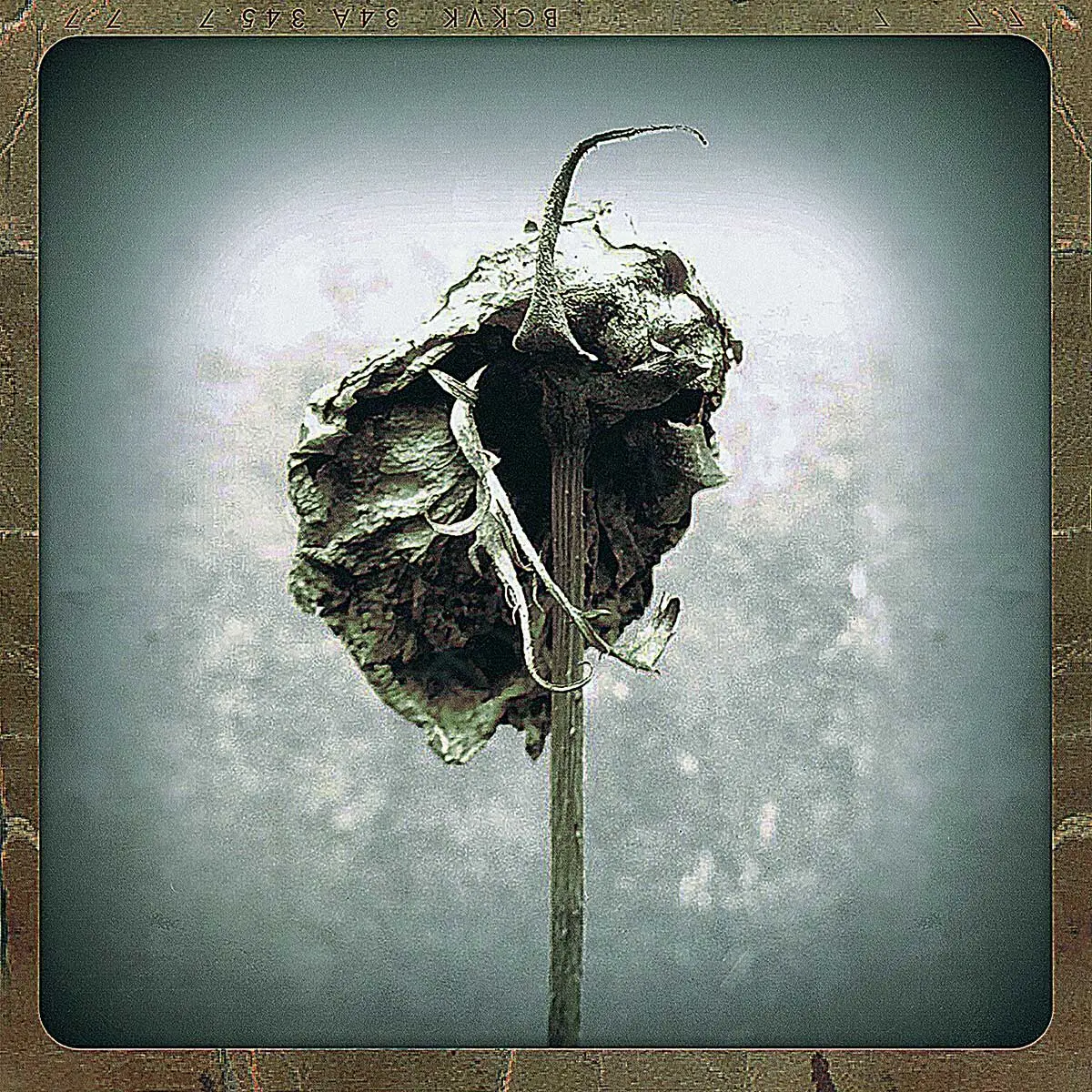
The interesting thing about Gómez-Pérez is his ability to transform “usual routes” through the city into a record of extraordinary places, objects, and spaces. He turns the urban chaos into poetic images through the alchemy of his gaze, which is nothing other than the transformation of what he captures externally into images that convey something insightful and unexplored. In Gómez-Pérez’s photographs visual waste, worsened by the city’s consumerist practices, is amplified to an artistic vision filled with beauty; like flowers in the trash, beauty as life and singularity amid the chaos and the menacing precariousness, in a city that, like Caracas, lives on the brink of unreason.
The exhibition was curated by Ruth Auerbach and was divided into three series: Botany, Objects, and City.
The Botany series in a way explores the images of the city’s vegetation. In this sense, it stays away from the bucolic and focuses on what is left of the vegetation: the dried flowers falling on the sidewalk or withering in a public pot, the bulbs remnants found across a path, broken spikes that invite us to draw with their lines, etc. As Auerbach points out, there is something of Karl Blossfeldt and Joan Foncuberta in Gómez-Pérez’s pure and direct approach to plants as objects. But his works are differentiated by a vehemently aestheticist and sorrowful look that seeks to extract the beauty hidden behind symbolic visions of the death of nature. A flower, once beautiful and now withered, shows its dilapidated and forgotten magnificence against a nondescript wall; the radial center of a palm tree, a lackluster bulb on the floor, a flower losing its petals, are several of the images by Gómez-Pérez in these disturbing photographs.
The Objects series is closer “to the questions of the unconscious and the surreal nature of his interpretations,” as pointed by Auerbach in the catalog that accompanies the exhibition. His processes are close to those in the Botany series in that Gómez-Pérez finds the discarded object and captures it to magnify and explore its expressive attributes. The examination of the city through its cracks and crevices results in images full of connotations. The photographer recovers even the most insignificant forms of waste, such as a few meaningless pieces of paper, which the artist renders as an abstract composition within the photographic frame—like a child that is able to play even with the most precarious things—perhaps paying a silent tribute to the interior space that deals with the perishable. A corner with superimposed metal scrap fragments, a half-consumed cigar, and some pieces of the wood board. Sometimes his inquiries disrupt the object image found so much that we hesitate to identify it and rediscover it as something completely new.
The City is a fascinating series because it involves urban architectural space. Here the intimate visions of Gómez-Pérez are expressed through the portrait of areas that are hidden in the tangle of concrete and glass of the city. It basks in those places that only the architecture of the city can provide, with its clean lines and finished surfaces. He contrasts the straight lines of the buildings whose heights intersect the open sky of the tropics. In some photos, the polluted atmosphere provides a mist that agrees well with the internal mood of his proposal. The ambient light and the shadows in the interiors and the transparencies and juxtapositions of the windows take center stage in this series in which the city emerges in its entire dark splendor.
The photographs that conform to this beautiful and amazing exhibition are an expression of a contemporary and deeply urban way of looking that reveals a particular disenchanted, perhaps sordid, sensitivity that at the same time is hungry to find meaning.
KATHERINE CHACÓN