
Visitors to the galleries housing Strange Currencies—an exhibition focused on social tensions as drivers of new artistic forms of expression in Mexico during the decade 1990-2000—immediately feel submerged in a multifarious apparatus of experience. The exhibition unfolds in several connected spaces and features around eighty works by twenty-eight artists: an intense course that requires more than one visit and prompts reflections about the unstable, altered, subversive, irreverent art that emerged from the social context mentioned above. The Moore galleries also use the word cynicism to describe not only the artistic product but also the political provocations that marginalized, in economic terms, a large portion of the population and helped increment the level of violence in the country. The work of these artists is infused with conceptualism. Moving away from traditional materials, eschewing all concern for traditional forms (like framing or durability), and incorporating the rituals of time and technology, the artists in this exhibition underscore sociological reflection, portray the deficiencies of alienated society, and, in their way, settle scores with those responsible. The title implies a view of the state of the art market, which is by 1980 was fully contrived and filled with newly arrived speculators. Meanwhile, the pricing of the productions in Strange Currencies must be invented from scratch, because the usual elements on which the evaluation of art is based are inverted here.
In the midst of an accelerating process of globalization, there emerged destabilizing practices set outside the usual spaces of expression. In the habitual circuit of the exhibition, Strange Currencies appears as a record of actions, installations, and various kinds of work of art that, by their own design, did not last in time. These works are complemented with documents such as photographs, videos, and print materials, which provide the necessary context for the situation. The exhibition is held in the galleries of Moore College of Art & Design, which was established in 1848 to serve an exclusively female population. For the specialized institution’s students, contact with this exhibition will be deeply pedagogical. The galleries are open to the general public as well.
The exhibition was curated by Kaytie Johnson, the Rochelle F. Levy Director and Chief Curator at the Moore Galleries, and is the result of Johnson’s many years of research in Mexico. “I traveled to Mexico in the 1990s and I think that this could have only occurred there. The situation is so unfamiliar in Philadelphia that we had to provide a very specific historical context in time and space.” Evidently, the curator perceives the wide gap separating two cities so radically unlike each other. And she was able to have this exhibition put its US audience in a kind of idea blender and an earthquake of aesthetic formalities. Emphasizing its educational aspect, the exhibition includes a forum and a series of satellite exhibits in artist-managed spaces. The forum travels through the United States via independent art groups, and its goal is to explore what it means to be “alternative” and how one can remain in that situation. Anyone interested in exploring the issue can visit www.alternative-currencies.com. Also, a program of film projections and the launching of non-traditional publications help support the exhibition between September and December 2015. The financial support of Mexico’s Foreign Relations Department, The Pew Center for Arts & Heritage, the Mexican Cultural Institute, among others, made Strange Currencies possible.
The artists featured in the exhibition at the time of its opening are Eduardo Abaroa, Francis Alÿs, Gustavo Artigas, Iñaki Bonillas, Miguel Calderón, Abraham Cruzvillegas, Minerva Cuevas, Claudia Fernández, Thomas Glassford, Silvia Gruner, Daniel Guzmán, Jonathan Hernández, Gabriel Kuri, Teresa Margolles, Taniel Morales, Yoshua Okón, Fernando Ortega, Luis Felipe Ortega, Vicente Razo, Daniela Rossell, Semefo, Santiago Sierra, Melanie Smith, Sofía Táboas, Laureana Toledo, Pablo Vargas Lugo, and Lorena Wolffer.
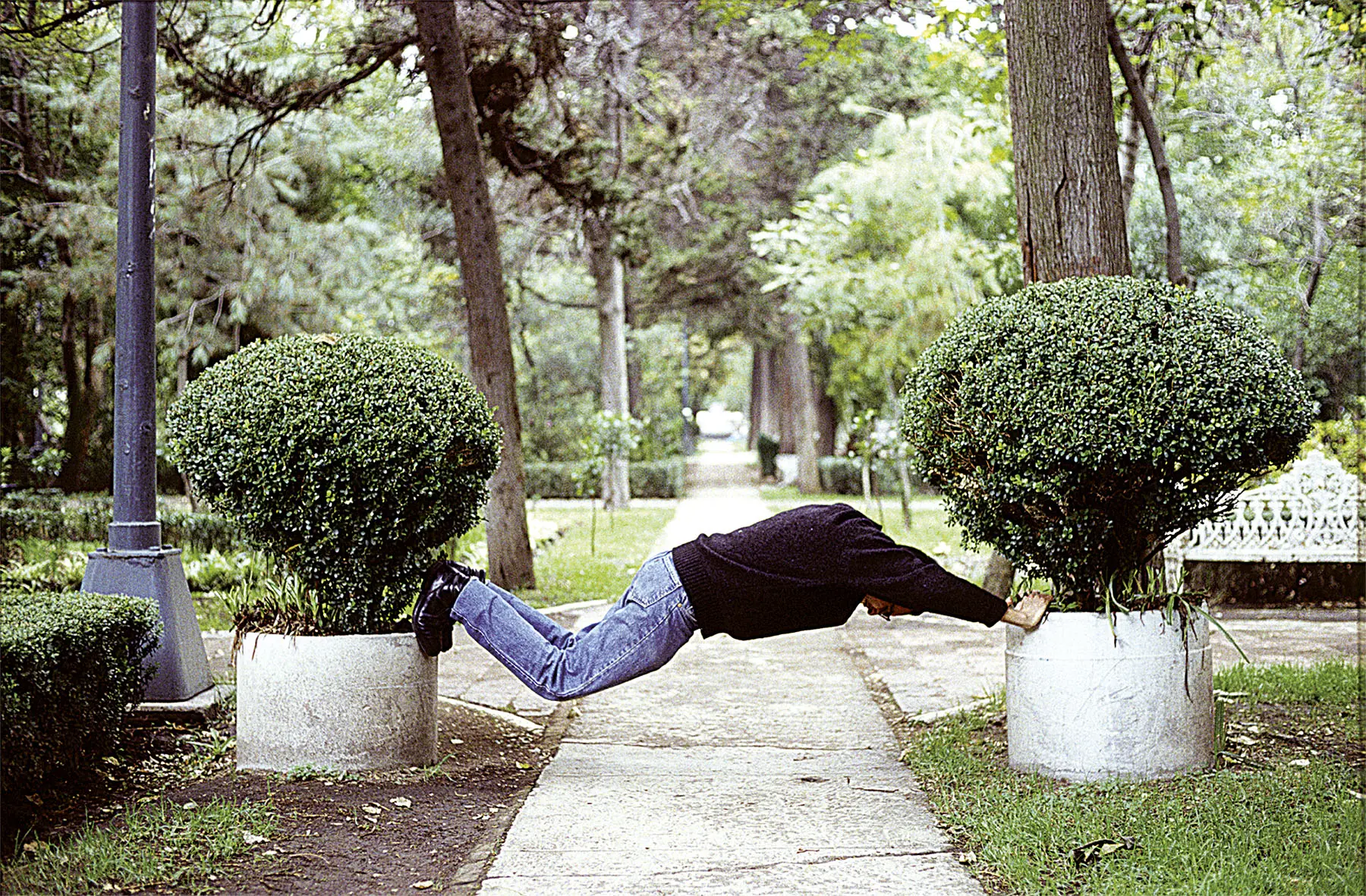
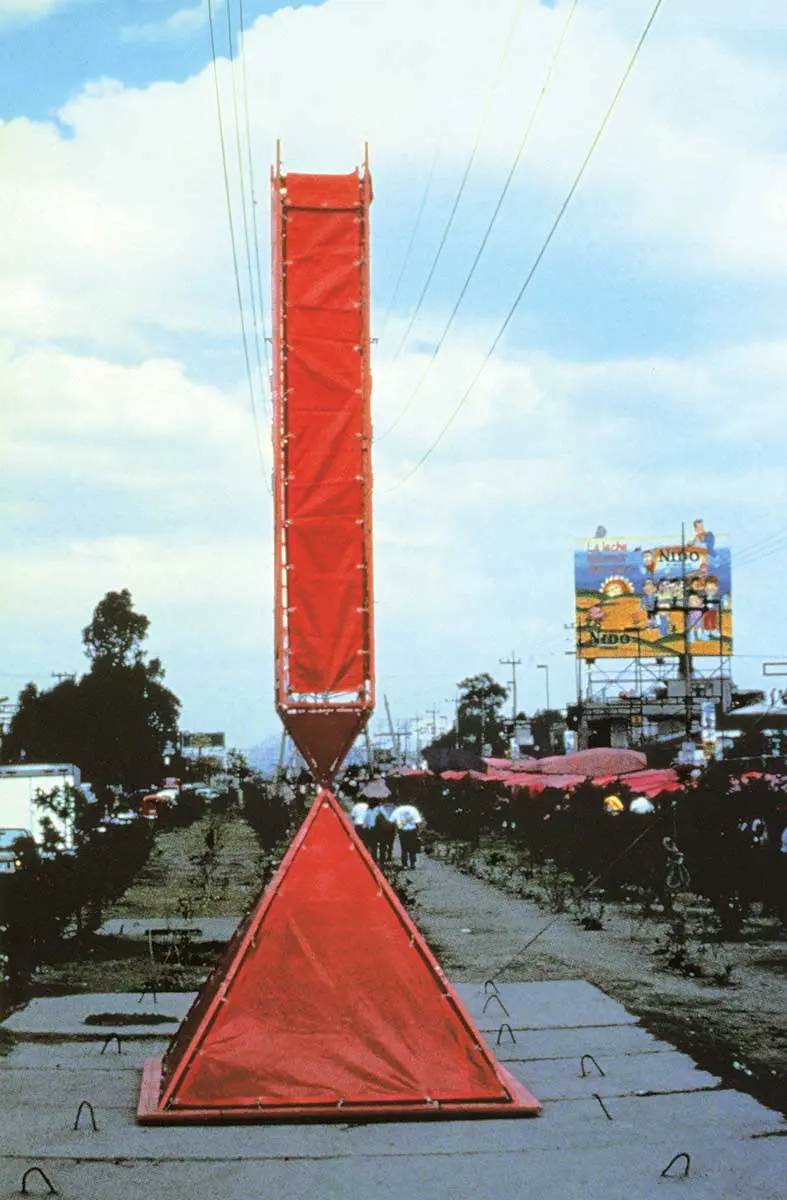
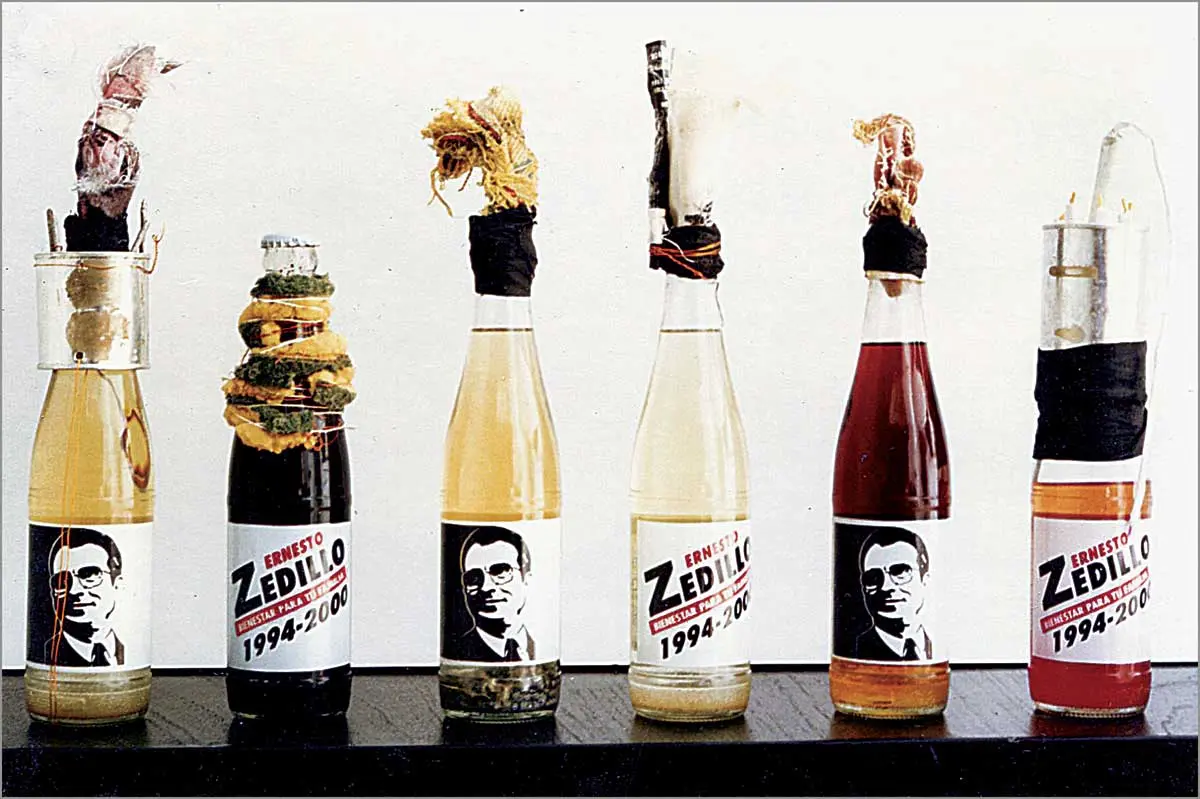
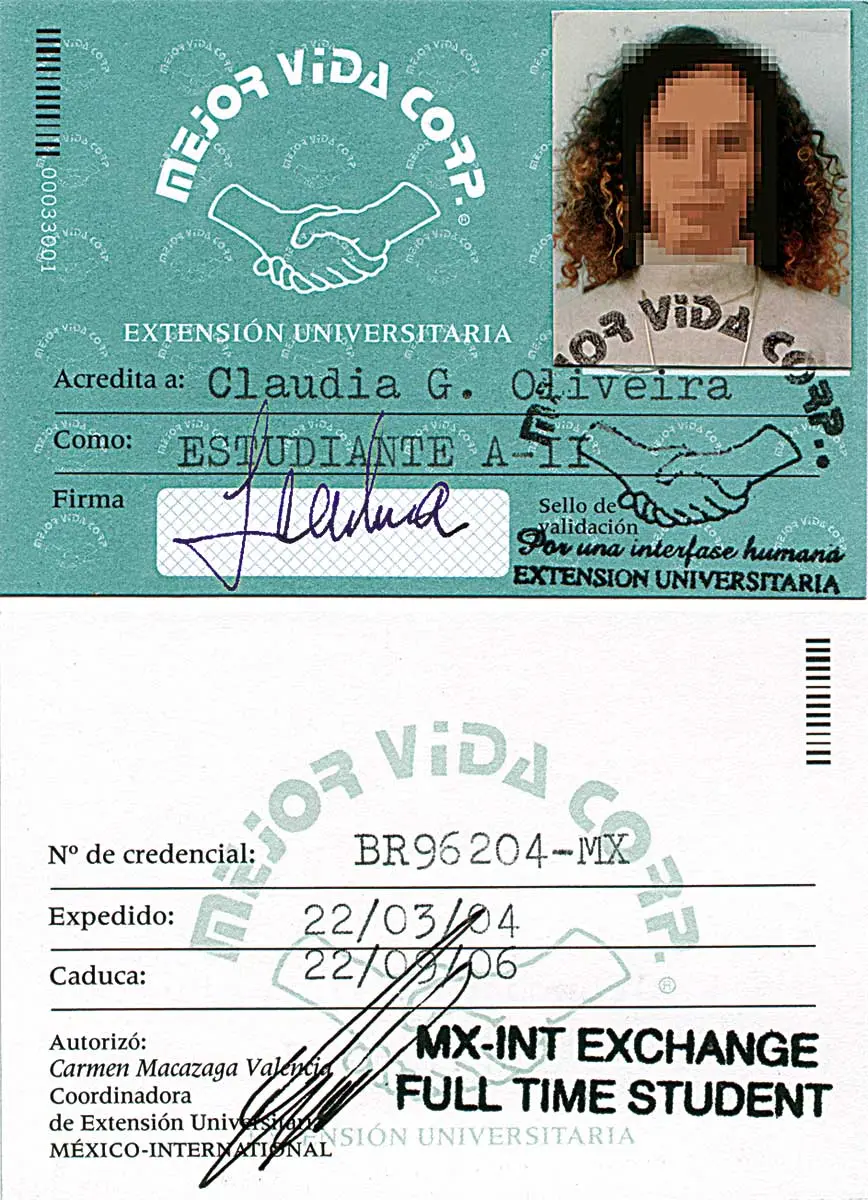
Obelisco roto portátil para mercados ambulantes (Portable Broken Obelisk for Ambulatory Markets), 1991-1993, by Eduardo Abaroa, is one of the no longer extant works that were recreated for this show. This indicates a high degree of care and an intense dedication put into the effort to make the process understood. Not every artist accepts to have one of his or her ephemeral works brought back into existence. There are cases in which convincing them requires extensive talks. Francis Alÿs, a figure well known to our readers, is also present; how significant it was for this artist to arrive in Mexico, where he found the nourishment for his many videos, street actions, and photographs. The work of Marco Arce is dominated by creative obsession; in the 120 works that comprise Mis aventuras en el espacio (My Adventures in Space), from 1996, Arce worked with such varied media as doodling, drawing/painting, collage, digital technology, oil paint, and varnish on wood. In turn, by the 1990s Silvia Gruner had already exorcized several monsters via performance, video, and photography; in her, the tension of the situation is expressed through the cutbacks of someone in search of the ephemeral. Minerva Cuevas has conceived an enterprise; or, to be precise, many. Mejor vida corporation (Better Life Co.) is an installation of a student I.D. card. Installations, site-specific works, and videos are her most frequent means of expression. Her motivation is to push and prod industries, institutions, and governments that are not responsive to their social responsibilities. Luis Felipe Ortega is present with videos and photographs from the series Reports sanitariums (Sanitation Reports) and Cuero’s docile (Docile Bodies), respectively. The latter include tubs, in one of the clearest and most naïve metaphors for social mobility.
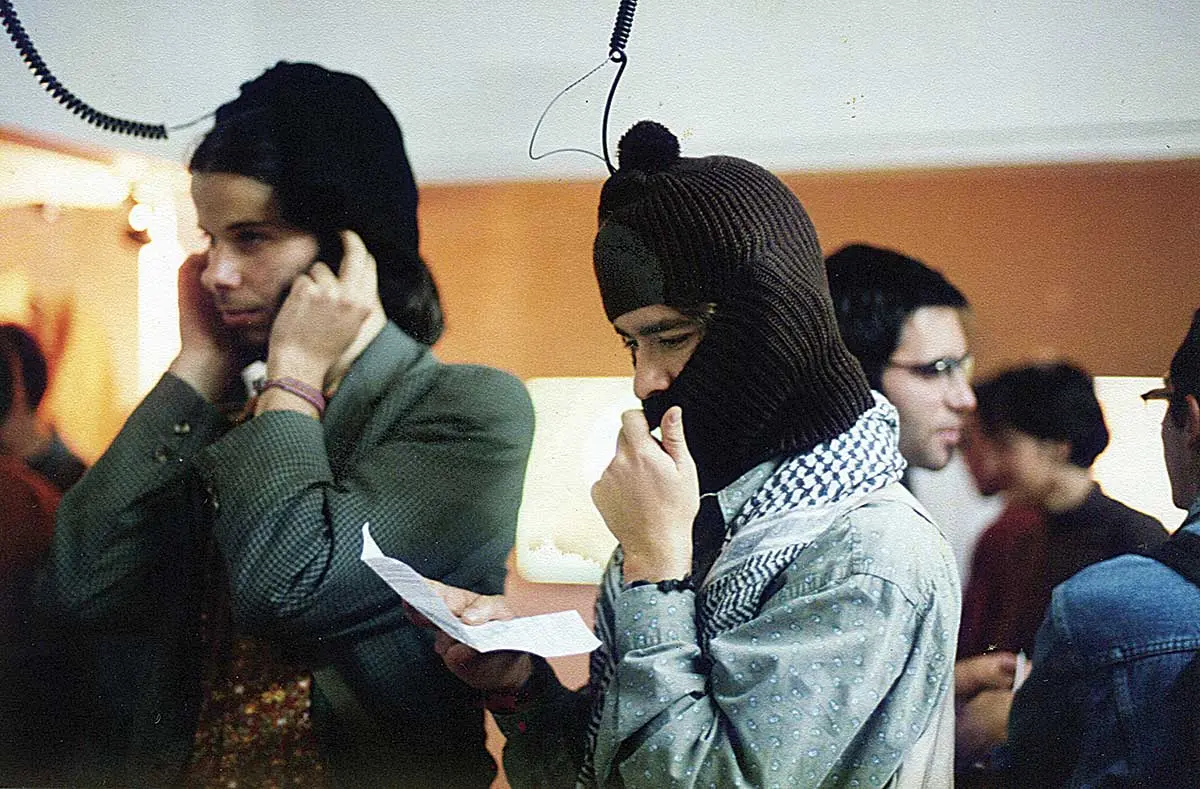
Yoshua Okón worked on the boundaries between the fantastic, the real, and the documentary in the video. Fantasy emerges from the alteration of his videos, which are based on sociological practice and ask questions of the population or incorporate marginal individuals with opposing tendencies, among other pointed situations. A proposition (On Purpose), from 1997, made with Miguel Calderón, presents a video installation focused on a 52-second sound loop from 120 stolen car stereos. Sofía Táboas has worked her flowers in the most diverse materials as if recycling something unable to recover its freshness but offering the hope that it could. At the Moore galleries Spectra (Specter), from 1993, comprised of carpet, wood, and vinyl, a wall installation in variable dimensions. And Anillo-vitamina-champú (Ring-vitamin-shampoo), made the following year, which includes 75 little boxes of acrylic rings, shampoo, and vitamin E, all productions of an artifice-based society that both in original and copy touched the two extremes of the social pyramid. With her book of poems from 1997, is present with a selection of 74 pages, bound and worked with color pencils. With Self-Portrait I, from 1992-2012, she is present with an installation of photographs, tickets, boxes, and archives of rock music. It is one of the most romantic works in the exhibition.
The photographs, videos, zines, and objects created by these artists make reference to the subjects explored by each at the time, such as social inequality, gender, social class, urban topics—let’s remember the great 1985 earthquake—symbolic capital, fierce violence. The music of the 1990s and the era’s independent publications, several of which are impossible to find today, were also present in the exhibition. In synthesis, alternative culture, the forum’s central topic, was also the central topic for the exhibition. During that decade, in comics and cartoons, the relationship between formal graphic design and critique were intertwined. And self-publishing expanded the effort of the mimeograph used two decades prior by Mexican artists to help people with no means of expression find a voice. The curator planned large information cards so that the audience was able to read them easily and learn about the content of each module in Strange Currencies. This is becoming more and more common but is still not a basic norm. The elitism of the small informational card is still used, demagogically, by most museums and institutions. Given that this is an educational institution, it is good that it sets an example, and it is to be hoped that the example spreads.
Some of the participants came or will come to the show. Some have followed on a similar path, but most have not. Fifteen years after the end of the period under analysis, there are those who continue to use plastic bottles, publish e-Zines, and, of course, make videos and photographs. Social critique hasn’t vanished, but its presence is less explosive or has been worn by its lack of tangible results. During the decade explored here, the materials of art, in part, were garbage. The duality of the medium and of temporality continues: these artists exhibit their work both in interior spaces and in the street, and produce both ephemeral and enduring works. The need and the will to refer to uncertainty opened up the paths of the artists in Strange Currencies. To situate the participants it is relevant to know that they belong to two successive generations and that several of them are the children of visual artists.
GRACIELA KARTOFEL