
Casa Daros, a cultural center inaugurated in March of 2013 in Rio de Janeiro’s south section, is in its last weeks of operation. The center’s directors issued a press statement last May explaining that the collection will continue to expand, but space itself will close. Later, the media reported that the Casa Daros building might return to its previous function (memorialized by Rosangela Rennó in her 2014 exhibition) housing an elite school to serve the upper-class population around it.
It is difficult to set these facts aside as we visit Cuba: ficción y fantasia (Cuba: Fiction and Fantasy), the final group exhibition in this building. Curated by Hans Michael Herzog (Chief Curator for the Daros Latin America Collection) and Katrin Steffen, the exhibition, according to its press announcement, is not intended to “offer a comprehensive overview of artistic movements in Cuba, but to offer an excellent insight into the most important facets of this production in recent decades.” With more than 100 works by 17 artists and a temporal arch that goes from 1975 to 2008, the show encompasses a variety of points of view on the triangulation suggested by its title, between Cuba, fiction, and fantasy.
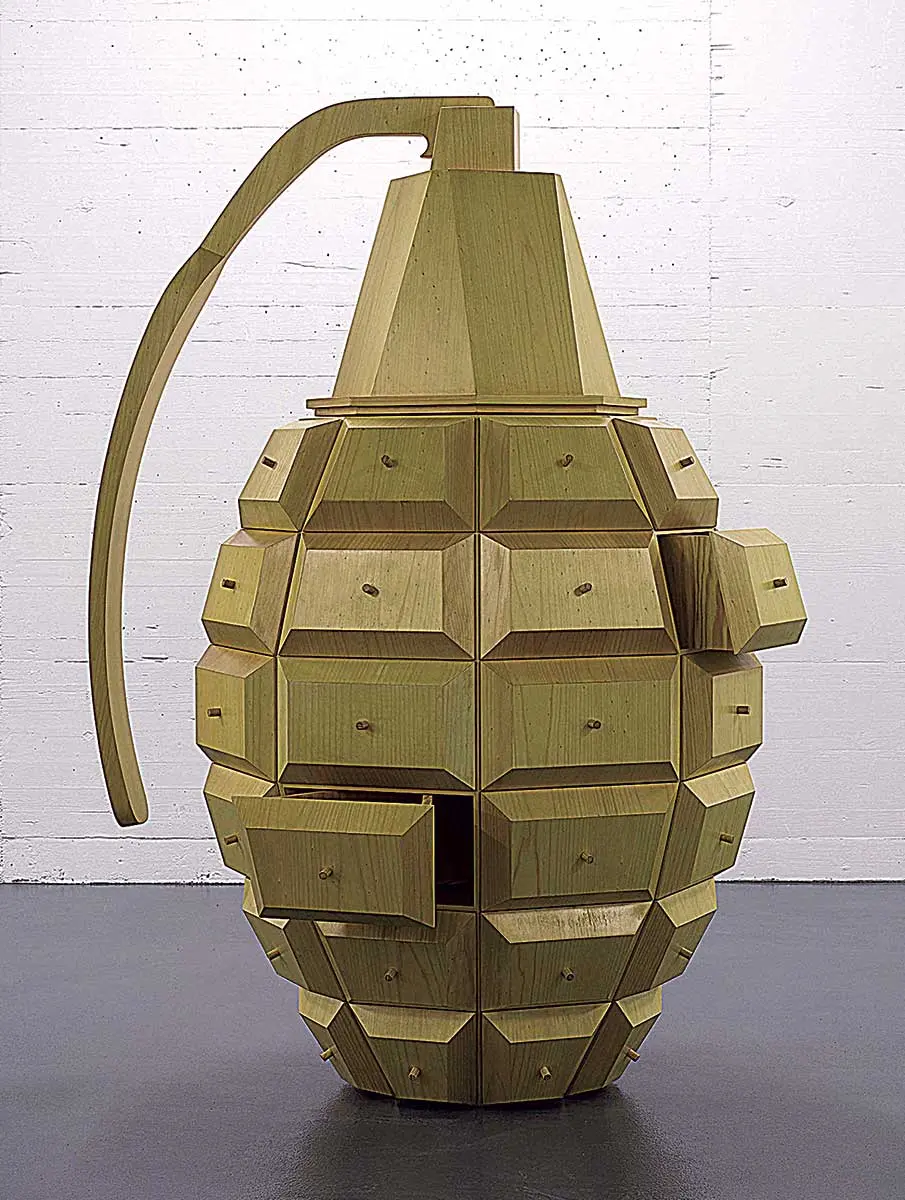
At the entrance to the exhibition galleries, next to the ticket booth, was Granada de mano (Hand Grenade, 2004), a large-scale work by Los Carpinteros, a Cuban duo with one of the most significant international presences among the participants. Worked in wood, the material for which they are known, this representation of a grenade is configured to be “at hand,” since it features a series of crates that give the work volume. It is at least ironic to be confronted with a grenade at the entrance to Casa Daros, knowing that it will soon cease to exist.
Moreover, we recall Fernando Arias’ Lego Coffin (2000), featured in Canta cuentos colombianos (Colombian Song Tales), the first exhibition in this space, similar to the current one but focused on the artistic production of Colombia. From the toy coffin to the boxed-up grenade, Casa Daros exploded and is burying itself away from public view, singing its swan’s song with a new overview of artistic production in a geographic space that will always be “other” both to Switzerland, the country where the fortune behind this collection originates and to Brazil, the country where the cultural center was physically located.
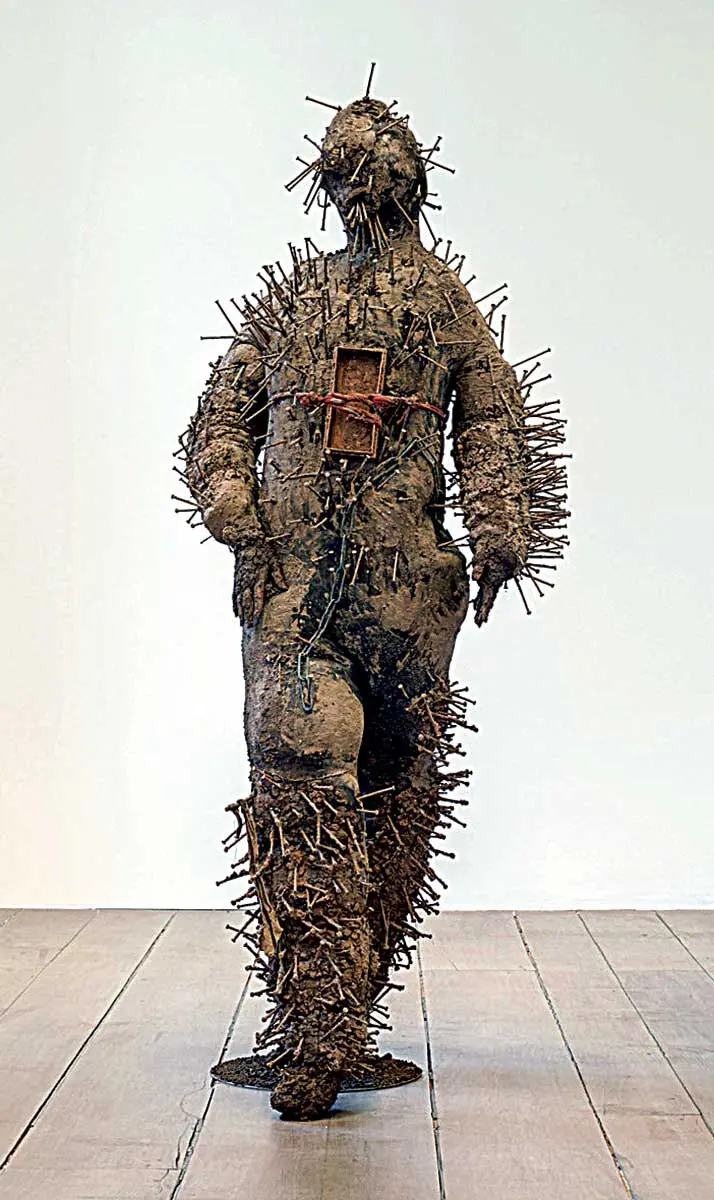
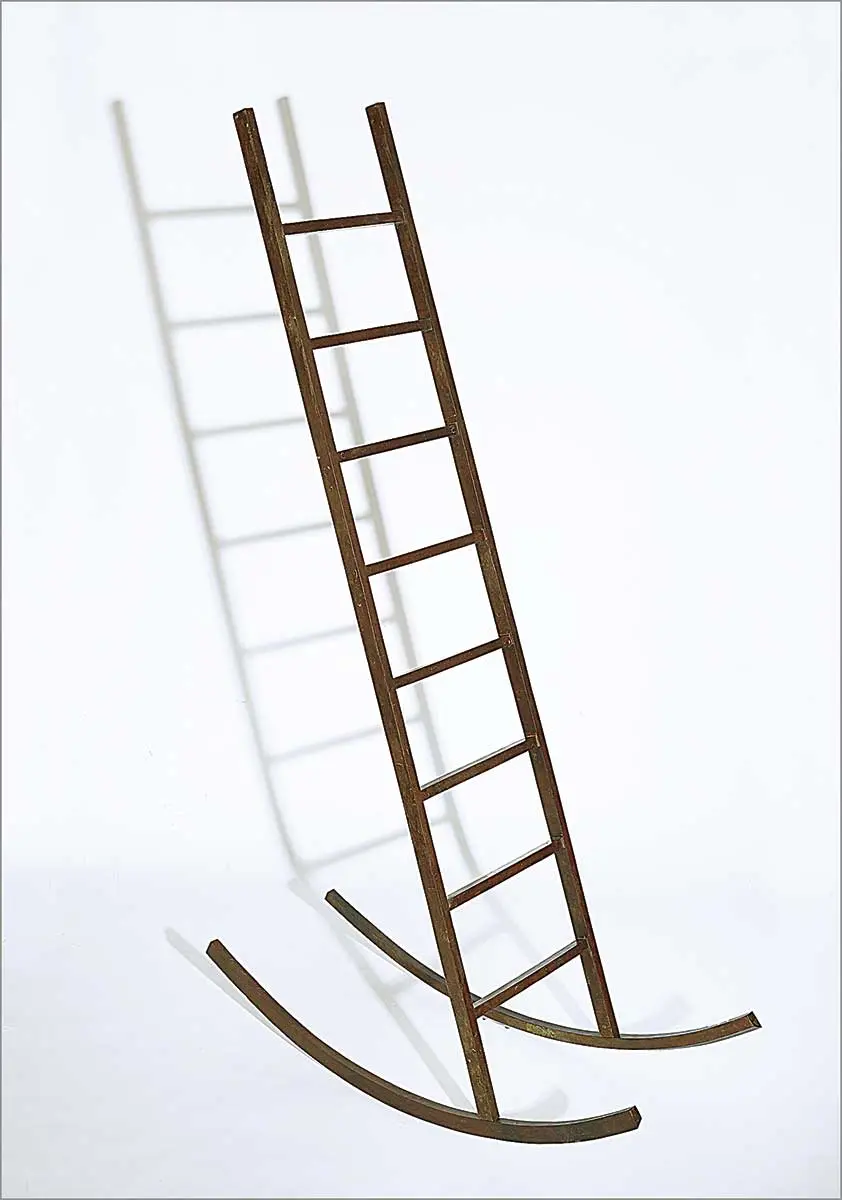
On our way to the first gallery, Yoan Capote’s sculpture Voluntad de poder (Will to Power, 2013) helps introduce the tone that will suffuse the entire exhibition in its approach to the notions of fiction and fantasy. It is interesting to note how the organization of the works on exhibit around this topic seems indebted to studies about the relationship between image, literature, and Caribbean surrealism presented in explorations of modern and contemporary art in Cuba, Haiti, Jamaica, and Martinique.1 Rather than denouncing Cuba’s socio-economic situation in a demagogic or fetishistic manner, these works from the Daros collection point towards a visual culture that could perhaps be framed by those narratives of local surrealism and of artistic forms that mimic reality while distorting it with oneiric and fable-like elements.
A central object in Yoan Capote’s sculpture, the bronze ladder, refers iconologically to ascent, to a change of state, and also to power, as the title indicates. However, when the object is added to the structure of a rocking chair, we perceive the gap between a yearning for power (the “will” of the title) and achieving socio-economic ascent. Similar considerations are present throughout the first gallery, devoted to works from important moments in the career of Los Carpinteros. On exhibit in this space are, among others, the sculpture Retiro médico (Medical Retreat, 2003) and the drawings of Capitolio (Capitol, 1997), which critique the relationship between power, architecture, and religion, on the basis of the iconography of crates and their association with construction projects. From there, Los Carpinteros are able to propose reflections that seem political and concerned with Cuba’s situation but are always posited through a monumental form that is immediately legible by the viewer. This last fact certainly helps explain Los Carpinteros’ success in Latin America and beyond.
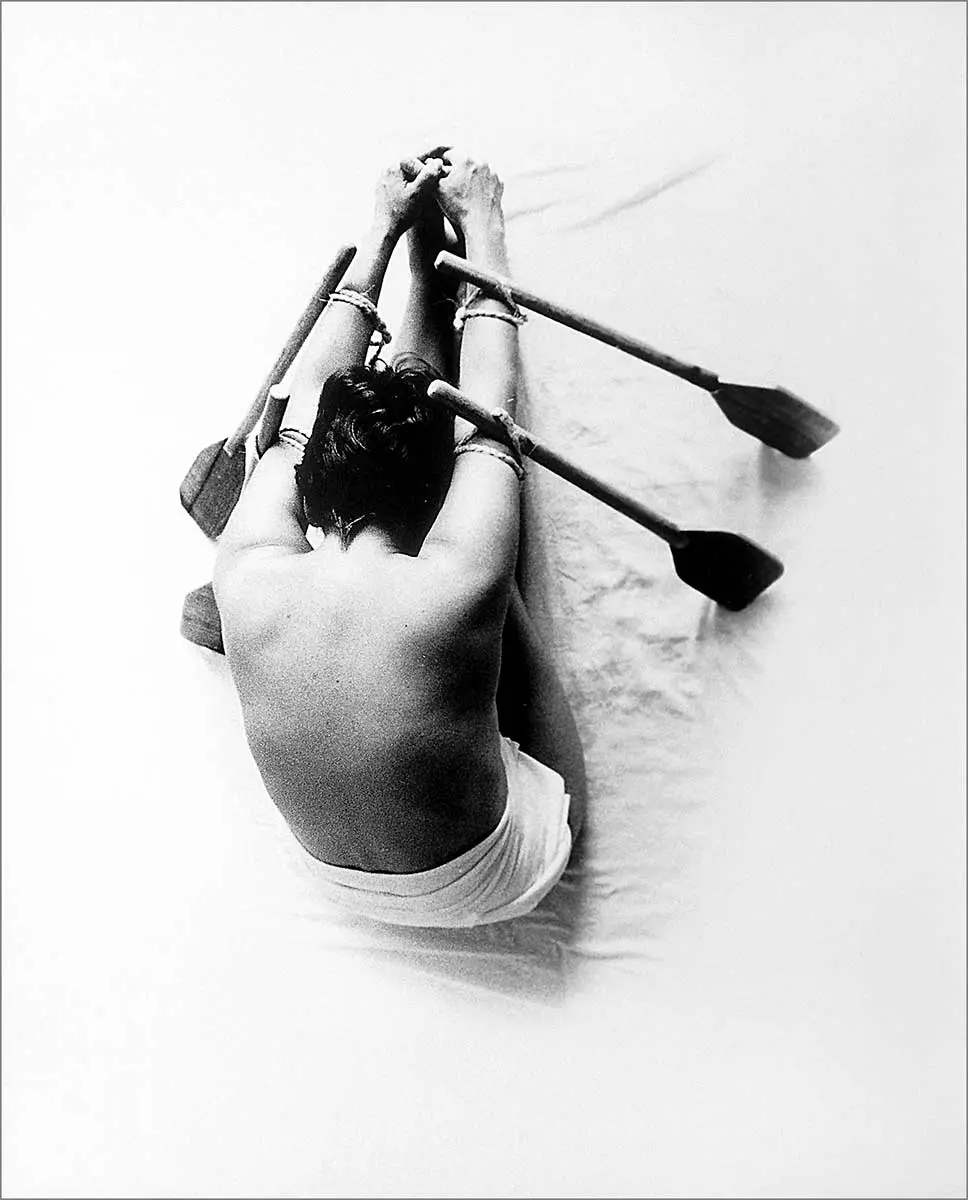
The next room featured works by Javier Castro, a video artist from a younger generation. Moving in a different direction from the monumentality and the almost classical clarity of Los Carpinteros, Castro works with anthropological recording, generally made in the Old Havana neighborhood where he lives. The precariousness of the videos and, at times, of their editing, contrasts with the spontaneous verbal power of the interview subjects. Far from uncomfortable, these individuals seem very much at ease with having their images and their humorous words recorded. The microhistories registered by the artist can be read both in connection to Cuban identity and outside any specific geographic inscription. A good example of this is Más allá de las luces que veo (Beyond the Lights I See, 2007), where Castro recorded people sporting gold-enameled teeth. Many of the mouths we see present evident dental ailments, but what interests their possessors is the achievement of a gilded decorative flamboyance. Could the same be said of certain aspects of cultural life in Cuba? To what degree is it the desire of the island’s inhabitants to share only the country’s social adversities? Moreover, can’t the ostentation of money be said to be a global phenomenon?
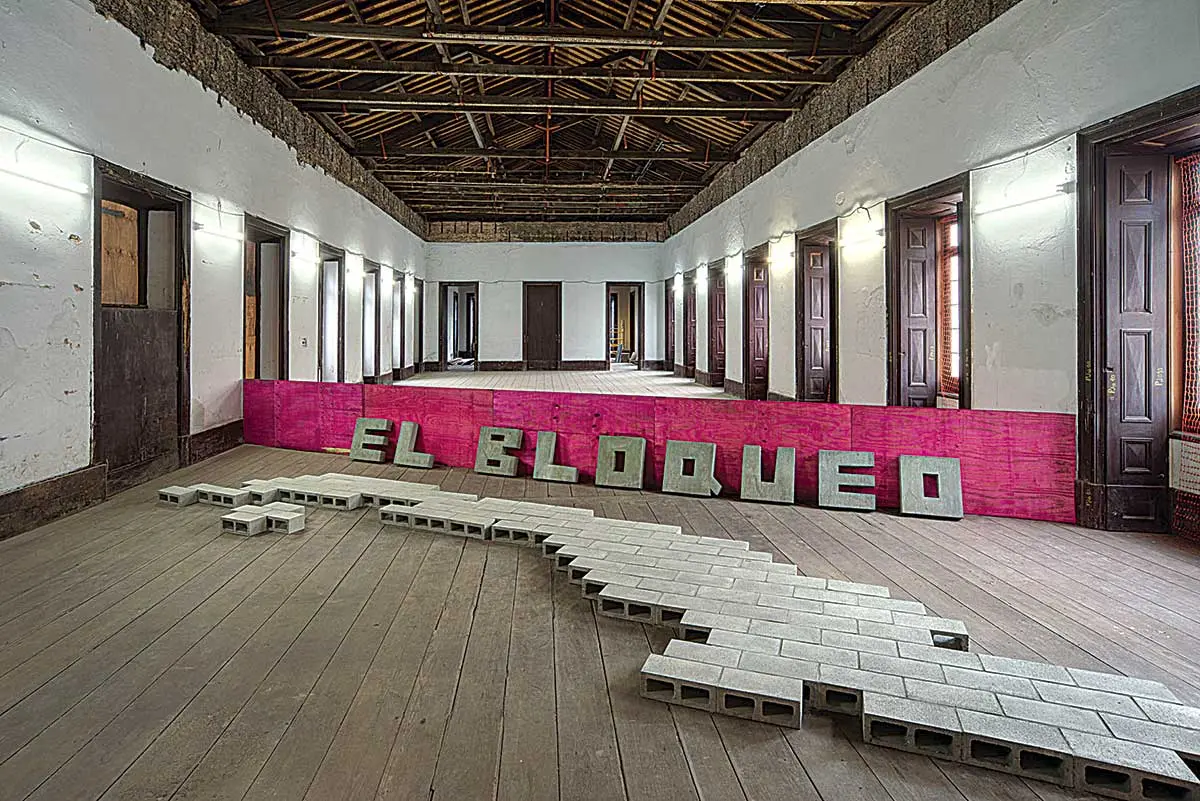
In an installation set alongside the monitors displaying Javier Castro’s video, the audience was invited to walk up a staircase to see Tonel’s site-specific work. Titled El bloqueo (The Embargo, 1989-1993), this work refers to the US commercial blockade and its decades-long impact on everyday life in Cuba. The artist uses an enclosure to separate the room in an asymmetrical way, creating a space between here and there, endorsed by letters that form the title of the work. The location was chosen for this installation, however, had not yet been renovated as others in Casa Daros. The embargo could also be read, now, as a reference to the abrupt interruption in the institution’s promising future in Brazil. Tonel’s work and its reference to economic realities, especially in 2015, after Barack Obama relaunched diplomatic relationships with Cuba, left us with a worrisome question about the future: how will this work be perceived in twenty years? What other works of art may emerge from the new economic relationship between Cuba and the United States?
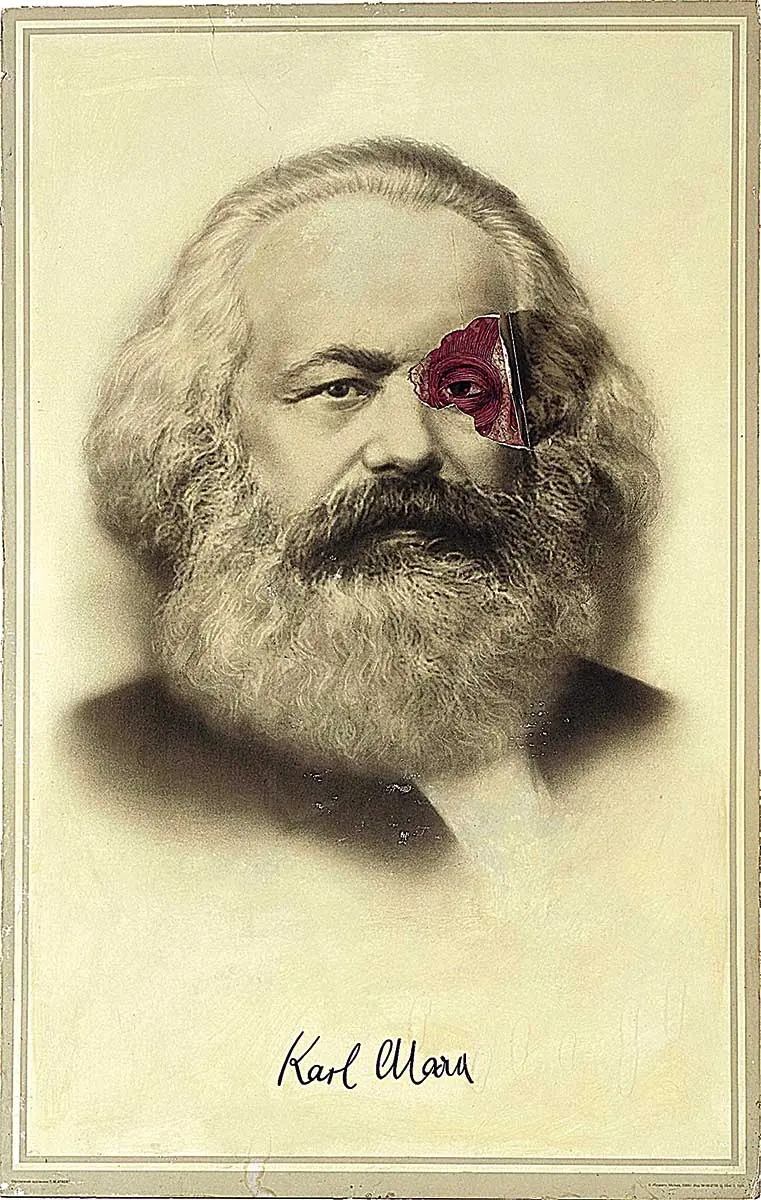
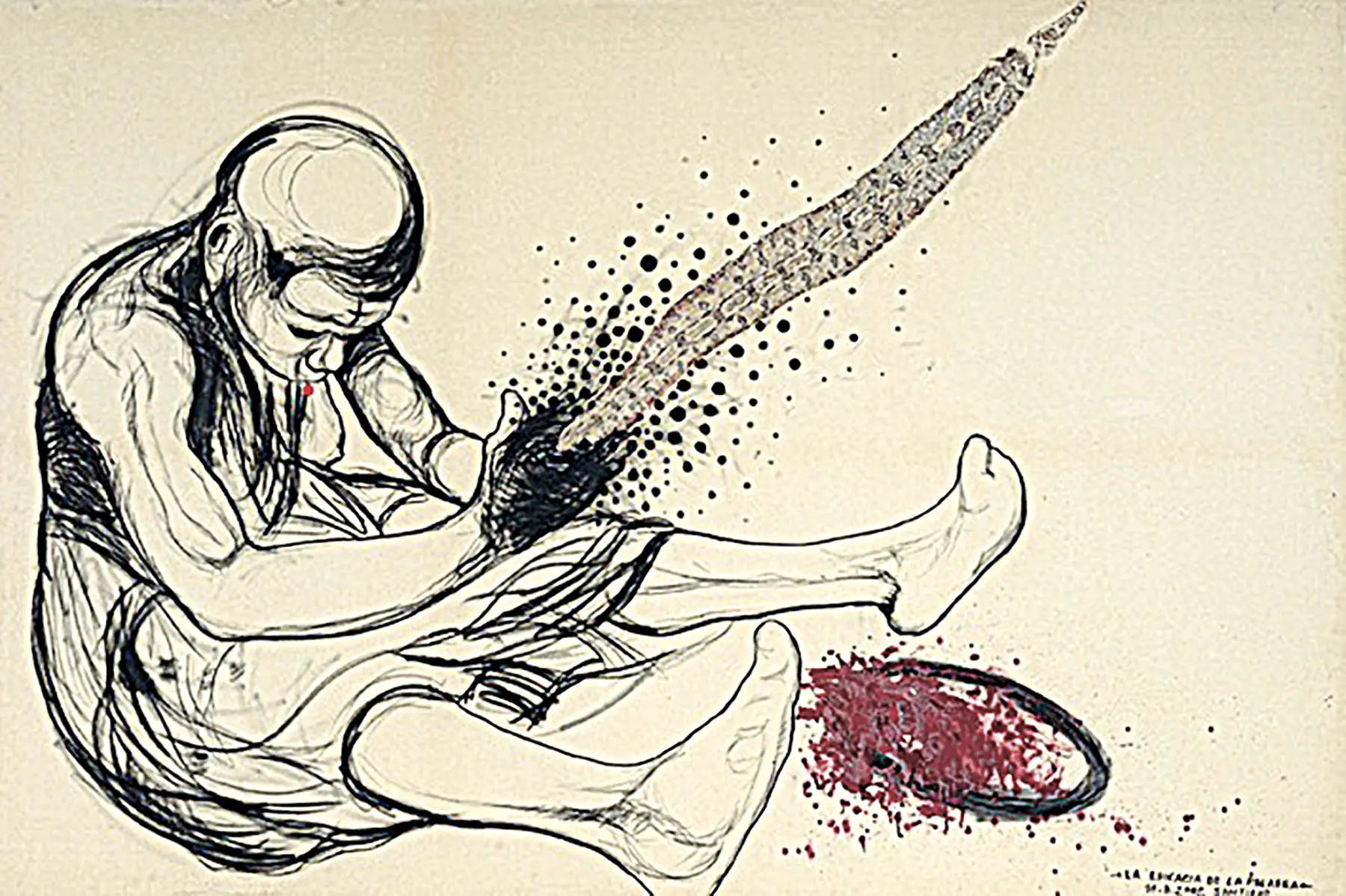
These questions framed our enjoyment of other works in the exhibition through a balance of “fiction and fantasy,” on the one hand, and works that sought to document and inscribe Cuba’s social lacerations. This perspective facilitated our approach to the poetics of, for instance, Belkis Ayón and Santiago Rodríguez Olazabál, or Marta María Pérez Bravo’s photographs, and to see Ana Mendieta’s and Tania Bruguera’s most visceral investigations dialog with the political subtleties of Lázaro Saavedra and Iván Capote.
Fortunately, the art produced in Cuba over the past forty years escapes the title proposed by the curator and is more significant than it suggests; this can be verified here and in any other exhibition presented under a geographic and temporal umbrella. At any rate, as the curators’ said, this is an invitation to engage with a very specific selection of artists and works held in the Daros Collection. In terms of the questions raised by these works—encounters with previously unknown artists and the ability to assemble them so that they have their own breathing space—I think the curatorial decisions were correct and did justice to prior group exhibitions presented at Casa Daros during its brief history in Rio de Janeiro. We are left wanting to see more from an even younger generation of artists working in Cuba, but this could not have come from a curatorial project based entirely on a single international collection that has already achieved official status.
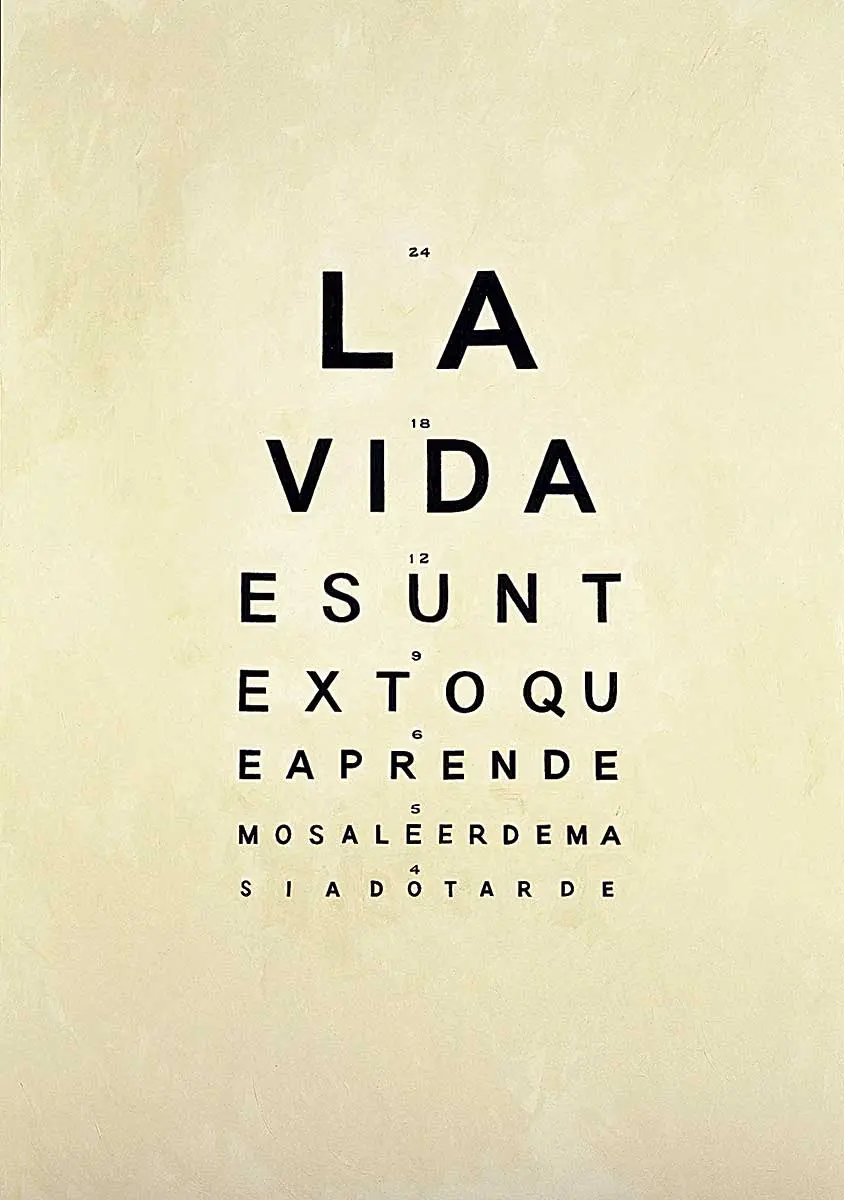
We are also left wanting more with respect to Daros’ presence in the Rio art scene. Although it did present some exhibitions of Brazilian names in the process of becoming well-established (like Eduardo Berliner and Vânia Mignone), opting for curatorships like Cuba: ficción y fantasía generated a lacuna between a foreign-based collection and a space for local action. Perhaps with more work, experience, and time, the gap would have closed and the limitations of the collection would have been overcome. Unfortunately, we will never know. It would also be admissible to imagine other ways in which Daros could retain its presence in Brazil and to await for the attempt to make its story, which is still to come.
NOTE
1. For example, Maria Clara Bernal’s book Más allá de lo real maravilloso: el surrealismo y el Caribe, published in 2006.
RAPHAEL FONSECA