Alejo Carpentier, in the prologue to The Kingdom of This World, wrote that America "with its virgin landscapes, by its formation, the ontology, the Faustian presence of its Indians and blacks, the revelation of its recent discovery and the fertile cross-breeding which had occurred on its lands— was still far from having exhausted its wealth of mythologies."
This description by the Cuban writer was particularly relevant to an exhibition such as Ante América, which made tangible the fact that we have still not really discovered the essence of our reality. We are part of a context in which day after day our artists are related to their environment through visual messages which are nurtured by a rich symbolic world, allowing the recovery of materials that are the basic elements of our cultures.
The handling of symbolic language is a constant in the art of Latin America. The history of the proposals made in the twentieth century by the artists of the continent is made up of unusual ways of apprehending this rich symbolic world.
A series of proposals has emerged in our countries which, from varying angles and concepts, have led to the establishment of a visual language full of meaning and suggestive interpretation. They are all committed in one way or another to the context in which they appear and highlight the regional features and the specific interpretation of the world in which the artist lives. Using elements that are historical, popular, or culled from the individual and collective conscience, these artists have insisted on searching for concepts that are based on their own reality. What is interesting in this process is their awareness of belonging to a specific context and of the impossibility in some cases of their being placed within the traditional parameters of the dominant Western canon. In their task of rethinking the criteria of representation, they refuse to limit themselves to exoticism or a false kind of folklore in any complacent acceptance of the demands of what might be called tourist art. If we accept that art is a form of knowing being oneself, then it should try to show not only how we are outside, but also the inner essence of what we are.
This exhibition was curated precisely along these lines. The central idea of the show was “to see the art of the Americas from within the continent itself and from the South, and try to disseminate it in its complexity, without recourse to stereotyped generalizations or new forms of exoticism and without trying to satisfy any hackneyed expectations."1
America is thus seen as a very complex world, characterized by a cultural plurality and the presence of artists from all kinds of contexts. “Although the main emphasis has been placed on identities and forms of Latin American culture, the selection covers the work of artists from many different cultural origins —whether Afro or native Americans, or artists from the Caribbean— and establishes links in imagery, beliefs, and artistic practices. The show thus includes artists from communities of Latin American immigrants in the United States, as well as cultural groups of the same origin who settled there, such as the Chicanos. The cultural production of these groups has rarely been presented alongside that of Latin America and is thus unknown in the South. The show also includes work by aboriginal artists from North America, since they comprise the major Indo-American ethnic and cultural group whose history and social situation have much in common with those of their brothers in the South. The same criterion was used in the case of the “imported aborígenes," as Lipschutz would say, with the inclusion of North American-African artists whose work also has links with the Caribbean and is part of the rich tradition of Africa in the Americas."2
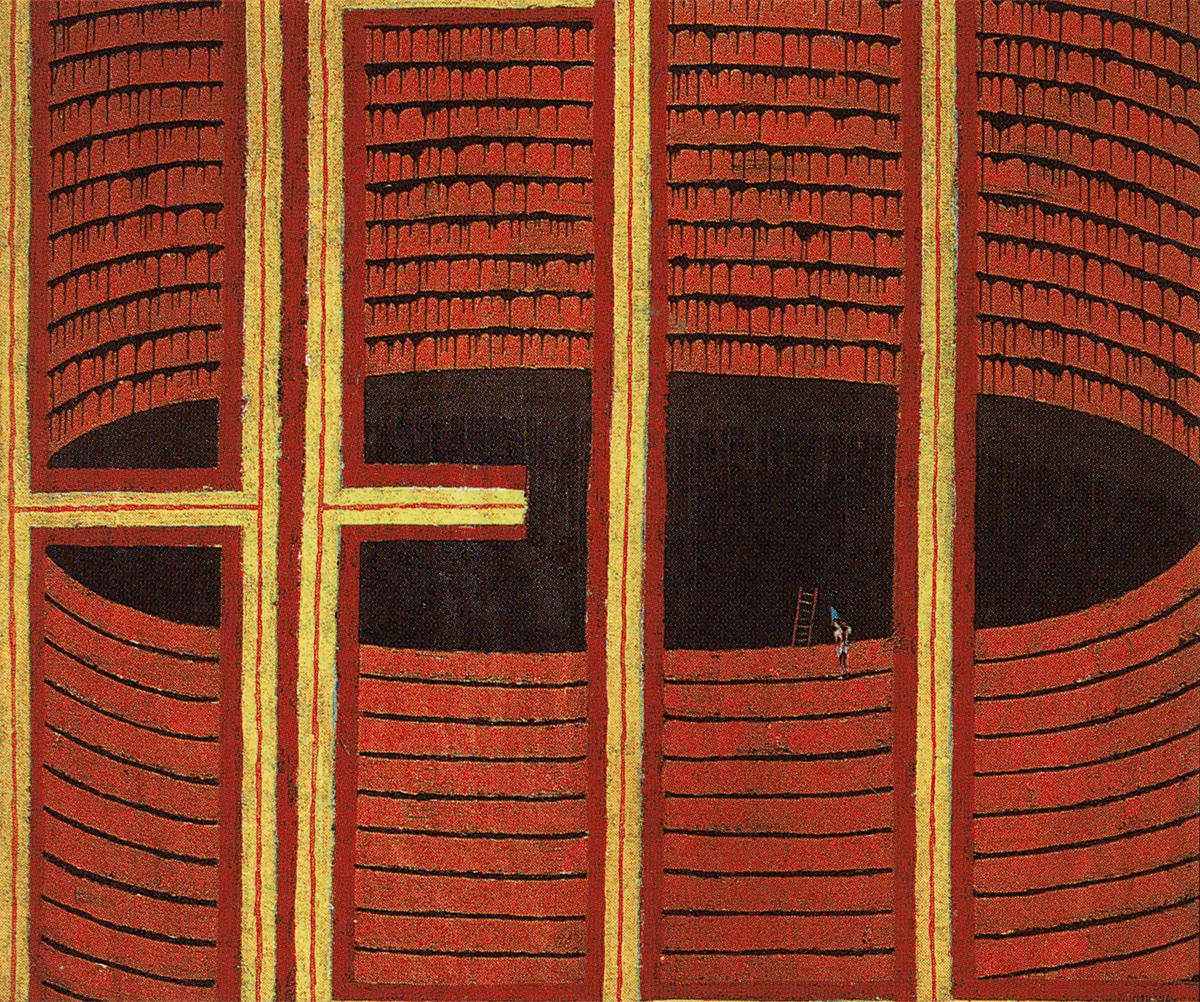
The selection of the work by the 27 participating artists was not based on any balanced representation by countries, but rather on the gathering together of a group of artists who shared a common concern —from very different angles— with the problems of identity, social context, culture, man and his environment. Despite the diversity, there were, however, links between the artists, who were all clearly interested in presenting their own manner of embodying a Latin American conscience. Some used their more immediate context to examine everyday life, not as a simple inventory but as a starting point for reflection. This was the case with such Colombian artists as Beatriz González, Doris Salcedo, and José Antonio Suárez, for example.
Beatriz González used her acute perception of Colombian reality to create images laden with symbols that synthesized a twofold and ambiguous reality that encompassed both the peaceful Indian (in the work entitled 1/500) and the corpses floating in The Current —a clear allusion to the presence of death as an everyday phenomenon in Colombia.3
Doris Salcedo has been working for some time on the theme of violence, not in a descriptive or documentary manner, but as an experience; it is an experience that is in the memory of those who are its direct victims, and it remains in the minds of those who live in a society of indiscriminate violence. The work on show was, as on previous occasions, an attempt to make the spectator participate on the basis of his own experiences.
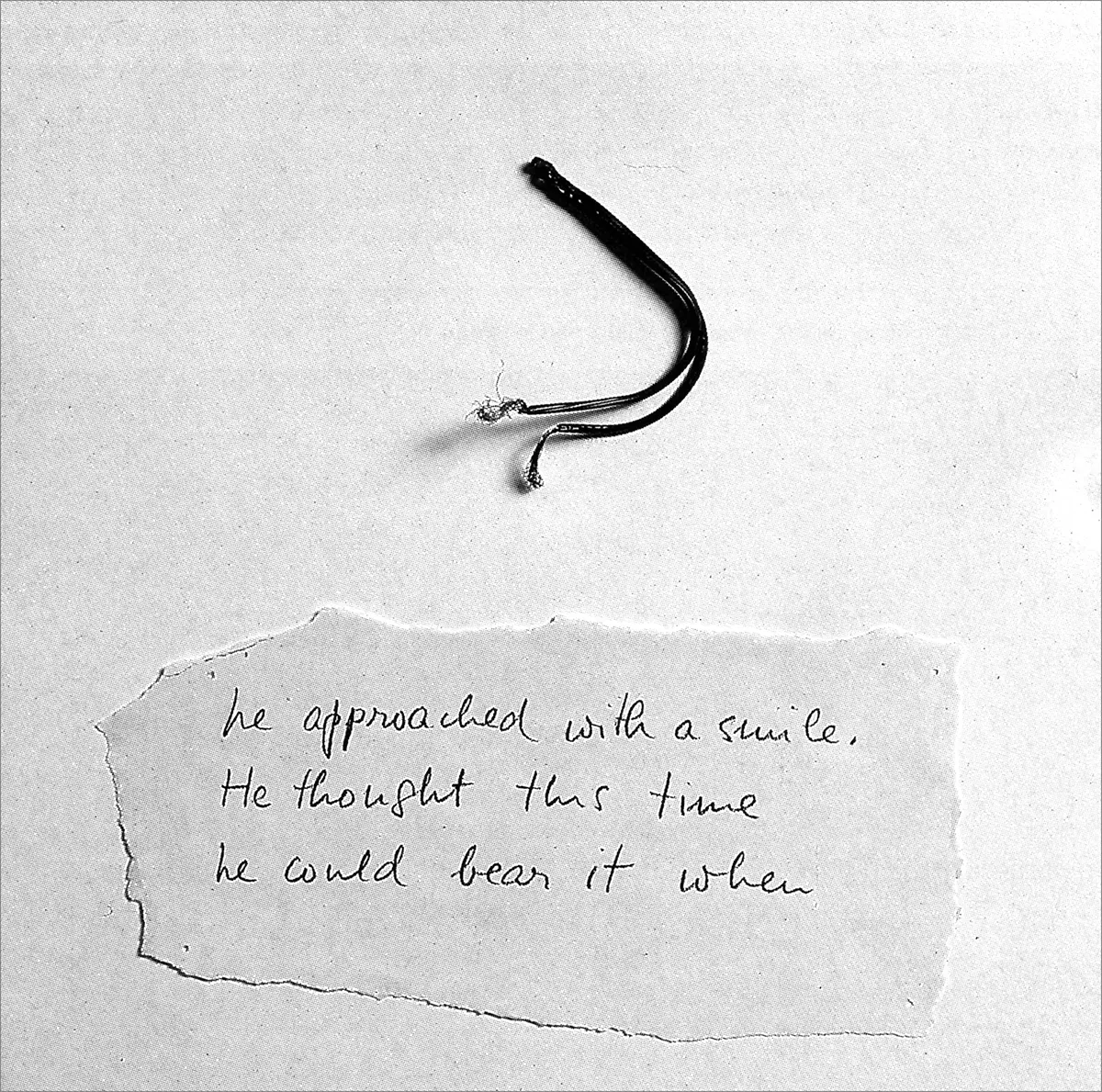
José Antonio Suárez presented very small drawings that take us into a world of complex interpretation, in which allusions, texts, and memories combine with a variety of materials in a non sequential kind of narrative made up of familiar events and figures from the artist’s environment.
Carlos Rodríguez is a characteristic representative of the critical current that developed in Cuban art in the 1980s: in his case, it has been centered on irony and the use of acid humor to parody official rhetoric. His oil works entitled Resist, Fight, Overcome are clear examples of this reflection, which combines both visual and linguistic effects.
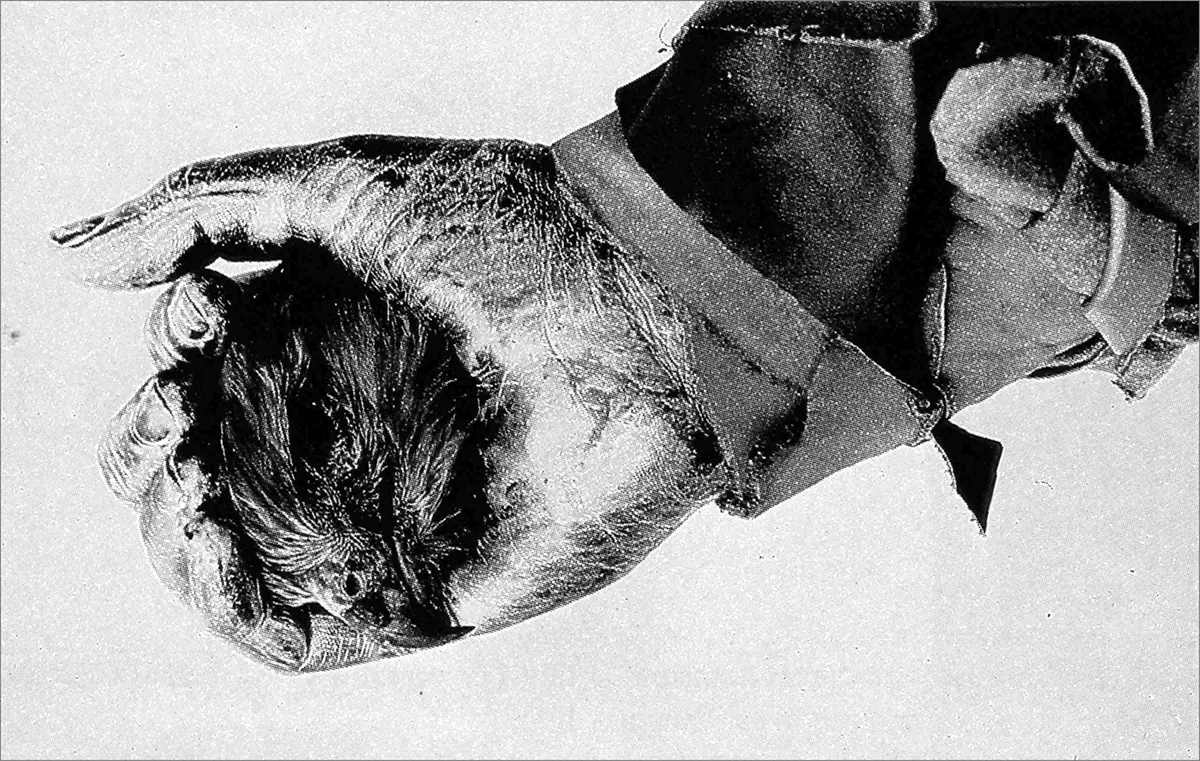
For Camnitzer and Capelán, the experience of exile, which has had such a heavy toll on Uruguayan society, affects their own artistic experience and is reflected in the social, rather than cultural, burden that this has implied, through the analysis of social problems and everyday situations. In the 1980s, Camnitzer produced his series on the theme of torture: although there is no overt indulgence in naked harshness, the feelings and fears of the spectator are stimulated through the references to daily experiences characteristic of the relationship between torturer and the tortured, and where the presence of everyday objects takes us dramatically close to the solitude and anguish of the prisoner.
Carlos Capelán has lived in Sweden for almost 20 years. His experience of the ambivalent situation of forming part of various cultures resulted in his installations, where he examined the relationship that exists between the hegemony of the mainstream and “the rest." His Maps and Landscapes reflect this variety of cultural realities, which were his starting point. Miscellaneous objects, earth, ashes, books, maps, texts, gesture paintings, and self-portraits are combined to show the compatibility of opposites. They are elements that have been carefully meditated and which are used to create his own language to express his experience of exile.
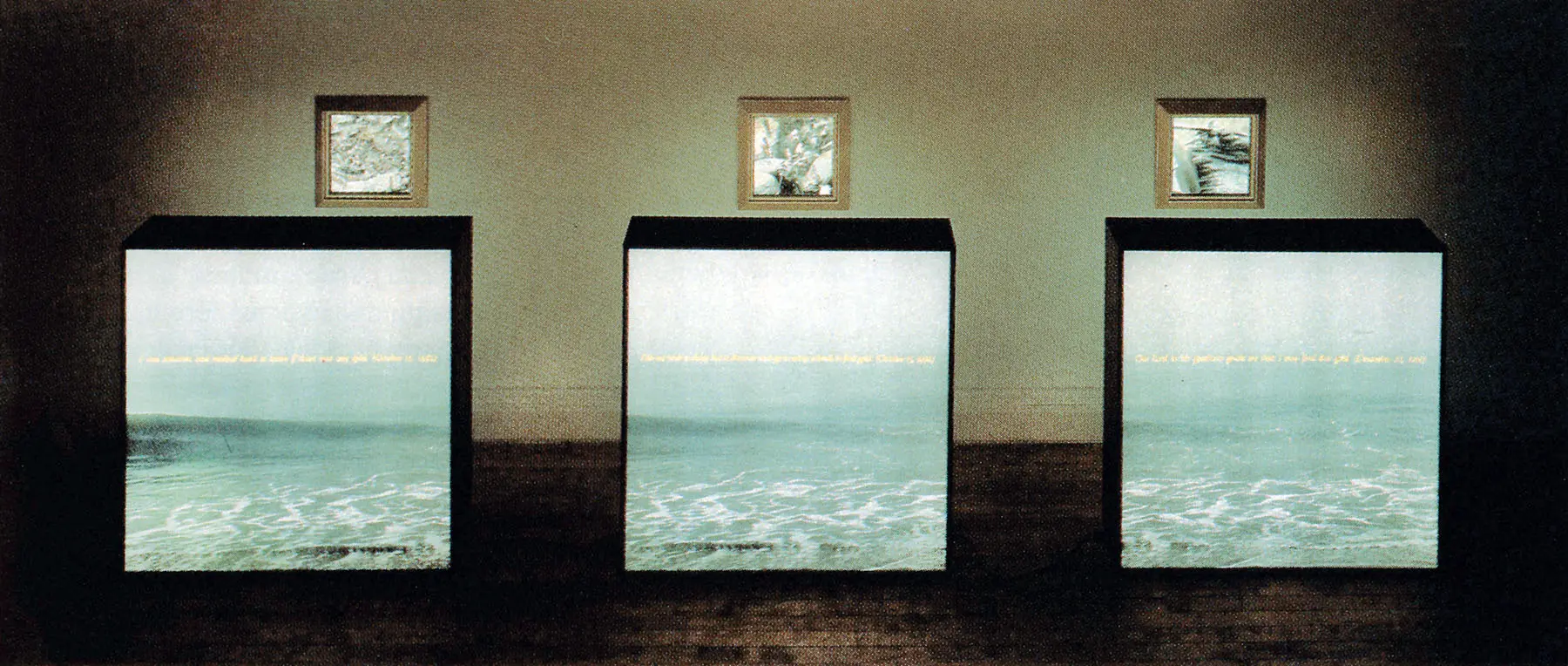
This relationship between the center and the periphery is examined from another angle in the work of the Chilean artists Arturo Duclos and Alfredo Jaar. The latter, in his Terra Non Descoperta, continues to work on what has been the essential feature of his work —to show in a suggestive and subtle manner the effects of colonialism in the countries of the Third World. But this reflection on culture may also have a more syncretic character, where the dominant Western current is related to the African and indigenous bases which are part of the artist’s own reality. In the case of the Mexican Francisco Toledo, the ancestral sources are the nutrients of the artist’s narrative power and the fables that characterize his world of mythical images and objects.
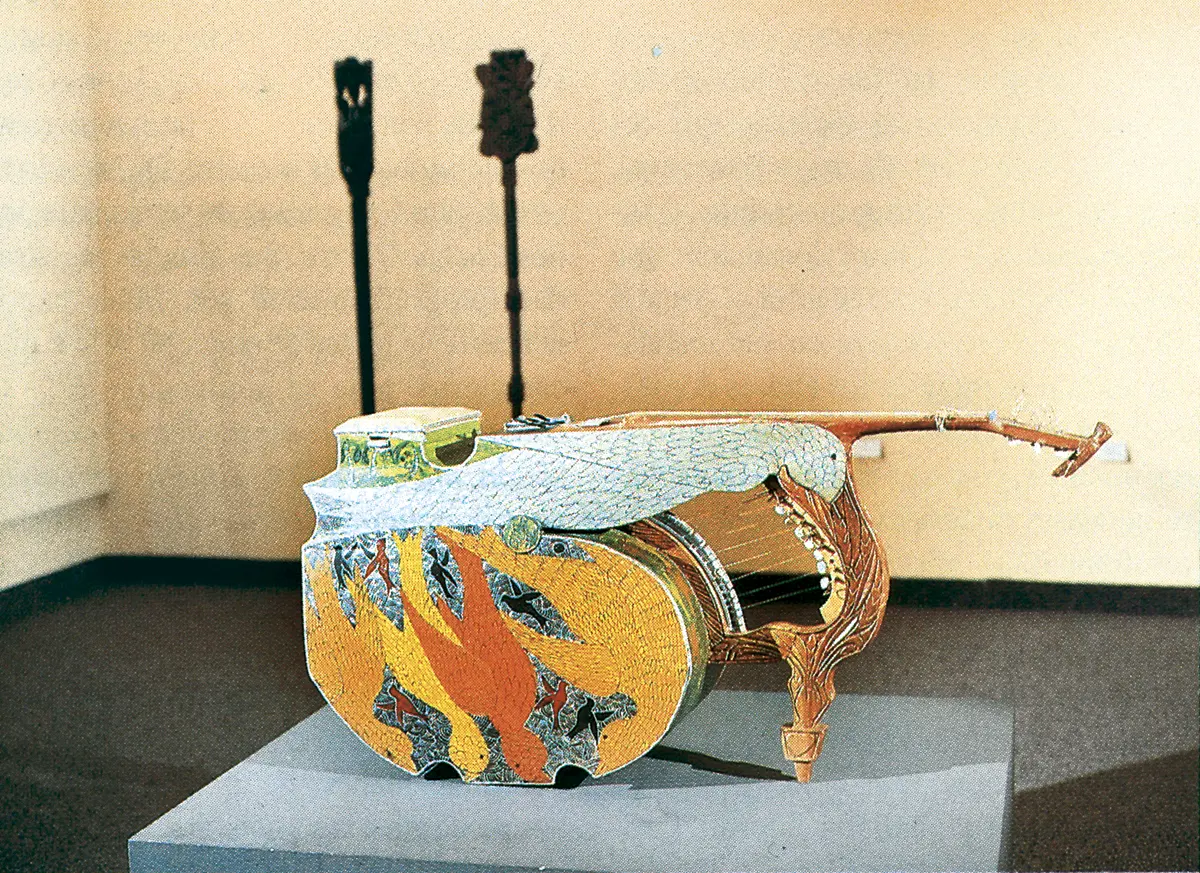
Within this world of the Caribbean, the Jamaicans Everald Brown and Milton George have been called the “intuitive artists” of Jamaica by David Boxer.4 The former creates work that is the result of his own spiritual experiences, whereas the latter concentrates on a special kind of expressionism where the female figure is the protagonist. The Cuban artists Francisco Elso and José Bedia are clear examples of the establishment of a culture that has resulted from the intensely hybrid nature of reality in that part of the world.
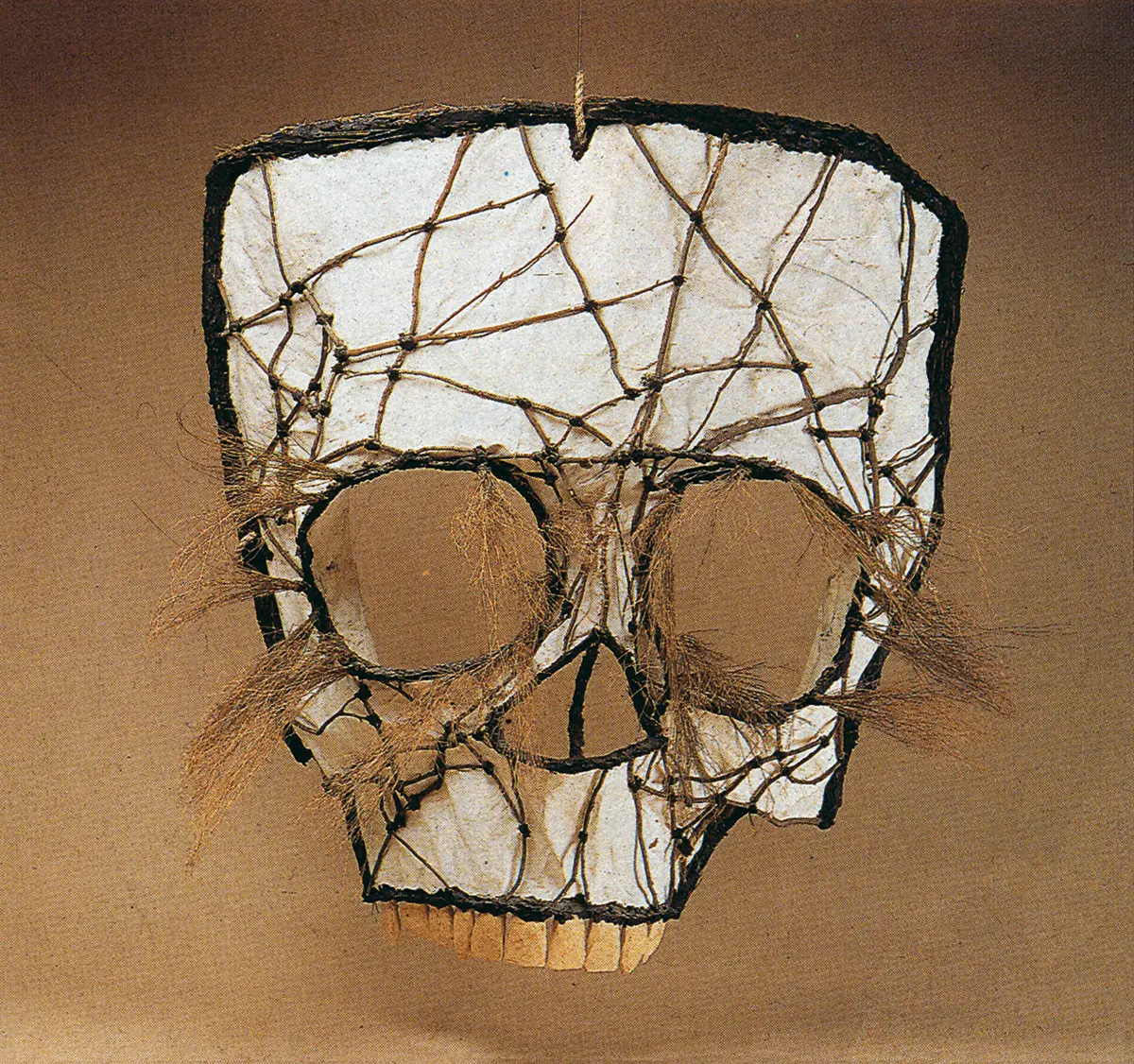
Elso Padilla starts with the basic idea of moving from within the realm of ancestral elements towards outside external realities. His installations, done with a variety of materials, such as clay, bark, wood, branches, leaves, and his own blood, refer to complex intellectual problems. His ideas on the use of materials and their value highlight their proximity to the idea of art as expressed in African cultures. For Elso, art is a way of seeing and understanding the world, a world in which magic, myth, spirituality, and understanding of Latin American reality are all part of one whole, where the restoration of the mythical continent and an awareness of that continent’s history are based on images which move from an introspective, individual attitude towards the symbolization of the continent as a whole.5 As Bedia himself has pointed out:6 “In the final analysis what I am trying to do is to establish connections with those cosmogonic forms of the primitive Afro-American world which have still not completely disappeared from amongst us and which function on the basis of symbols. My attitude is not colonialist; it is oriented towards the Third World."
His installations are a clear demonstration of the coexistence, without conflict, of worlds of thought related to the Western philosophical tradition and myths, legends, and forms of thought of African and indigenous origin. Although himself a product of Western culture, he turns to other cultures in a premeditated manner, using their influences and taking us towards a world that still retains its energy and of which we are part.
In this dialogue, which the exhibition offered through the most varied currents of Latin American art, the show went beyond the frontiers of the continent and included work by Latin American artists who live in the United States, as well as artists from the North with obvious African or indigenous roots, such as Jimmie Durham and Melvin Edwards.
The presentation of Chicano art offered an opportunity to explore some of the implications involved in any adoption of another culture. On the one hand, these artists are an integral part of their original culture, yet at the same time, they maintain a conflictive relationship with the environment in which they live, and of which —despite all the contradictions— they are part. Hence the importance of the past in their work, as they dig into the sources of their own experience for the material which they subsequently confront or integrate with the dominant culture which tends to marginalize their own memories. Amalia Mesa-Bains reconstructs in her installations the presence of household altars, dedicating them to the dead members of her family or to the commemoration of religious or historical events as well as to important women figures. These altars are a reflection on the complex hybrid reality of her cultural environment, made up of Catholicism and Nahua religious elements which contrast strongly with the attempts at cultural globalization. Enrique Chagoya reconstructs in his work a strange personal world in which his childhood memories —where Catholicism and Mickey Mouse played a major role— overlap with a critical attitude to the symbols of oppression, whether cultural or political. Guillermo Gómez Peña, who grew up in Mexico and has lived in the United States since he was 23, explores the problems of identity resulting from incorporation into such a varied environment. He uses exaggerated situations, ridicule, and kitsch in his work “to generate an impetus and a dizzying space which encompasses the agglomerated and undigested world which confronts him."7
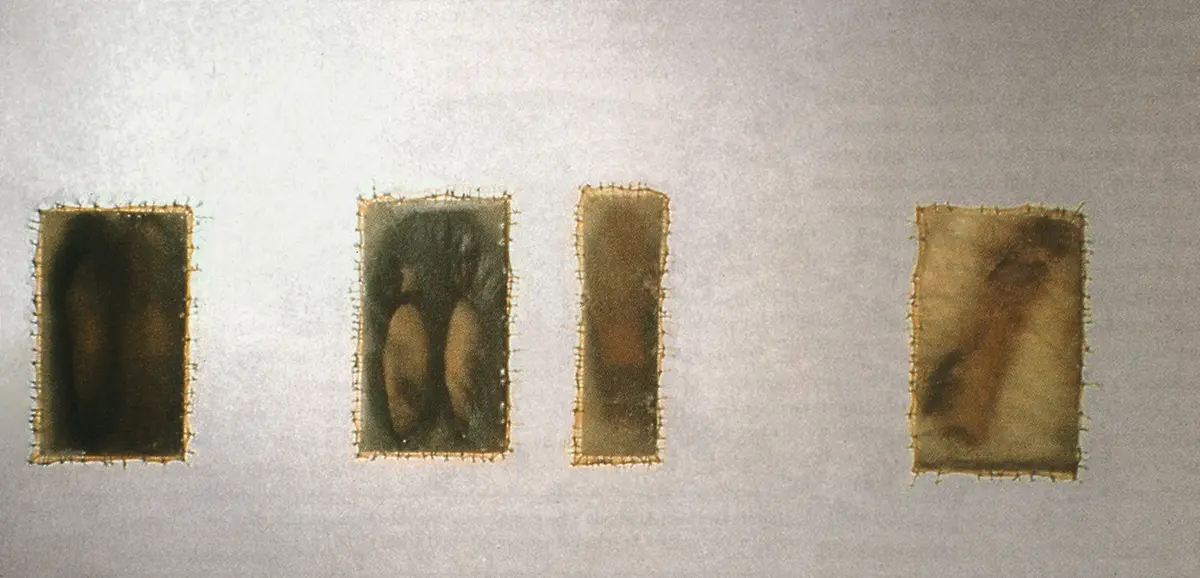
Ana Mendieta and Luis Cruz Azaceta —Cuban artists resident in the United States— were also included in the show. The former was represented by photographs of her installations entitled Body/ Earth. The silhouettes thus recorded were faithful expressions of her strange conception of art which characterized all her productions. “She became her own method of composition, imposing her silhouette with burnt powder, stones, flowers, fireworks and even with a marking iron in the form of her hand, on fragments selected at random from the natural environment."8 The result is not only the record of her body but a special way of using that body as a starting point for memory, experience, and cultural analysis. Luis Cruz Azaceta, who has lived in New York since the 1960s, is fully familiar with an intense urban environment in which violence was an everyday event that gradually penetrated his way of seeing and painting the world that surrounded him. As he himself has said, his main theme is the cruelty of man towards man: he shows the victim, digging into the suffering and wounds which social or political oppression has brought to contemporary man.
Ante América showed that we can no longer continue to make false generalizations in our analysis of art in the region. The new proposals emerging show that our artists are conscious that they are the product of an encounter between not two but three worlds.
The presence of “primitive” elements —whether indigenous or African— has little to do with the handling of such themes by other major creators of the twentieth century. It is not a question of resolving problems of form or design, decontextualizing the original elements, but rather of assuming and integrating into their work an essential part of their cultural heritage. Artists have now emerged who accept that they are part of different cultural traditions that overlap and which contribute to making them what they are. They are not negating Western culture, which is part of their own tradition, but including non-Western concepts in a conscious fashion.
And so we are a continent made up of many different regions which maintain their peculiarities and contradictions. Integration will be possible if we are able to assume this reality as it is. Although there are many different ways in which these referents condition the reality of each country, they can but reaffirm the existence of this variety and contradiction.
NOTES
1. Catalogue of the exhibition titled Ante América, Bank of the Republic, Luis Ángel Arango Library, Bogotá, 1992.
2. Op.cit.
3. Carolina Ponce de León, “Beatriz González," op.cit.
4. David Brown, “Milton George," op.cit.
5. Luis Camnitzer, “Elso Padilla," Arte en Colombia, No. 41, Bogotá,
1989.
6. Text published in an article by Leslie Judd Ahlander, “José Bedia,
Maestro de Cuchillos y meteoros," Arte en Colombia, No. 46, Bogotá,
1991.
7. Rachel Weiss, Guillermo Gómez Peña, Catalogue of the exhibition
Ante América, op. cit.
8. John Perrault, text published in the catalog of the Ana Mendieta
retrospective at the New Museum of Contemporary Art, New York,
1987.
IVONNE PINI
Professor at the National University of Colombia. Executive Editor of Arte en Colombia/ArtNexus.