June – August 2015
artnexus #97
Arte in Colombia #143
Before deciding to form an artistic duo in 2006, Donna Conlon (Atlanta, 1966) and Jonathan Harker (Quito, 1975) had already established solid individual productions separately in Panama, where they live and work.
In the exploration of the urban environment from an archeological perspective, Conlon maintained that “I collect and accumulate ordinary objects and images from my daily life and my usual environment. I rely on them to reveal the idiosyncrasies of human beings and the contradictions inherent in our contemporary lifestyle.” Harker in turn relies on an ironic nonconformity—not devoid of satirical humor—to show the ambiguities and inconsistencies of our daily lives. Through the use of resources such as video, installation, or single images—as in the case of the Panama postcards—he explores several forms of language to put into question traditional narratives.
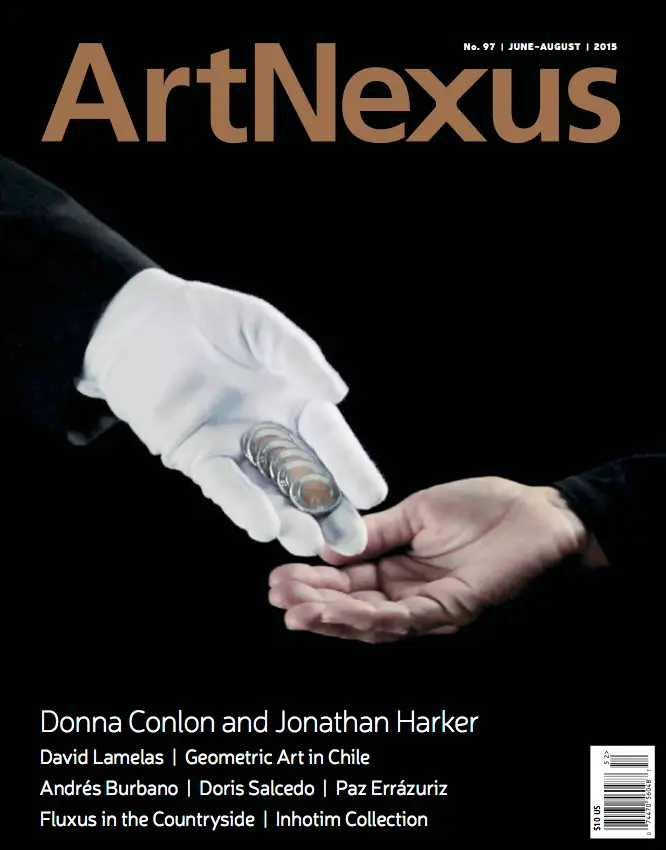
Since they began their collaborative work, Conlon and Harker have been exploring several of their individual concerns together and, through installations and videos, have recycled discarded objects to reflect on mass consumption, the accumulation of waste, its impact on the environment, and the pollution that it generates; all without losing sight of identity issues that are also contained in their collaborations. Despite the density of the sociopolitical themes that they allude to in their pieces—involving issues like the existing contradictions in the construction of the Panamanian identity or the ironies generated by consumerism in capitalist society—they incorporate play as a central vehicle for their proposal. And in the various videos that they have created, they approach issues that erase the boundaries of the local space to move into the international arena, as they show the manner in which serious issues that have a global effect can be approached and generate reflection from a perspective that allows humor. Such is the case of their video Invisible Hands, featured in the cover (still), where they explore the symbolic character of money and by using the balboa, Panamanian currency designed in honor of the Spanish conqueror Vasco Núñez de Balboa, they reflect upon the control imposed by the economic and social structures of power.
IVONNE PINI
Issue Number: 97
Arte in Colombia: #143
Period: June – August 2015
You have 3 free articles remaining this month. Sign up for unlimited access.
Content
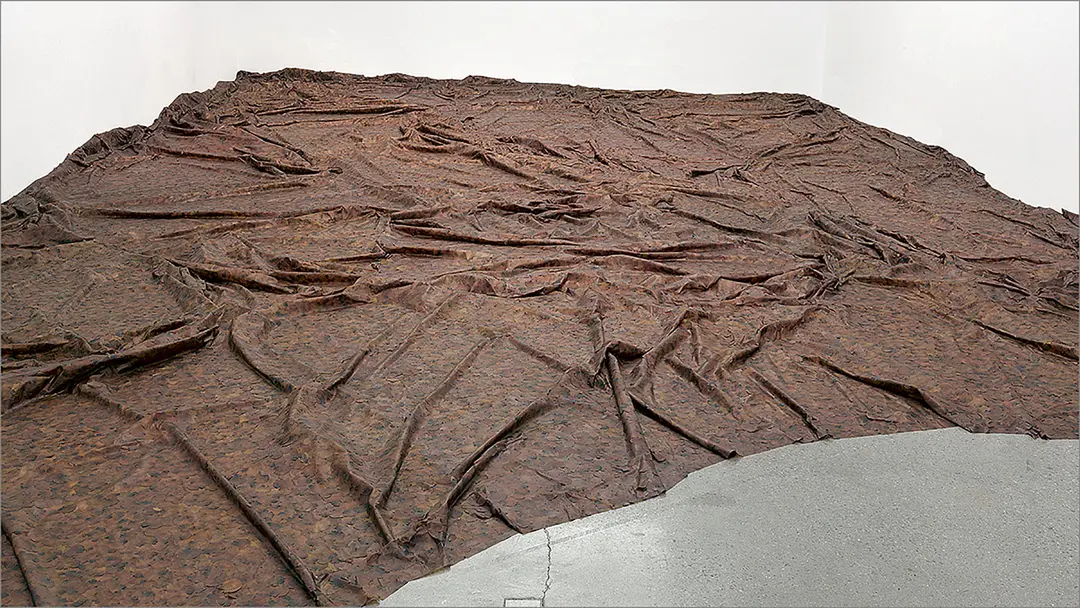
An eloquent silence. A retrospective of Colombian artist Doris Salcedo
Individual exhibitions

Group exhibitions
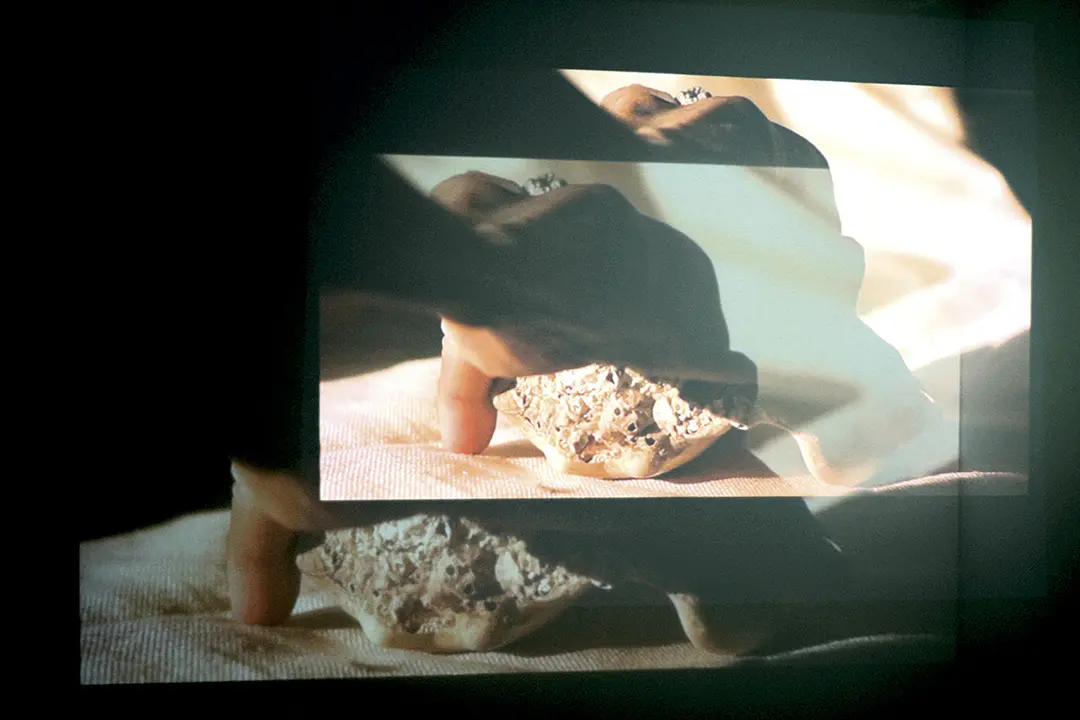
Electro_estética ambiental.ve. Videoarte, artes electrónicas y medio ambiente.